Compare sustainable packaging routes by product protection, material use, target market, recovery pathway, evidence needs, and claim limits; no single structure is a universal lower-impact answer. Options can include material reduction, PE-based recyclable-ready structures, paper laminates, recycled-content structures, and other lower-impact directions, each subject to filling, barrier, documentation, and claim review.
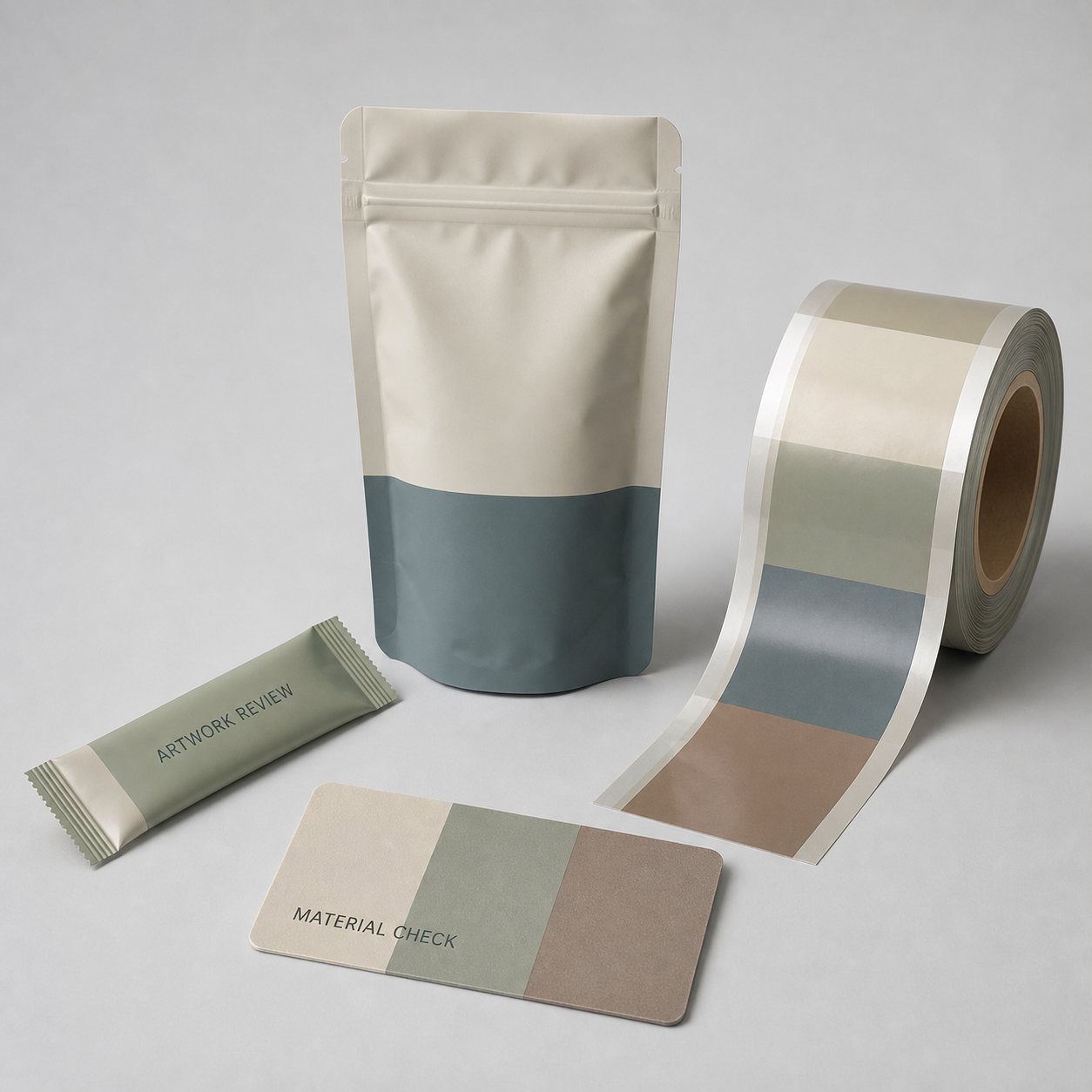
Sustainable packaging is a structure-dependent review process, not a single guaranteed material claim. PE-based films, paper laminates, recyclable-ready structures, recycled-content structures, and lower-impact options must be checked against product sensitivity, filling process, barrier tradeoffs, target market, and local recovery stream.
Claim review should define the disposal pathway, testing support, material declarations, documentation scope, and structure limits before recyclable-ready, recycled-content, compostability, or lower-impact language is used.
GMP-Style Production Controls
Partner facilities
ISO 9001-Style QC
Quality system
Shipping term coordination
DDP / FOB / CIF
Project-Scoped Materials
Material review
These product categories are actively moving toward sustainable packaging structures. Each has distinct barrier, shelf-life, and regulatory requirements that shape material selection. Explore all market solutions .
Recyclable-ready, recycled-content, paper-based, compostability, and lower-impact statements are reviewed against material declarations, testing support, and documentation scope.
Structure limits, barrier tradeoffs, sealant choices, labels, inks, closures, and filling process are checked before a sustainability route is recommended.
Target market, local recovery stream, disposal pathway, customer claim rules, and retail documentation expectations shape the final specification.
Material declarations, artwork proof, sample approval notes, recovery notes, and food-contact documentation can be reviewed by project scope.
Key factors to evaluate when selecting sustainable packaging structures for your project.
Sustainability requirements vary by region. The EU, California, and parts of APAC have specific recyclability or extended producer responsibility rules. Identify your primary markets first, then align material choices to their recovery infrastructure.
Mono-material PE structures improve recyclability but may sacrifice barrier performance. Paper-based laminates offer perceived sustainability, yet actual recycling depends on local collection streams. Match material to both performance needs and end-of-life realities.
Higher barrier often means multi-material laminates that are harder to recycle. Assess whether your product truly needs high oxygen or moisture barrier, or whether a simpler structure with shorter shelf life is an acceptable tradeoff.
Terms like "recyclable," "compostable," and "biodegradable" carry specific legal definitions in different jurisdictions. Ensure any claims on your packaging can be substantiated with testing data and comply with local advertising standards.
Choose structures around local recovery stream, target market, disposal pathway, barrier tradeoffs, filling process, structure limits, testing support, and documentation scope.
| Structure | Application | Barrier Level |
|---|---|---|
MDO-PE / PE
|
PE-based films review where local recovery stream, stiffness, sealant layer, and barrier target are compatible | Standard |
BOPE / PE
|
Recyclable-ready review where clarity, print, seal integrity, and barrier tradeoffs can be accepted | Medium |
Paper / PE
|
Paper laminates for paper-look projects where recovery route, barrier lining, and claim review are defined | High |
PCR-Content Review
|
Recycled-content structure review when resin source, migration scope, and documentation support are confirmed | High |
Compostability Review
|
Compostability claim review where target market, disposal pathway, test method, ink, adhesive, and thickness limits are defined | High |
Conventional Backup
|
Baseline laminate for comparison when barrier target, shelf life, or filling process exceeds lower-impact structure limits | Standard |
Use the four-layer view to compare sustainable packaging routes: material reduction, required pack function, recovery-path fit, and the evidence needed to support each trade-off. Visit our material guide for more details.

Print coverage, ink, and artwork choices are reviewed against material-reduction goals and the evidence available for the selected sustainability route.
MDO-PE can be reviewed for material reduction, stiffness, and print support; the outcome depends on thickness, formulation, validation evidence, and recovery-path trade-offs.
Barrier PE or a compatible coating is specified only where product protection requires it, with evidence needs and recovery-route limits made clear.
The sealant is balanced around material reduction, reliable sealing, closure fit, filling conditions, and the documented limits of the chosen route.
This page is the comparison layer: use it to compare sustainable packaging routes before moving into a target recovery pathway or one-resin-family structure review.
Sustainable packaging claims depend on the final material structure, accessory choices, target market, local recovery stream, disposal pathway, and available testing support.
Recyclable-ready, recycled-content, paper-based, and compostability language should be reviewed with material declarations, structure limits, artwork wording, and documentation scope before launch.
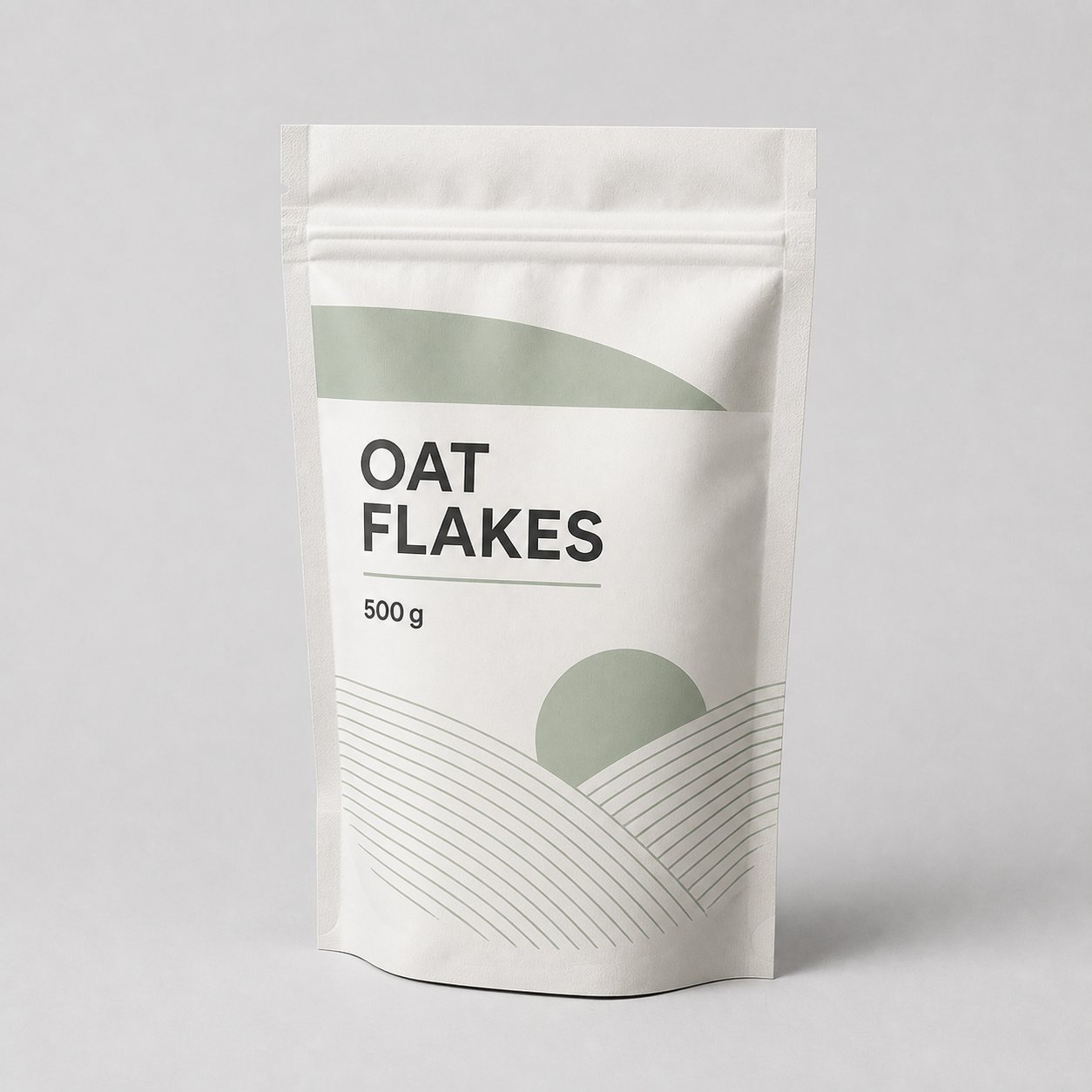
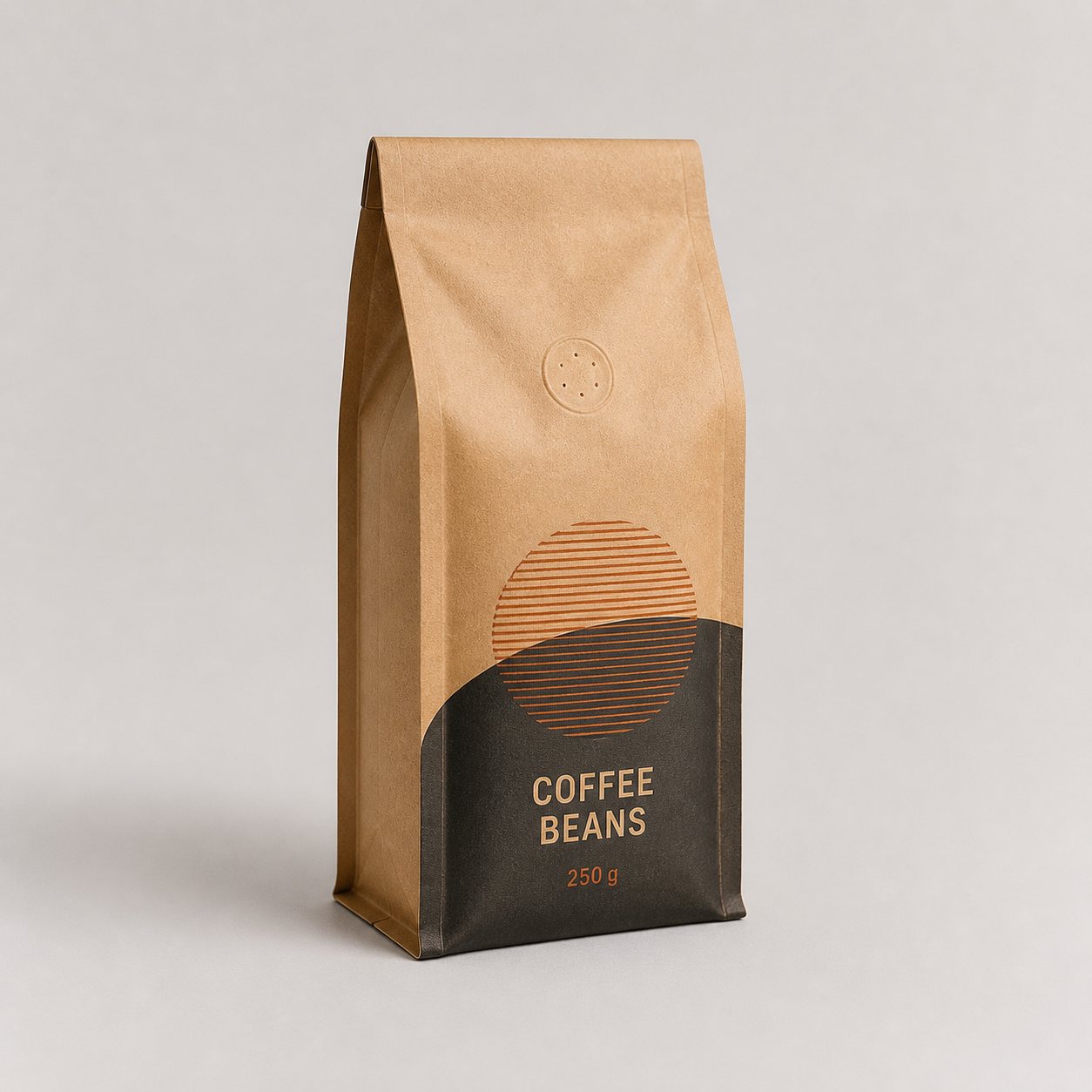
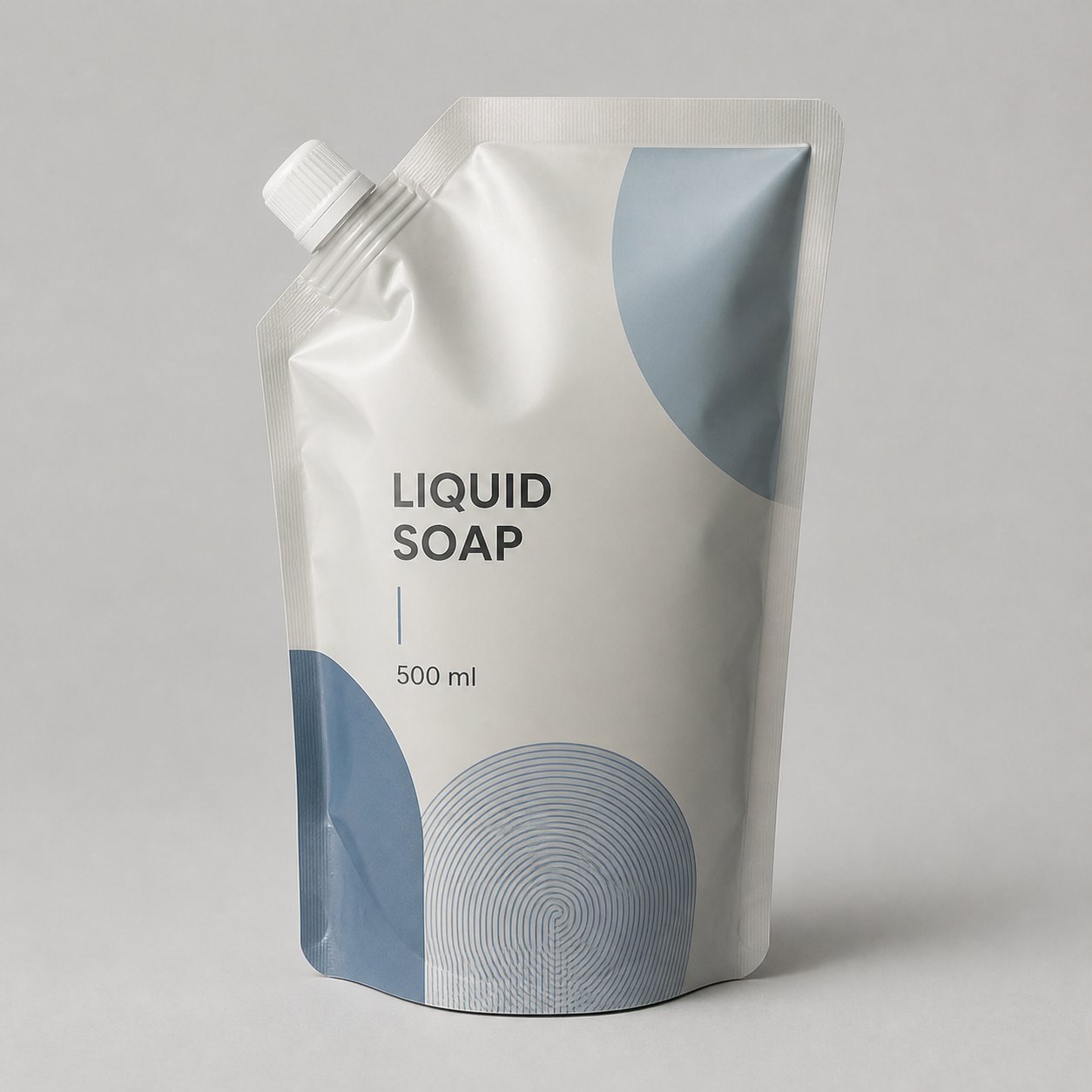
Confirm local recovery stream, target market, disposal pathway, labels, inks, closures, and final pack format.
Review PE-based films, paper laminates, recycled-content structures, barrier tradeoffs, sealant layer, and filling process.
Define material declarations, testing support, documentation scope, claim review wording, and customer approval records.
Sample review, artwork proof, seal checks, material declarations, and food-contact documentation can be reviewed by project scope.
Representative review points only. Actual choices depend on material structure, product sensitivity, filling process, target market, local recovery stream, and evidence scope.
Structure Route
PE-based films, paper laminates, recycled-content review, or conventional backup by project scope
Recovery Fit
Reviewed by local recovery stream, sorting limits, labels, inks, closures, and target market
Barrier Tradeoffs
Reviewed around oxygen barrier, moisture barrier, shelf-life target, and structure limits
Claim Review
Reviewed against disposal pathway, artwork wording, testing support, and documentation scope
Documentation
Material declarations, recovery notes, recycled-content declarations, and food-contact documentation by project scope
Filling Process
Checked against forming, sealing, COF, line speed, product sensitivity, and customer acceptance range
Recyclable-ready review for PE-based films with local recovery stream and structure limits defined
Recycled-content declarations, material declarations, and food-contact documentation reviewed by project scope
Paper laminates reviewed for barrier tradeoffs, disposal pathway, and claim wording inputs
Packaging artwork, material samples, documentation scope, and claim wording inputs
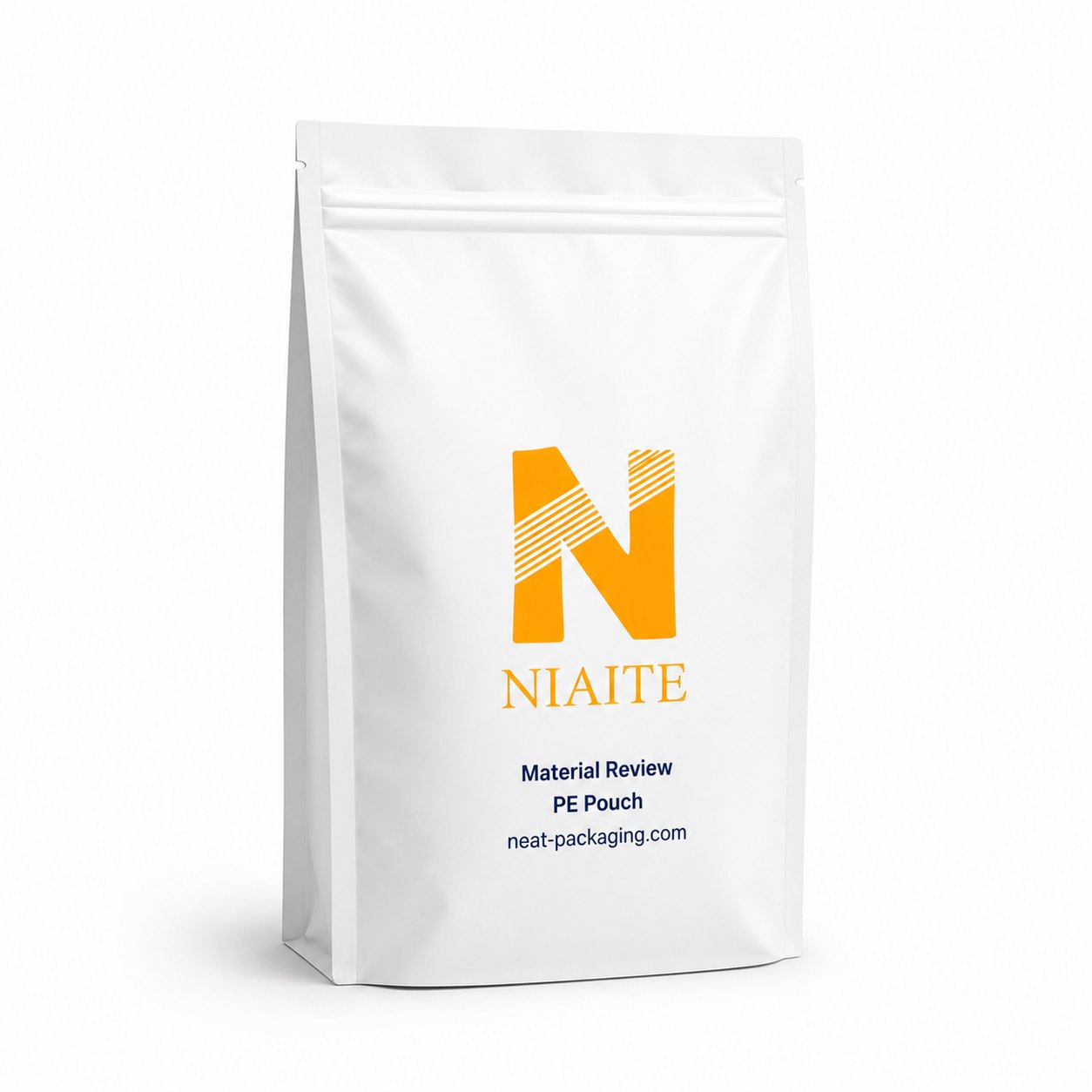
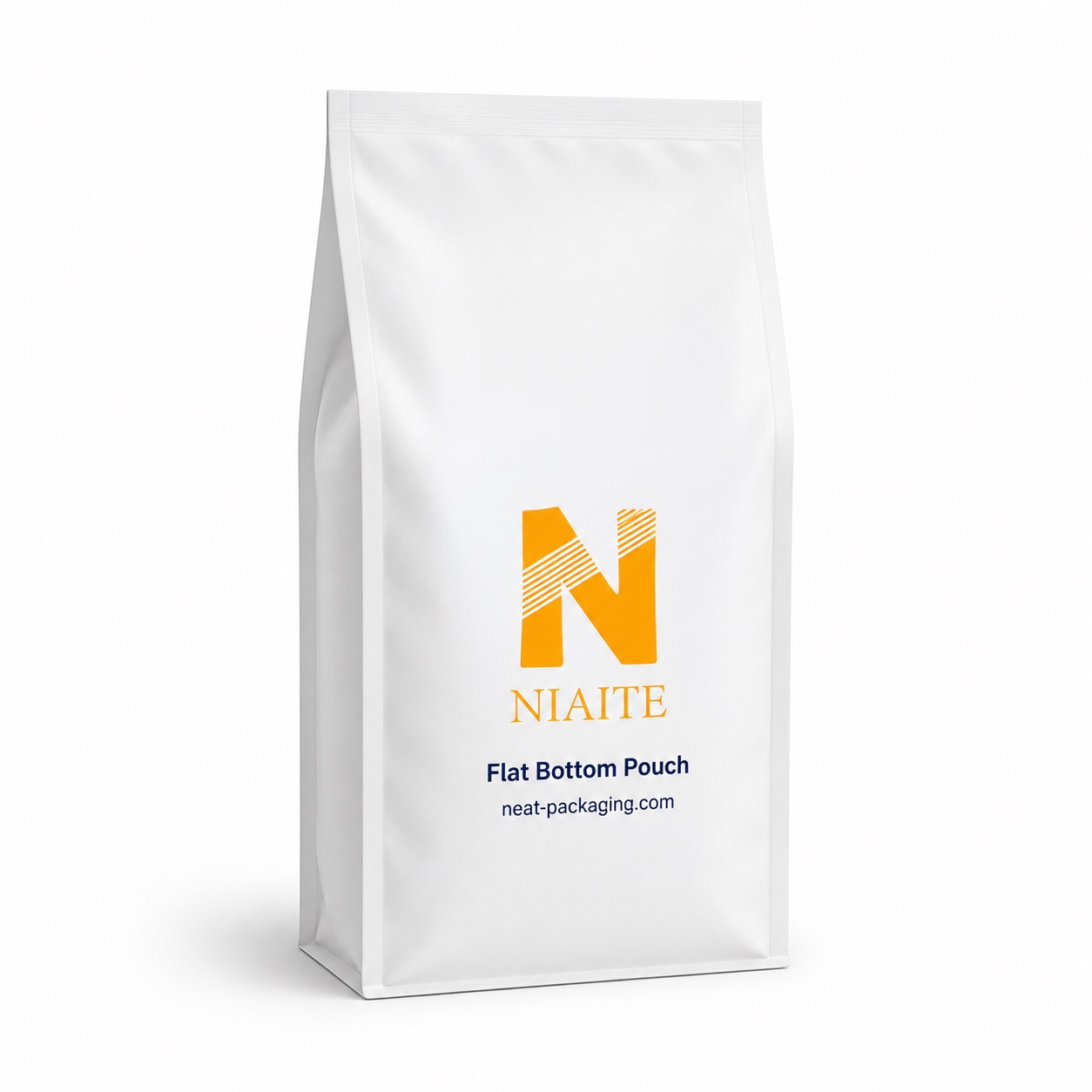
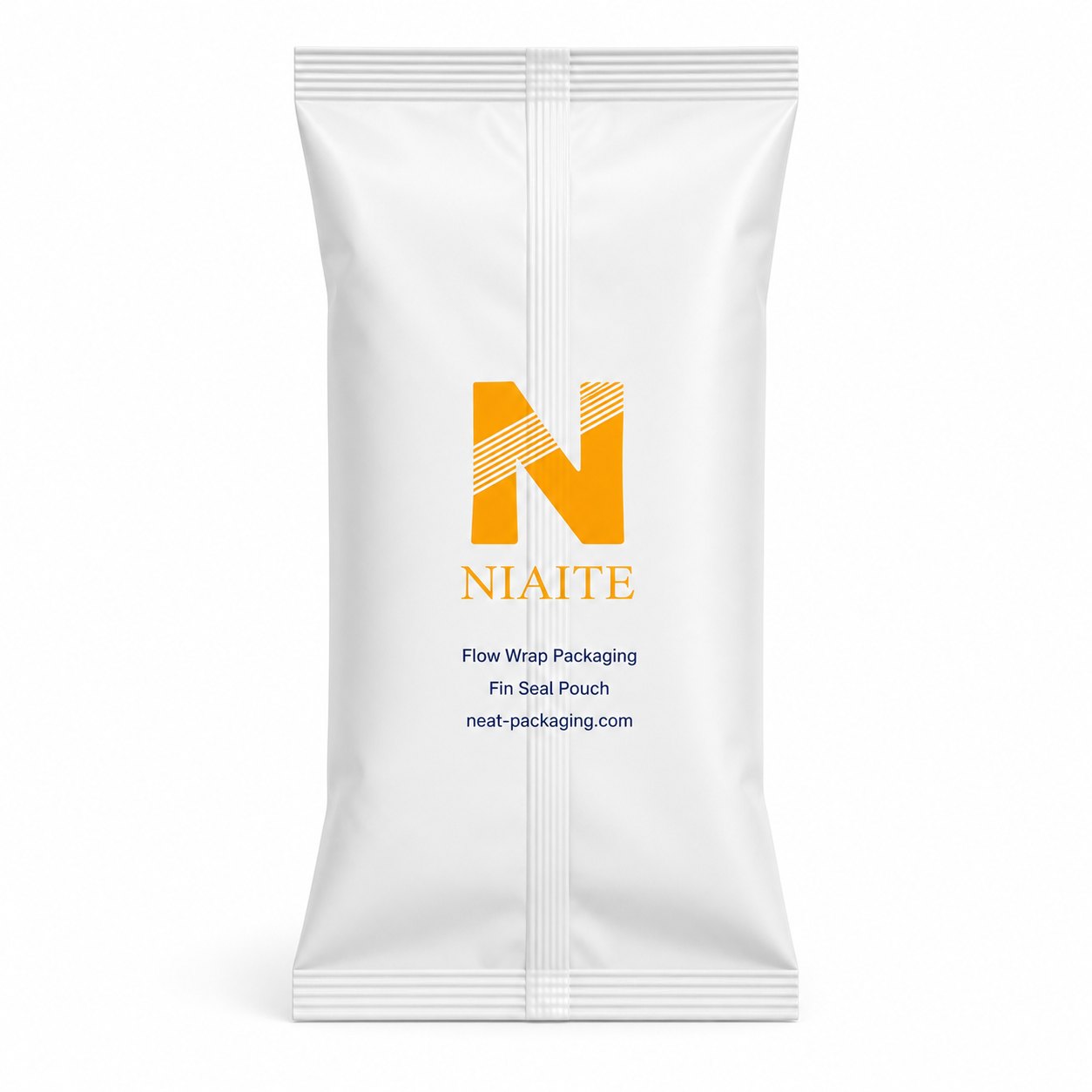
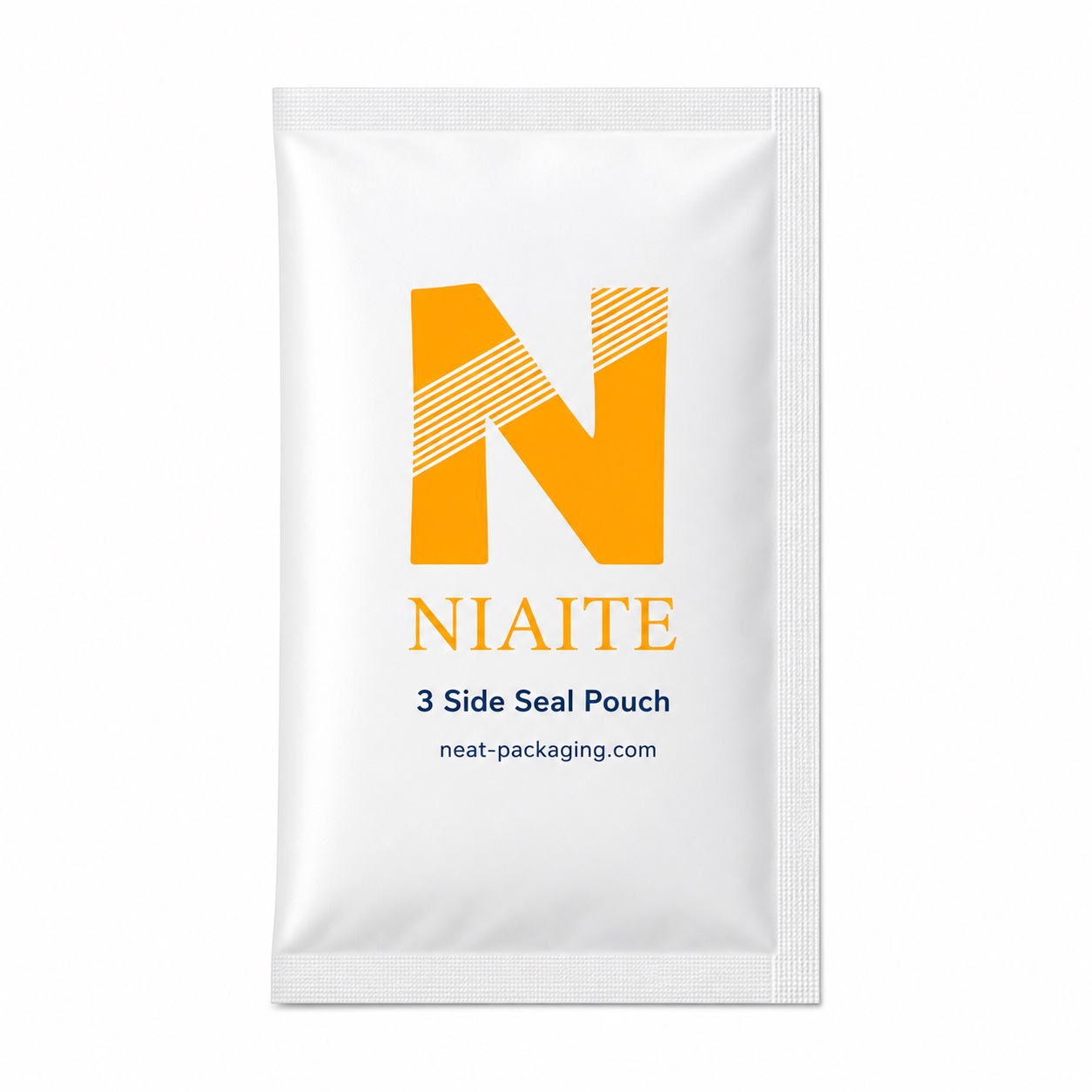
Use these photos as format references. Final size, structure, print layout, and testing scope are reviewed against your product, filling method, and target market.
Lower-impact structure options can be reviewed when the product, filling process, target market, and recovery route support them.
Compare material reduction, product protection, filling compatibility, target market, recovery pathway, evidence needs, and claim limits together. No single route is a universal lower-impact answer, so the functional and documentation trade-offs should remain visible.
Please confirm product type, filling process, target market, disposal pathway, local recovery stream, barrier target, structure limits, PE-based films, paper laminates, closure needs, artwork panels, material declarations, testing support, documentation scope, and claim review requirements.
Material declarations, food-contact documentation when applicable, recovery-stream notes, recycled-content declarations, testing reports, artwork wording, sample approval notes, and project QC records can be reviewed according to the selected structure and project scope.
Production workflow follows GMP-style hygiene and handling controls; no site-level GMP registration is claimed.
ISO 9001-style QC records, material declarations, artwork proof, and project documentation can be reviewed by project scope.
DDP / FOB / CIF coordination can be reviewed by destination and project scope.
Project-level recyclable-ready or lower-impact structures can be reviewed where the final specification supports them.
Expert team providing support for sustainable packaging structure, evidence, and claim review.
Production routing, order volume, lead-time assumptions, and capacity fit are reviewed for each confirmed project.
Tell us your product, target weight, and requirements.
We recommend materials, structure, and provide pricing.
Confirm details, approve artwork, and production begins.
QC checkpoints and shipment scope are confirmed by project.
Common issues we help sustainable packaging buyers avoid during project coordination.
Placing unsubstantiated environmental claims on packaging without recognized certification exposes your brand to regulatory penalties and consumer backlash. Vague sustainability language is increasingly scrutinized by authorities in major markets. We help identify which certifications your target retailers and regulators actually require before production begins.
Compostable and recyclable materials require completely different end-of-life infrastructure, but buyers often conflate them in product messaging. A compostable pouch placed in a recycling bin contaminates the stream, and vice versa. We coordinate clear material classification and disposal guidance so your packaging messaging aligns with how the material is actually processed.
Post-consumer recycled (PCR) content claims are difficult to verify without chain-of-custody documentation from the resin supplier. Overstated percentages can lead to failed audits or lost retailer contracts. We help confirm PCR content documentation and traceability with selected partner factories before you commit to a claim.
Bio-based films can degrade or deform under heat, humidity, or extended storage conditions that conventional plastics handle easily. This leads to seal failures, visual defects, or product damage that only appears after shipment. We help test material performance under your actual supply chain conditions before scaling up production.
Sustainable materials often carry a significant cost premium over conventional alternatives, but the total price impact is hard to estimate without factoring in minimum order quantities, tooling changes, and yield differences. Buyers frequently underestimate the gap until quotes arrive. We help build realistic cost comparisons early in the project so budget decisions happen before commitments are made.
Updated:
Work with NIAITE for material review, sampling guidance, QC checkpoints, and export project coordination.
Recyclability, compostability claim review, and lower-impact language depend on local infrastructure, structure design, testing support, and documentation scope. Contact us for application-specific guidance.