Industrial packaging for oils, lubricants, industrial chemicals, industrial cleaners, paint and coatings, agro-chemicals, and bulk adhesives. Review film structure, chemical compatibility, fitment, closure options, seal strength, leak resistance, drop-test scope, compatibility testing, and sample approval before production.
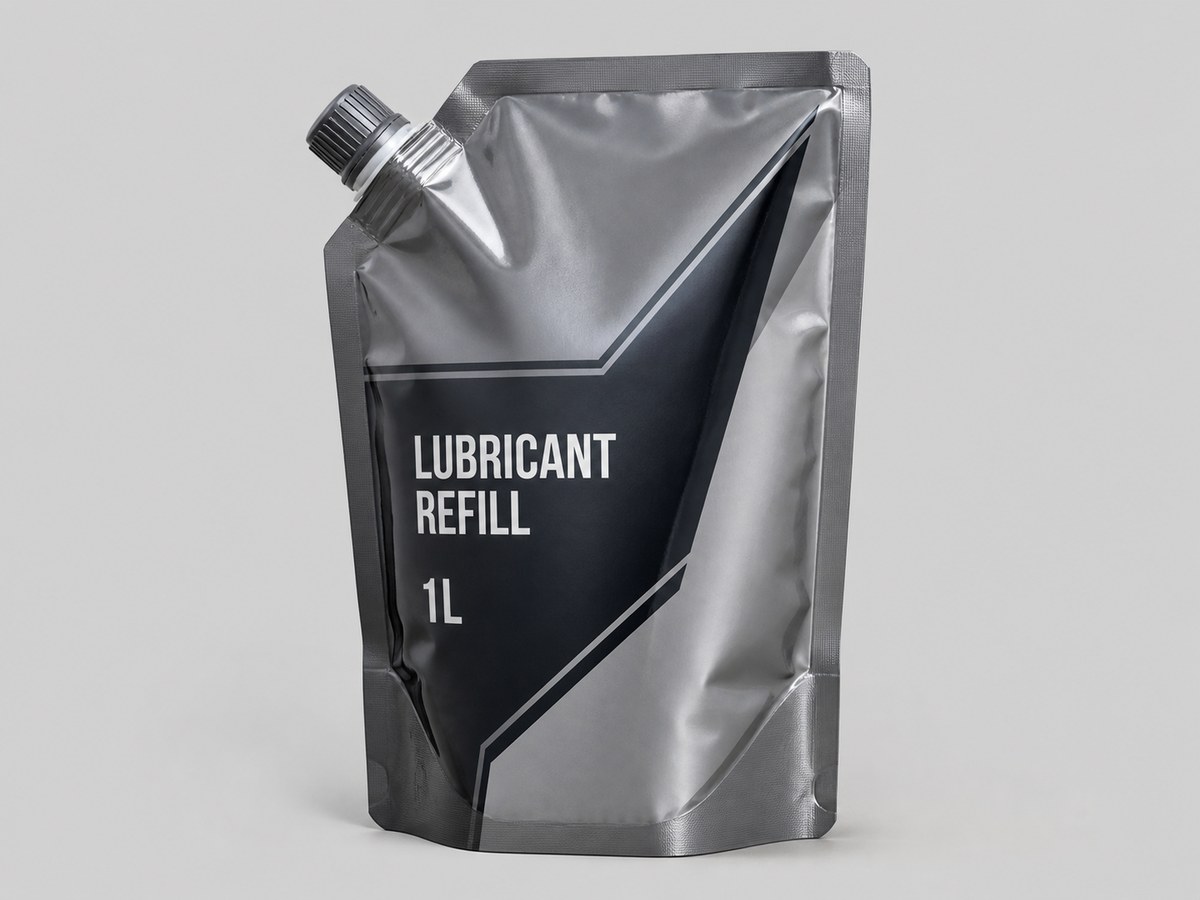
Industrial packaging projects usually start with the product chemistry, fill process, and handling risk. We review oils, lubricants, industrial chemicals, industrial cleaners, paint and coatings, agro-chemicals, and bulk adhesives against pouch format, film structure, chemical compatibility, fitment, closure options, seal strength, leak resistance, and drop-test scope.
For liquid or semi-liquid inputs, hydrocarbons, solvents, alkalis, viscosity, filling temperature, storage conditions, carton packing, compatibility testing, and sample approval should be confirmed before the production specification is locked.
Project QC Records
Traceability review
ISO 9001-Style QC
Quality system
Shipping term coordination
DDP / FOB / CIF
Lower-Impact Review
Structure dependent
Industrial packaging formats can be reviewed for oils, lubricants, industrial cleaners, paint and coatings, agro-chemicals, bulk adhesives, and other chemical inputs where compatibility testing, seal strength, leak resistance, and handling tests matter. Explore all market solutions .
Review the formula, pH range, hydrocarbons, solvents, alkalis, viscosity, and expected storage conditions before selecting the sealant and barrier layers.
Match spout pouch, cap, tap, or other fitment choices to fill volume, pouring behavior, carton packing, and the end-user handling process.
Confirm seal strength, puncture resistance, leak resistance, drop-test scope, and sample approval criteria before moving into production.
Material declarations, compatibility testing notes, artwork proof, seal checks, drop-test records, and project QC records can be reviewed by scope.
Key factors to evaluate when selecting flexible packaging for industrial and chemical projects.
Confirm that the film structure resists the specific chemicals being packaged. Solvents, acids, and alkaline formulas each attack different polymer layers. Request compatibility test data for your exact formulation before committing to a structure.
Heavy fills (5 kg and above) demand thicker sealant layers and reinforced seals. Evaluate drop-test performance at your target fill weight, and factor in whether the product contains abrasive particles that increase puncture risk during transport.
Industrial pouches often need spouts, pour fitments, or tap-style closures. Match the fitment bore size and cap torque to your dispensing workflow. Confirm that the fitment seal survives the chemical exposure over the product's full shelf life.
Industrial chemicals may require hazard symbols, safety data references, and transport classification labels. Verify that the print area accommodates mandatory markings and that the ink system withstands chemical splash and abrasion during handling.
Choose the material structure by chemistry, fill process, puncture resistance, seal strength, leak resistance, and compatibility testing requirements.
| Structure | Application | Barrier Level |
|---|---|---|
PET / PE
|
Review option for light-duty industrial cleaners or compatible aqueous inputs | Standard |
PET / VMPET / PE
|
Barrier review for odor-sensitive or light-sensitive industrial chemicals | Medium |
PET / AL / PE
|
Foil barrier review where migration, odor, or light exposure must be controlled | High |
PET / NY / PE
|
Puncture resistance review for heavier lubricant, adhesive, or hardware-adjacent packs | High |
PET / PA / PE
|
Tougher film structure review where flex-crack and handling risk are higher | High |
PE-Based Review
|
Lower-impact structure review where compatibility and local recovery stream allow | Standard |
A transparent look at how industrial packaging structures can combine print layers, barrier layers, reinforcement, and sealants. Visit our material guide for more details.

Printable PET supports graphics, stiffness, and the outside handling surface.
Nylon / PA can add puncture and flex-crack support for vacuum, frozen, industrial, seafood, or medical accessory packs.
Adhesive bonds the toughness layer and sealant while maintaining the selected laminate structure.
PE sealant is reviewed for seal strength, contamination risk, cold-chain handling, and machine conditions.
Industrial liquids and semi-liquids need more than a generic spout choice. Review the formula, hydrocarbons, solvents, alkalis, viscosity, fill volume, filling process, and carton packing before choosing the pouch or bulk format.
Fitment, cap, tap, and closure options should be matched with leak resistance targets, drop-test scope, seal strength, compatibility testing, and sample approval records.
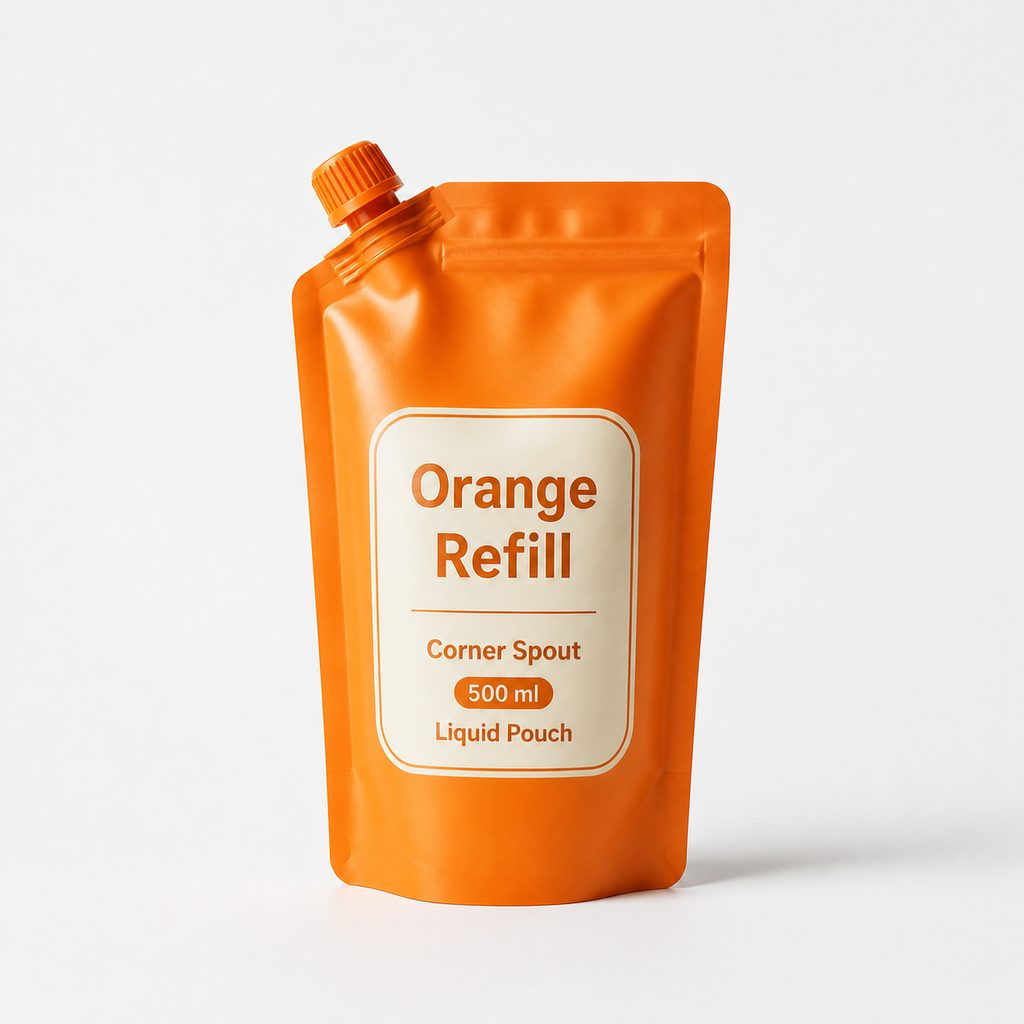

Select pouch, spout pouch, inner bag, or other flexible format by fill volume, viscosity, fitment, and carton packing.
Confirm chemical compatibility with hydrocarbons, solvents, alkalis, fragrance components, and storage conditions before locking the film structure.
Review cap, tap, valve, spout pouch, and welded fitment options around leak resistance, pouring behavior, and filling equipment.
Align compatibility testing, seal checks, drop-test records, artwork proof, and sample approval before mass production.
Review points for industrial packaging. Actual values depend on formula chemistry, material structure, fitment choice, filling process, and test scope.
Film Structure
PET, PA, VMPET, foil, or PE-based review by chemistry
Puncture Resistance
Reviewed by pack weight, handling route, and carton packing
Chemical Compatibility
Reviewed against hydrocarbons, solvents, alkalis, and pH range
Closure Options
Fitment, cap, tap, valve, zipper, or heat-seal closure review
Seal Strength
Confirmed through seal checks, leak resistance review, and sample approval
Compatibility Testing
Plan depends on formula, storage, filling process, and drop-test scope
Flexible pack review for oils and lubricants with fitment, seal strength, and leak resistance scope
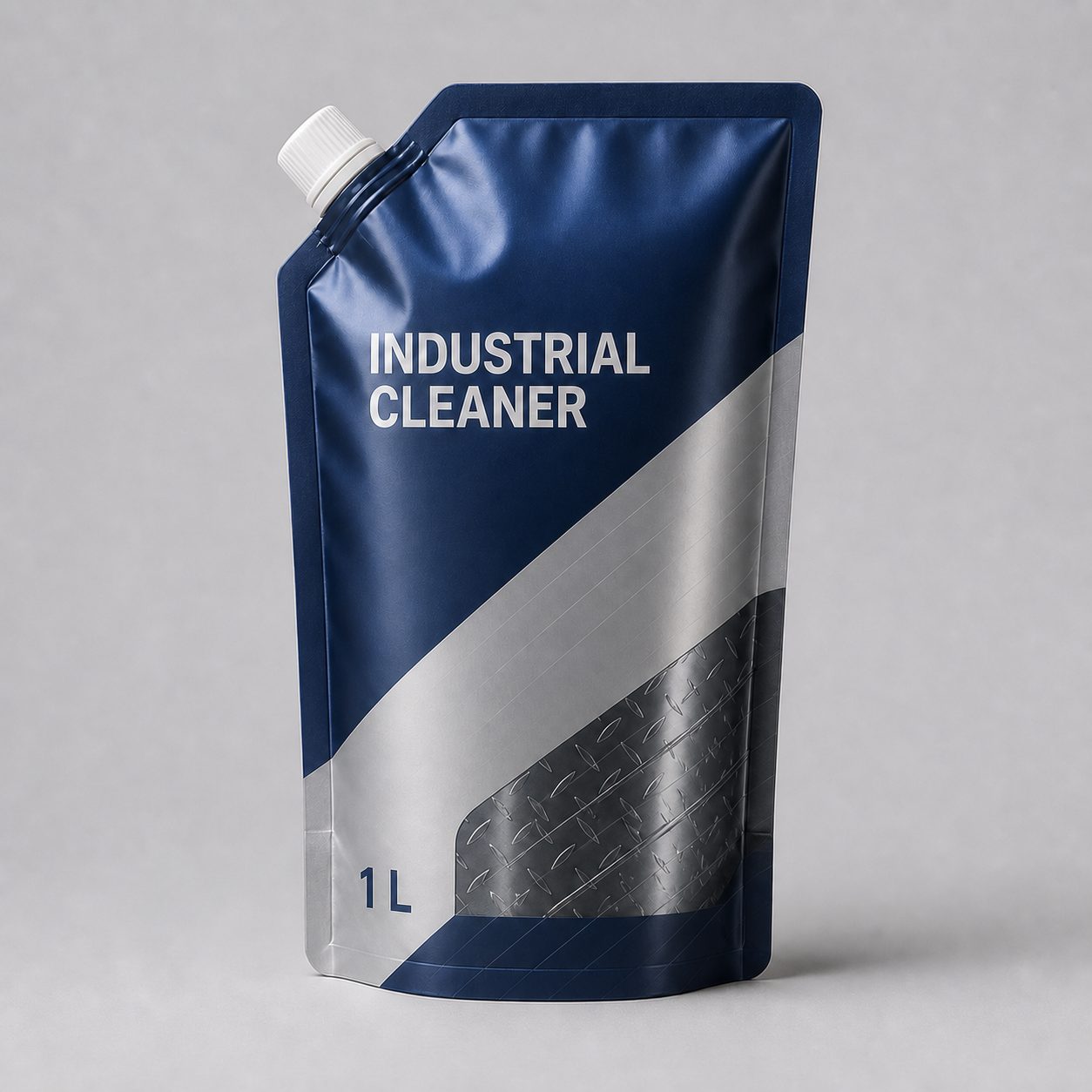
Cleaner refill pouch review around chemical compatibility, closure options, and compatibility testing
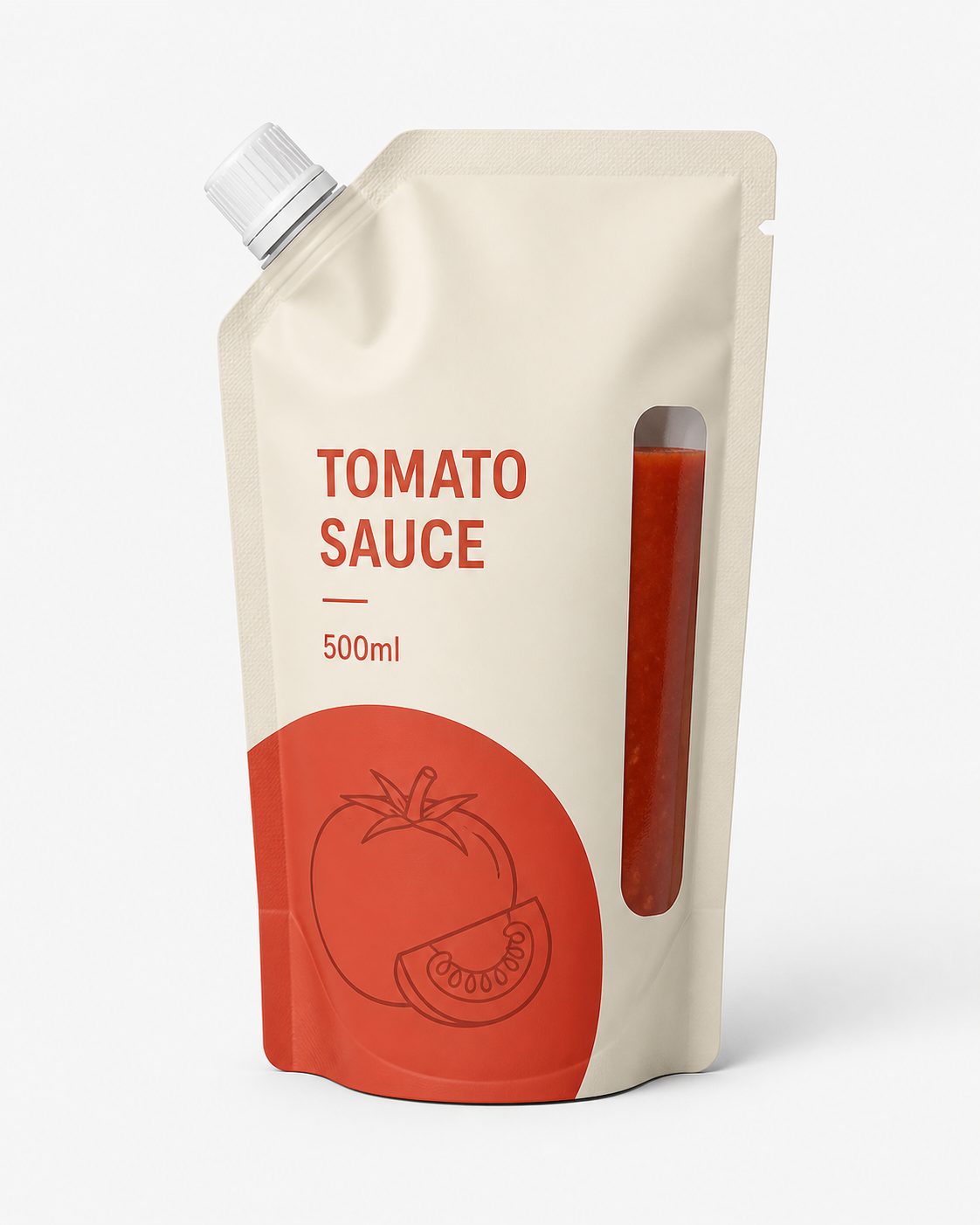
Bulk adhesive refill packaging review for fitment, puncture resistance, seal strength, and drop-test scope

Agro-chemical pouch review for solvents, alkalis, film structure, sample approval, and handling tests
Use these photos as format references. Final size, structure, print layout, and testing scope are reviewed against your product, filling method, and target market.
Lower-impact structure options can be reviewed when the product, filling process, target market, and recovery route support them.
Industrial Packaging can be reviewed for oils, lubricants, industrial chemicals, industrial cleaners, paint and coatings, agro-chemicals, bulk adhesives, and related liquid or semi-liquid inputs. The final structure depends on chemical compatibility, fitment, closure options, film structure, seal strength, leak resistance, drop-test scope, compatibility testing, and sample approval.
Please share the formula type, pH range, hydrocarbons, solvents, alkalis, fill volume, viscosity, filling process, pouch or bulk format, fitment, closure options, artwork, carton packing, and requested testing scope.
Material declarations, compatibility testing notes, artwork proof, sample approval notes, seal checks, leak resistance records, drop-test records, and project QC records can be reviewed by the selected structure and project scope.
Production workflow, material traceability, seal checks, and project QC records can be reviewed according to the confirmed industrial packaging scope.
Material declarations, compatibility testing notes, artwork proof, sample approval notes, leak checks, and drop-test records can be reviewed by project scope.
DDP / FOB / CIF coordination can be reviewed by destination and project scope.
Project-level recyclable-ready or lower-impact structures can be reviewed where the final specification supports them.
Project support for material review, artwork coordination, sampling, and production follow-up within the agreed scope.
Production routing, order volume, lead-time assumptions, and capacity fit are reviewed for each confirmed project.
Tell us your product, target weight, and requirements.
We recommend materials, structure, and provide pricing.
Confirm details, approve artwork, and production begins.
QC checkpoints and shipment scope are confirmed by project.
Common issues we help industrial packaging buyers avoid during project coordination.
Solvents, acids, or alkaline products can delaminate or permeate a laminate that was selected based on general-purpose specs. We request your product's SDS (safety data sheet) and run a compatibility check against the sealant and barrier layers before approving the material structure.
A spout cap that is too tight for manual opening or too loose for viscous-product dispensing leads to field complaints and leakage. We coordinate spout bore diameter, cap thread pitch, and torque specifications with both the spout supplier and your filling line parameters to match the product's viscosity range.
Industrial pouches often carry 5-25 kg of product, and seal failure under sustained hydrostatic pressure is the top cause of in-transit leaks. We calculate the required seal strength based on your fill weight, drop height, and pallet stacking pattern, then specify seal width and material gauge accordingly.
Labels and printed graphics on industrial pouches face abrasion from pallet wrapping, forklift contact, and rough storage surfaces. We specify abrasion-resistant overcoats, ink systems rated for the expected handling severity, and print placement that avoids high-friction contact zones.
Missing UN markings, incorrect material declarations, or absent compliance certificates can hold shipments at customs or distribution centers. We compile the documentation checklist -- material composition statements, migration test reports, and transport classification markings -- early in the project timeline to prevent last-minute delays.
Updated:
Work with NIAITE for material review, sampling guidance, QC checkpoints, and export project coordination.