Tea packaging for loose leaf tea, tea bags, herbal tea, matcha powder, fruit infusions, and instant tea mix. Review aroma barrier, moisture barrier, oxygen barrier, foil laminate, kraft laminate, flat-bottom bags, zipper, film structure, seal strength, barrier target, sample approval, and food-contact documentation before production.
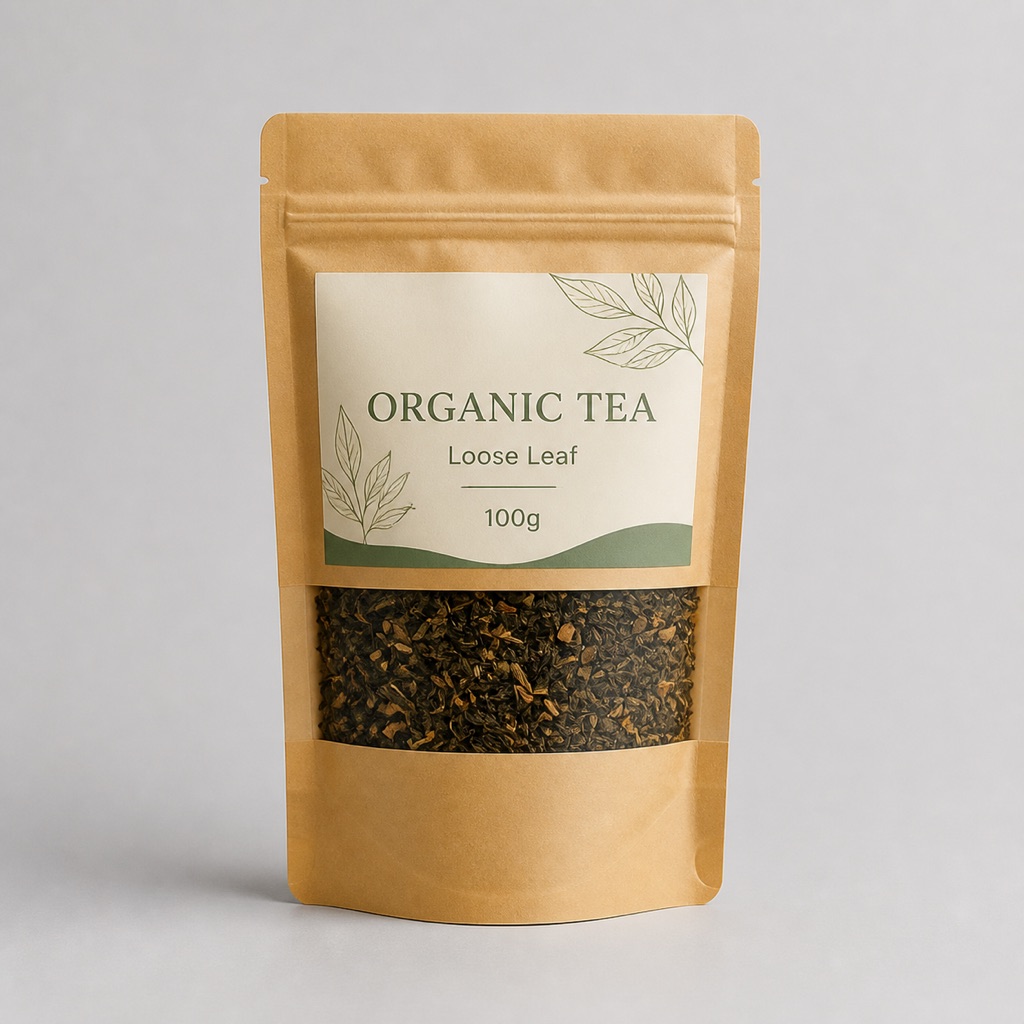
Tea packaging projects need the tea type, leaf or powder format, aroma sensitivity, fill weight, pouch format, and filling process confirmed before material selection. We review loose leaf tea, tea bags, herbal tea, matcha powder, fruit infusions, and instant tea mix against aroma barrier, moisture barrier, oxygen barrier, foil laminate, kraft laminate, flat-bottom bags, zipper, and film structure.
Seal strength, barrier target, sample approval, artwork proof, carton packing, and food-contact documentation should be aligned before the production specification is locked.
Project QC Records
Traceability review
ISO 9001-Style QC
Quality system
Shipping term coordination
DDP / FOB / CIF
Lower-Impact Review
Structure dependent
Tea packaging formats can be reviewed for loose leaf tea, tea bags, herbal tea, matcha powder, fruit infusions, and instant tea mix where aroma barrier, moisture barrier, oxygen barrier, seal strength, and filling process matter. Explore all market solutions .
Review aroma sensitivity, oxygen barrier target, moisture barrier target, and storage conditions before selecting foil laminate, kraft laminate, or transparent structures.
Match loose leaf tea, tea bags, herbal tea, matcha powder, fruit infusions, and instant tea mix to fill weight, headspace, and pouch format.
Review flat-bottom bags, side-gusset bags, zipper, tin tie, tear notch, hang hole, and label area around merchandising and filling line needs.
Material declarations, food-contact documentation, artwork proof, filling-line notes, seal checks, barrier notes, and sample approval records can be reviewed by scope.
Key factors to evaluate when selecting tea packaging for your project.
Loose-leaf teas need more volume and often require resealable closures. Pre-bagged teas suit single-serve flat pouches or sachets. Matcha and powdered teas need moisture and light barriers similar to coffee packaging.
Tea absorbs surrounding odors easily and loses flavor through volatile compound migration. Higher-barrier films with aluminum or metallized layers protect aroma far better than simple PE structures.
Stand-up pouches with zippers suit retail loose-leaf tea. Side gusset bags work for bulk or specialty blends. Flat pouches or sachets are ideal for individual tea bags. Format choice affects shelf display and consumer experience.
Tea markets often require origin declarations, lot traceability, and specific labeling for organic or fair-trade certifications. Plan your print panel layout to accommodate these requirements across all target markets.
Choose the material structure by aroma barrier, moisture barrier, oxygen barrier, barrier target, filling process, seal strength, and food-contact documentation scope.
| Structure | Application | Barrier Level |
|---|---|---|
PET / PE
|
Review option for compatible tea bags, infusions, or short-run dry tea packs | Standard |
PET / VMPET / PE
|
Aroma barrier and moisture barrier review for loose leaf tea and herbal tea | Medium |
PET / AL / PE
|
Foil laminate review for aroma-sensitive tea or longer distribution chains | High |
PET / NY / PE
|
Tougher structure review for side-gusset or flat-bottom bags with larger fill weights | High |
Kraft / VMPET / PE
|
Kraft laminate review where paper look and barrier target both matter | High |
PE-Based Review
|
Lower-impact structure review where barrier target and local recovery stream allow | Standard |
A transparent look at how tea packaging structures can combine print layers, aroma barrier, moisture barrier, and sealants. Visit our material guide for more details.
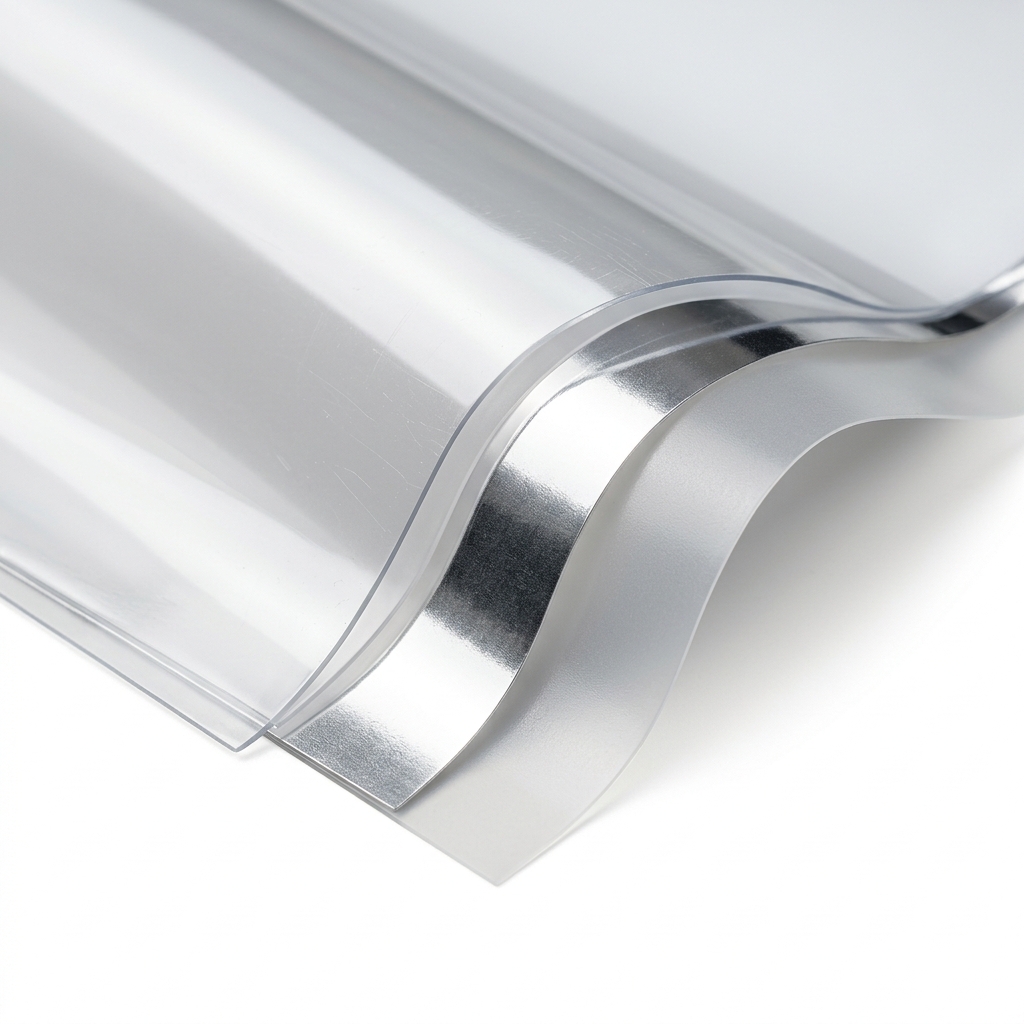
Printable PET supports artwork, registration marks, varnish or matte finish, and the outer handling surface.
Barrier film is selected around moisture, aroma, grease, light, and shelf-life targets for the packed product.
Adhesive bonds the print web, barrier option, and sealant into one stable laminate after curing and testing.
PE sealant is reviewed for heat-seal window, jaw temperature, dwell time, COF, filling conditions, and pack format.
Select stand-up pouch, flat-bottom bags, side-gusset bags, sachets, or roll stock by tea type and filling line.
Review aroma barrier, moisture barrier, oxygen barrier, foil laminate, kraft laminate, barrier target, and storage conditions before locking the film structure.
Match zipper, tin tie, tear notch, hang hole, flat-bottom base, and optional window area to shelf setup and filling requirements.
Align seal checks, barrier notes, artwork proof, food-contact documentation, filling-line notes, and sample approval before production.
Review points for tea packaging. Actual values depend on tea type, fill weight, material structure, closure choice, filling process, and barrier target.
Film Structure
PET, VMPET, foil laminate, kraft laminate, or PE-based review by barrier target
Aroma Barrier
Reviewed by tea type, fragrance sensitivity, and storage plan
Oxygen Barrier
Reviewed by barrier target, structure, and distribution route
Moisture Barrier
Confirmed by material selection, storage conditions, and test scope
Closure Options
Zipper, tin tie, tear notch, hang hole, or heat-seal closure review
Seal Strength
Confirmed through seal checks, filling-line review, and sample approval
Loose leaf tea pouch review for aroma barrier, moisture barrier, zipper, and sample approval
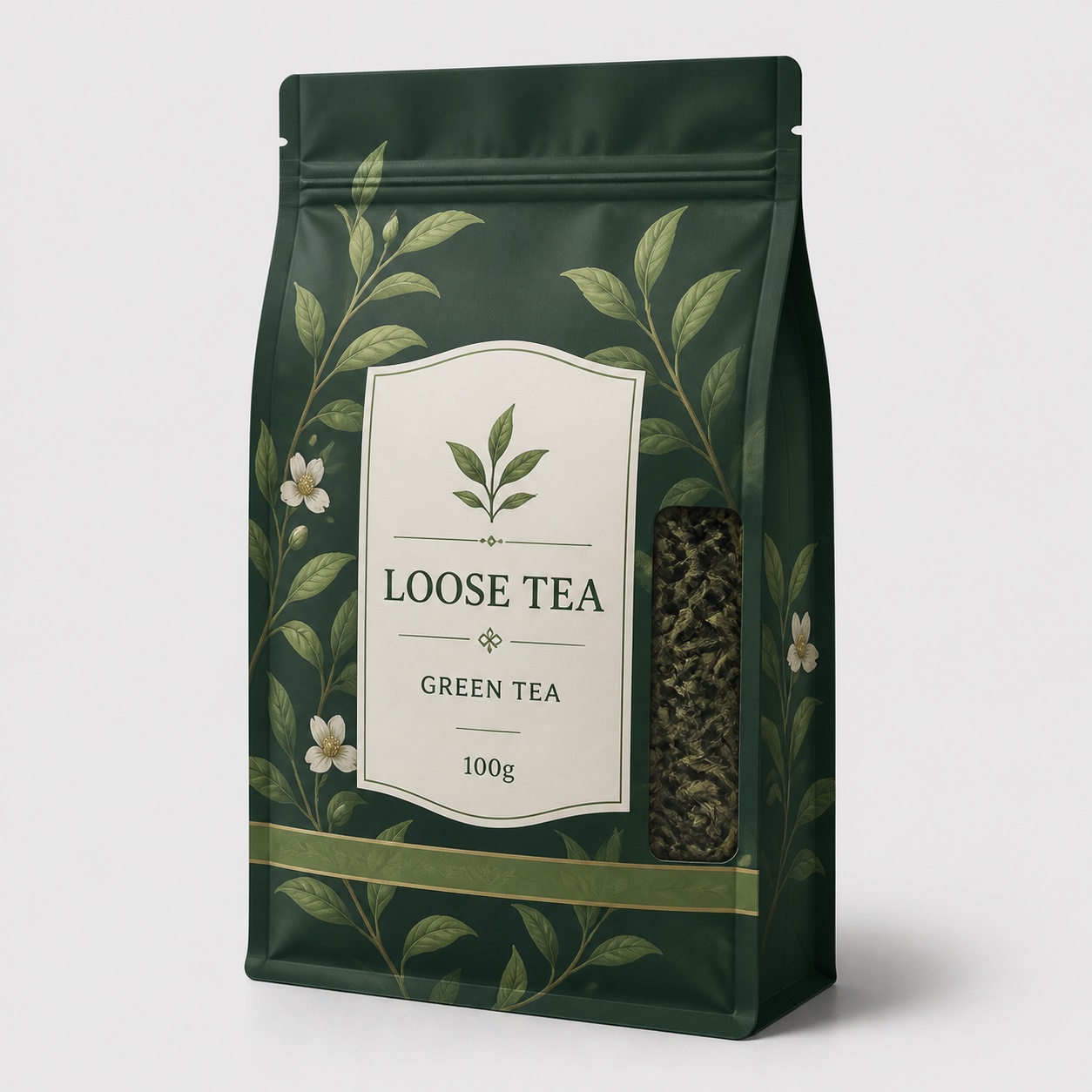
Flat-bottom bags reviewed for shelf stability, barrier target, seal strength, and filling process
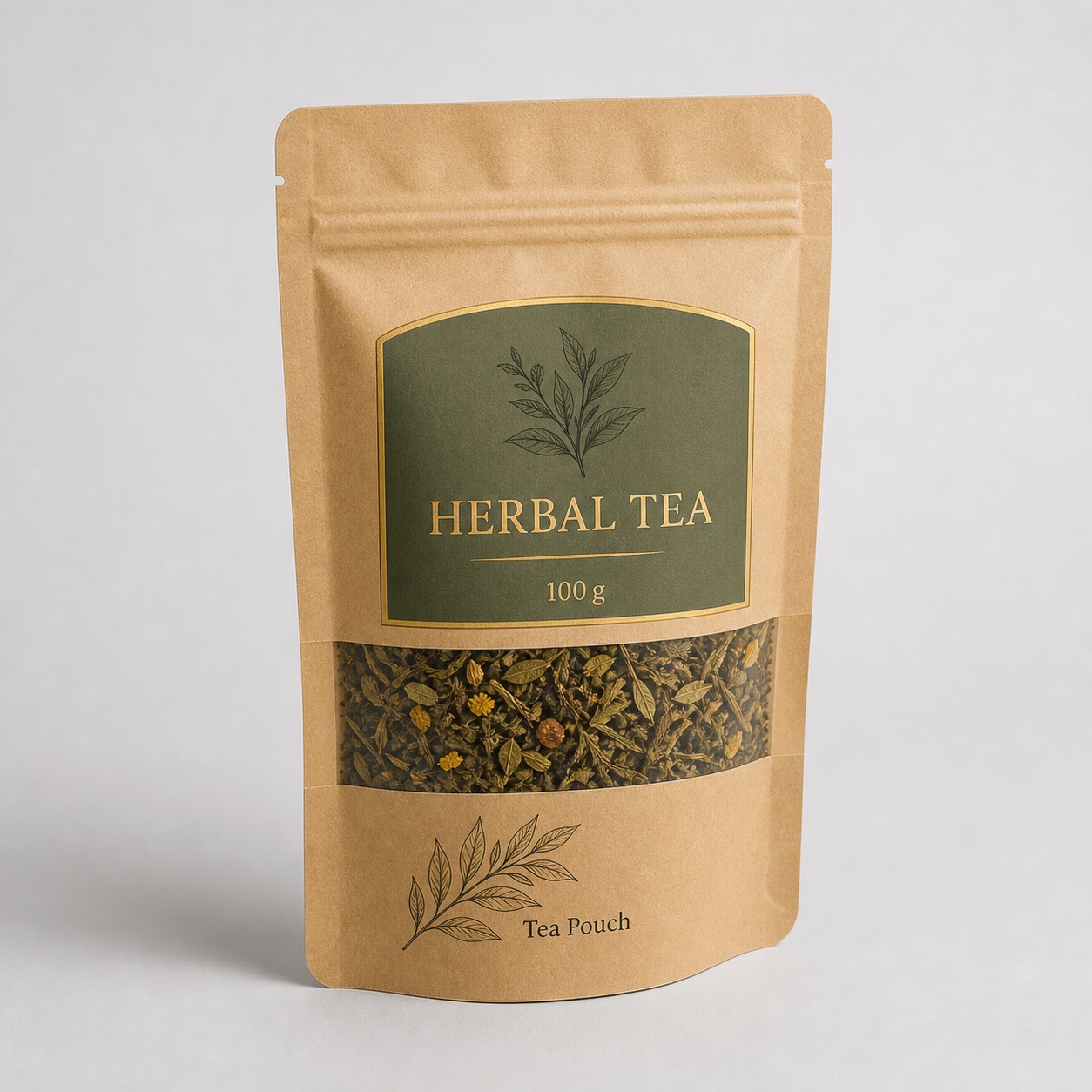
Kraft laminate pouch review where paper look, moisture barrier, oxygen barrier, and food-contact documentation matter
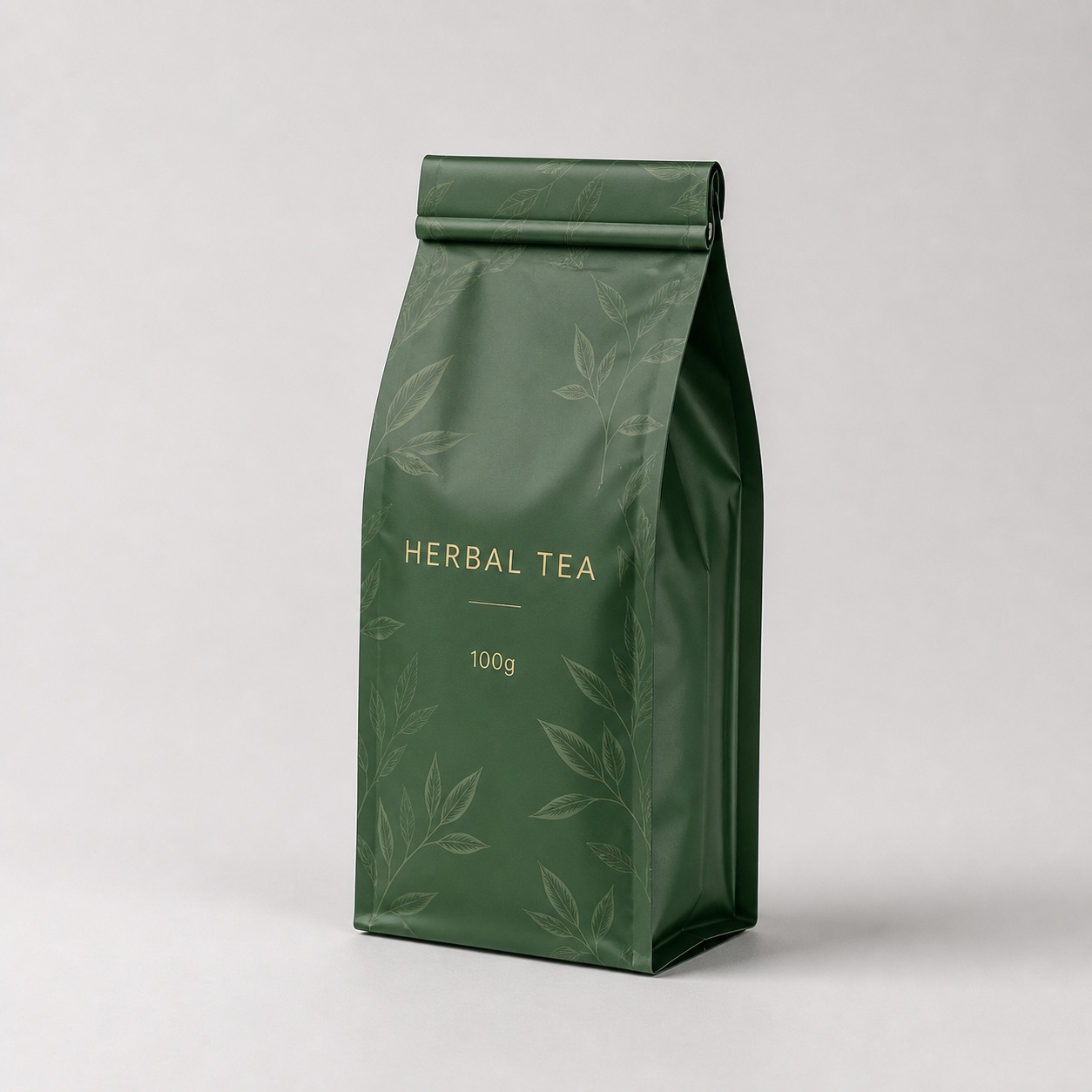
Herbal tea and instant tea mix formats reviewed for fill weight, aroma barrier, and carton packing
Use these photos as format references. Final size, structure, print layout, and testing scope are reviewed against your product, filling method, and target market.
Lower-impact structure options can be reviewed when the product, filling process, target market, and recovery route support them.
Tea Packaging can be reviewed for loose leaf tea, tea bags, herbal tea, matcha powder, fruit infusions, instant tea mix, and related dry tea products. The final structure depends on aroma barrier, moisture barrier, oxygen barrier, foil laminate, kraft laminate, pouch format, zipper, film structure, seal strength, barrier target, sample approval, and food-contact documentation.
Please share the tea type, leaf or powder format, target fill weight, aroma sensitivity, moisture barrier target, oxygen barrier target, pouch format, flat-bottom bag or side-gusset option, zipper or tin-tie choice, artwork, carton packing, and requested testing scope.
Material declarations, food-contact documentation, artwork proof, sample approval notes, seal checks, barrier test notes, filling-line notes, and project QC records can be reviewed by the selected structure and project scope.
Production workflow, material traceability, seal checks, and project QC records can be reviewed according to the confirmed tea packaging scope.
Material declarations, food-contact documentation, artwork proof, sample approval notes, barrier notes, filling-line notes, and project QC records can be reviewed by project scope.
DDP / FOB / CIF coordination can be reviewed by destination and project scope.
Project-level recyclable-ready or lower-impact structures can be reviewed where the final specification supports them.
Project support for material review, artwork coordination, sampling, and production follow-up within the agreed scope.
Production routing, order volume, lead-time assumptions, and capacity fit are reviewed for each confirmed project.
Tell us your product, target weight, and requirements.
We recommend materials, structure, and provide pricing.
Confirm details, approve artwork, and production begins.
QC checkpoints and shipment scope are confirmed by project.
Common issues we help tea packaging buyers avoid during project coordination.
Tea's volatile aroma compounds escape easily through standard film structures, leaving the product flat and stale well before the printed shelf-life date. We help specify OTR and aroma-barrier requirements based on your tea type and target shelf life, then verify the converter's film data matches those targets.
Dried tea leaves absorb ambient moisture rapidly, causing clumping, mold risk, and loss of crispness that consumers notice immediately on opening. We coordinate MVTR testing and desiccant-insert options with the converter to keep internal humidity below critical thresholds for your storage conditions.
Freshly roasted or heavily oxidized teas release CO2 that can bloat sealed pouches, but not all one-way valve designs bond reliably to every film structure. We coordinate valve-to-film adhesion testing and placement specifications to prevent valve pop-off or leakage during shelf life.
Aluminum foil layers in tea packaging can develop micro-pinholes during lamination or slitting that are invisible to the eye but destroy barrier performance. We help define pinhole-detection test frequency and acceptance criteria with the converter so defective rolls are caught before they reach the filling line.
Clear window panels on tea pouches can develop haze or cloudiness over months of storage, especially in humid climates, making the product look unappealing on shelf. We coordinate haze-resistance testing on window film samples under accelerated aging conditions before approving the final structure.
Updated:
Work with NIAITE for material review, sampling guidance, QC checkpoints, and export project coordination.