Refill pouches for rinse-off and hand-care liquids — shampoo refills, conditioner, body wash, and liquid hand soap — that customers pour back into a bottle or dispenser at home. Review formula compatibility, spout or fitment, and leak resistance before the structure is locked.
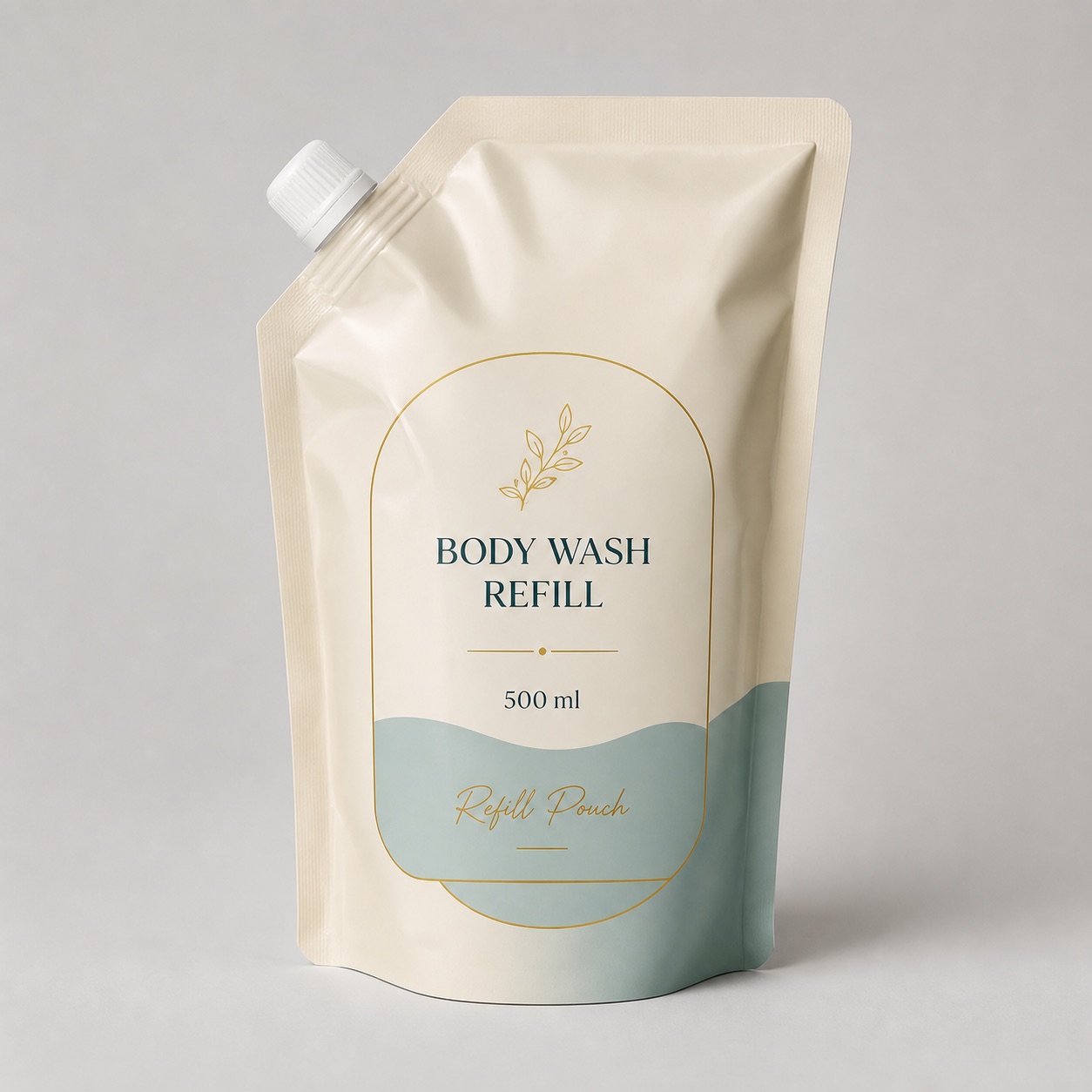
This page covers personal care refills: shampoo refills, conditioner, body wash, and liquid hand soap in larger spout pouch or reseal packs that are decanted into a permanent bottle or dispenser. The buying questions are specific to that job — whether surfactants and fragrance oils stay compatible with the sealant, whether the customer can pour without spilling, and whether the pack survives parcel shipping. Those answers decide the film structure, fitment, and closure options.
Nearby formats have their own pages: skincare refill pouches and cosmetic sachets on cosmetic packaging; face masks, wet wipes, and other hygiene products on sanitary packaging; lotion samples and single-use packs on single-serve sachet packaging; and detergent or cleaner refills on household product packaging.
Seal strength, leak resistance, compatibility testing, artwork proof, filling-line notes, carton packing, and sample approval should be confirmed before the production specification is locked.
Project QC Records
Traceability review
ISO 9001-Style QC
Quality system
Shipping term coordination
DDP / FOB / CIF
Lower-Impact Review
Structure dependent
Refill pouches suit rinse-off and hand-care liquids that are poured into a bottle or dispenser the customer already owns. Seal strength, leak resistance, closure options, and the filling process are reviewed by project. Explore all market solutions .
Review surfactants, fragrance oils, alcohol or oil content, pH range, viscosity, storage conditions, and compatibility testing before choosing the sealant layer.
Match refill volume to the bottle it refills, then choose a spout pouch with cap or a tear-and-pour reseal pack by how cleanly the customer can decant it.
Review fitment, closure options, reseal options, tear notch, zipper, and cap details around user handling and leak resistance.
Material declarations, compatibility testing notes, artwork proof, filling-line notes, seal checks, and sample approval records can be reviewed by scope.
Key factors to evaluate when selecting flexible packaging for personal care and hygiene projects.
Shampoos, body washes, and hand soaps combine surfactants, fragrance oils, and sometimes alcohol, which can attack certain sealant layers over time. Request compatibility test data for your specific formula before finalizing the laminate structure.
Personal care buyers respond strongly to tactile and visual cues. Evaluate matte, soft-touch, metallic, and spot-gloss finishes for your brand positioning, and confirm that the chosen finish does not compromise seal integrity or barrier performance.
A refill is usually poured once or a few times. Compare a spout and cap against a tear notch with reseal zipper by spill risk when decanting, how the pouch stands when half-empty, and leak resistance with the cap on. Wet wipes, pads, and liners are covered on the sanitary and hygiene product packaging page.
Refill packs and single-use trial sachets run on different filling equipment and order quantities, so plan them as separate projects. Sachet and travel-size formats are covered on the single-serve sachet packaging page.
Personal care brands increasingly highlight recyclability and reduced plastic. Evaluate mono-material PE or PP structures versus traditional multi-layer laminates, and verify that the chosen structure still meets your barrier and shelf-life requirements.
Choose the material structure by formula compatibility, fragrance oils, surfactants, filling process, seal strength, leak resistance, and required surface finish.
| Structure | Application | Barrier Level |
|---|---|---|
PET / PE
|
Review option for compatible personal care refills and hygiene products | Standard |
PET / VMPET / PE
|
Barrier review for fragrance oils, light-sensitive formulas, or sample packs | Medium |
PET / AL / PE
|
Foil barrier review for sachet or lotion samples needing stronger barrier control | High |
PET / NY / PE
|
Tougher structure review for wet wipes, face masks, or refill packs with higher handling risk | High |
PET / NY / PE
|
Reinforced pouch review for larger refill formats or shipment handling | High |
PE-Based Review
|
Lower-impact structure review where formula compatibility and local recovery stream allow | Standard |
A transparent look at how personal care packaging structures can combine print layers, barrier layers, surface finish, and sealants. Visit our material guide for more details.
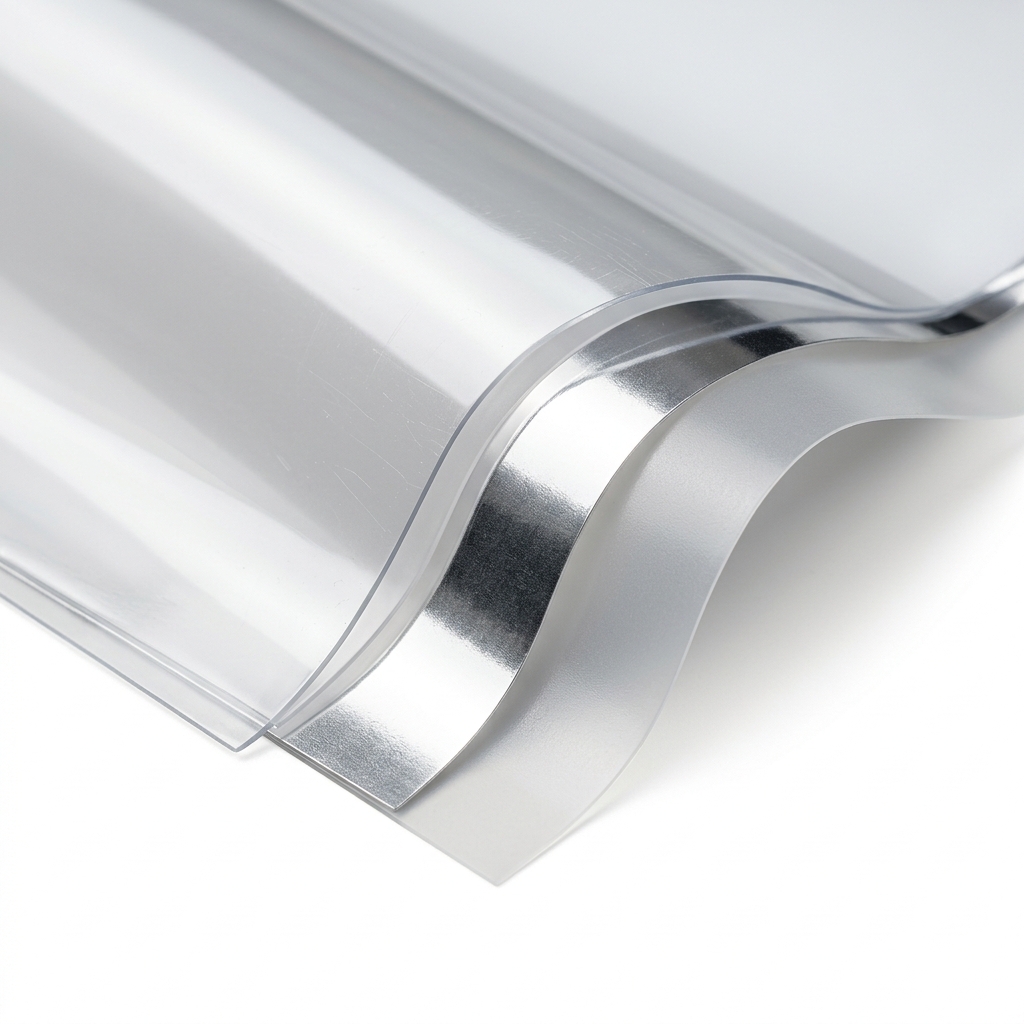
Printable PET supports artwork, registration marks, varnish or matte finish, and the outer handling surface.
Barrier film is selected around moisture, aroma, grease, light, and shelf-life targets for the packed product.
Adhesive bonds the print web, barrier option, and sealant into one stable laminate after curing and testing.
PE sealant is reviewed for heat-seal window, jaw temperature, dwell time, COF, filling conditions, and pack format.
Refill liquids need more than a generic spout choice. Review shampoo refills, conditioner, body wash, and hand soap by formula base, viscosity, surfactants, fragrance oils, fill volume, and filling process.
Fitment, cap, zipper, and reseal options should be matched with seal strength, leak resistance, compatibility testing, carton packing, and sample approval records.
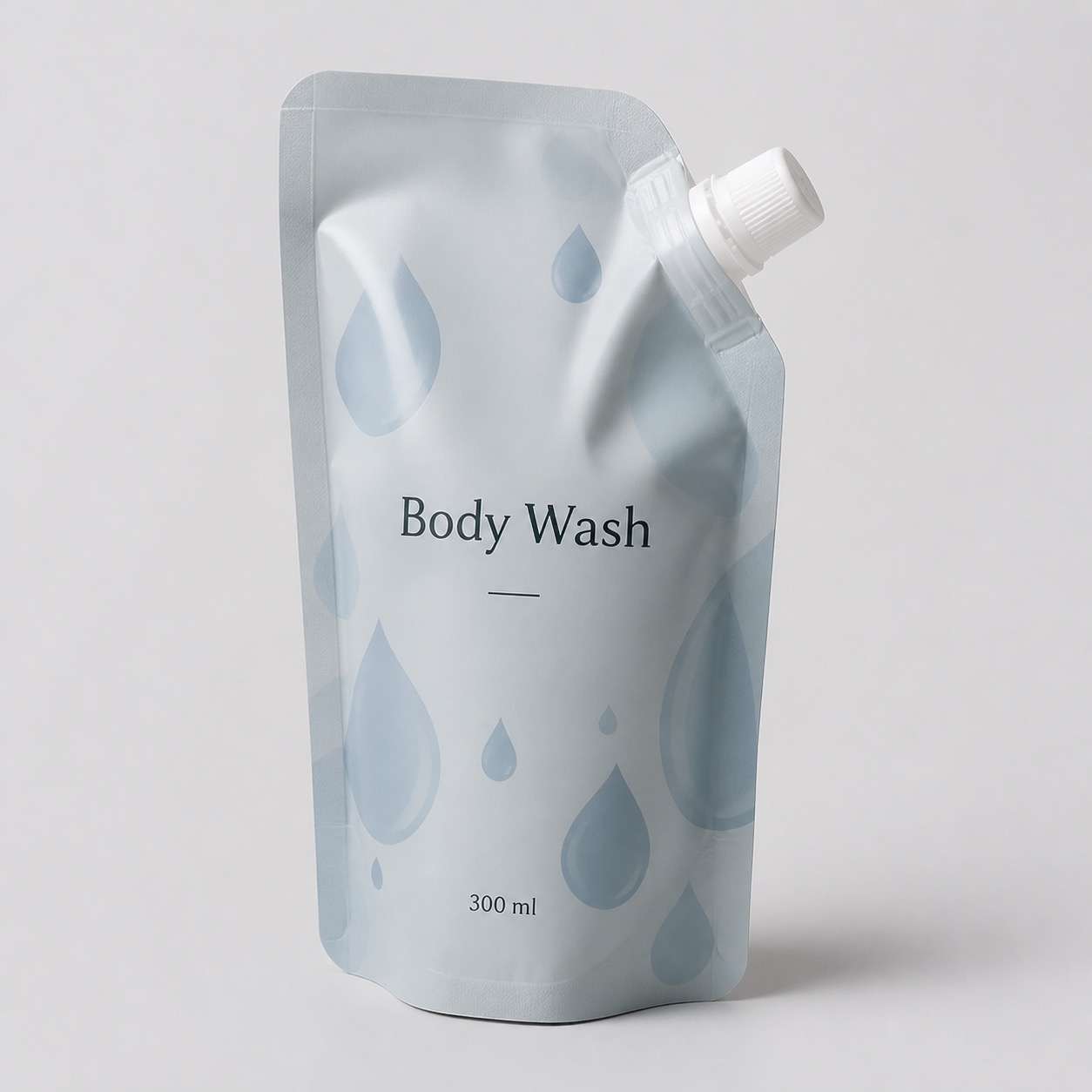
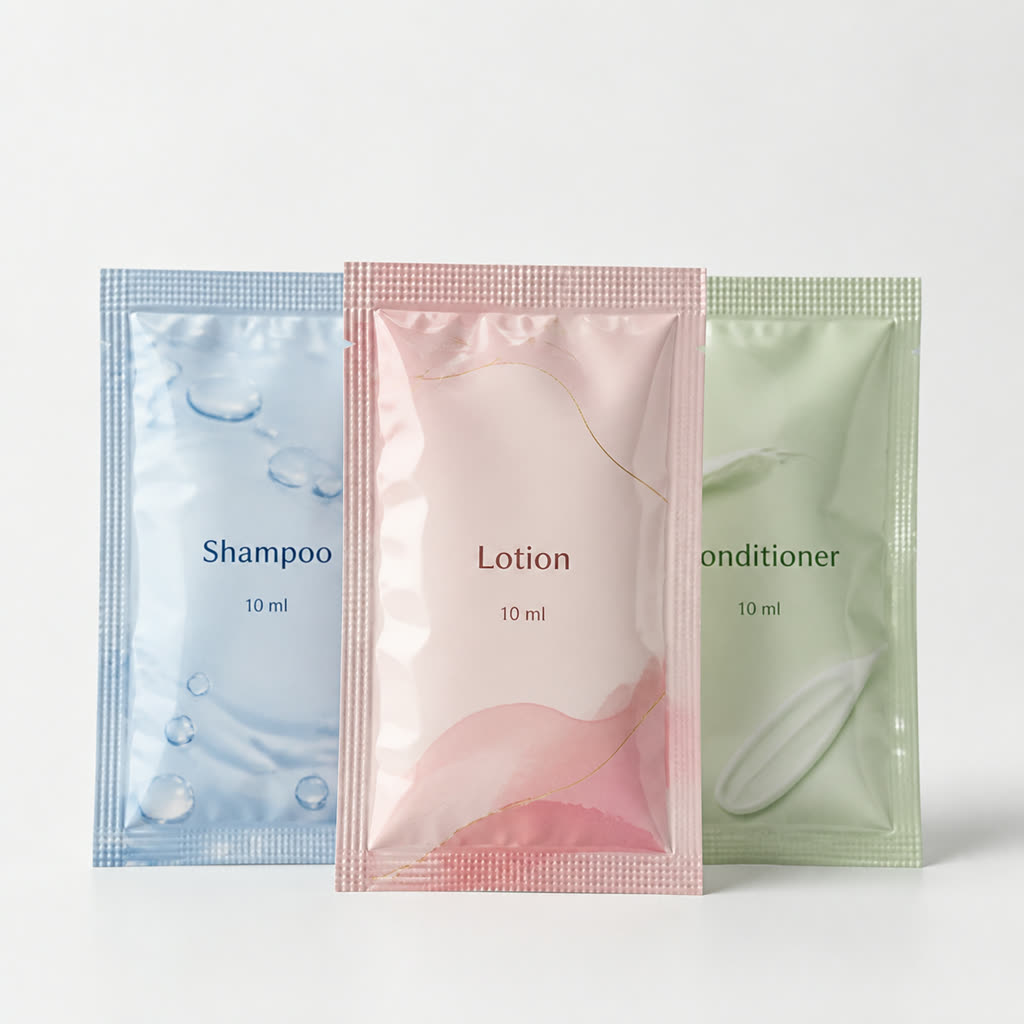
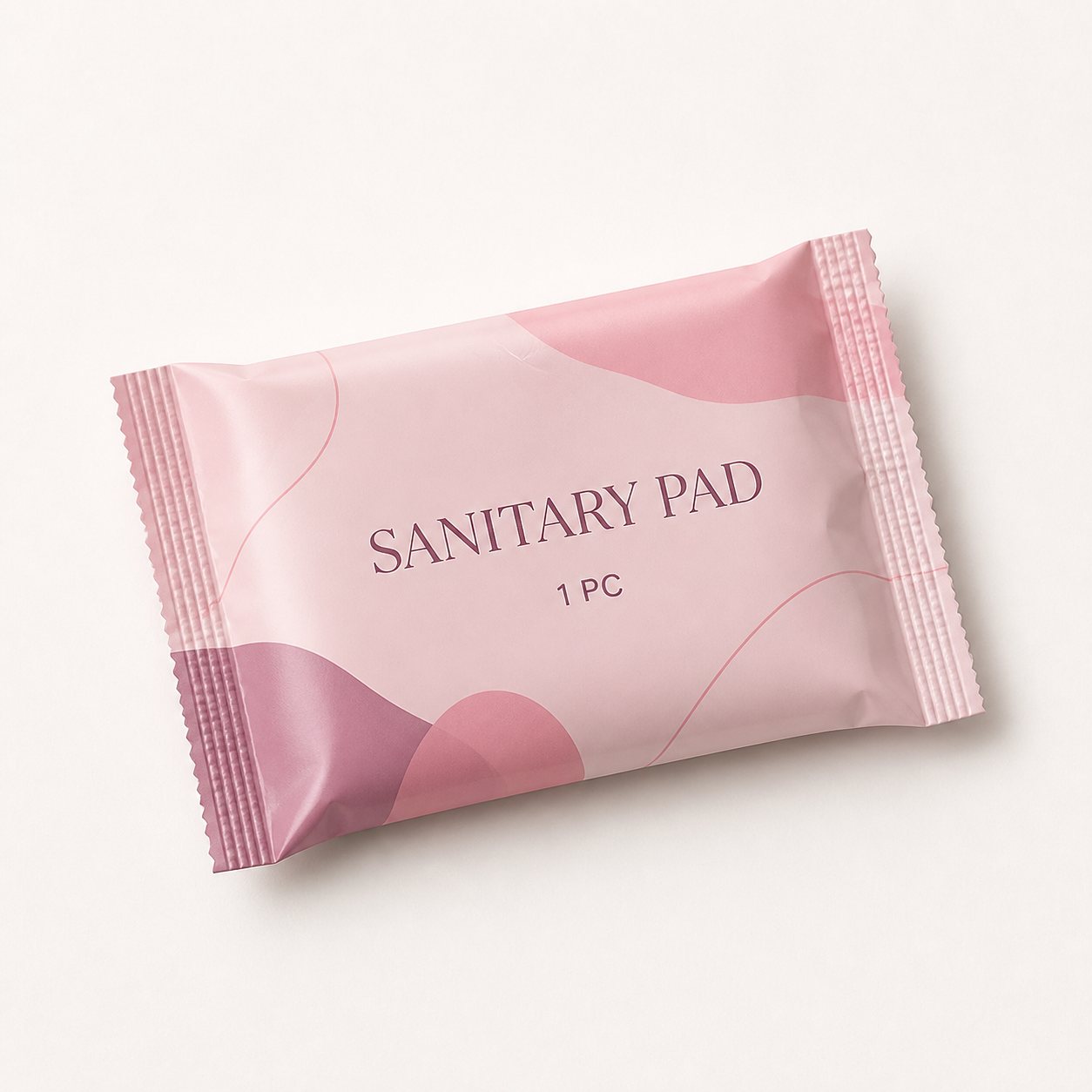
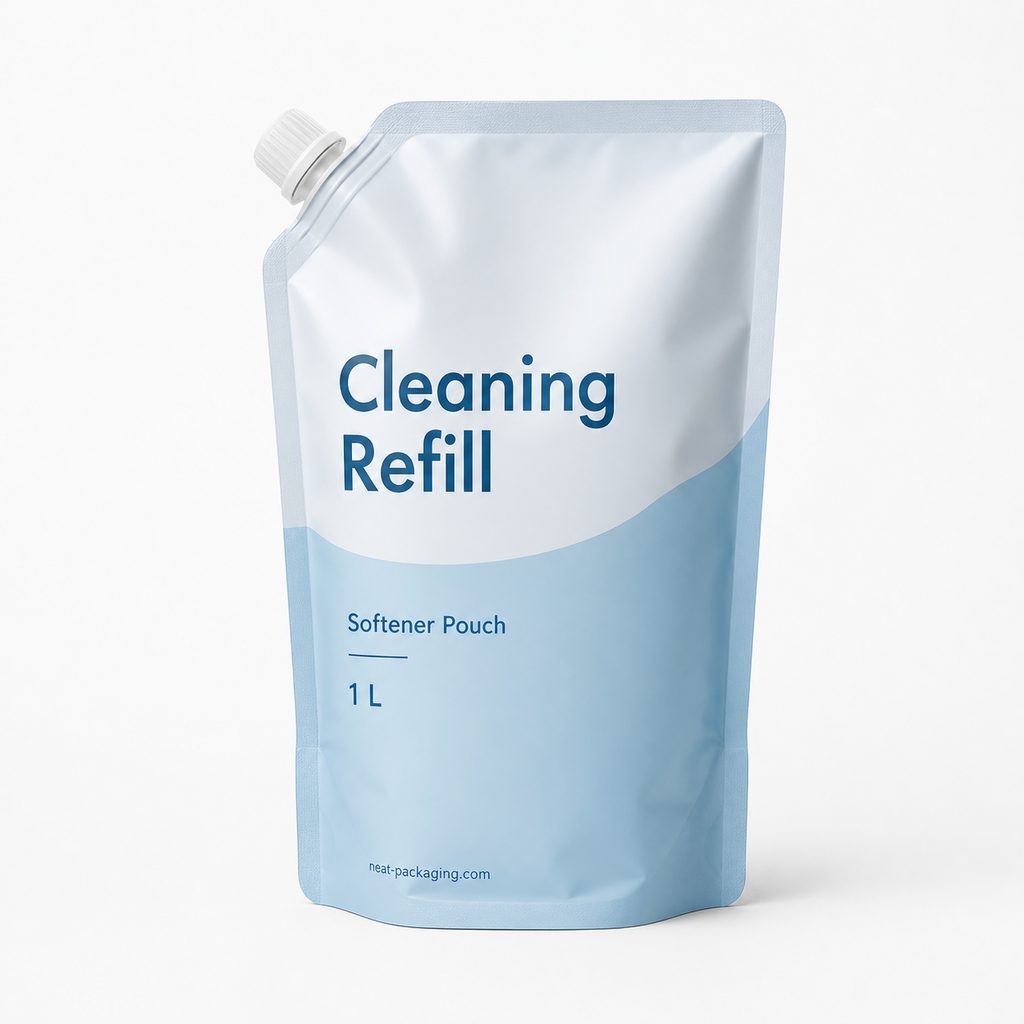
Select refill pouch, spout pouch, sachet, face mask pouch, wet wipes pack, or sample pouch by fill volume and filling process.
Review surfactants, fragrance oils, alcohol or oil content, viscosity, pH range, and storage conditions before locking the film structure.
Match fitment, cap, zipper, tear notch, and reseal options to user handling, filling equipment, and leak resistance.
Align compatibility testing, seal checks, leak resistance records, artwork proof, filling-line notes, and sample approval before production.
Review points for personal care packaging. Actual values depend on formula chemistry, material structure, closure choice, filling process, and test scope.
Film Structure
PET, VMPET, foil, nylon, or PE-based review by formula
Formula Compatibility
Reviewed against surfactants, fragrance oils, alcohol, oils, and pH range
Finish Options
Matte, gloss, soft-touch, spot varnish, or foil effect by artwork scope
Seal Strength
Confirmed through seal checks, leak resistance review, and sample approval
Closure Options
Fitment, cap, zipper, tear notch, or heat-seal closure review
Compatibility Testing
Plan depends on formula, storage, filling process, and sample approval scope
Personal care refill pouch review for shampoo refills, body wash, fitment, and leak resistance
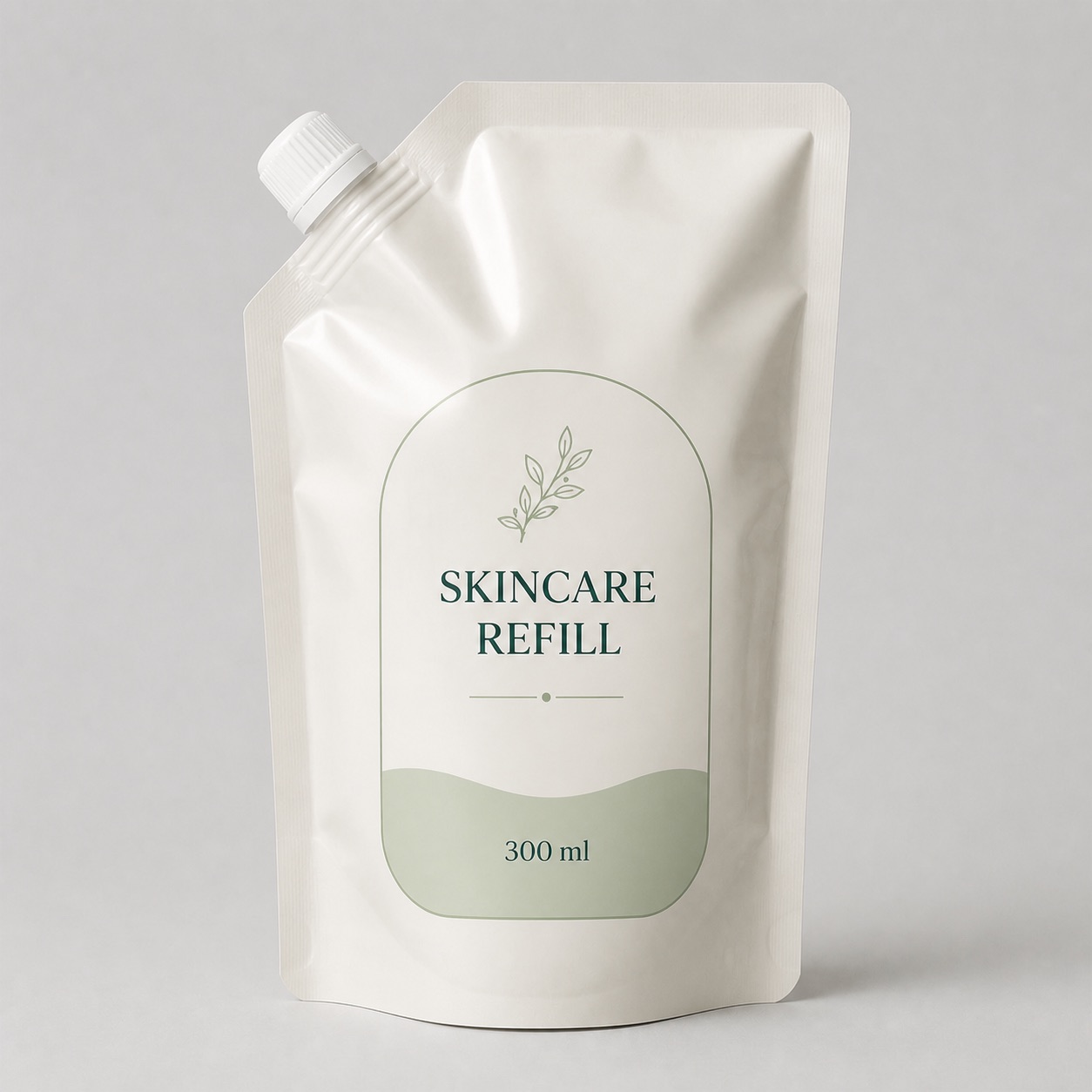
Skincare refill pouches reviewed for fragrance oils, formula compatibility, finish, and sample approval
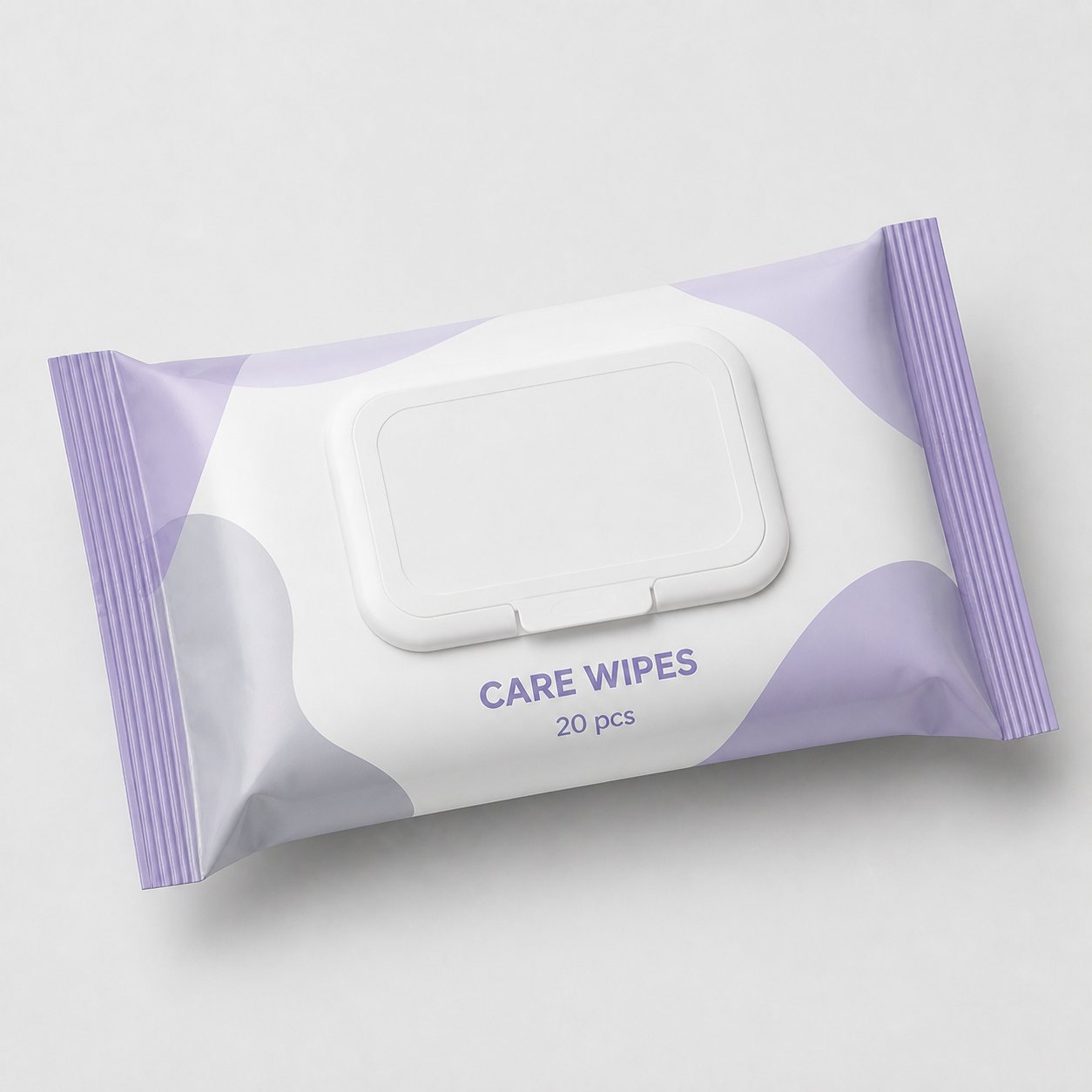
Care wipes and hygiene packs reviewed for moisture control, seal strength, reseal format, and carton packing
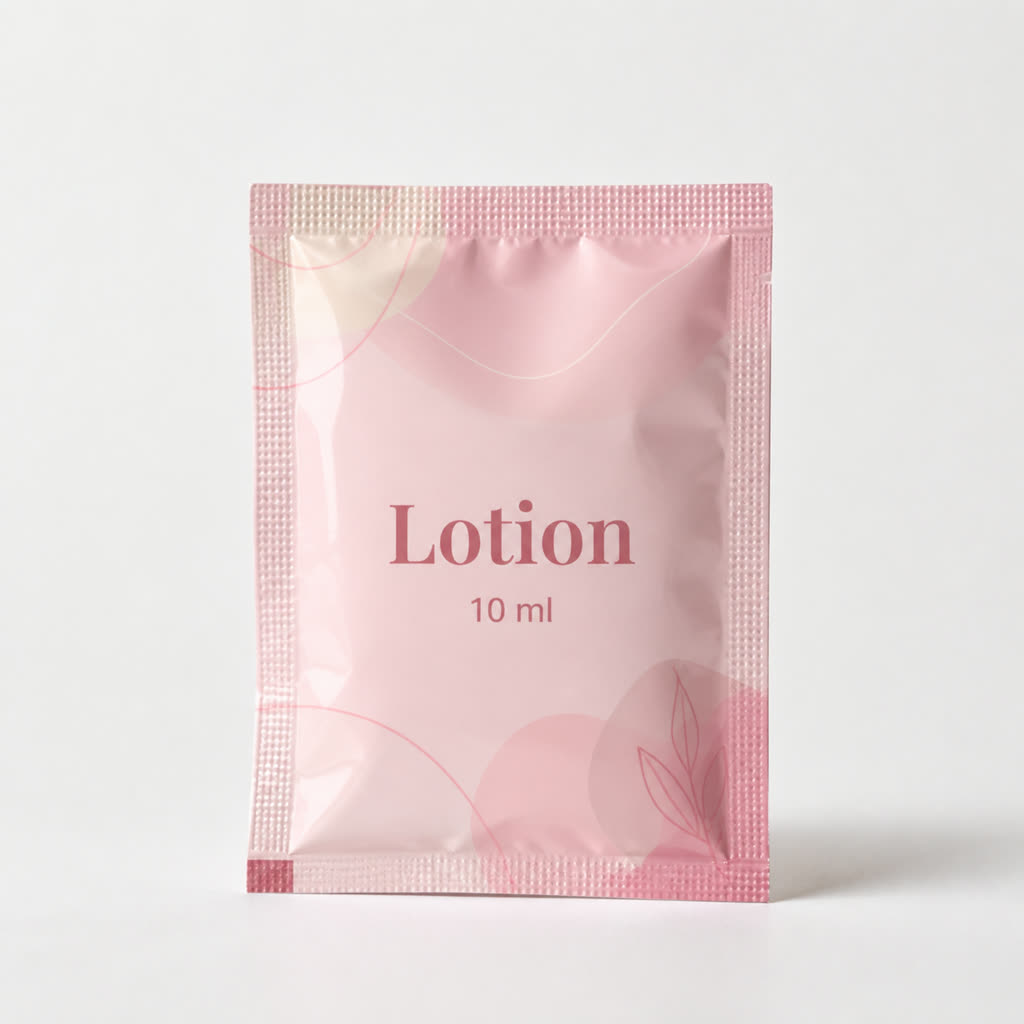
Lotion samples and sachet packs reviewed for fill volume, tear opening, compatibility testing, and artwork proof
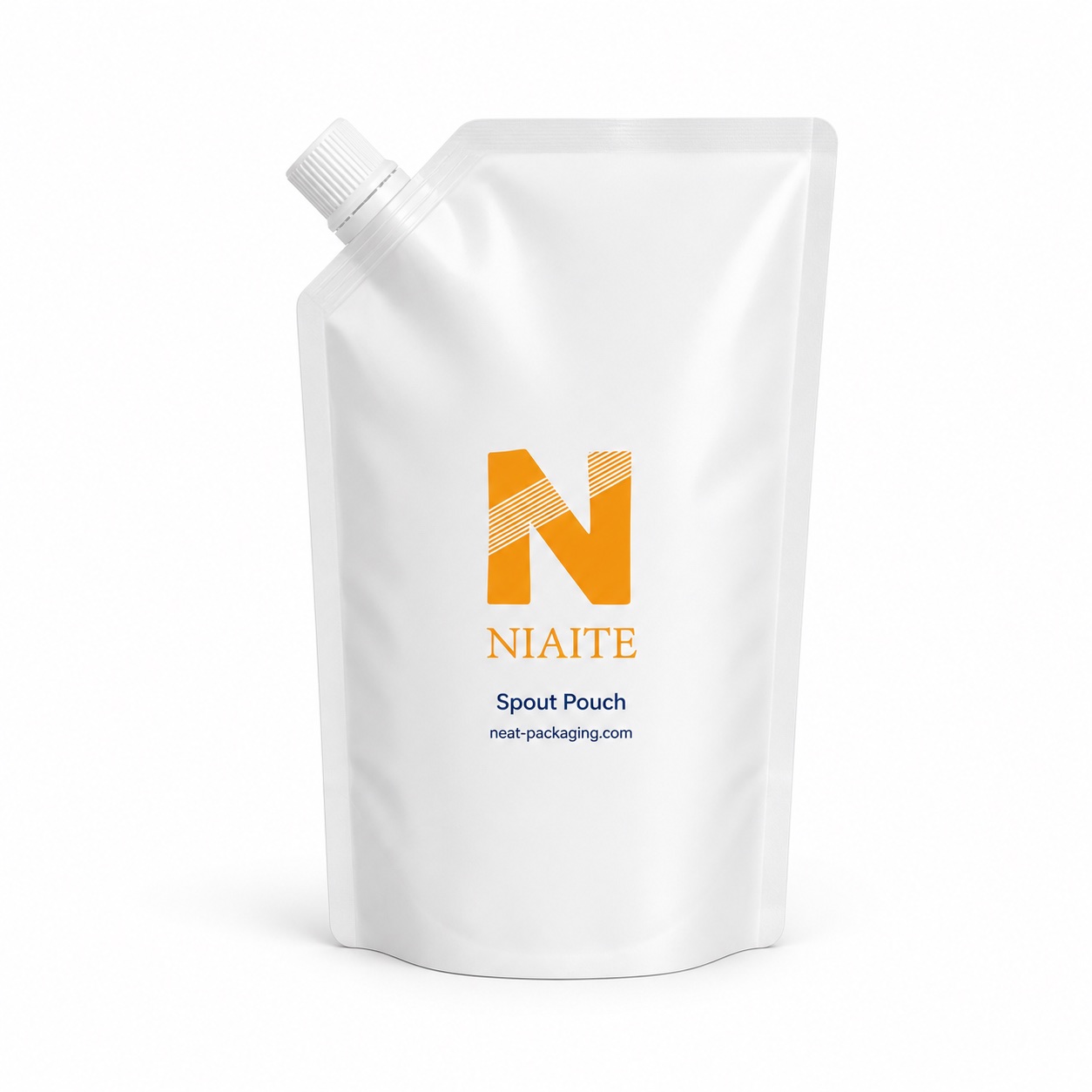
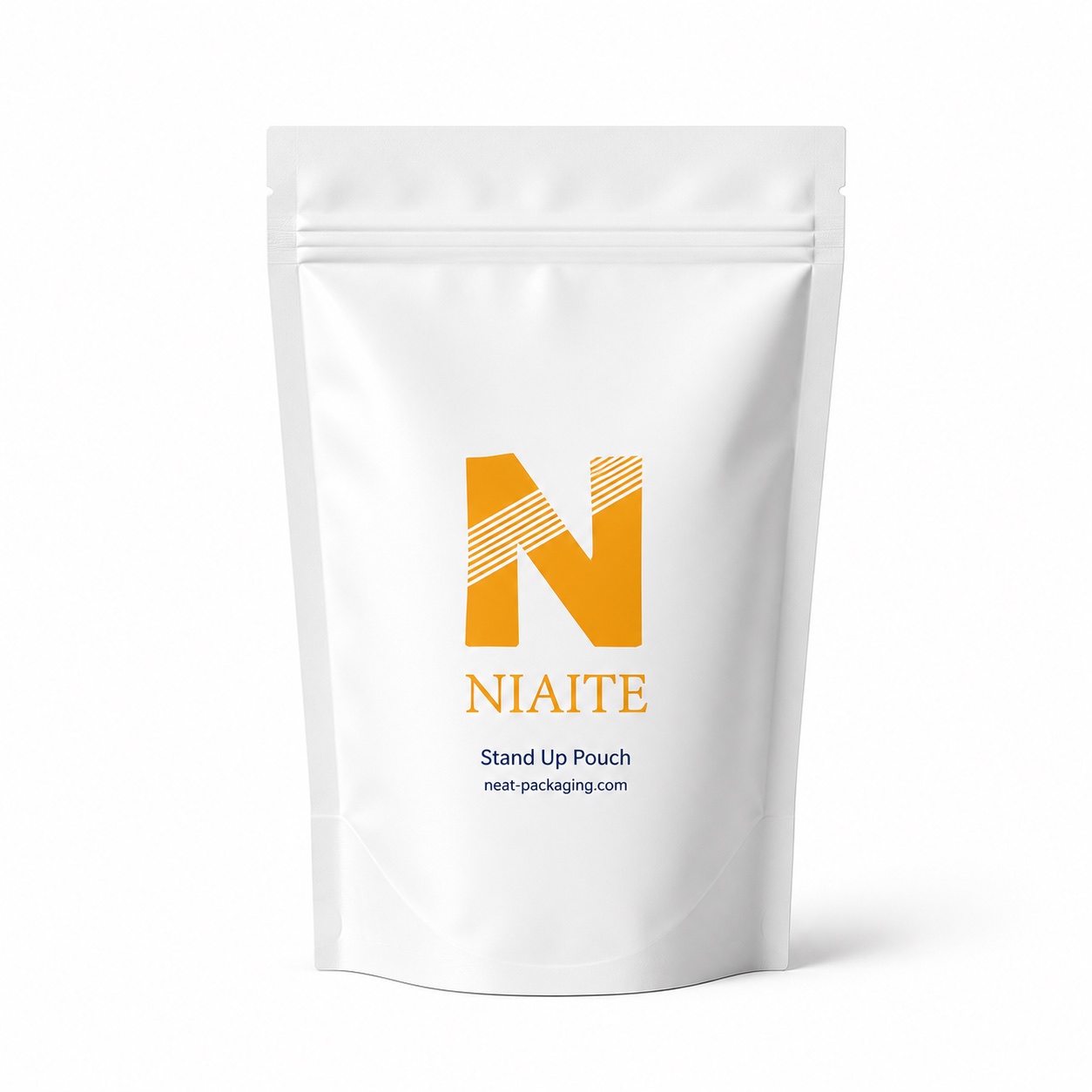
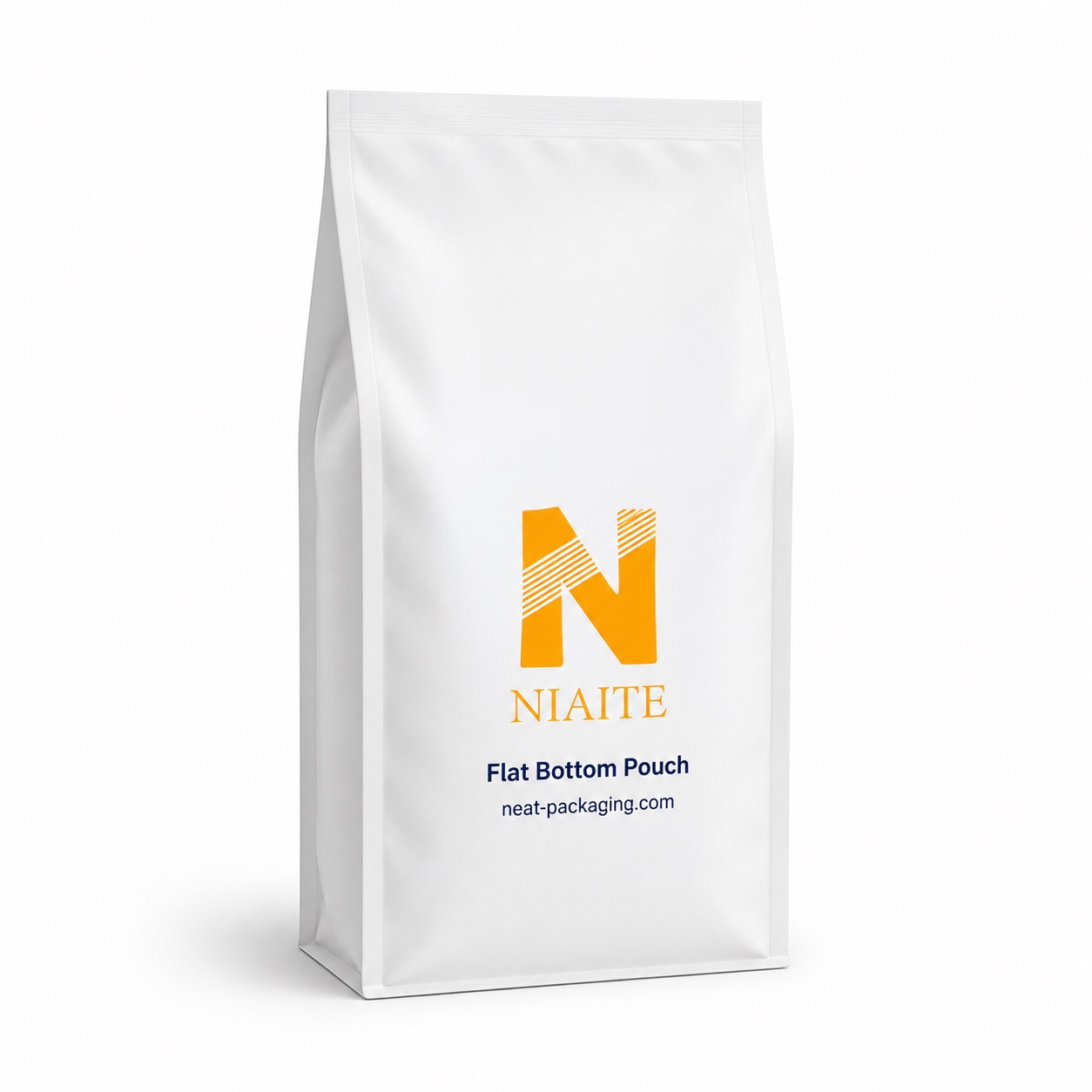
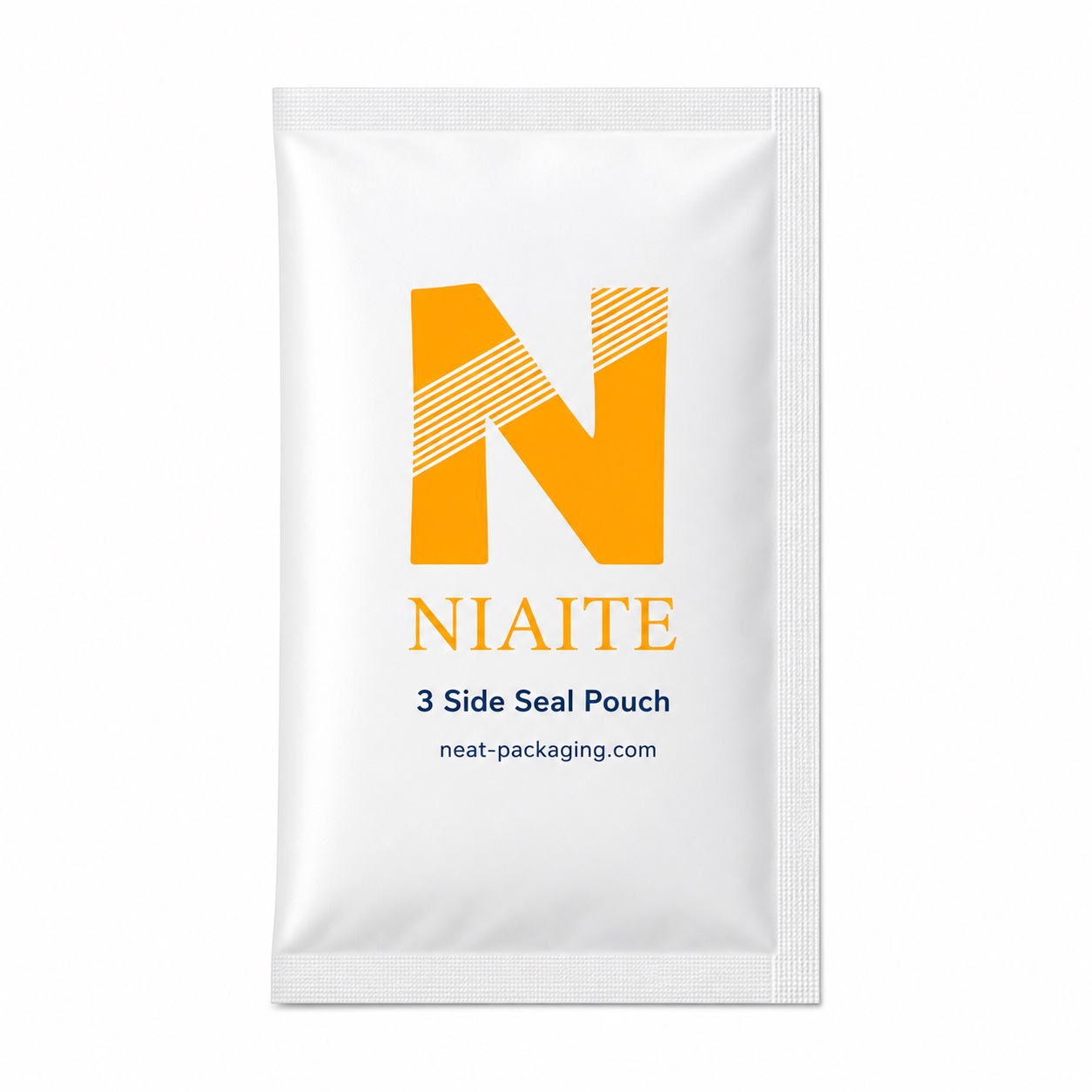
Use these photos as format references. Final size, structure, print layout, and testing scope are reviewed against your product, filling method, and target market.
Lower-impact structure options can be reviewed when the product, filling process, target market, and recovery route support them.
This page is for personal care refills such as shampoo refills, conditioner, body wash, and liquid hand soap. Skincare refill pouches are covered on the cosmetic page, face masks, wet wipes, and other hygiene products on the sanitary page, and lotion samples on the single-serve sachet page. The final refill structure depends on formula compatibility, surfactants, fragrance oils, closure options, fitment, reseal options, seal strength, leak resistance, compatibility testing, and sample approval.
Please share the product type, formula base, surfactants, fragrance oils, alcohol or oil content, fill volume, viscosity, filling process, pouch or sachet format, fitment, closure options, reseal options, artwork, carton packing, and requested testing scope.
Material declarations, compatibility testing notes, artwork proof, sample approval notes, seal checks, leak resistance records, filling-line notes, and project QC records can be reviewed by the selected formula, structure, and project scope.
Production workflow, material traceability, seal checks, and project QC records can be reviewed according to the confirmed personal care packaging scope.
Material declarations, compatibility testing notes, artwork proof, sample approval notes, leak checks, filling-line notes, and project QC records can be reviewed by project scope.
DDP / FOB / CIF coordination can be reviewed by destination and project scope.
Project-level recyclable-ready or lower-impact structures can be reviewed where the final specification supports them.
Project support for material review, artwork coordination, sampling, and production follow-up within the agreed scope.
Production routing, order volume, lead-time assumptions, and capacity fit are reviewed for each confirmed project.
Tell us your product, target weight, and requirements.
We recommend materials, structure, and provide pricing.
Confirm details, approve artwork, and production begins.
QC checkpoints and shipment scope are confirmed by project.
Common issues we help personal care packaging buyers avoid during project coordination.
Scented lotions, body washes, and hair treatments contain volatile compounds that permeate standard film structures, causing scent loss from the product and odor contamination of adjacent items in mixed shipments. We specify appropriate barrier layers based on your fragrance concentration and expected shelf life.
Stand-up pouches with dispensing spouts for shampoos and conditioners require precise film stiffness and spout placement to deliver consistent squeeze-to-dispense performance. Too rigid and the pouch won't collapse evenly; too flexible and it won't stand on shelf. We coordinate film gauge and spout positioning with both the converter and your filling equipment specs.
Personal care pouches stored in bathrooms face constant humidity and water splashes that degrade surface printing, causing ink smearing and color fading. We specify coating and varnish requirements during the artwork coordination phase to match the actual end-use environment, not just standard lab conditions.
Refills sold online travel loose in parcels where they are squeezed, dropped, and left upside down. Cap closure, the fitment seal, and the bottom seal should be reviewed for that route, with drop or leak checks arranged by project scope, rather than specified for shelf display only.
Personal care brands often launch with dozens of variants differing only in scent, color, or formula strength, each requiring unique artwork files. Version-control errors between brand teams, designers, and print suppliers lead to wrong labels on the wrong SKU. We manage artwork version tracking and approval across all parties to prevent mix-ups.
Updated:
Work with NIAITE for material review, sampling guidance, QC checkpoints, and export project coordination.