
Packaging Materials Guide
Compare films, paper substrates, barrier layers, and thermoformed sheet materials used across custom packaging structures.
Choose the Right Packaging Material
Each material contributes a specific role in a laminate, from print quality and puncture resistance to heat sealing, oxygen barrier, moisture control, and shelf-life performance. A single material is one layer of a structure and not a standalone guarantee: barrier, seal behaviour, and documentation scope come from the full laminate, the packed product, and the filling process. How these layers are bonded is explained in the packaging lamination process guide.
NIAITE is a flexible packaging project support team working with selected partner factories, so buyers can compare substrate combinations against a real brief before sampling.
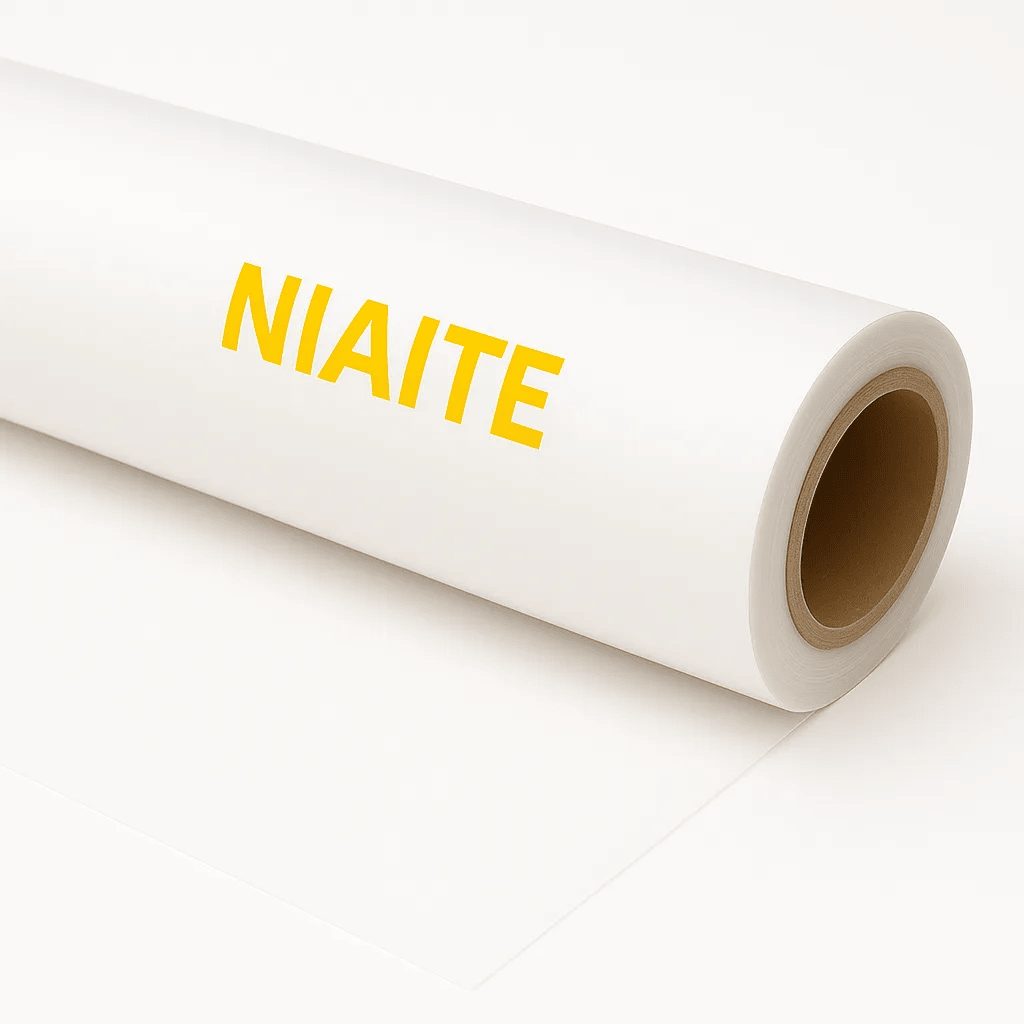
PET
Clear, strong print substrate with dimensional stability and reliable laminate performance.
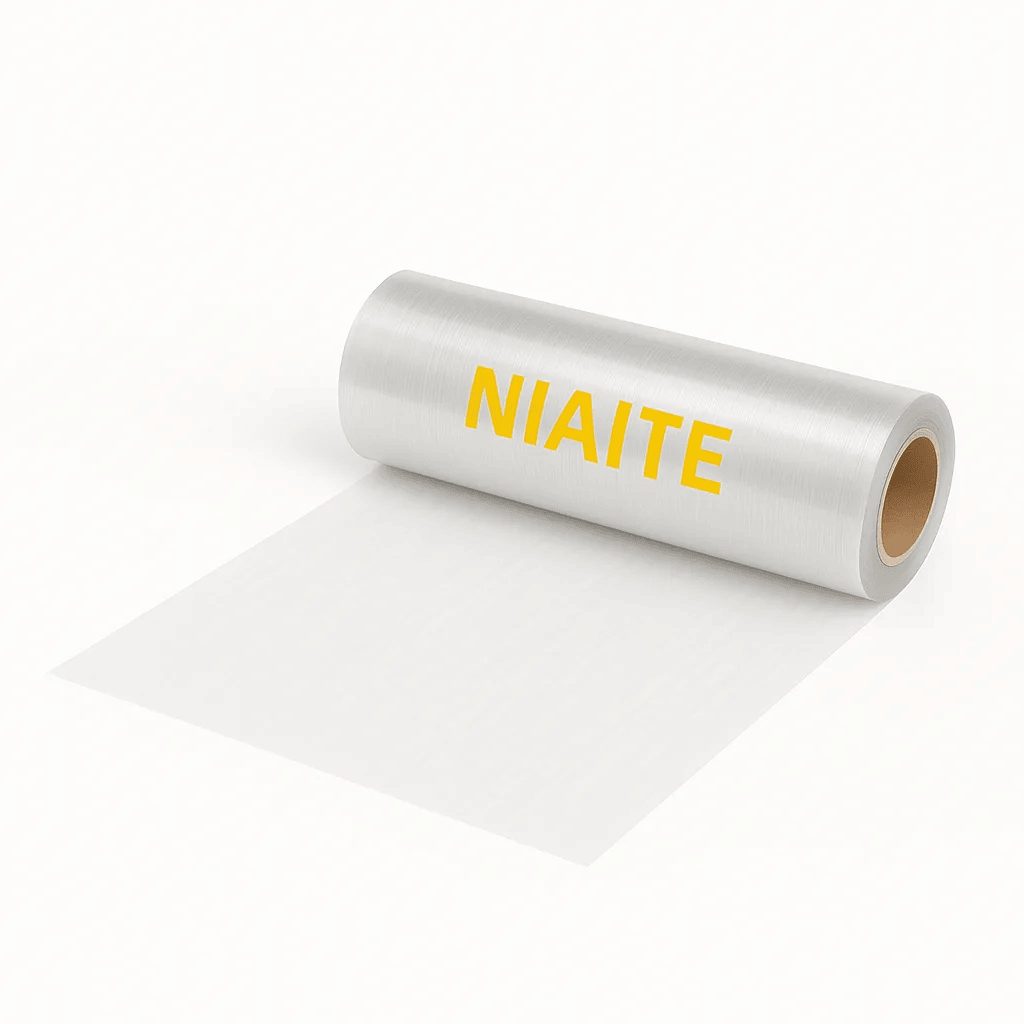
PE
Flexible sealant layer for moisture resistance, toughness, and mono-material packaging designs.
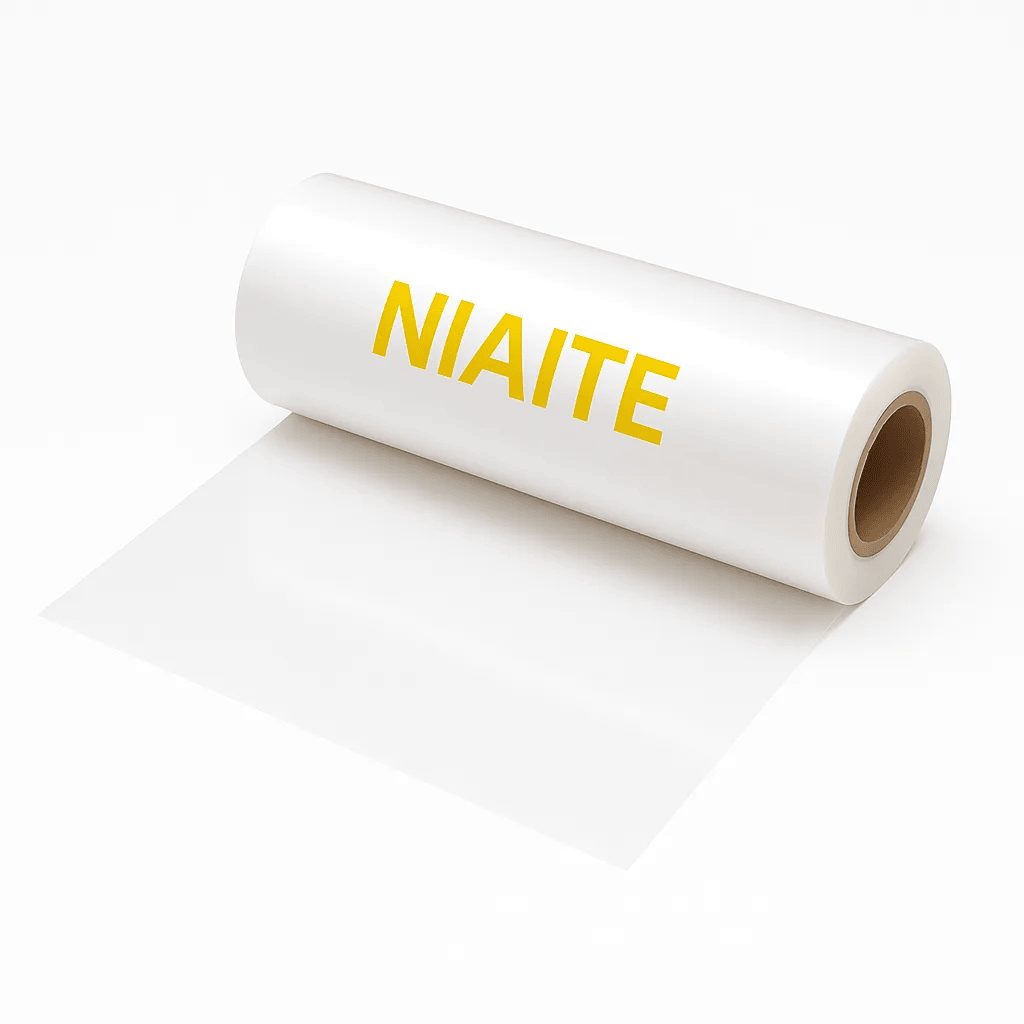
BOPP
Glossy, transparent film used for display impact, stiffness, and high-speed packaging lines.
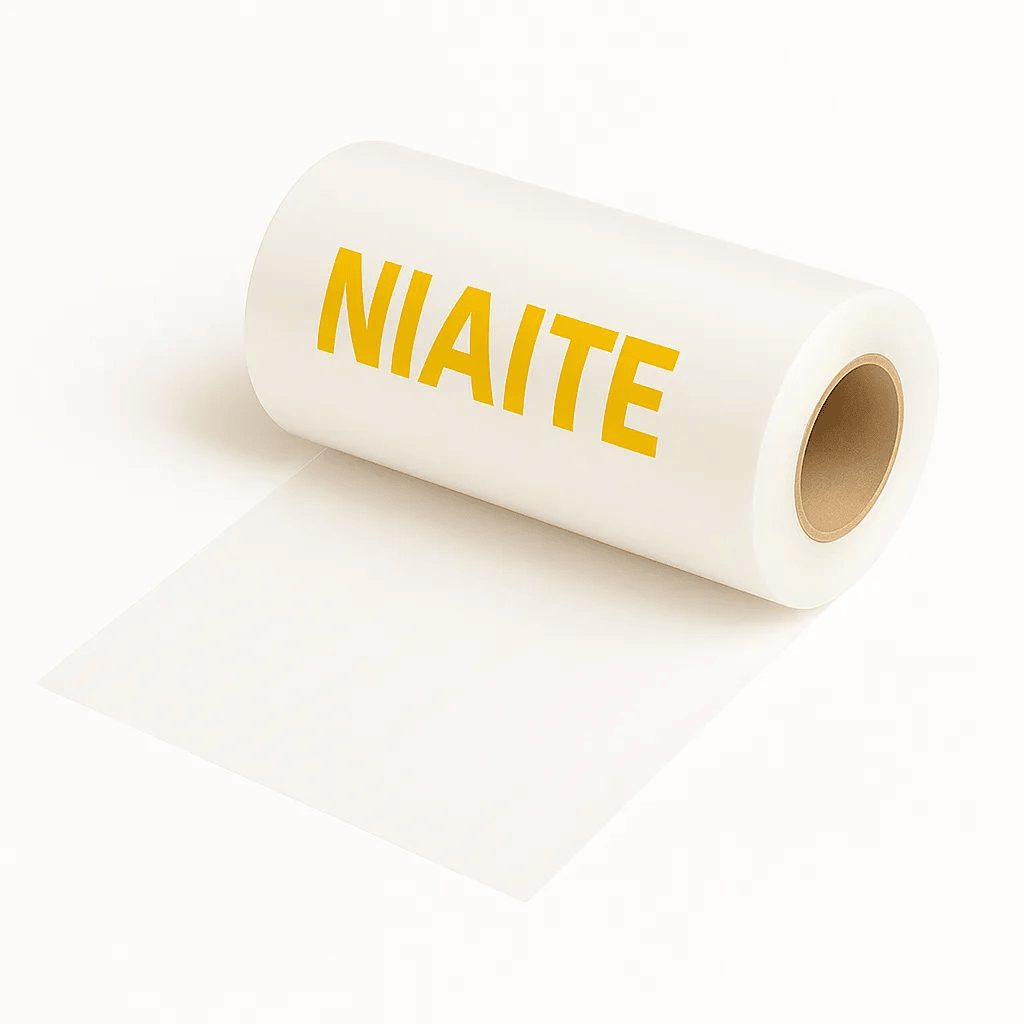
CPP
Cast polypropylene sealant with clarity, stiffness, and heat-seal performance.
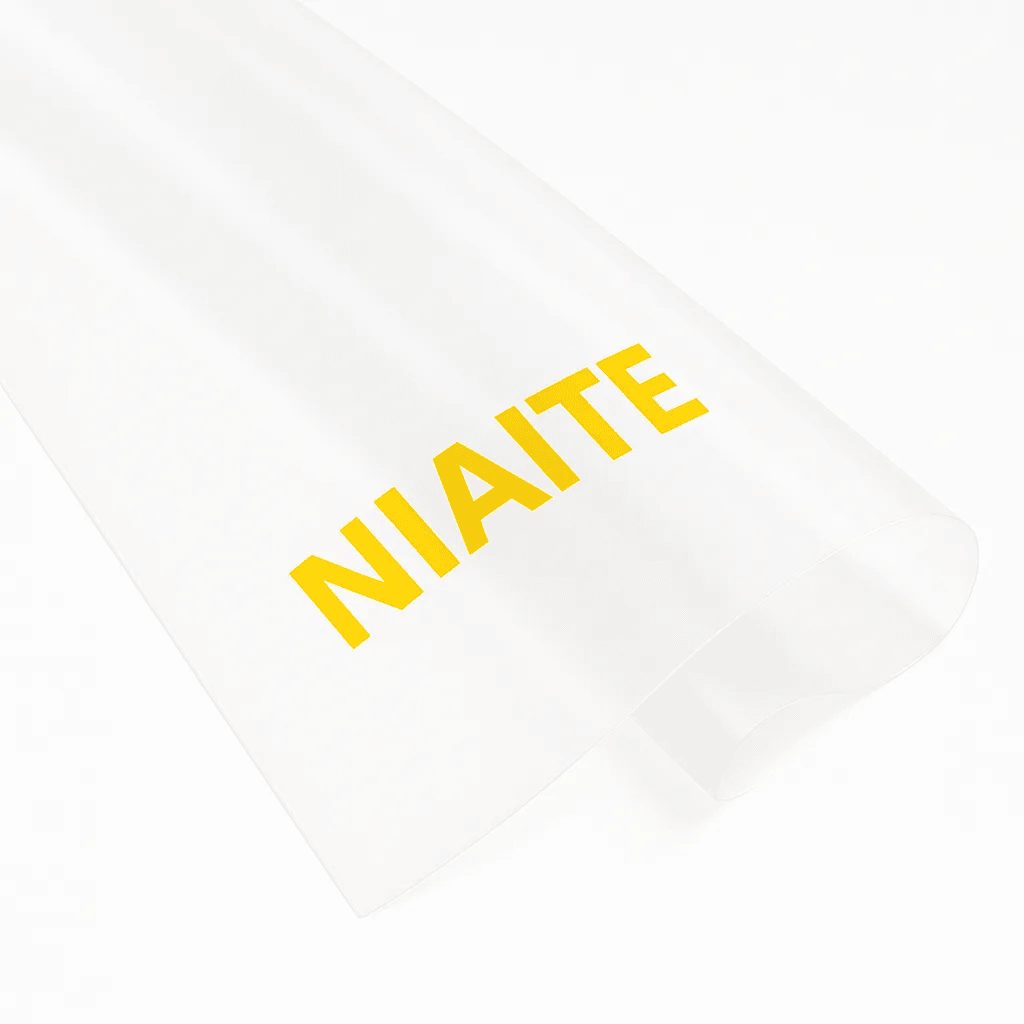
Nylon
High puncture resistance and toughness for vacuum, frozen, seafood, and meat packaging.
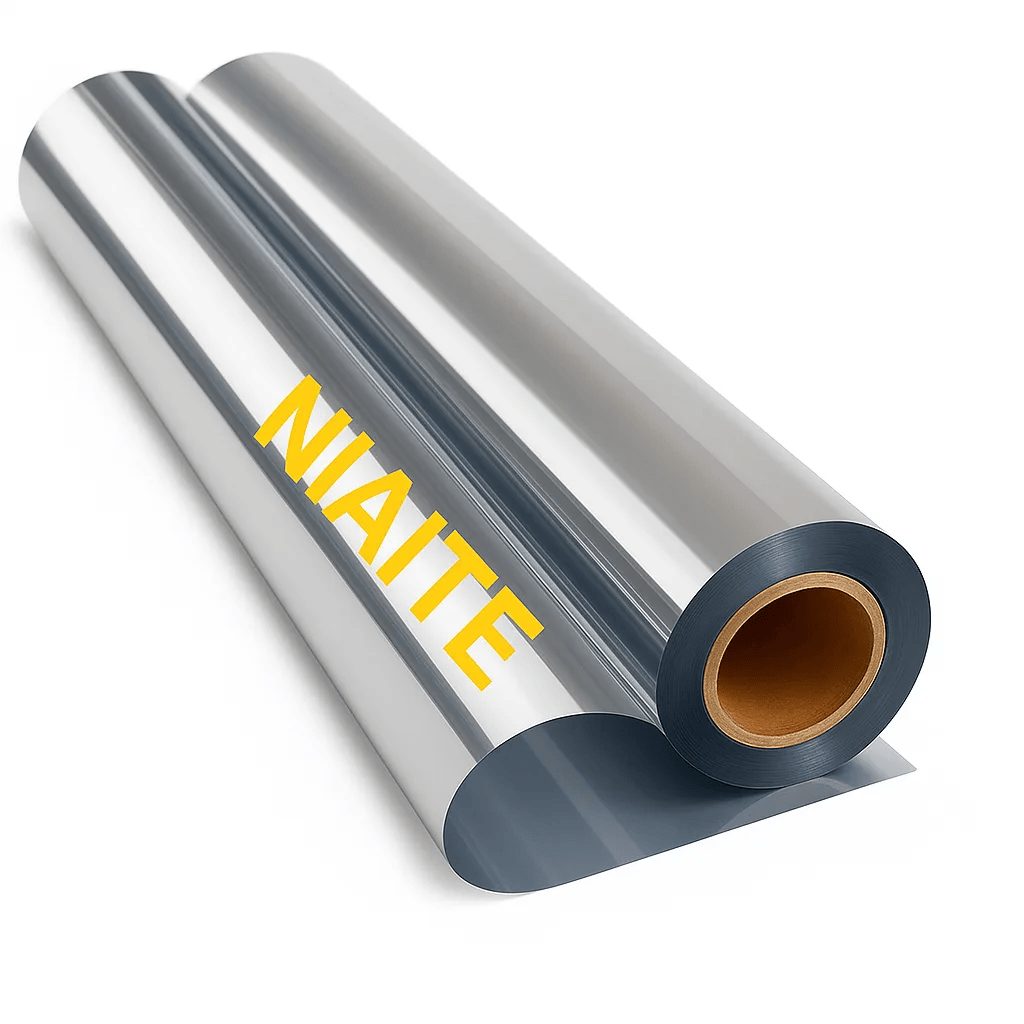
Aluminum Foil
High barrier layer for light, aroma, oxygen, and moisture protection in shelf-stable packs.
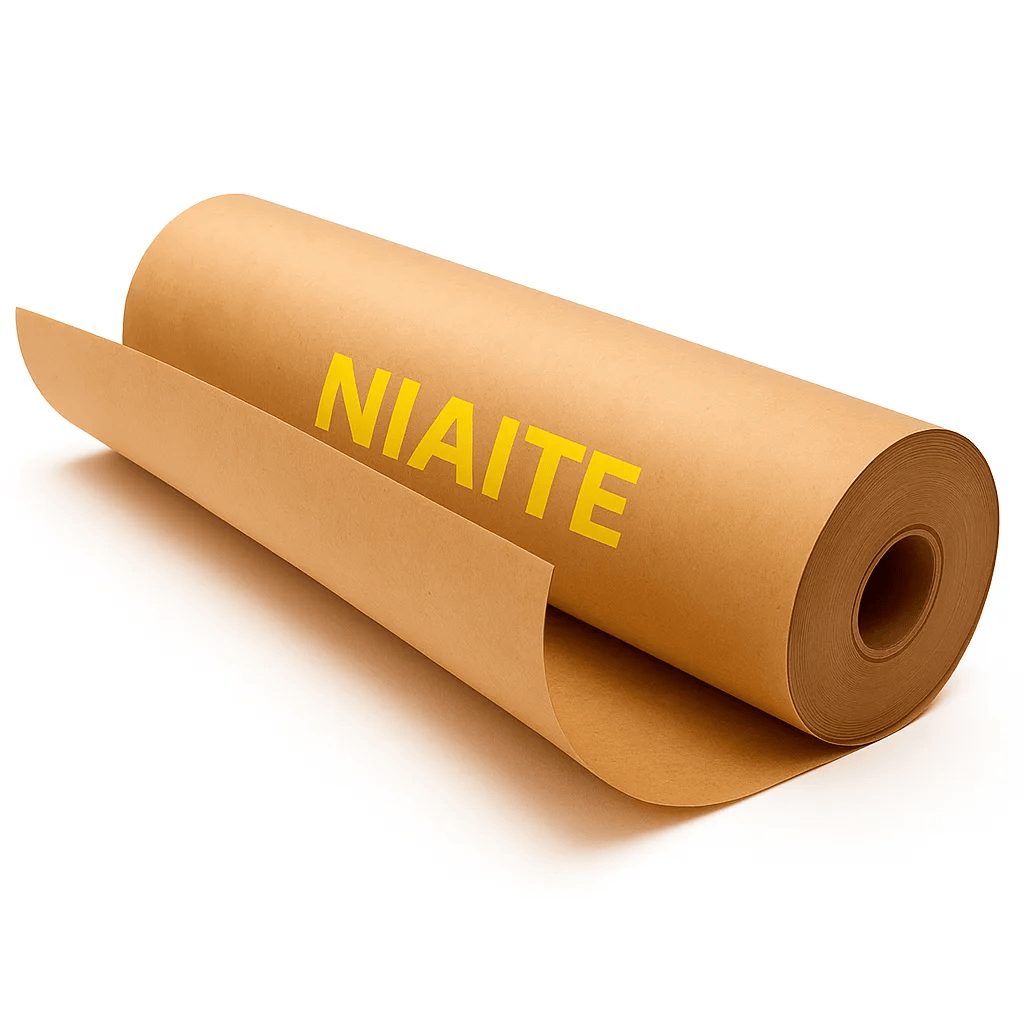
Kraft Paper
Natural paper surface for premium tactile branding and lightweight dry-product pouches.
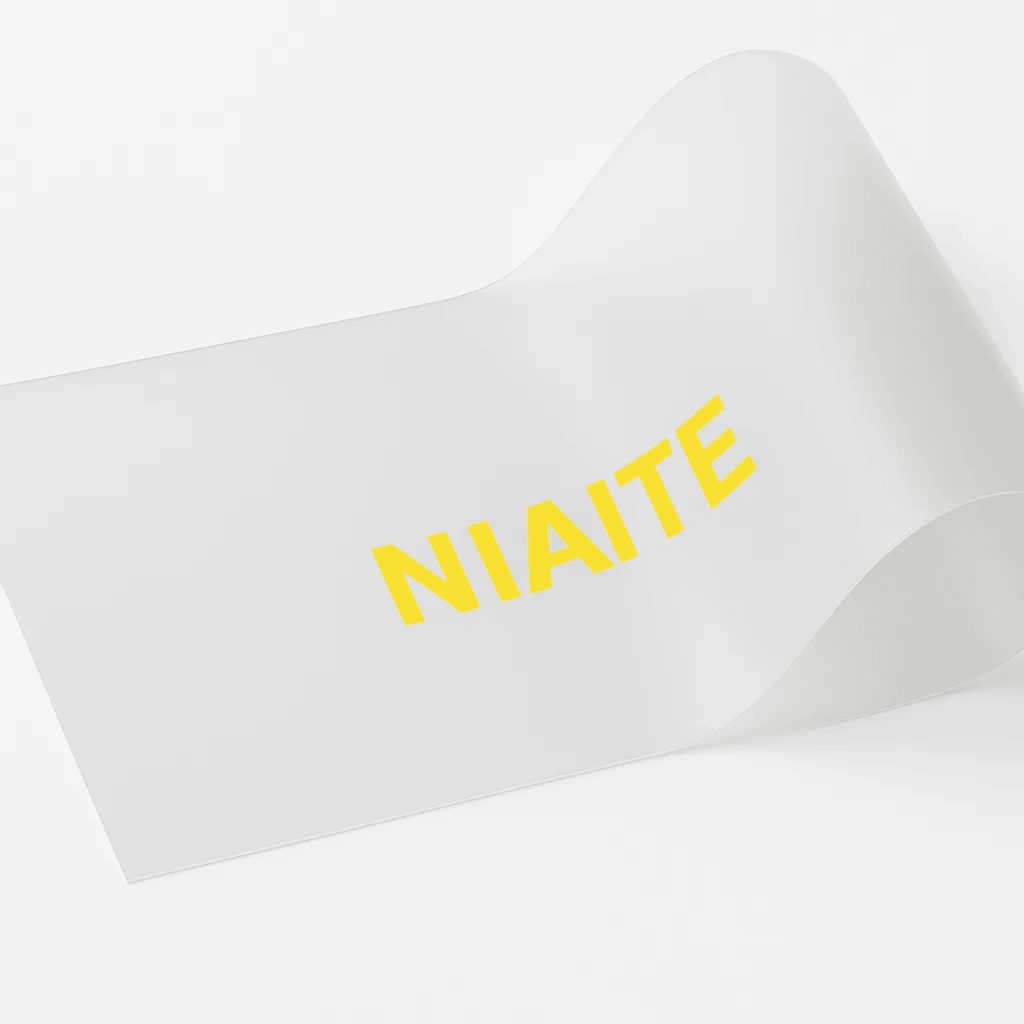
PS Sheet
Rigid sheet option for impact resistance, insulation, and thermoformed packaging formats.
Start from the Job Each Layer Does
Most pouches are built from an outer layer, an optional barrier or toughness layer, and an inner sealant. Pick the role first, then the material.
Outer Print Layer
PET for print clarity, stiffness, and flat panels; BOPP for gloss and high-speed lines; kraft paper for a natural paper face.
Barrier or Toughness Layer
Aluminum foil for the highest barrier in an opaque pack; nylon when bones, edges, vacuum, or frozen handling could puncture the film.
Inner Sealant Layer
PE for routine heat sealing and PE-rich mono-material designs; CPP for clarity, stiffness, and retort-grade sealants.
Rigid Formed Parts
PS sheet is for thermoformed trays, cups, lids, and inserts rather than flexible pouches.
Start from What the Pack Must Handle
The packed product and filling process usually point to one or two candidate materials. Each material page lists when to choose it, when to avoid it, and what to confirm.
Retort or Hot Fill
Look at retort-grade CPP sealants with a foil or nylon layer; standard PE softens as temperature rises.
Vacuum, Frozen, or Sharp Contents
Add a nylon (PA) layer for puncture and flex-crack resistance.
Clear Display Packs
BOPP or PET outer films with a clear sealant; oxygen barrier needs an added layer.
Paper Look
Kraft paper outside, with the barrier carried by the inner film. A paper look alone does not make a pack recyclable.
Mono-Material Direction
PE-rich structures such as MDO-PE/PE on the PE page, where local recycling streams accept the structure.
Trays, Cups, and Lids
Rigid PS sheet parts, usually sealed with a flexible lidding film.
How Material Choices Shape Performance
NIAITE combines substrates into structures matched to product sensitivity, filling process, distribution conditions, shelf-life targets, and local recycling infrastructure.
Barrier Requirements
Oxygen, moisture, aroma, grease, and light sensitivity determine whether a structure needs foil, metallized film, EVOH, nylon, or other barrier layers.
Sealing & Filling
Sealant layers are specified around filling temperature, powder or liquid contamination, line speed, hot-fill needs, and pouch geometry.
Print & Shelf Presence
Outer films and papers affect gloss, matte finish, tactile feel, scuff resistance, color density, and premium brand presentation.
Updated:
Ready to Elevate Your Packaging?
Work with NIAITE for material review, sampling guidance, QC checkpoints, and export project coordination.