Four-side-sealed pouch for coffee, pet food, powders, and high-volume packs. Review side gussets, flat-bottom stability, panel stiffness, seal width, barrier films, and filling equipment before production.
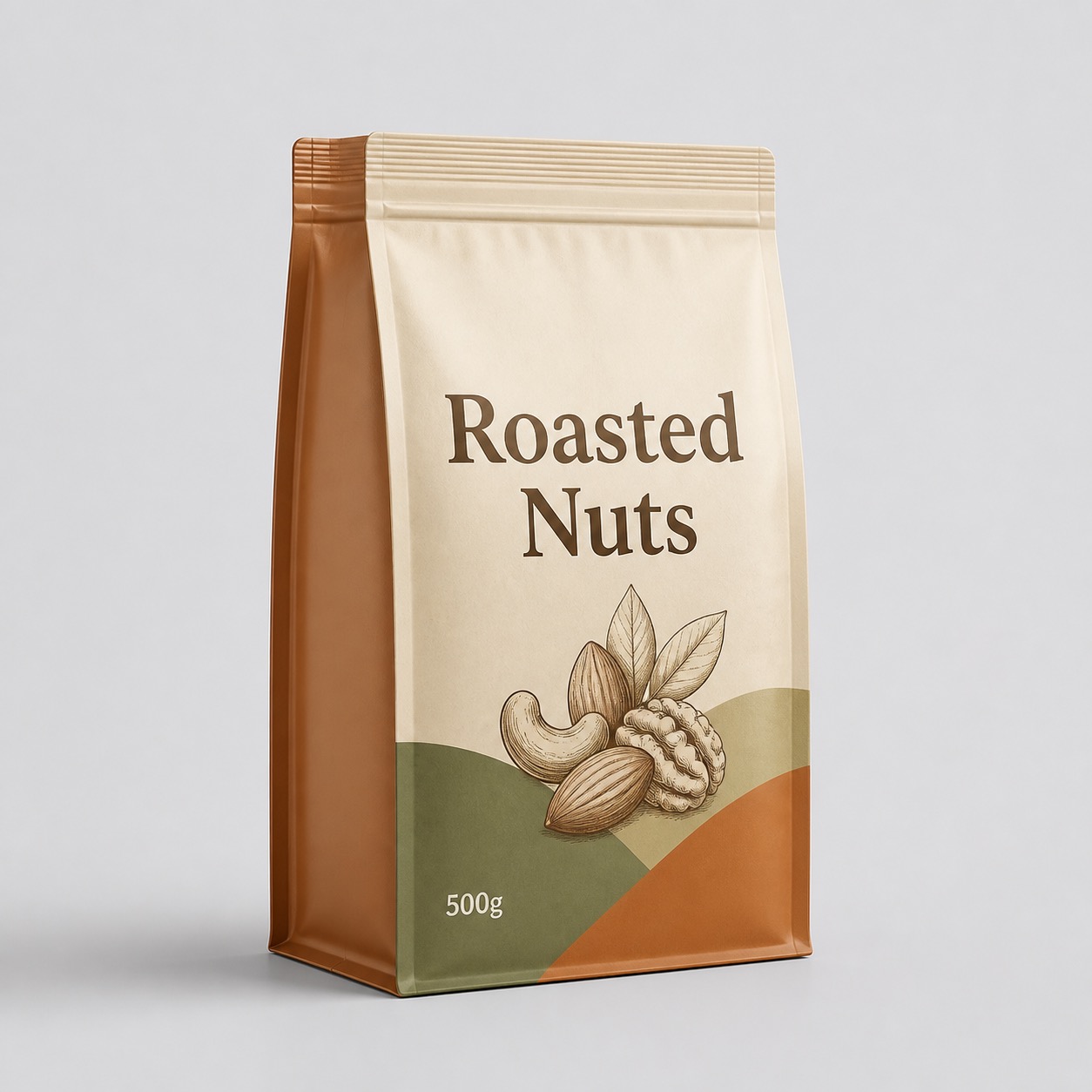
A four-side-sealed pouch uses side gussets and a flat-bottom base to form a box pouch that stands well on shelf while carrying larger fill weights than simple flat formats.
It is commonly reviewed for coffee, pet food, powders, granules, and other high-volume packs where panel stiffness, seal width, barrier films, and filling-line fit need to be confirmed together.
GMP-Style Production Controls
Partner facilities
ISO 9001-Style QC
Quality system
Shipping term coordination
DDP / FOB / CIF
Project-scoped Materials
Barrier or recyclable-ready review
Match the box pouch construction to product density, fill weight, side gusset width, filling line, and barrier target before artwork and tooling are confirmed. Review market requirements .
The box pouch base supports shelf presentation for coffee, pet food, powders, and other dry high-volume packs.
Side gussets expand after filling, creating more usable pack volume while keeping front and back panels available for branding.
Front, back, side, and bottom panels can be planned around artwork layout, barcode placement, and the intended retail display angle.
Panel stiffness, seal width, closure choice, and barrier films are reviewed by product weight, shelf-life target, and filling process.
Key factors to evaluate when selecting quad seal pouches for your project.
Consider the weight and bulk of your product. Quad seal pouches excel with heavier fills (500g-5kg) where the flat bottom provides shelf stability. Lighter products may not need the four-panel construction.
Side gusset dimensions determine the pouch's depth and on-shelf footprint. Wider gussets accommodate bulkier products but require more shelf space. Match gusset width to your retail display requirements.
Evaluate whether your product needs high-barrier protection against moisture, oxygen, or light. Quad seal pouches support multi-layer laminates with aluminum or metallized films for extended shelf life.
Decide whether your project needs a zipper, tin-tie, valve, or heat-seal closure. Resealable closures add convenience for multi-use products like coffee, pet food, or snack mixes.
Select barrier films and sealant layers around product aroma, fat content, powder flow, side gusset forming, and the seal width required by the filling line.
| Structure | Application | Barrier Level |
|---|---|---|
PET / PE
|
Dry foods and retail packs where clear print quality and reliable heat sealing are the main requirements | Standard |
PET / VMPET / PE
|
Coffee, pet food, and aromatic dry goods that need stronger oxygen and moisture barrier review | Medium |
PET / AL / PE
|
Foil barrier option for coffee, powders, and sensitive dry products with stricter shelf-life targets | High |
PET / NY / PE
|
Heavier pet food, granules, or dense fills where panel stiffness and puncture resistance matter | High |
Kraft / VMPET / PE
|
Kraft paper appearance for coffee or pet food packs with a metallized barrier layer | High |
Mono-PE Review
|
Recyclable-ready trial structure when local recycling stream, stiffness, and barrier target are compatible | Standard |
The film stack must support the pouch panels, side gussets, bottom seal, zipper area, and heat-sealed edges without losing shelf shape. Visit our material guide for more details.
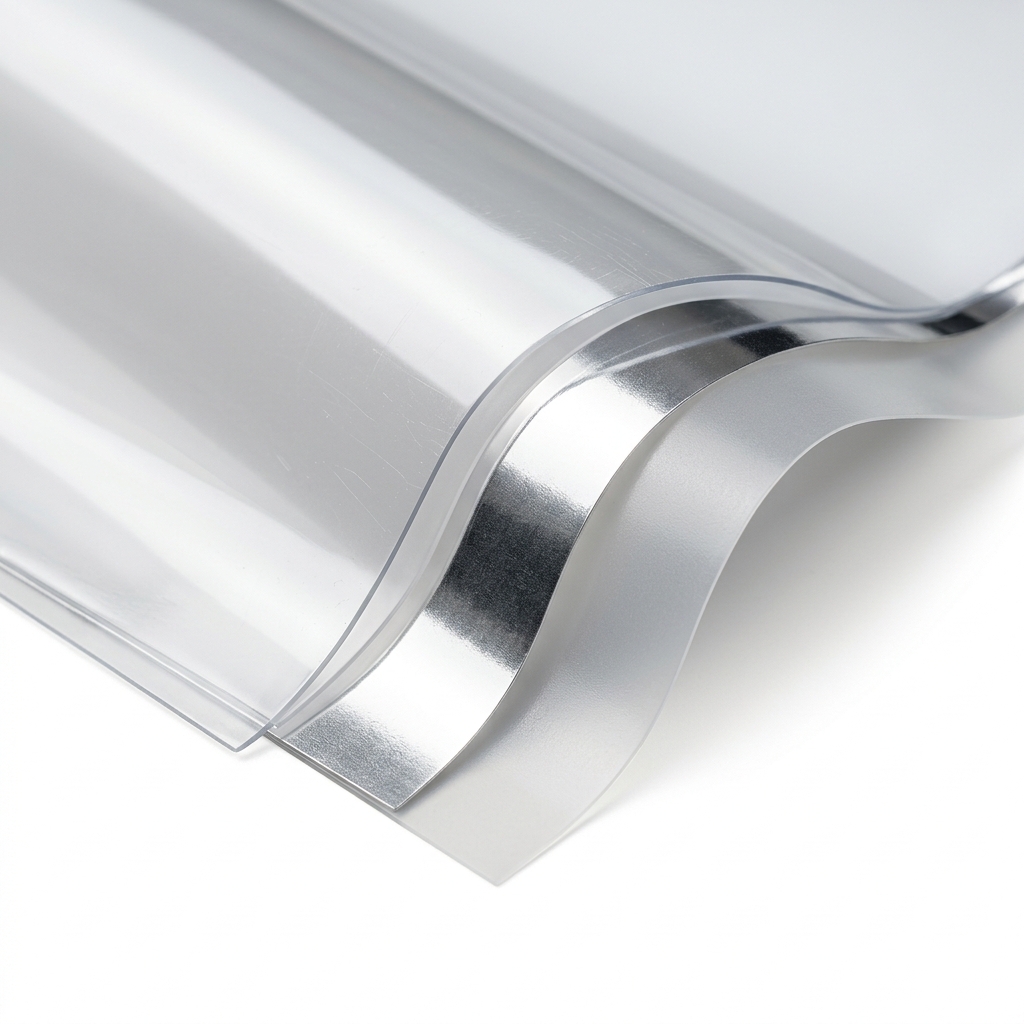
Printable PET supports artwork, registration marks, varnish or matte finish, and the outer handling surface.
Barrier film is selected around moisture, aroma, grease, light, and shelf-life targets for the packed product.
Adhesive bonds the print web, barrier option, and sealant into one stable laminate after curing and testing.
PE sealant is reviewed for heat-seal window, jaw temperature, dwell time, COF, filling conditions, and pack format.
Quad seal pouch performance depends on the relationship between side gusset width, bottom seal design, panel stiffness, fill weight, and the seal width available on your packing line.
Closure options such as zipper, valve, tin-tie, tear notch, or simple heat seal are reviewed by product type and filling process before the pouch is quoted.
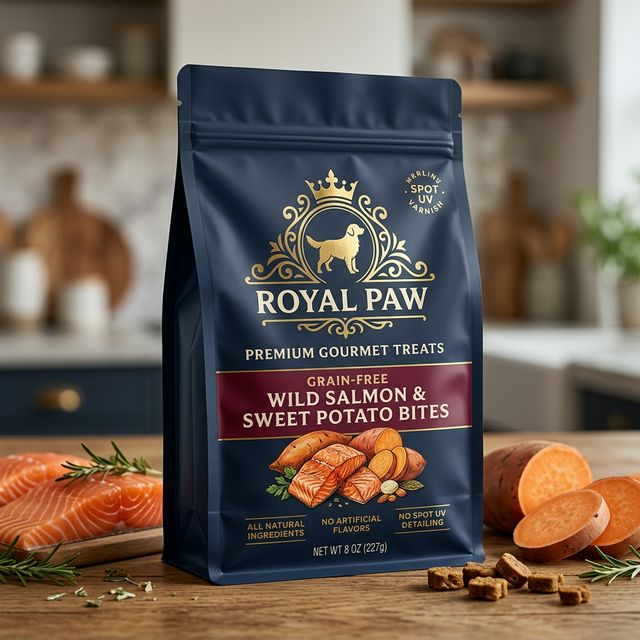
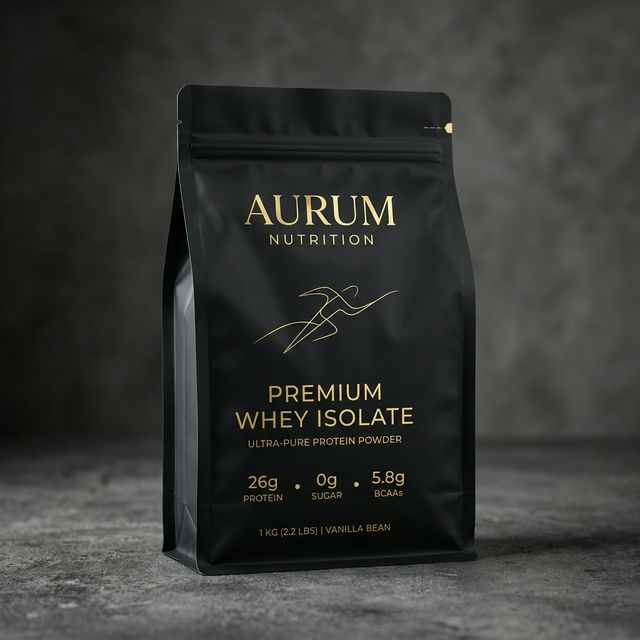
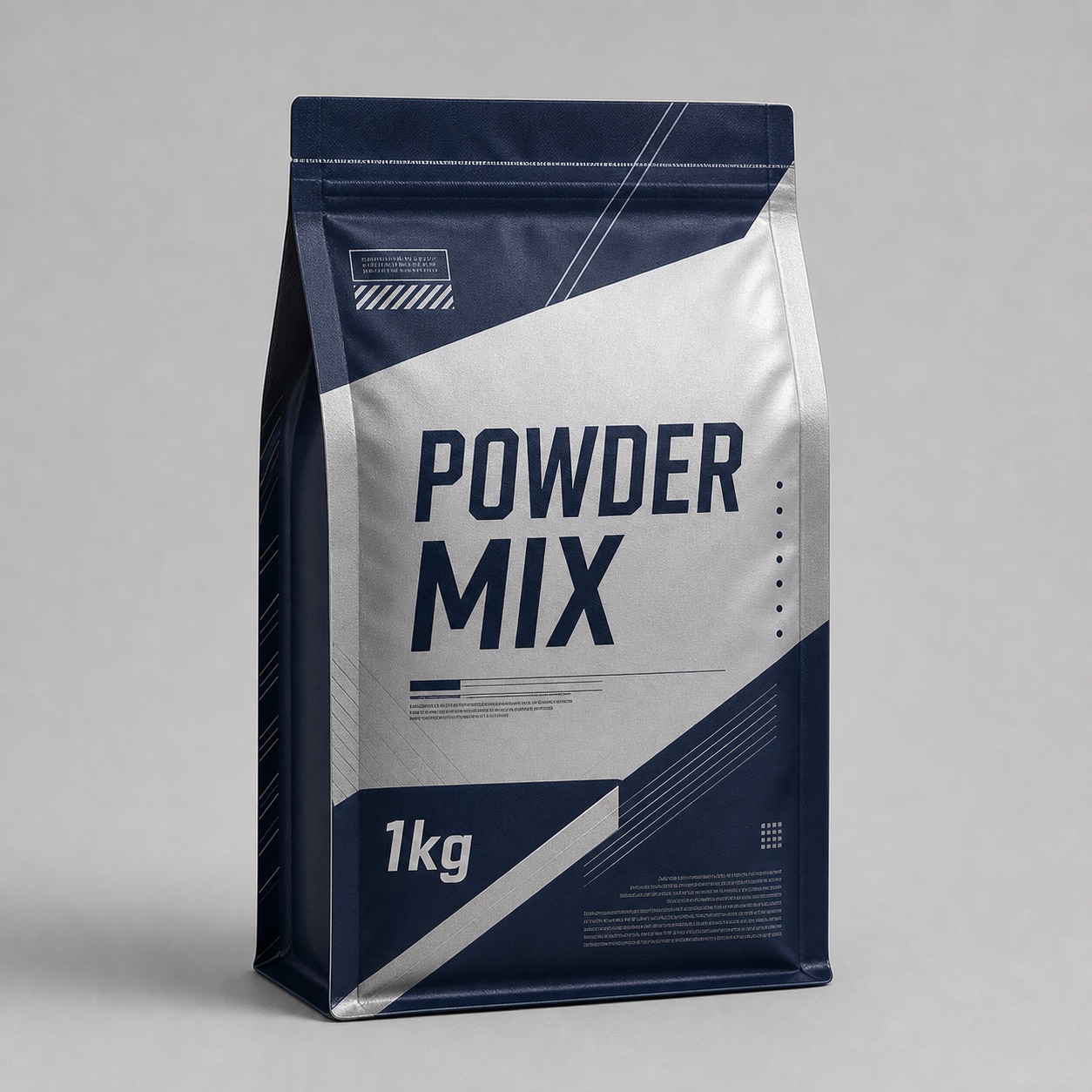
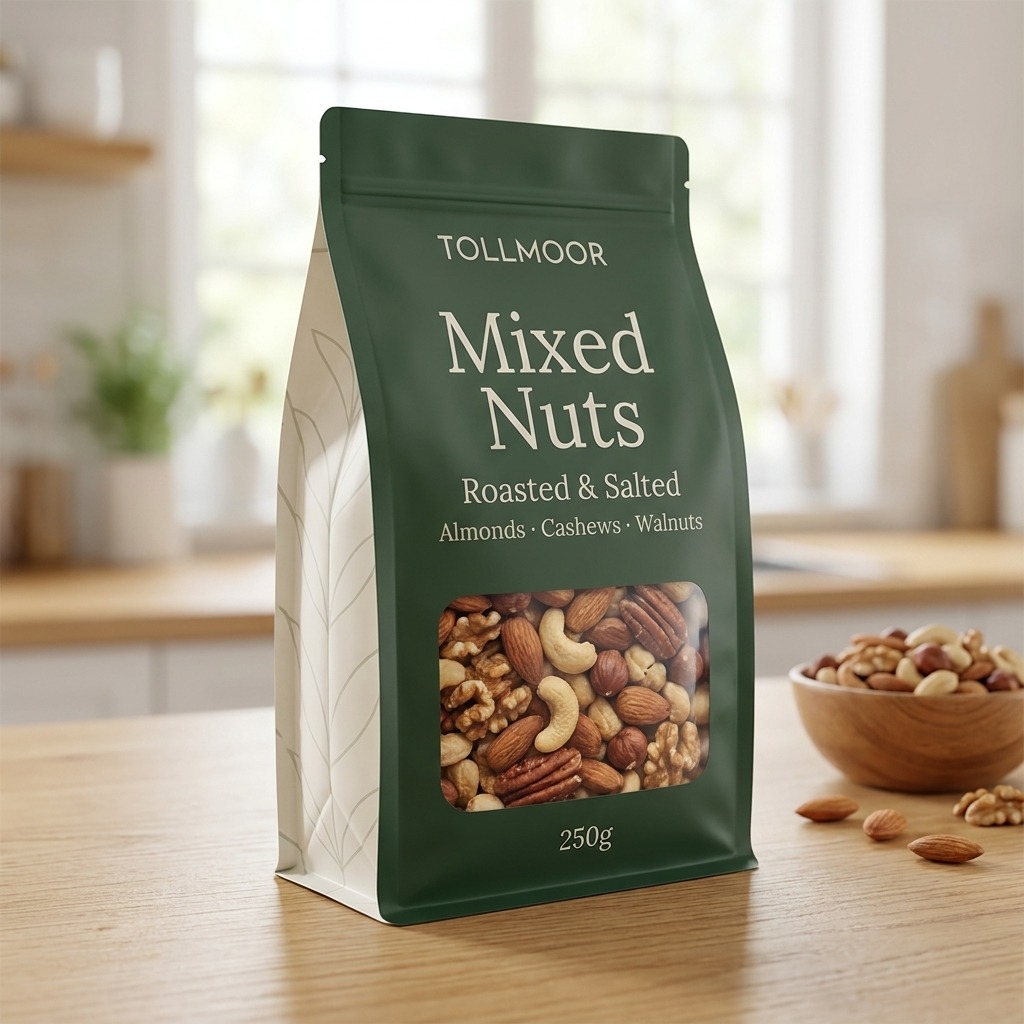
Define side gusset width, bottom fold, filled base dimensions, and carton fit so the pouch stands correctly after filling.
Review zipper, valve, tin-tie, tear notch, or heat-seal-only formats according to coffee degassing, pet food reclose, or powder use.
Front, back, side gusset, and base print areas are checked against barcode, nutrition panel, valve, zipper, and side-seal placement.
Sample fit, filling-line compatibility, seal strength, drop or stacking behavior, and food-contact documentation can be reviewed by project scope.
Representative review points only. Final values depend on product density, filling equipment, material structure, and the selected closure.
Panel Stiffness
Reviewed by pouch height, fill weight, and display requirement
Construction
Four-side-sealed box pouch with side gussets and flat-bottom base
Barrier Films
Selected by aroma, moisture, oxygen, and shelf-life target
Closure Review
Zipper, valve, tin-tie, tear notch, or heat-seal-only format
Fill Weight
Confirmed by product density, side gusset, bottom footprint, and handling test
Seal Width
Checked around top, side, bottom, zipper, and filling-line heat-seal zones
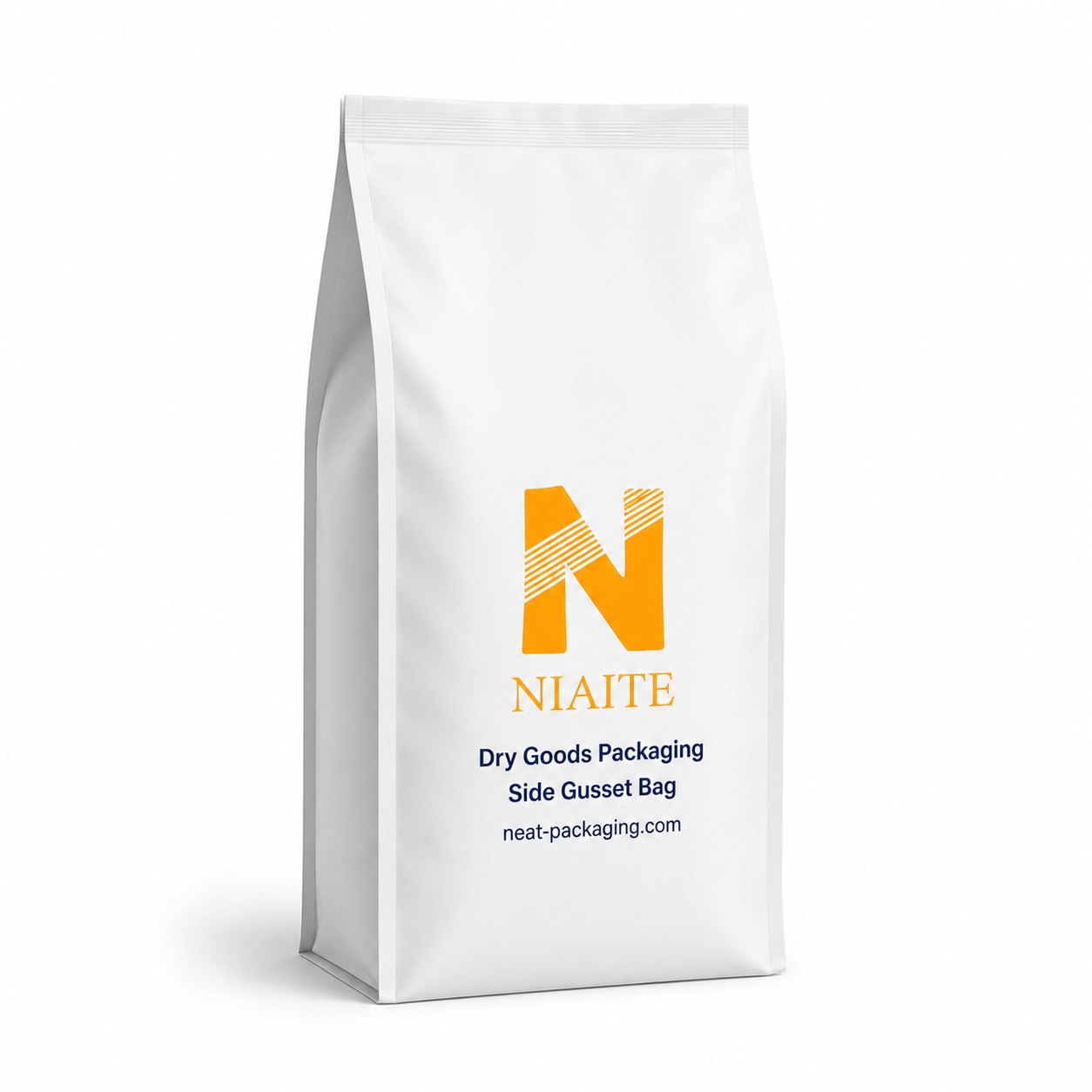
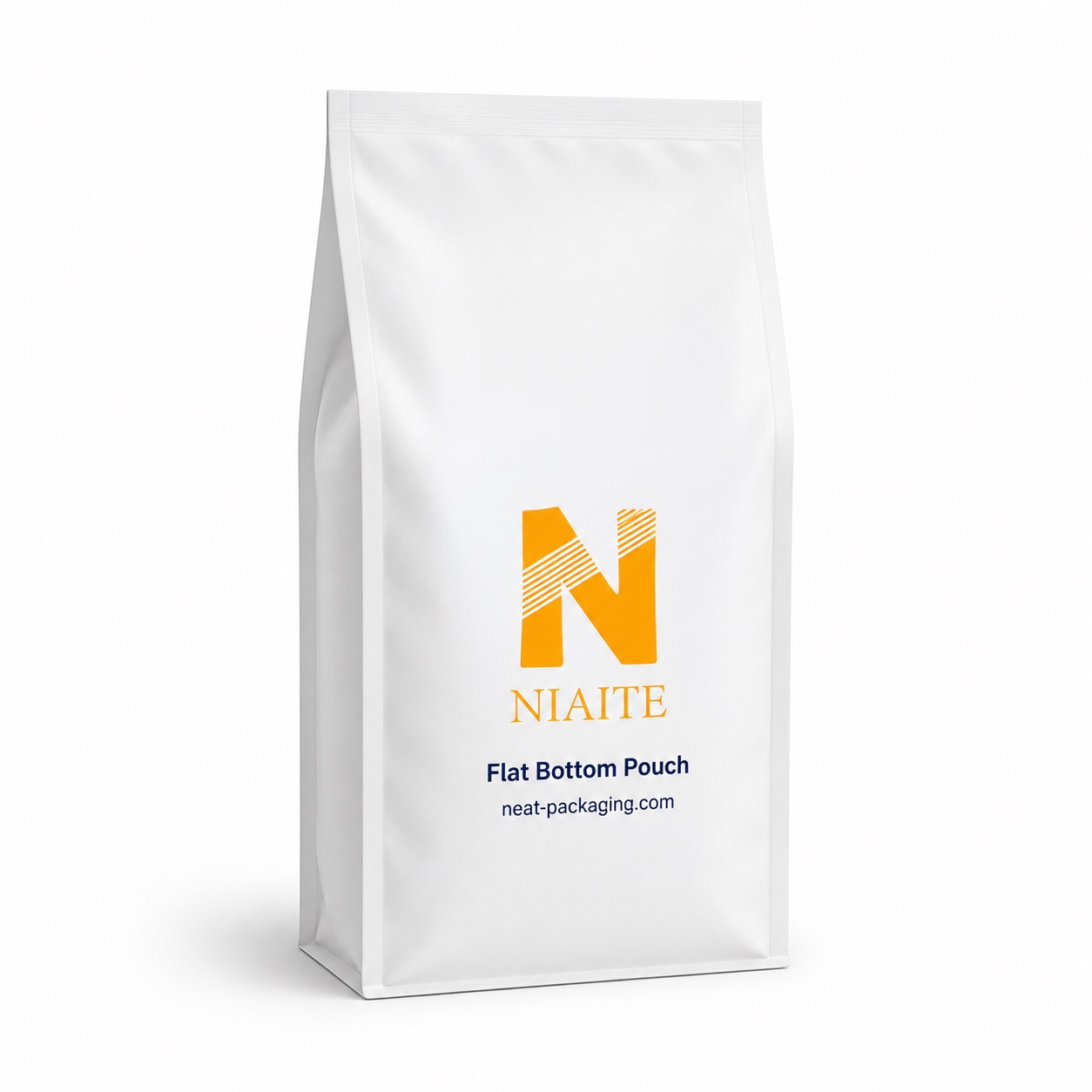
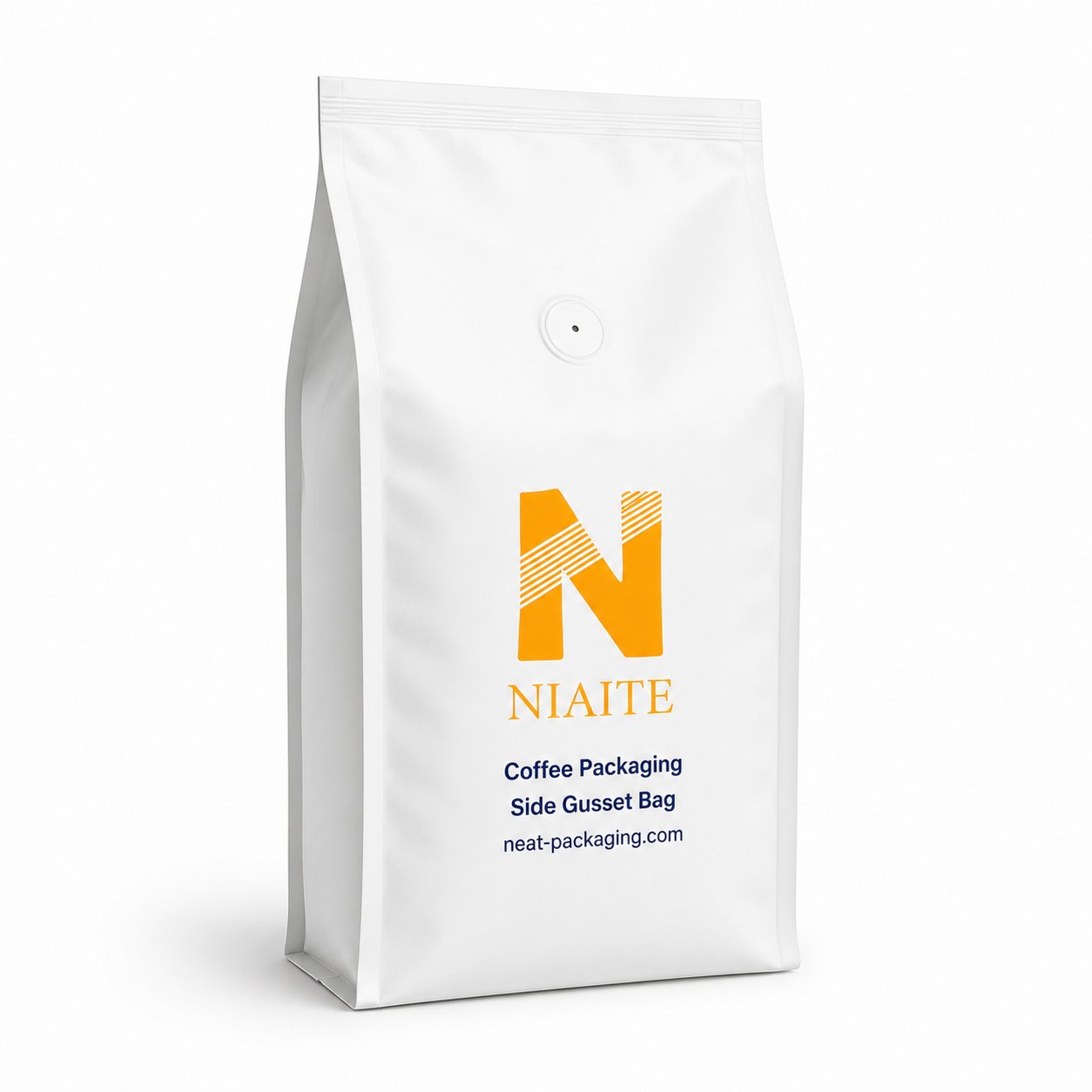
Side-gusset coffee bag with flat-bottom stability and valve option
High-volume pet food pouch with side gussets and panel stiffness
Box pouch format for powders with seal width and zipper review
Barrier films and print panels reviewed by project
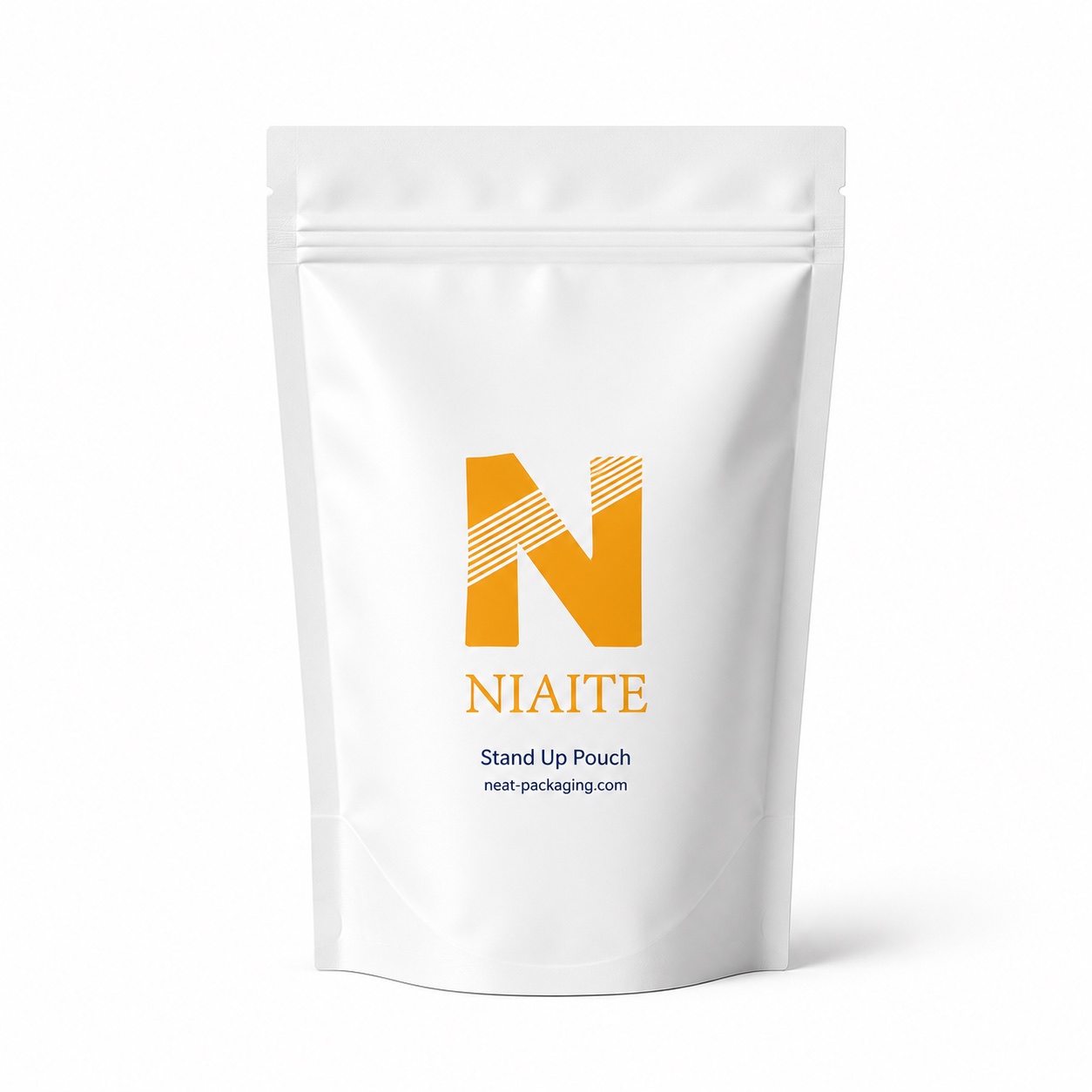
Use these photos as format references. Final size, structure, print layout, and testing scope are reviewed against your product, filling method, and target market.
Lower-impact structure options can be reviewed when the product, filling process, target market, and recovery route support them.
Quad seal pouches are best reviewed for coffee, pet food, powders, granules, dry foods, and other high-volume packs that benefit from side gussets, a flat-bottom base, and a box pouch display format.
Confirm fill weight, product density, side gusset width, flat-bottom footprint, panel stiffness target, closure type, barrier films, seal width, artwork panels, and the filling process.
Food-contact documentation, material declarations, seal strength review, sample fit notes, and project-specific test scope can be reviewed according to the selected structure and application.
Production workflow follows GMP-style hygiene and handling controls; no site-level GMP registration is claimed.
ISO 9001-style QC records, material declarations, and project documentation can be reviewed by project scope.
DDP / FOB / CIF coordination can be reviewed by destination and project scope.
Project-level recyclable-ready or lower-impact structures can be reviewed where the final specification supports them.
Project support for material review, artwork coordination, sampling, and production follow-up within the agreed scope.
Production routing, order volume, lead-time assumptions, and capacity fit are reviewed for each confirmed project.
Tell us your product, target weight, and requirements.
We recommend materials, structure, and provide pricing.
Confirm details, approve artwork, and production begins.
QC checkpoints and shipment scope are confirmed by project.
Common issues we help quad seal pouch buyers avoid during project coordination.
Quad seal pouches depend on four precisely folded gusset panels for their box-like shape. Even small asymmetry in fold placement causes the pouch to lean or bulge unevenly, undermining shelf presentation and case-pack uniformity.
The bottom seal bears the full weight of the product. If seal parameters are not validated against actual fill weight—especially for dense products like coffee beans or granules—the bottom seal can creep or fail during storage and transit.
Artwork that wraps across four distinct panels requires tight registration tolerances. Misalignment between panels creates visible color shifts or broken graphics at the gusset folds, making the finished pouch look misprinted even when individual panels are correct.
Quad seal pouches are chosen for their ability to stand upright on shelf. However, when filled with heavy or shifting contents, the center of gravity can cause tipping or slouching. Fill weight, product density, and gusset depth must be coordinated to maintain stable shelf presence.
Reclosable zipper tracks must align precisely with the gusset fold lines. If the zipper is placed even slightly off-center relative to the gussets, the pouch becomes difficult to open or reclose, and the zipper may disengage under repeated use.
Updated:
Work with NIAITE for material review, sampling guidance, QC checkpoints, and export project coordination.