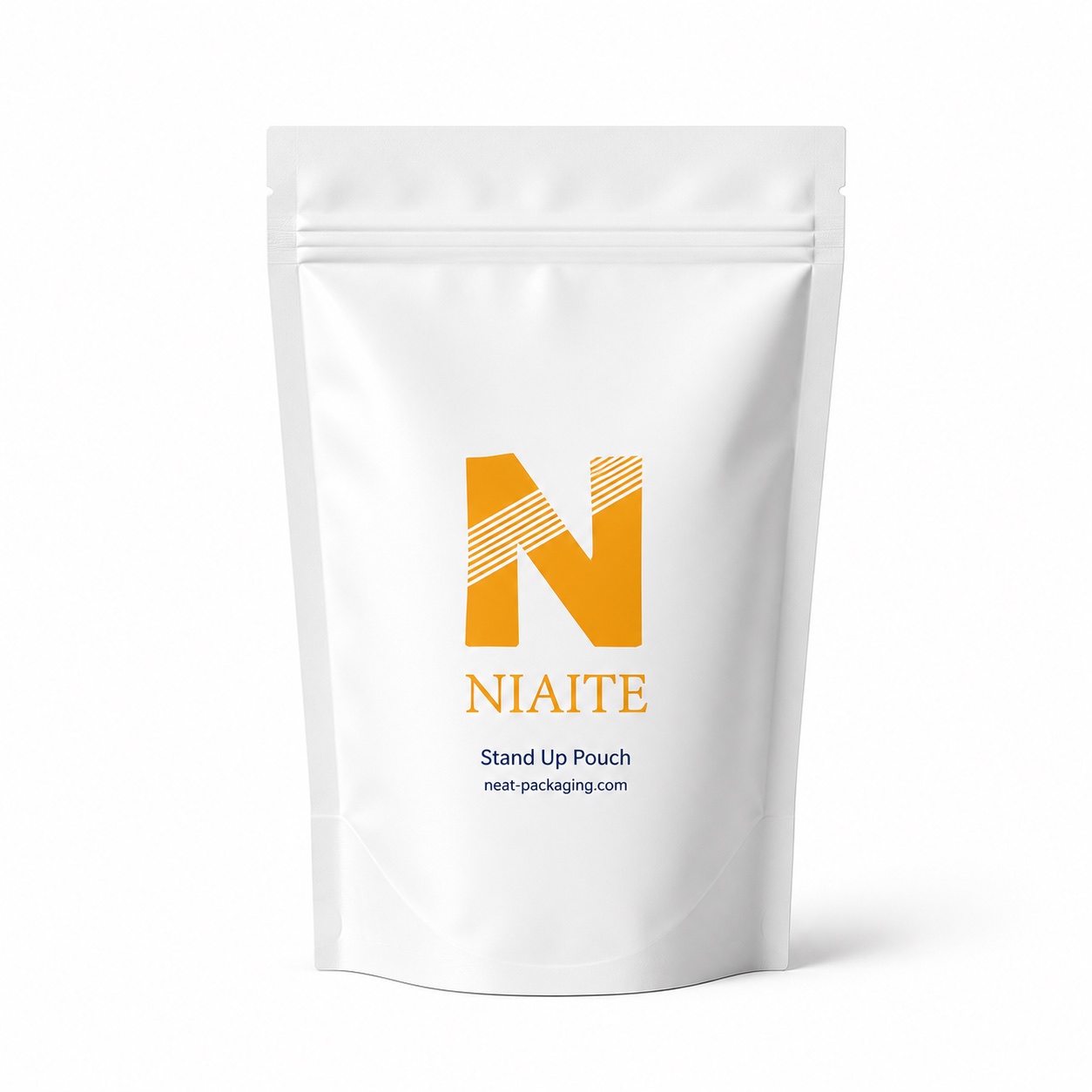
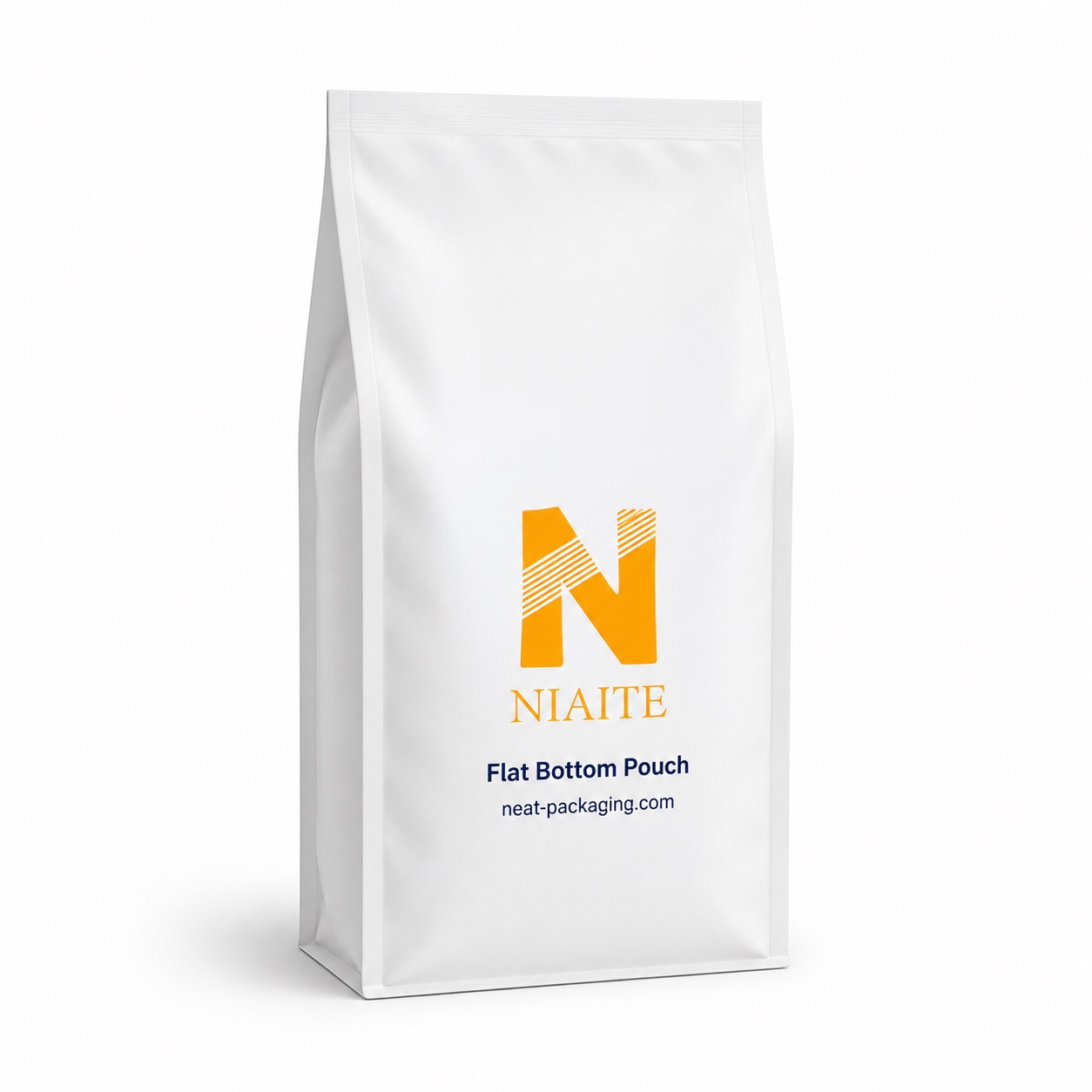
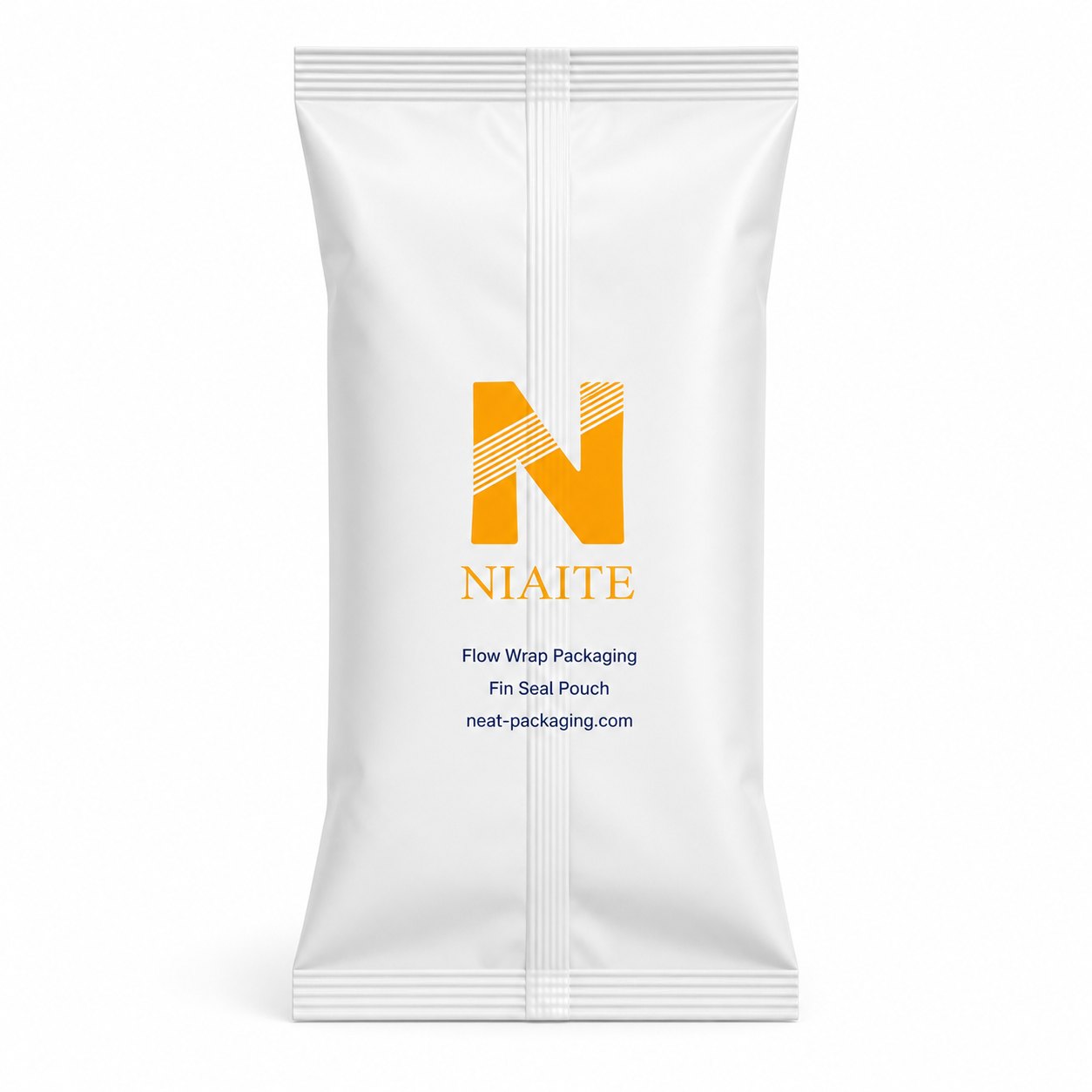
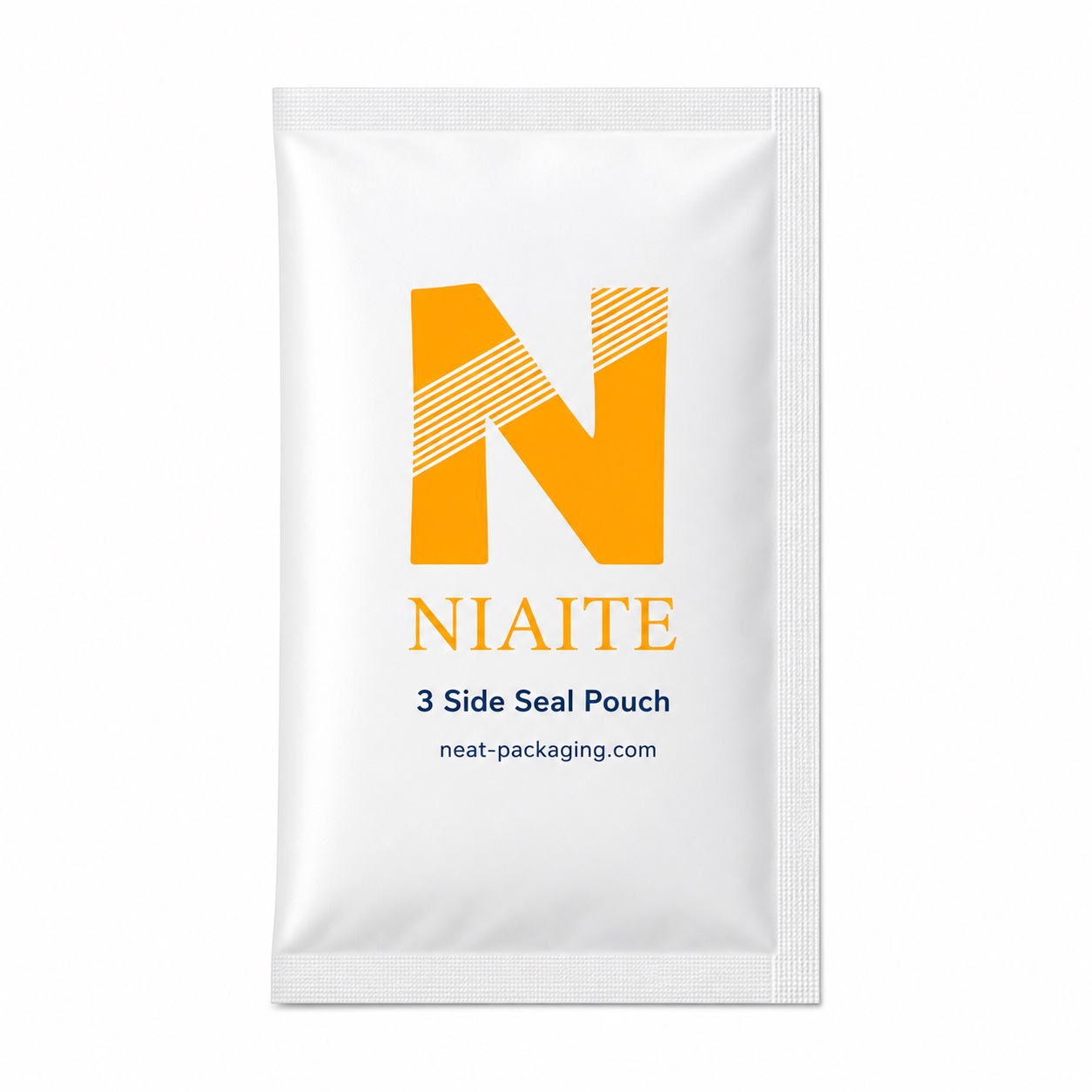
Supplement and health product packaging: moisture-control pouches for protein powders, vitamins, gummies, vitamin capsules, meal replacement, and herbal supplement projects.
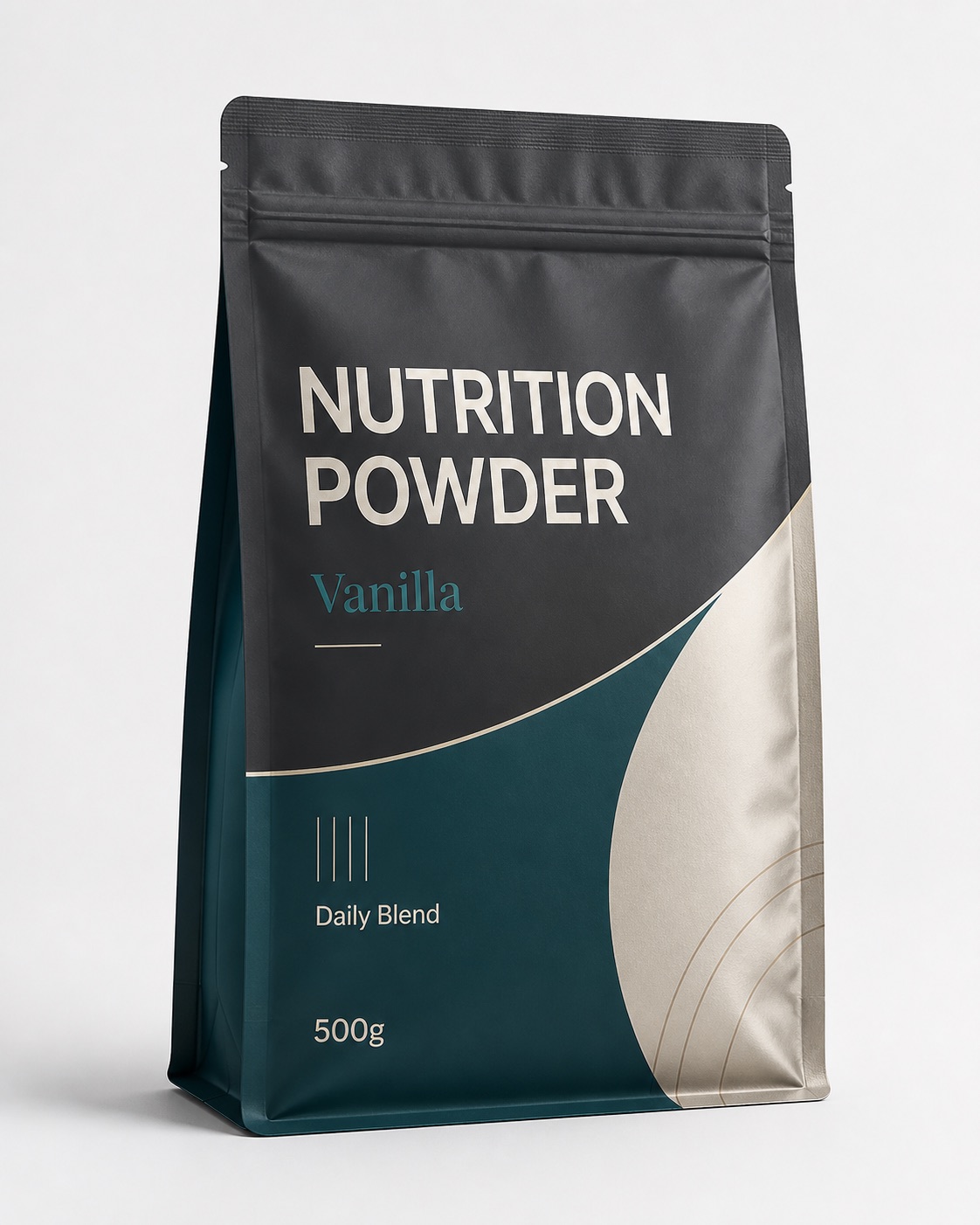
High-barrier pouches for protein powders, vitamin capsules, and meal replacement products, with moisture-control structures, resealable zipper options, label panel planning, and clear dosage information panel layouts.
Moisture barrier structures and high-barrier laminate options can be reviewed for hygroscopic powders, capsules, tablets, gummies, and softgel packs.
Production Traceability
Batch records
ISO 9001-Style QC
Quality system
Shipping term coordination
DDP / FOB / CIF
Material Review
Project-specific structures
Specify supplement pouches by product format, moisture barrier target, resealable zipper, label panel, dosage information panel, MOQ, and sample approval requirements.
Moisture barrier films and high-barrier laminate options help protect hygroscopic powders, capsules, and gummies during filling, shipping, and retail storage.
Resealable zipper formats can be matched to powder scoop access, capsule refill use, and repeated consumer opening without turning the pouch into a liquid spout format.
Front and back panels can reserve space for supplement facts, dosage information panel copy, flavor blocks, barcode, batch coding, and regulatory review notes.
Material declarations, traceability records, migration test scope, MOQ, sample approval, and destination-market documentation can be reviewed by project.
Define dosage form, serving plan, moisture and oxygen sensitivity, filling behavior, opening and reseal needs, labeling, destination, and the brand owner's stability and compliance review scope.
Describe powder, granule, tablet, capsule, gummy, liquid shot, or other contents; oils, aroma, hygroscopicity, dust, electrostatic behavior, fragility, and product-contact concerns.
Share single-serve or multi-serve use, dose and net weight, sachet, stick pack, stand-up pouch, flat-bottom bag, or roll stock, finished dimensions, and headspace.
Provide moisture, oxygen, light, aroma, grease, and puncture sensitivity; target shelf life; storage temperature and humidity; desiccant use; and distribution conditions.
Specify tear notch, laser score, zipper, closure, scoop access, pour control, tamper evidence, opening-force target, and expected opening frequency for feature review. Serialized QR codes, void seals, and security print options are covered under anti-counterfeit packaging.
Identify manual, auger, multi-lane, VFFS, HFFS, or premade-pouch filling; line speed; seal area; powder contamination; static or dust controls; and trial acceptance criteria.
Include order quantity, SKU and flavor count, artwork and label-panel status, barcode and lot-code zones, destination, requested declarations or testing, and approval owner.
Choose the right material structure based on supplement moisture barrier, print, zipper, and filling requirements.
| Structure | Application | Barrier Level |
|---|---|---|
PET / PE
|
Standard structure for dry supplement packs and sample sachets | Standard |
PET / VMPET / PE
|
Metallized barrier for extended shelf life | Medium |
PET / AL / PE
|
High barrier with aluminum foil | High |
PET / NY / PE
|
Puncture resistant for heavy products | High |
Kraft / AL / PE
|
Natural look with high barrier | High |
Mono PE
|
Recyclable mono-material structure | Standard |
A transparent look at how we build structural integrity into every Supplement Packaging. Visit our material guide for more details.
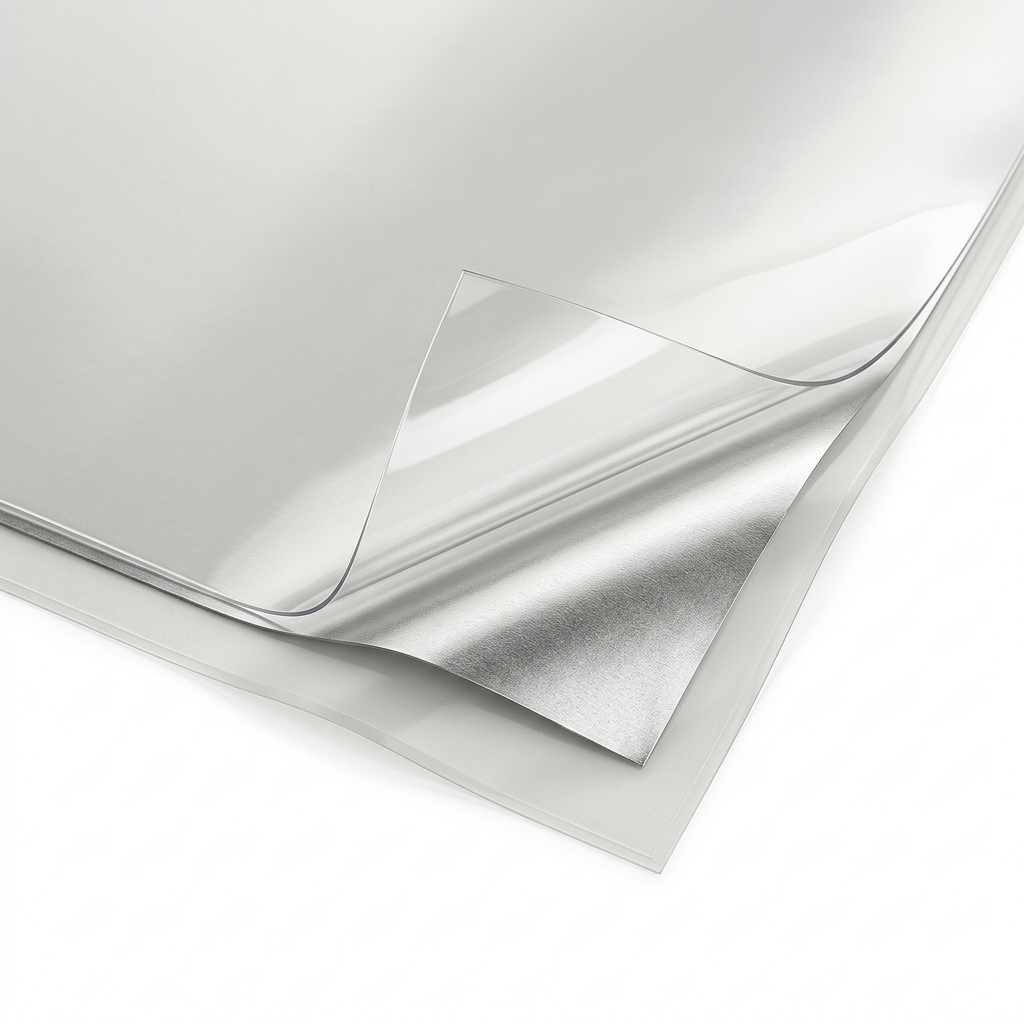
Printable PET supports front artwork, stiffness, surface finish, and handling performance.
Aluminum foil, metallized film, or EVOH-based options are selected by oxygen, aroma, moisture, and light-barrier targets.
Adhesive layers bond the print, barrier, and sealant webs into the finished laminate structure.
PE or CPP sealant is reviewed for seal strength, filling temperature, product contact, and processing conditions.
Panel layout can reserve space for supplement facts, dosage information panel copy, flavor marks, barcode, and batch coding.
Precision tear notch systems, laser scoring, and zipper position are reviewed against powder filling and consumer opening requirements.
Window placement, foil coverage, and clear areas are reviewed against the required moisture barrier and light barrier target.
MOQ, material declarations, migration test scope, artwork check, sample approval, and third-party testing needs are confirmed by project.
Representative parameters. Actual values depend on material structure and customization.
Film Thickness
60–120 μm (BOPP or PET based)
Nitrogen Flush
Compatible (MAP for crunch retention)
Oxygen Barrier (OTR)
Low to medium (VMPET standard)
Moisture Barrier (MVTR)
Project-specific moisture barrier target
Window Option
Transparent OPP or PET patch window
Closure Options
Resealable zipper, easy-peel top, euro hole
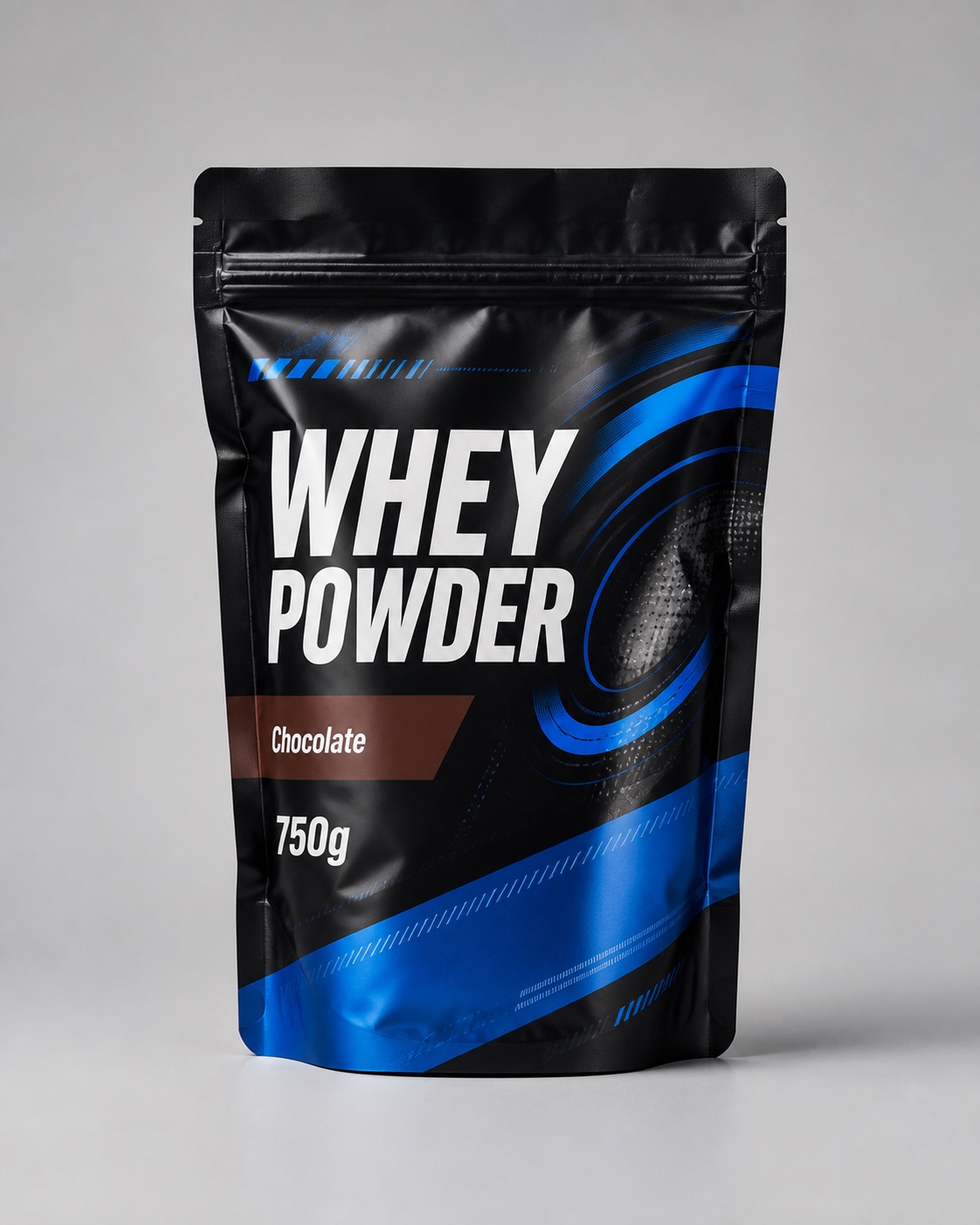
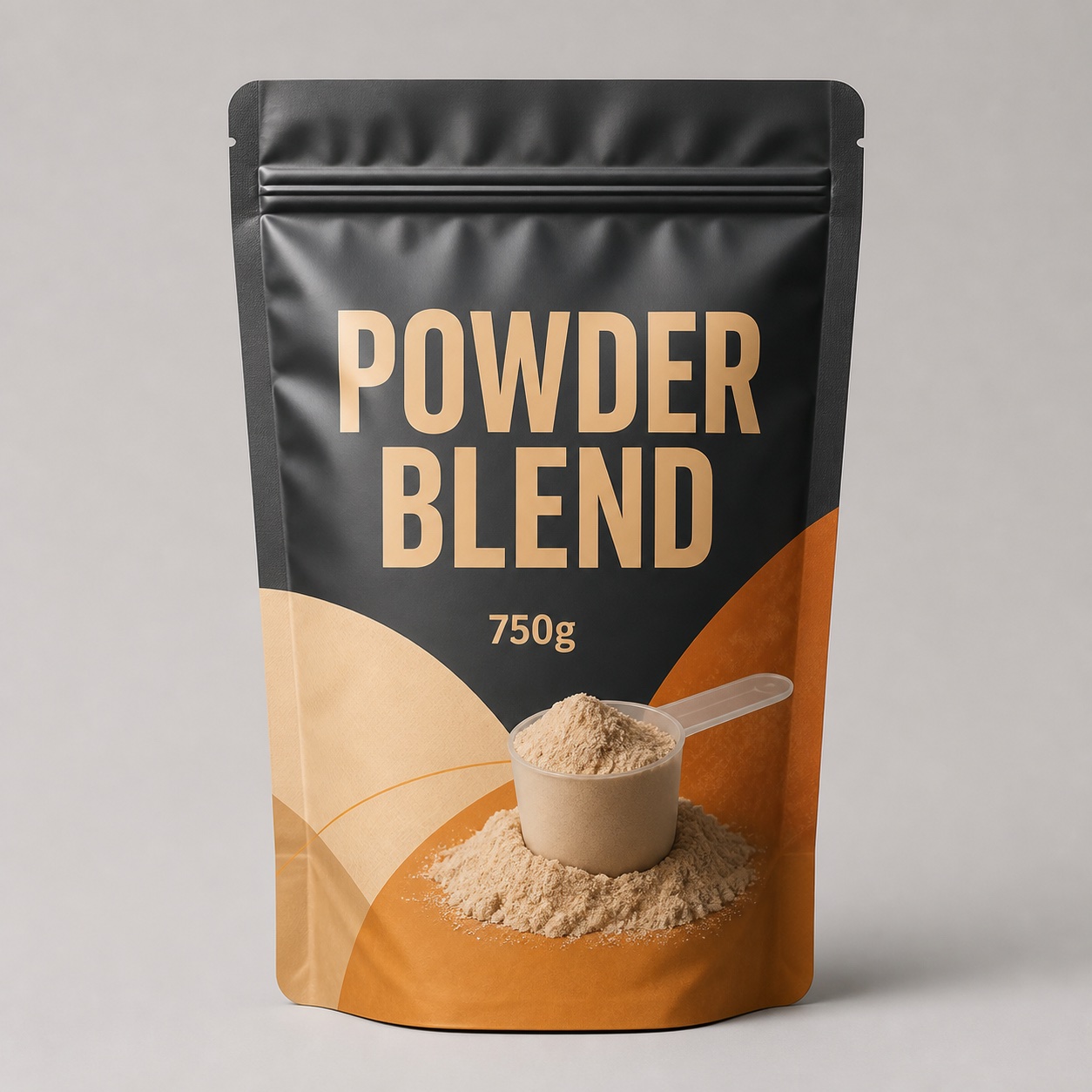
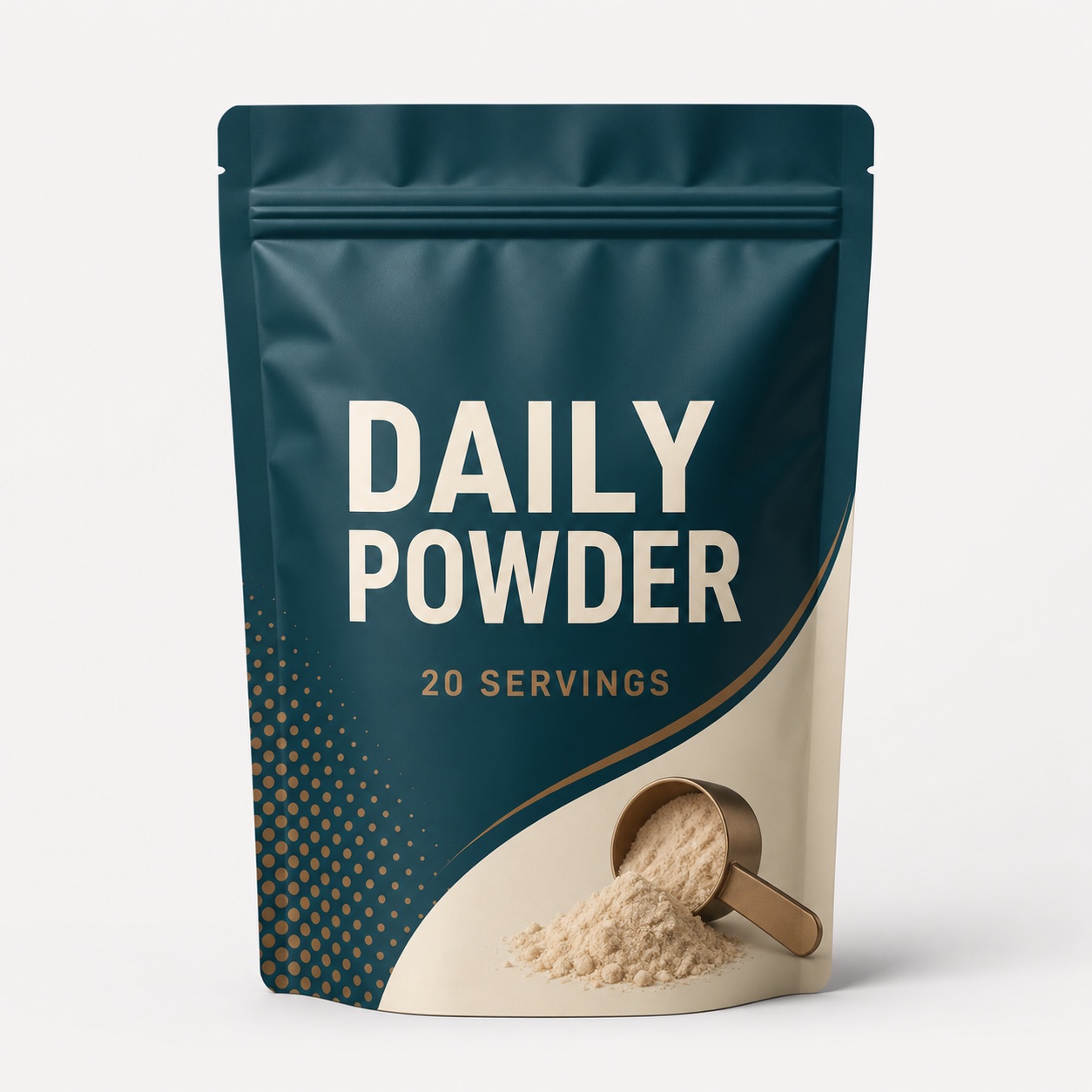
Matte high-barrier powder pouch with zipper, filled base, and label panel review
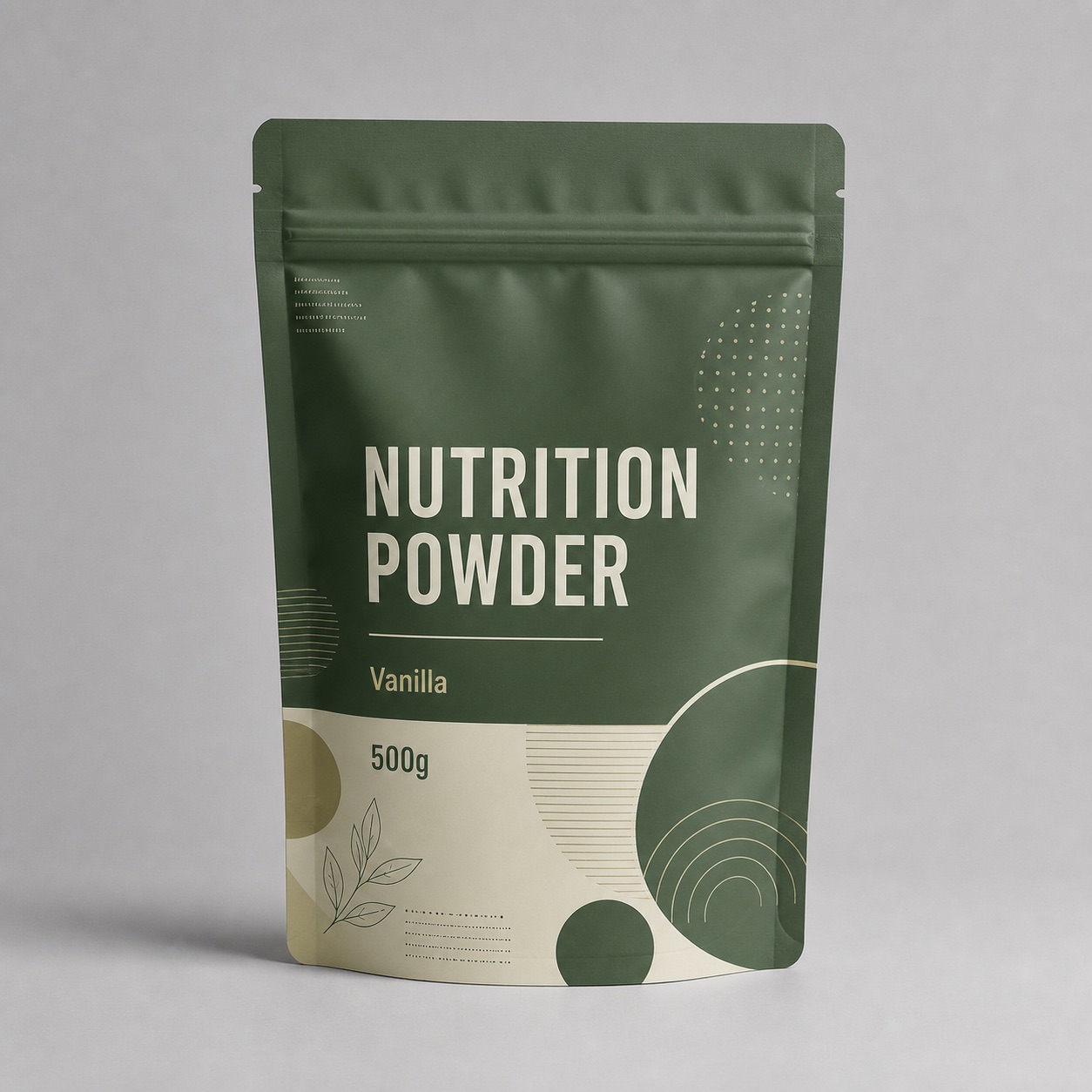
Matte nutrition powder pouch with reseal zipper and clean retail label hierarchy
Fish oil softgel bottle-pouch clean matte blue supplement bag
Daily multivitamin premium matte white resealable supplement pouch
Use these photos as format references. Final size, structure, print layout, and testing scope are reviewed against your product, filling method, and target market.
Lower-impact structure options can be reviewed when the product, filling process, target market, and recovery route support them.
Nutritional Supplement Packaging is a good fit for protein powders, vitamin capsules, meal replacement powders, herbal supplement blends, softgel packs, gummies, tablets, and sample sachets when the structure is matched to the product sensitivity.
Yes. We tailor pouch size, fill weight, print artwork, resealable zipper, label panel, dosage information panel, finish, MOQ, and sample approval requirements for each supplement project.
Material declarations, migration testing, traceability records, and third-party reports can be reviewed according to selected structure, resin source, destination market, and test scope.
Production records, material batches, print approvals, and sample approval notes can be organized around the selected supplement pouch structure.
QC records, material declarations, migration test reports, and third-party documentation can be reviewed by project scope.
DDP / FOB / CIF coordination can be reviewed by destination and project scope.
Project-level recyclable-ready or lower-impact structures can be reviewed where the final specification supports them.
Project support for material review, artwork coordination, sampling, and production follow-up within the agreed scope.
Production routing, order volume, lead-time assumptions, and capacity fit are reviewed for each confirmed project.
Tell us your product, target weight, and requirements.
We recommend materials, structure, and provide pricing.
Confirm details, approve artwork, and production begins.
QC checkpoints and shipment scope are confirmed by project.
Common issues we help supplement packaging buyers avoid during project coordination.
Protein powders, vitamin blends, and gelatin capsules absorb trace moisture that causes clumping, discoloration, or potency loss. Specifying moisture vapor transmission rates matched to your formula's sensitivity prevents quality complaints after distribution.
Omega oils, probiotics, and certain vitamins degrade rapidly with oxygen exposure. Confirming oxygen transmission rate (OTR) targets based on your ingredient's oxidation profile—not generic food-grade specs—protects efficacy through the stated shelf life.
Destination markets may require specific closure mechanisms for supplement packaging, and not all pouch-zipper combinations meet local regulatory standards. Verifying closure type requirements by market before tooling avoids redesign costs after initial production.
Single-serve supplement sachets need consistent fill weights, but pouch geometry and material stiffness affect how accurately filling equipment meters your powder or liquid. Coordinating pouch dimensions and material specs with your filling line's tolerances prevents dose variation across a run.
Supplements face different labeling, compliance, and import documentation requirements depending on the destination country. Clarifying which certificates, test reports, and declarations are needed—and in what language—before production prevents customs holds and market access delays.
Updated:
Work with NIAITE for material review, sampling guidance, QC checkpoints, and export project coordination.