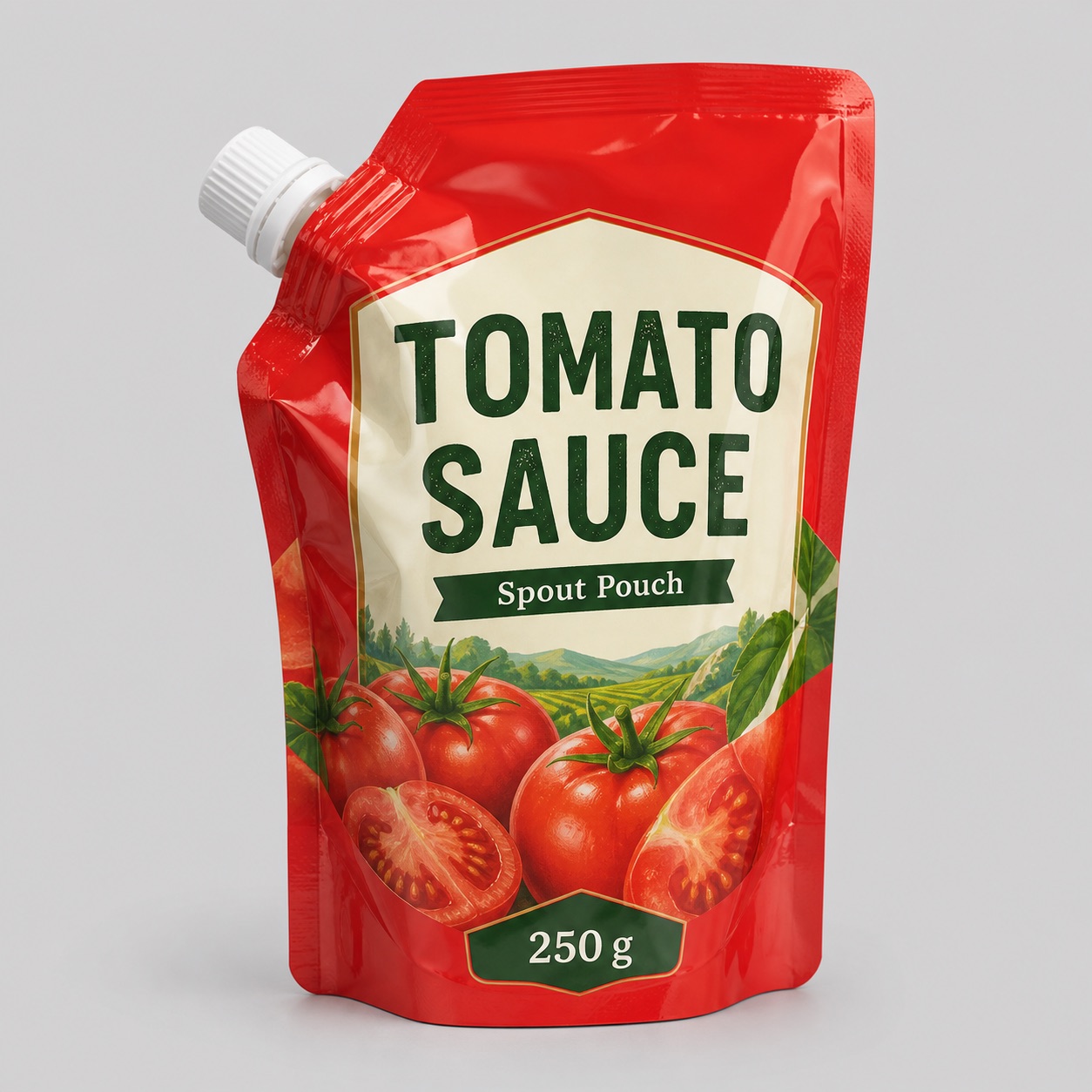
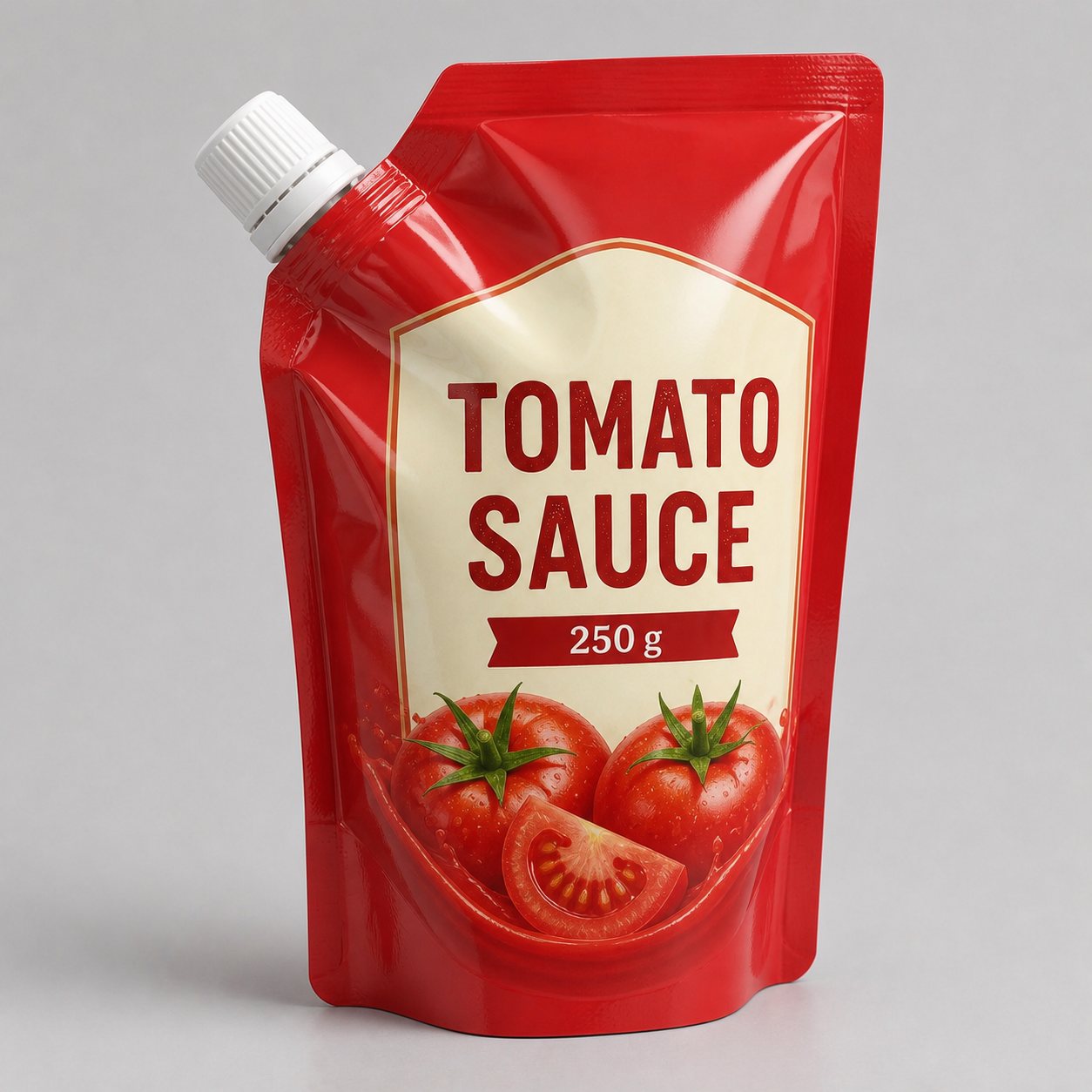
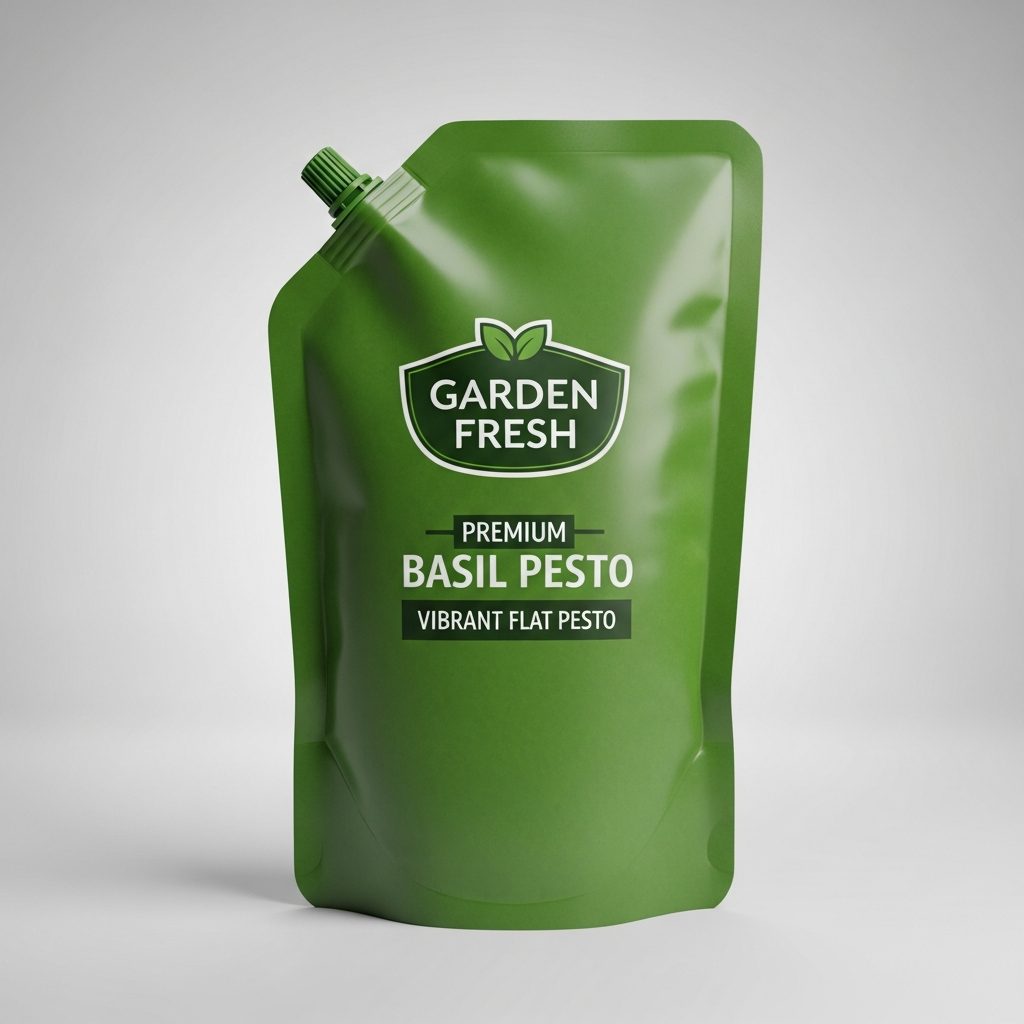
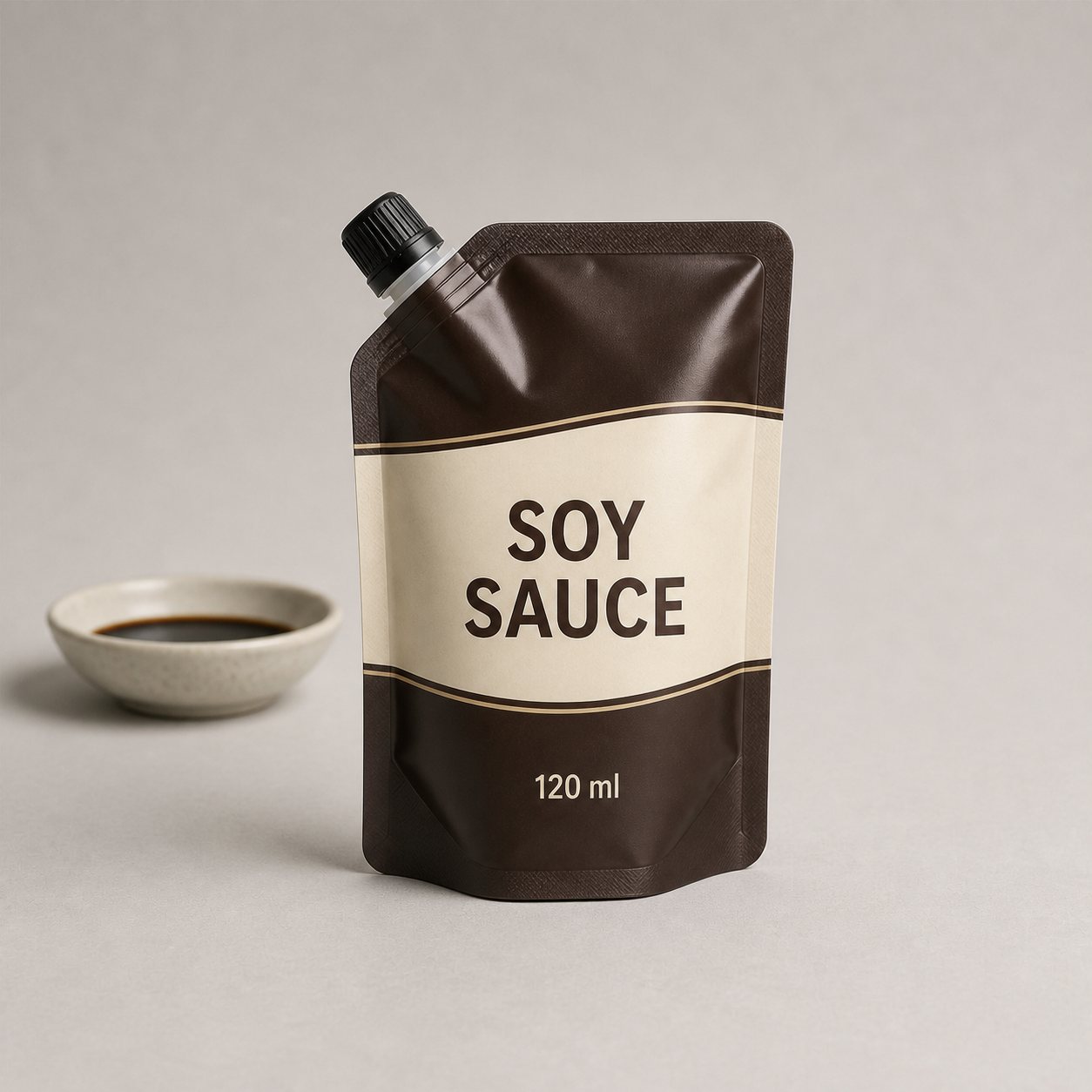
Sauce packaging hero with spout pouches and portion sachet formats
Sauce Packaging
Home / Products / Sauce & Condiment Packaging

Sauce & Condiment Pouch Packaging

Sauce pouch packaging and sauce packaging bags for condiment pouch, spout pouch, sachet, and roll stock projects where viscosity, filling compatibility, fitment, cap choice, leak resistance review, and sample approval need review.

Product Overview

Sauce Pouch Packaging Inputs for Condiment Buyers

Compare spout pouch, sachet, and roll stock film options for ketchup sauce pouch, mayonnaise pouch, soy sauce packaging, hot sauce pouch, and other condiment packaging projects.

Sauce viscosity, particulate content, acid or oil level, filling temperature, filling equipment, fitment welding, cap style, food-contact documentation scope, and sample approval inputs are reviewed by project.

Format Decision

Sauce Pouch vs Sachet vs Roll Stock: Which Format Fits?

Choose the format around the filling line, dose, viscosity, particulate size, dispensing task, and whether the pack must reclose. Viscosity alone does not determine the pack: fill temperature, seal-area contamination, line setup, fitment welding, barrier target, and distribution conditions also shape the decision.

Spout Pouch

Choose spout pouch when a multi-use or larger-fill sauce pouch needs controlled dispensing and reclosure. Confirm viscosity, particulate size, fitment inner diameter, spout position, cap style, filling temperature, fitment welding, and dispensing checks.

Single-Serve Sachet

Choose sachet when single-serve condiment packaging needs portion control without reclosure. Confirm dose, sachet dimensions, tear notch, seal width, product movement near the seal, and the multi-lane or VFFS/HFFS setup.

Premade Flat or Stand-Up Pouch

Best considered when the buyer uses a premade-pouch filler or needs a retail pouch without a spout. Confirm fill opening, final-seal area, pouch stiffness, zipper or tear-open choice, fill weight, headspace, and handling after filling.

Roll Stock Film

Choose roll stock film when the buyer runs flow-wrap, VFFS, HFFS, or other roll-fed equipment that forms and seals the pack from printed film. Confirm web width, repeat length, unwind direction, eye mark, core, roll diameter, sealant window, line speed, and trial-roll requirements.

These are selection paths, not universal performance claims. Leak resistance review depends on a filled-product test and line trial; the final format still requires filled-product and line trials using the actual sauce, equipment, fitment or seal geometry, process conditions, and buyer acceptance criteria.

Formula and Fill Inputs

Product and line review

Selected Conversion Route

Format and partner fit

Sample Checkpoints

Fitment, seal, dispensing

Documentation Scope

Confirmed by market

Formats

Sauce Packaging Formats

Review sauce packaging options by viscosity, fill volume, dispensing format, and barrier requirement. Explore all market solutions .

Spout Pouches

Roll Stock Film

Retort Pouches

Spout & Cap Options

Sachets & Stick Packs

Hot-Fill Pouches

Squeeze Packs

Why Sauce Packaging?

Controlled Dispensing

Spout pouch and sachet formats can support single-serve dosing, controlled dispensing, and pour control for viscous sauce formulas.

Formula Compatibility

Film structure and sealant layer are reviewed around acid resistance, oil resistance, viscosity, particulate content, heat process, and filling compatibility.

Fitment and Flow Review

Corner spout, anti-drip closure, screw cap, flip cap, fitment welding, seal area, and dispensing feel are matched to the sauce formula and line setup.

Project Documentation

Food-contact documentation scope, material declarations, heat process notes, artwork proofing, filling trial notes, and sample approval can be reviewed by project.

Quote Preparation

Sauce Packaging Quote Input Checklist

Share the known inputs below so the pouch format, sealant, barrier route, dispensing option, sampling plan, and documentation scope can be reviewed for the actual sauce and filling process.

Formula and Fill Process

Describe sauce type, viscosity, oil or acid exposure, particulates, and whether filling is ambient, hot-fill, or followed by another heat process.

Pack Format and Fill Volume

Share sachet, stand-up pouch, spout pouch, or roll-stock preference; target fill volume or weight; finished dimensions; and required headspace.

Dispensing and Closure

Specify tear-open dosing, spout position, fitment and cap size, pour-control needs, reseal expectations, and any anti-drip feature to review.

Barrier and Shelf-Life Target

Provide target shelf life, light and oxygen sensitivity, aroma retention needs, storage temperature, and distribution conditions for structure review.

Filling and Sealing Line

Identify manual, premade-pouch, VFFS, HFFS, or other equipment; sealing method; line constraints; and available trial or seal-validation criteria.

Commercial and Documentation

Include order quantity, SKU count, artwork status, destination market, requested material declarations or testing, and target delivery window.

How to Choose the Right Sauce Packaging

Key factors to evaluate when selecting sauce packaging for your project.

Viscosity & Flow Rate

Thin sauces (soy, vinegar) and thick pastes (tomato, chili) need different pouch formats and dispensing features. Match the fitment bore size and flow rate to your product's viscosity for clean, controlled pouring.

Fill Size & Portion Control

Single-serve sachets (5-50ml), mid-size pouches (100-500ml), and bulk refills (1-5L) each call for different structures. Align the format to your end-use scenario — food service portions, retail shelves, or industrial refills.

Chemical & Heat Resistance

Acidic sauces, oily dressings, and hot-fill products each stress laminate bonds differently. Confirm that your selected structure handles the pH range, oil content, and filling temperature of your product.

Dispensing & Reclose Features

Spout caps, corner-tear notches, and flip-top fitments affect user experience and shelf life after opening. Choose the dispensing method based on how consumers will use and store the product.

Technical Expertise

Material Structure Guide

Select film structure around sauce viscosity, acid resistance, oil resistance, heat process route, filling compatibility, and spout welding.

Structure Application Barrier Level
PET / PE Sachet and roll stock film for low-viscosity condiments Standard
PET / VMPET / PE Light barrier review for hot sauce pouch and condiment packaging Medium
PET / AL / PE High oxygen barrier review for sensitive sauce formulas High
PET / NY / PE Added durability for viscous liquid pouch handling High
Kraft / AL / PE Paper-look sauce packaging with inner barrier structure High
Mono PE Structure review for markets with matching recovery routes Standard
Material Engineering

Physical Layers Visualization

A transparent look at how we build sauce packaging structure, seal strength, and dispensing performance into each project. Visit our material guide for more details.

NIAITE liquid and spout pouch laminate layer diagram for fitment seal review

PRINT / PET

Printable Outer Web

Printable PET supports graphics, stiffness, and surface protection for liquid and spout pouch projects.

BARRIER FILM

Barrier Option

Barrier film is chosen around liquid sensitivity, aroma, oxygen, moisture, and light-barrier targets.

TIE / ADHESIVE

Fitment-Compatible Bond

Tie or adhesive layers are reviewed against laminate bonding, fitment sealing, flexing, and liquid-fill stress.

LLDPE SEALANT

Flexible Sealant Layer

LLDPE sealant supports liquid sealing, burst-strength review, fitment area sealing, and filling-line compatibility.

Closure and Dispensing Options

Sauce Spout Fitment and Anti-Drip Options

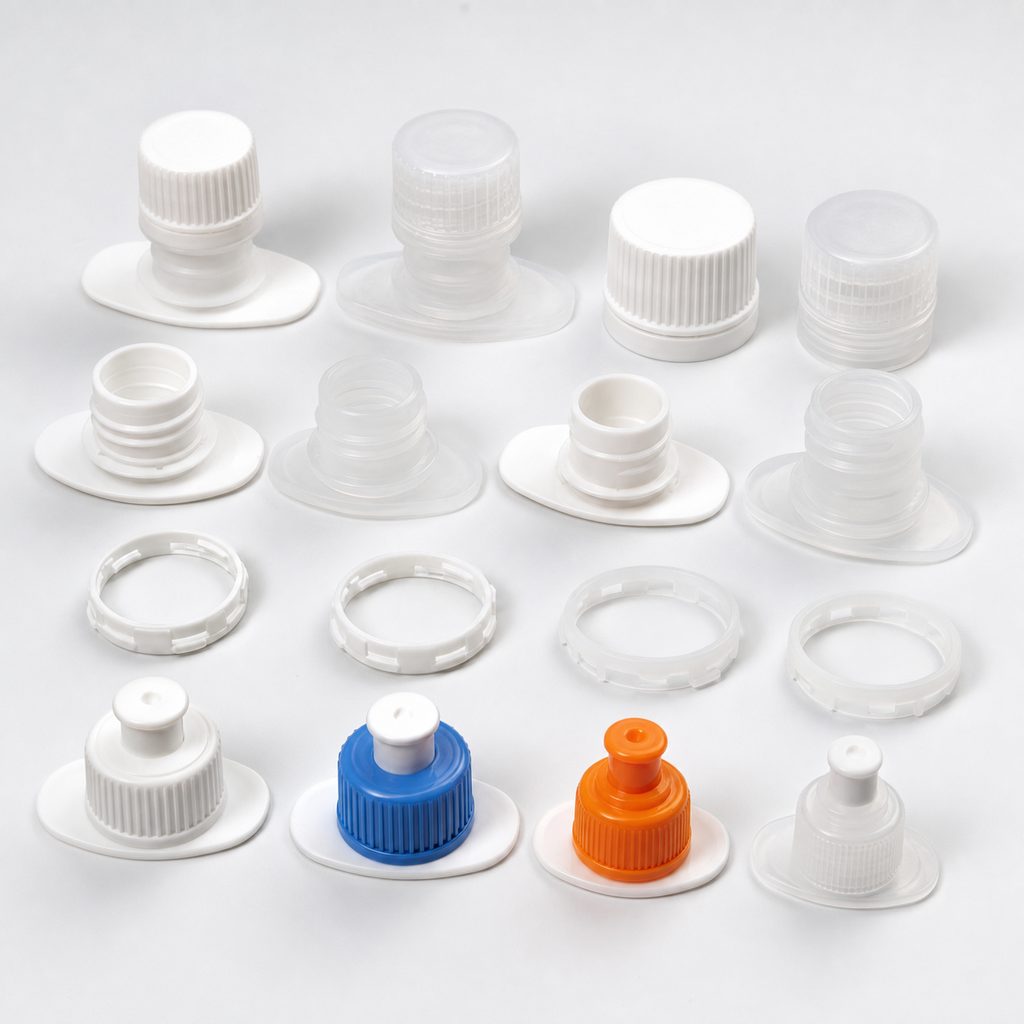
Sauce packaging projects can use corner spout, top spout, screw cap, flip cap, or anti-drip closure options depending on viscosity, fill volume, and controlled dispensing needs.

Spout fitment, high-flow dispensing, sealant compatibility, heat process needs, and filling compatibility are reviewed before sampling.

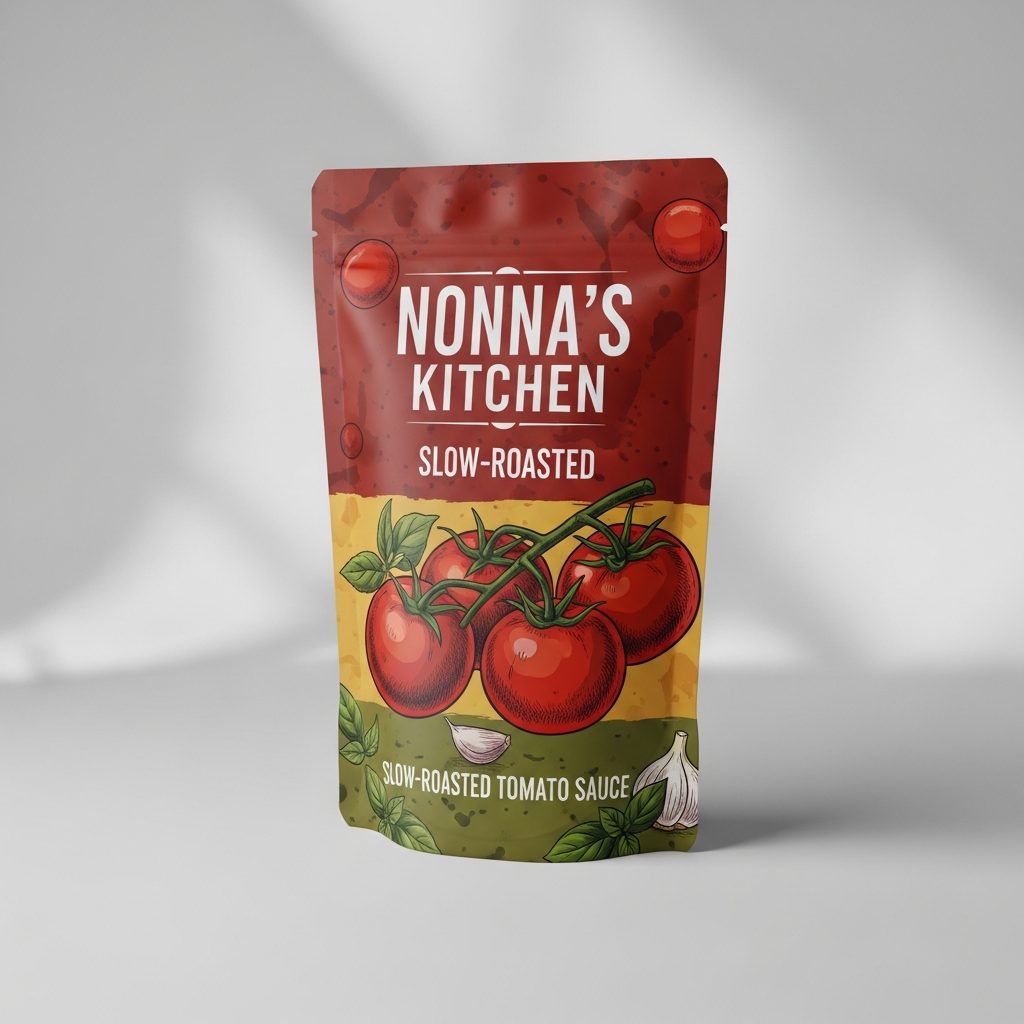
Tomato sauce spout pouch with printed condiment packaging artwork
Top Spout
Single plastic spout and cap assembly on pouch film sample
Screw Cap Styles
Sport cap and pouch fitment components for liquid pouch closure review
Anti-Drip Closure
Close-up corner spout pouch fitment with screw cap and sealed shoulder
Corner Spout
Sauce Inputs

Sauce Packaging Options

Format Selection

Compare spout pouch, sachet, and roll stock film formats around condiment type, viscosity, fill volume, and line setup.

Compatibility Targets

Acid resistance, oil resistance, sealant compatibility, filling temperature, and heat process needs are reviewed against the sauce formula.

Dispensing Review

Corner spout, anti-drip closure, fitment size, cap style, controlled dispensing, and high-flow options are matched to viscosity and use case.

Validation Scope

Confirm filling compatibility, food-contact documentation scope, heat process notes, artwork proofing, and sample approval before production.

Sauce Types

  • ketchup pouch
  • mayonnaise pouch
  • soy sauce packaging

Formula Inputs

  • viscosity range
  • acid resistance
  • oil resistance
  • viscous liquid

Dispensing Inputs

  • controlled dispensing
  • corner spout
  • fitment / cap style

Review Outputs

  • heat process notes
  • filling compatibility
  • food-contact documentation
  • sample approval

Technical Specifications

Sauce pouch packaging parameters depend on viscosity, fill volume, filling equipment, heat process route, cap style, fitment choice, and selected film structure.

Film Structure

PET/PE, PET/NY/PE, foil, sachet, roll stock film, or project-specific sauce laminate

Spout Fitment

Corner spout, top spout, and anti-drip closure reviewed by viscosity and flow needs

Seal and Fitment Review

Reviewed through project-specific seal area, fitment welding, cap torque, and transport inputs

Compatibility Targets

Acid resistance, oil resistance, oxygen barrier, and heat process needs reviewed by formula

Cap Styles

Screw cap, flip cap, sport cap, anti-drip style, and color matching by project

Fill Volume and MOQ

Reviewed together with pouch size, line speed, sample approval, and order plan

Sustainable Solutions

Lower-Impact Structure Review

Lower-impact structure options can be reviewed when the product, filling process, target market, and recovery route support them.

Frequently Asked Questions

Sauce pouch packaging can be reviewed for condiment pouch, ketchup pouch, mayonnaise pouch, soy sauce packaging, hot sauce pouch, spout pouch, sachet, and roll stock film projects.

Share viscosity range, particulate content, fill volume, filling temperature, filling machine type, spout or sachet format, fitment and cap preference, and any heat process notes before sampling.

Confirm food-contact documentation scope, acid resistance, oil resistance, heat process needs, filling compatibility, seal and fitment review, dispensing feel, artwork proofing, and sample approval for the selected sauce packaging structure.

Project Support for Sauce Format, Filling, and Dispensing Fit

NIAITE acts as a project support team between the buyer and selected partner factories, keeping the sauce formula, filling line, format decision, sample checkpoints, documentation scope, and commercial follow-up in one review path.

Formula and Filling Inputs

The brief aligns viscosity, particulates, acid or oil exposure, fill temperature, process route, equipment, dose, and seal-area risks before a structure or format is shortlisted.

Selected Format and Conversion Route

NIAITE coordinates with selected partner factories according to the confirmed spout-pouch, sachet, premade-pouch, or roll-stock route rather than treating every sauce project as one generic bag.

Fitment, Sample, and Dispensing Checks

Sample plans can cover fitment position, cap pairing, spout welding, seal geometry, tear-open behavior, dispensing feel, and artwork proofing; final acceptance remains with the buyer or filling-line owner.

QC and Documentation Scope

Agreed checkpoints can cover dimensions, print reference, seal and fitment observations, lot traceability, material declarations, food-contact documentation, and third-party testing coordination by target market.

Production and Export Follow-up

Once the format and approval path are confirmed, the project team follows artwork status, production routing, order quantity, schedule assumptions, packing information, and shipping coordination by destination.

Next Step

Send the known formula, format, fill volume, filling process, dispensing need, order quantity, destination market, and documentation scope for a focused review.

Send sauce format and filling brief

How to Get Started

1

Get in Touch

Tell us your product, target weight, and requirements.

2

Solution & Quote

We recommend materials, structure, and provide pricing.

3

Production

Confirm details, approve artwork, and production begins.

4

Delivery

Quality inspection and fast global shipping.

Why Packaging Orders Go Wrong

Common issues we help sauce packaging buyers avoid during project coordination.

Viscosity vs. Filling Nozzle Incompatibility

Thick sauces like ketchup or mayonnaise behave very differently from thin soy sauce on a filling line, and a pouch opening sized for one will cause dripping, air pockets, or slow throughput with the other. We coordinate viscosity data and filling-line specs with the converter so the pouch geometry matches your product's flow behavior.

Hot-Fill Temperature Exceeding Laminate Tolerance

Many sauces are filled above 85 °C, but standard laminate structures can warp, delaminate, or lose seal integrity at those temperatures. We help confirm the converter's laminate is rated for your actual fill temperature, not just ambient conditions.

Grease and Oil Migration Through Laminate Layers

Oil-based sauces like chili oil or pesto can penetrate inner laminate layers over time, weakening adhesion and causing visible staining on the outer print surface. We ensure the film structure includes an adequate oil-barrier layer and request accelerated migration testing during sampling.

Spout Clogging with Particulate-Heavy Formulas

Sauces containing seeds, herb flakes, or chunky solids frequently clog standard spout openings, frustrating end consumers and damaging brand perception. We coordinate particle-size analysis with spout selection so the opening diameter accommodates your largest solid inclusions.

Headspace Miscalculation Under Pressure Cycling

Sauce pouches filled hot contract as they cool, creating negative pressure that can collapse the pouch or pull seal edges inward. If headspace is too generous, the reverse happens during altitude changes in shipping. We help calculate the correct headspace range for your fill temperature, altitude exposure, and pouch format.

Ready to Elevate Your Packaging?

Work with NIAITE for material review, sampling guidance, QC checkpoints, and export project coordination.

24h Brief Review

Standard quote inputs

MOQ Path

Based on pouch style

Sampling Plan

Timeline by project

QC Checkpoints

Before shipment