Custom dairy packaging for yogurt pouch, milk packaging, cream packaging, cheese packaging, and liquid dairy projects using spout pouch, aseptic packaging, retortable pouch, or cold chain structures.
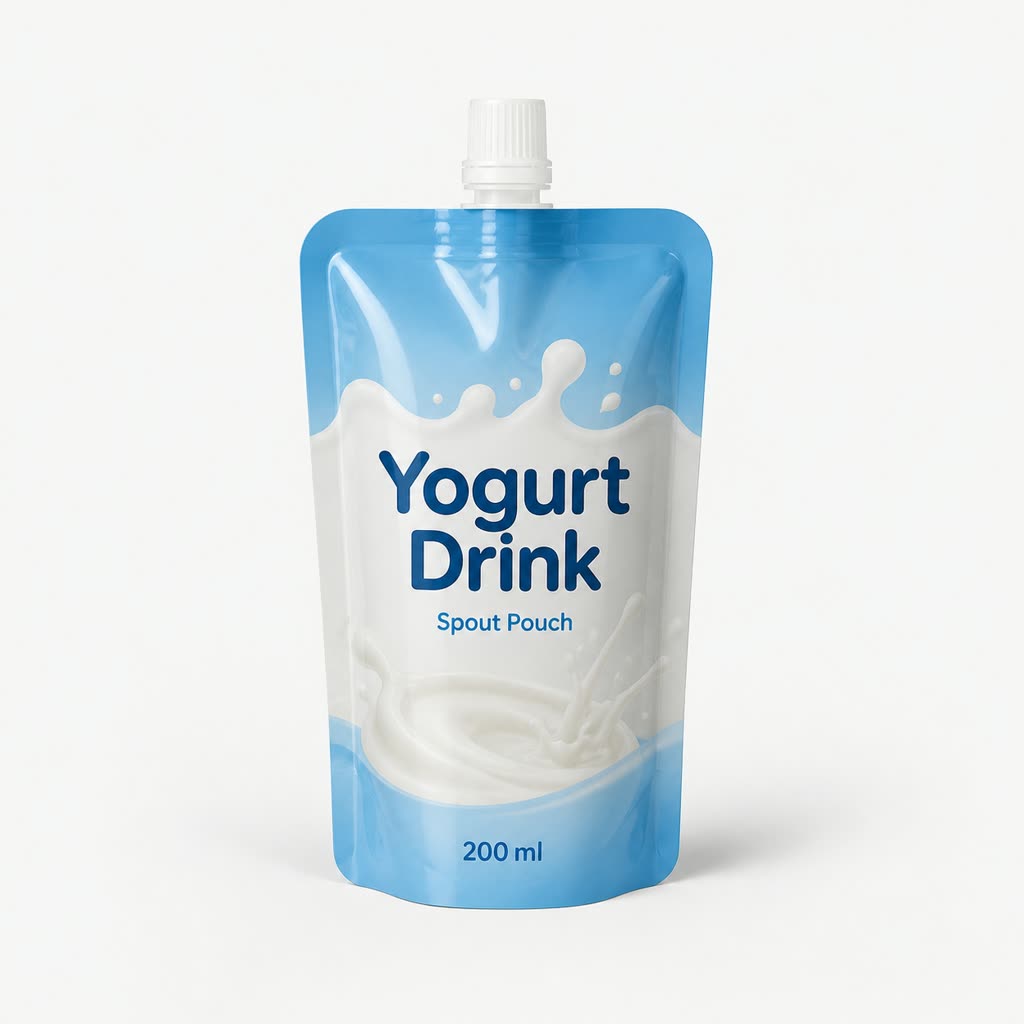
Aseptic packaging, retortable pouch structures, and cold chain dairy laminate options can be reviewed for yogurt pouch, milk packaging, cream packaging, cheese packaging, and liquid dairy projects.
Oxygen barrier, light barrier, heat-process compatible structure, spout welding, pour-and-reseal use, filling compatibility, food-contact documentation, and sample approval are confirmed by project.
Project QC Records
Traceability review
ISO 9001-Style QC
Quality system
Shipping term coordination
DDP / FOB / CIF
Lower-Impact Review
Structure dependent
Dairy packaging shares barrier, heat-process, and spout-fitment requirements with several other product categories. Explore related solutions. Explore all market solutions .
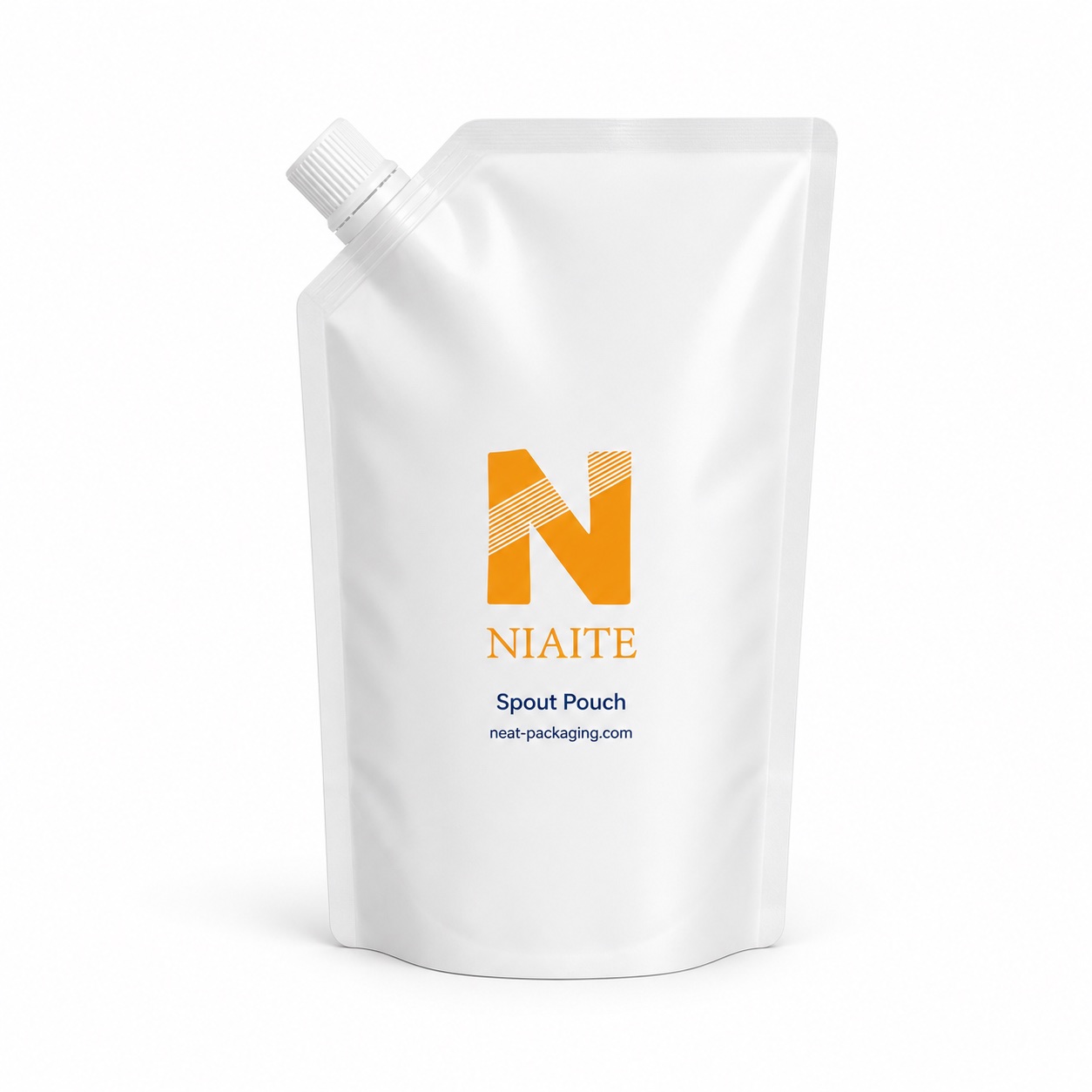
Spout pouch formats can support drinking yogurt, cream, and liquid dairy applications where pour-and-reseal convenience matters.
Dairy laminate selection is reviewed against aseptic packaging, retortable pouch, cold chain, and heat-process compatible requirements.
Spout welding, cap style, seal strength, and filling compatibility are matched to fill volume, formula viscosity, and line setup.
Food-contact documentation, material declarations, cold chain notes, artwork proofing, and sample approval can be reviewed by project.
Dairy packaging inputs vary with fat content, acidity, live cultures, viscosity, filling and heat treatment, cold-chain conditions, serving format, and the buyer's shelf-life validation plan.
Describe milk, yogurt, cream, cheese, powder, dessert, or dairy-alternative contents; fat and acidity; viscosity; cultures; particulates; aroma; and product-contact concerns.
Provide chilled, ambient, hot-fill, pasteurization, retort, aseptic, frozen, or other process route; fill temperature; cooling; sanitation boundary; storage; and cold-chain profile. Frozen dessert formats such as bar wrappers and cone sleeves are reviewed on the ice cream packaging page.
Specify sachet, pouch, spout pouch, lidding or roll-stock route; fill weight or volume; dimensions; headspace; portion or bulk use; and secondary-pack constraints.
Share sensitivity to light, oxygen, moisture, aroma transfer, fat migration, and flavor loss together with target shelf life and distribution conditions for material review.
Define tear, zipper, spout, cap, lidding, or final-seal need; seal contamination risk; line equipment; handling orientation; drop or flex exposure; and filled-pack trial criteria.
Include quantity, SKUs and languages, artwork, destination, food-contact file and testing scope, sample plan, shelf-life validation owner, approval steps, and delivery target.
Key factors to evaluate when selecting flexible packaging for dairy and yogurt products.
Dairy products range from short-life fresh yogurt to extended-shelf-life UHT milk, each demanding different oxygen and moisture barriers. We help review whether a metalized, foil, or transparent high-barrier laminate best matches your cold-chain or ambient distribution model.
Retort, pasteurization, and hot-fill each impose different temperature and pressure loads on seals and laminates. We coordinate heat-process testing with your selected structure to confirm seal integrity before committing to production volumes.
Cap diameter, anti-choke geometry, tamper-evidence ring, and spout weld position all affect filling-line compatibility and consumer experience. We help review spout fitment samples against your filler specs and target consumer group.
Stand-up spout pouches, flat sachets, and shaped pouches each suit different retail shelves and transit conditions. We help match the pouch format to your fill volume, case-pack configuration, and retailer display requirements.
Select dairy laminate structure around oxygen barrier, light barrier, heat-process compatible needs, spout welding, and filling compatibility.
| Structure | Application | Barrier Level |
|---|---|---|
PET / PE
|
Clear or printed milk packaging and chilled liquid dairy packs | Standard |
PET / VMPET / PE
|
Light barrier review for yogurt pouch and cream packaging | Medium |
PET / AL / PE
|
High oxygen barrier review for sensitive dairy formulas | High |
PET / NY / PE
|
Added durability for cold chain handling and larger fill volume | High |
Kraft / AL / PE
|
Paper-look dairy packaging with inner barrier structure | High |
Mono PE
|
Structure review for markets with matching recovery routes | Standard |
A transparent look at how we build dairy laminate structure, barrier targets, and seal strength into dairy packaging. Visit our material guide for more details.

Printable PET supports graphics, stiffness, and surface protection for liquid and spout pouch projects.
Barrier film is chosen around liquid sensitivity, aroma, oxygen, moisture, and light-barrier targets.
Tie or adhesive layers are reviewed against laminate bonding, fitment sealing, flexing, and liquid-fill stress.
LLDPE sealant supports liquid sealing, burst-strength review, fitment area sealing, and filling-line compatibility.
Dairy packaging projects can use top spout, corner spout, screw cap, flip cap, or sport cap styles depending on formula viscosity, fill volume, and pour-and-reseal use.
Spout fitment, cap selection, spout welding, heat-process compatible structure, high-speed filling fit, and filling compatibility are reviewed before sampling.
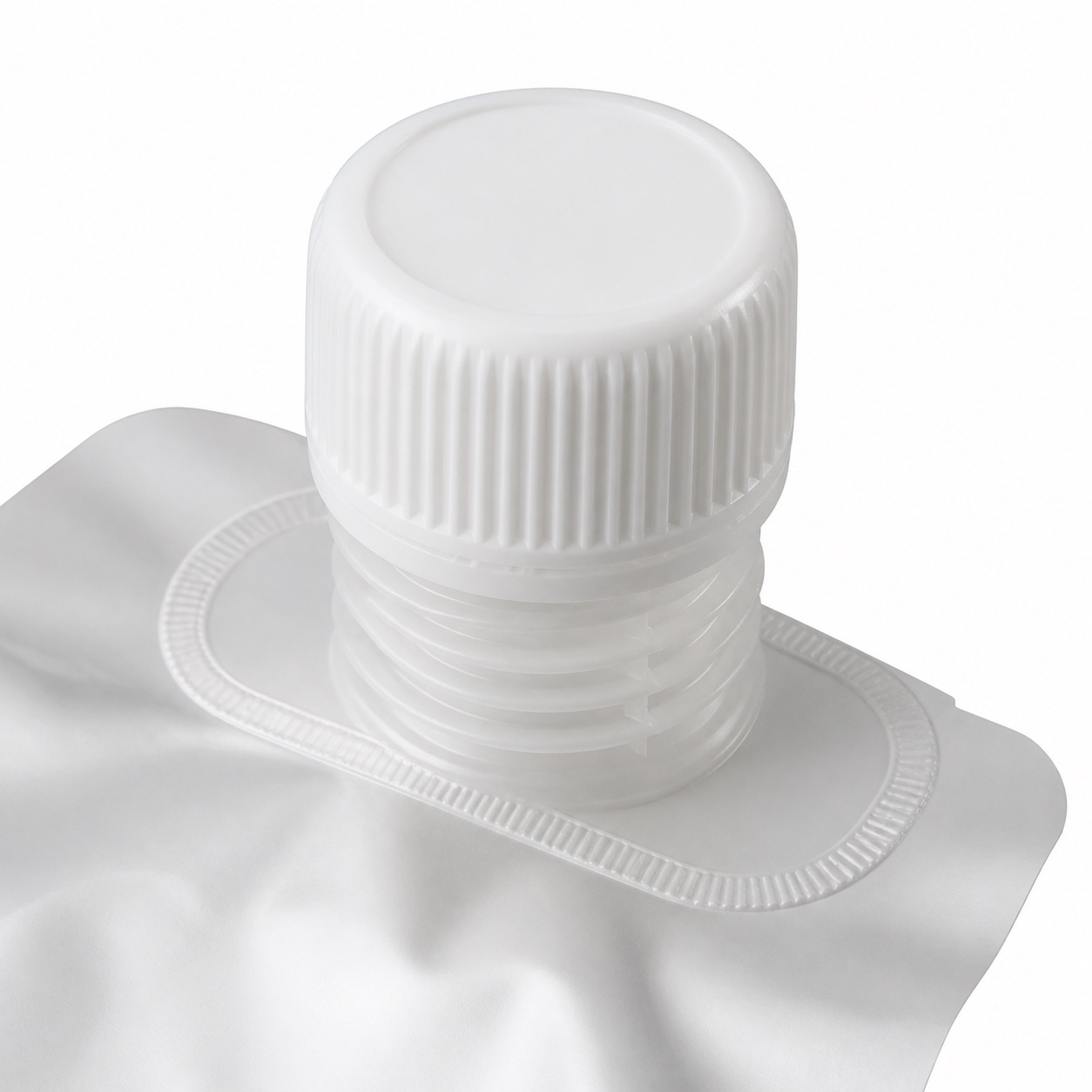
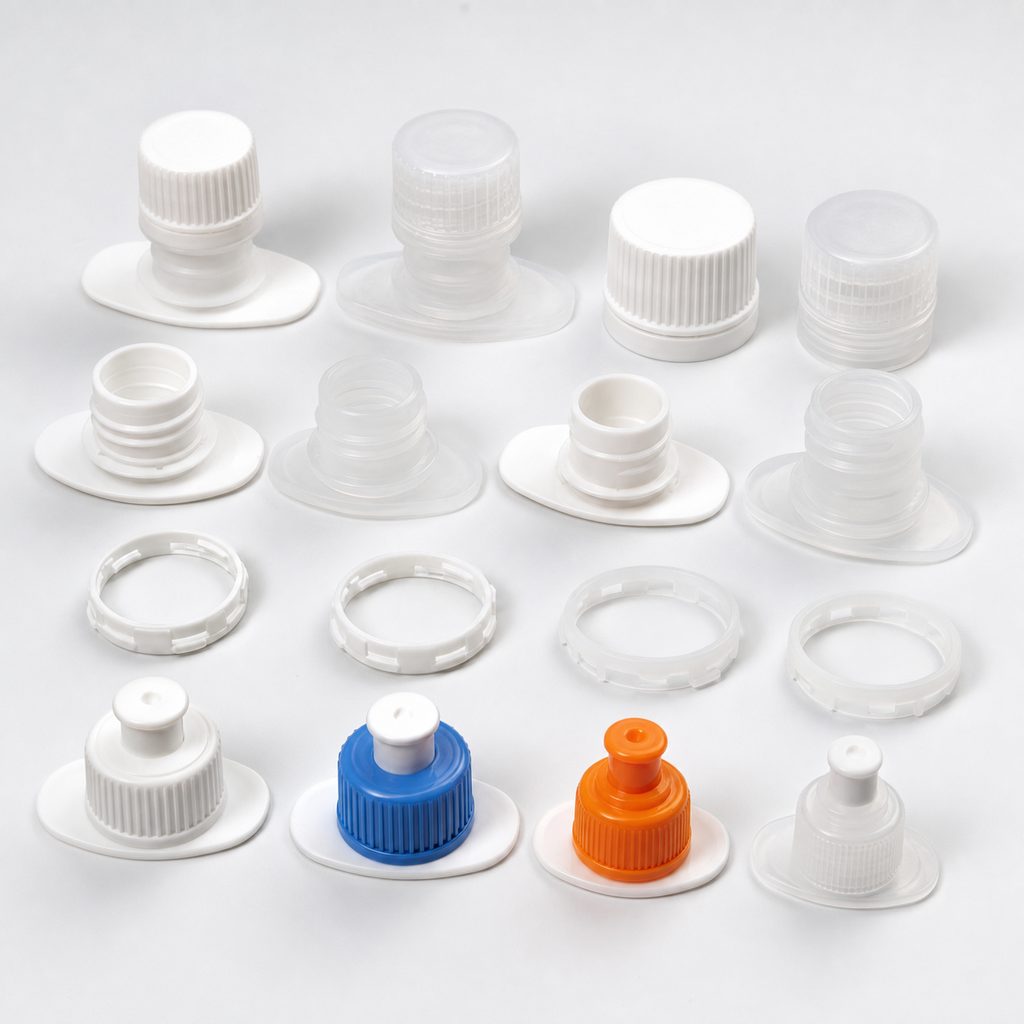
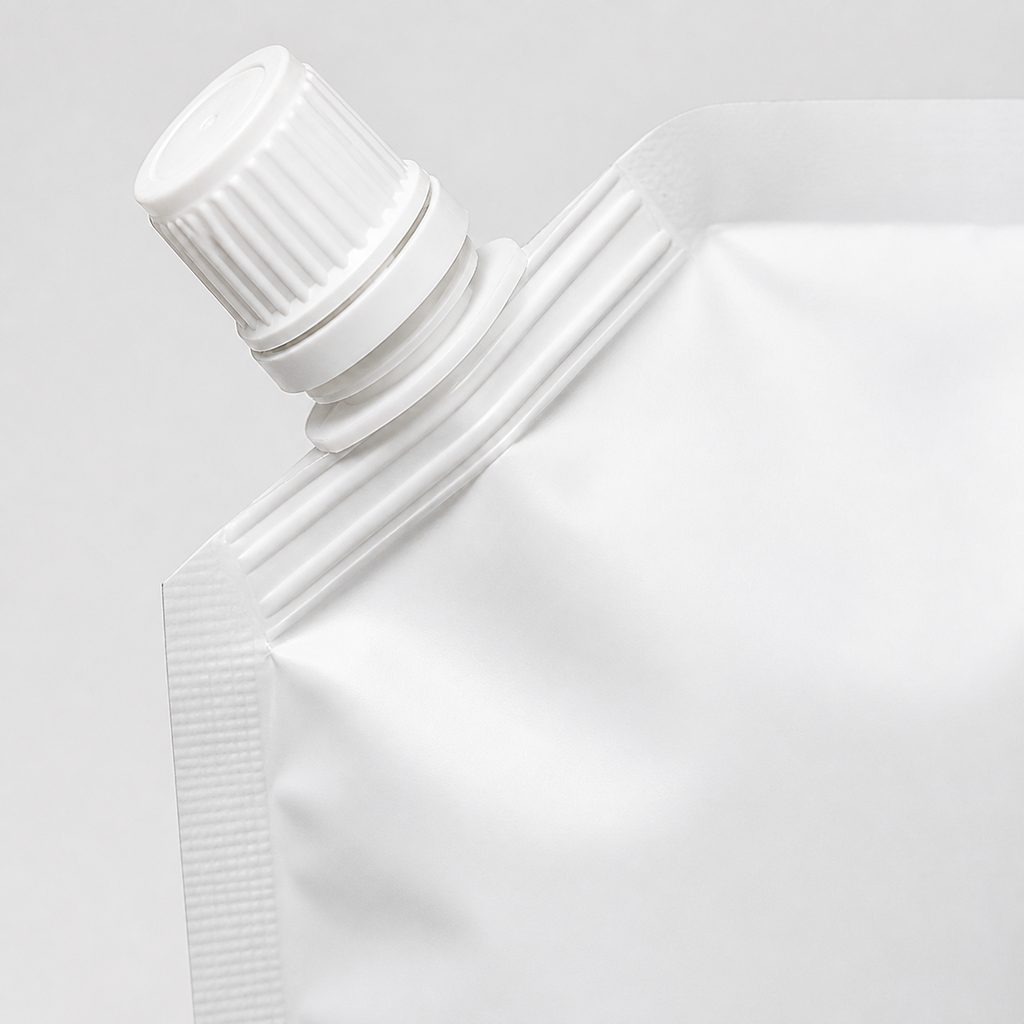
Compare spout pouch, retortable pouch, aseptic packaging, and cold chain structures around dairy formula and fill volume.
Oxygen barrier, light barrier, sealant compatibility, and dairy laminate options are reviewed by product sensitivity.
Spout welding, pour-and-reseal use, cap style, and closure options are matched to viscosity and filling line setup.
Confirm filling compatibility, heat-process compatible needs, food-contact documentation, cold chain handling, and sample approval before production.
Dairy packaging parameters depend on formula, fill volume, process route, cap style, and selected dairy laminate.
Dairy Laminate
PET/PE, PET/NY/PE, retortable, aseptic, or cold chain structure by project
Spout Welding
Fitment geometry and welding method reviewed by formula, flow, and filling needs
Leak Resistance
Reviewed through project-specific seal, fitment, and transport checks
Barrier Targets
Oxygen barrier and light barrier selected by dairy sensitivity and process route
Cap Styles
Screw cap, flip cap, sport cap, color matching, and closure review by project
Fill Volume and MOQ
Reviewed together with pouch size, cold chain route, sample approval, and order plan
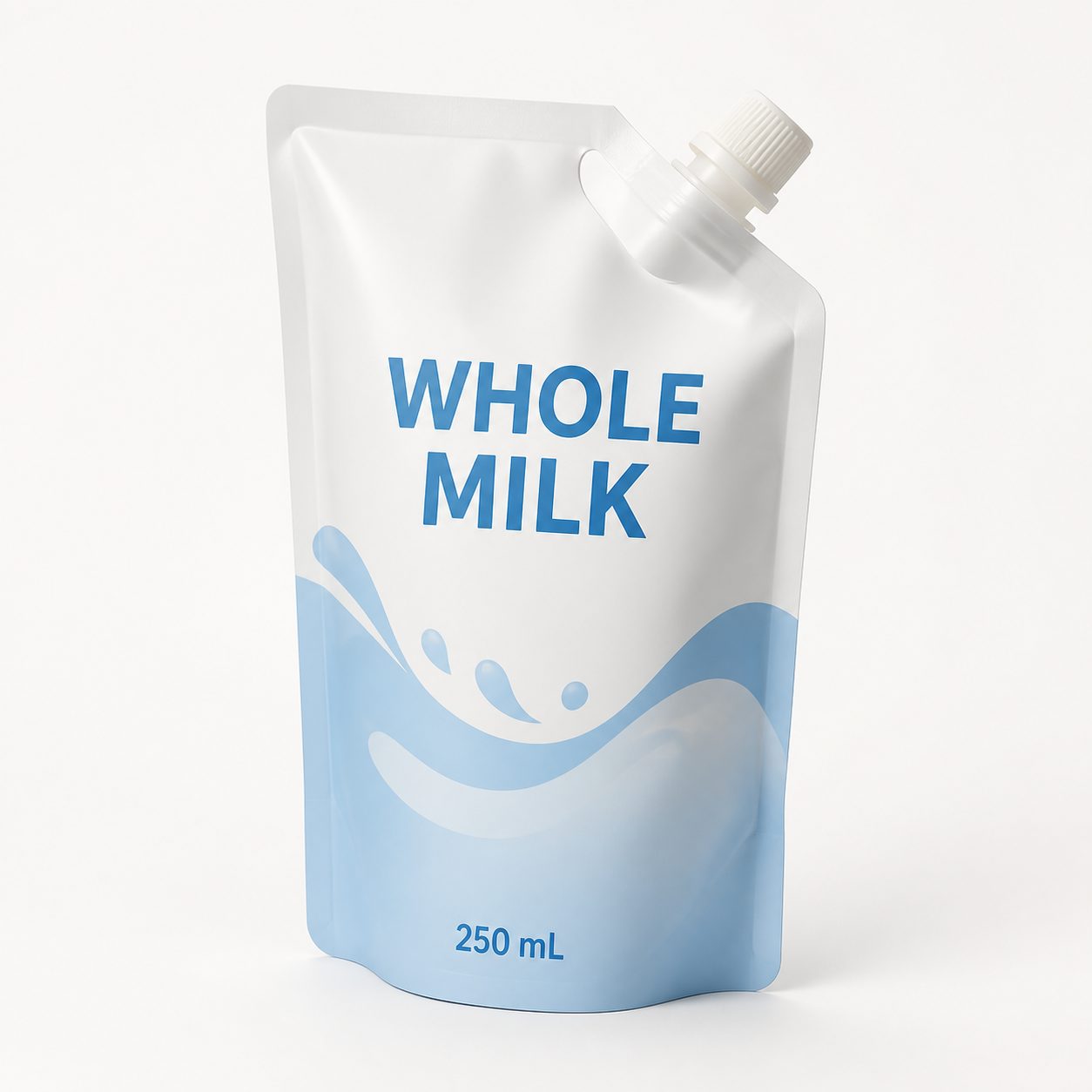
Whole milk spout pouch with a clean matte retail print layout
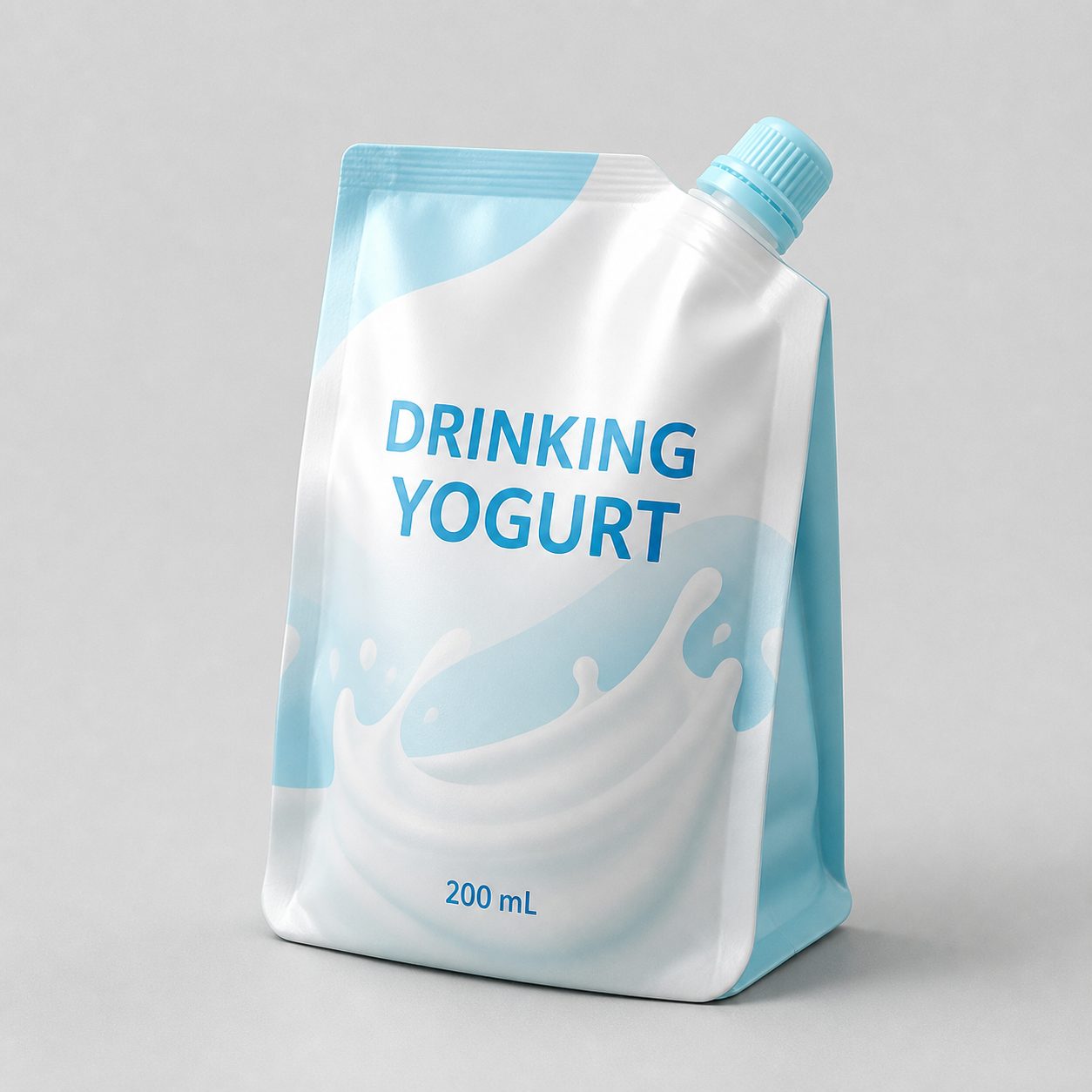
Single-serve yogurt spout pouch with a compact cap and 200 ml format
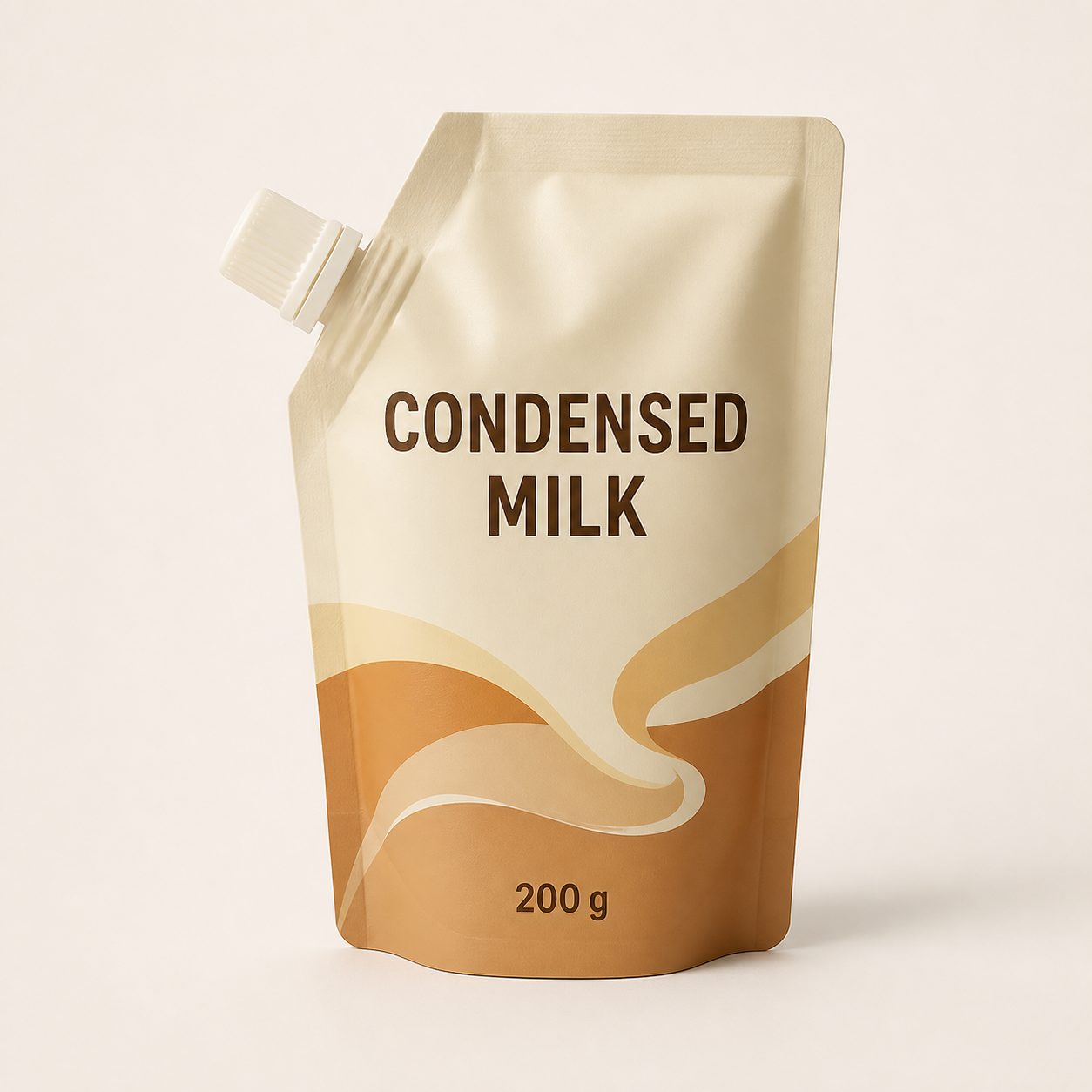
Condensed milk stand-up spout pouch with a warm matte print layout
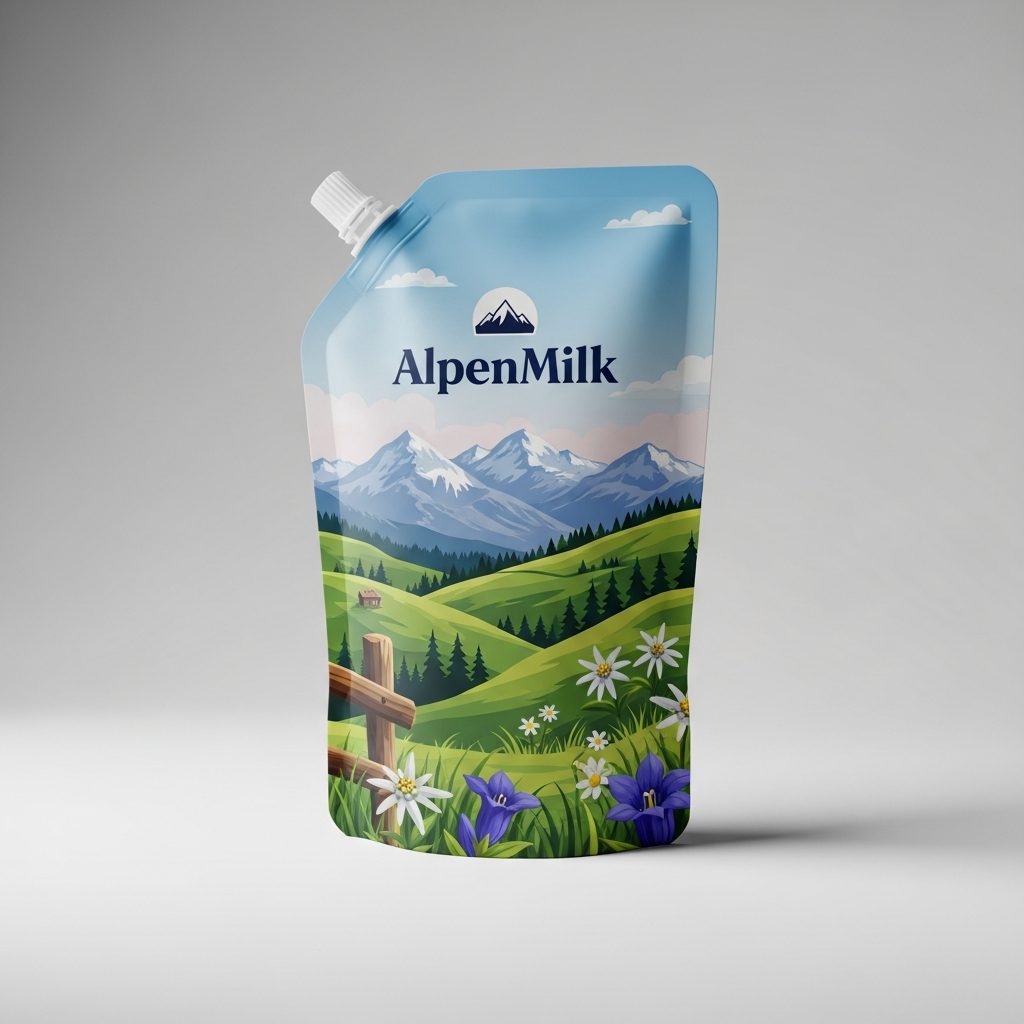
Cheese sauce pouch reference for screw-cap and fitment review
Use these photos as format references. Final size, structure, print layout, and testing scope are reviewed against your product, filling method, and target market.
Lower-impact structure options can be reviewed when the product, filling process, target market, and recovery route support them.
Dairy Packaging can be reviewed for yogurt pouch, milk packaging, cream packaging, cheese packaging, liquid dairy, spout pouch, aseptic packaging, retortable pouch, and cold chain projects.
Yes. Film structure, dairy laminate, fill volume, cap style, spout welding, pour-and-reseal use, print design, and filling compatibility can be reviewed before sampling.
Confirm food-contact documentation, oxygen barrier, light barrier, heat-process compatible needs, cold chain handling, seal strength, spout fit, artwork proofing, and sample approval for the selected dairy packaging structure.
Production records, artwork proofing, seal checks, spout welding notes, cold chain handling notes, and sample approval are reviewed according to the dairy packaging project scope.
ISO 9001-style QC records, material declarations, food-contact documentation, and lot traceability can be reviewed by project scope.
DDP / FOB / CIF coordination can be reviewed by destination and project scope.
Project-level recyclable-ready or lower-impact structures can be reviewed where the final specification supports them.
Project support for material review, artwork coordination, sampling, and production follow-up within the agreed scope.
Production routing, order volume, lead-time assumptions, and capacity fit are reviewed for each confirmed project.
Tell us your product, target weight, and requirements.
We recommend materials, structure, and provide pricing.
Confirm details, approve artwork, and production begins.
QC checkpoints and shipment scope are confirmed by project.
Common issues we help dairy packaging buyers avoid during project coordination.
Milk, yogurt, and cultured dairy products degrade rapidly under UV and visible light exposure, developing off-flavors in as little as two hours of fluorescent retail lighting. Standard transparent or lightly tinted films provide minimal light protection. We help specify light-barrier film properties matched to your product's photosensitivity and expected retail display duration.
Modified atmosphere packaging for dairy requires precise gas mix ratios and consistent headspace volume. Film permeability that works for one gas composition may allow rapid CO2 loss or O2 ingress with a different mix. We coordinate gas transmission rate testing against your specific MAP recipe to avoid atmosphere breakdown before the target shelf date.
Certain film materials absorb flavor compounds from dairy products, particularly from cultured items like yogurt and kefir. Over weeks of shelf storage, the product loses characteristic taste notes while the packaging absorbs them. Specify scalping resistance testing with your actual product formulation — lab water tests do not replicate real dairy chemistry.
Dairy products move between cold storage, ambient loading docks, and refrigerated retail displays. Each temperature cycle expands and contracts the headspace gas, flexing the seal. Seals approved under static conditions can fail after repeated thermal cycling. We coordinate dynamic seal-stress testing that simulates your distribution path's temperature profile.
Multi-serve dairy pouches and bags rely on zipper or slider closures for repeated access over days or weeks. Dairy residue on the closure track degrades reseal performance faster than dry-product residue. We help coordinate closure testing with actual product contamination to verify that reseal strength holds through realistic consumer use patterns.
Updated:
Work with NIAITE for material review, sampling guidance, QC checkpoints, and export project coordination.