Mono-material flexible packaging keeps the main pack structure within one resin family, while barrier, sealing, printing, closures, filling, and the target recovery route still define the project limits. PE-family directions such as mono-PE, MDO-PE/PE, and BOPE/PE require project-specific structure and evidence review.
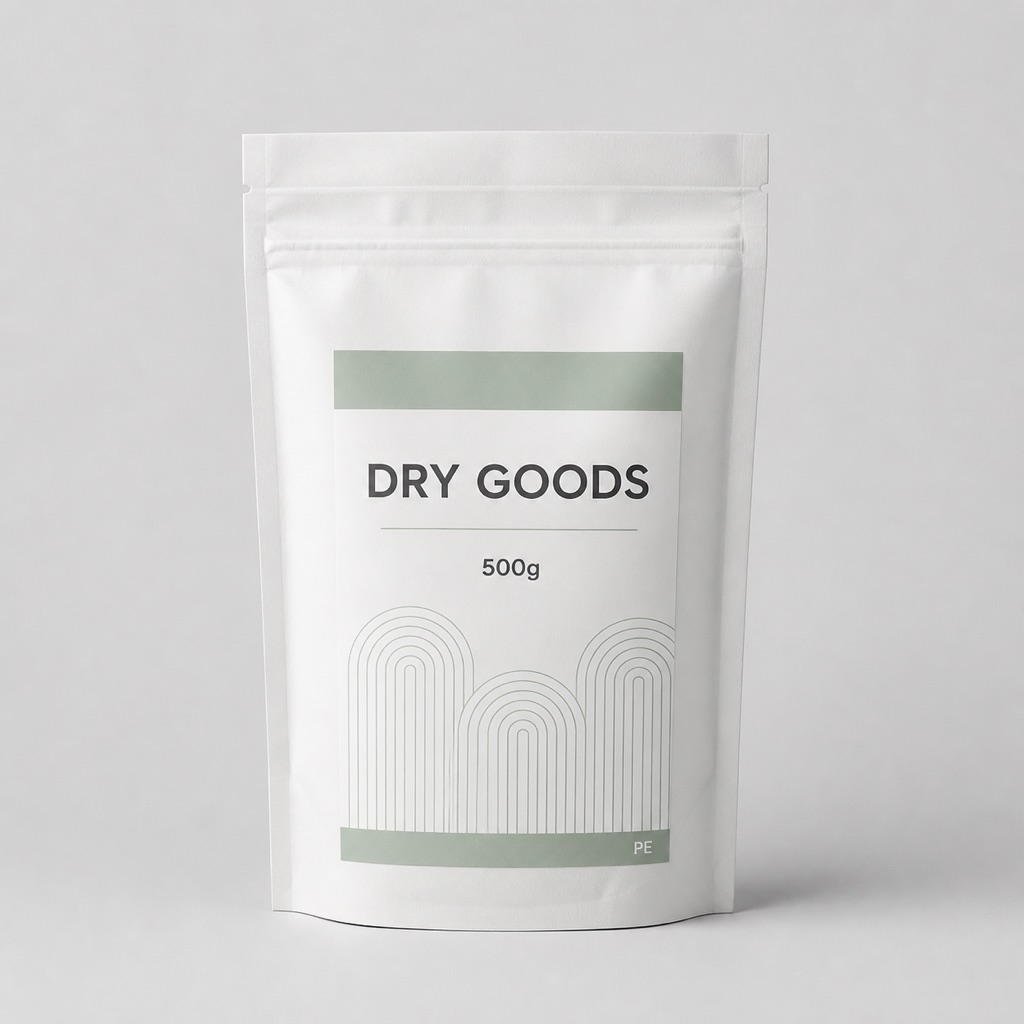
Keeping the main pack structure within one resin family does not automatically mean the finished pack is recyclable. Mono-PE, MDO-PE/PE, and BOPE/PE still need complete-pack review against the target local recovery route.
Barrier coatings, print area, closures, labels, sealant choice, and filling process must be reviewed against structure limits and testing support before production.
GMP-Style Production Controls
Partner facilities
ISO 9001-Style QC
Quality system
Shipping term coordination
DDP / FOB / CIF
Recyclable-ready review
Project-scoped materials
Review whether the product, barrier target, closure, filling process, print coverage, and target market fit a mono-material structure. Explore all market solutions .
Mono-material structures can support recyclable-ready goals only where the final pack fits the local recycling stream.
Barrier target, shelf-life plan, coating choice, and filling process must be checked before replacing mixed-material laminates.
Print coverage, labels, closures, zipper choices, and sealant layers can change whether the finished pack is accepted.
Material declarations, migration support, sealing checks, and recycling-stream review can be scoped by project.
Key factors to evaluate when selecting mono-material structures for recyclable packaging projects.
Mono-PE and mono-PP structures sacrifice some barrier performance compared to traditional multi-material laminates. Evaluate whether your product's oxygen and moisture sensitivity allows a mono-material solution, or whether an EVOH-based mono structure is needed.
Different markets accept different recyclability claims. Confirm whether your target retailers or regions require specific certifications (such as RecyClass or APR design guidelines) and verify that the chosen structure qualifies before committing to production.
Mono-material films have narrower sealing temperature windows because the outer and sealant layers share similar melting points. Confirm that your filling line can operate within the required temperature range without distorting the outer print layer.
Switching from multi-layer to mono-material often changes shelf-life performance. Plan accelerated or real-time shelf-life testing early in the project to confirm that the new structure meets your product's minimum requirement before scaling up orders.
Choose a recyclable-ready structure by resin family, barrier target, sealant, filling process, print coverage, and target local recycling stream.
| Structure | Application | Barrier Level |
|---|---|---|
Mono-PE
|
PE-based flexible pouch where the local recycling stream accepts the final pack | Standard |
MDO-PE / PE
|
Stiffer PE-based structure for print quality and stand-up pouch review | Medium |
BOPE / PE
|
PE-family structure for clarity, stiffness, and recyclable-ready trials | High |
PE / Barrier Coating / PE
|
Barrier target review where coating does not block target recovery route | High |
Mono-PP
|
PP-family pouch or film review where target recycling routes accept PP flexibles | High |
Trial Structure
|
Project-specific testing support for product fit, sealing, shelf life, and recovery limits | Standard |
Review how each layer stays within one resin family and where coatings, labels, inks, sealants, and closures can create complete-pack boundaries. Visit our material guide for more details.
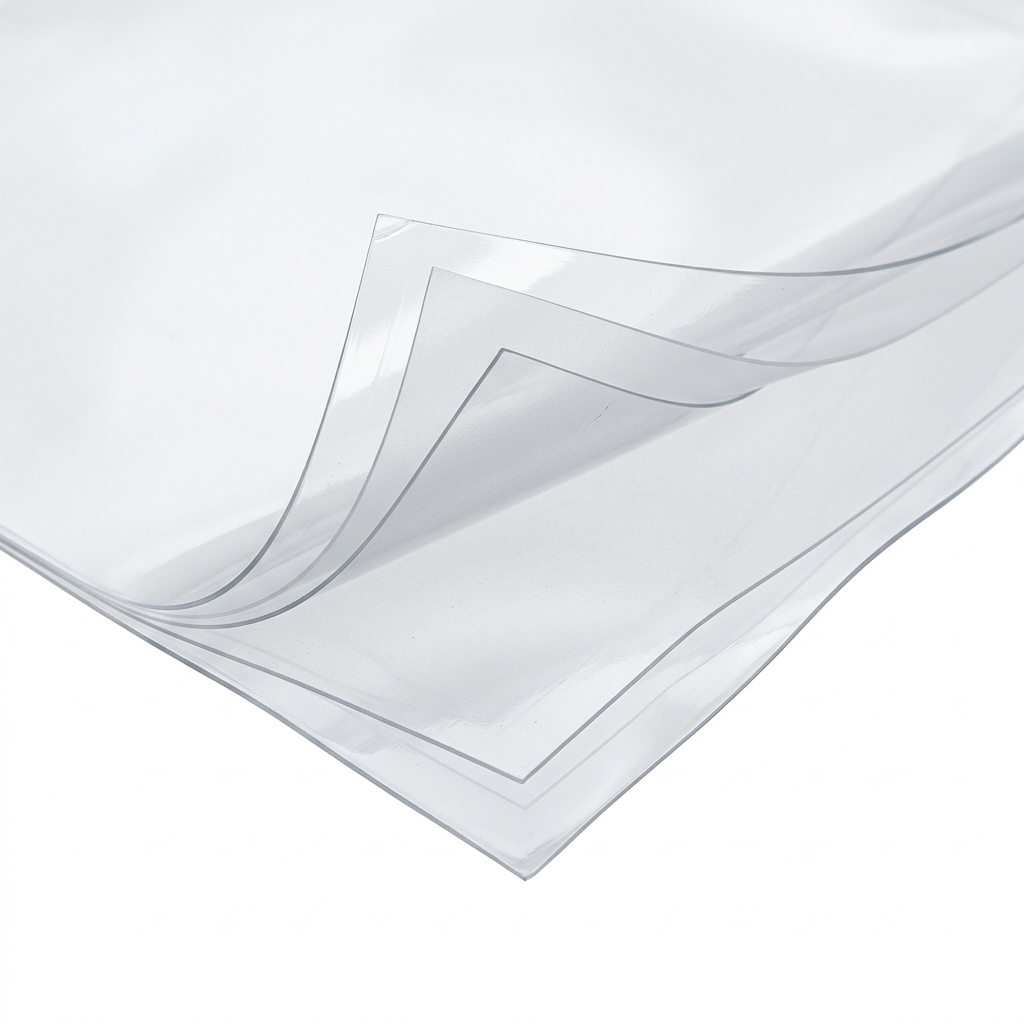
The printable outer layer stays in the selected resin family, while ink coverage and any label are treated as separate complete-pack review boundaries.
MDO-PE can be reviewed for stiffness and print support depending on the specification and validation, with compatible PE layers considered when keeping the main laminate within the PE family.
Barrier PE or a compatible coating is reviewed for product protection without obscuring the coating boundary or moving the main structure outside the selected resin family.
The PE sealant supports filling and seal performance, while zipper, valve, label, and closure choices remain explicit boundaries in the finished-pack review.
This page is the structure-engineering layer: keep the main pack within one resin family while defining coating, label, closure, filling, and recovery-route boundaries.
Mono-material projects must review resin family, barrier target, closure type, filling process, and the target local recycling stream together.
Zipper, valve, label, ink coverage, and coating choices can change whether a finished pack remains recyclable-ready for the intended market.
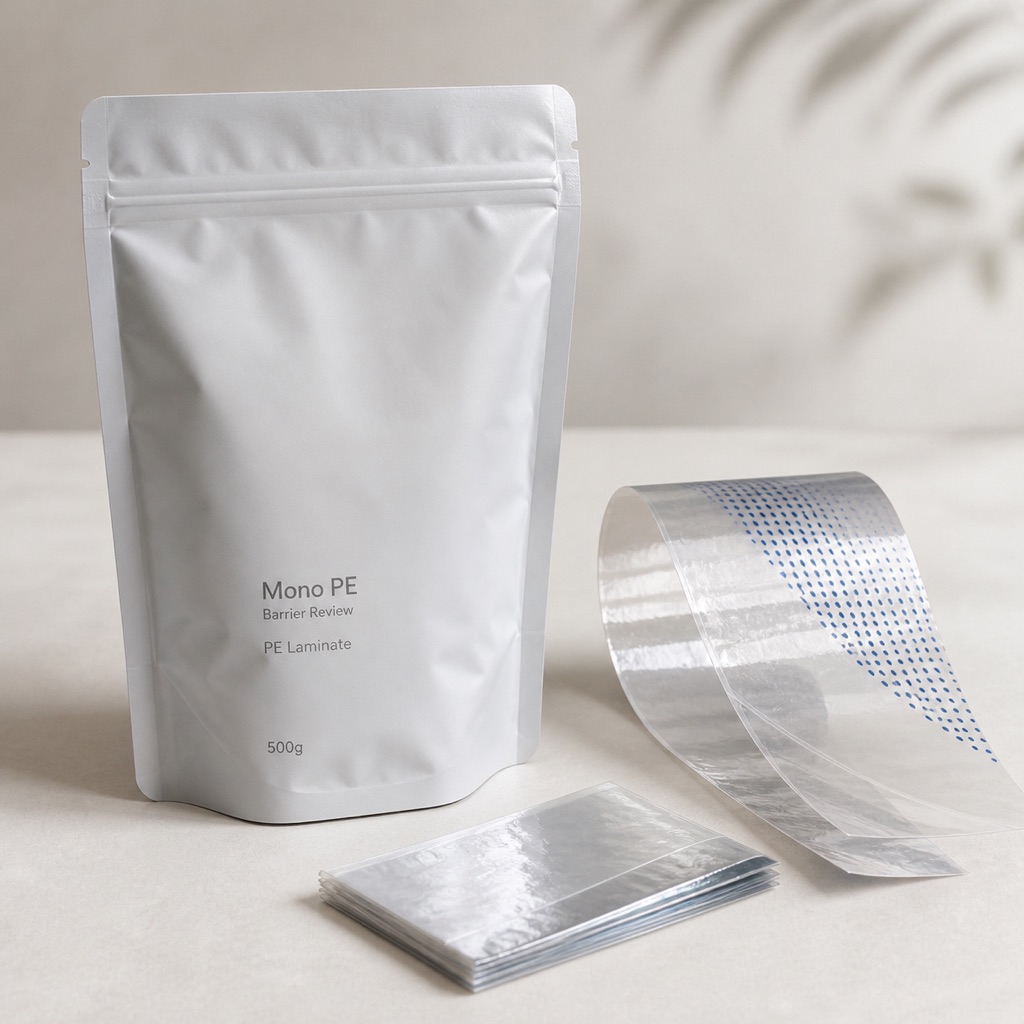
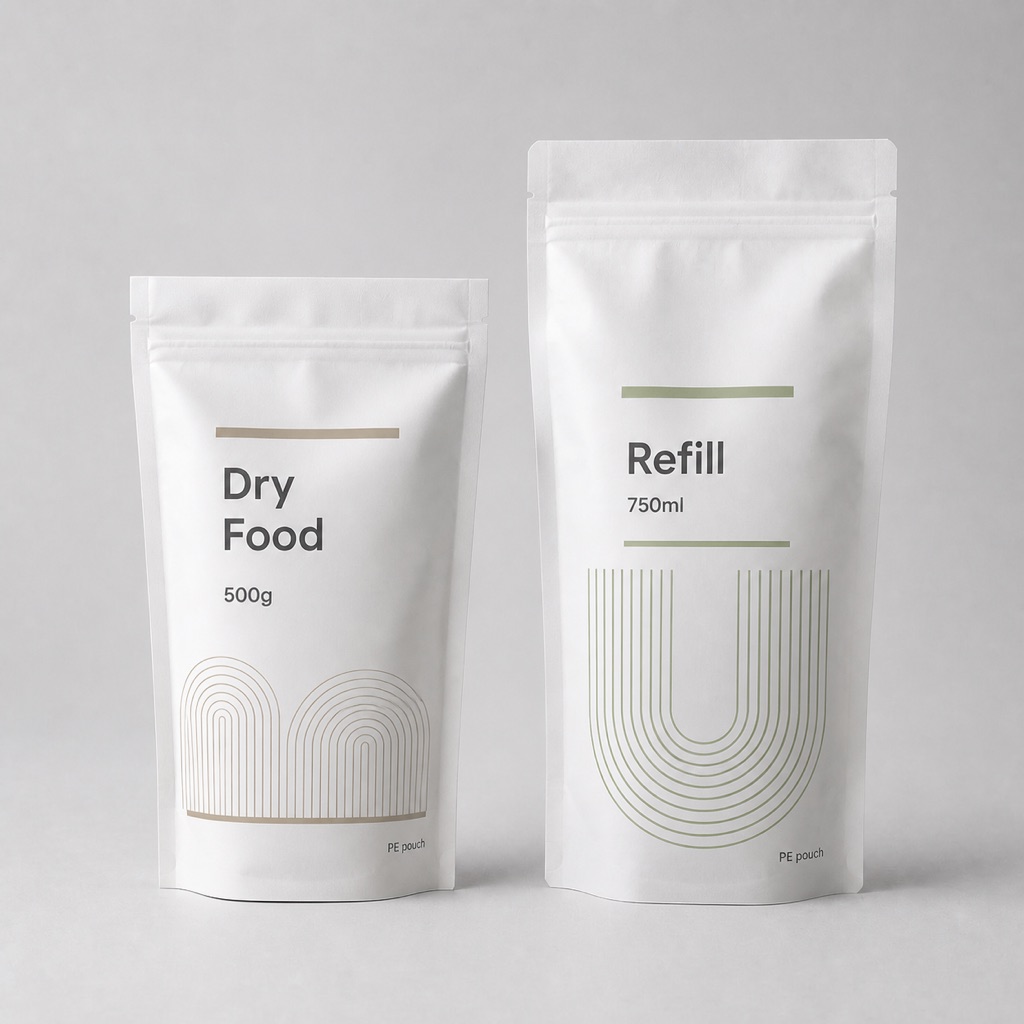
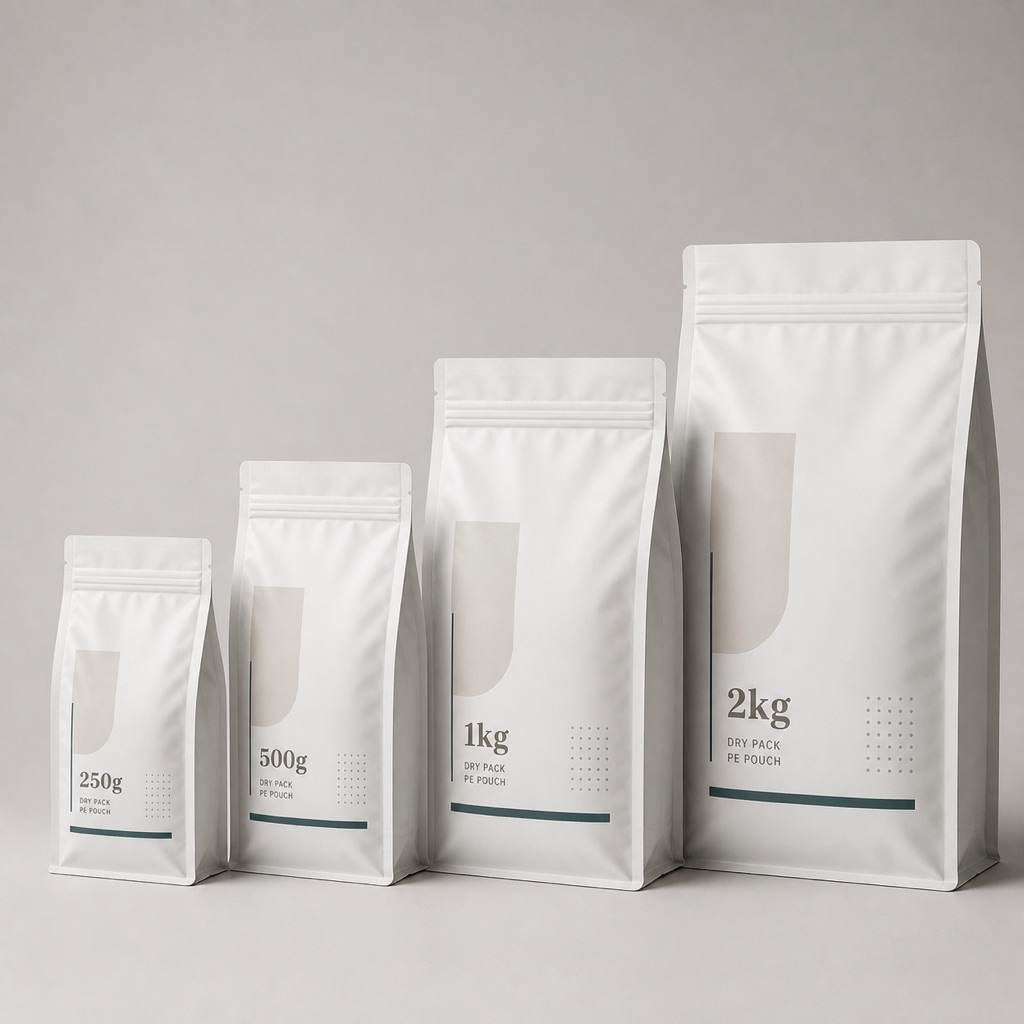
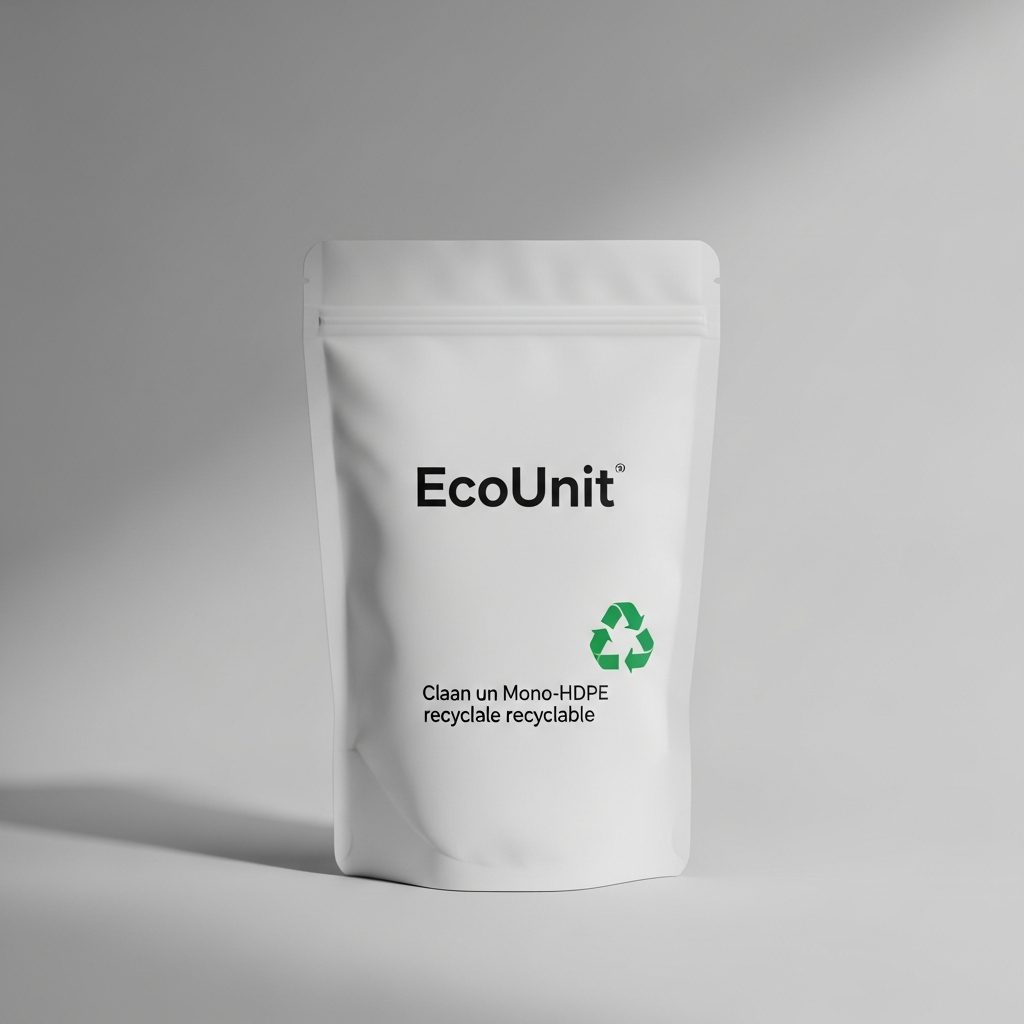
Mono-PE, MDO-PE/PE, BOPE/PE, mono-PP, and coated PE structures are reviewed by product and recovery route.
Zippers, valves, tear notches, labels, and hang holes are checked for compatibility with the final recyclable-ready claim.
Barrier coating, ink coverage, matte or gloss finish, and transparent windows are reviewed against structure limits.
Testing support, material declarations, migration support, sealing checks, and recovery-route review can be scoped before production.
Representative review points. Actual values depend on resin family, product, filling process, barrier target, and recovery route.
Structure Family
Mono-PE, MDO-PE/PE, BOPE/PE, mono-PP, or coated PE by project
Recovery Review
Checked against target local recycling stream and final pack design
Barrier Review
Barrier target reviewed against coating choice, product sensitivity, and shelf-life plan
Filling Process
Seal window, COF, stiffness, and machine format reviewed before sampling
Documentation
Material declarations, migration support, and testing support by selected structure
Structure Limits
Closures, labels, inks, coatings, and product residue can affect acceptance
PE-family flexible pouch reviewed for product fit and local recycling stream acceptance
Stiffer PE-based structure for printing, pouch stiffness, and sealing review
Barrier coating review for shelf-life target and recovery-route compatibility
Final pack acceptance depends on the selected structure and local recovery route
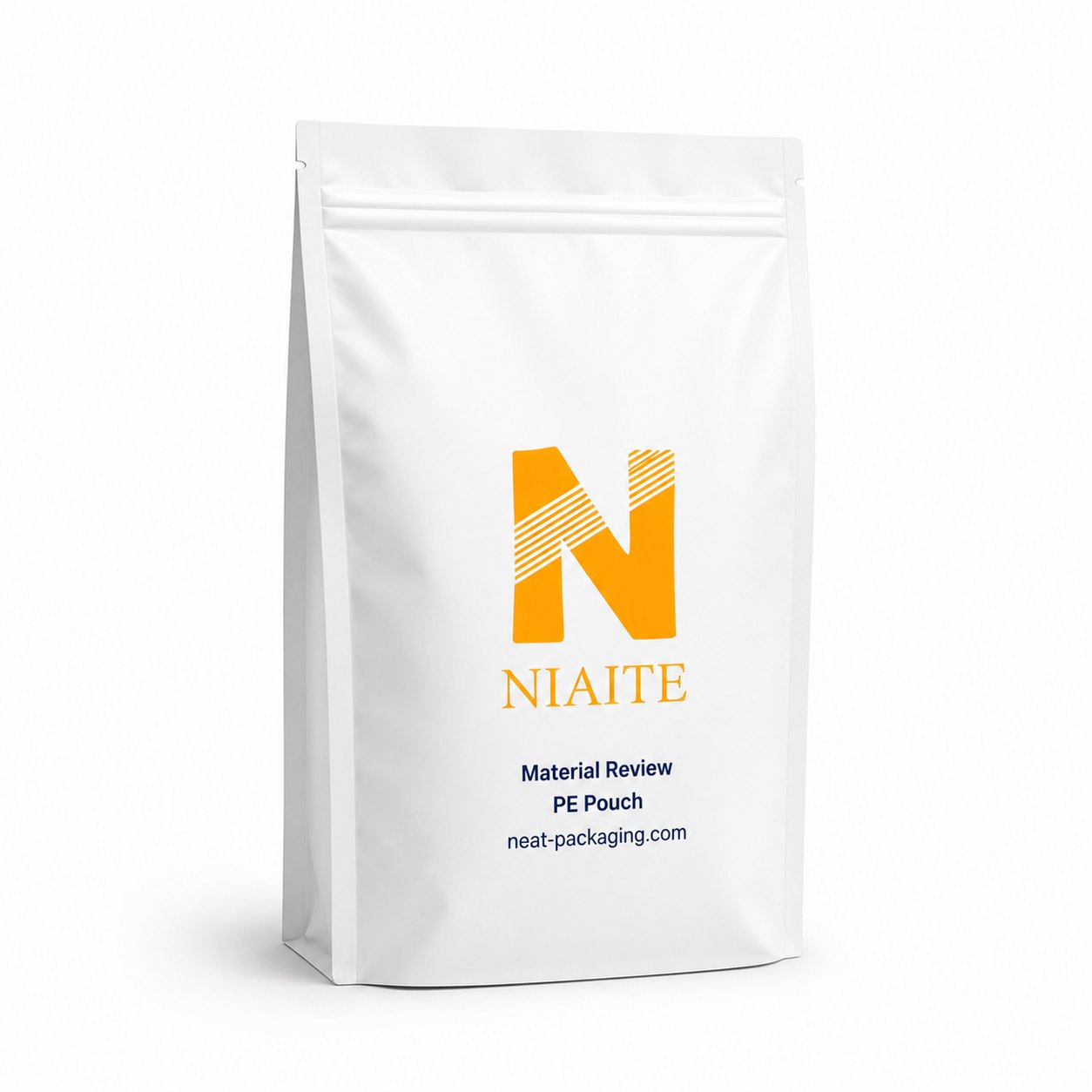
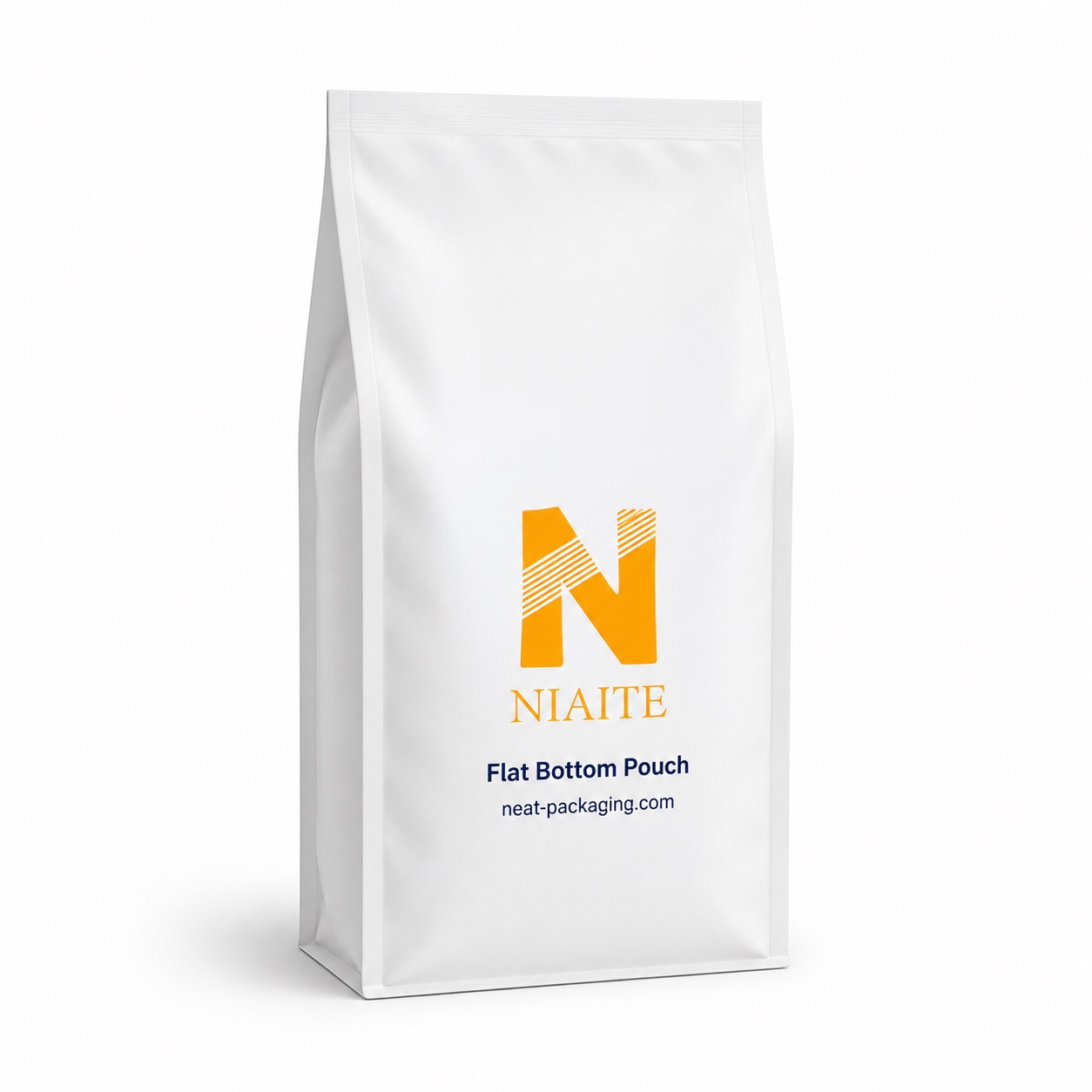
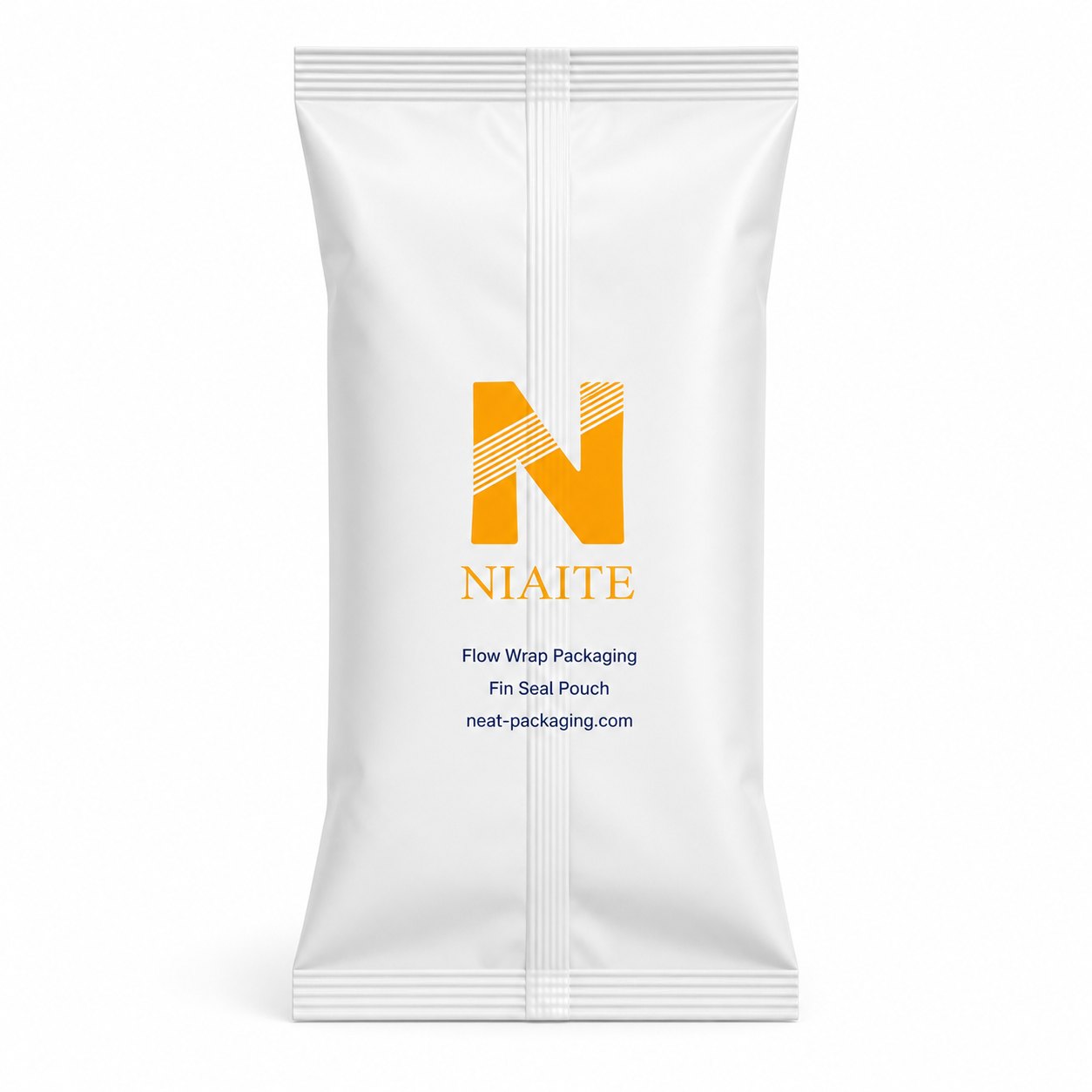
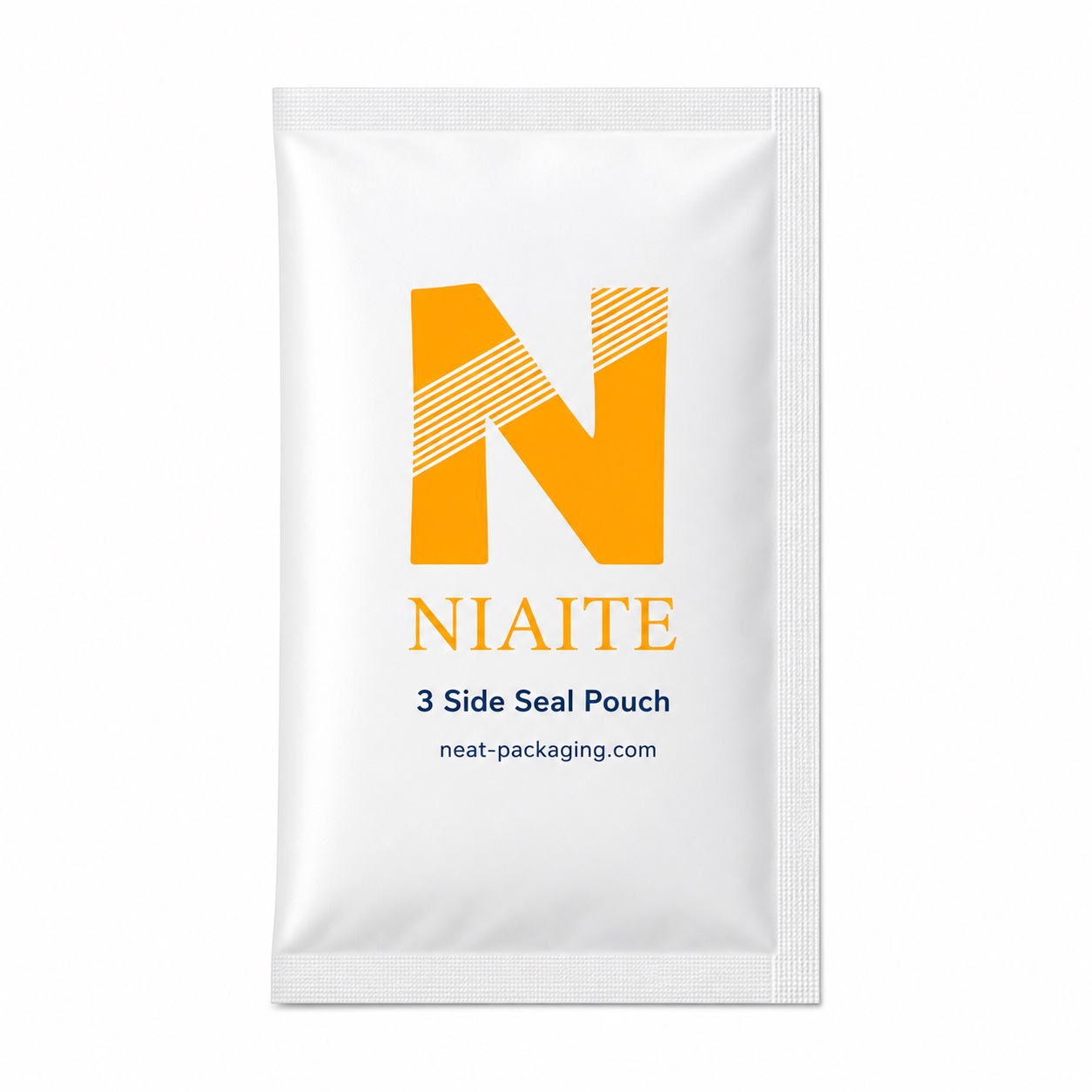
Use these photos as format references. Final size, structure, print layout, and testing scope are reviewed against your product, filling method, and target market.
Lower-impact structure options can be reviewed when the product, filling process, target market, and recovery route support them.
For Mono-Material Packaging, buyers usually compare mono-PE, MDO-PE/PE, BOPE/PE against shelf-life, filling, and compliance documentation needs.
No. Mono-material packaging must be reviewed against the packed product, barrier target, filling process, shelf-life plan, closure choice, and local recycling stream.
Mono-PE, MDO-PE/PE, BOPE/PE, and compatible coated PE directions can be reviewed. Product sensitivity, barrier target, filling process, seal window, print coverage, and closure needs determine which direction fits the project.
No. Mono-material packaging describes a design direction, not a recycling outcome. Keeping the main pack within one resin family does not automatically mean the finished pack is recyclable. Coatings, labels, inks, closures, and local collection, sorting, and reprocessing requirements still need complete-pack review.
Size, pouch format, print finish, tear notch, and compatible barrier direction can be customized within the chosen resin family. Zippers, valves, labels, coatings, and other additions must remain explicit complete-pack boundaries.
MOQ depends on dimensions, printing method, resin-family structure, closure, and finishing. Share artwork, fill weight, and annual volume so a practical starting quantity can be reviewed.
Food-contact requirements can be reviewed for the selected structure and target market. Supplier declarations, migration testing, and third-party testing can be coordinated according to project scope.
Production workflow follows GMP-style hygiene and handling controls; no site-level GMP registration is claimed.
QC records, material declarations, food-contact documentation, and recovery-route notes can be reviewed by project scope.
DDP / FOB / CIF coordination can be reviewed by destination and project scope.
Project-level recyclable-ready or lower-impact structures can be reviewed where the final specification supports them.
Project support for material review, artwork coordination, sampling, and production follow-up within the agreed scope.
Production routing, order volume, lead-time assumptions, and capacity fit are reviewed for each confirmed project.
Tell us your product, target weight, and requirements.
We recommend materials, structure, and provide pricing.
Confirm details, approve artwork, and production begins.
QC checkpoints and shipment scope are confirmed by project.
Common issues we help mono-material packaging buyers avoid during project coordination.
Mono-material structures often deliver lower oxygen and moisture barrier ratings than the multi-layer laminates they replace. Buyers who specify mono-material without testing against their actual product requirements risk discovering the gap only after trial fills. We help by benchmarking barrier data from our partner factories against your product's sensitivity profile before material selection is finalized.
Single-polymer films have a tighter temperature range for reliable heat sealing compared to traditional multi-layer structures. Running at the wrong temperature can cause weak seals or burn-through, and the acceptable window may shift between lab samples and full-speed production. We coordinate seal-curve testing with our partner factories to define the safe operating range before you commit to a production run.
Labels like "recyclable," "OK Compost," and "industrially compostable" describe very different end-of-life pathways, and using the wrong claim on-pack can trigger regulatory issues or retailer rejections. Certification requirements also vary by market and change frequently. We help clarify which certification fits your target markets and connect you with the right testing bodies early in the project.
Switching to a mono-material structure can reduce shelf life if the barrier properties do not match the product's requirements, and this shortfall sometimes only surfaces during real-condition storage tests after bulk production. By that point, reprinting or reformulating the packaging is expensive. We coordinate accelerated shelf-life testing during the sampling phase so potential gaps are caught before full-scale production begins.
Mono-PE and mono-PP films can behave differently on filling and sealing lines designed for conventional laminates — stiffness, coefficient of friction, and static buildup often require machine adjustments. Without trial runs, buyers risk slow line speeds or jamming during their first production batch. We help by sharing technical data sheets and arranging trial-run coordination between our partner factories and your filling facility.
Updated:
Work with NIAITE for material review, sampling guidance, QC checkpoints, and export project coordination.