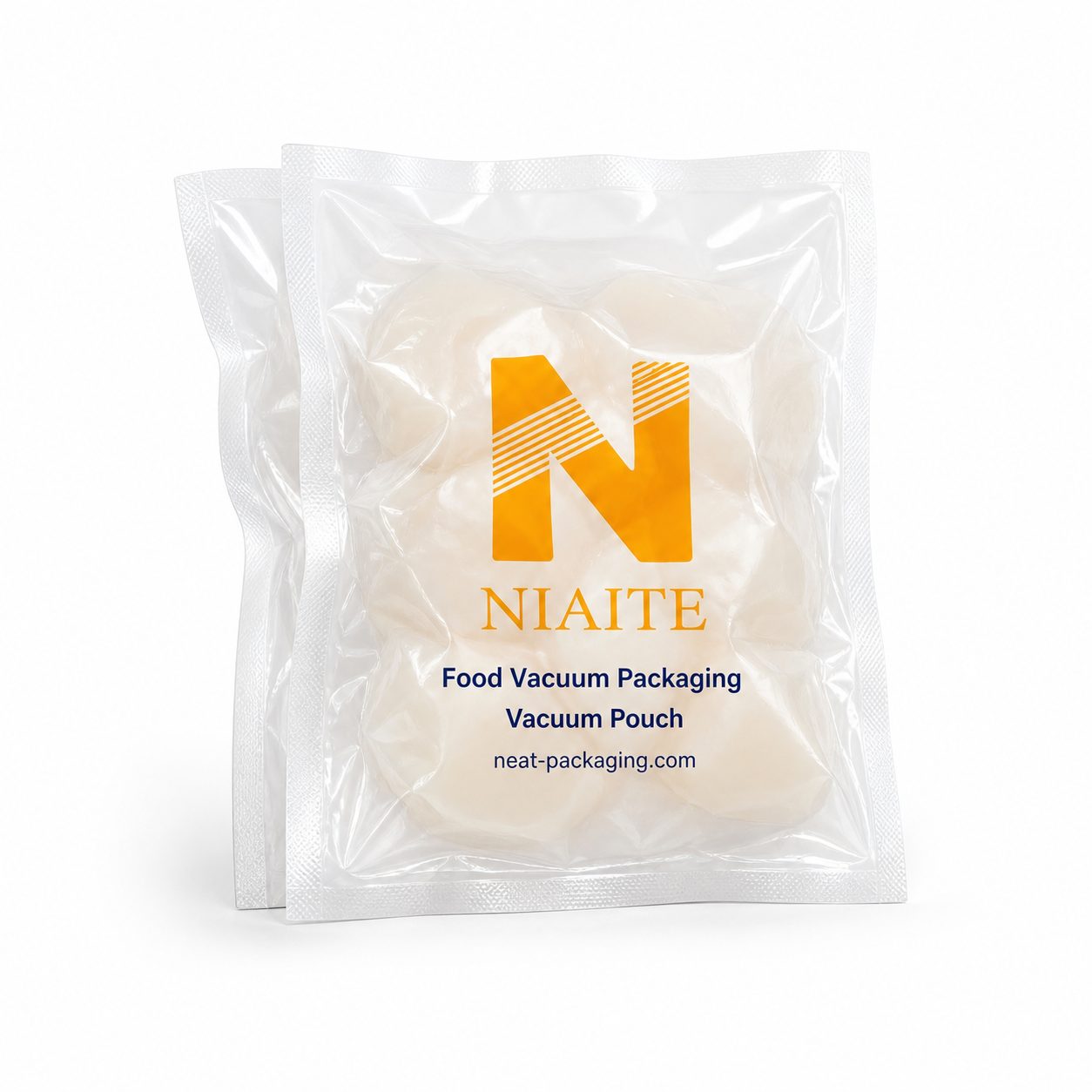
Vacuum pouch options for meat, seafood, frozen food, cheese, deli products, and pet food. Review nylon/PE or PA/PE structures, puncture resistance, seal integrity, vacuum equipment fit, cold-chain handling, MOQ planning, and sample testing inputs before production.
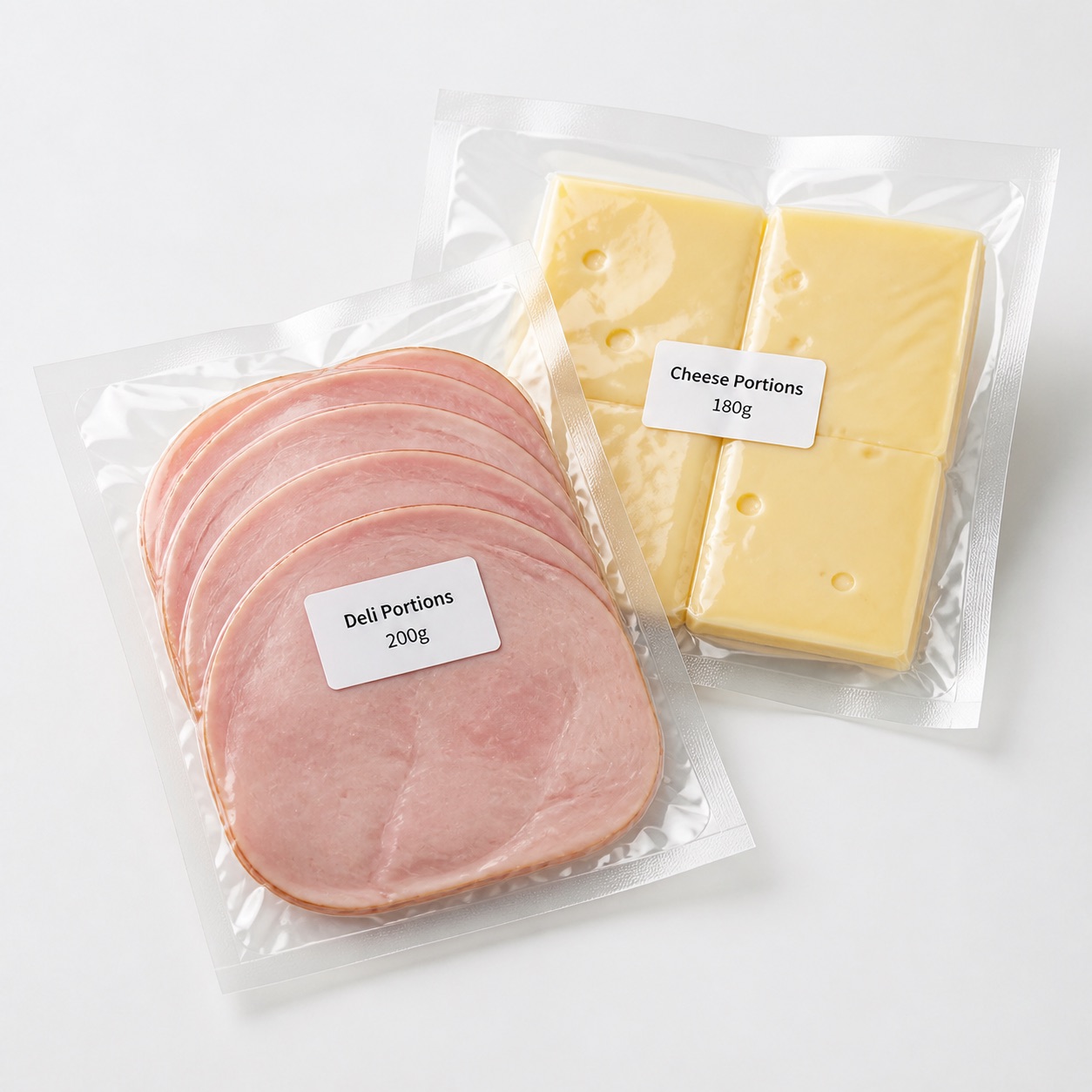
Vacuum pouches are reviewed around meat, seafood, frozen food, cold-chain handling, PA/PE, nylon/PE, PA/EVOH/PE, oxygen barrier, puncture resistance, seal strength, seal integrity, and product shape.
Project inputs should confirm vacuum chamber or external vacuum machine type, filling process, cold-chain route, sealant layer, carton packing, artwork, MOQ planning, sample testing inputs, sample approval, and food-contact documentation scope.
GMP-Style Production Controls
Partner facilities
ISO 9001-Style QC
Quality system
Shipping term coordination
DDP / FOB / CIF
Project-Scoped Materials
Material review
Review vacuum pouch structure, sealant layer, oxygen barrier, puncture resistance, machine fit, cold-chain handling, and sample testing inputs by packed product.
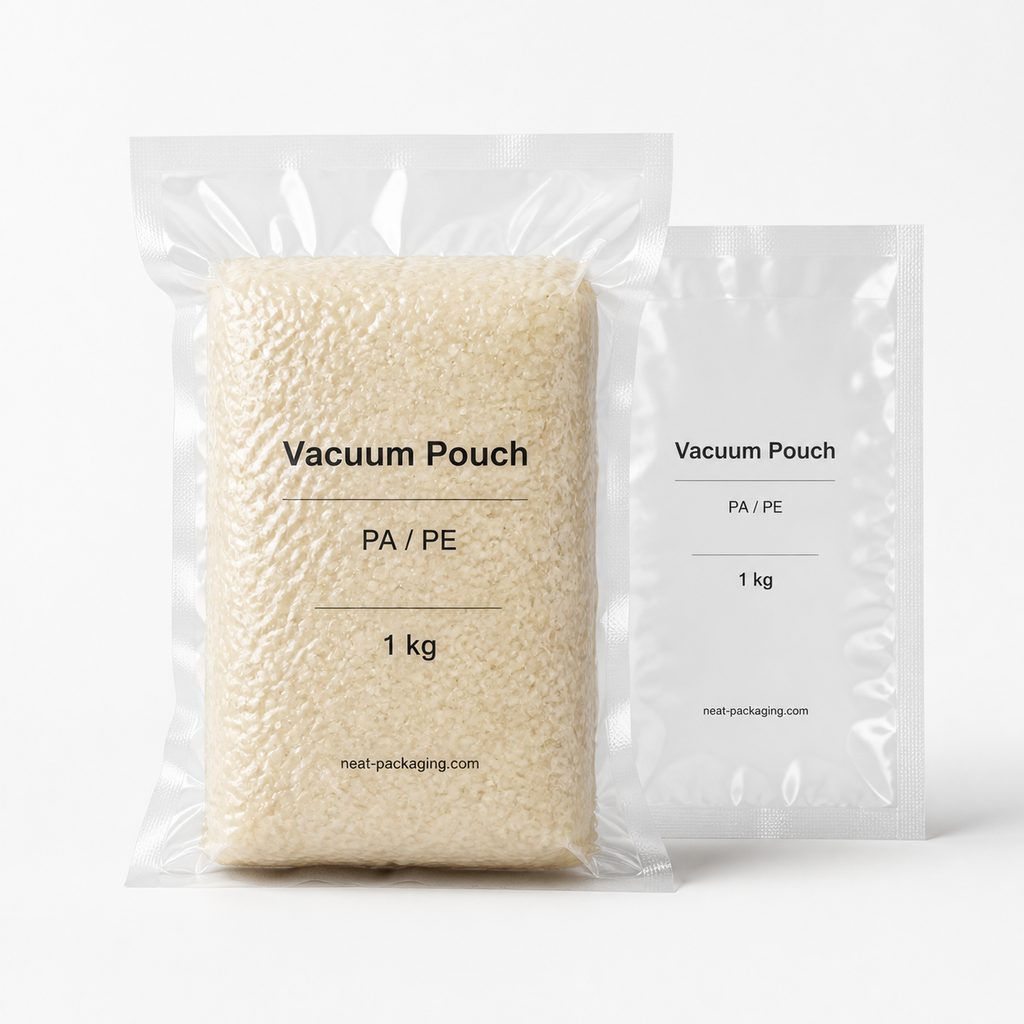
PA/PE and nylon/PE vacuum pouches for beef, pork, lamb, and poultry where bone-in meat, seal strength, puncture resistance, and cold-chain handling need review.
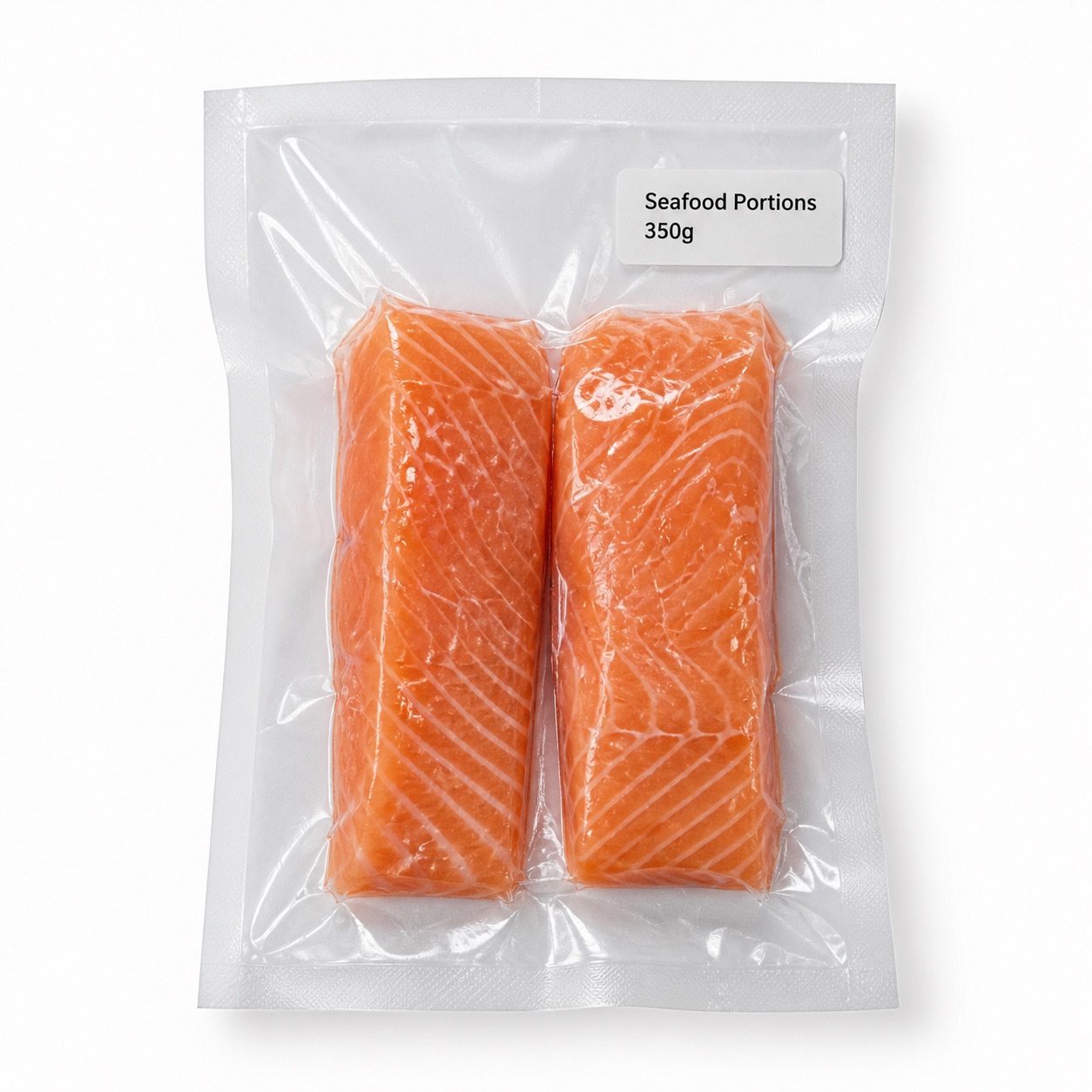
Seafood vacuum pouches for whole fish, fillets, shrimp, and shellfish where oxygen barrier, seal integrity, drip control, and puncture risk are reviewed by product shape.
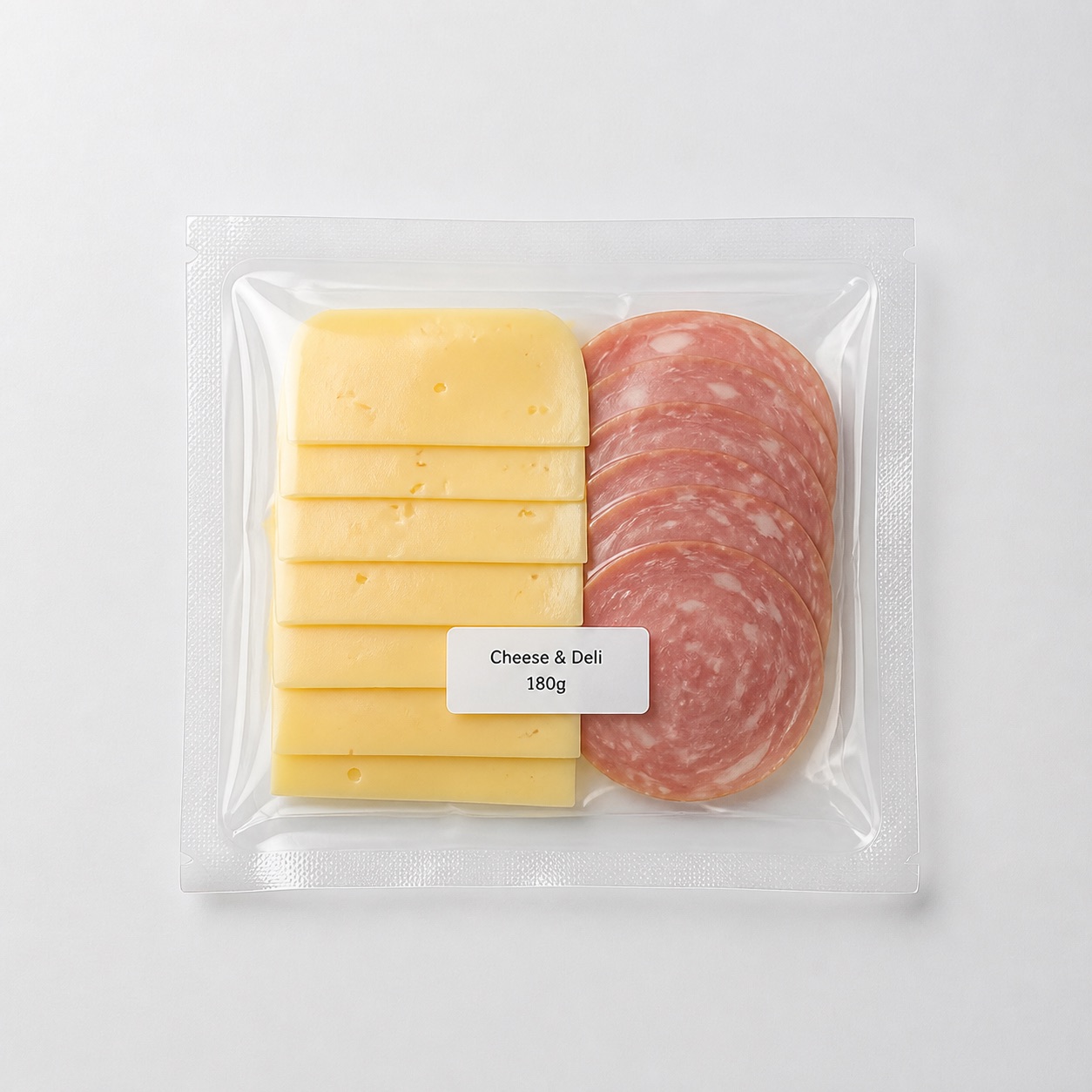
Cheese blocks, slices, and dairy portions can be reviewed around PA/EVOH/PE barrier target, sealant layer, filling process, and storage route.
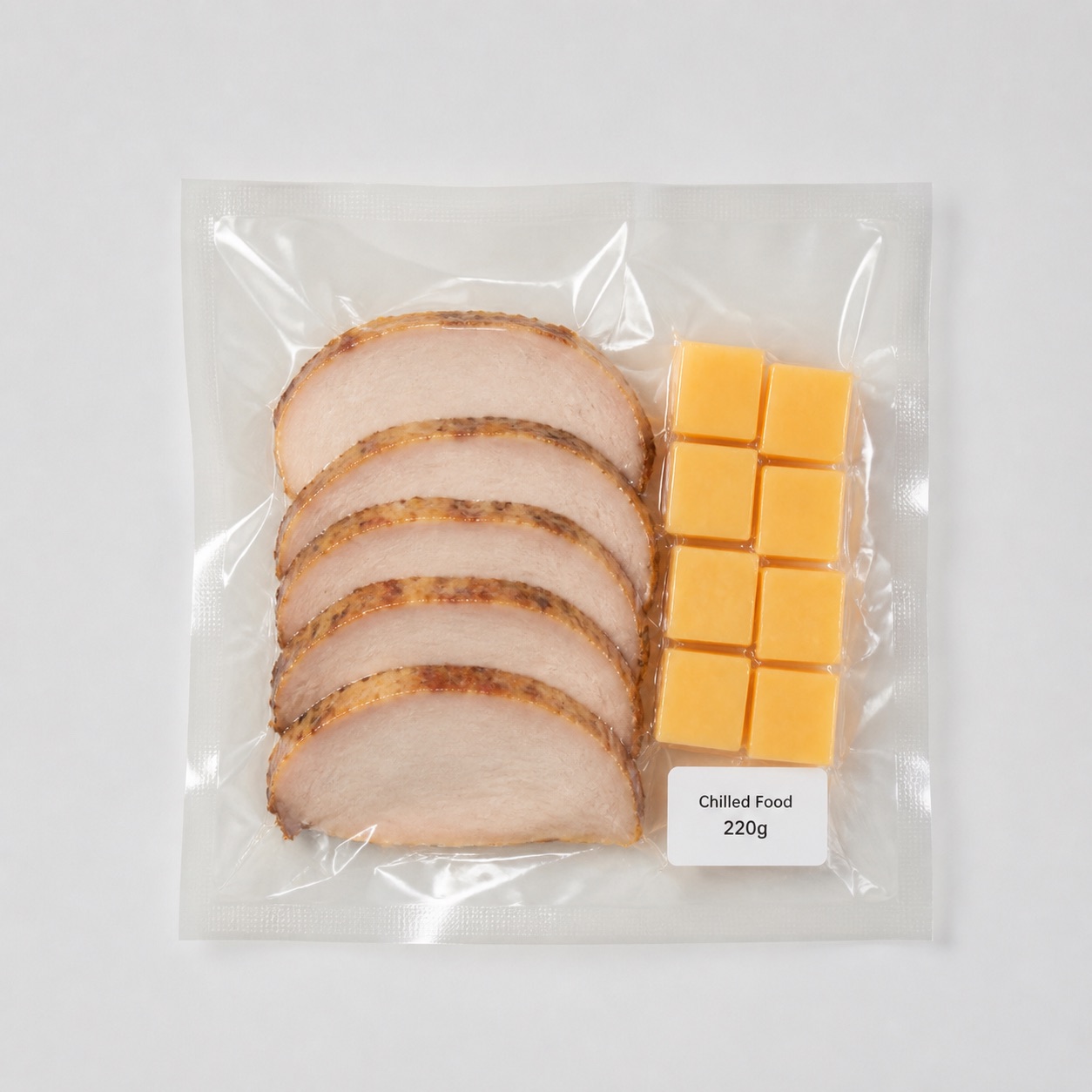
Deli products, sliced ham, salami, and prepared meats can use vacuum pouch, skin-pack, or thermoforming inputs depending on product shape and retail presentation.
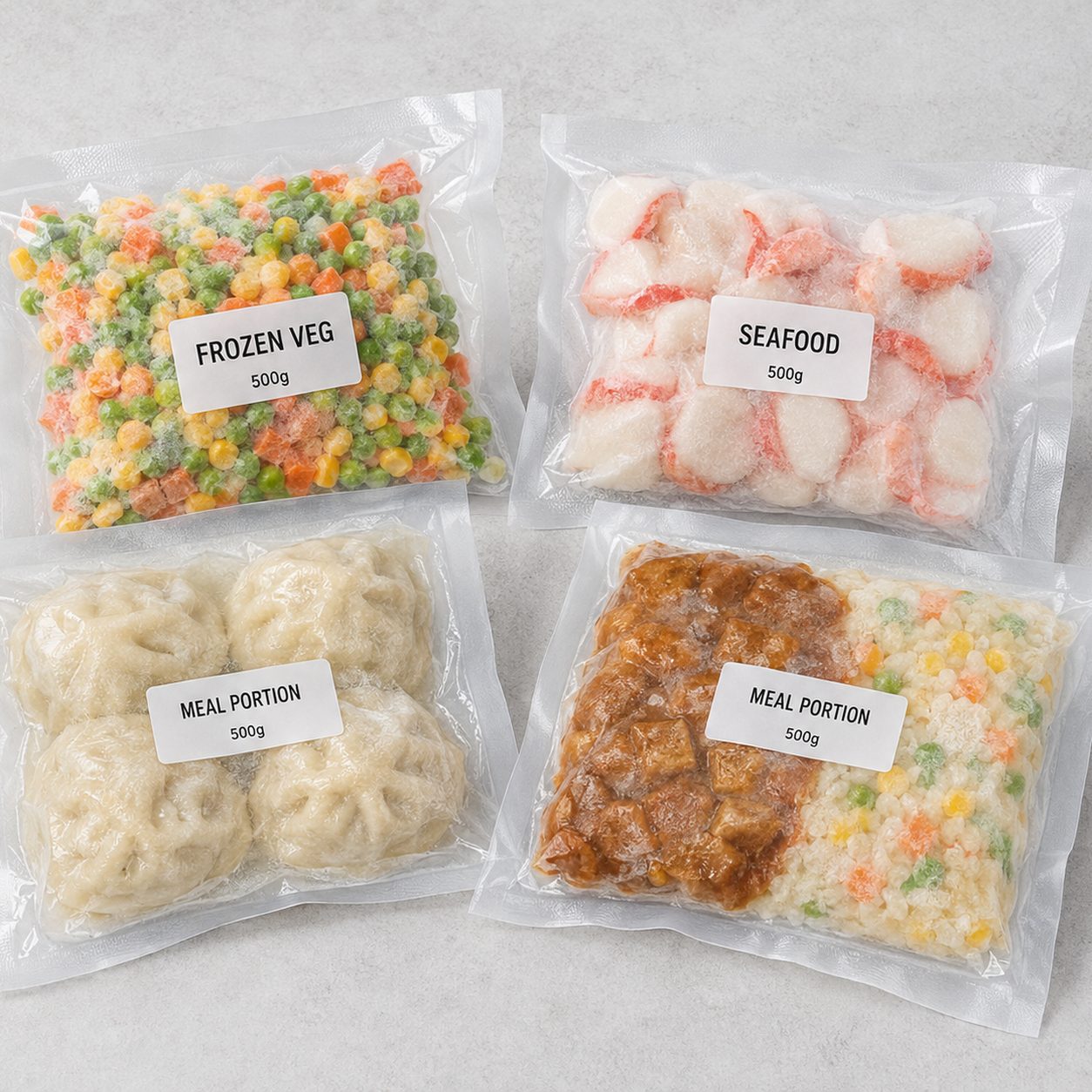
Frozen seafood, prepared foods, and cold-chain packs should confirm low-temperature handling, seal integrity, sealant layer, and carton packing with sample approval.
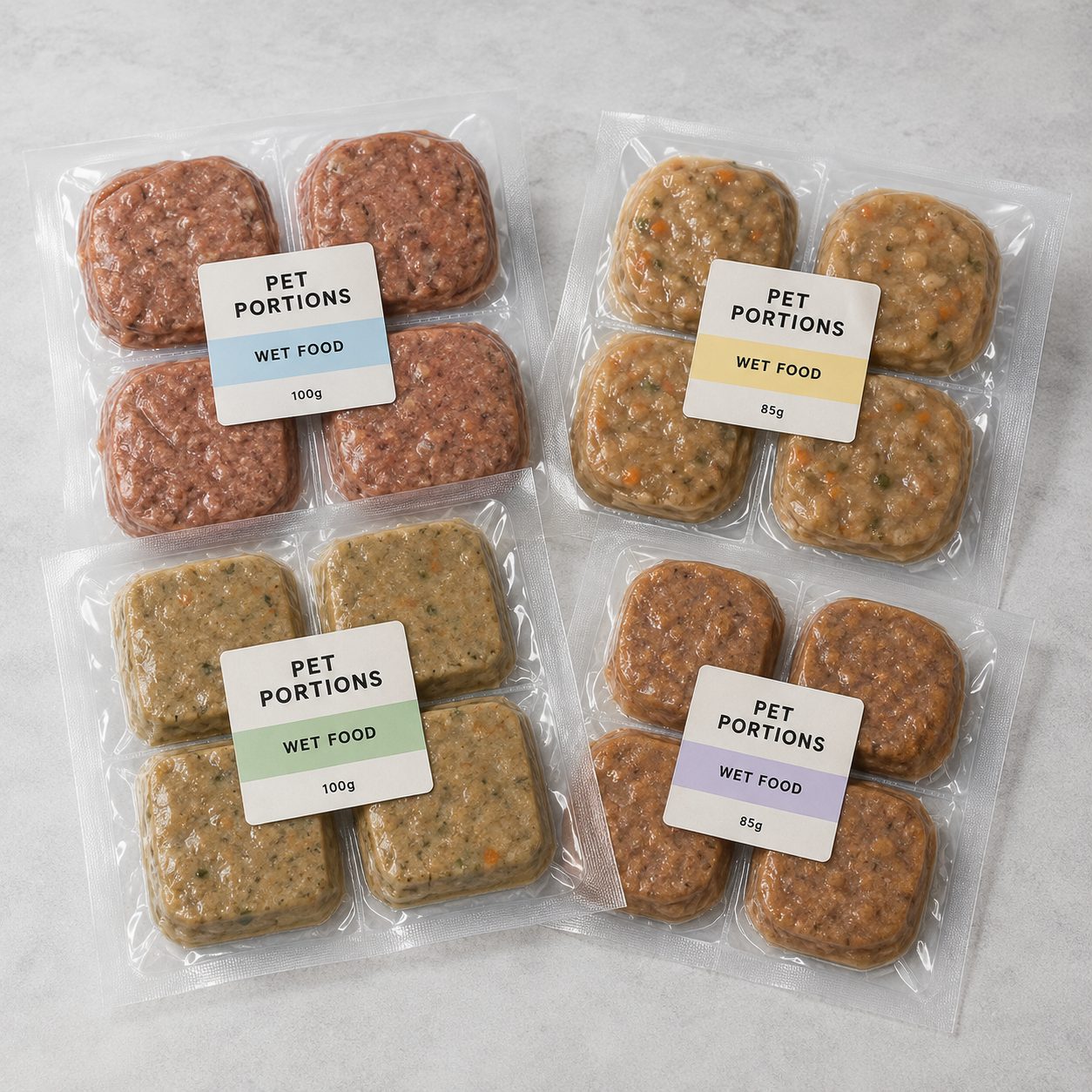
Pet food portions, treat packs, and smaller vacuum pouches can be reviewed around grease resistance, oxygen barrier, seal strength, and filling process.
Pouch size, sealant layer, web handling, seal area, and loading method are reviewed against vacuum chamber or external vacuum equipment.
PA/PE, nylon/PE, and PA/EVOH/PE structures can be compared around oxygen barrier, puncture resistance, and product shape.
Seal strength, seal integrity, vacuum level, pouch thickness, filling process, and cold-chain handling are reviewed before sample approval.
Material declarations, artwork proof, sample approval notes, seal checks, and food-contact documentation can be reviewed by project scope.
Vacuum packaging performance depends on vacuum equipment, product shape, pouch size, oxygen barrier, sealant layer, and cold-chain handling. Shelf-life claims should be supported by product-specific testing.
PA/PE and nylon/PE structures can improve toughness for bone-in meat, shellfish, and frozen products; puncture resistance should be checked against product shape and filling process.
Thermoforming and skin-pack projects should confirm bottom web, top web, forming depth, sealant layer, print layout, and sample approval before scale production.
Cold-chain projects should review storage temperature, transport route, seal integrity, carton packing, and customer acceptance tests instead of relying on fixed temperature claims.
Choose the right material structure around packed product, oxygen barrier, puncture resistance, sealant layer, vacuum equipment, filling process, and target market.
★ Recommended for Vacuum Packaging
PA/PE or nylon/PE
Common vacuum pouch structure reviewed for clarity, seal strength, and puncture resistance
PA/EVOH/PE
Higher oxygen barrier option reviewed by product, storage route, and test scope
| Structure | Application | Barrier Level |
|---|---|---|
PA/PE
|
Standard vacuum pouches for meat, cheese, deli products, and pet food portions | Standard |
nylon/PE
|
Vacuum pouches needing puncture resistance and seal strength review for bone-in meat or seafood | Medium |
PA/EVOH/PE
|
Higher oxygen barrier review for selected proteins, cheese, and cold-chain products | High |
PET/PA/PE
|
Printed vacuum pouch structures where artwork, outer layer, and sealant layer need review | High |
PA/PE Thermoforming
|
Thermoforming or skin-pack projects where forming depth and sealing window need review | High |
PE-Based Review
|
Lower-impact structure review when vacuum performance, barrier target, and local recovery stream allow it | Standard |
A transparent look at how outer layer, PA or nylon layer, sealant layer, and barrier target affect Vacuum Pouches. Visit our material guide for more details.
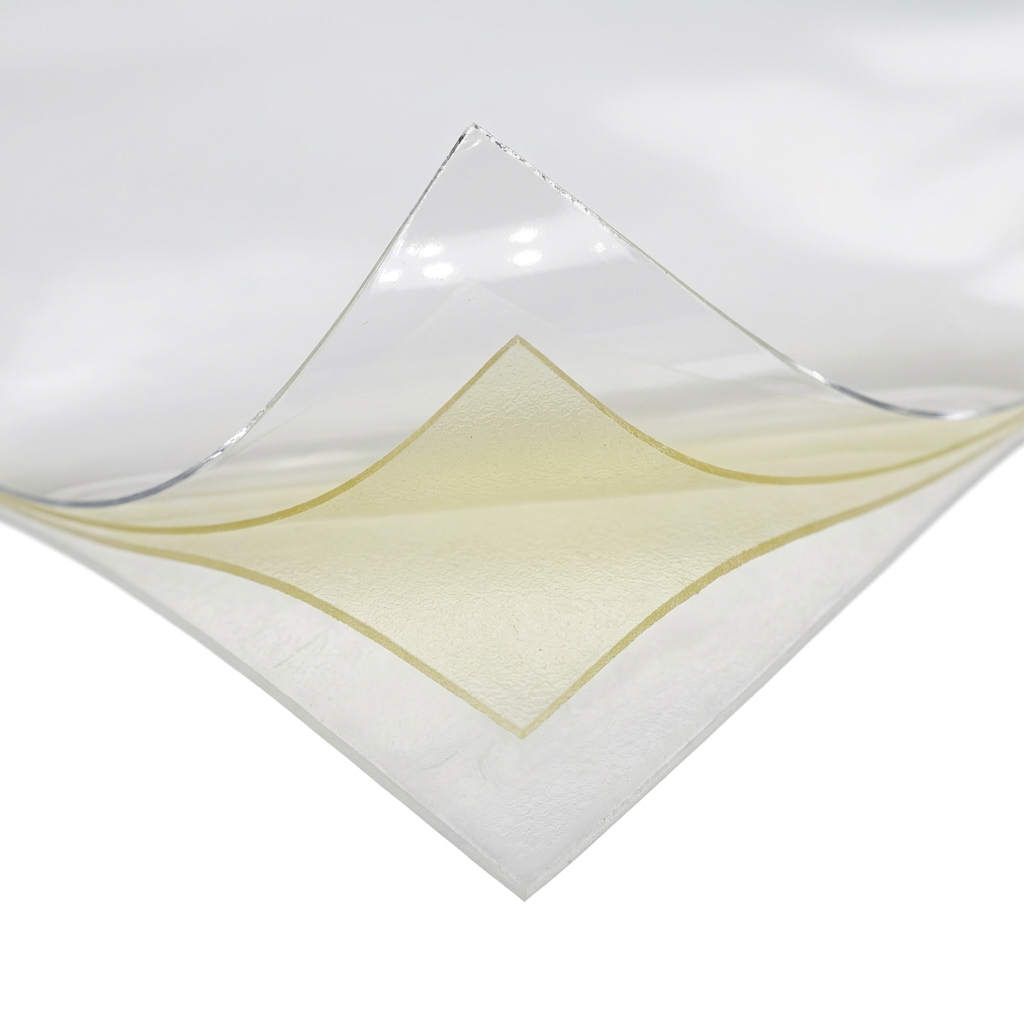
Printable PET supports graphics, stiffness, and the outside handling surface.
Nylon / PA can add puncture and flex-crack support for vacuum, frozen, industrial, seafood, or medical accessory packs.
Adhesive bonds the toughness layer and sealant while maintaining the selected laminate structure.
PE sealant is reviewed for seal strength, contamination risk, cold-chain handling, and machine conditions.
Vacuum pouch projects should confirm vacuum chamber or external vacuum equipment, product shape, fill weight, pouch size, sealant layer, seal area, and carton packing before sampling.
PA/PE, nylon/PE, PA/EVOH/PE, oxygen barrier, puncture resistance, seal strength, seal integrity review, filling process, cold-chain route, and food-contact documentation should be reviewed together.
Review packed product, fill weight, pouch size, vacuum chamber or external vacuum machine, loading method, and carton packing.
Compare PA/PE, nylon/PE, PA/EVOH/PE, oxygen barrier, puncture resistance, and sealant layer requirements.
Confirm seal strength, seal integrity review, vacuum level, filling process, thermoforming needs, cold-chain route, and sample testing inputs.
Material declarations, artwork proof, seal checks, sample approval notes, and food-contact documentation can be reviewed by project scope.
Representative parameters. Actual review points depend on material structure, packed product, vacuum equipment, and customer acceptance range.
Structure
PA/PE, nylon/PE, PA/EVOH/PE, or PET/PA/PE reviewed by product and barrier target
Puncture Resistance
Reviewed against bone-in meat, seafood shells, frozen product edges, and filling process
Oxygen Barrier
Reviewed by PA/PE or PA/EVOH/PE structure, storage route, and shelf-life test scope
Cold-Chain Handling
Reviewed by storage temperature, transport route, carton packing, and sample approval tests
Seal Strength
Reviewed by sealant layer, seal window, vacuum chamber or external vacuum equipment, and seal integrity checks
Documentation
Material declarations, artwork proof, sample approval notes, seal checks, and food-contact documentation by project scope
Puncture resistance, seal strength, and cold-chain handling reviewed for meat vacuum pouches
Oxygen barrier, seal integrity, and puncture review for fish and shellfish formats
Sealant layer, filling process, and artwork review for sliced meat and prepared foods
PA/EVOH/PE barrier target, sample approval, and food-contact documentation reviewed by project
Use these photos as format references. Final size, structure, print layout, and testing scope are reviewed against your product, filling method, and target market.
Lower-impact structure options can be reviewed when the product, filling process, target market, and recovery route support them.
Common issues we help vacuum pouch buyers avoid during project coordination.
Embossed or textured vacuum pouch films rely on surface channels to evacuate air. If channel depth or pattern spacing falls outside specification, residual air pockets remain trapped, undermining vacuum integrity and shortening product shelf life.
Liquids, powders, or oils from the product can migrate into the seal area during filling. Even trace contamination in the seal zone weakens bond strength and creates micro-leak paths that only become apparent days after packing.
High-barrier vacuum pouches often use a nylon layer for puncture resistance. Under aggressive vacuum levels, poorly bonded nylon layers can delaminate at the edges, causing the pouch to lose its structural integrity during storage or transit.
Vacuum pouches can shrink significantly once evacuated, altering the effective fill area. If final dimensions are not validated against the actual post-vacuum profile, labels may wrinkle, barcodes may become unscannable, and case-pack counts may not fit.
Products with sharp edges—bone-in cuts, frozen seafood shells, angular frozen blocks—can puncture the inner layer during handling or stacking. Specifying adequate puncture resistance and testing with actual product geometry prevents field failures.
For Vacuum Pouches, buyers usually compare PA/PE, nylon/PE, PA/EVOH/PE, PET/PA/PE, vacuum equipment fit, filling process, and food-contact documentation needs.
Common structures include PA/PE, nylon/PE, PET/PA/PE, and PA/EVOH/PE. The best choice depends on barrier target, filling process, packed product, shelf-life test scope, and target market.
Compare nylon/PE structure options, puncture resistance review, seal integrity review, cold-chain inputs, sample testing inputs, artwork proofing, and food-contact documentation scope before confirming MOQ.
Supplier declarations, food-contact documentation, migration testing, third-party testing, artwork proof, seal test records, and sample approval notes can be reviewed by project scope and selected structure.
Vacuum Pouches are commonly specified for meat, seafood, frozen food, pet food, cheese. NIAITE can adjust barrier, sealant, closure, and print finish for the packed product.
Vacuum Pouches are commonly reviewed for bone-in meat, seafood, cheese, deli products, frozen products, and pet food portions where oxygen barrier, puncture resistance, seal strength, and seal integrity matter.
Please confirm packed product, fill weight, pouch dimensions, PA/PE or nylon/PE structure target, PA/EVOH/PE barrier target when needed, vacuum chamber or external vacuum machine type, filling process, cold-chain route, carton packing, artwork, MOQ planning, sample testing inputs, and sample approval requirements.
Material declarations, artwork proof, sample approval notes, seal checks, project QC records, and food-contact documentation can be reviewed when they apply to the selected structure, product type, and target market.
Production workflow follows GMP-style hygiene and handling controls; no site-level GMP registration is claimed.
ISO 9001-style QC records, material declarations, seal checks, and food-contact documentation can be reviewed by project scope.
DDP / FOB / CIF coordination can be reviewed by destination and project scope.
Project-level recyclable-ready or lower-impact structures can be reviewed where the final specification supports them.
Project support for material review, artwork coordination, sampling, and production follow-up within the agreed scope.
Production routing, order volume, lead-time assumptions, and capacity fit are reviewed for each confirmed project.
Tell us your product, target weight, and requirements.
We recommend materials, structure, and provide pricing.
Confirm details, approve artwork, and production begins.
QC checkpoints and shipment scope are confirmed by project.
Updated:
Work with NIAITE for material review, sampling guidance, QC checkpoints, and export project coordination.