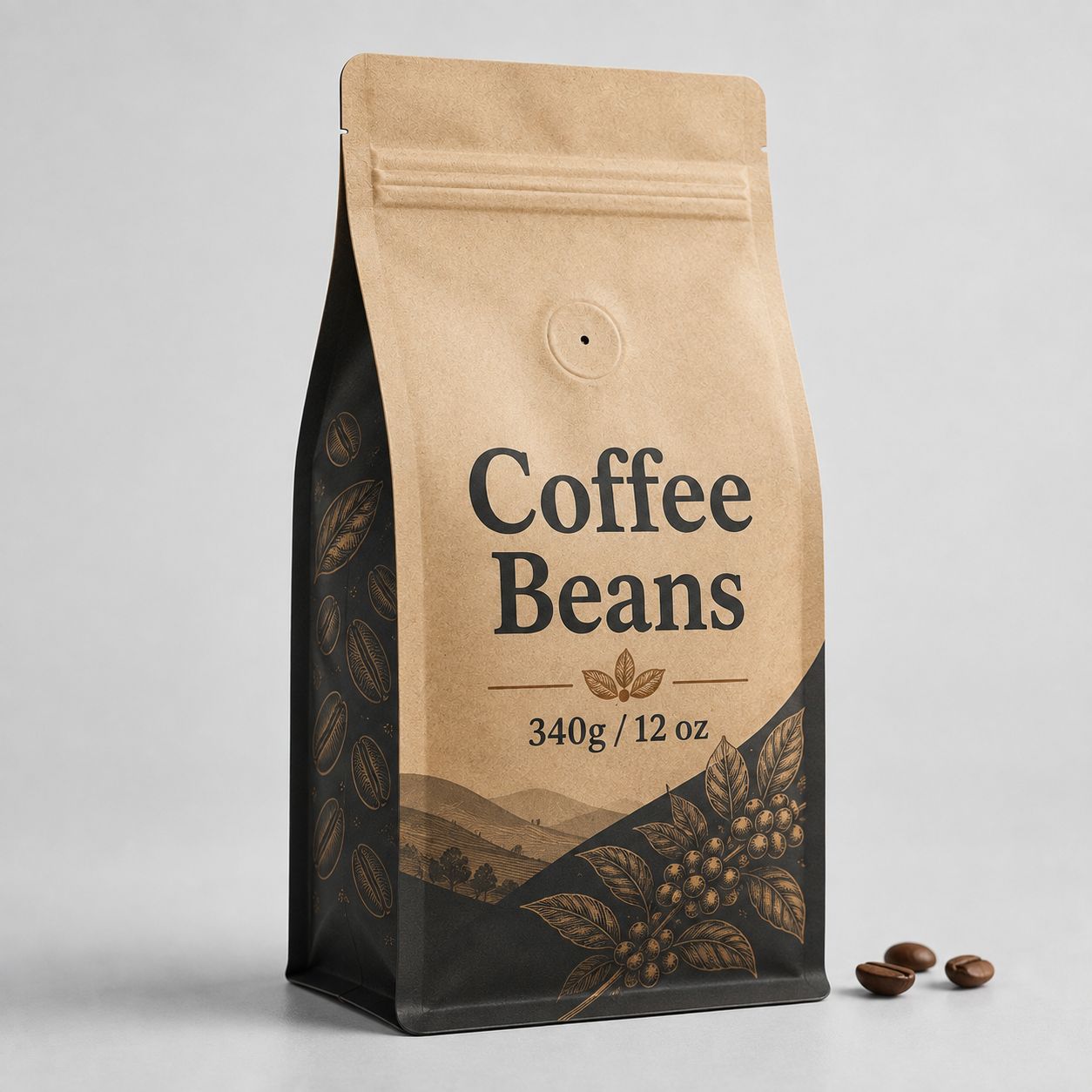
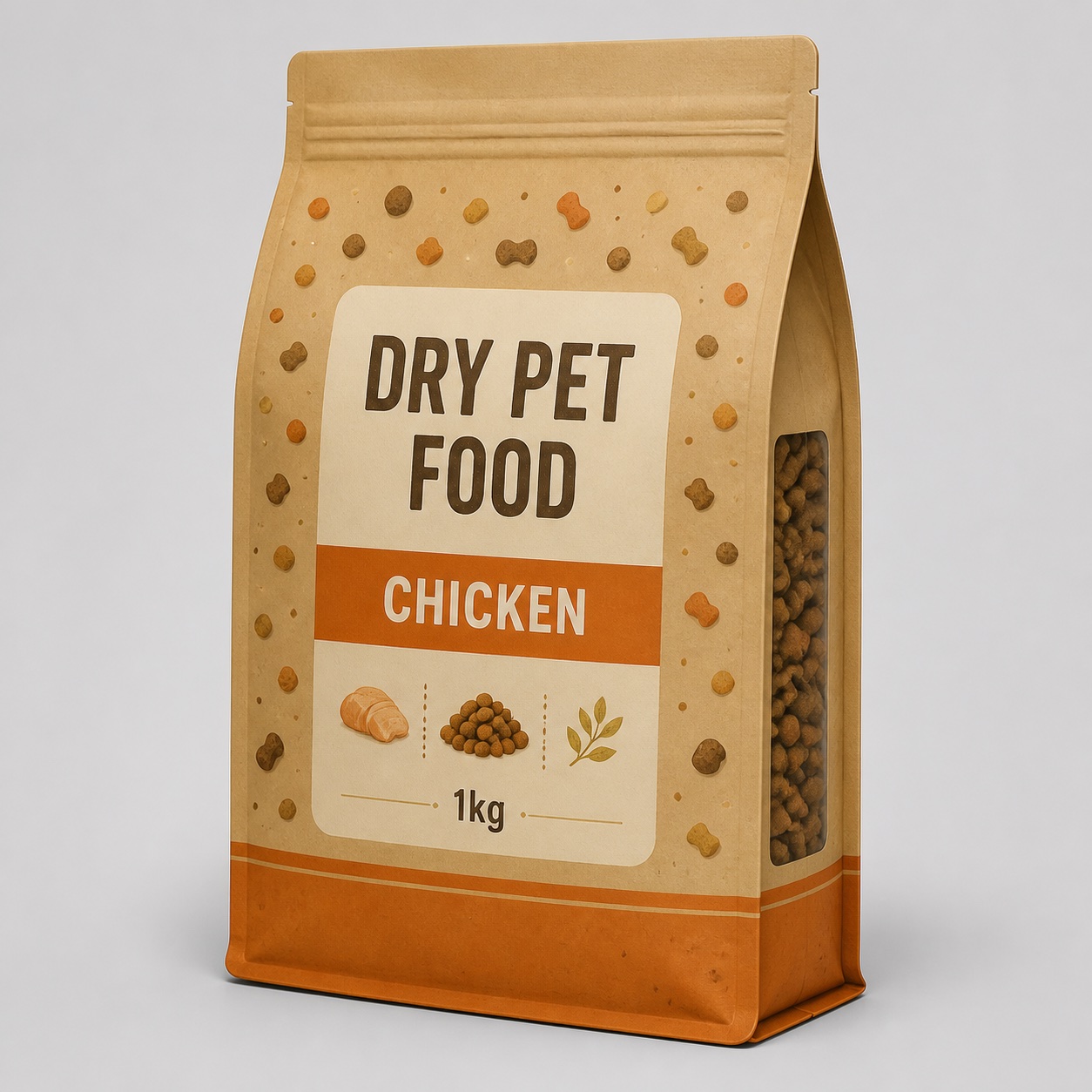
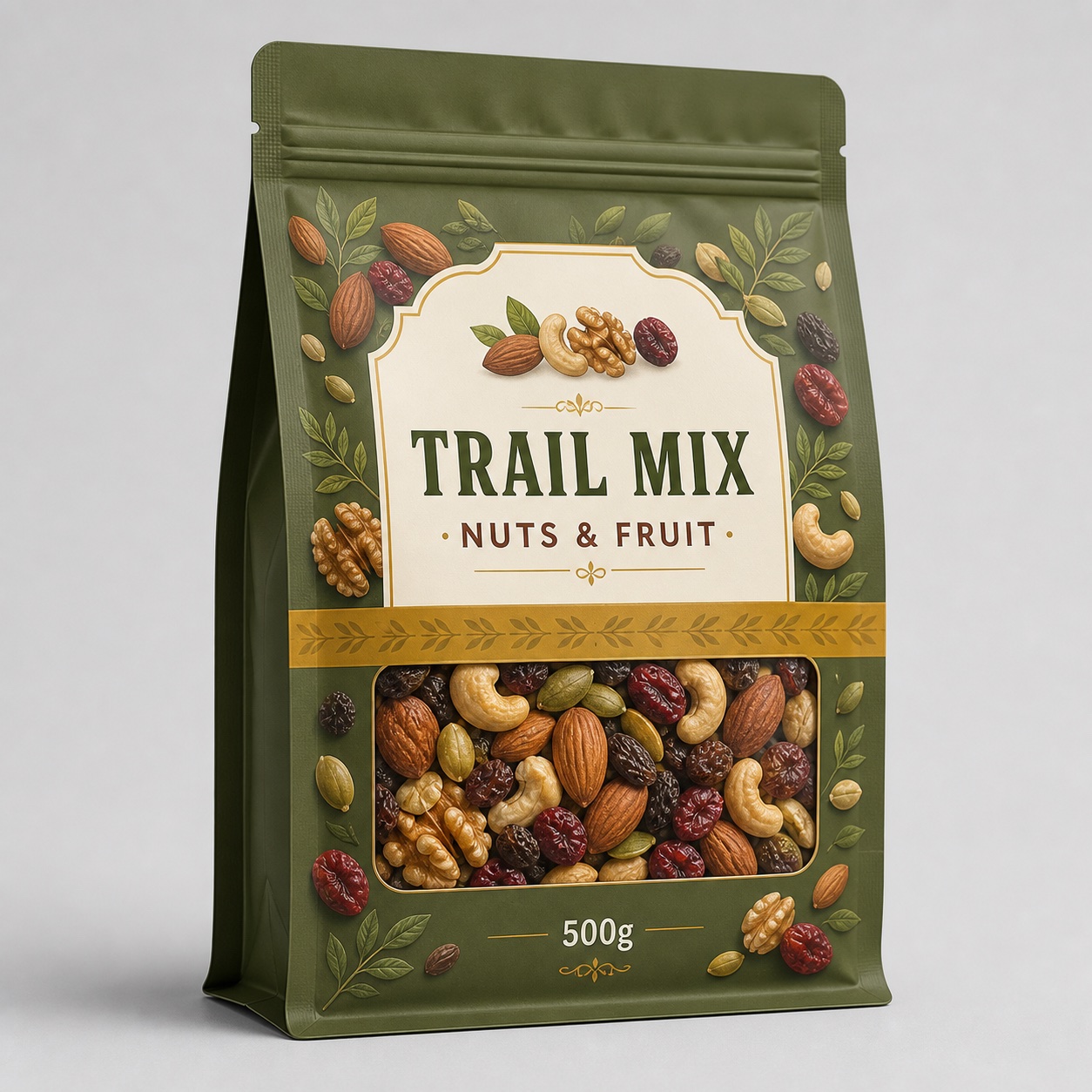
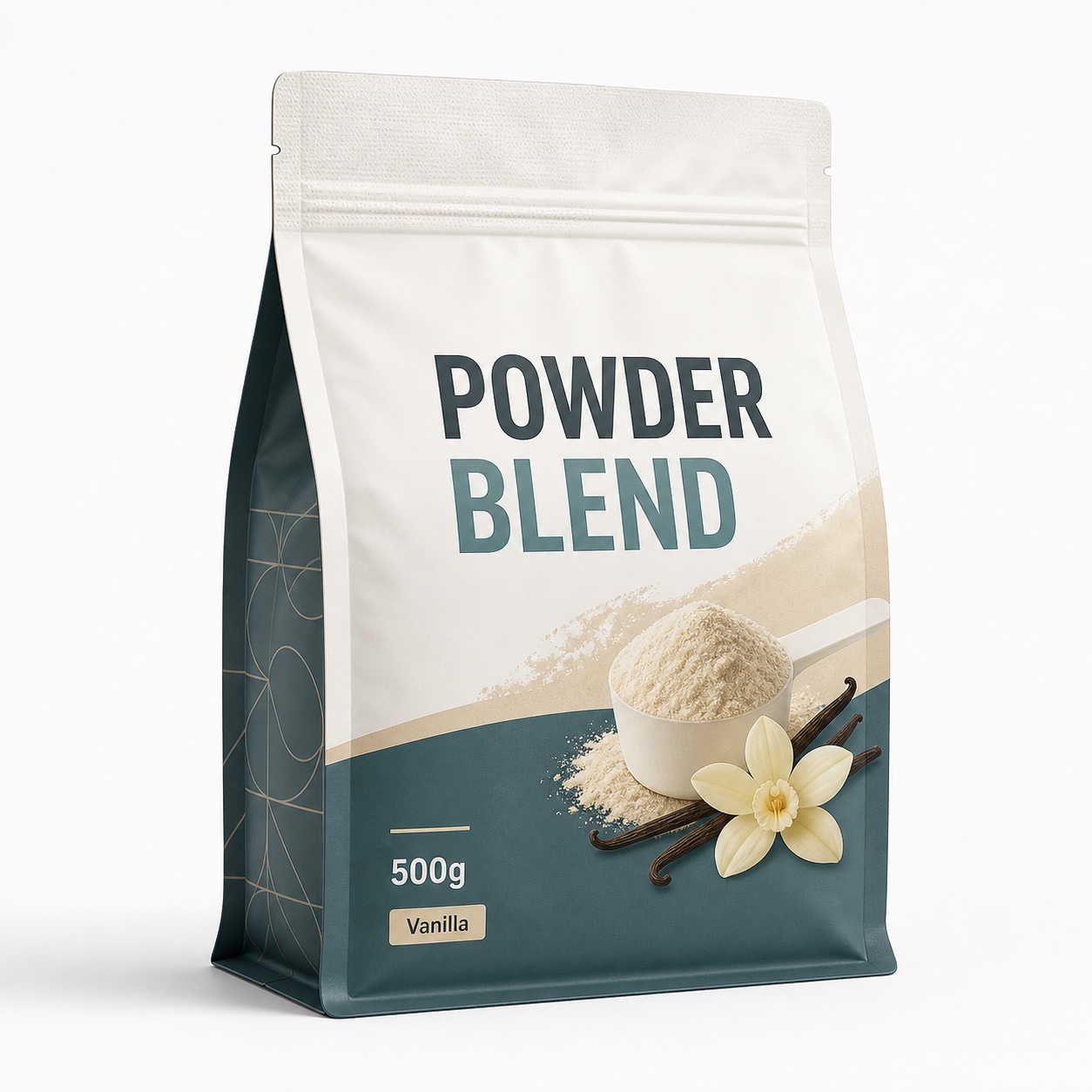
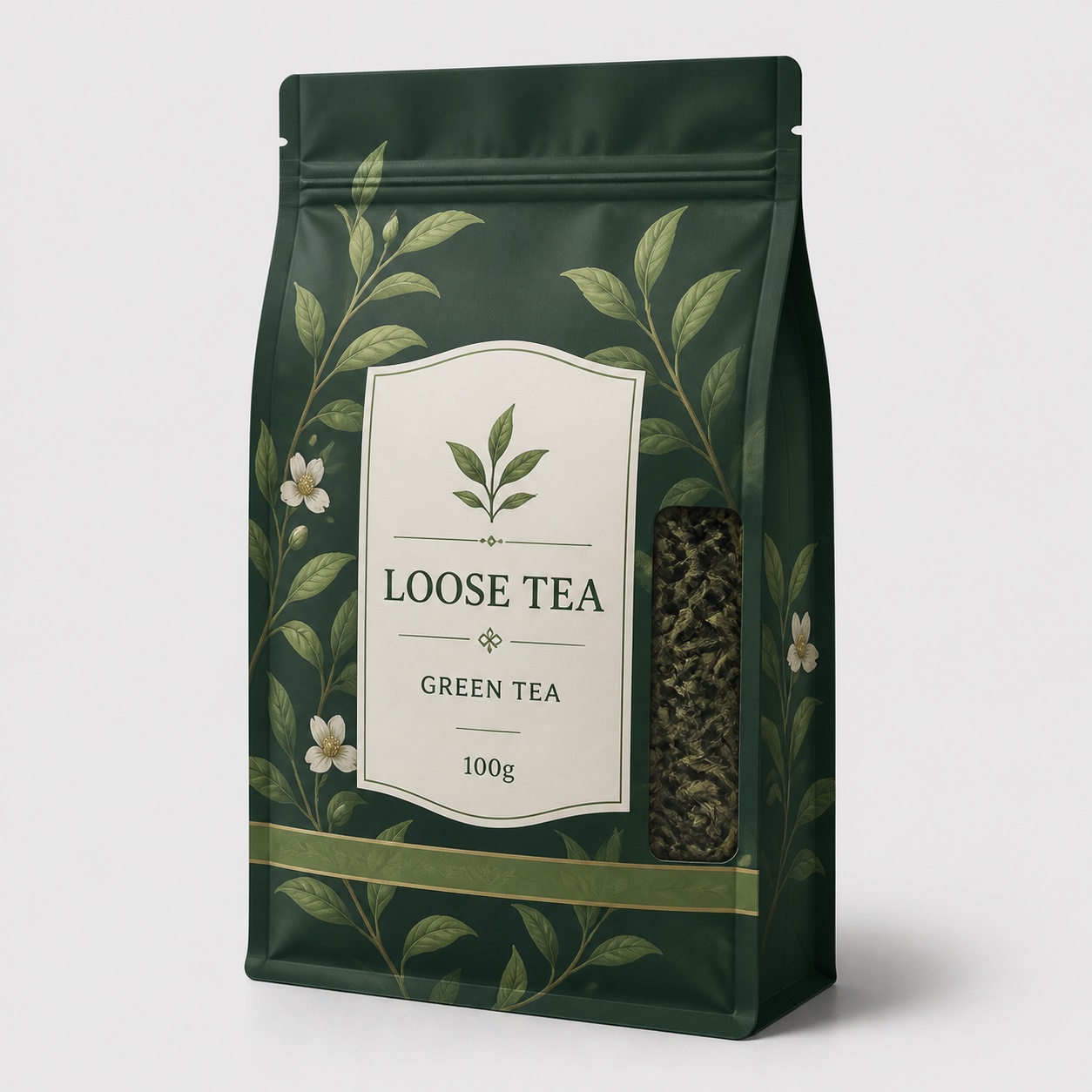
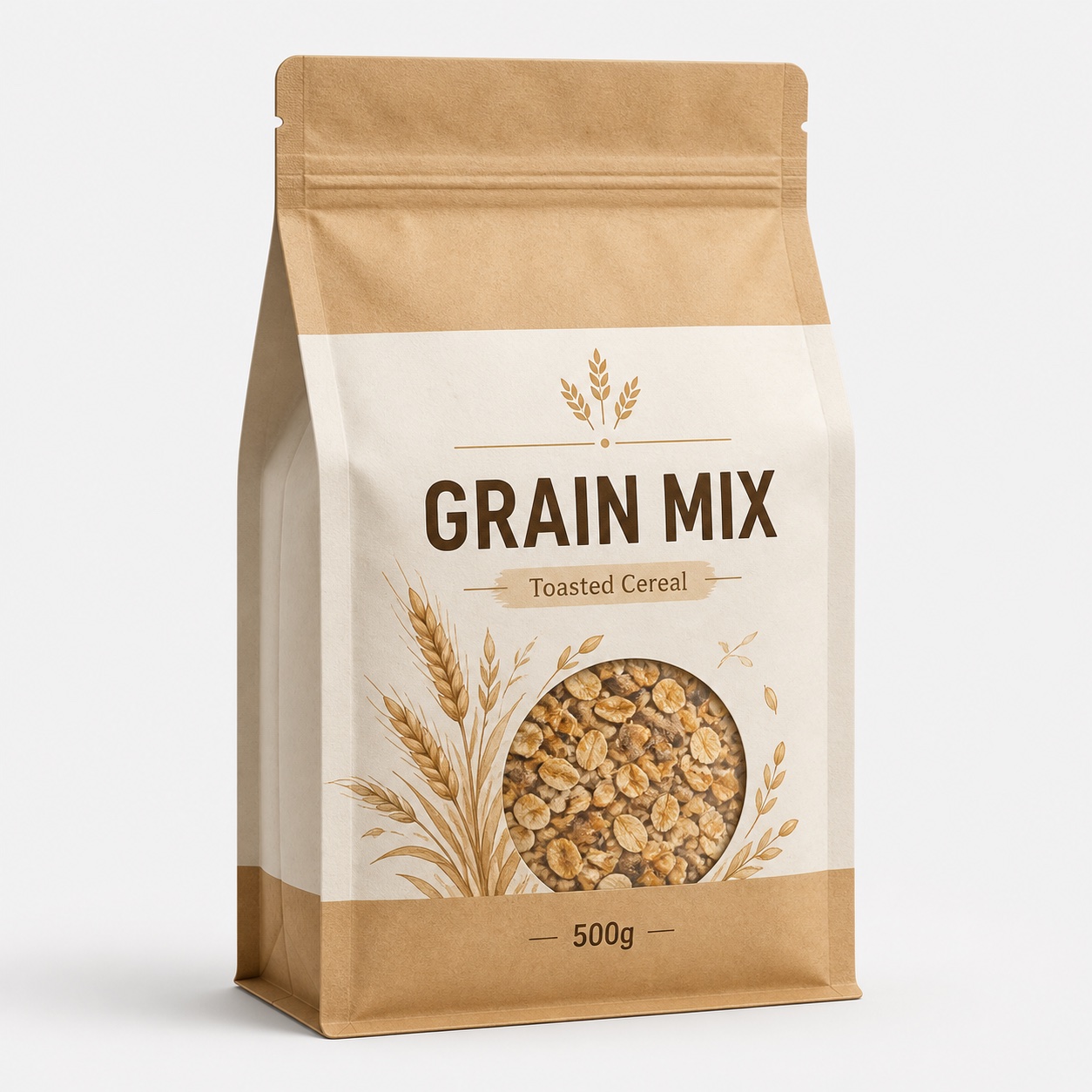
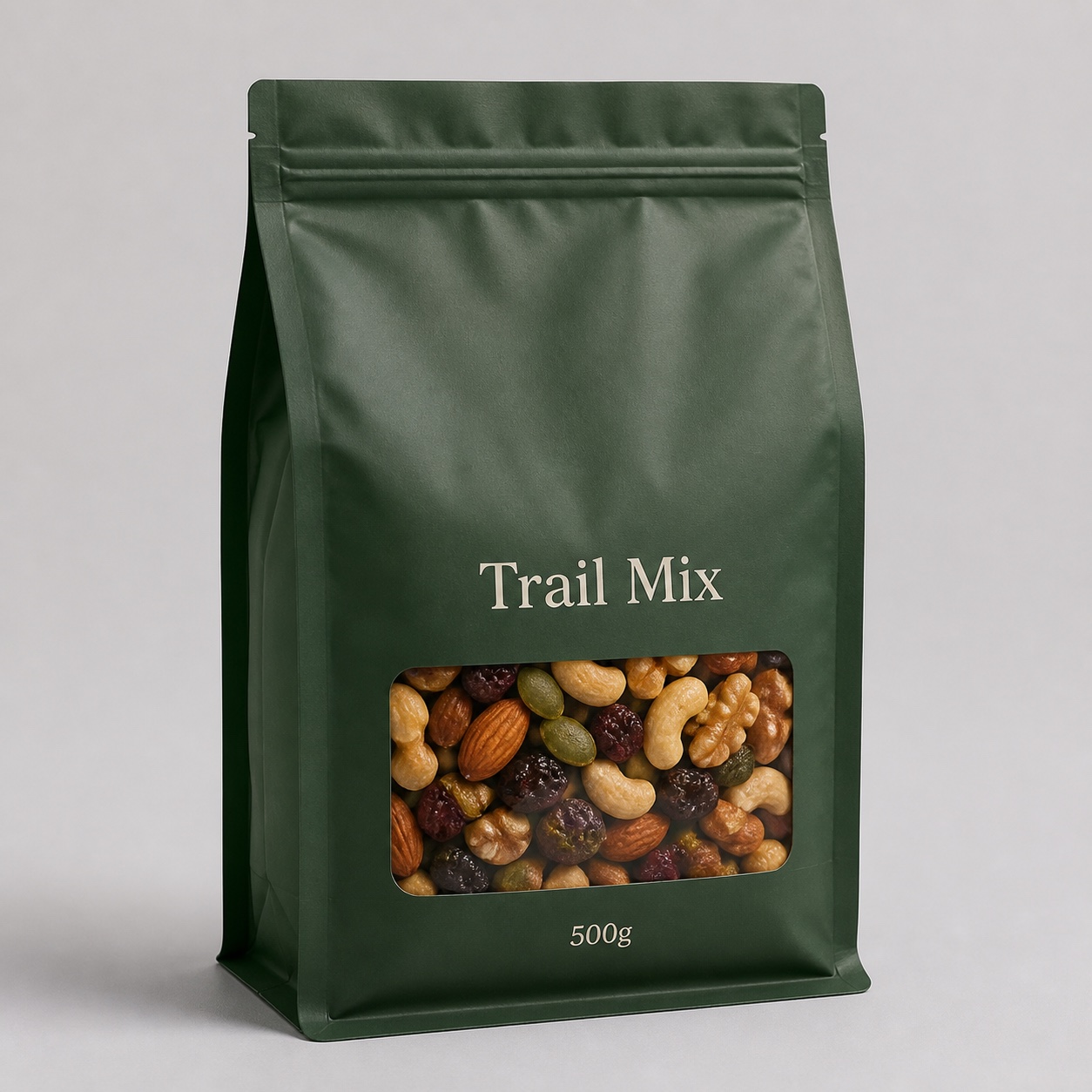
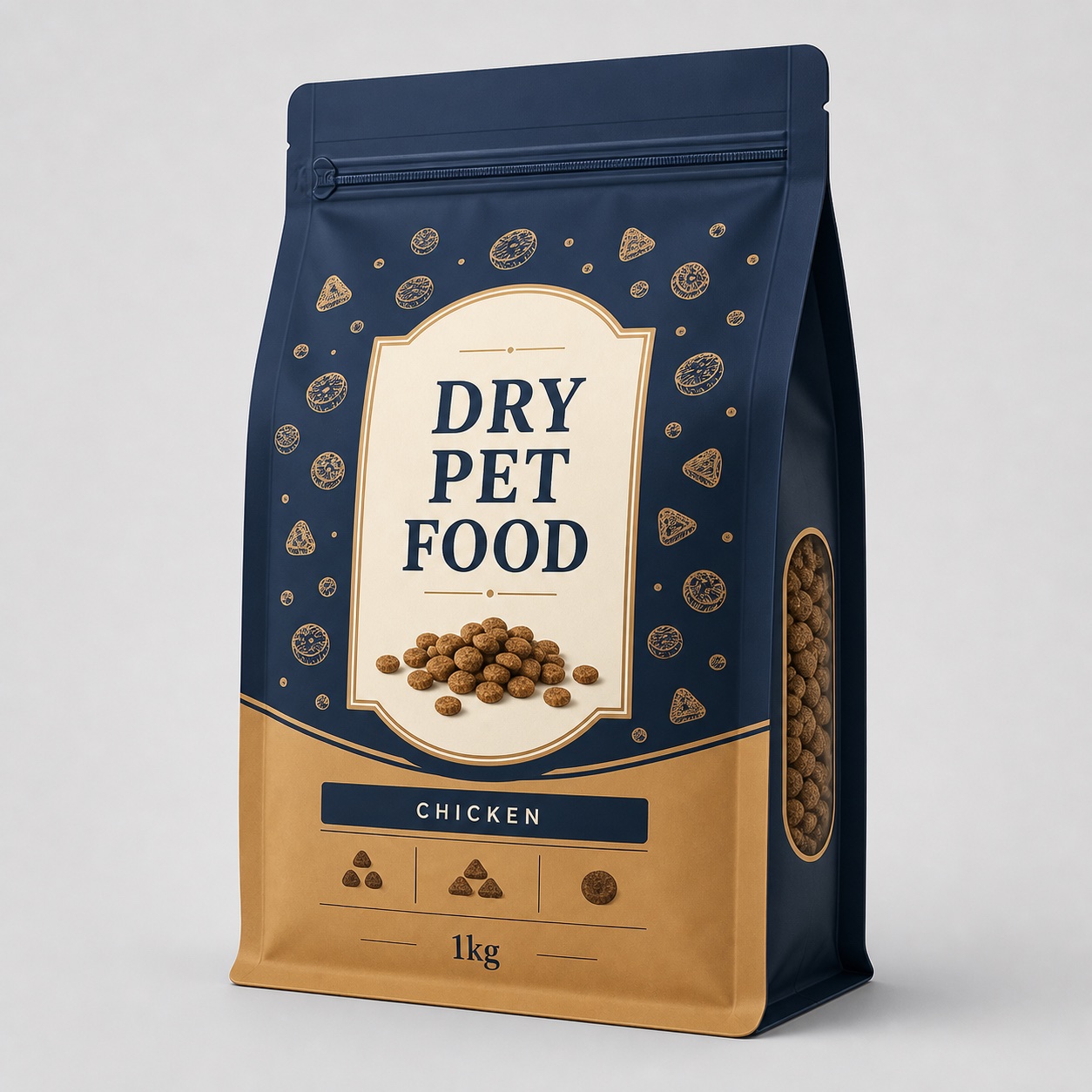
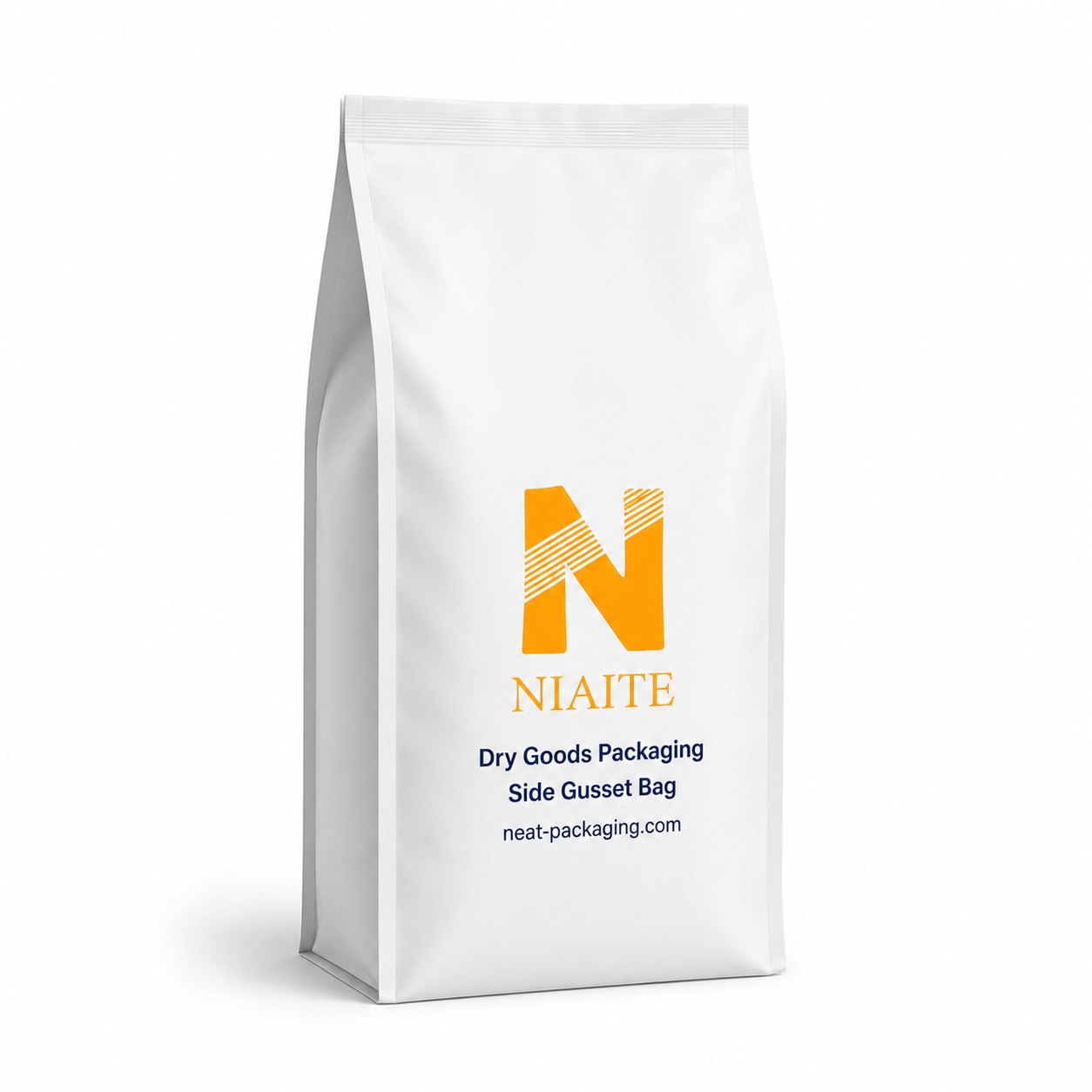
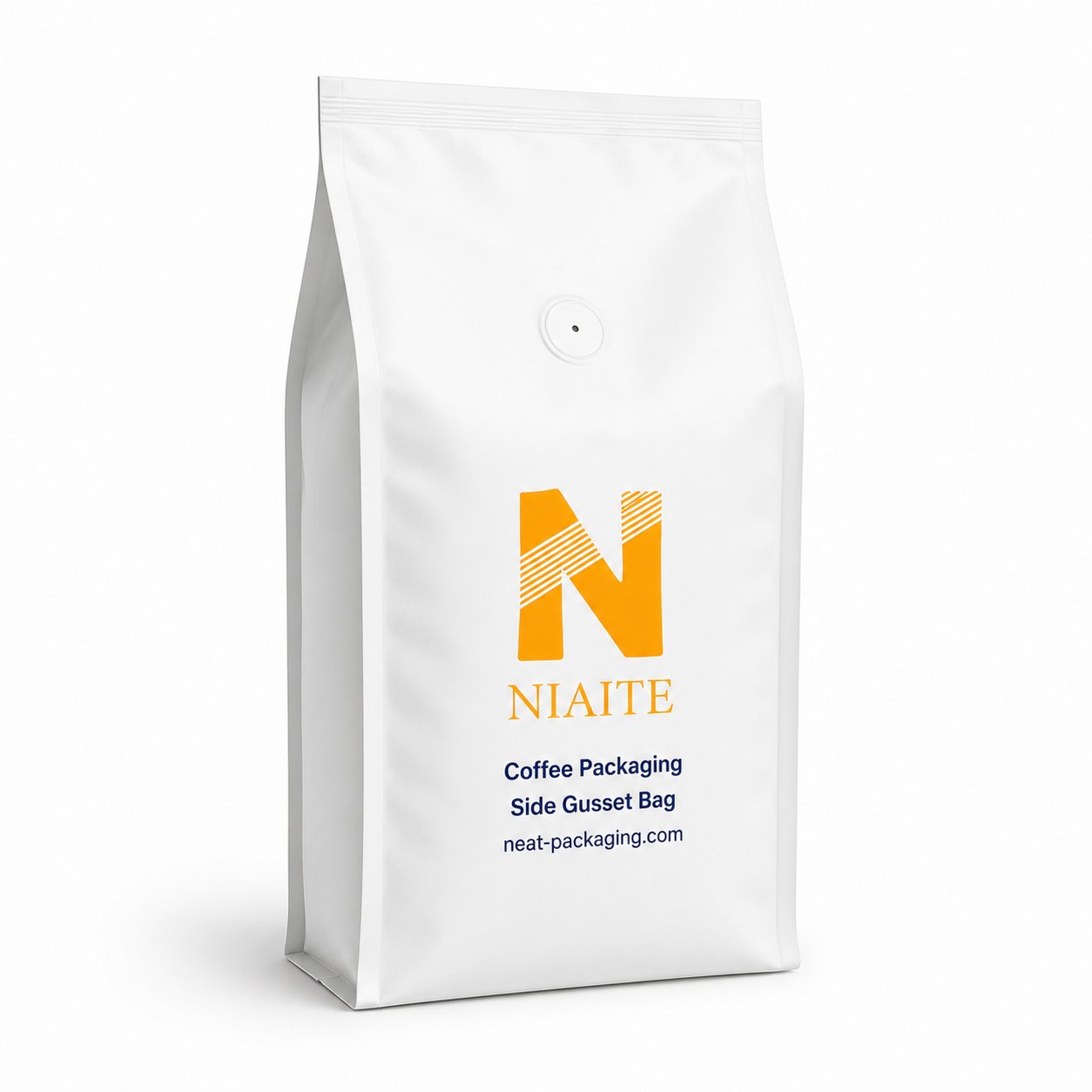
Flat bottom pouch product group for coffee, trail mix, grain, and pet food
Flat Bottom Pouches
Home / Products / Flat Bottom Pouches

Custom Flat Bottom Pouches for Coffee, Pet Food & Snacks

A flat bottom pouch, also called a box-bottom pouch, is a five-panel pouch with a rectangular base that stands upright on its own, which is why coffee, pet food, nuts, tea, and other dry goods use it for stable shelf display. For digital printing on selected standard specifications, custom printed flat bottom pouches start at 1,000 pouches per order and 1,000 per design.

Product Overview

Engineering Excellence: Flat Bottom Pouch

A flat bottom pouch, also called a box-bottom pouch, uses a flat base and five-panel construction to stand upright on retail shelves for coffee, tea, nuts, trail mix, and pet food.

Side gusset capacity, front zipper placement, optional degassing valve, kraft/PET/PE, and foil laminate structures can be matched to the packed product and stable shelf display requirements.

Short Answer

Flat Bottom Pouch at a Glance

Question Short answer
Construction Five panels: front, back, two side gussets, and a flat rectangular base that can also carry print
Common structures PET/PE for general dry goods, PET/VMPET/PE for moderate barrier targets, PET/AL/PE foil laminate for coffee, tea, and nuts, kraft/PET/PE for a natural look
Closures and valve Front zipper (butterfly or PTC), top zipper, or tin-tie; optional one-way degassing valve for freshly roasted coffee
Film thickness Representative range 80–150 μm, depending on structure
Digital printing starting point 1,000 pouches per order and 1,000 per design on selected standard specifications
Gravure printing Up to 10 colors; 5,000 pouches per design, with printing plates quoted separately
Typical products Coffee, pet food, nuts and trail mix, tea and herbs, granola and cereals, protein and supplement powders

Starting points are practical references rather than universal minimums. Size, material structure, finishes, and artwork count can change final eligibility, and setup and proofing costs may apply.

Format Decision

Flat Bottom vs Side Gusset vs Quad Seal vs Stand-Up: Which Pouch Fits?

Choose the pouch around shelf stability, panel layout, fill weight, packing method, closure, barrier target, and distribution conditions. The largest-looking pouch is not automatically the best fit: the base geometry, gusset opening, final seal, packed-product behavior, and retail display plan must work together.

Flat Bottom Pouch

Consider when five printable panels, an upright box-shaped base, and front zipper or valve placement support the shelf plan. Confirm base dimensions, side-gusset opening, fill weight, headspace, closure position, and how the filled pouch settles.

Side Gusset Bag

Consider when a traditional gusseted profile, vertical fill space, or coffee-style bag presentation matters more than a completely flat base. Confirm bottom-seal style, gusset depth, closure plan, valve position, and shelf support.

Quad Seal Pouch

Consider when four reinforced vertical seals and a more defined pack profile suit the target fill and handling route. Confirm corner geometry, seal placement, filling method, packed density, pallet or carton compression, and display orientation.

Stand-Up Pouch

Consider when a doypack-style bottom gusset, lighter pack format, or simpler front-and-back artwork plan fits the project. Confirm fill opening, bottom-gusset expansion, zipper position, pack height, shelf footprint, and final-seal access.

Flat Bottom Pouches for Nuts and Specialty Foods

For nuts and specialty dry foods, start with product oil sensitivity, oxygen and moisture targets, piece shape, sharp-edge risk, fill weight, zipper use, window tradeoffs, and distribution conditions. The existing pistachio and nut packaging guide provides the related product-input context without creating a second competing flat-bottom page.

Format selection still requires actual dimensions, samples, and filled-pack drop, compression, seal, and shelf-stability checks. Empty-pouch appearance alone does not establish packed performance or product shelf life.

When a Flat Bottom Pouch Is Not the Right Fit

  • Many designs at small quantities. The digital starting point is 1,000 per design, which is higher than for some other pouch formats. For several small SKU trials, compare per-design starting points in the pouch-style MOQ guide.
  • Liquids and pourable sauces. This format is built for dry goods; flowable products usually need a spout pouch.
  • Very small or single-serve fills. Small flat bottom pouches can be made, but the base needs enough product to settle and stand, and the five-panel construction adds converting work; for samples and single portions a 3 side seal pouch or sachet is usually simpler.
  • Large, heavy fills. Flat bottom pouches are also used for heavier coffee and pet food packs, but for large fill weights it is worth comparing a quad seal pouch, whose four vertical corner seals help it hold a squared shape, on seal strength, drop performance, stacking, and cost before choosing.

Product and Shelf Inputs

Fill, footprint, display

Box-Bottom Route

Base, gusset, panels

Sample and Fill Checks

Closure and pack shape

Documentation Scope

Structure and market

Why Flat Bottom Pouches?

Stable Shelf Display

The box-bottom pouch base helps the pack stand upright on retail shelves while keeping the front brand panel visible.

Five-Panel Construction

Five-panel construction and side gusset expansion can be specified for coffee, pet food, nuts, trail mix, and premium dry goods.

Front Zipper & Valve

Front zipper placement keeps the brand panel visible after opening, and a degassing valve can be added for coffee projects.

Structure Review

Kraft/PET/PE, PET/AL/PE, foil laminate, zipper, valve, MOQ, and sample approval inputs can be reviewed before production.

How to Choose the Right Flat Bottom Pouch

Key factors to evaluate once the flat bottom format is confirmed for your project.

Base Dimensions & Fill Weight

The flat base sets the pouch footprint and how the filled pack settles on shelf. Confirm base width and depth against fill weight and headspace: an oversized base under a light fill leaves the pouch looking under-filled, while an undersized base makes it unstable.

Side Gusset Opening & Panel Layout

Five printable panels give you front, back, two side gussets, and the base for artwork. Confirm how far the side gussets open at your actual fill weight, because gusset opening changes both the shelf-facing area and the usable print area on each panel.

Closure & Valve Placement

Front-panel zippers, top zippers, and tin ties each sit differently against the pouch face, and a degassing valve can be reviewed for freshly roasted coffee. Placement affects artwork layout and the filling sequence, so fix it before the dieline is finalized.

Material Structure & Finish

Kraft/PET/PE structures give a natural look, PET/PE suits general dry goods, and foil laminates are reviewed for oxygen- and moisture-sensitive contents. Matte, gloss, and soft-touch finishes change how the flat panels read under retail lighting.

Why This Product

What Makes Flat Bottom Pouches Special

Five-Panel Box Construction

Unlike standard stand-up pouches, flat bottom pouches are formed from five panels creating a true rectangular base. This box-bottom pouch format supports stable shelf display and a wide front panel for retail branding.

Premium Shelf Standout

The flat base plus tall front panel creates a billboard effect for branding. Combined with front zipper placement (below the print zone), the brand artwork remains permanently visible even after opening — a key advantage over top-zip pouches.

Front Zipper & Valve Integration

Horizontal front zipper (butterfly or PTC) positioned below the brand panel, plus optional one-way degassing valve for coffee. This combination can support consumer opening and aroma release control when validated for the project.

Versatile Size Range

Side gussets expand to accommodate project-specific fill volumes while the flat bottom maintains stability. Common uses include coffee, pet food, nuts, trail mix, granola, and premium dry goods.

Technical Expertise

Material Structure Guide

Choose the right material structure based on box-bottom pouch barrier, side gusset strength, zipper, valve, and shelf display requirements.

★ Recommended for Flat Bottom Pouches

PET / AL / PE

Coffee & tea — aluminum barrier with valve compatibility

PET / VMPET / PE

Nuts & snacks — cost-effective with moderate barrier

Structure Application Barrier Level
PET / PE Standard structure for dry flat bottom pouch projects Standard
PET / VMPET / PE Metallized barrier for dry goods with moderate barrier targets Medium
PET / AL / PE Foil laminate for coffee, tea, nuts, trail mix, and barrier-sensitive dry goods High
PET / NY / PE Puncture resistance for pet food and larger side gusset packs High
Kraft / AL / PE Natural look with high barrier High
Mono PE Recyclable mono-material structure Standard
Material Engineering

Physical Layers Visualization

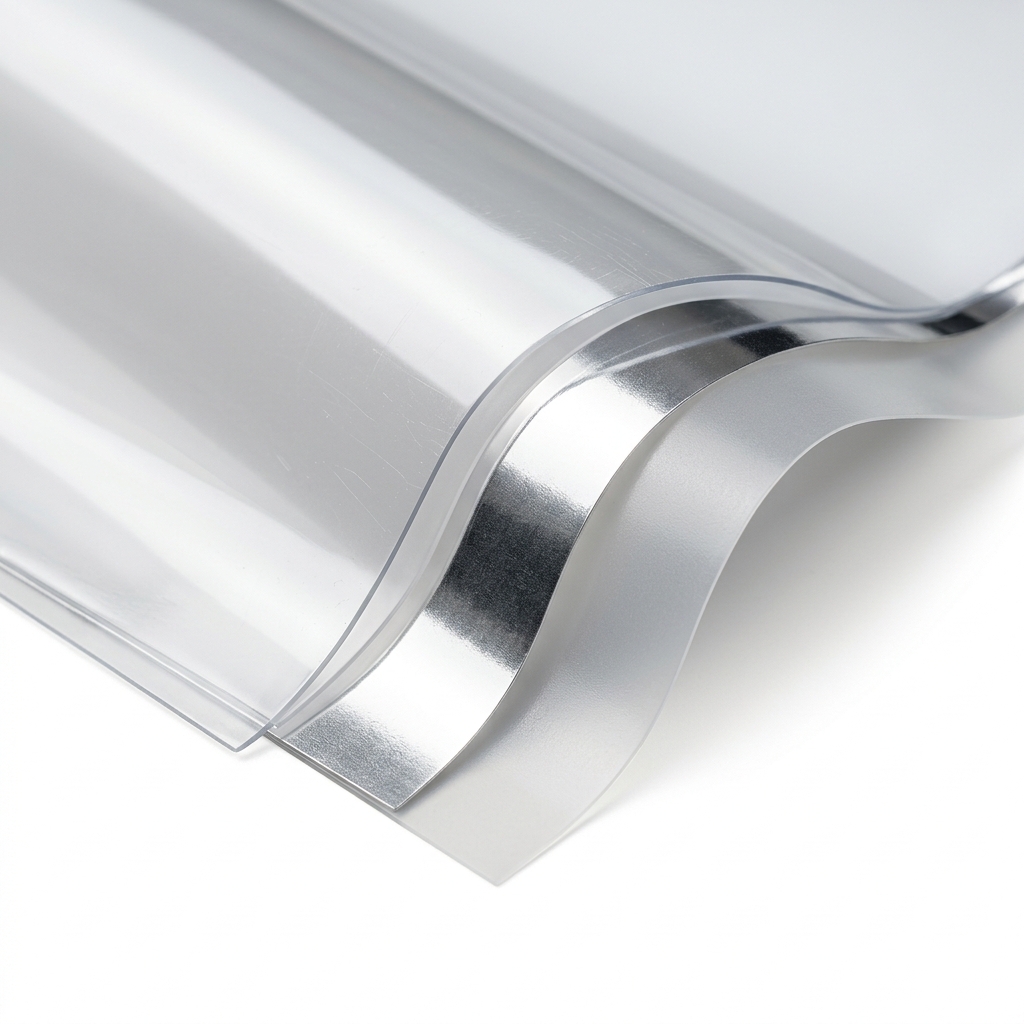
A transparent look at how we build structural integrity into every Flat Bottom Pouch. Visit our material guide for more details.

NIAITE general pouch laminate diagram with print, barrier film, adhesive and PE sealant layers

PRINT / PET

Printable Outer Web

Printable PET supports artwork, registration marks, varnish or matte finish, and the outer handling surface.

BARRIER FILM

Moisture / Aroma Option

Barrier film is selected around moisture, aroma, grease, light, and shelf-life targets for the packed product.

ADHESIVE

Lamination Bond

Adhesive bonds the print web, barrier option, and sealant into one stable laminate after curing and testing.

PE SEALANT

Heat-Seal Inner Layer

PE sealant is reviewed for heat-seal window, jaw temperature, dwell time, COF, filling conditions, and pack format.

Flat Bottom Inputs

Custom Box-Bottom Pouch Options

Stable Shelf Display

Bottom width, side gusset depth, panel stiffness, and fill volume are reviewed together so the pouch stands correctly after filling.

Front Zipper Placement

Front zipper, top zipper, tin-tie, tear notch, and laser score options can be matched to coffee, pet food, nuts, trail mix, and tea projects.

Valve & Barrier Review

Degassing valve, foil laminate, clear window, kraft/PET/PE, and PET/AL/PE options are reviewed against aroma, moisture, and oxygen targets.

Documentation Support

MOQ, material declarations, migration test scope, artwork check, sample approval, and third-party testing needs are confirmed by project.

Hang Holes

  • Euro hole
  • Carry hole
  • Round hole

Tear Notch

  • V-type notch
  • Normal notch
  • Dot notch
  • Laser score

Windows

  • Standard window
  • Tailored shape
  • Matte / Glossy

Zippers

  • PTC zipper
  • Butterfly zipper
  • Velcro zipper
  • Slider zipper

Technical Specifications

Representative parameters. Actual values depend on material structure and customization.

Film Thickness

80–150 μm (varies by structure)

Construction

five-panel construction, box-bottom pouch, side gusset

Oxygen Barrier (OTR)

Low to ultra-low (VMPET or AL options)

Closure Options

Front zipper, top zipper, valve, tin-tie

Fill Weight

Project-specific fill weight and stable flat base review

Printing

Up to 10 colors rotogravure

Sustainable Solutions

Lower-Impact Structure Review

Lower-impact structure options can be reviewed when the product, filling process, target market, and recovery route support them.

Where Flat-Bottom Pouch Projects Go Wrong

Common issues we help flat-bottom pouch buyers avoid during project coordination.

Bottom Gusset Fold Precision

Flat-bottom pouches rely on a precise bottom gusset to stand upright on shelves. Even a 2mm fold deviation causes pouches to lean or collapse under product weight, triggering retailer complaints. Review gusset fold samples under load and confirm fold tolerance with the production team before approving the run.

Print Registration on 4+ Panels

Flat-bottom pouches have four visible panels plus a bottom face. Artwork that registers well on a two-panel bag may shift across multiple folds, making barcodes unscannable or brand elements misaligned. Coordinate press proofs that show all panels simultaneously and verify registration tolerance before production.

Material Stiffness for Shelf Stability

A laminate that is too flexible won't hold the flat-bottom shape when filled, causing the pouch to slouch on shelf. Too stiff and it cracks at fold lines. Specify material stiffness targets based on the actual fill weight and product density, then confirm with filled samples before scaling up.

Zipper Alignment Across Panels

On flat-bottom pouches the zipper track spans across the front and back panels through side gussets. Misalignment at the gusset transitions makes the zipper hard to close or creates weak points that leak. Check zipper continuity on pre-production samples by opening and resealing multiple times across the full track width.

Fill Weight vs. Pouch Volume Mismatch

The box-like shape of flat-bottom pouches makes volume estimation tricky — the usable fill space is smaller than the flat-sheet dimensions suggest. Ordering based on sheet size alone leads to overfilled pouches that won't seal or underfilled bags that look half-empty. Verify actual fillable volume with a water-fill test on samples before confirming the size spec.

Compare Materials Before You Quote

For Flat Bottom Pouches, buyers usually compare PET/PE, PET/AL/PE, kraft/PET/PE, foil laminate, front zipper, degassing valve, side gusset, and stable shelf display needs.

Frequently Asked Questions

A flat bottom pouch, also called a box bottom bag, has a front panel, a back panel, two side gussets, and a flat rectangular base. Unlike a stand-up pouch, which stands on a folded bottom gusset, it sits on its base like a carton, and all five panels can carry artwork.

Flat bottom pouch and box-bottom pouch formats are best suited to coffee, tea, nuts, trail mix, granola, pet food, and premium dry goods that need stable shelf display and a larger front panel. Fill weight, piece shape, and barrier target decide the final size and structure.

Common structures include PET/PE, PET/VMPET/PE, PET/AL/PE, and kraft/PET/PE. The best choice depends on barrier target, filling process, packed product, shelf life, and target market.

For digital printing on selected standard specifications, the practical starting point is 1,000 pouches per order and 1,000 per design. Size, material structure, printing method, finishes, and artwork count can change final eligibility. Setup and proofing costs may apply, especially for low-volume or multi-design orders.

Gravure printing: 5,000 pouches per design for all pouch formats. Unit price includes machine setup and printing proofs; printing plates are quoted separately. Multiple designs may be gang-printed when size, material and schedule allow; confirmed per project.

Yes. A front zipper (butterfly or PTC) below the brand panel, a top zipper, or a tin-tie can be reviewed, and a one-way degassing valve can be added for freshly roasted coffee. Pouch size, side gusset, kraft/PET/PE or foil laminate structure, print finish, and sample approval requirements are tailored by project. Closure and valve positions change the dieline, so they are fixed before artwork is finalized.

Supplier declarations, material declarations, migration testing, traceability records, and third-party reports can be reviewed according to selected structure, resin source, destination market, and test scope. Rules differ by market, for example the US FDA indirect food additive rules in 21 CFR Parts 174–178 and the EU framework Regulation (EC) No 1935/2004, so documentation is confirmed per project.

Project Support for Flat-Bottom Structure and Shelf Fit

NIAITE acts as a project support team between the buyer and selected partner factories, keeping product inputs, box-bottom geometry, closure and valve choices, artwork, samples, QC checkpoints, and commercial follow-up in one project path.

Product and Shelf Inputs

The brief aligns product type, oil and moisture sensitivity, piece shape, fill weight, packed density, shelf footprint, closure use, barrier target, and distribution conditions.

Selected Box-Bottom Conversion Route

NIAITE coordinates with selected partner factories according to base geometry, side-gusset depth, five-panel artwork, zipper or valve placement, material structure, print route, and order profile.

Sample, Fill, and Display Checks

Sample plans can cover dimensions, base opening, zipper access, valve position, artwork panels, actual filling, packed shape, seal observations, and shelf-display checks against buyer criteria.

QC and Documentation Scope

Agreed checkpoints can cover dimensions, print reference, zipper or valve placement, seal observations, lot traceability, material declarations, and third-party testing coordination by target market.

Production and Export Follow-up

Once the pouch and approval path are confirmed, the project team follows artwork status, production routing, order quantity, schedule assumptions, carton information, and shipping coordination by destination.

Next Step

Send the product, target fill weight, finished dimensions, barrier target, zipper or valve need, artwork status, order quantity, destination market, and documentation scope for review.

Send flat-bottom pouch brief

How to Get Started

1

Get in Touch

Tell us your product, target weight, and requirements.

2

Solution & Quote

We recommend materials, structure, and provide pricing.

3

Production

Confirm details, approve artwork, and production begins.

4

Delivery

QC checkpoints and shipment scope are confirmed by project.

Updated:

Ready to Elevate Your Packaging?

Work with NIAITE for material review, sampling guidance, QC checkpoints, and export project coordination.

24h Brief Review

Standard quote inputs

MOQ Path

Based on pouch style

Sampling Plan

Timeline by project

QC Checkpoints

Before shipment