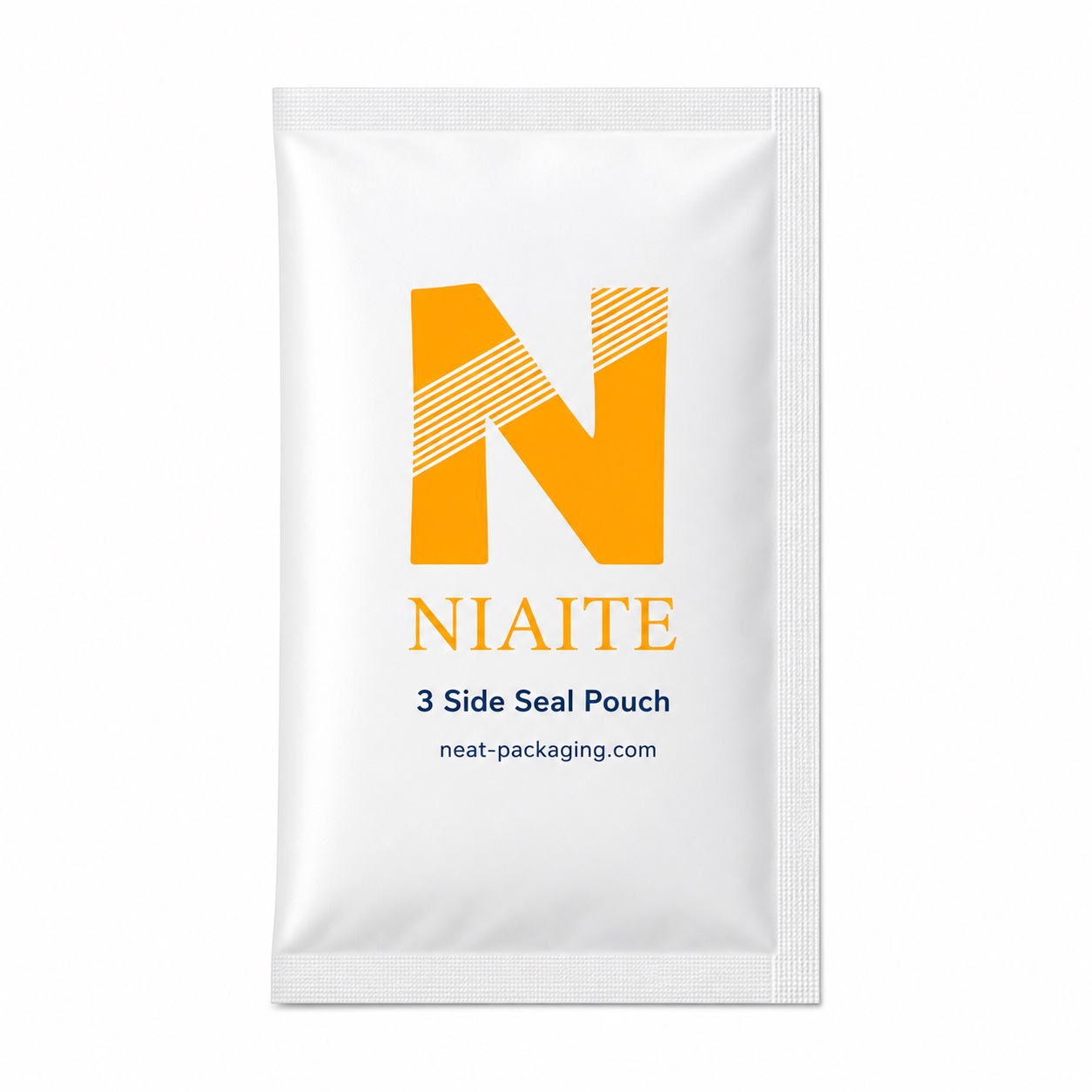
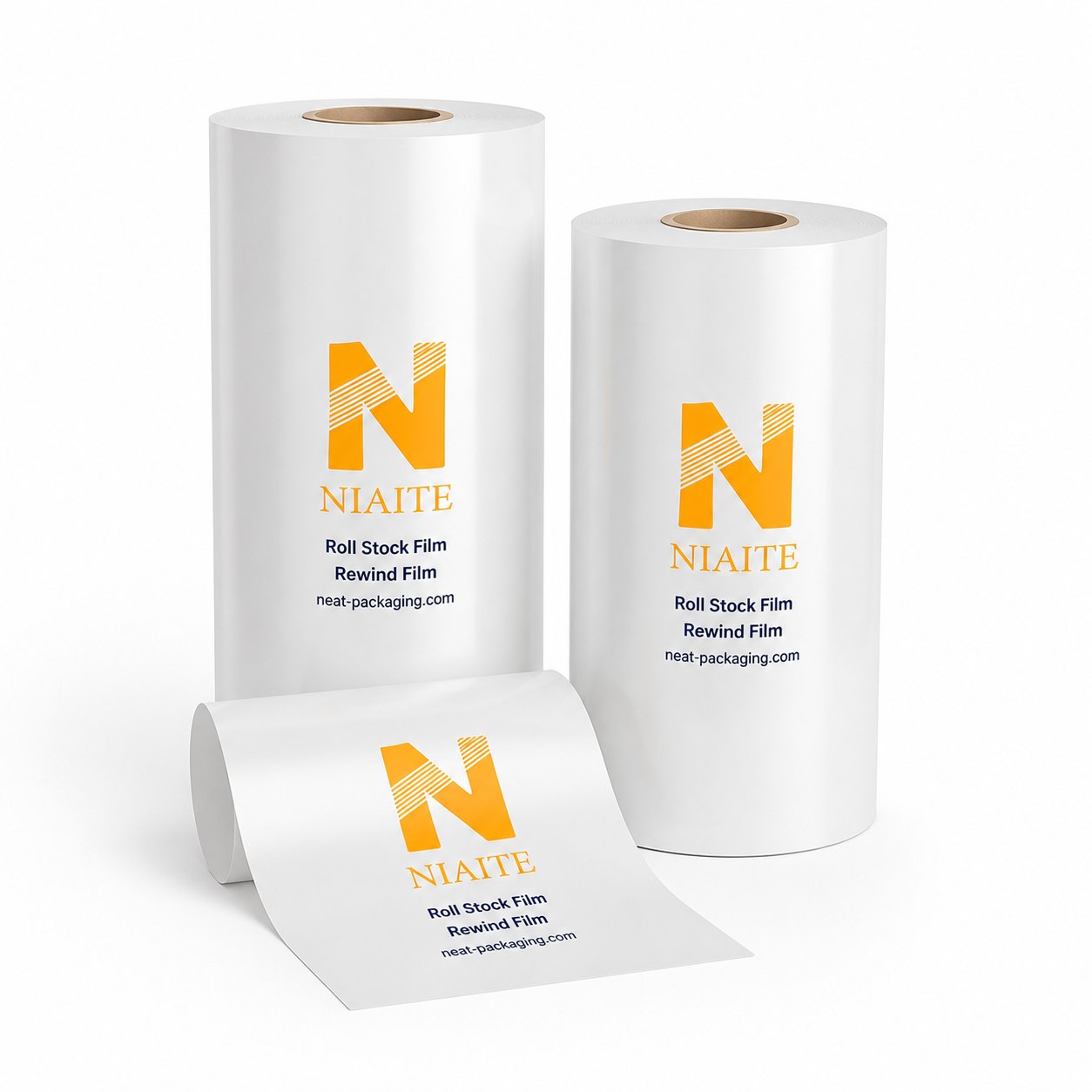
Fin seal pouch and roll stock film support for flow wrapper, VFFS, and HFFS projects that need center seal, lap seal, artwork, web width, and sample review.
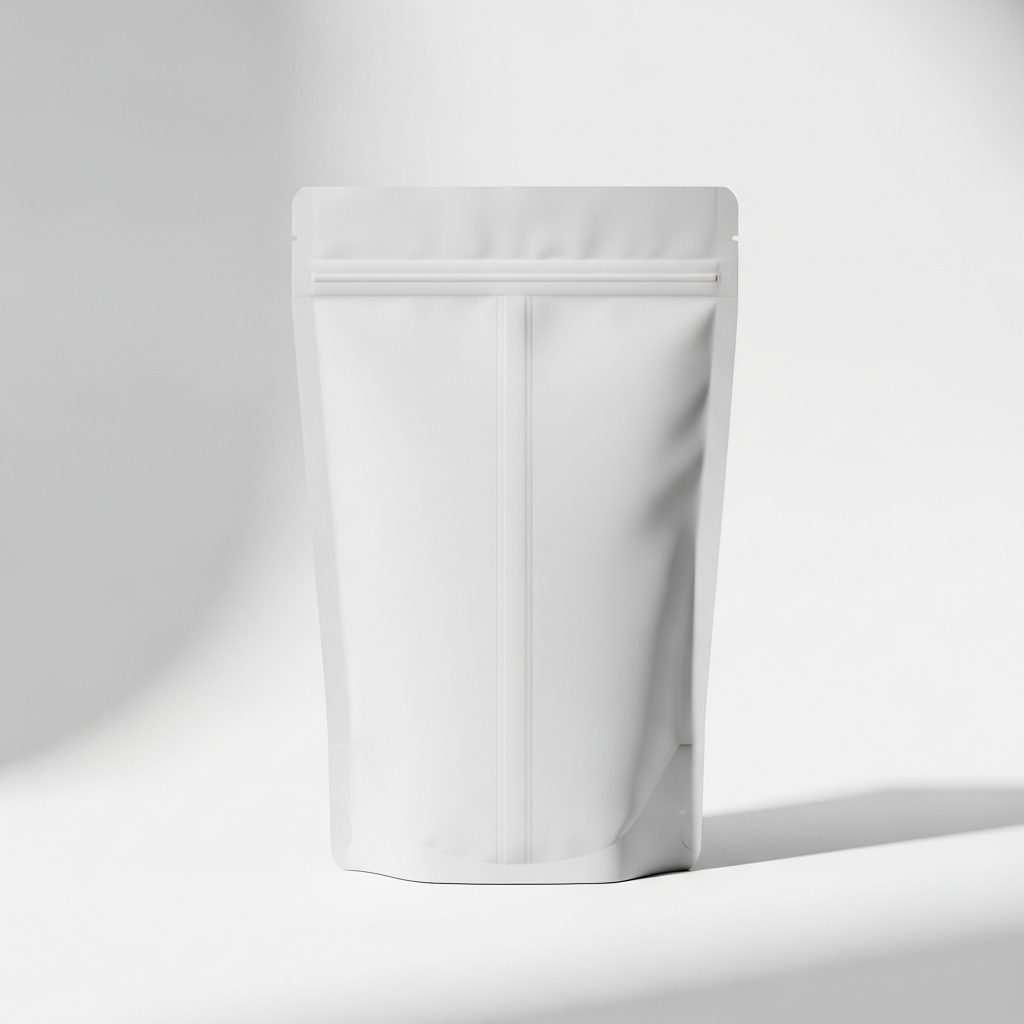
Fin seal packaging is supplied as roll stock film or pre-formed pillow packs for VFFS and HFFS lines handling snacks, confectionery, powders, bakery items, frozen items, wet wipes, and pads. Flow-wrapped frozen novelties such as ice cream bars are reviewed on the ice cream wrapper and frozen dessert packaging page.
Key checks include whether the pouch needs a center seal or lap seal, plus web width, seal window, print registration, eye mark placement, unwind direction, coefficient of friction, and sealant choice for the target filling line.
A fin seal brings the film's inside sealant surfaces together and leaves a raised back fin. A lap seal overlaps one web edge over the other for a flatter back profile, but the overlapping surfaces must have suitable sealant compatibility. The right choice depends on the film structure, package appearance, forming set, sealing jaws, and an approved line trial.
NIAITE coordinates printed roll stock film and pre-formed fin seal or pillow pouch projects through selected production partners; flow wrapper, VFFS, and HFFS machines are not part of the scope.
Choose fin seal when the inside-to-inside seal is the safest material match, the forming set is built for a fin back seal, or you want a common pillow-pack layout for snacks, powders, wipes, or bakery flow-wrap projects.
Choose lap seal when the forming set is already built for an overlap seal and the film structure can seal the overlapping surfaces reliably. Do not choose lap seal only because it looks flatter.
If you are unsure, send the film structure and machine setup so the seal style, web width, jaw pattern, eye mark, and sample approval path can be reviewed together.
| Decision point | Fin seal | Lap seal |
|---|---|---|
| How the back seal forms | The two inside sealant surfaces meet face to face. | One web edge overlaps the other, so the relevant inside and outside surfaces must seal together. |
| Finished profile | Creates a raised back fin that can be folded to one side. | Creates a flatter back profile with less projecting material. |
| Film review | Confirm the inner sealant layer, seal window, and fin width. | Confirm sealant compatibility across the overlapping surfaces before artwork approval. |
| Selection inputs | Common for pillow packs where the forming set and jaws are designed for a fin back seal. | Consider when the machine layout, material structure, and pack design are intended for an overlap seal. |
GMP-Style Production Controls
Partner facilities
ISO 9001-Style QC
Quality system
Shipping term coordination
DDP / FOB / CIF
Recyclable-ready review
Project-specific structures
Fin seal pouch and flow wrap formats are selected by product flow, filling conditions, seal style, pack size, and vertical or horizontal form fill seal setup. Explore all market solutions .
Review web width, eye mark, unwind direction, roll diameter, and line targets before approving roll stock film for VFFS or HFFS production.
Roll stock film supports continuous forming and sealing for fin seal pouch, pillow pack, sachet, and flow-wrap packaging projects.
Dielines, repeat length, eye mark, barcode position, color control, and print registration are reviewed against the machine layout.
Seal window, jaw temperature range, COF target, sample approval inputs, and documentation support can be coordinated by project scope.
Key factors to evaluate when selecting fin seal pouches for your project.
Fin seals fold both edges outward for a symmetrical profile, while lap seals overlap for a flatter look. We help review which seal geometry works best with your filling machine, product shape, and shelf-display needs.
From simple PE/PE for low-barrier dry goods to PET/AL/PE for oxygen-sensitive products, the laminate drives cost and shelf life. We coordinate film specs based on your product's moisture and oxygen sensitivity.
Your roll-stock film must match the machine direction, registration marks, and web width of your form-fill-seal equipment. We help review artwork files against your VFFS or HFFS machine specs to avoid registration and tracking issues.
Laser scoring, micro-perforation, or pre-cut tear notches each affect opening ease and cost. We coordinate the right tear feature based on your product type and consumer expectations.
Continuous roll-stock printing requires precise eye marks, color bars, and repeat-length matching. We support artwork pre-press review so your print files align with the converter's press specifications before plate-making. Eye mark placement, wind direction, and core size are covered in the roll stock implementation guide.
Choose the roll stock film structure by product sensitivity, seal style, seal window, pack size, web width, and shelf-life target.
| Structure | Application | Barrier Level |
|---|---|---|
PET / PE
|
Standard structure for dry snacks, bakery packs, and sample pillow packs | Standard |
PET / VMPET / PE
|
Metallized barrier for aroma, oxygen, or moisture-sensitive snacks and powders | Medium |
PET / AL / PE
|
Foil laminate for strict barrier targets and single-serve powder sachets | High |
PET / NY / PE
|
Nylon-reinforced option for heavier fills, frozen packs, or sharper product edges | High |
Kraft / AL / PE
|
Kraft appearance with barrier lining for specialty pillow packs | High |
Mono PE
|
PE-based roll stock for local recycling-stream review where accepted | Standard |
A transparent look at how outer print web, barrier layer, and inner sealant can be specified for fin seal pouch and flow wrap roll stock film. Visit our material guide for more details.
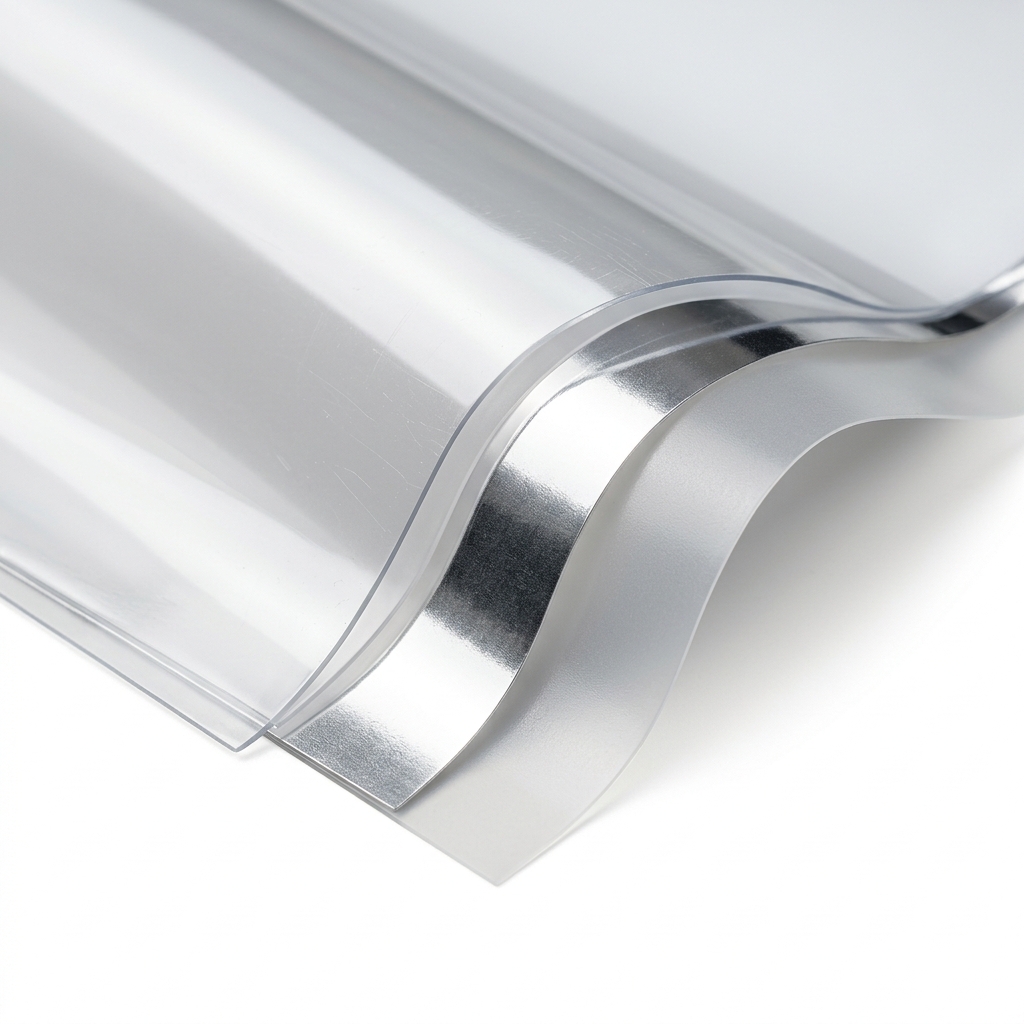
Printable PET supports artwork, registration marks, varnish or matte finish, and the outer handling surface.
Barrier film is selected around moisture, aroma, grease, light, and shelf-life targets for the packed product.
Adhesive bonds the print web, barrier option, and sealant into one stable laminate after curing and testing.
PE sealant is reviewed for heat-seal window, jaw temperature, dwell time, COF, filling conditions, and pack format.
Fin seal projects depend on the product, seal style, and packing line. Confirm the web width, roll diameter, core size, unwind direction, center seal or lap seal preference, seal window, eye mark, and pack pitch before artwork and production.
Our team can review flow-wrap films, pillow packs, powder sachets, wet wipes, snack packs, and frozen packs against vertical form fill seal or horizontal form fill seal setup details.
If you already have a flow-wrapper, VFFS, or HFFS line, use this page to define the film, roll, artwork, and sample approval inputs for that equipment. Equipment selection, installation, and service stay with your machine supplier or filler.
For a flow-wrapper compatibility review, share the machine make and model, forming box or forming shoulder dimensions, target packs per minute, jaw type and width, sealing temperature and dwell-time range, web-tension or coefficient-of-friction targets, and any current line-trial observations. Final film and roll settings should be confirmed through line trials and sample approval.

For a useful film or pouch quote, share the product and fill conditions; finished pack width and length; film structure and total thickness; web width and repeat length; roll outside diameter and core size; unwind direction and splice preference; eye mark position; order quantity and SKU count; and destination market and documentation scope. Add the machine and sealing inputs above when the material will run on a flow wrapper, VFFS, or HFFS line.
Pillow packs, stick packs, sachets, wet wipes, pads, and flow-wrap films can be matched to product flow and vertical or horizontal form fill seal layout.
Share whether the fin seal pouch should use center seal, lap seal, or another back-seal layout, plus any easy-open notch or laser score needs.
Repeat length, eye mark, barcode zone, color target, varnish, and print registration are reviewed against the forming shoulder and pack pitch.
Provide fill weight, pack dimensions, artwork files, target film structure, roll specs, and sample approval criteria before production review.
Use these inputs to brief a fin seal pouch or flow wrap roll stock film project. Actual values depend on product, artwork, film structure, and line setup.
Film Structure
PET, PE, VMPET, foil, nylon, paper, or mono-material options by project
Seal Style
Center seal, lap seal, seal window, and jaw pattern details
Pack Format
Pillow packs, sachets, pads, wet wipes, and flow wrap formats by line format
Roll Specs
Web width, roll diameter, core size, unwind direction, and splice needs
Sample Approval
Review samples against fill, artwork, dimensions, opening, and line feedback
Printing
Print registration, eye mark, repeat length, and color target reviewed
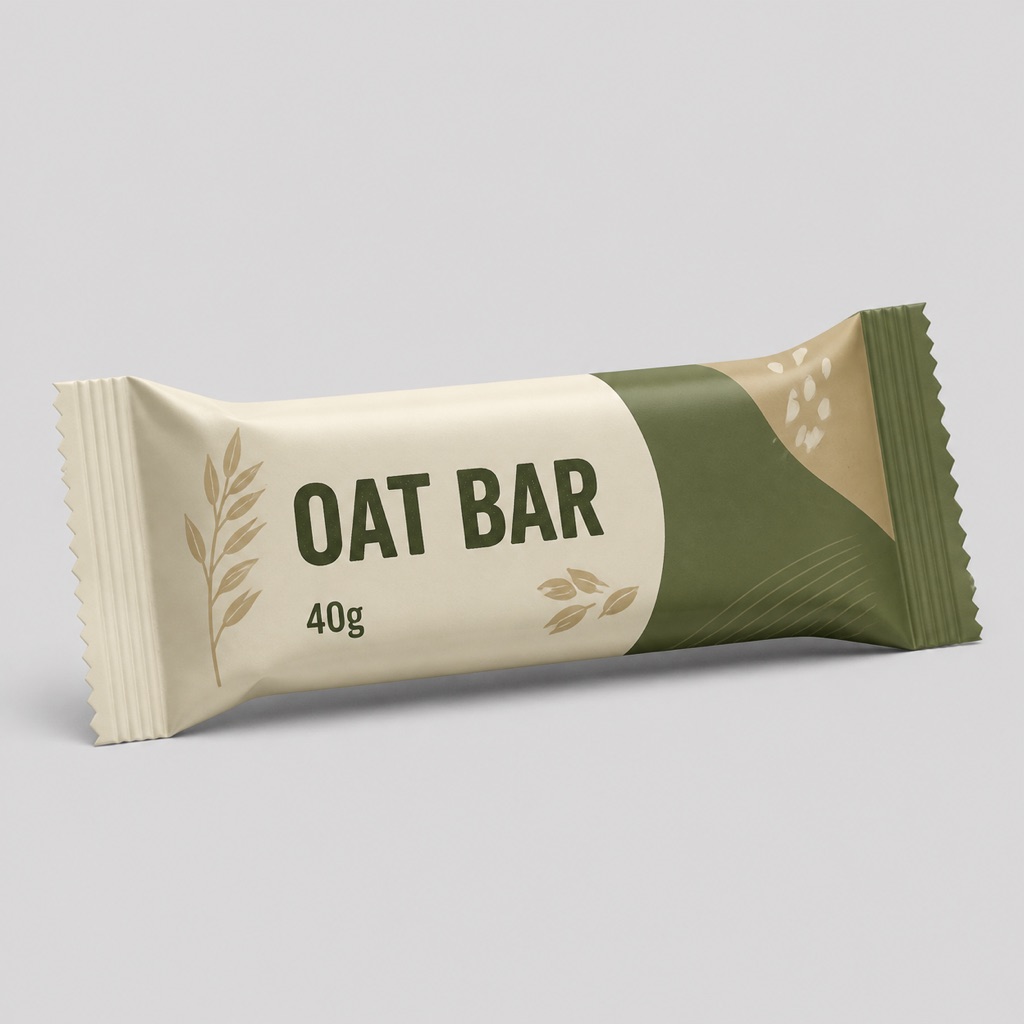
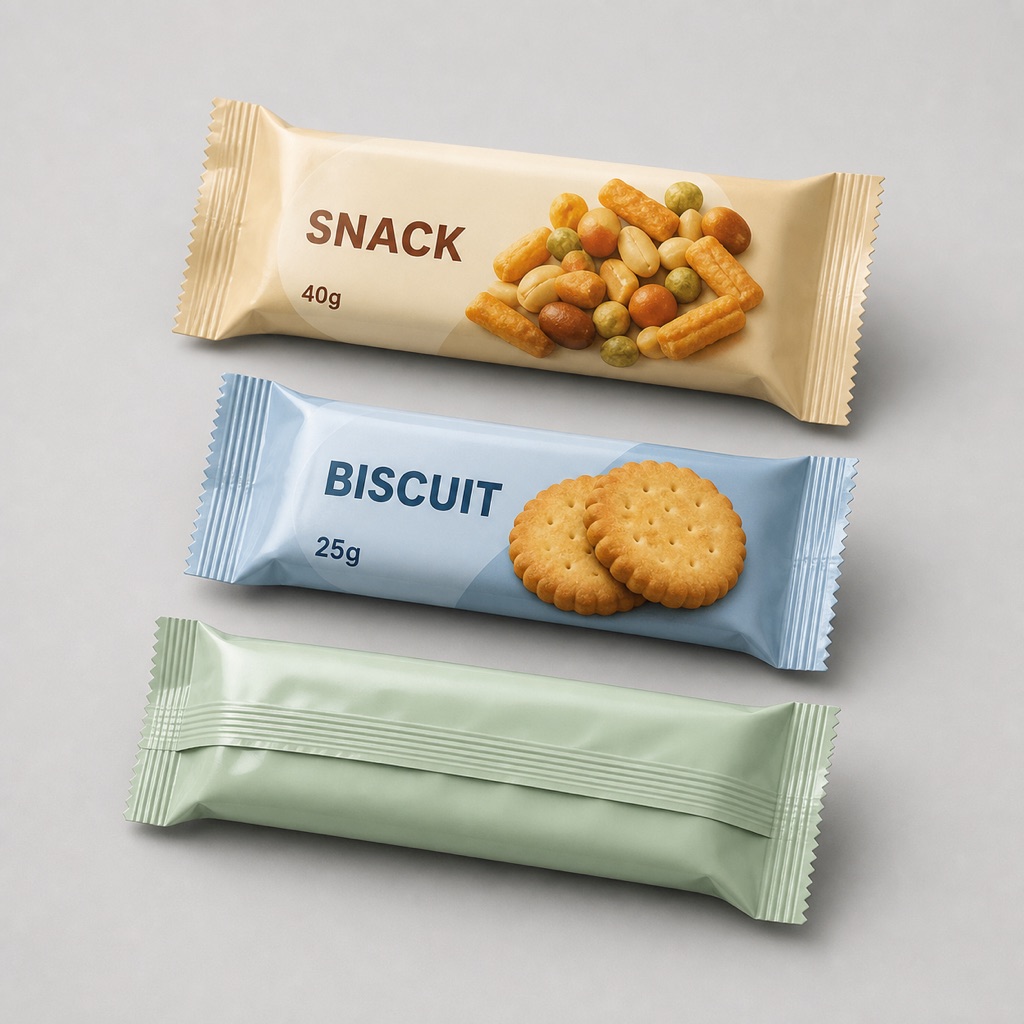
Generic 40g snack-bar wrapper with crimped fin-seal ends
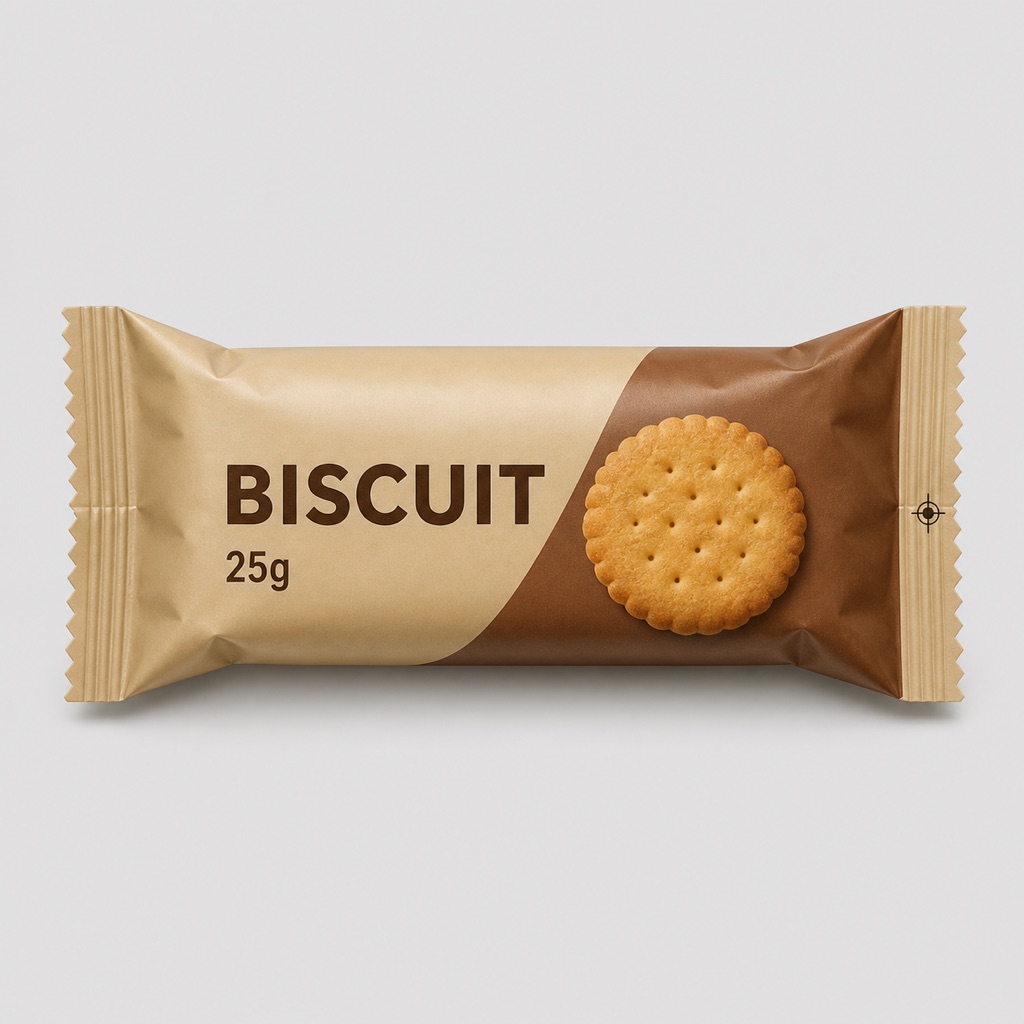
Printed biscuit pack with eye mark for registration review
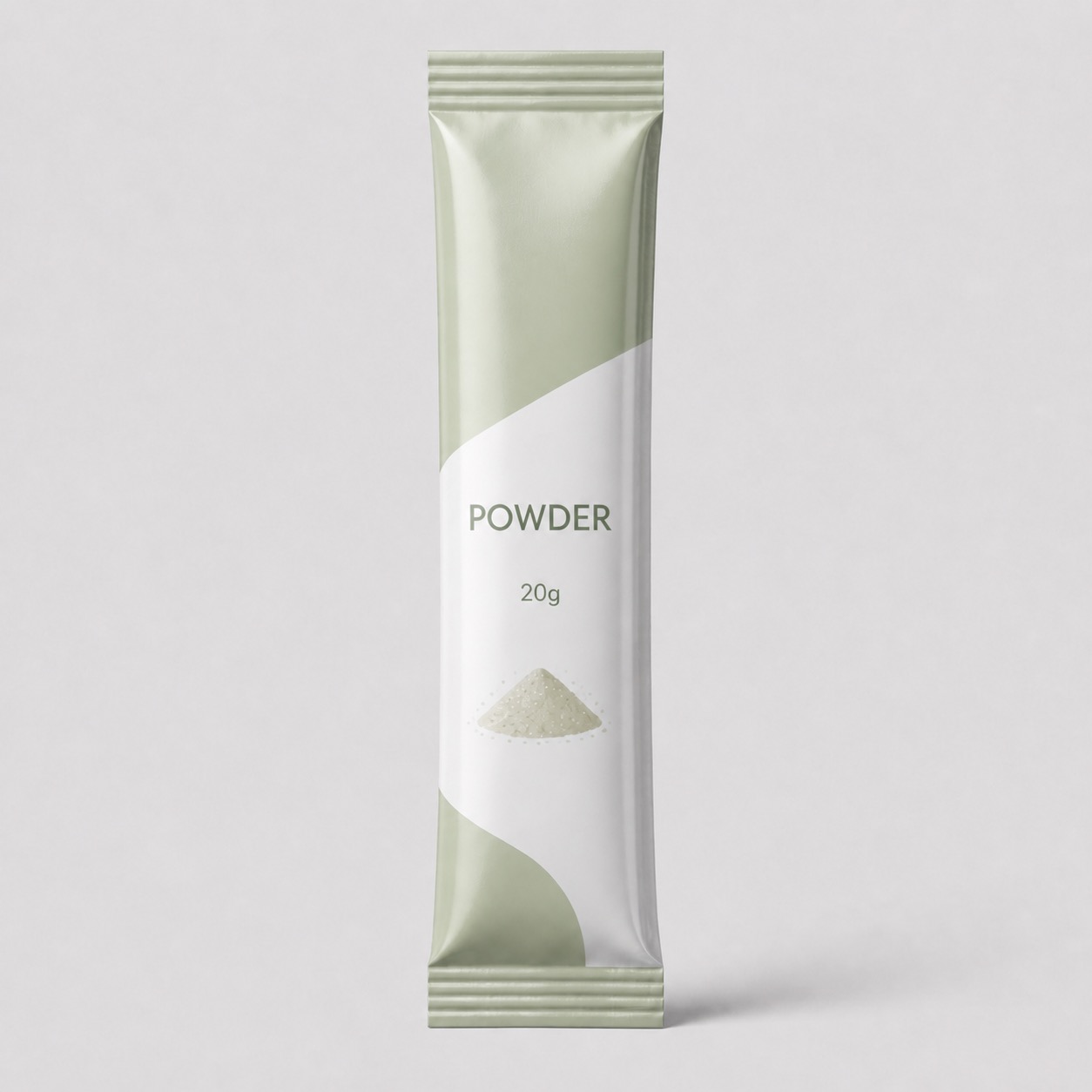
Powder stick pack with intact crimp seals and back seam
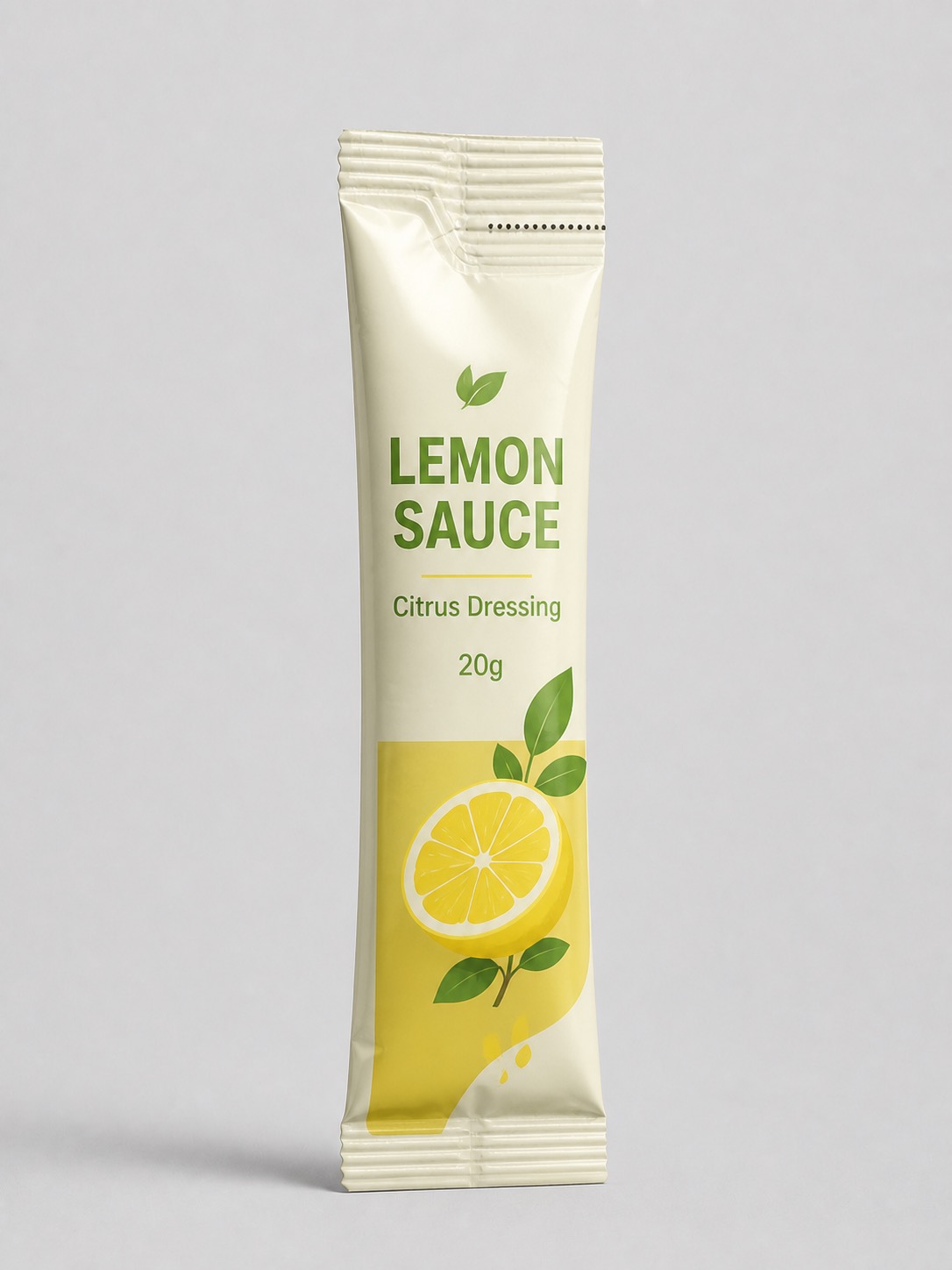
Liquid sauce stick pack with top crimp seals and dotted easy-tear line
Crimped flow-wrap packs for snack and biscuit applications
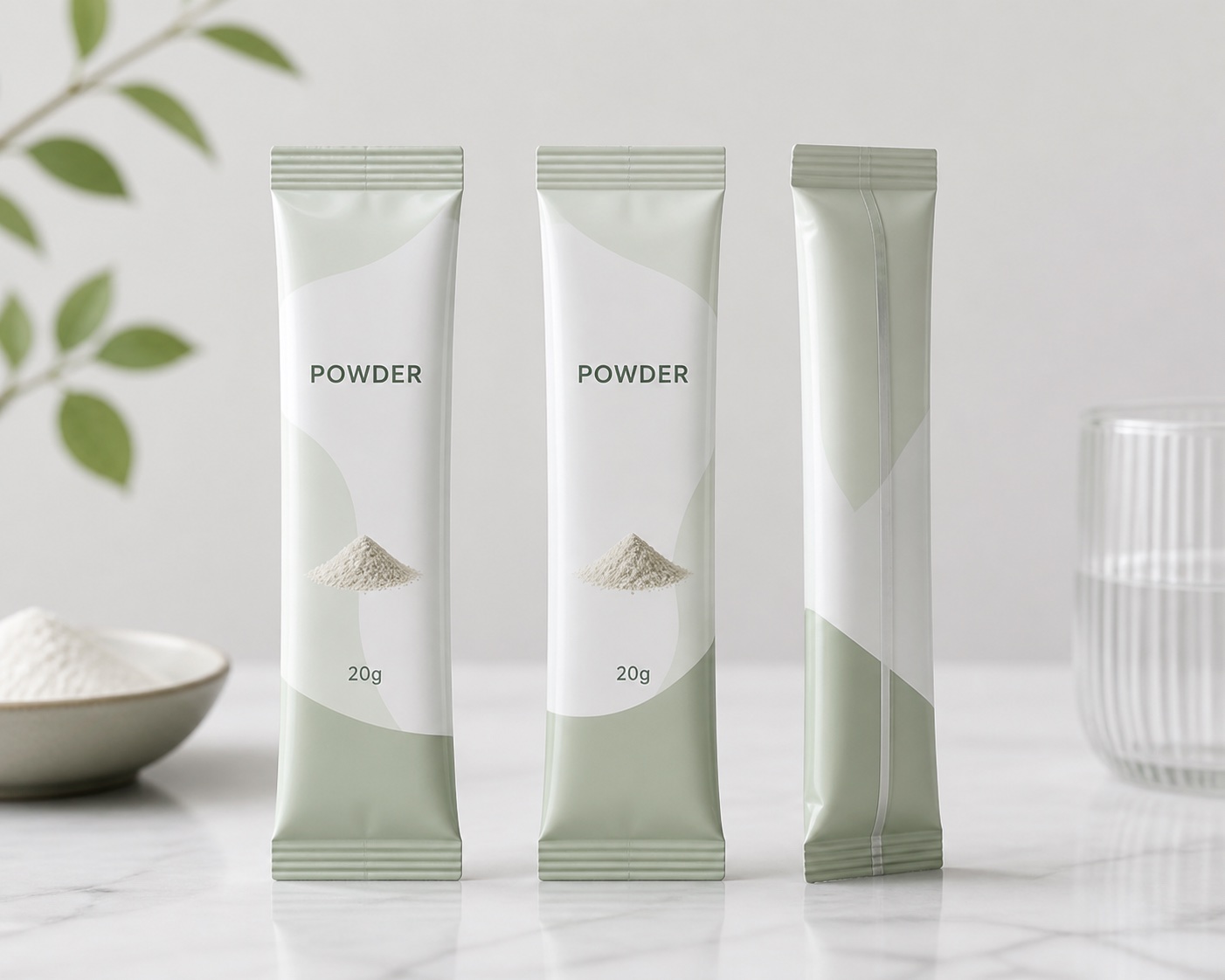
Single-serve powder sachets with visible back-seam option
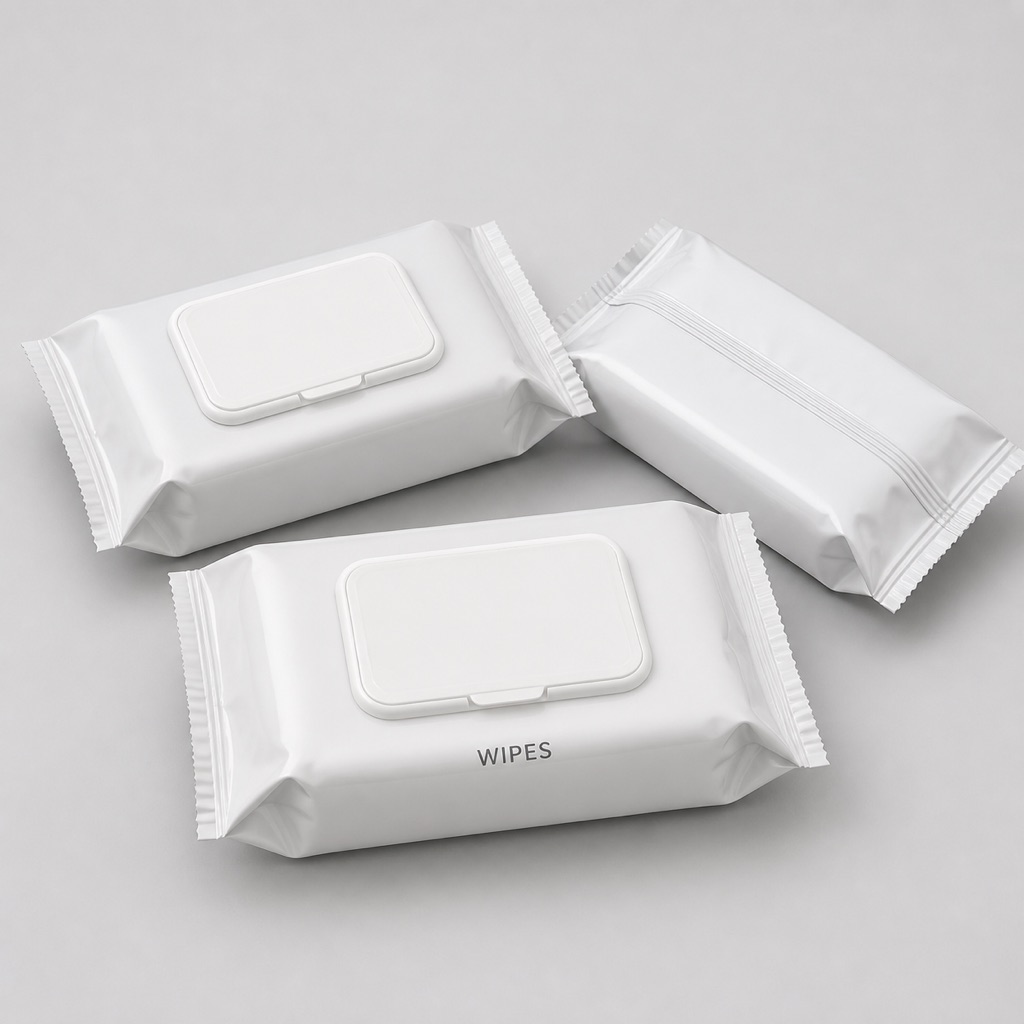
Sealed pouches for personal care products
Use these photos as format references. Final size, structure, print layout, and testing scope are reviewed against your product, filling method, and target market.
Lower-impact structure options can be reviewed when the product, filling process, target market, and recovery route support them.
Fin seal pouches and flow-wrap films are used for vertical form fill seal (VFFS) or horizontal form fill seal (HFFS) lines making pillow packs, snack packs, powder sachets, wet wipes, pads, bakery packs, and selected frozen packs. The final structure depends on product sensitivity, line targets, seal style, and seal window.
Please share target pack size, web width, roll diameter, core size, unwind direction, eye mark position, repeat length, print registration tolerance, forming shoulder notes, and whether the project is flow wrap, VFFS, or HFFS.
Center seal is a common back-seal layout for pillow packs and many fin seal pouch formats, while lap seal may be considered when the film structure and package appearance call for an overlap seal. The choice should be reviewed with artwork layout, sealant layer, product residue risk, and sample approval feedback.
Approve the dieline, artwork, eye mark, roll direction, film structure, seal style, sample dimensions, opening features, and any line-trial comments before moving from sample approval to production planning.
Documentation support depends on the selected film structure, resin source, print system, destination market, and test scope. Traceability records, supplier declarations, COA, and third-party testing can be reviewed by project.
NIAITE acts as the project support team aligning the buyer's flow-wrapper, VFFS, or HFFS inputs with film, repeat, seal, trial, QC, and file requirements before routing the project to selected partner factories.
Machine model, forming layout, fin or lap seal, web width, pack pitch, line speed, jaw pattern, seal temperature range, product flow, and cut-off method are reviewed together.
Selected partner factories are matched to the confirmed print method, laminate, sealant, roll construction, slitting tolerance, order volume, and required project records.
Dieline, repeat layout, fin-seal allowance, eye mark, barcode position, print direction, unwind orientation, and proof approval are aligned before release.
Trial quantity, tracking, registration, forming, fin or lap seal appearance, end-seal behavior, cut-off, and buyer acceptance criteria are agreed for the trial run.
Material structure, thickness, width, repeat, roll OD, core, unwind, splice details, appearance checks, batch records, and requested declarations follow the approved scope.
Share product type, fill weight, pack size, seal style, roll stock film needs, and line format.
Review film structure, artwork inputs, roll specs, sample path, and quotation scope.
Approve artwork, eye mark, roll direction, film structure, dimensions, and sample feedback.
Confirm production details and shipping plan after sample approval and documentation review.
Common issues we help fin seal pouch buyers avoid during project coordination.
Choosing the wrong seal orientation can cause jams or weak seals when the pouch reaches the filling line. We confirm your machine's seal-path geometry before locking in the pouch spec, so the seal type matches the forming collar and jaw configuration.
Inconsistent film tension or COF (coefficient of friction) causes tracking errors that waste material and stall production. We coordinate film thickness, slip additive levels, and roll width tolerances against your machine's pull-roller specs to prevent mid-run drift.
Misplaced or low-contrast eye marks lead to off-center cuts, misaligned graphics, and rejected batches. We verify mark position, color density, and repeat length against your cutter's sensor specifications during pre-production proofing.
Multi-layer laminates with different melting points can seal too weakly at low temperatures or burn through at high ones. We map each layer's heat-seal initiation temperature and cross-reference it with your sealing jaw range to define a workable window before production starts.
Poorly flagged splices between film rolls can pass through forming and sealing stations undetected, producing defective pouches. We coordinate splice marking standards, tail-end detection methods, and rejection protocols with the film supplier and your line operators.
Updated:
Work with NIAITE for material review, sampling guidance, QC checkpoints, and export project coordination.