Plastic spouts and caps, pouch fitments, and custom closures for liquid dispensing packs.
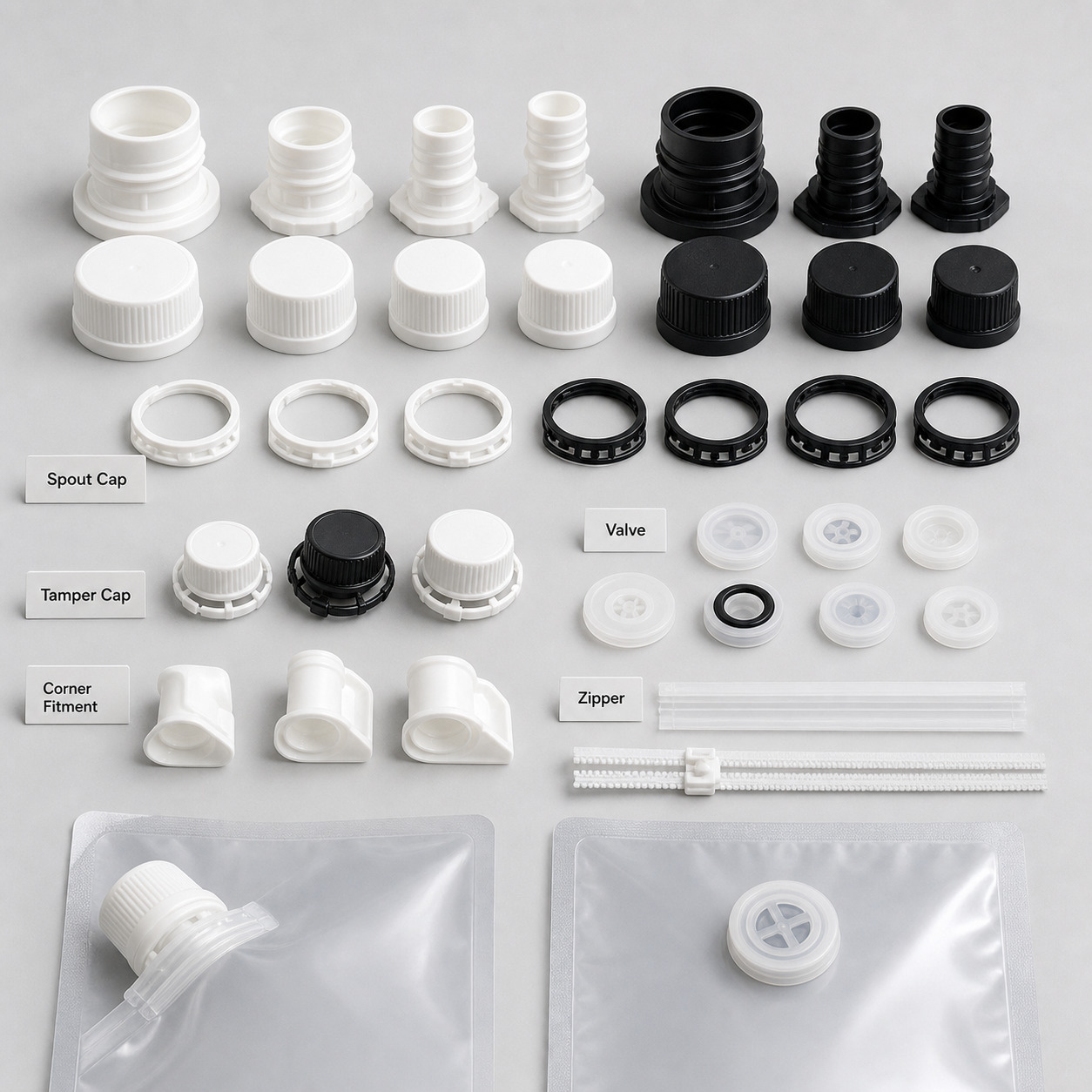
PP/PE/HDPE fitment options can be selected by spout diameter, cap styles, filling line, liquid type, and pouch structure.
Screw cap, flip-top cap, tamper-evident cap, color matching, heat-seal compatible flange design, MOQ planning, and sample approval are reviewed before tooling or production.
Production Traceability
Project records
ISO 9001-Style QC
Quality system
Shipping term coordination
DDP / FOB / CIF
Recyclable-ready review
Project review
Plastic spouts and caps are specified by product viscosity, flow rate, filling equipment, cap torque, and pouch fitment position. Explore liquid packaging solutions .
Diameter and flange size are selected for flow rate, pouch size, filling-line jaws, and the user's dispensing pattern.
Screw cap, flip-top cap, sport cap, and tamper-evident cap options can be reviewed against product viscosity and target market.
Fitment flange, resin, cap torque, and pouch sealant layer are reviewed together before sample approval.
Material declarations, resin records, color masterbatch information, and dimensional checks can be prepared by project scope.
Choose the right resin and cap style based on filling temperature, liquid type, cap torque, color matching, and heat-seal compatibility.
| Component | Selection Use | Review Focus |
|---|---|---|
PP
|
Common screw cap and flip-top cap material | Cap styles |
PE
|
Fitment flange and pouch welding compatibility | Heat-seal compatible |
HDPE
|
Larger closure bodies and selected spout designs | Rigidity review |
Color Masterbatch
|
Brand color matching and resin compatibility | Color matching |
Fitment Drawing
|
Spout diameter, flange size, and cap thread review | Dimension check |
Sample Approval
|
Torque, weld strength, and flow control sample review | Project scope |
A practical look at how plastic spouts and caps connect to pouch films. Visit our material guide for more details.

Printable PET supports graphics, stiffness, and surface protection for liquid and spout pouch projects.
Barrier film is chosen around liquid sensitivity, aroma, oxygen, moisture, and light-barrier targets.
Tie or adhesive layers are reviewed against laminate bonding, fitment sealing, flexing, and liquid-fill stress.
LLDPE sealant supports liquid sealing, burst-strength review, fitment area sealing, and filling-line compatibility.
Pouch fitments should be selected around liquid type, viscosity, filling line, spout diameter, and cap torque.
PP/PE/HDPE fitment options, screw cap, flip-top cap, tamper-evident cap, and color matching can be reviewed with sample approval.
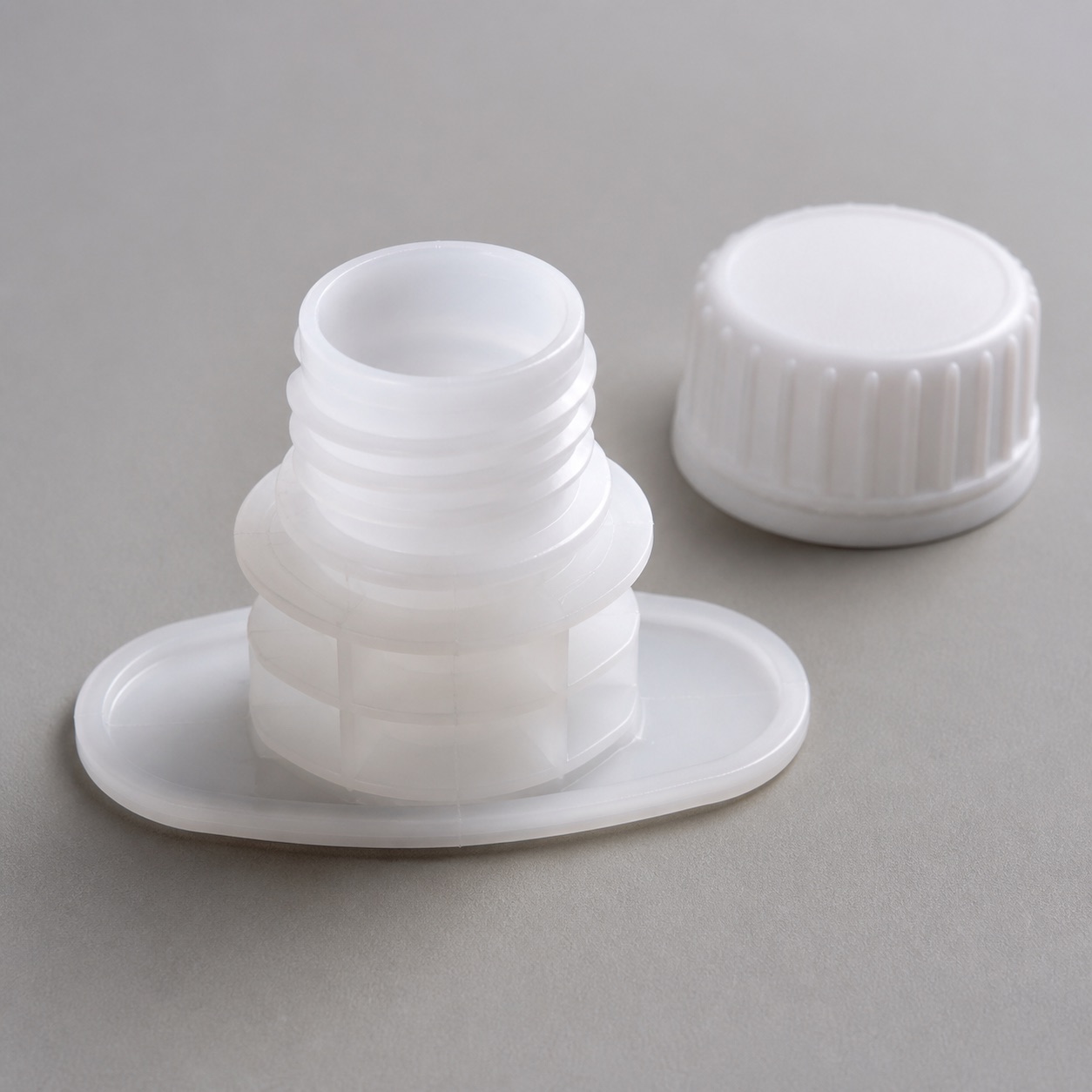
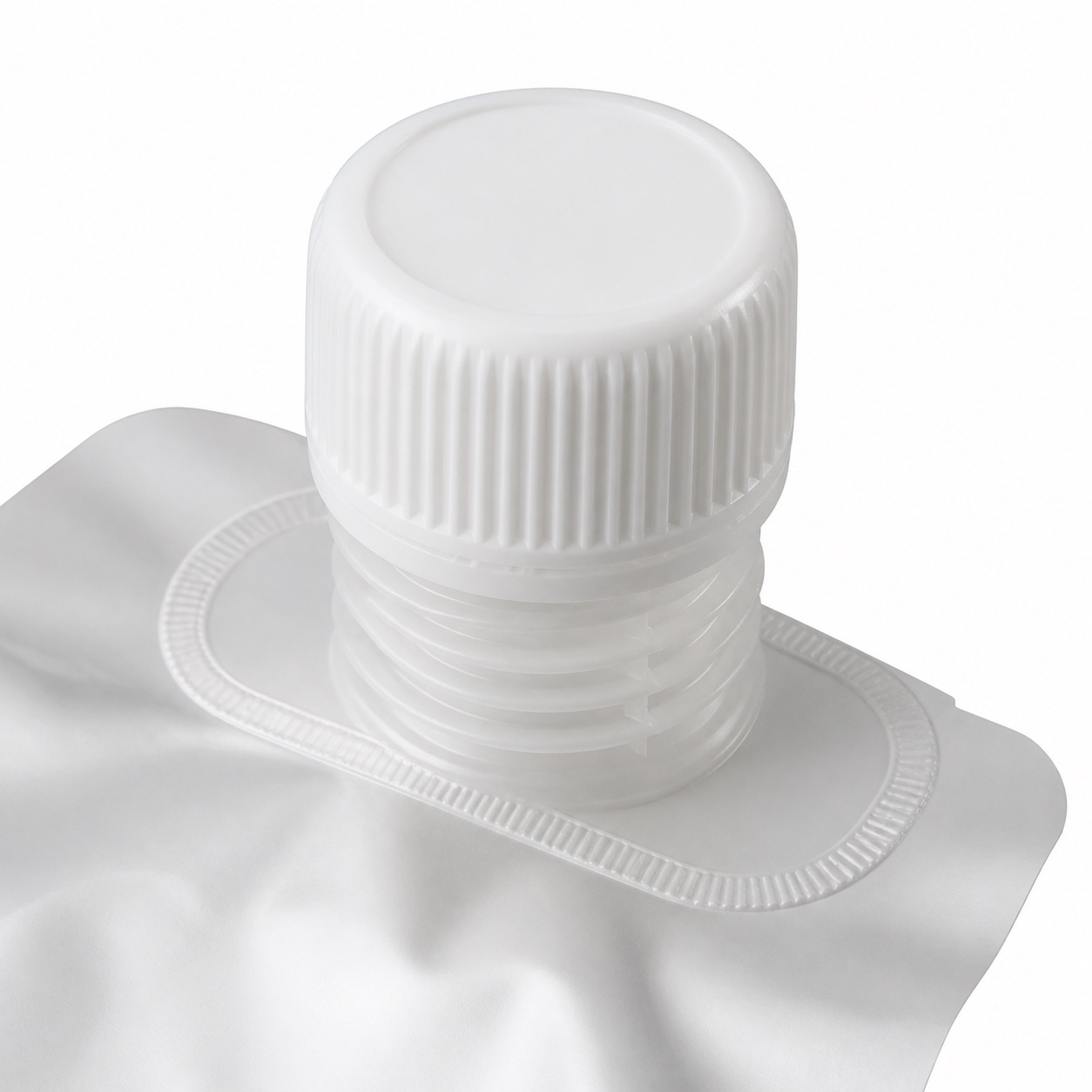

PP/PE/HDPE resin choice, masterbatch color matching, and surface finish are reviewed before tooling or production.
Spout diameter, cap torque, thread fit, and flow path can be sampled for the intended product viscosity.
Fitment flange, sealant layer, welding method, and filling line are reviewed together before sample approval.
Material declarations, dimensional checks, third-party testing, and sample approval records can be scoped by selected resin and target market.
Representative parameters. Actual values depend on material structure and customization.
Spout Material
PP/PE/HDPE options by project scope
Cap Styles
screw cap, flip-top cap, sport, tamper-evident cap
Spout Diameter
8mm / 10mm / 15mm / 22mm / custom
Color Options
Pantone color matching (custom mold)
Welding Method
Ultrasonic or heat-seal compatible
MOQ
Project-specific MOQ based on mold, resin, and color
Plastic spout and cap options for liquid pouch fitment review
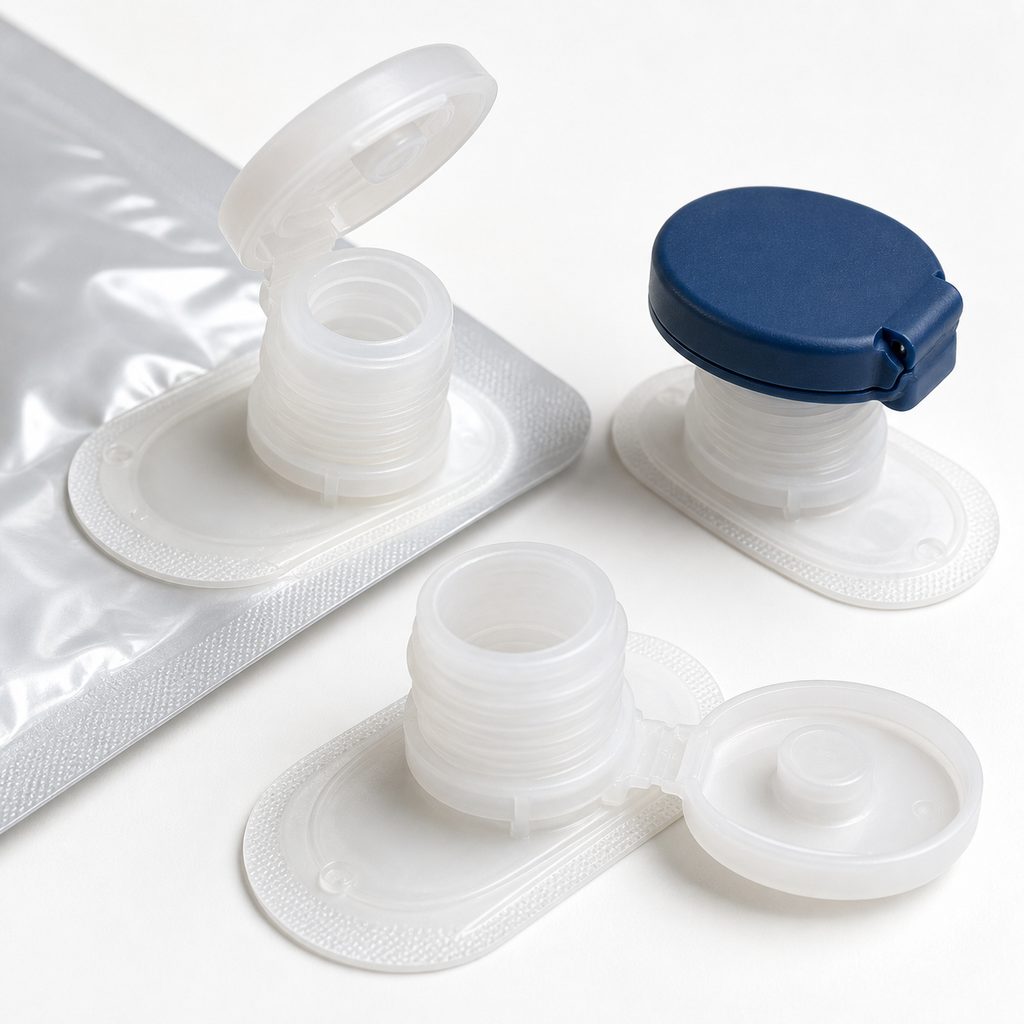
Standard flip-top spout cap assembly on fresh juice flexible packaging
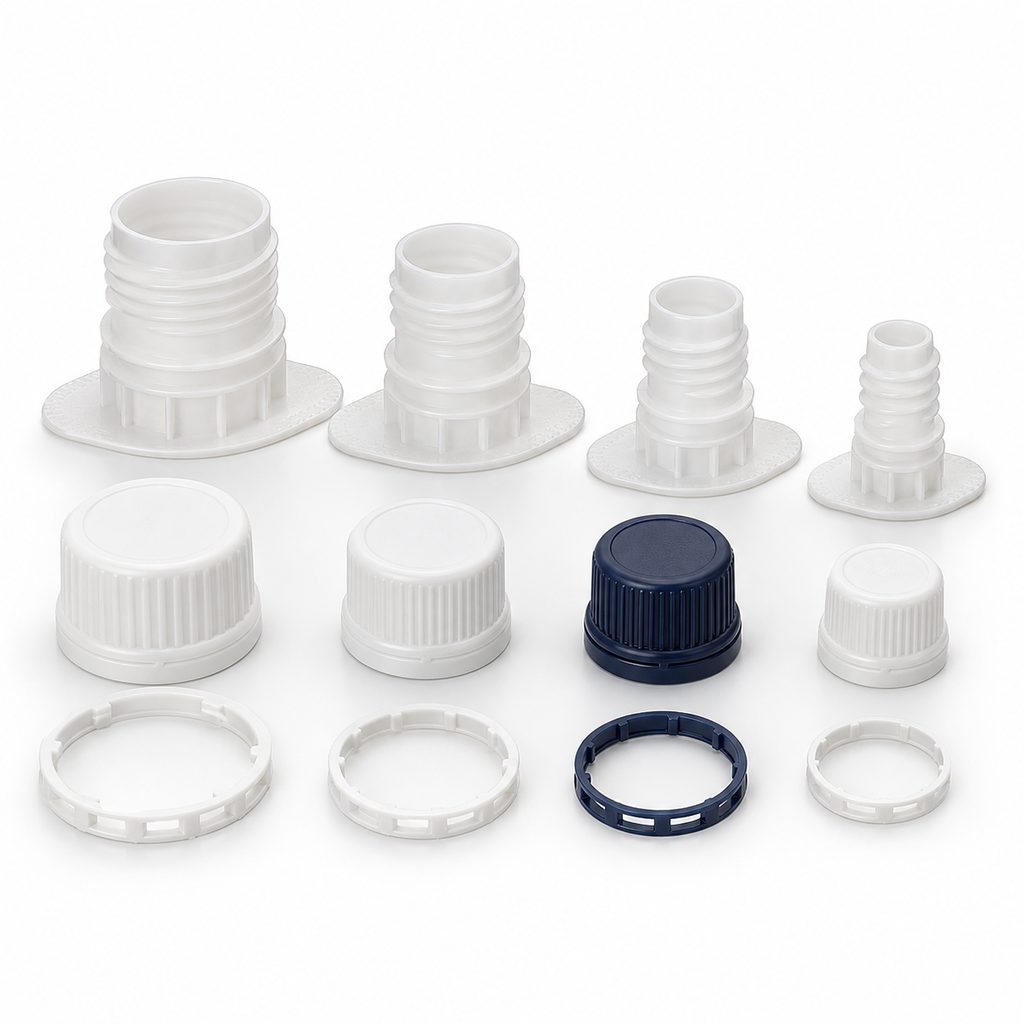
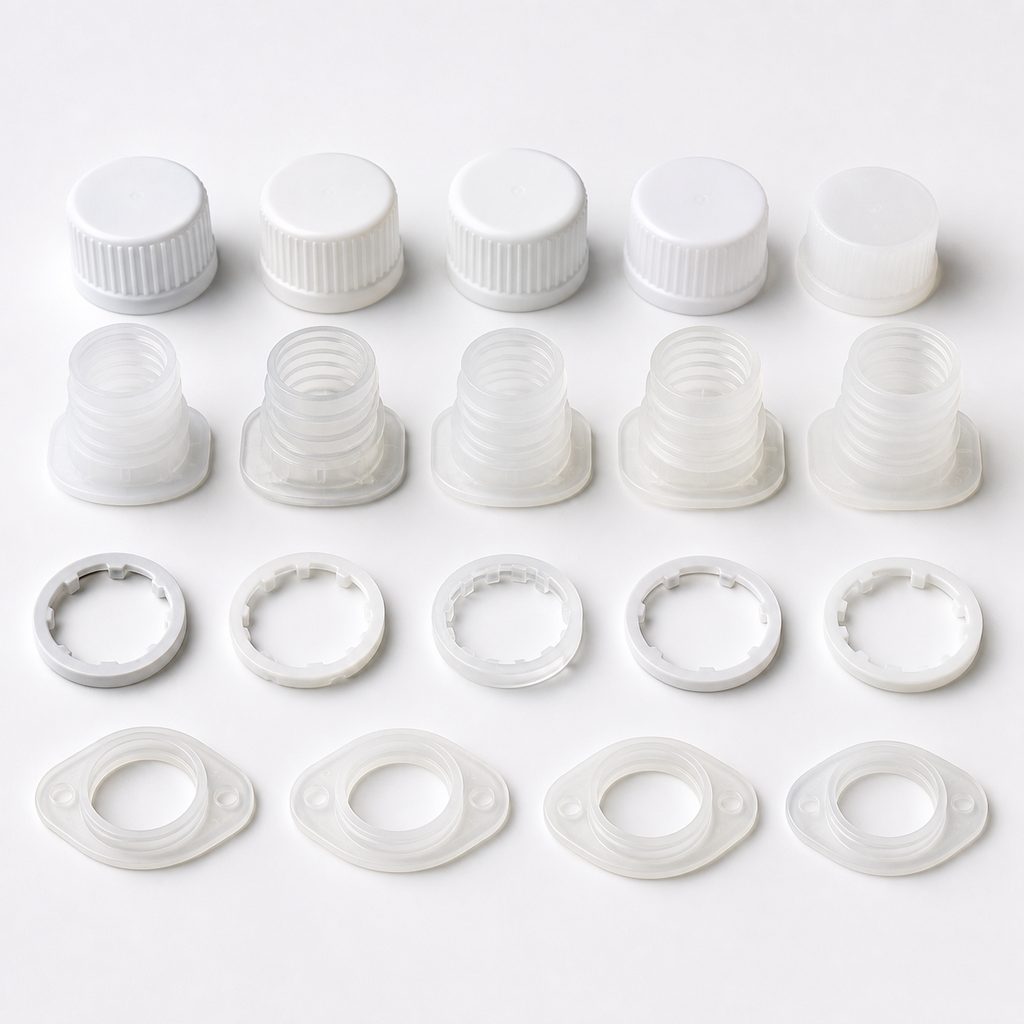
Spout diameter and tamper-evident cap samples for closure compatibility review
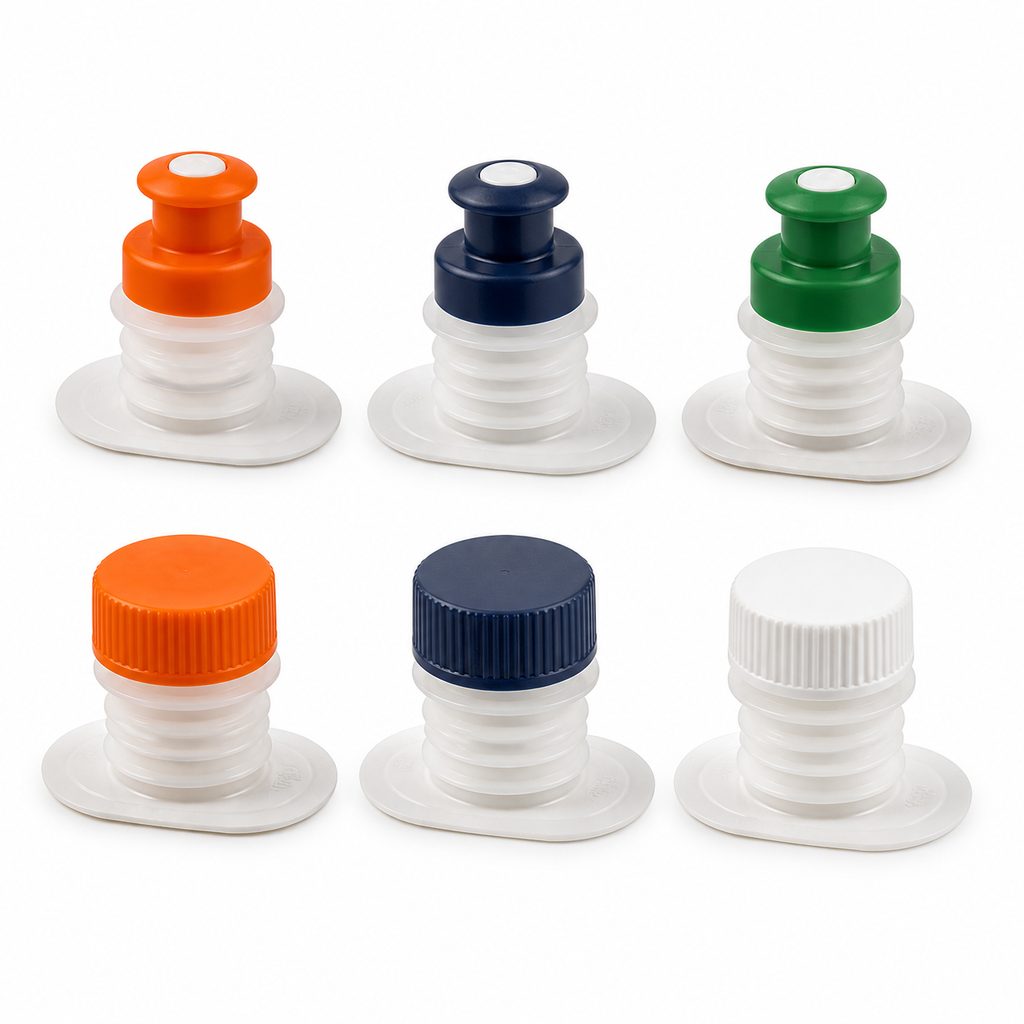
Colored sport cap and screw cap fitment samples for pouch closure review
Use these photos as format references. Final size, structure, print layout, and testing scope are reviewed against your product, filling method, and target market.
Lower-impact structure options can be reviewed when the product, filling process, target market, and recovery route support them.
For Plastic Spouts and Caps, buyers usually compare PP/PE/HDPE pouch fitments against spout diameter, cap styles, heat-seal compatibility, color matching, MOQ, and documentation scope.
Common fitment options include PP/PE/HDPE. The best choice depends on pouch structure, filling process, liquid type, spout diameter, cap torque, heat-seal compatibility, and target market.
MOQ depends on size, printing method, material structure, and finishing. Share dimensions, artwork, and annual volume so NIAITE can recommend a practical starting quantity.
Material declarations, resin documentation, dimensional checks, supplier declarations, and third-party testing can be reviewed by project scope and selected resin.
Plastic spouts and caps are commonly specified for sauces, beverages, detergent refills, personal care refills, and other flowable products. NIAITE can adjust spout diameter, cap styles, tamper-evident cap options, color matching, and sample approval scope.
Plastic spouts and caps are practical fitments for flowable products where a pouch needs controlled dispensing. Resin, cap style, fitment position, and seal checks should be confirmed by project.
Spout diameter, screw cap or flip-top cap style, tamper-evident cap option, resin, color matching, flange size, and sample approval criteria can be tailored before sampling.
Material documentation can be reviewed by selected resin, color masterbatch, target market, and test scope. Final use claims should be confirmed against the finished pouch and packed product.
Project records can include resin selection, color approval, dimensional checks, and sample approval.
QC records, resin documentation, and third-party reports can be reviewed by project scope.
DDP / FOB / CIF coordination can be reviewed by destination and project scope.
Project-level recyclable-ready or lower-impact structures can be reviewed where the final specification supports them.
Project support for material review, artwork coordination, sampling, and production follow-up within the agreed scope.
Production routing, order volume, lead-time assumptions, and capacity fit are reviewed for each confirmed project.
Tell us your product, target weight, and requirements.
We recommend materials, structure, and provide pricing.
Confirm details, approve artwork, and production begins.
QC checkpoints and shipment scope are confirmed by project.
Common issues we help spout and cap buyers avoid during fitment selection.
A spout inner diameter that doesn't match your filling nozzle causes leaks during production or forces costly nozzle re-tooling. This is one of the most frequent issues when switching between spout suppliers. We help buyers confirm bore dimensions against their filling line specifications before samples are made.
Caps that are over-torqued frustrate end users, while under-torqued caps risk leaking during transport and shelf display. Getting the right torque range depends on cap thread design, liner material, and capping machine settings. We coordinate torque testing with the partner factory so the cap feels secure yet easy to open.
A tamper-evident shrink band that doesn't shrink evenly at your tunnel temperature and line speed results in wrinkled bands or incomplete seals. Band material, perforation pattern, and tunnel dwell time all need to align. We help match band specifications to your heat tunnel parameters before bulk production begins.
When the spout weld location overlaps with the pouch's side or top seal area, it weakens the seal integrity and increases the risk of leaks under pressure. Fitment placement must account for seal width, pouch dimensions, and the welding machine's positioning tolerance. We coordinate fitment placement drawings with both the pouch and spout suppliers to prevent conflicts.
Using a standard PP or PE spout for a hot-fill or retort application can cause warping, softening, or poor seal performance at elevated temperatures. The spout and cap material grades must be rated for the actual process temperature your product requires. We help verify material heat resistance grades with the partner factory's technical team before order confirmation.
Updated:
Work with NIAITE for material review, sampling guidance, QC checkpoints, and export project coordination.