Custom stand up pouches for snacks, coffee, pet food, powders, supplements, and retail products. Confirm bottom gusset, gusset width, shelf stability, front panel, back panel, barrier target, sealant layer, seal integrity, zipper option, tear notch, window layout, hang hole, degassing valve, fitment option, MOQ planning, and food-contact documentation scope before production.
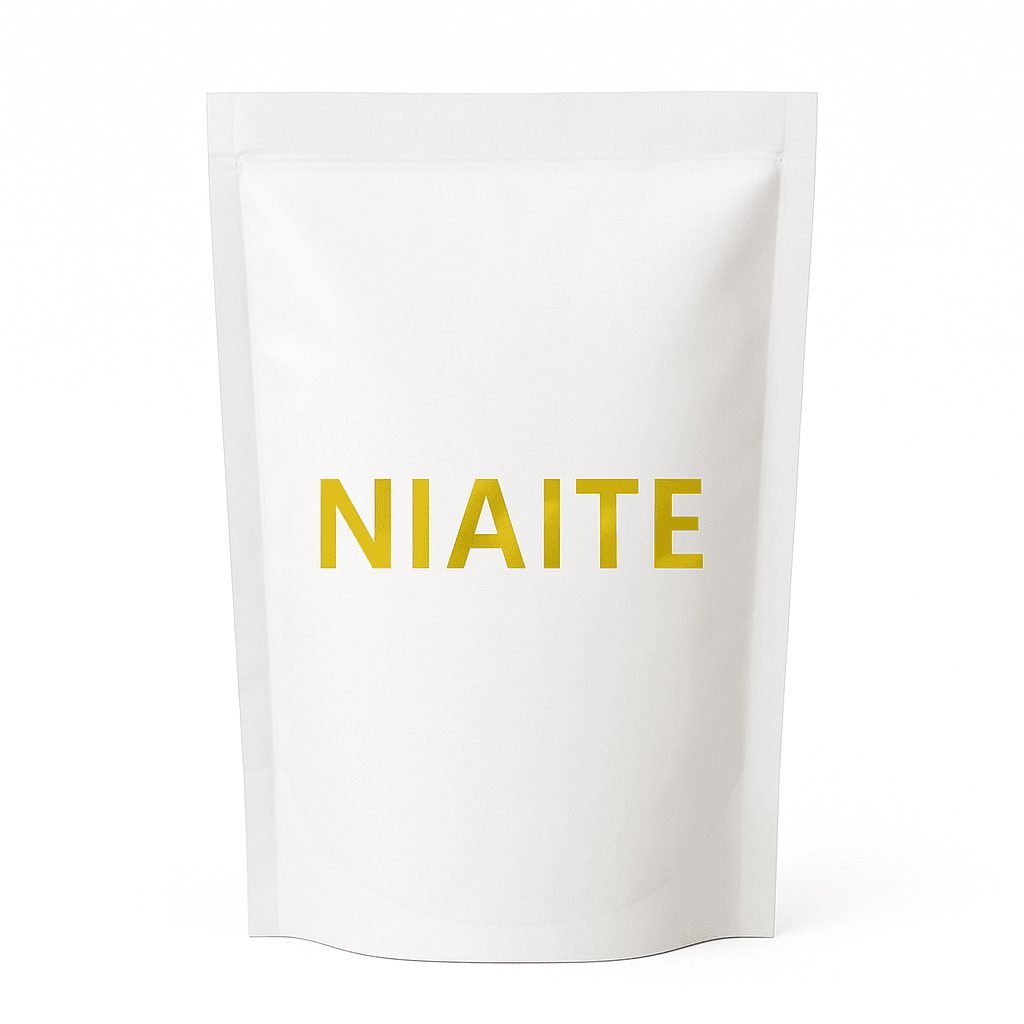
Stand up pouches use a bottom gusset to create shelf stability and printable front panel and back panel areas for retail display. The format is commonly reviewed for snacks, coffee, pet food, powders, supplements, dried fruit, confectionery, and household refill projects.
Specification review focuses on gusset width, pouch dimensions, fill volume, barrier target, sealant layer, seal integrity, zipper option, tear notch, window layout, hang hole, degassing valve, fitment option, MOQ planning, and food-contact documentation scope.
GMP-Style Production Controls
Partner facilities
ISO 9001-Style QC
Quality system
Shipping term coordination
DDP / FOB / CIF
Project-Scoped Materials
Material review
Use stand up pouches when bottom gusset, shelf stability, barrier target, closure style, display face, and filling-line handling need to be reviewed together. Explore all market solutions .
Bottom gusset, gusset width, fill volume, and panel stiffness are reviewed so the pouch can stand reliably in retail display.
Front panel, back panel, barrier target, sealant layer, and print finish can be matched to dry foods, powders, coffee, pet food, and refills.
Zipper option, tear notch, hang hole, window layout, degassing valve, and fitment option are reviewed by product and filling process.
Material declarations, artwork proof, sample approval notes, seal checks, and food-contact documentation can be reviewed by project scope.
Key factors to evaluate when selecting stand-up pouches for your project.
Standard K-seal gussets work well for lightweight snacks, while doyen-style or round-bottom gussets provide stability for heavier products like pet food or liquids. Gusset depth sets the pouch footprint and how securely it stands on shelf.
Press-to-close zippers suit pantry staples, slider zippers add consumer convenience, and heat-sealed tops work for single-use formats. Your closure type affects repeat purchase behavior and shelf life after opening.
PET/PE laminates handle general dry goods. Aluminum foil or metallized layers protect oxygen- and moisture-sensitive products. Kraft-look films create natural brand aesthetics. Barrier level drives both shelf life and material cost.
Stand-up pouches scale from 30 mL sample sachets to 5 kg bulk bags. Confirm your fill weight and whether your line uses pre-made pouches or form-fill-seal roll stock, as this affects pouch dimensions and ordering format.
Die-cut handles for large packs, clear windows for product visibility, hang holes for pegboard display, or spouts for liquid applications. Each added feature involves tooling and may adjust minimum order quantities.
Choose the material structure around product sensitivity, shelf stability, barrier target, sealant layer, zipper option, window layout, filling process, and documentation scope.
| Structure | Application | Barrier Level |
|---|---|---|
PET / PE
|
General dry goods, samples, and light retail products where sealant layer and print finish are primary | Standard |
PET / VMPET / PE
|
Snacks, coffee, powders, and aroma-sensitive packs needing moisture and oxygen barrier review | Medium |
PET / AL / PE
|
High-barrier stand up pouches where light exposure and foil acceptance need project review | High |
PET / NY / PE
|
Pet food, dense powders, and larger fill volumes needing puncture and drop-resistance review | High |
Kraft / PET / PE
|
Paper-look retail pouches where barrier lining, window layout, and seal integrity need review | High |
PE-Based Review
|
Lower-impact structure review when local recovery stream, barrier target, and filling process allow it | Standard |
A transparent look at how printable, barrier, and sealant layers support shelf stability, barrier target, seal integrity, front panel artwork, and bottom gusset performance. Visit our material guide for more details.
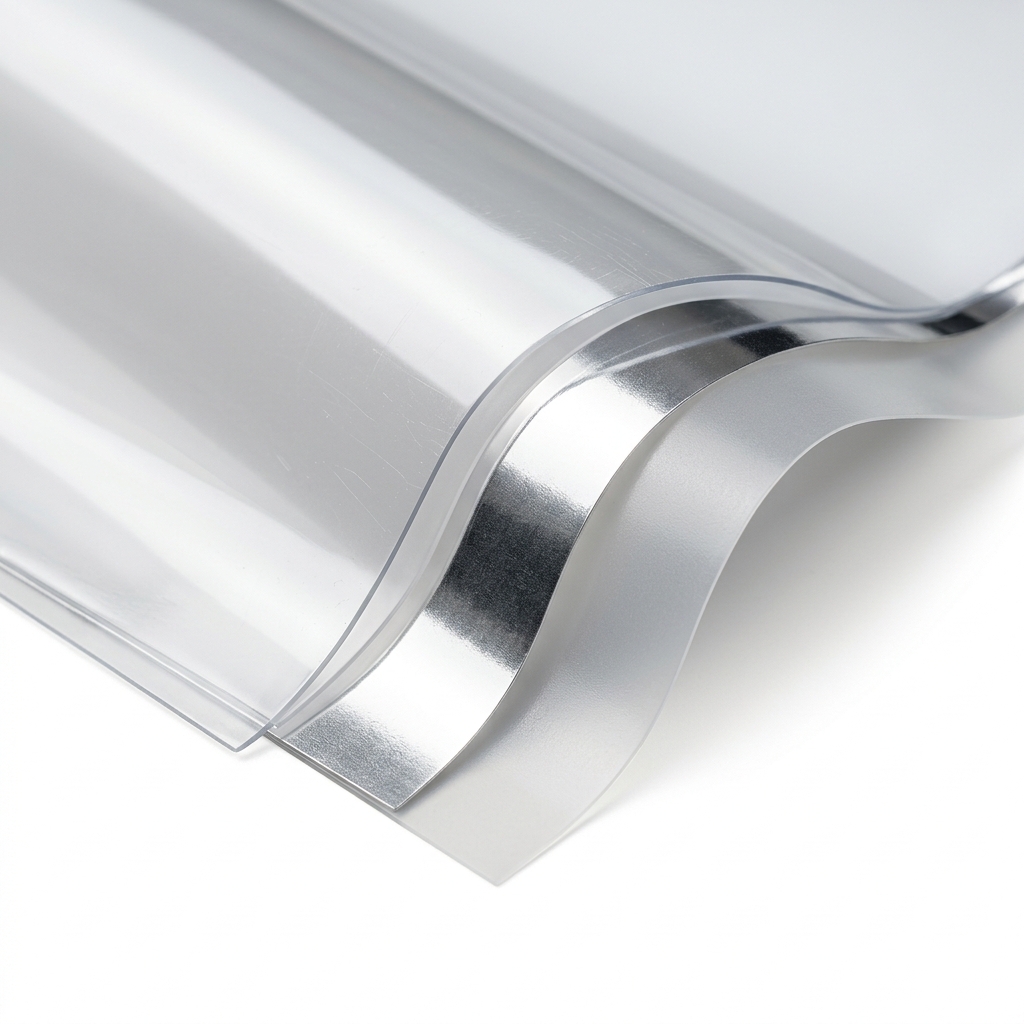
Printable PET supports artwork, registration marks, varnish or matte finish, and the outer handling surface.
Barrier film is selected around moisture, aroma, grease, light, and shelf-life targets for the packed product.
Adhesive bonds the print web, barrier option, and sealant into one stable laminate after curing and testing.
PE sealant is reviewed for heat-seal window, jaw temperature, dwell time, COF, filling conditions, and pack format.
Stand up pouch projects should confirm bottom gusset, gusset width, shelf stability, front panel, back panel, side seals, and fill volume before artwork and tooling are finalized.
Zipper option, tear notch, hang hole, window layout, degassing valve, and fitment option can be reviewed according to product flow, filling process, transport, and retail display needs.
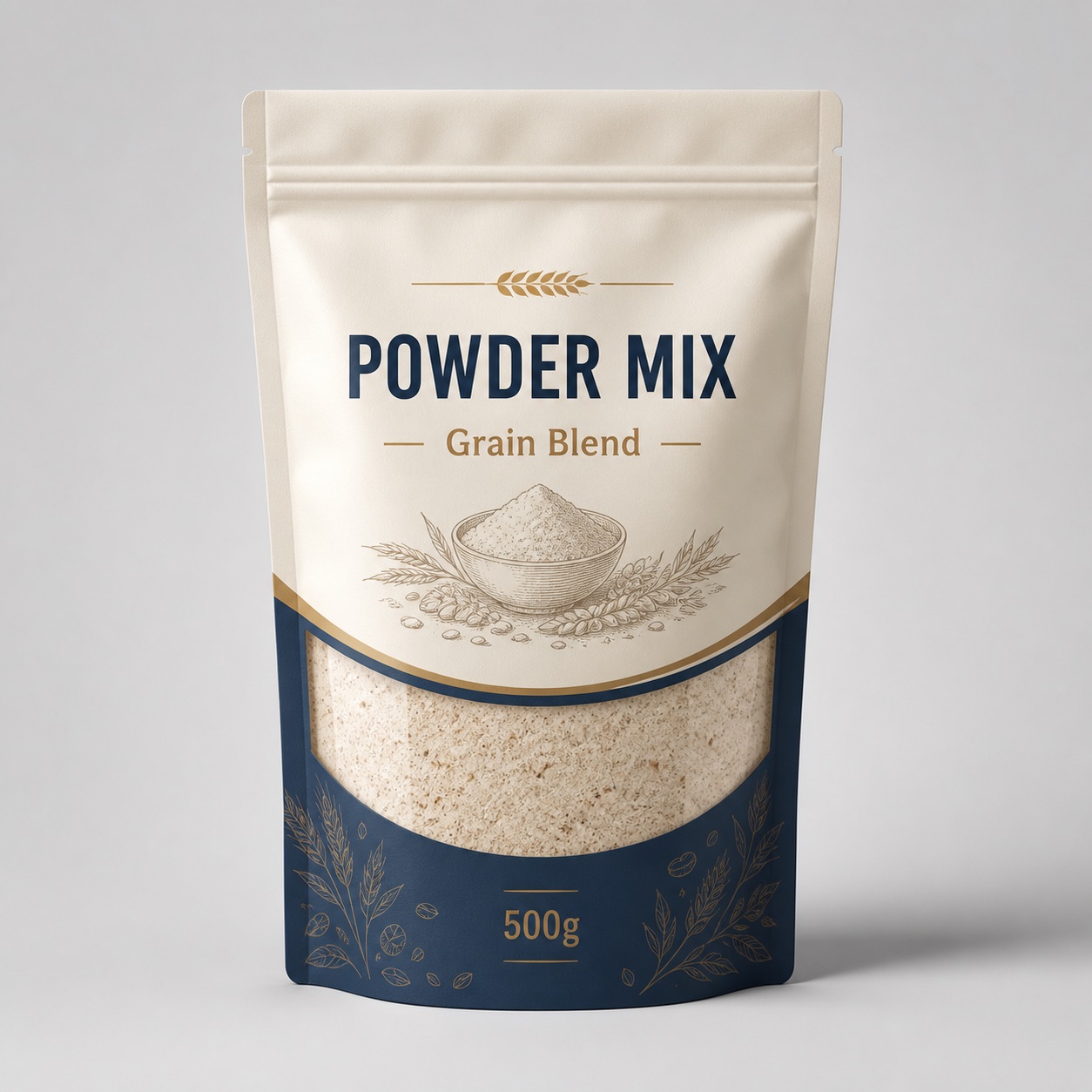
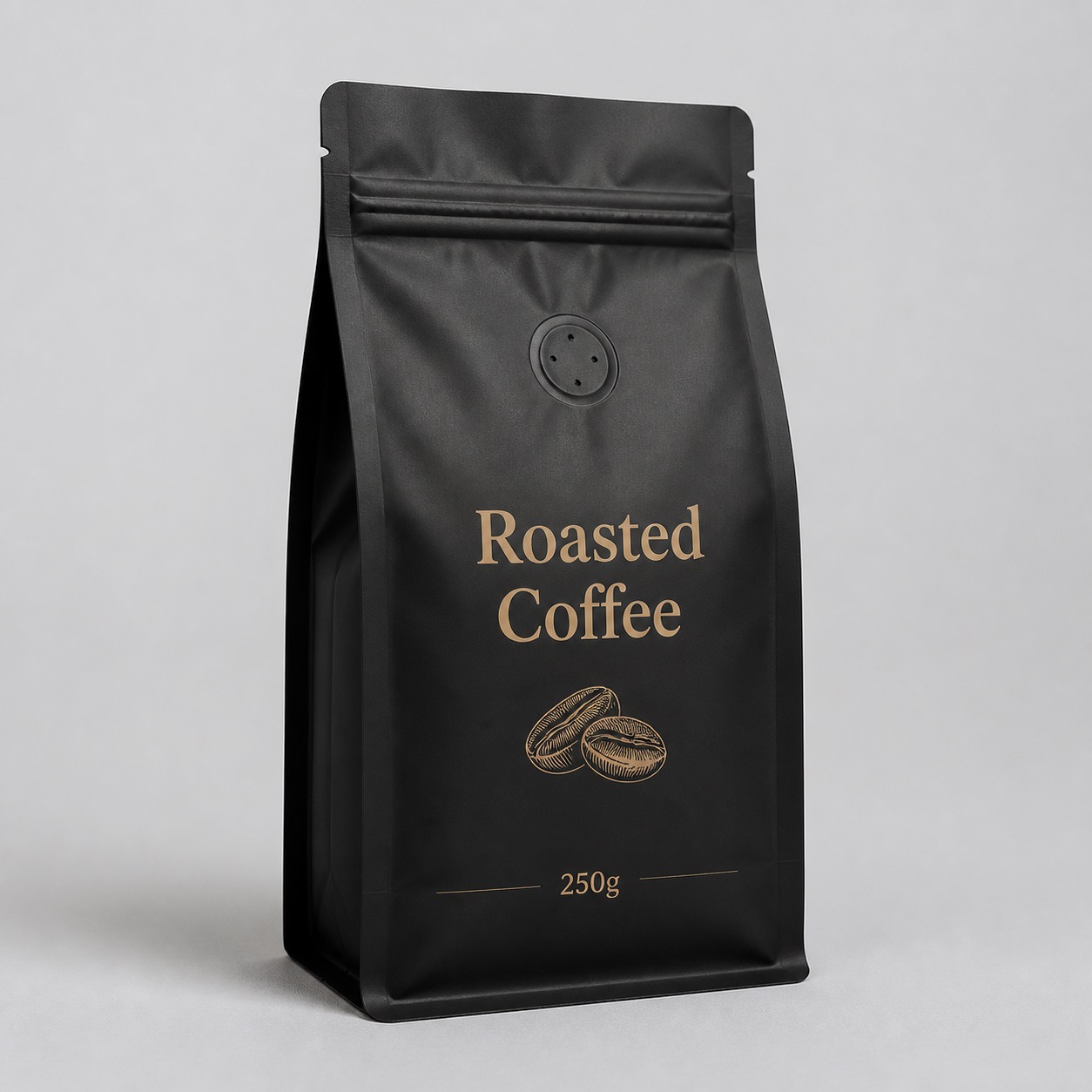
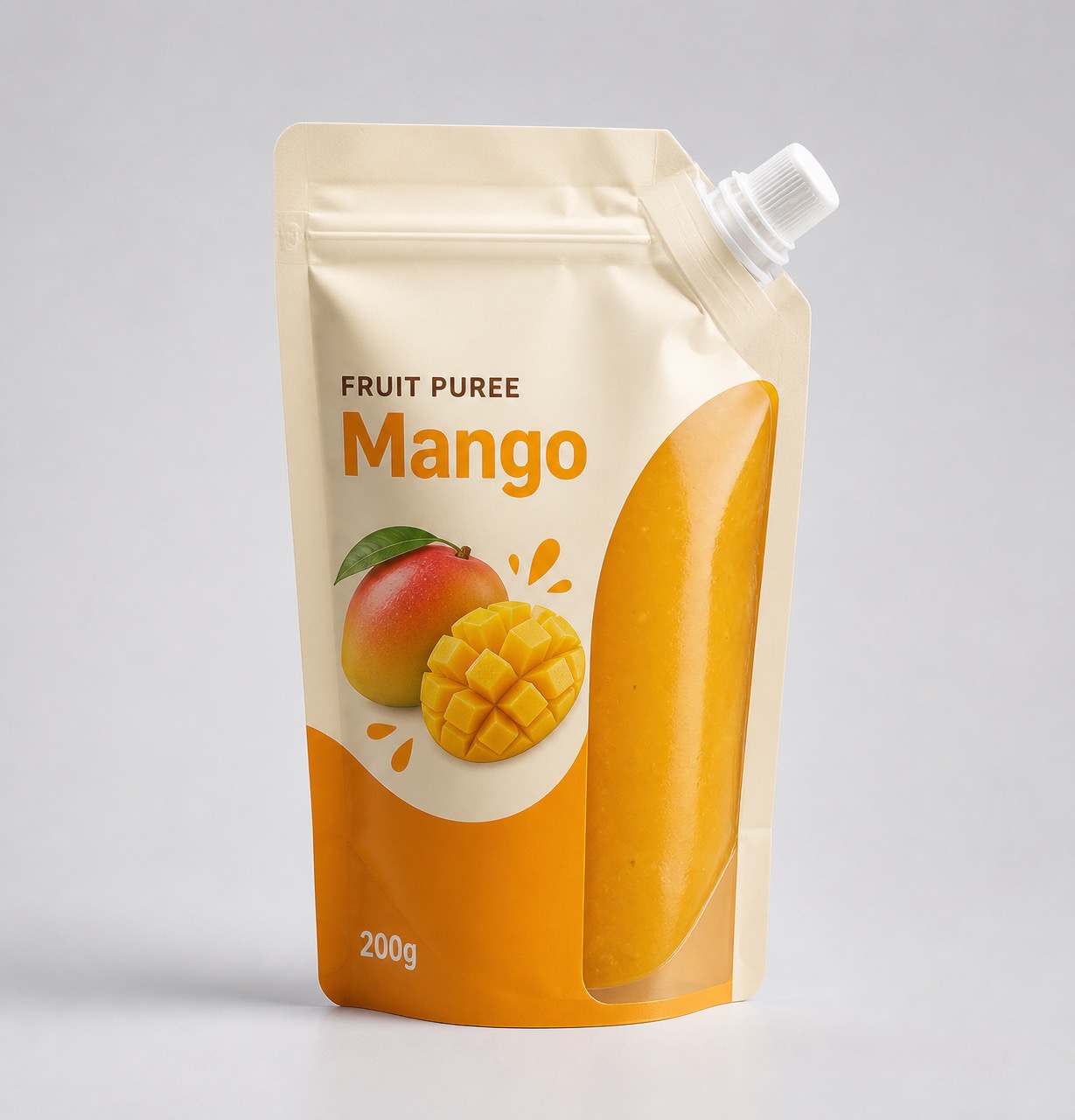
Review bottom gusset, gusset width, shelf stability, front panel, back panel, fill weight, and carton packing.
Confirm zipper option, tear notch, hang hole, degassing valve, fitment option, seal integrity, and filling-line sealing.
Review window layout, front panel, back panel, barcode clearance, matte, gloss, soft-touch, spot UV, metallic, or kraft-look finish, and retail shelf display.
Sample review, artwork proof, seal checks, material declarations, MOQ planning, and food-contact documentation can be reviewed by project scope.
Representative review points only. Actual values depend on product type, filling line, material structure, sealing method, and customer acceptance range.
Pouch Format
Reviewed by bottom gusset, gusset width, front panel, back panel, side seals, and fill volume
Barrier Target
Reviewed around oxygen barrier, moisture barrier, aroma retention, light exposure, and shelf-life study scope
Sealant Layer
Matched to seal integrity, zipper option, tear notch, fitment option, and filling-line temperature window
Accessory Review
Window layout, hang hole, degassing valve, zipper option, and fitment option reviewed by use case
MOQ Planning
Reviewed with print method, material structure, pouch size, accessory choices, and annual forecast
Documentation
Material declarations, artwork proof, sample approval notes, and food-contact documentation by project scope
Bottom gusset, sealant layer, zipper option, and MOQ planning reviewed for powder filling
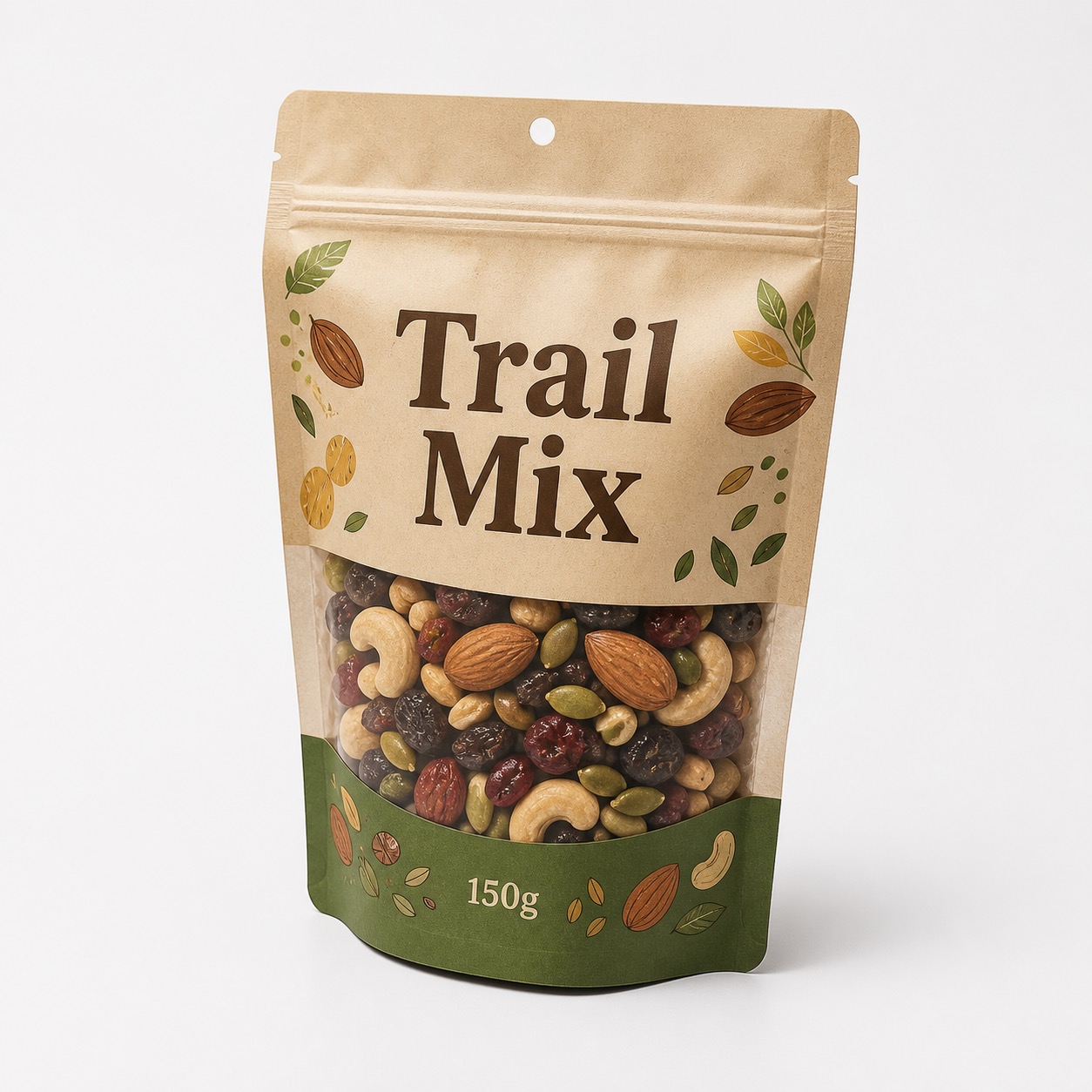
Shelf stability, window layout, hang hole, and barrier target reviewed for snack retail display
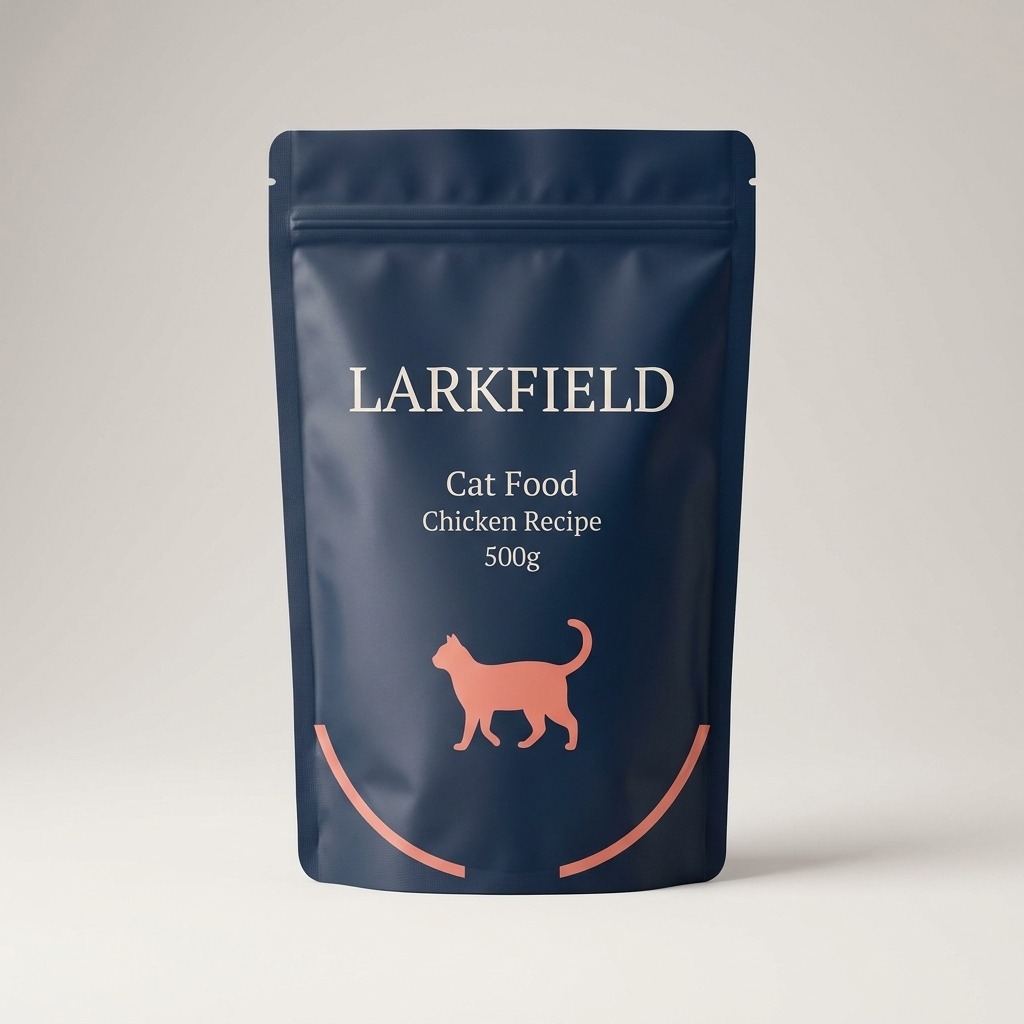
Front panel, back panel, puncture resistance, and seal integrity reviewed for pet food formats
Degassing valve, barrier target, zipper option, and shelf display reviewed for coffee packs
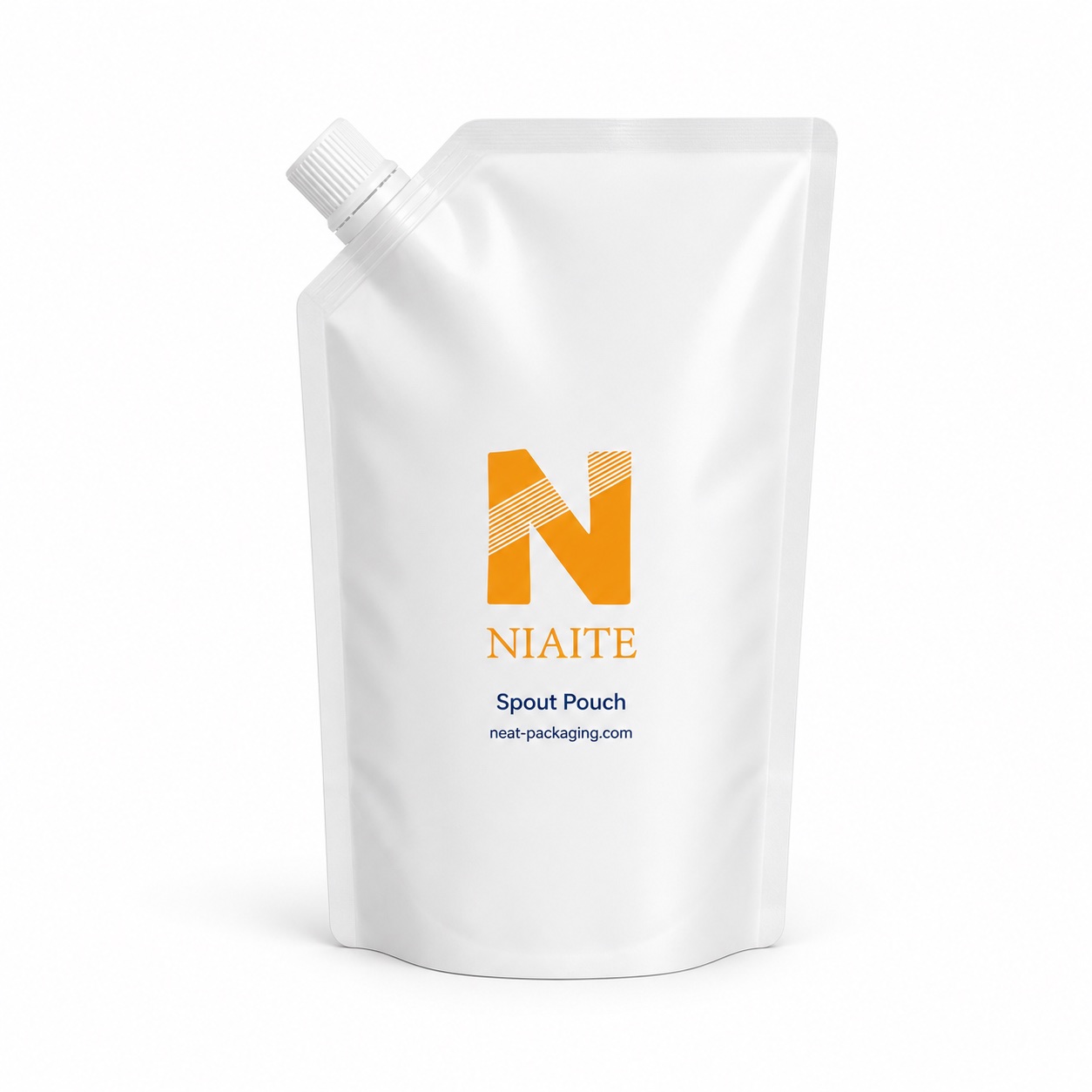
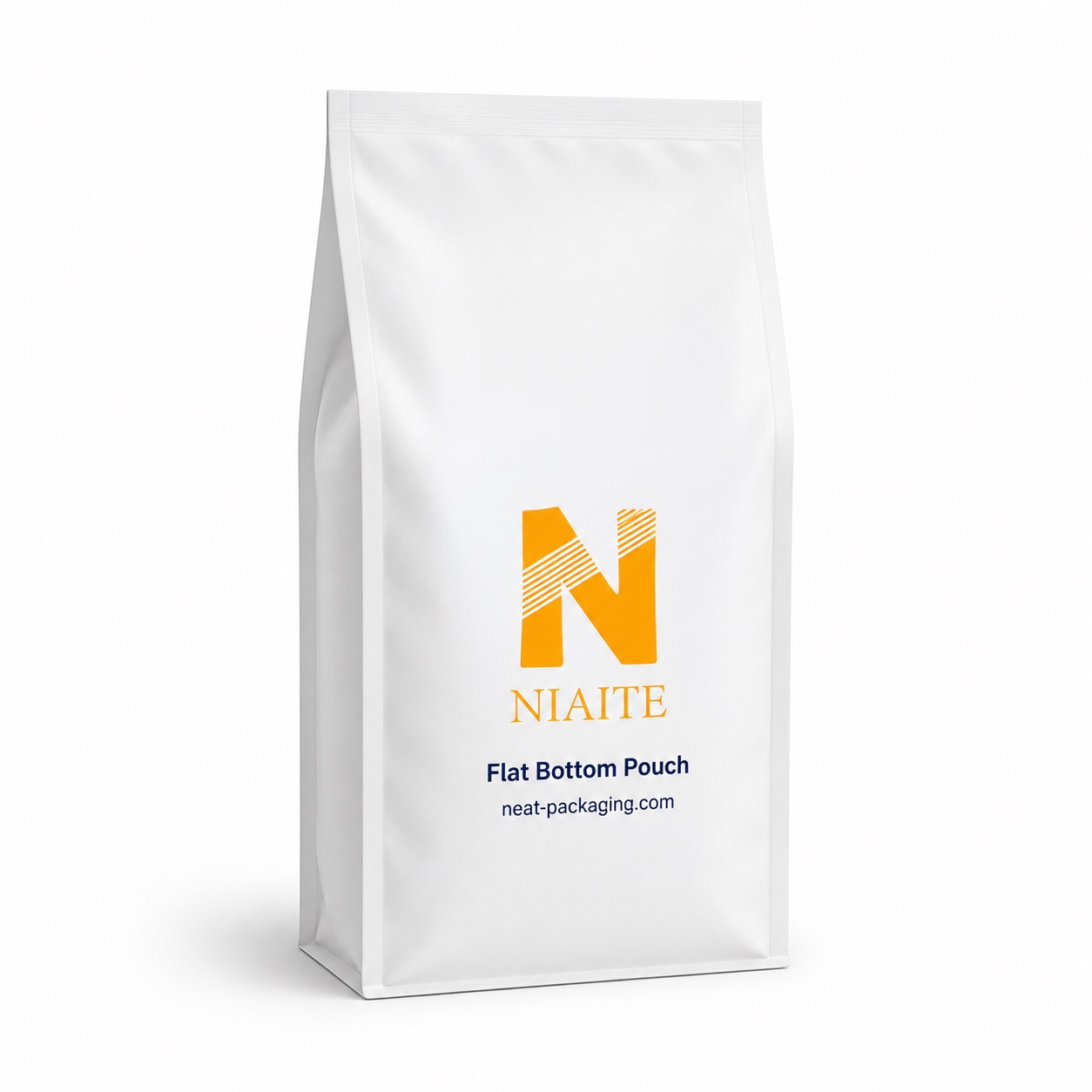
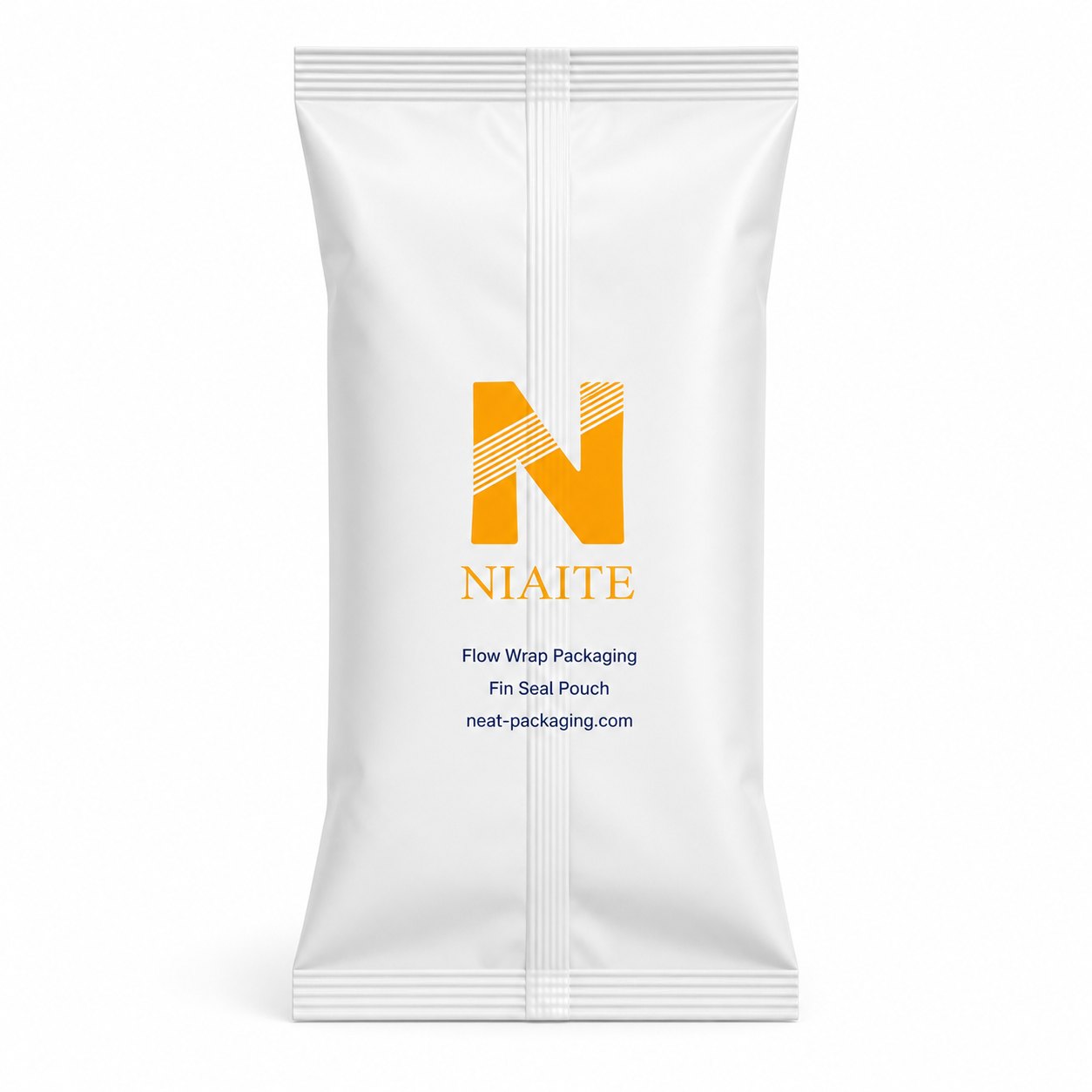
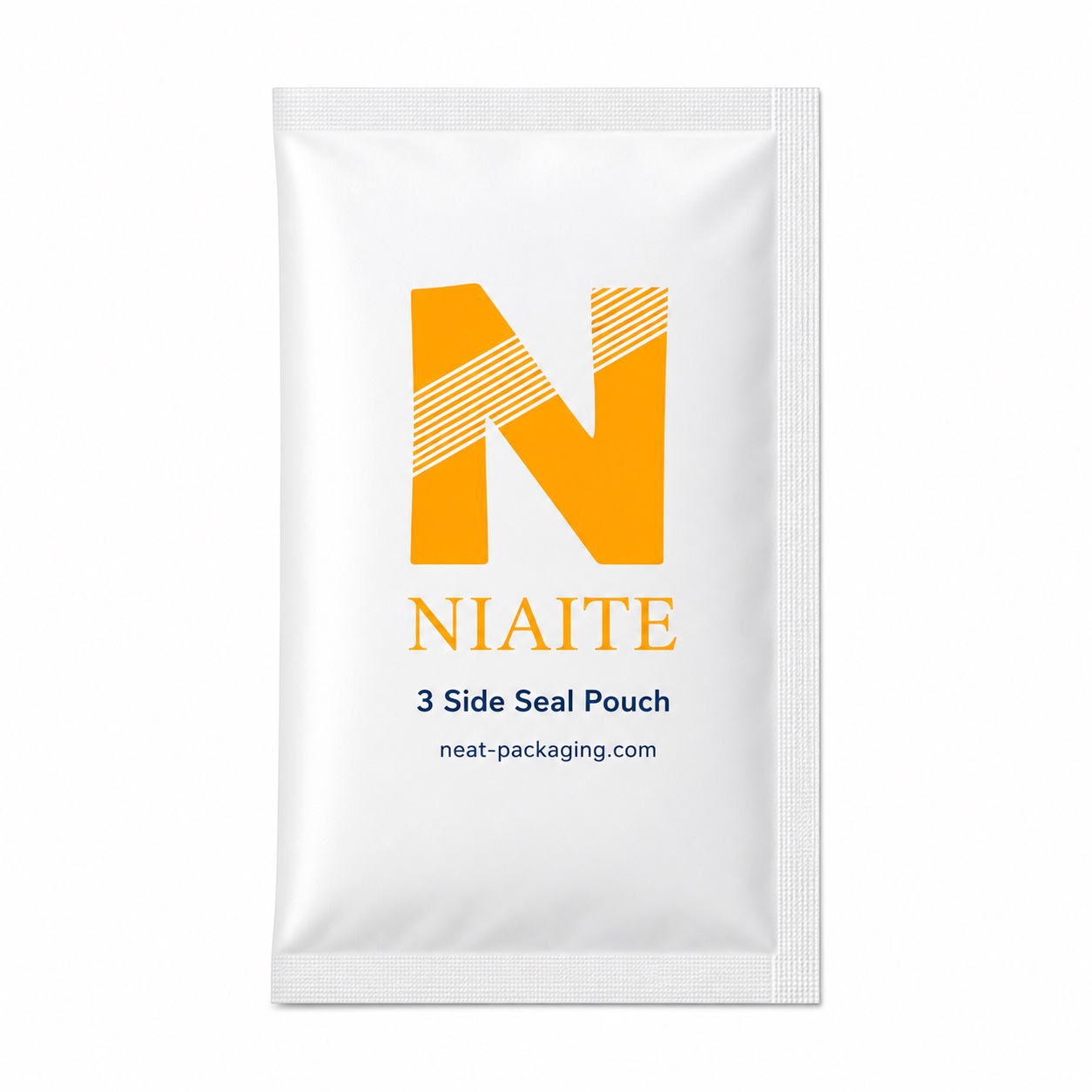
Use these photos as format references. Final size, structure, print layout, and testing scope are reviewed against your product, filling method, and target market.
Lower-impact structure options can be reviewed when the product, filling process, target market, and recovery route support them.
Common issues we help stand-up pouch buyers avoid during project coordination.
Uneven gusset folds cause pouches to tip over on retail shelves, undermining shelf presence and triggering retailer complaints. We help review gusset fold samples and confirm gusset width against fill weight before production approval so the pouch stands reliably.
Press-to-close and slider zippers behave differently on filling lines and on retail shelves. Choosing the wrong type can slow fill speed or reduce perceived quality. We coordinate zipper-type selection with the filler's equipment specs and the target shelf presentation before sampling.
Standard PE/PET may work for dry snacks, but moisture-sensitive products like protein powders or freeze-dried items need tighter MVTR targets. We help review the barrier structure against the actual product sensitivity and shelf-life requirement, not just the general category.
A stand-up pouch's curved front panel requires tighter print registration tolerance than flat bags. Misregistration on the curve makes fine text or barcode elements unreadable. We coordinate registration checks with the production team during proofing so artwork lands where intended.
Ordering pouches too close to the net fill weight leaves insufficient headspace for a clean seal. Overfilled pouches bulge, seal poorly, and fail leak tests. We help review pouch dimensions against the target fill weight and sealing clearance before confirming the size specification.
For Stand Up Pouches, buyers usually compare PET/PE, PET/VMPET/PE, PET/AL/PE, and PE-based reviews against bottom gusset, barrier target, sealant layer, filling, and documentation needs.
Common structures include PET/PE, PET/VMPET/PE, PET/AL/PE. The best choice depends on barrier target, filling process, packed product, shelf life, and target market.
For digital printing on selected standard specifications, the practical starting point is 1,000 pouches per order and 100 per design. Size, material structure, printing method, finishes, and artwork count can change final eligibility. Setup and proofing costs may apply, especially for low-volume or multi-design orders.
Gravure printing: 5,000 pouches per design for all pouch formats. Unit price includes machine setup and printing proofs; printing plates are quoted separately. Multiple designs may be gang-printed when size, material and schedule allow; confirmed per project.
Food-contact documentation, supplier declarations, migration testing, and third-party testing can be reviewed or arranged by project scope and selected structure.
Stand Up Pouches are commonly specified for snacks, coffee, pet food, powders, supplements, dried fruit, and retail products. NIAITE can adjust bottom gusset, barrier target, sealant layer, closure, window layout, and print finish for the packed product.
Stand Up Pouches can be reviewed for snacks, coffee, pet food, powders, supplements, dried fruit, confectionery, household refills, and retail packs where bottom gusset, shelf stability, barrier target, closure, and print finish need to be matched to the product.
Please confirm pouch dimensions, fill weight, bottom gusset, gusset width, front panel, back panel, barrier target, sealant layer, zipper option, tear notch, window layout, hang hole, degassing valve, fitment option, artwork panels, MOQ planning, and food-contact documentation scope when applicable.
Material declarations, food-contact documentation when applicable, artwork proof, sample approval notes, seal test records, COF or film handling notes, and project QC records can be reviewed by selected structure and project scope.
Production workflow follows GMP-style hygiene and handling controls; no site-level GMP registration is claimed.
ISO 9001-style QC records, material declarations, artwork proof, and project documentation can be reviewed by project scope.
DDP / FOB / CIF coordination can be reviewed by destination and project scope.
Project-level recyclable-ready or lower-impact structures can be reviewed where the final specification supports them.
Expert team providing support for stand up pouch format, barrier, closure, and sealing reviews.
Production routing, order volume, lead-time assumptions, and capacity fit are reviewed for each confirmed project.
Tell us your product, target weight, and requirements.
We recommend materials, structure, and provide pricing.
Confirm details, approve artwork, and production begins.
QC checkpoints and shipment scope are confirmed by project.
Updated:
Work with NIAITE for material review, sampling guidance, QC checkpoints, and export project coordination.