Recyclable flexible packaging design starts with a target recovery route and reviews the complete pack—including the main PE-based structure, labels, inks, coatings, and closures—against that route. Mono-PE, MDO-PE/PE, BOPE/PE, and other PE-based directions still require barrier, filling, evidence, and claim review.
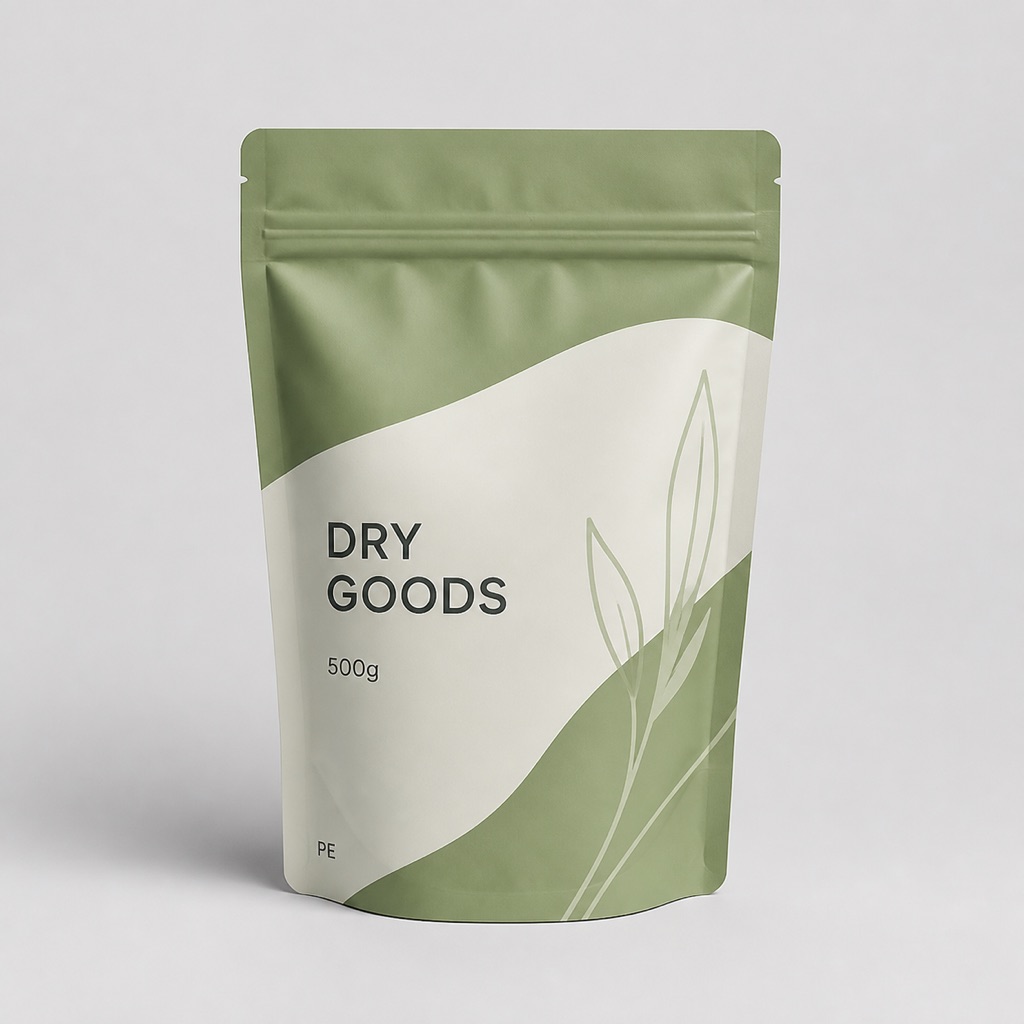
Recyclable-ready is not the same as recyclable: final acceptance depends on the complete pack and the target collection, sorting, and reprocessing system. Mono-PE, MDO-PE/PE, BOPE/PE, and PE-based laminates can be reviewed for that target recovery route.
Barrier tradeoffs, sorting compatibility, labels, inks, closures, sealant choice, and filling process all define the final structure limits and the testing support needed before market claims are used.
GMP-Style Production Controls
Partner facilities
ISO 9001-Style QC
Quality system
Shipping term coordination
DDP / FOB / CIF
Recovery Route Review
Market-specific claim support
Start with the product, barrier target, filling process, closure system, and target local recycling stream before selecting a recyclable-ready structure. Review market requirements .
Structures are reviewed against the target local recycling stream instead of assuming one global recyclability outcome.
Each mono-PE, MDO-PE/PE, BOPE/PE, or coated PE option has limits around stiffness, heat resistance, closures, and barrier needs.
Oxygen, moisture, aroma, grease resistance, and shelf life are balanced against sorting compatibility and the preferred recovery route.
Material declarations, sample notes, seal checks, and testing support can be prepared around the actual structure and market claim scope.
Key factors to evaluate when selecting recyclable packaging for your project.
Mono-material structures (all-PE or all-PP) can simplify a recovery-route review but may limit barrier performance. Multi-layer candidate structures may use polymers selected for a target route, while the complete pack still requires route-specific evidence and review.
Recyclable structures often trade some barrier capability for recyclability. Assess whether your product's shelf-life targets can be met with PE-based barriers, or if additional compatible barrier coatings are needed.
Recyclability depends on local collection and sorting systems. Identify the target market and review the chosen structure against the applicable collection, sorting, reprocessing, program, and evidence criteria before making a claim.
Request recyclability testing data and certification guidance from your project team. Third-party certifications help validate claims and build consumer confidence in your packaging's end-of-life pathway.
Compare recyclable-ready structures by recovery route, barrier tradeoffs, sorting compatibility, and filling process before confirming claims.
| Structure | Application | Barrier Level |
|---|---|---|
Mono-PE
|
PE pouch or film trial for dry goods where stiffness, sealant, and local recycling stream can be aligned | Standard |
MDO-PE / PE
|
PE-based laminates for snacks, powders, or personal-care refills requiring better print stiffness | Medium |
BOPE / PE
|
Oriented PE structure for selected dry-pack formats when machinability and recovery-route fit are compatible | Review |
PE / EVOH / PE
|
Limited-barrier option when oxygen protection is needed and EVOH level stays within the project review scope | Project-specific |
PE with Barrier Coating
|
Coated structure review when moisture, aroma, or grease resistance needs to be balanced with sorting compatibility | Project-specific |
PCR-Content PE Review
|
Optional recycled-content review when customer scope, resin source, and regulatory documentation support it | Standard |
Review every component against the target collection, sorting, and reprocessing pathway, including outer film, barrier layer, sealant, ink, adhesive, zipper, and label. Visit our material guide for more details.

Ink coverage and print systems are checked for their effect on identification, sorting, and reprocessing in the target recovery route.
MDO-PE can be reviewed for stiffness and print support depending on the specification and validation, while its orientation and laminate combination are checked for collection and sorting compatibility.
Barrier PE or compatible coatings are checked for product protection and for whether the target reprocessing pathway can accept the complete structure.
Sealant, zipper, label, and closure choices are reviewed as part of the complete pack because each can affect sorting and reprocessing compatibility.
This page is the recovery-path layer: start with the target recovery route, then review the complete pack against its collection, sorting, and reprocessing requirements.
A recyclable-ready pack must be designed around the country, collection route, sorting technology, and converter limitations that apply to the final market.
Structure choices such as mono-PE, MDO-PE/PE, BOPE/PE, coatings, zippers, and labels are reviewed together so barrier tradeoffs and sorting compatibility remain clear.
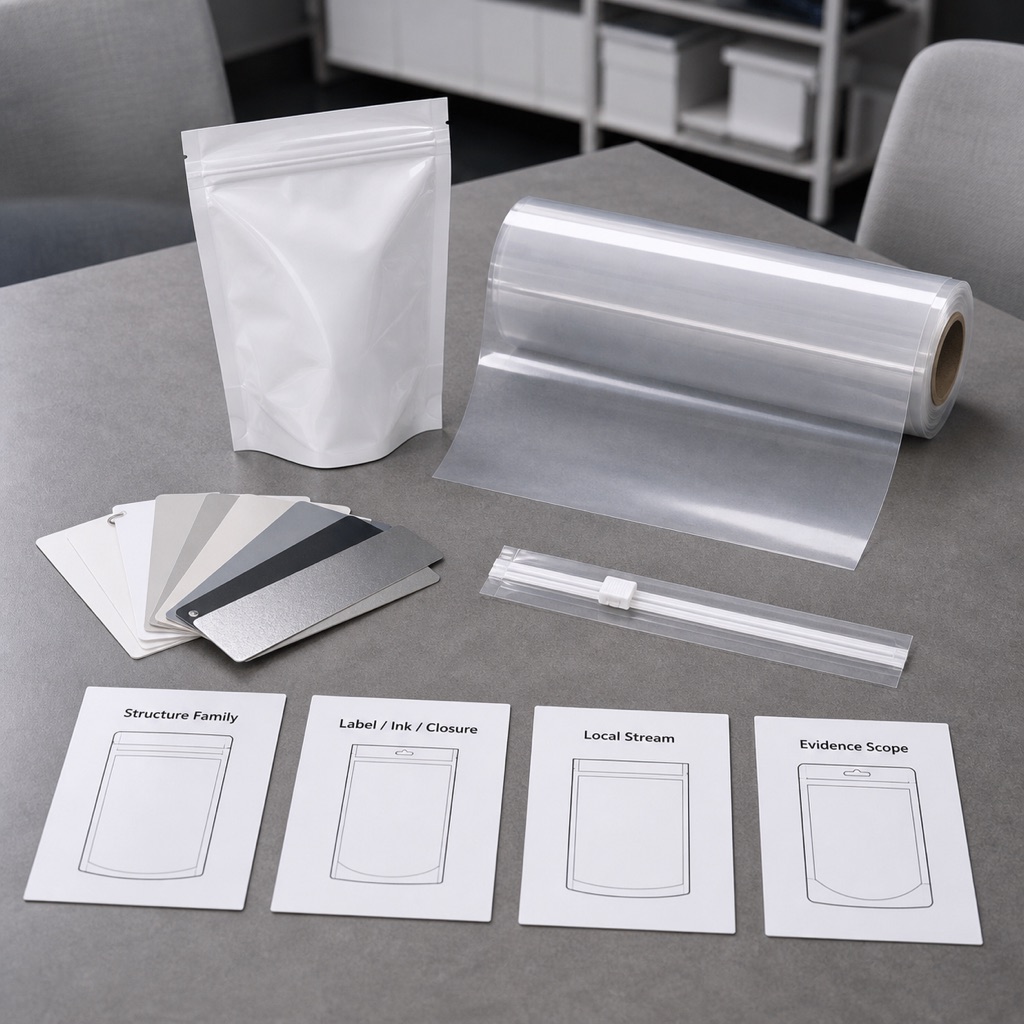
Define the target country, collection route, local recycling stream, and any customer claim-review requirement before structure selection.
Compare mono-PE, MDO-PE/PE, BOPE/PE, PE-based laminates, coating options, and closure effects.
Balance oxygen, moisture, aroma, grease, and heat-seal needs against sorting compatibility and structure limits.
Sample fit, seal checks, material declarations, recovery-route notes, and third-party test scope can be reviewed by project.
Representative review points only. Final specifications depend on product type, recovery route, barrier target, and filling process.
Target Stream
Reviewed by local recycling stream and customer market
Structure Family
mono-PE, MDO-PE/PE, BOPE/PE, or PE-based laminates
Barrier Target
Balanced against shelf life, product sensitivity, and recovery-route limits
Sorting Compatibility
Checked with labels, inks, adhesives, closures, and material density
Testing Support
Sample fit, seal strength, migration scope, and recovery-route evidence by project
Claim Boundary
Market-facing wording confirmed only after structure and evidence review
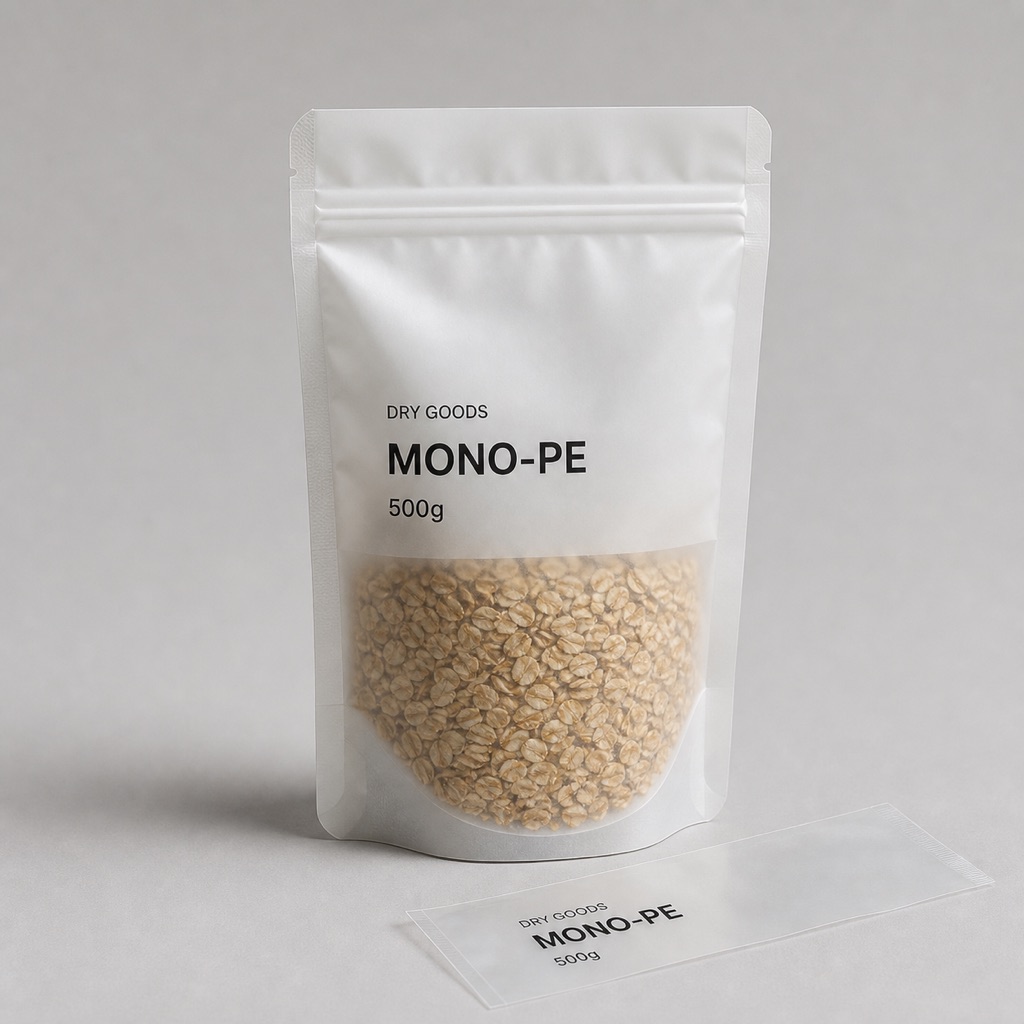
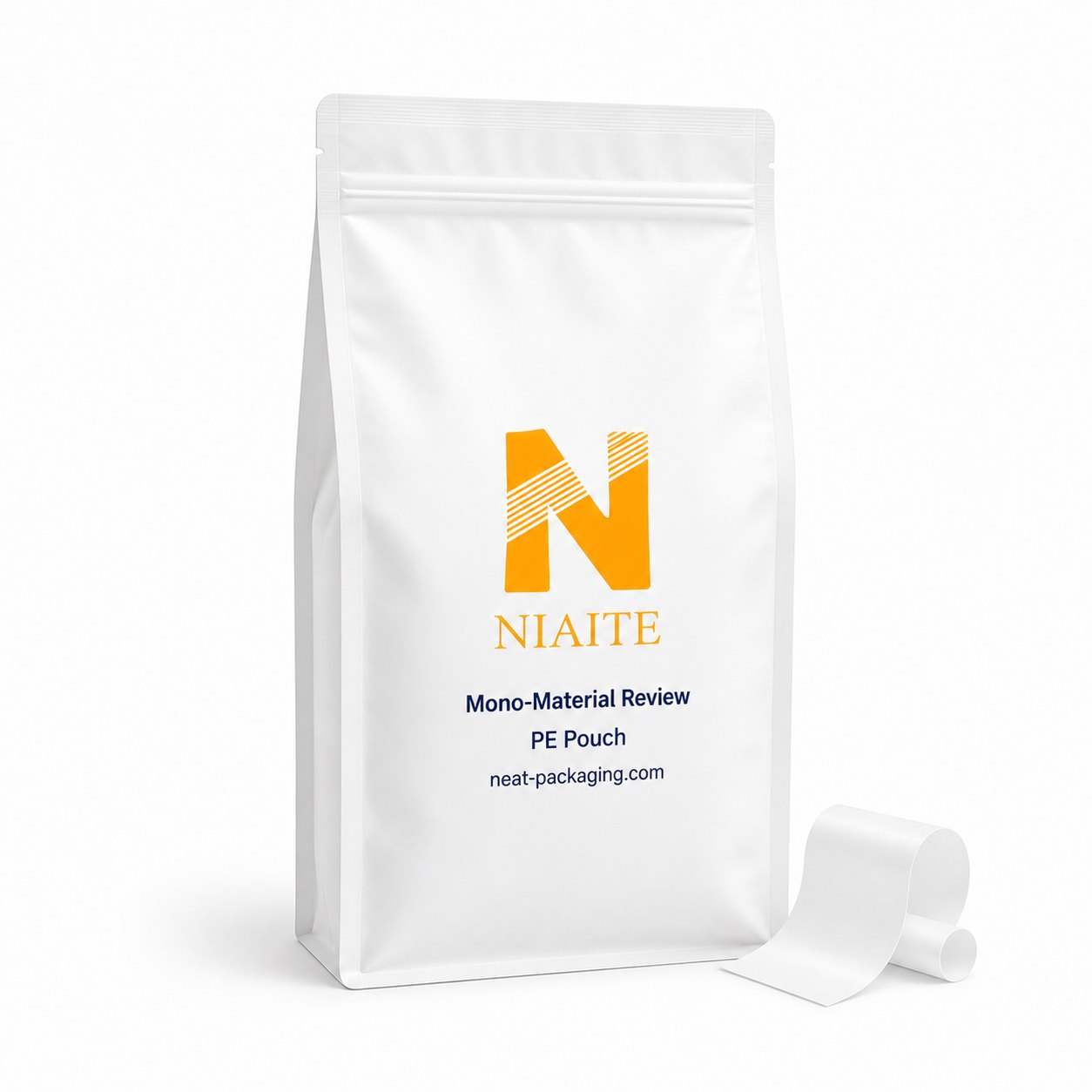
Recyclable-ready pouch reviewed against local recycling stream and structure limits
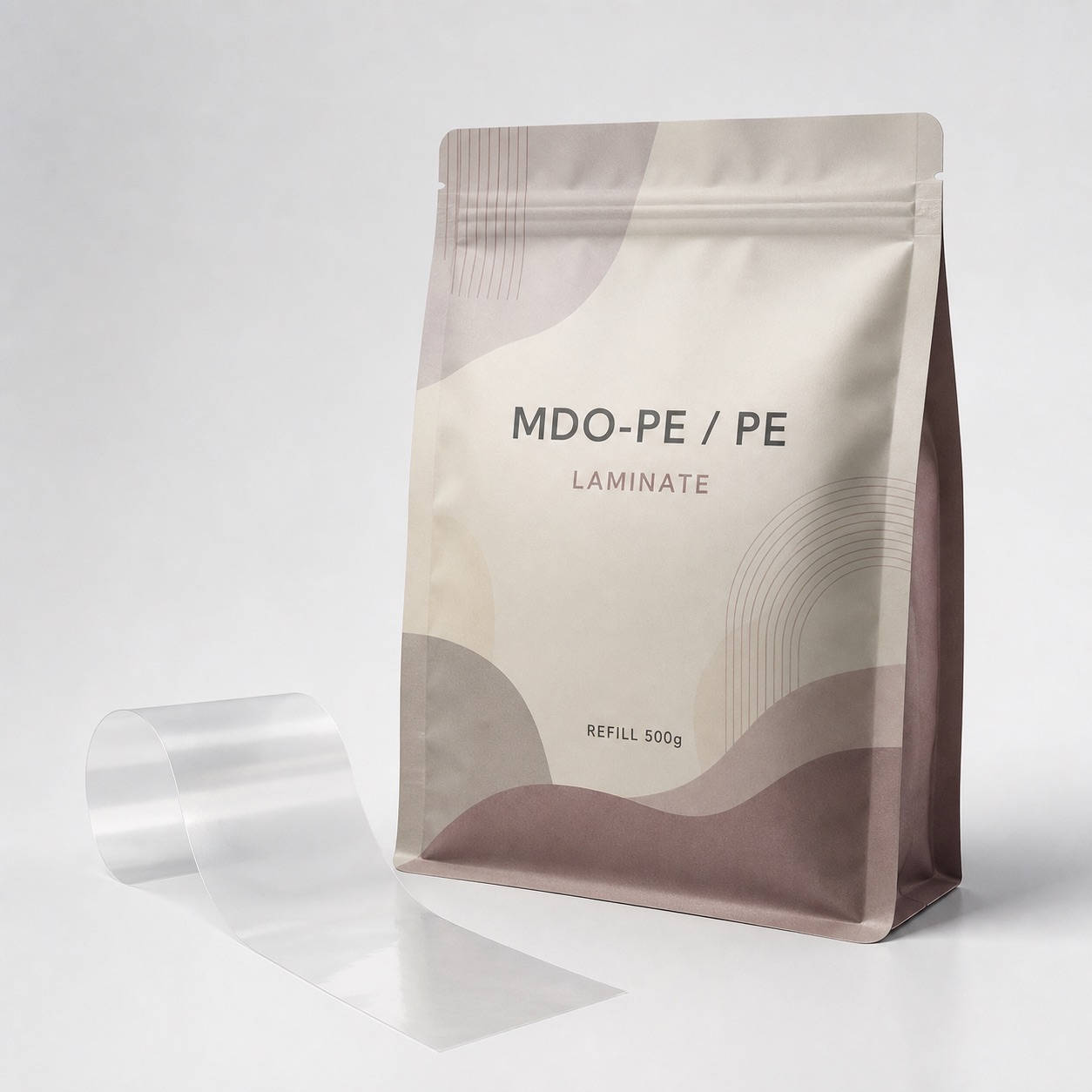
PE-based laminates reviewed for stiffness, print, barrier tradeoffs, and filling process
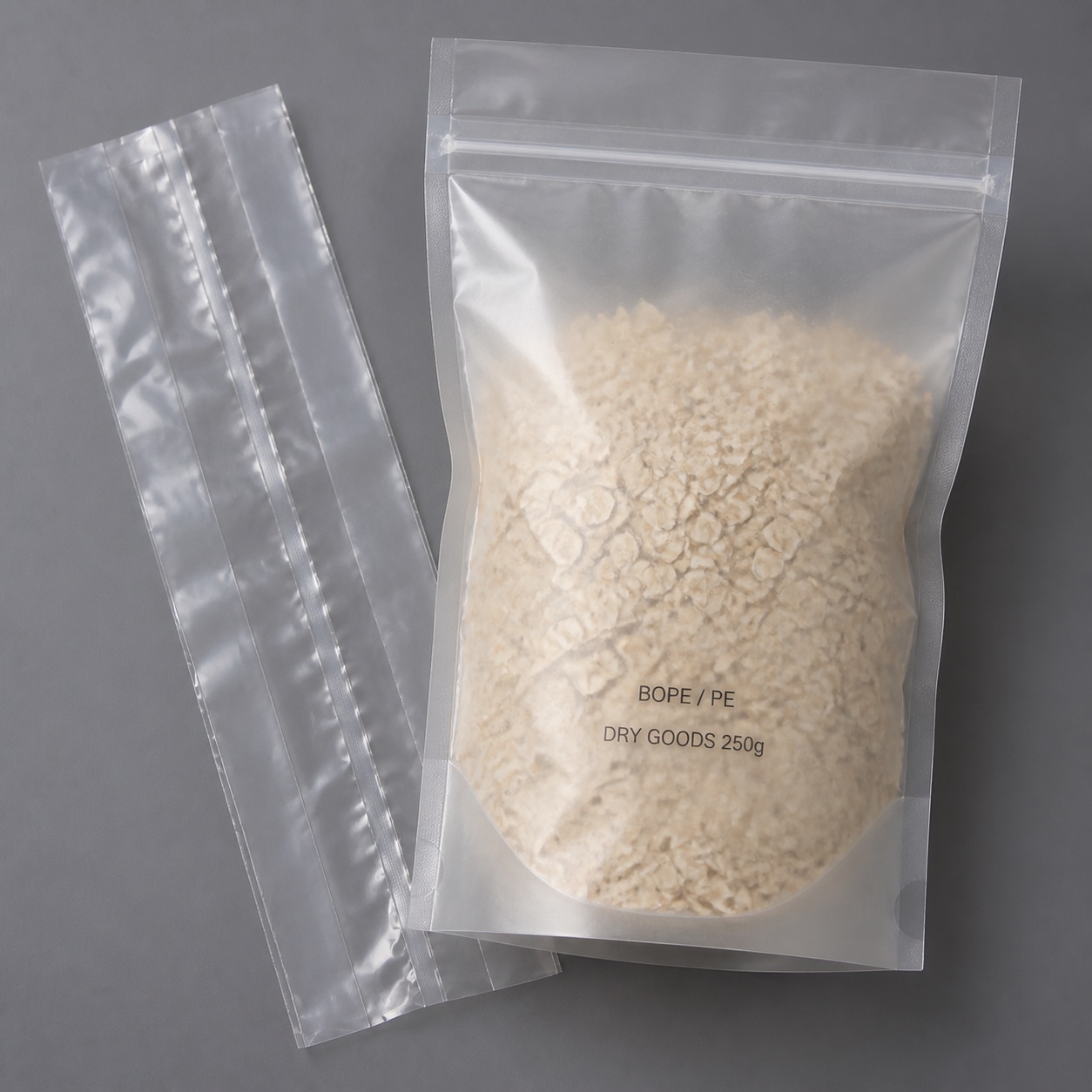
Oriented PE structure reviewed for sorting compatibility and sealant performance
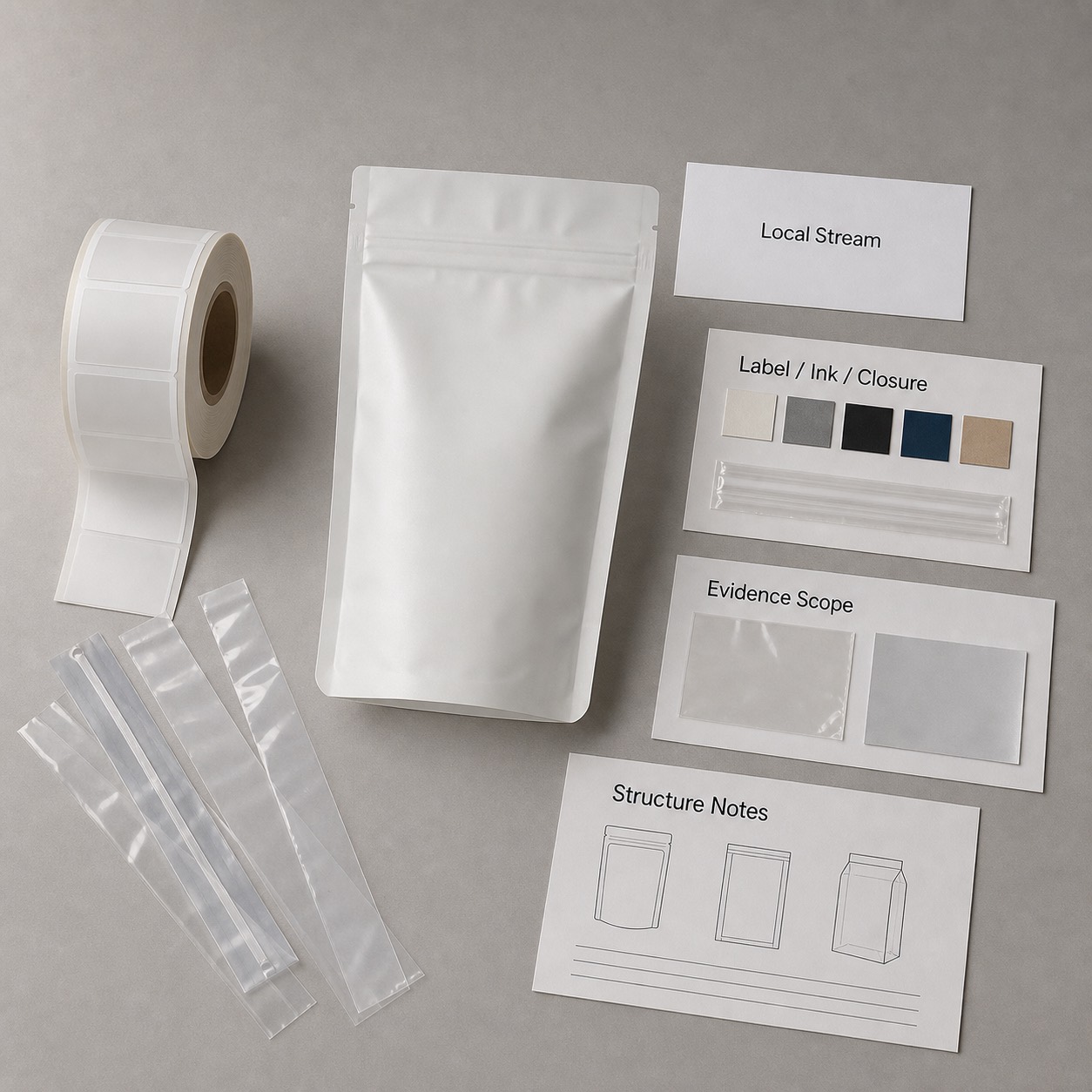
Documentation and testing support aligned with the target market claim scope
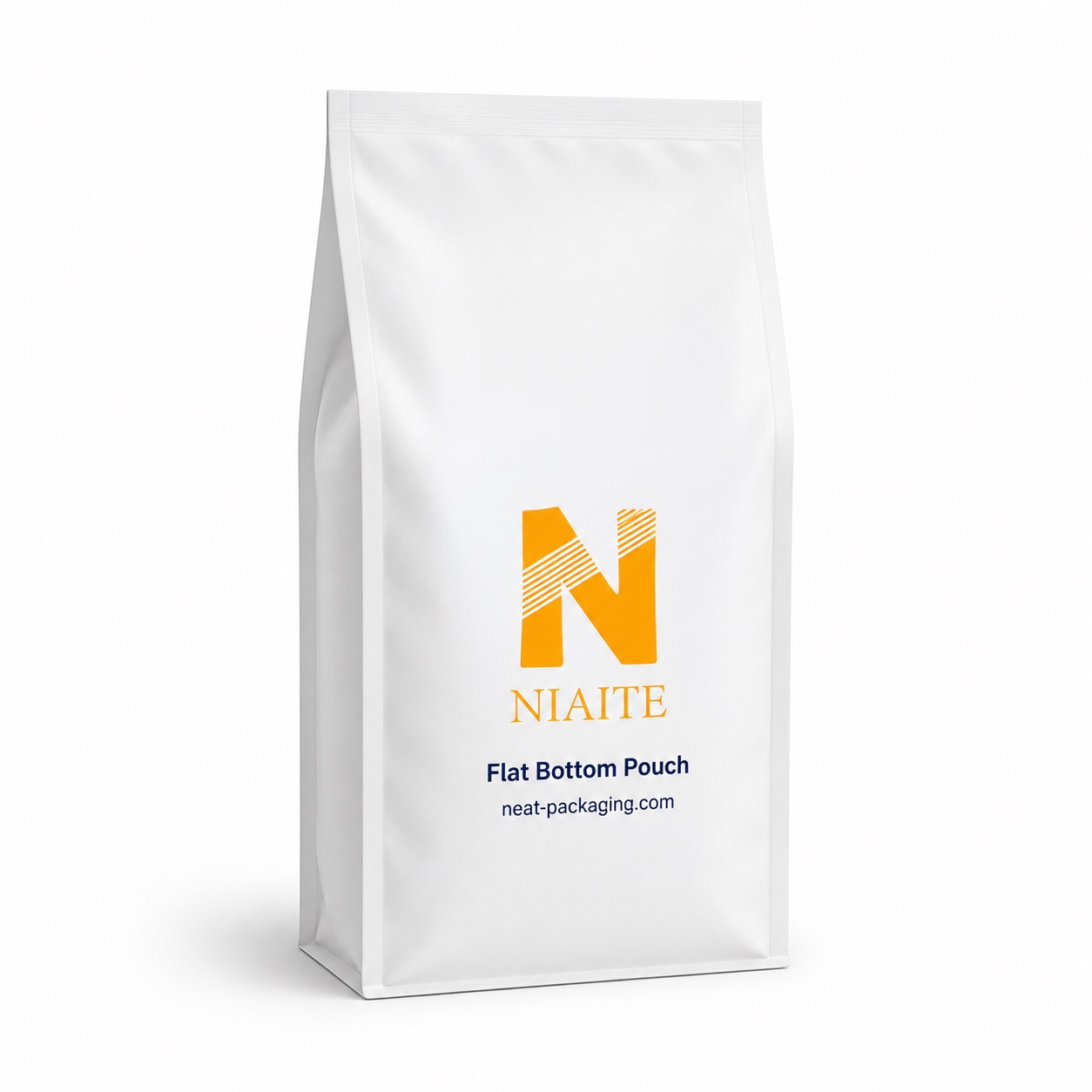
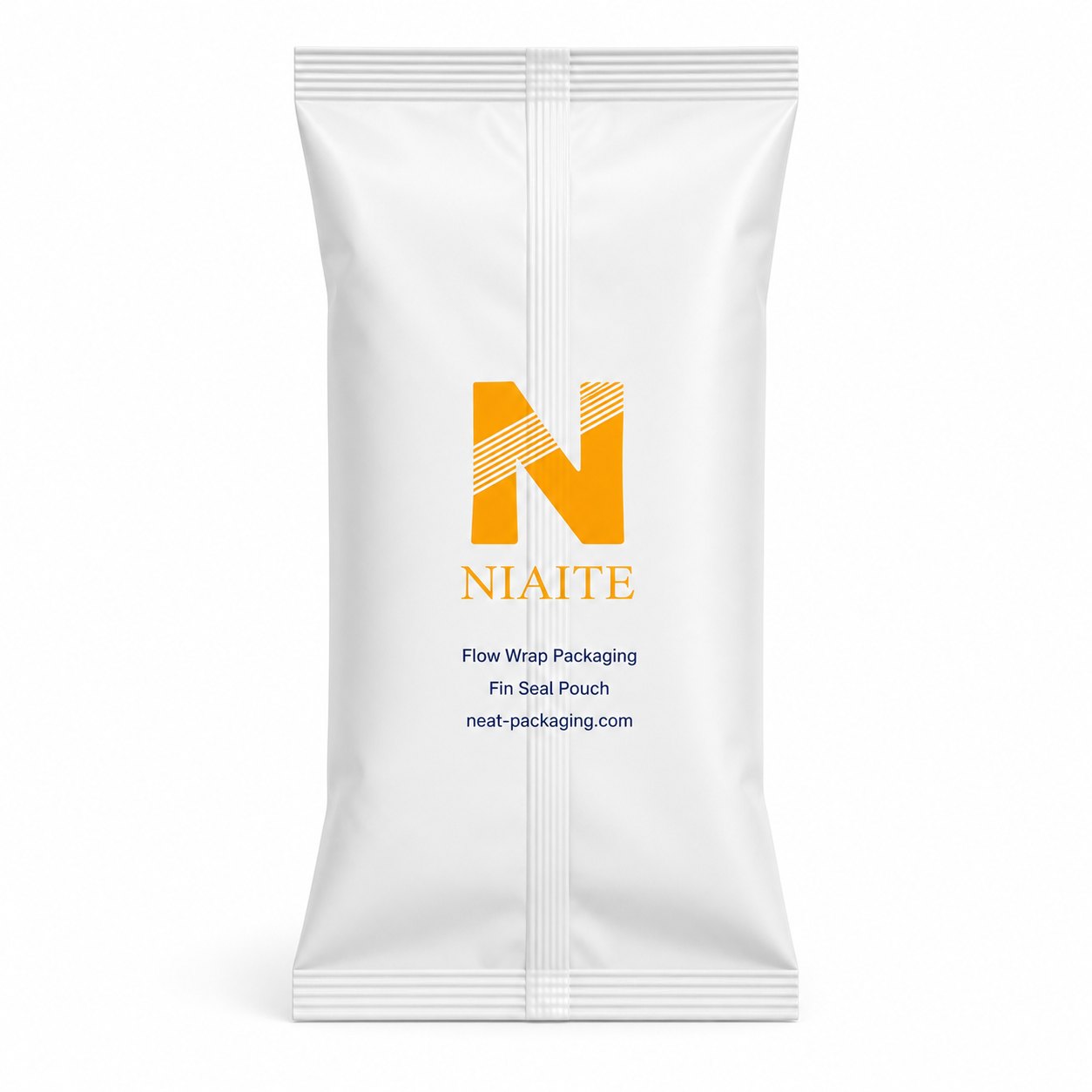
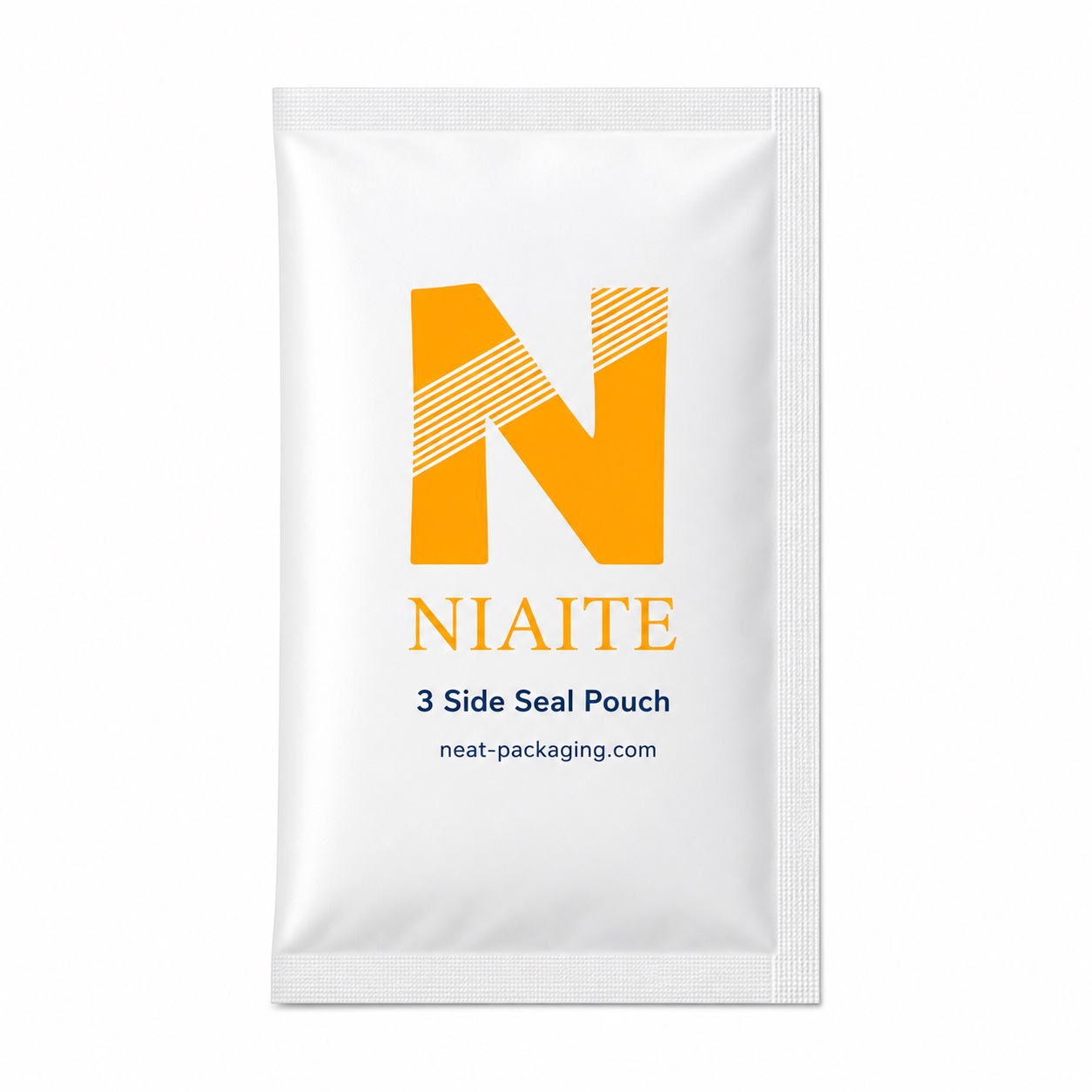
Use these photos as format references. Final size, structure, print layout, and testing scope are reviewed against your product, filling method, and target market.
Lower-impact structure options can be reviewed when the product, filling process, target market, and recovery route support them.
No. Recyclable-ready means the pack structure is prepared for review against a defined local recycling stream. The final claim depends on sorting compatibility, structure limits, market guidance, and testing support.
Define the final country or market, available collection stream, sorting technology, and reprocessing route before choosing a structure. The route determines which PE-based formats and components are appropriate to review.
Main film, barrier coating, adhesive, ink coverage, labels, zippers, valves, and other closures can affect identification, sorting, or reprocessing. They should be reviewed as one complete pack rather than as isolated components.
Material declarations, structure notes, seal testing, sample fit notes, and recovery-route evidence can be reviewed by project. Food-contact support depends on the selected resin source, application, and test scope.
Production workflow follows GMP-style hygiene and handling controls; no site-level GMP registration is claimed.
ISO 9001-style QC records, material declarations, and project documentation can be reviewed by project scope.
DDP / FOB / CIF coordination can be reviewed by destination and project scope.
Project-level recyclable-ready or lower-impact structures can be reviewed where the final specification supports them.
Project support for material review, artwork coordination, sampling, and production follow-up within the agreed scope.
Production routing, order volume, lead-time assumptions, and capacity fit are reviewed for each confirmed project.
Tell us your product, target weight, and requirements.
We recommend materials, structure, and provide pricing.
Confirm details, approve artwork, and production begins.
QC checkpoints and shipment scope are confirmed by project.
Common issues we help recyclable packaging buyers avoid during project coordination.
A structure designed around one region's recycling infrastructure may not fit the collection, sorting, or reprocessing systems where the product sells. We help review the structure and available evidence against target-market pathway criteria; final acceptance still depends on the local system and program.
Multi-layer films may be marketed as recyclable without evidence that covers the complete pack and target pathway. Unsupported claims can create regulatory or retailer risk. We coordinate declarations, testing inputs, and program-criteria review early so artwork wording can stay within the available evidence.
Switching to a recyclable-ready mono-material structure can reduce barrier performance, which may shorten shelf life below the product's requirements. We help evaluate barrier trade-offs and coordinate relevant shelf-life testing before committing to a structure.
Even when a base film is presented as recyclable-ready, inks, adhesives, labels, and closures can change how the complete pack is assessed. We coordinate a full-structure review against the target pathway criteria and identify components that may need evidence, testing, or redesign.
Recyclability labeling rules and retailer sustainability requirements vary significantly between markets. A claim accepted in one country may be non-compliant or insufficient in another, creating last-minute artwork changes or market entry delays. We help map claim requirements across your target markets before artwork finalization.
Updated:
Work with NIAITE for material review, sampling guidance, QC checkpoints, and export project coordination.
Recyclability, compostability-related claims, and environmental benefits depend on local infrastructure, structure design, and supporting documentation. Contact us for application-specific guidance.