Pet Food Packaging for dry kibble, wet food, treats, large-format bags, and pet supplement projects that need barrier structure review, resealable zippers, aroma barrier planning, puncture resistance, and filling-line fit.
NIAITE is a flexible packaging project support team coordinating pet food pouch structure, artwork, sample/proof, and production follow-up with selected production partners.
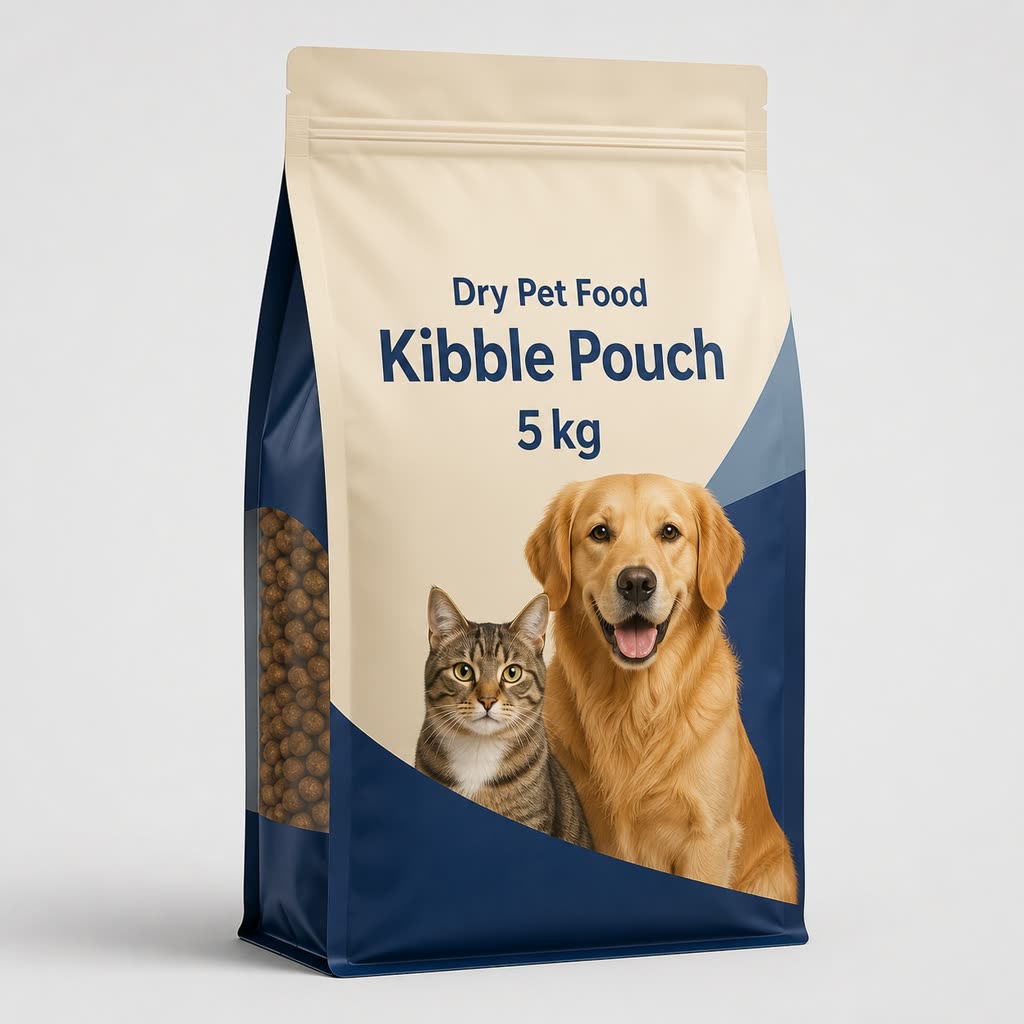
Heavy-duty stand-up pouches and quad-seal bags for dry kibble, wet food, and treats — with high-barrier structure options, resealable zippers, and capacity from 100g sachets to 15kg bags.
Reinforced bottom gussets and heavy-duty zipper options can be reviewed for large-format pet food projects.
Project records by scope
Batch record review
ISO 9001-style QC record review
Quality system
Shipping term coordination
DDP / FOB / CIF
Material Review
Project-specific structures
Custom pet food packaging inputs for dry kibble bags, wet food sachets, dog treat packaging, dental chews, large-format pet food bags, and pet supplement packaging formats.
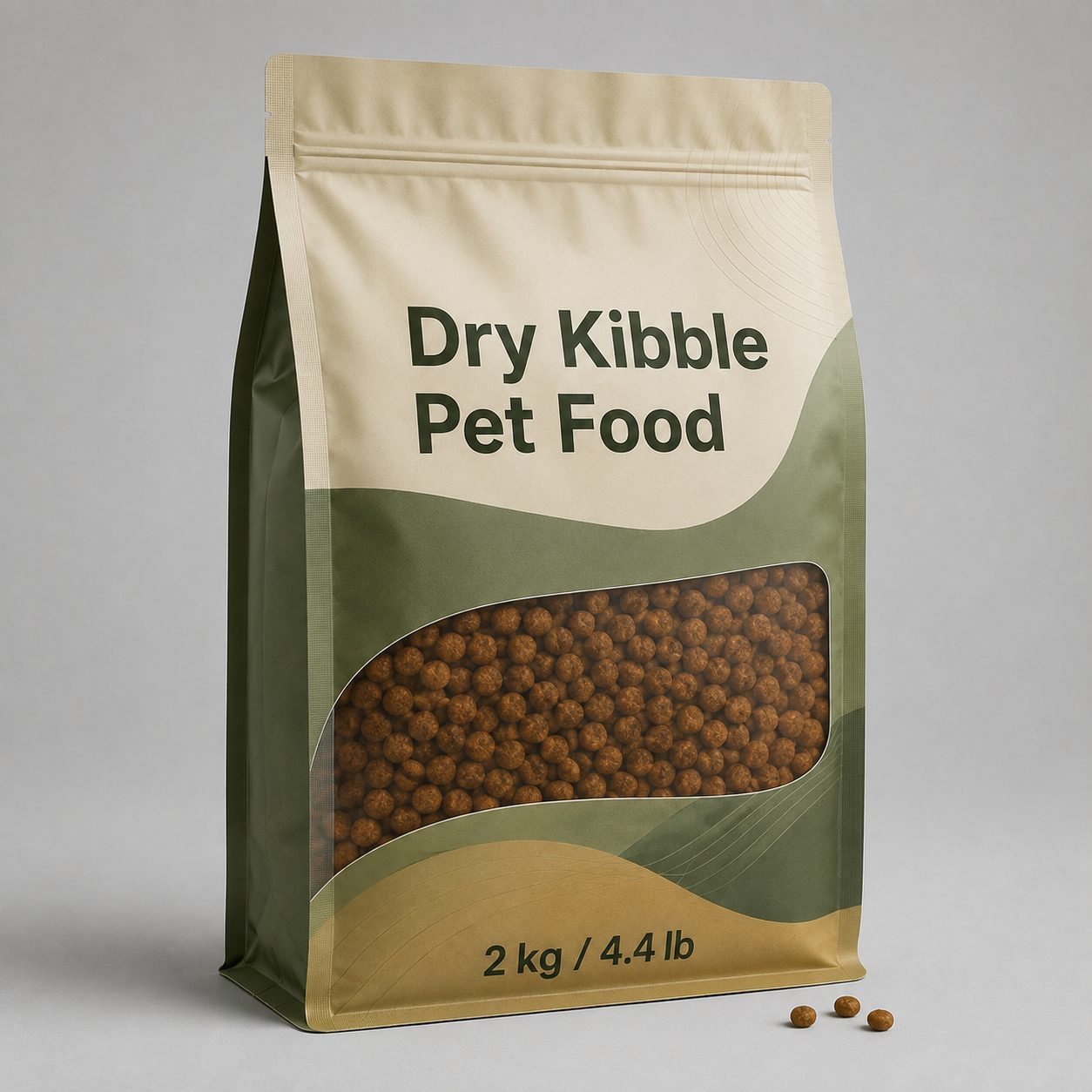
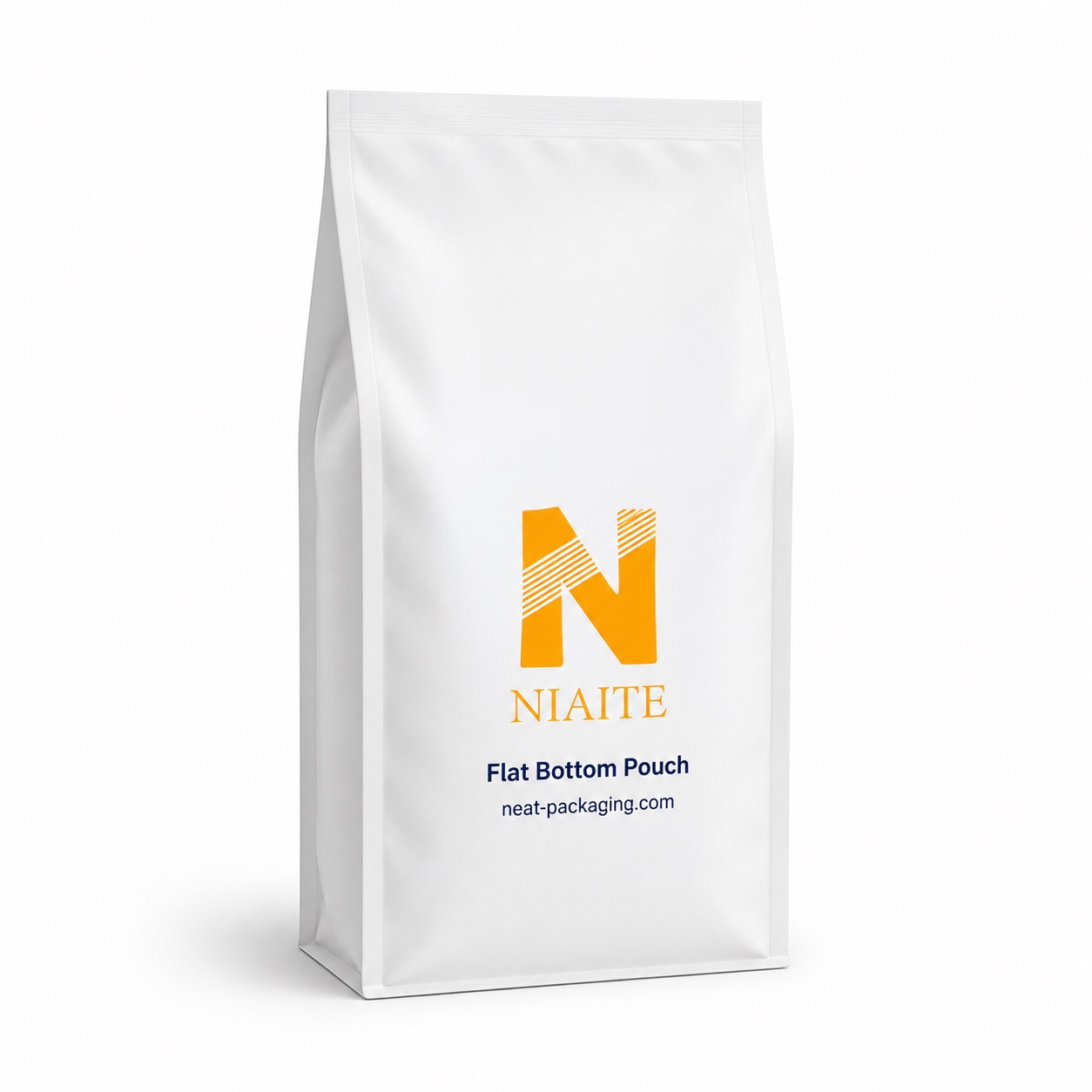
Quad-seal and flat-bottom dry kibble bags with resealable zippers, reinforced gussets, barrier structure review, and filling-line fit checks for 1-15 kg pet food projects.
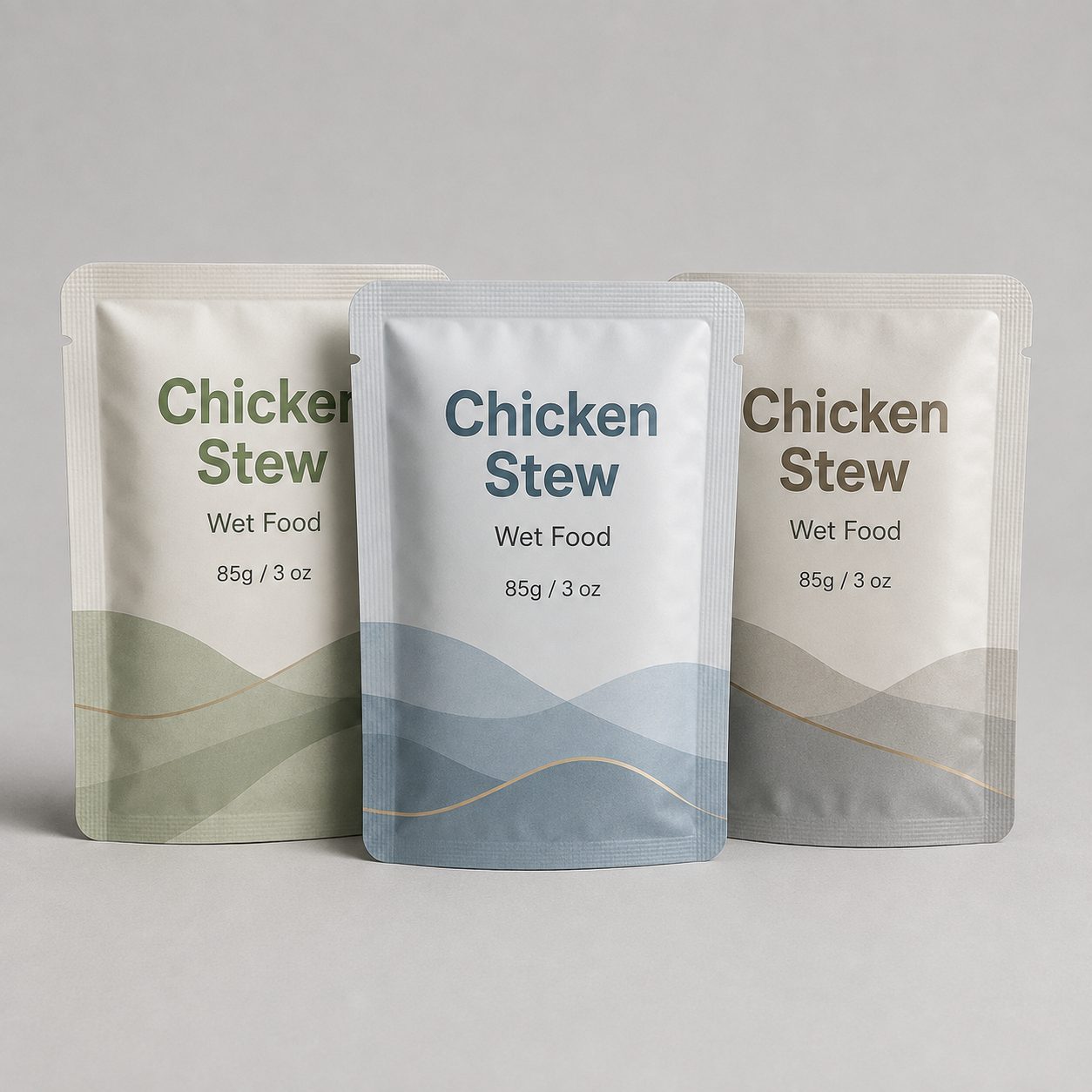
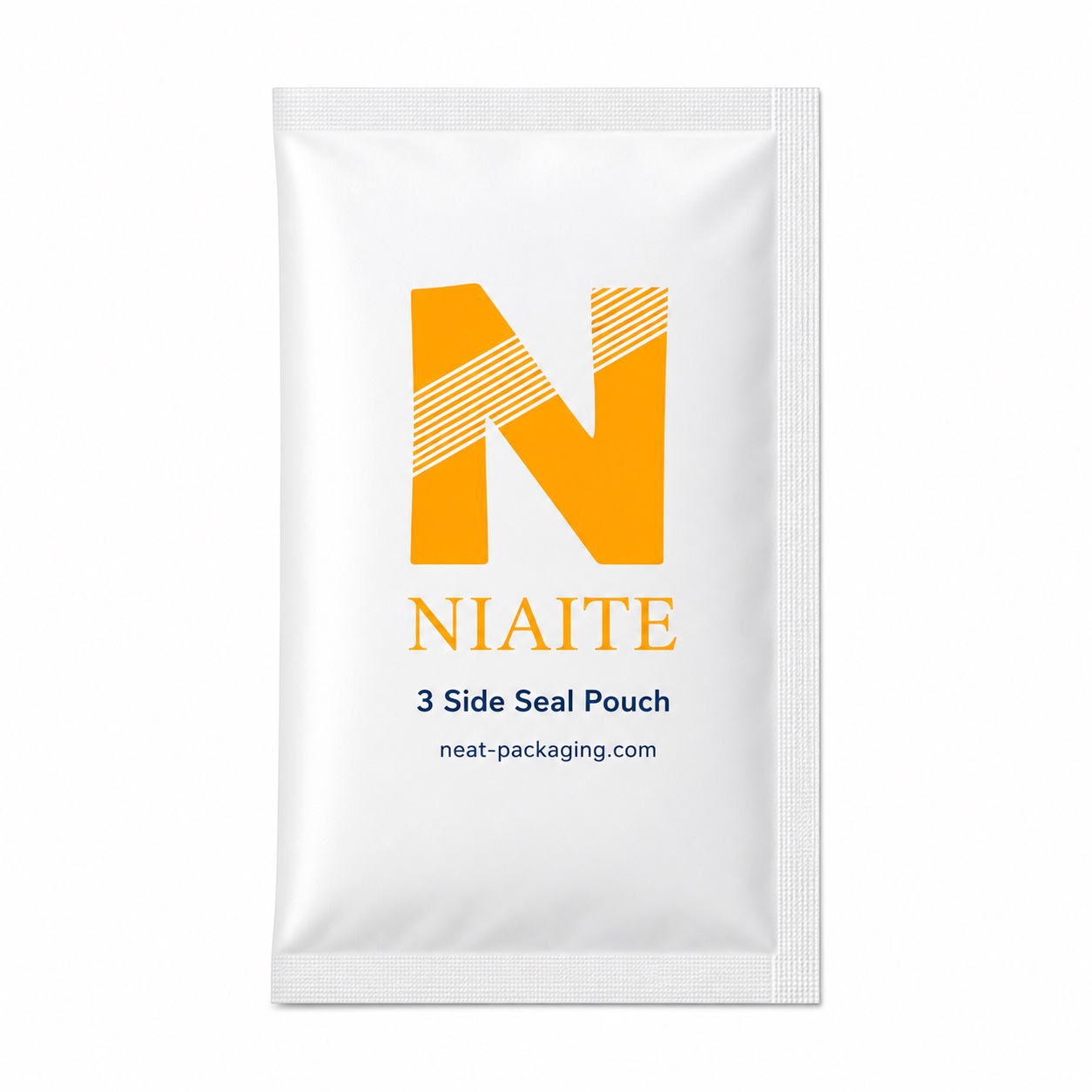
Single-serve wet food sachets for cat and dog food with tear notch, seal strength review, heat-process inputs, and food-contact documentation support by project.
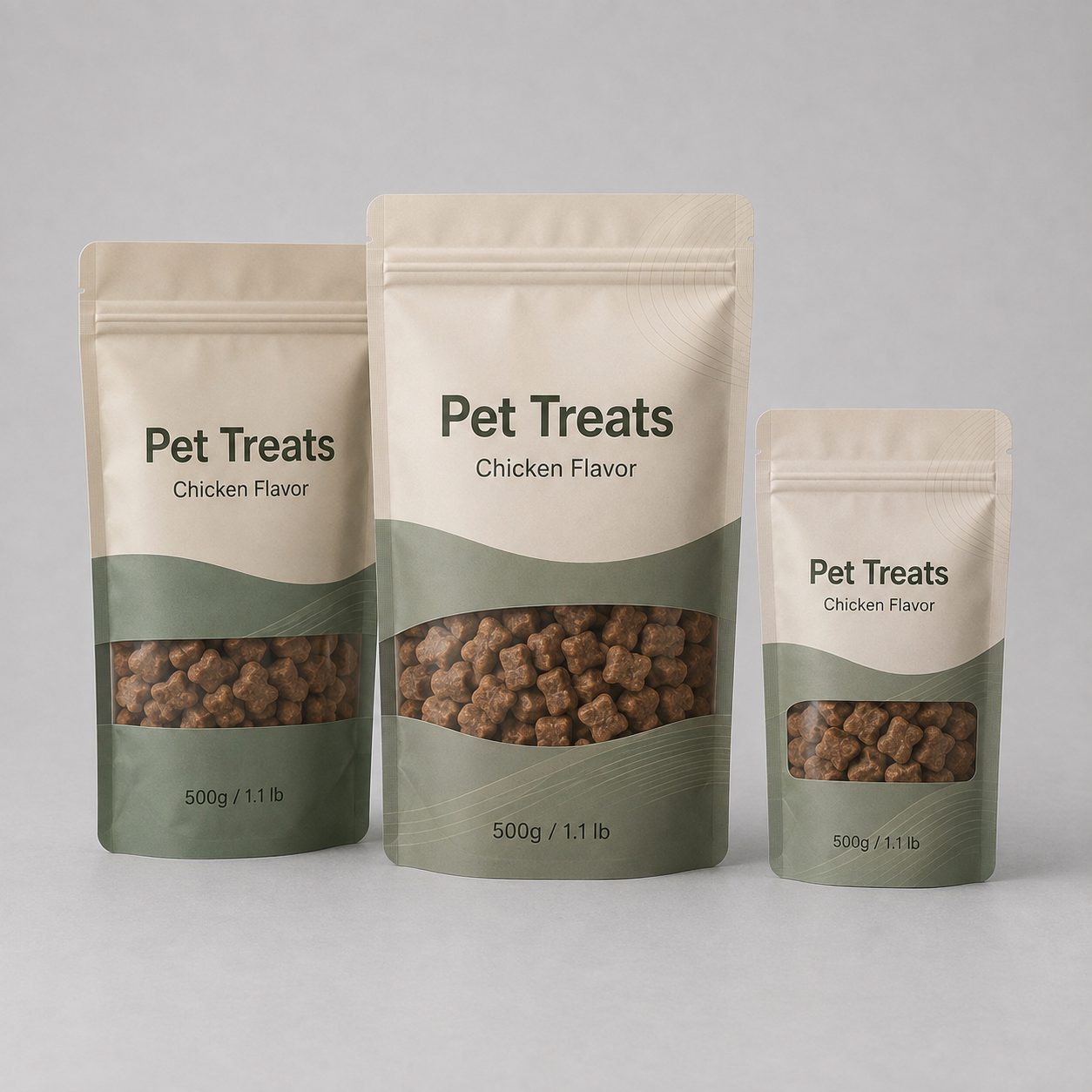
Stand-up and flat-bottom dog treat packaging pouches for dry treats with aroma-barrier planning, moisture-barrier target review, and resealable zippers by product format.
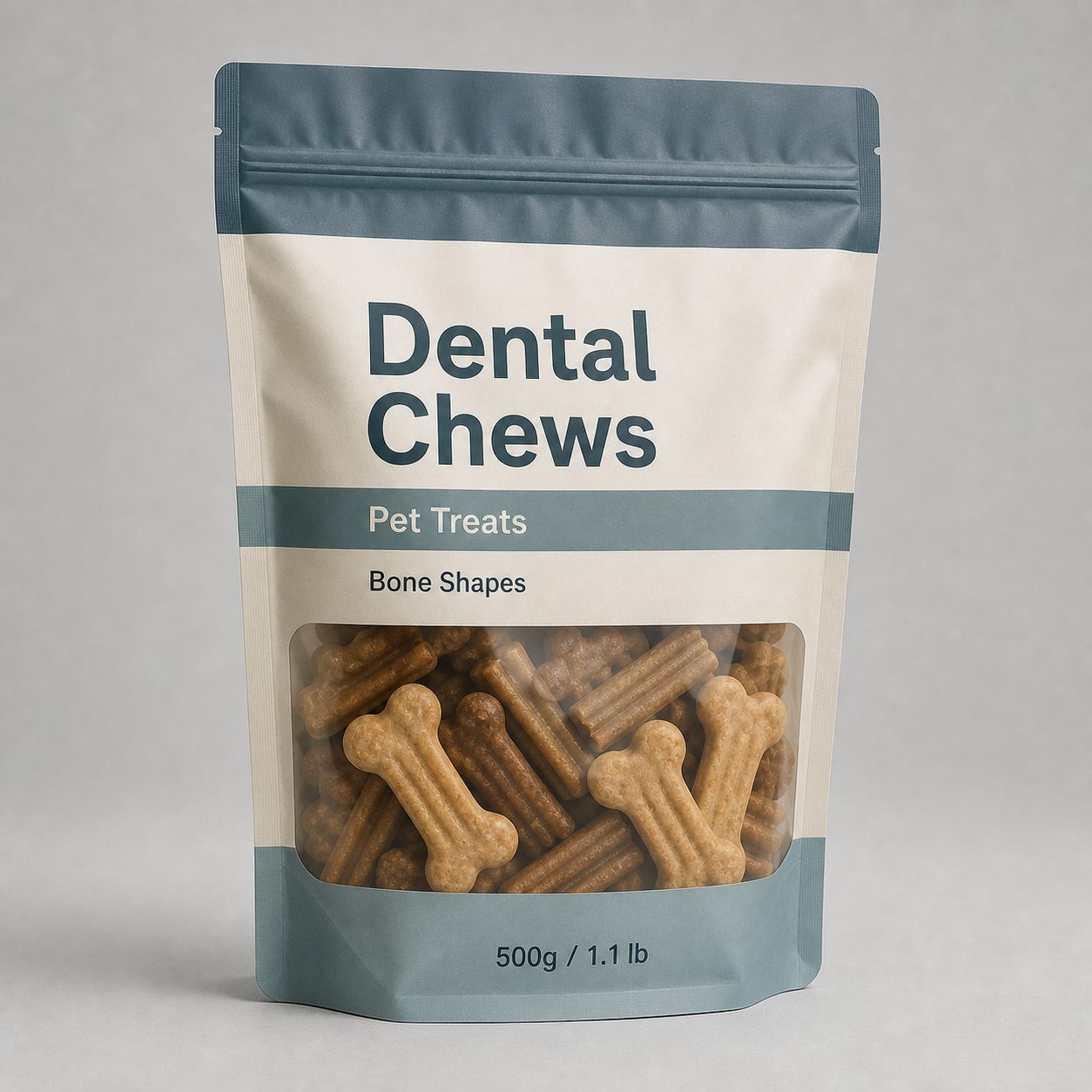
Pouches for dental chews and irregular treats with puncture resistance review, nylon-based structure options, window placement, and label panel planning.
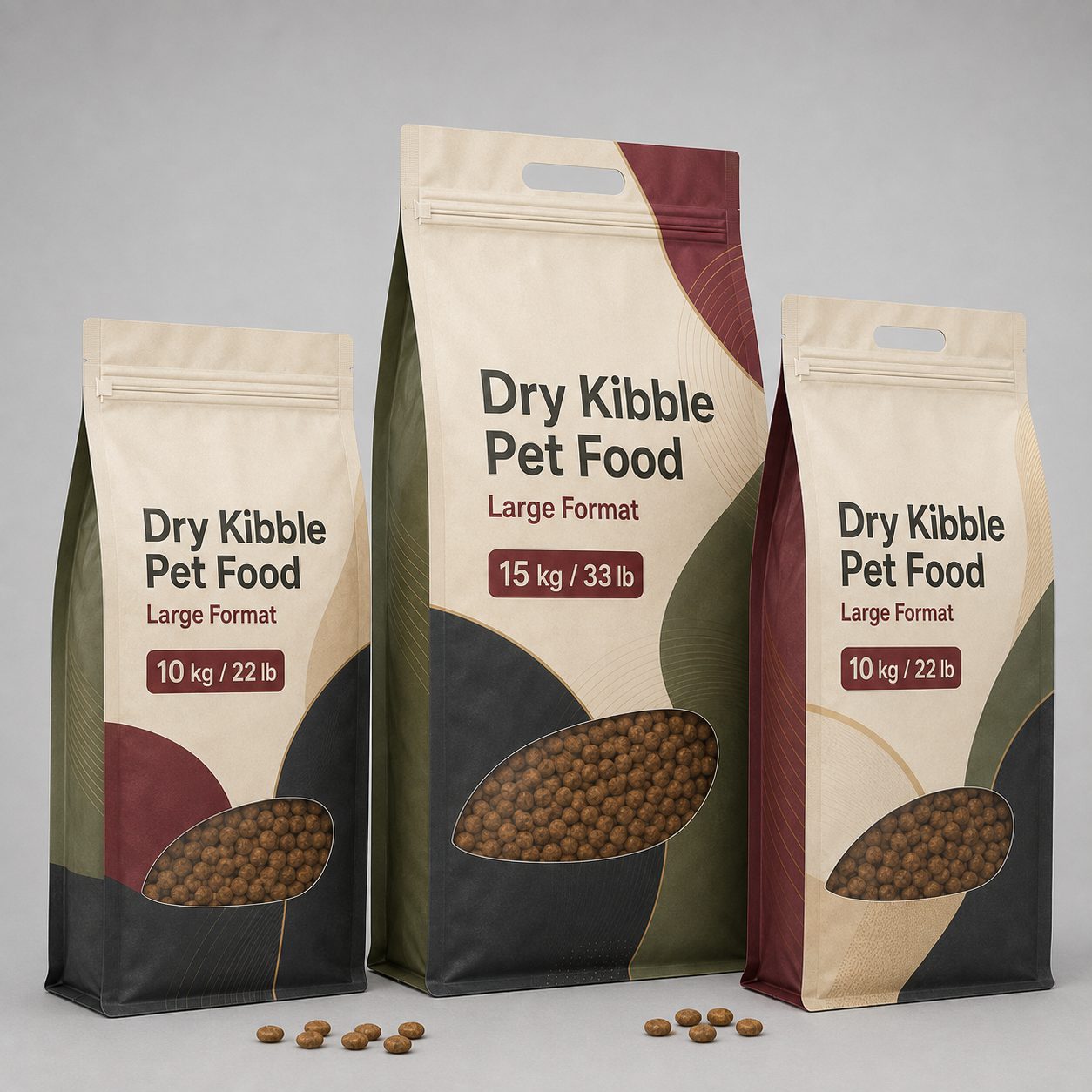
Large-format pet food bags with carry handles, side-gusset review, moisture-barrier target review, dual-unit fill-weight planning, and material declarations by project.
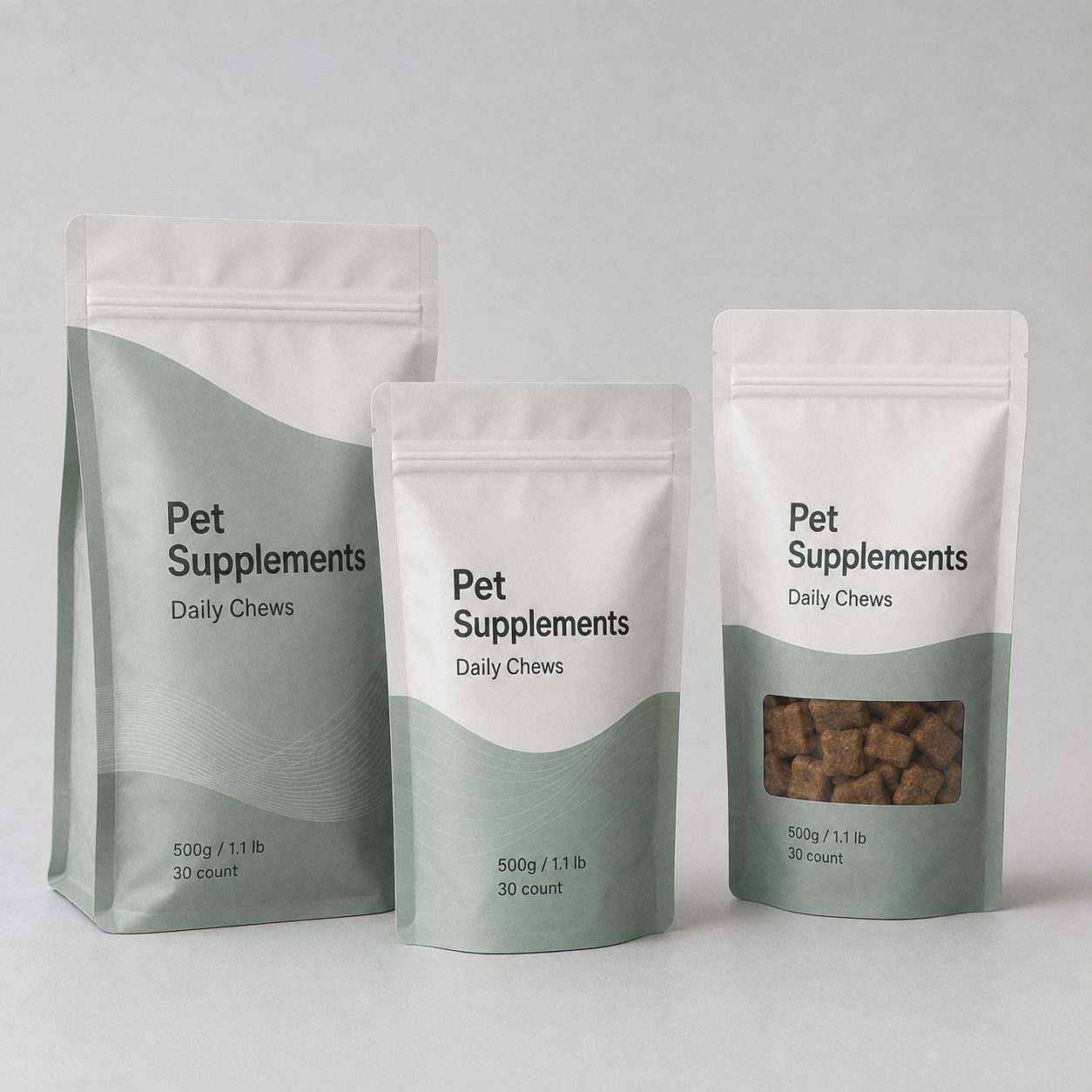
Pet supplement packaging pouches for functional chews or treat formats with label panels, count or fill-weight space, resealable zippers, and sample approval workflow.
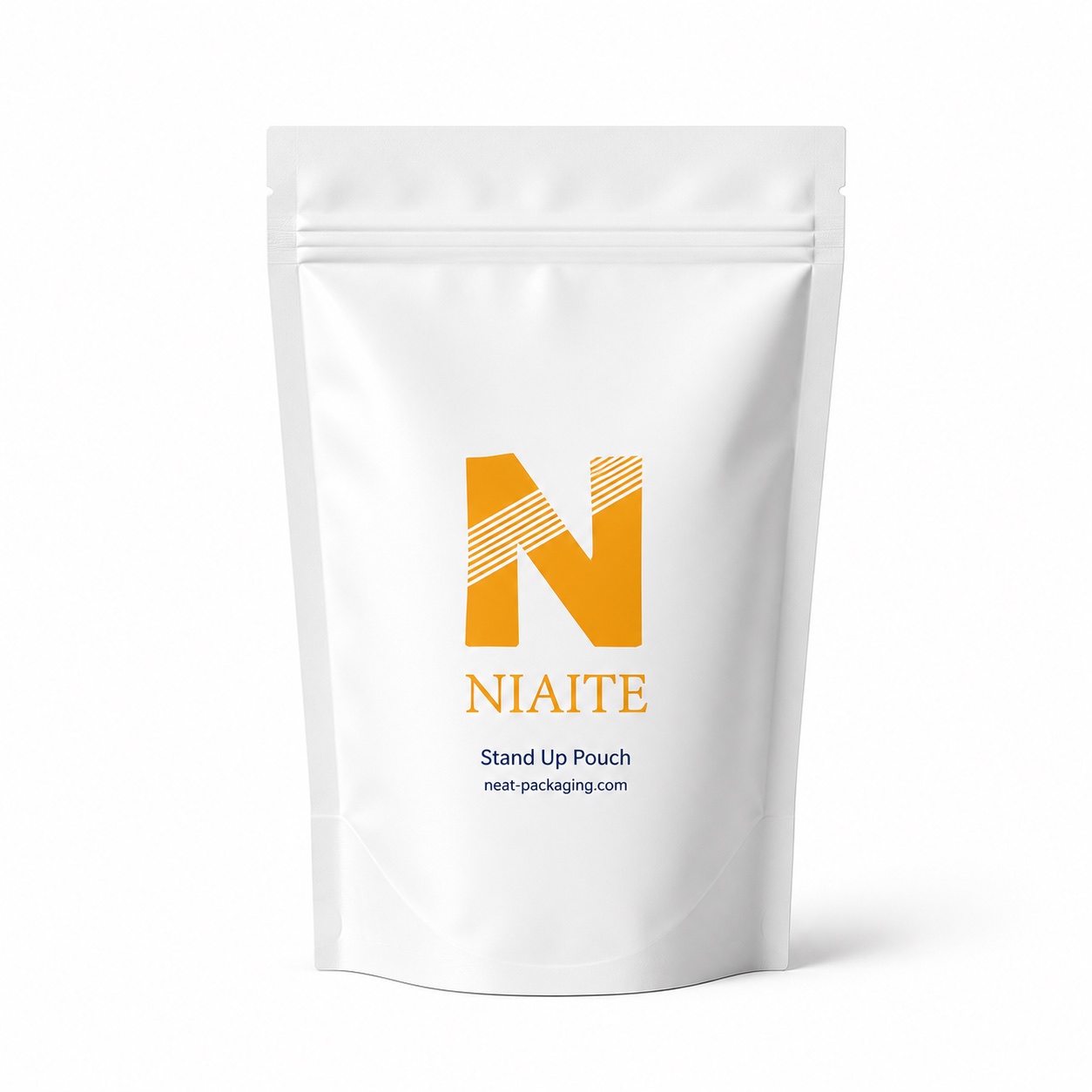
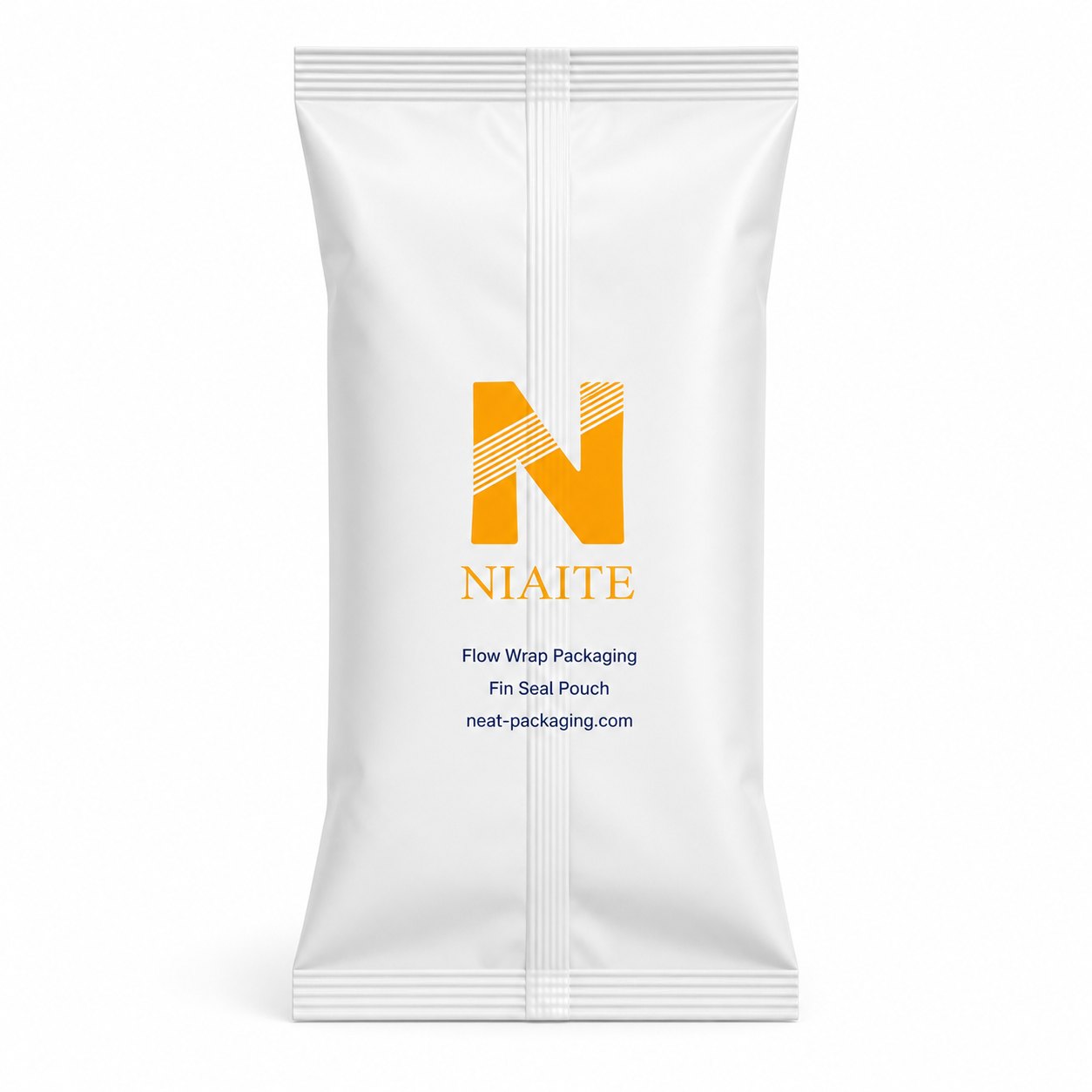
Stand-up, flat-bottom, fin-seal, and large-format bags can be matched to dry kibble, wet food, treats, and pet supplement formats.
Barrier structure, aroma barrier target, and moisture-barrier target can be reviewed against contents, pack size, and storage route.
Resealable zippers, tear notches, hang holes, label panels, and print registration can be aligned before sample approval.
Food-contact documentation, material declarations, migration testing support, seal strength records, and sample approval notes can be reviewed by project.
Reinforced bottom gussets, side seals, and large-format bags can be reviewed for target fill weight, seal strength, stacking route, and handling conditions.
Aluminum, metallized, or EVOH-based barrier structure options can be reviewed for aroma barrier targets, moisture control, and resealable zippers.
Food-contact documentation, resin and ink inputs, material declarations, migration testing support, and sample approval records can be reviewed for the selected structure.
Print finish, label panels, front-panel layout, and barcode or lot-code areas can be checked before sample approval.
Choose the right material structure based on your product's barrier, durability, and shelf-life requirements.
| Structure | Application | Barrier Level |
|---|---|---|
PET / PE
|
Basic pet food pouch structure | Standard |
PET / VMPET / PE
|
Metallized barrier structure for aroma barrier planning | Medium |
PET / AL / PE
|
High-barrier laminate for moisture-sensitive treats | High |
PET / NY / PE
|
Nylon-based structure review for puncture resistance | High |
Kraft / AL / PE
|
Paper-look outer layer with barrier structure review | High |
Mono PE
|
PE-based structure review where barrier targets allow | Standard |
A transparent look at how we review barrier structure, aroma barrier targets, seal strength, and filling-line fit for Pet Food Packaging. Visit our material guide for more details.
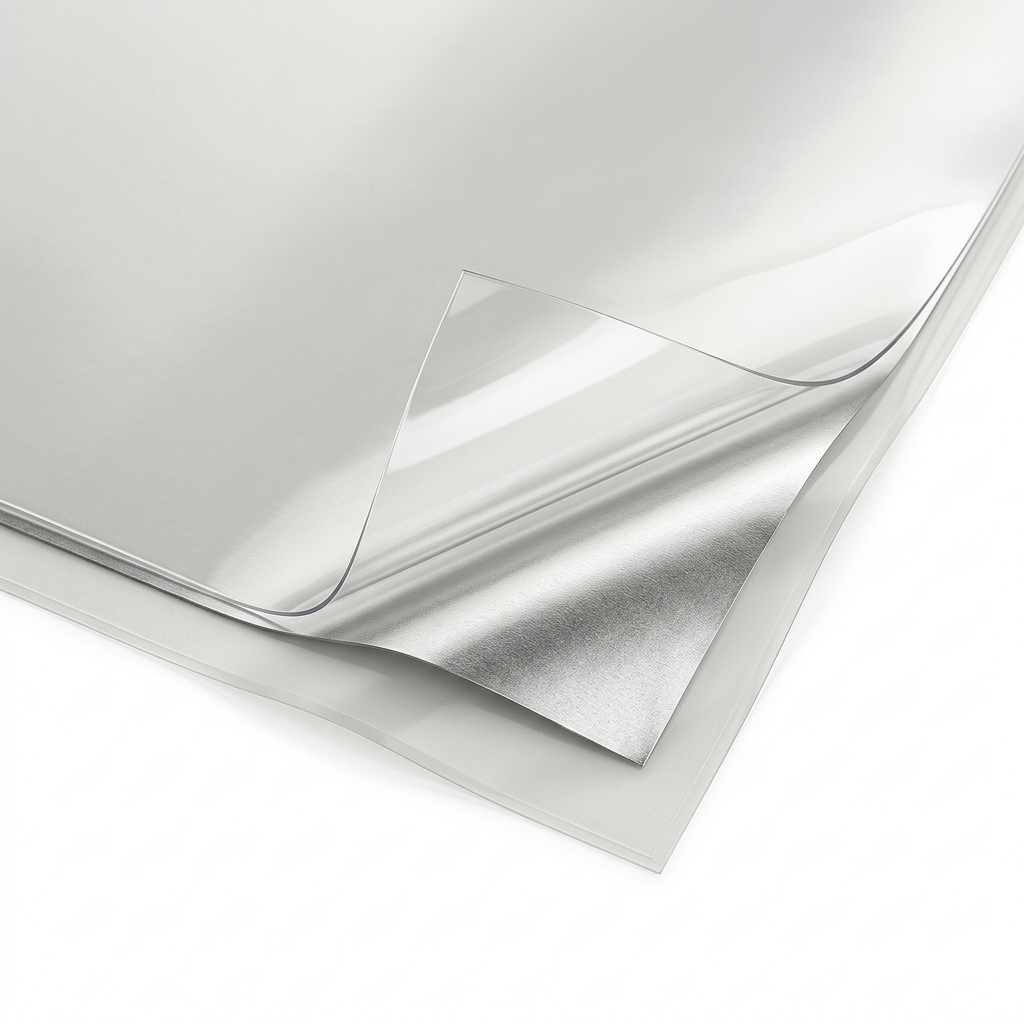
Printable PET supports front artwork, stiffness, surface finish, and handling performance.
Aluminum foil, metallized film, or EVOH-based options are selected by oxygen, aroma, moisture, and light-barrier targets.
Adhesive layers bond the print, barrier, and sealant webs into the finished laminate structure.
PE or CPP sealant is reviewed for seal strength, filling temperature, product contact, and processing conditions.
Hang holes, carry handles, front-panel layout, and label panels can be reviewed for each bag format.
Resealable zippers, tear notch, easy-open behavior, and pouch size can be reviewed by product format.
Barrier structure, aroma barrier target, moisture control, puncture resistance, and filling-line fit are reviewed by project.
Food-contact documentation, material declarations, migration testing support, seal strength records, and sample approval records can be arranged by project.
Representative project inputs. Actual values depend on product contents, bag format, material structure, target market, and filling process.
Bag Format
Stand-up, flat-bottom, quad-seal, fin-seal, or large-format bags
Barrier Review
Barrier structure, aroma barrier, and moisture-control targets by product
Filling-Line Fit
Pouch format, sealant layer, and line setup reviewed by project
Reseal Options
Resealable zippers, tear notch, or easy-open behavior by format
Puncture Resistance
Structure review for kibble, hard treats, or large-format handling
Documentation
Food-contact documentation, material declarations, and sample approval records
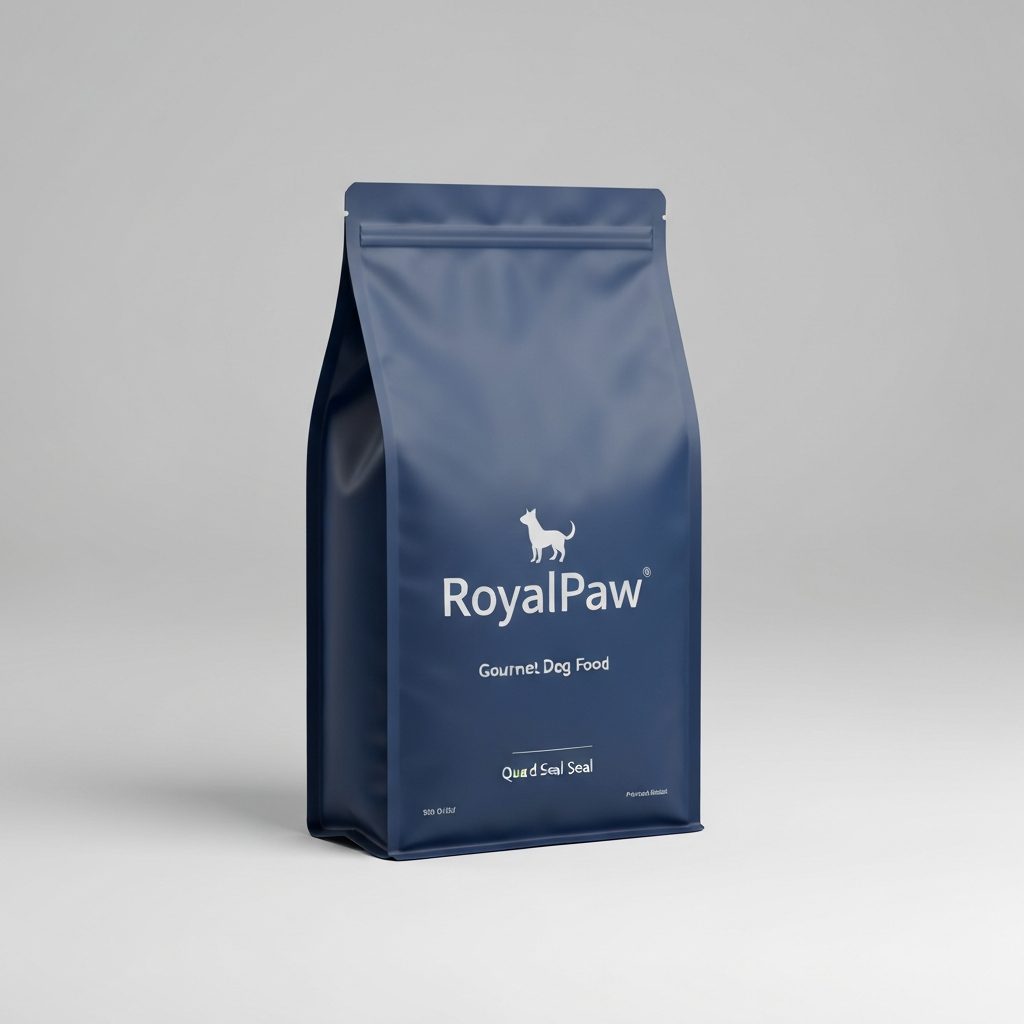
Large-format bags with resealable zippers and barrier structure review
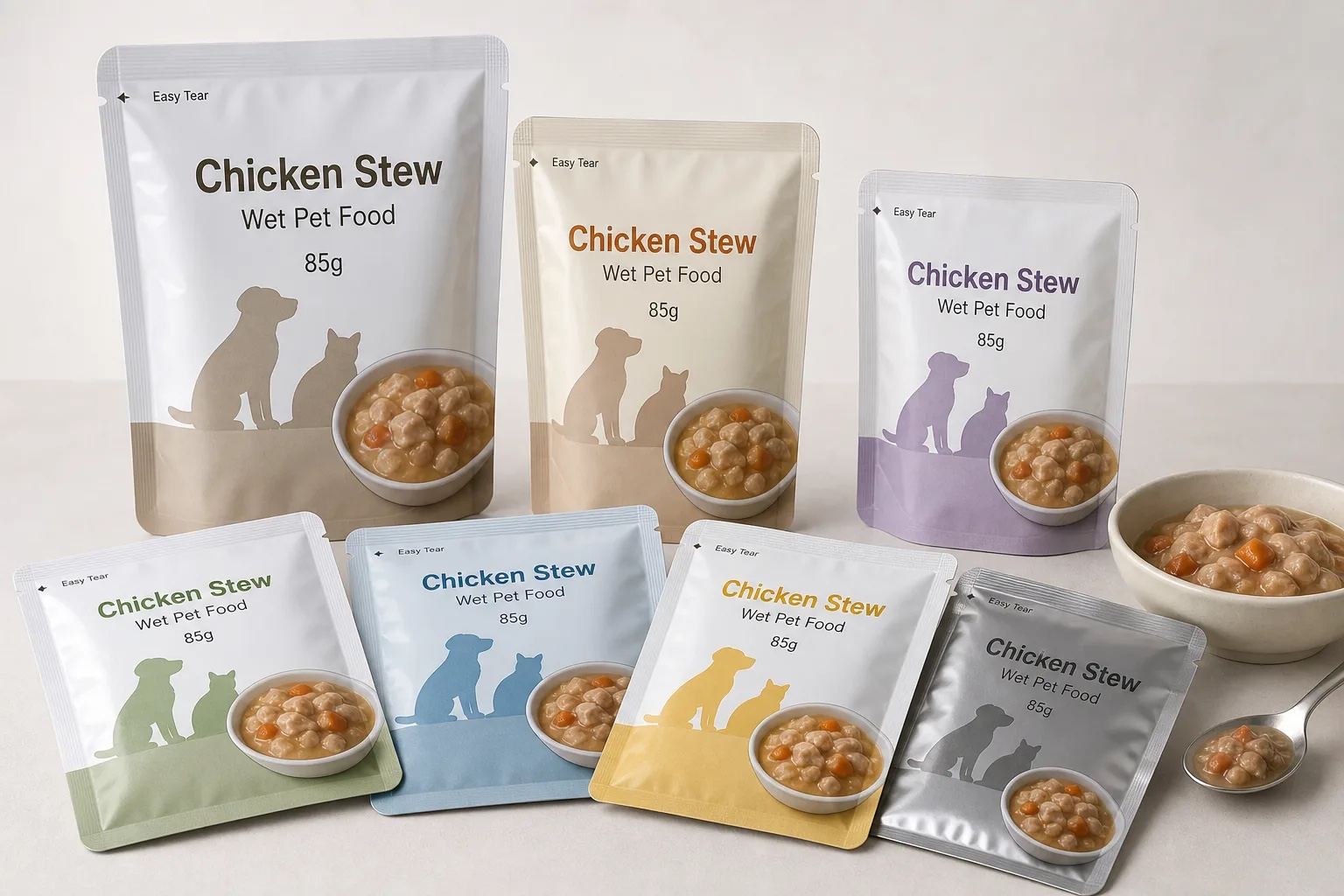
Sachet format with seal strength and food-contact documentation review

Treat pouches with aroma barrier and moisture-control target review
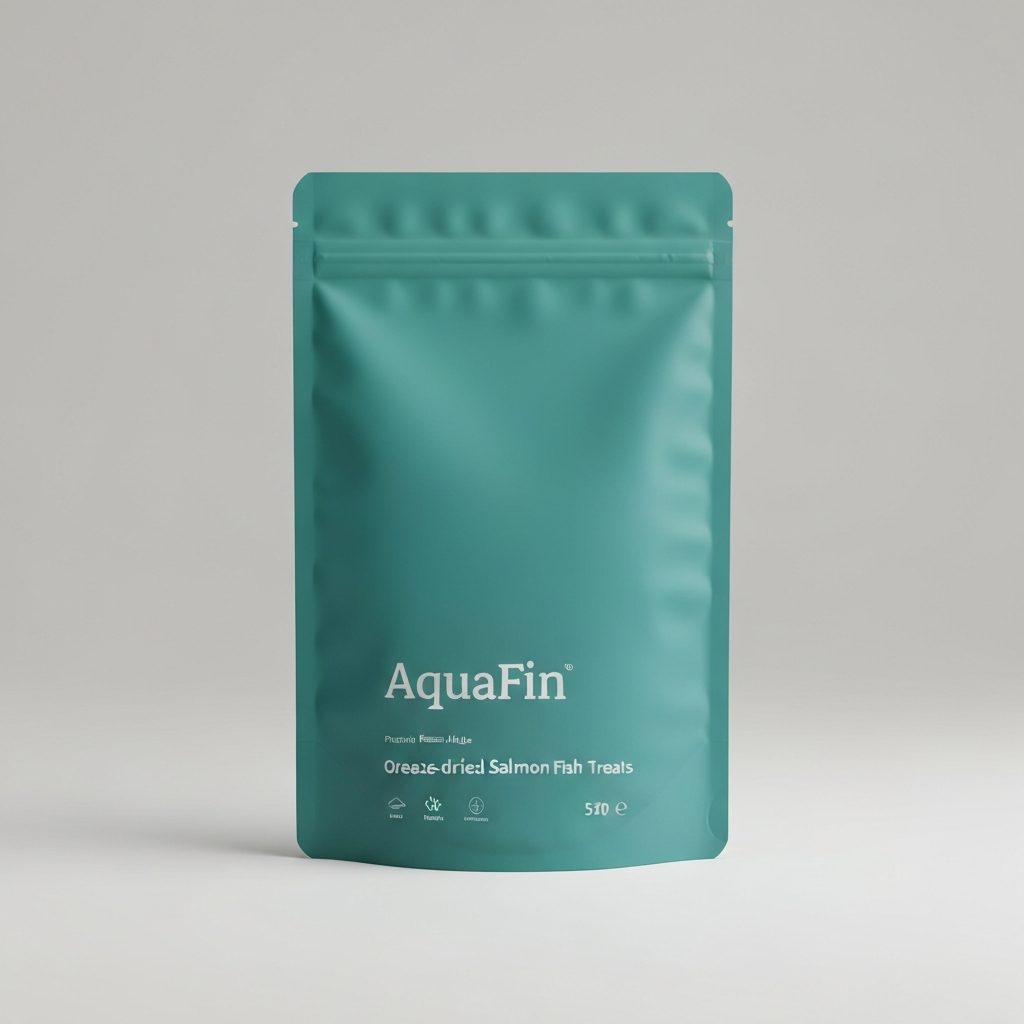
Treat pouch with puncture resistance and sample approval review
Use these photos as format references. Final size, structure, print layout, and testing scope are reviewed against your product, filling method, and target market.
Lower-impact structure options can be reviewed when the product, filling process, target market, and recovery route support them.
Planning a dry-food conversion? Use the mono-material pet food bags guide to compare product fit, barrier tradeoffs, large-bag handling, validation, and claim boundaries before sampling.
Common issues we help pet food packaging buyers avoid during project coordination.
Pet food — especially kibble with added fats and flavor coatings — releases strong odors that permeate standard laminates. Without adequate aroma barrier, the product smells stale to pets and the outer packaging absorbs odors that deter retail shoppers. Specify barrier targets based on the actual fat content and coating type, and request aroma-retention testing on samples.
Pet owners open and reseal bags daily for weeks. Weak zipper tracks can lose grip after repeated use, forcing consumers to use clips and leaving a negative brand impression. Define zipper cycle-life targets by project and confirm with physical cycling tests on filled samples.
Large pet food bags (5–15 kg) are heavy, and kibble edges create internal puncture stress during stacking and shipping. A laminate optimized for lighter fills may develop pinholes or burst seams under heavy-bag conditions. Specify puncture-resistance and drop-test requirements based on the actual fill weight, not the pouch format's standard rating.
Pet food packaging regulations vary by market — FDA, EU food-contact, and destination-country rules may each require different compliance documents. Buyers often discover missing certificates after production is complete. Confirm the full list of required regulatory documents (COA, migration testing, food-contact declarations) for each target market before artwork approval.
Pet food with mixed fat levels — kibble coated in oils, semi-moist treats, or mixed-protein formulas — can oxidize differently than single-ingredient products. Standard shelf-life assumptions based on dry goods may increase rancidity risk in some distribution paths. Request accelerated aging tests calibrated to the actual fat profile and storage conditions before finalizing the barrier structure.
Pet Food Packaging is suitable for dry kibble, wet food sachets, dry treats, dental chew packs, large-format bags, sample sachets, and pet supplement projects that need barrier structure review, resealable zippers, puncture resistance, and filling-line fit.
Yes. Pouch size, bag format, resealable zippers, hang holes, tear notch, label panels, barrier structure, seal strength, material declarations, and sample approval workflow can be reviewed by project.
Documentation depends on the selected product contents, material structure, target market, and test scope. Food-contact documentation, material declarations, migration testing support, seal strength records, and sample approval records can be arranged by project.
Batch records, process notes, and sample approval records can be aligned for pet food packaging projects.
Quality records, food-contact documentation, and material declarations can be reviewed by project scope.
DDP / FOB / CIF coordination can be reviewed by destination and project scope.
Project-specific structures can be reviewed against barrier targets, local recovery streams, and documentation scope.
Technical support covers artwork review, filling-line fit, material declarations, and sample approval.
Production routing, order volume, lead-time assumptions, and capacity fit are reviewed for each confirmed project.
NIAITE is a flexible packaging project support team working with selected partner factories, so pet food brands can align strength, barrier, resealability, filling fit, and compliance files before production.
Match stand up, flat bottom, quad seal, side gusset, and heavy-duty zipper options to pet food weight and filling conditions.
Coordinate artwork, handle, zipper, tear notch, barrier notes, food-contact files, and sample feedback through one team.
Review puncture resistance, grease barrier, pouch stability, fill weight, and carton handling before tooling and sampling.
Organize seal, zipper, handling, shipment, and available batch-record checks around the buyer brief; scope independent inspection separately when required.
Compare the same size, film, zipper, handle, finish, food-contact documentation, packing, and testing assumptions.
Share pet food type, fill weight, target bag format, order quantity, destination market, filling method, artwork status, documentation needs, and sample/proof needs.
We recommend materials, structure, and provide pricing.
Confirm details, approve artwork, and production begins.
Inspection scope and shipping terms are confirmed by project.
Updated:
Work with NIAITE for material review, sampling guidance, QC checkpoints, and export project coordination.