Wine, beer, spirit and liquor packaging for red wine, white wine, craft beer, sparkling wine, boxed wine refills, cocktail pouches, wine samples, beer samples, mixed drinks, and beverage projects. Review alcohol compatibility, carbonation pressure, oxygen barrier, aroma barrier, light barrier, fitment, cap options, spout pouch format, film structure, seal strength, leak resistance, compatibility testing, sample approval, and food-contact documentation before production.
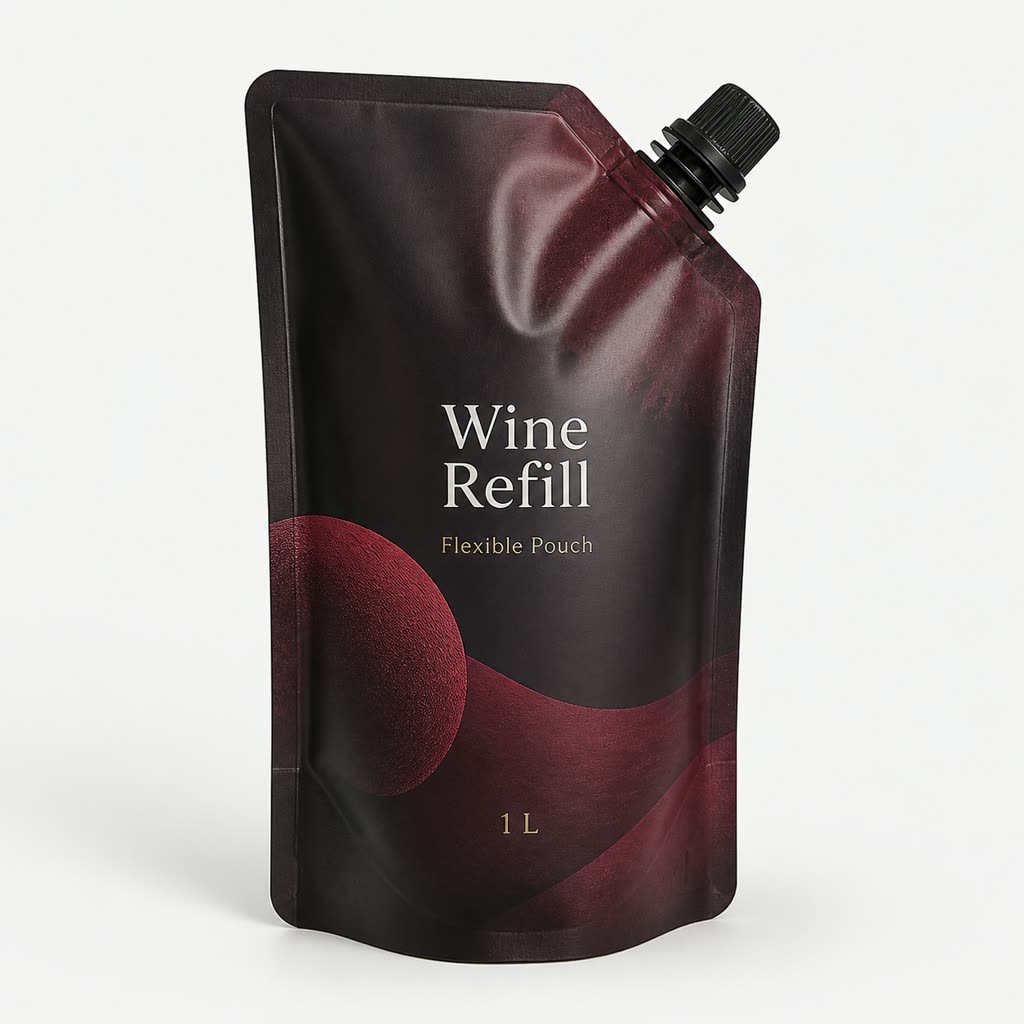
Wine and beer packaging projects need beverage type, carbonation pressure, alcohol level, aroma sensitivity, filling process, and storage plan confirmed before material selection. We review red wine, white wine, craft beer, sparkling wine, boxed wine refills, wine samples, beer samples, and beverage projects against alcohol compatibility, oxygen barrier, aroma barrier, light barrier, fitment, cap options, spout pouch format, and film structure.
Seal strength, leak resistance, compatibility testing, artwork proof, filling-line notes, carton packing, sample approval, and food-contact documentation should be aligned before the production specification is locked.
Project QC Records
Traceability review
ISO 9001-Style QC
Quality system
Shipping term coordination
DDP / FOB / CIF
Lower-Impact Review
Structure dependent
Wine and beer packaging can be reviewed for red wine, white wine, craft beer, cider, sparkling wine, boxed wine refills, mixed drinks, spirits, liquor, cocktail pouches, wine samples, beer samples, and beverage projects where carbonation pressure, light barrier, oxygen barrier, seal strength, and leak resistance matter. Explore all market solutions .
Review alcohol compatibility, carbonation pressure, flavor profile, aroma sensitivity, oxygen barrier, light barrier, and compatibility testing before selecting the sealant layer.
Match wine samples, beer samples, tasting pouches, boxed wine refills, mixed drinks, and spout pouch formats to fill volume and carton packing.
Review fitment, cap options, tear notch, and closure options around filling equipment, pour behavior, and leak resistance.
Material declarations, food-contact documentation, compatibility testing notes, artwork proof, seal checks, and sample approval records can be reviewed by scope.
Key factors to evaluate when selecting flexible packaging for wine and beer projects.
Wine and craft beer degrade rapidly with oxygen exposure. Multi-layer structures with aluminum or EVOH barrier layers are essential. Confirm oxygen transmission rate targets with your product team before selecting film structures.
Single-serve pouches of 150 to 250 mL suit events and travel. Larger format bags of 1.5 to 3 L are used in bag-in-box applications. Pouch volume determines spout size, film thickness, and filling method.
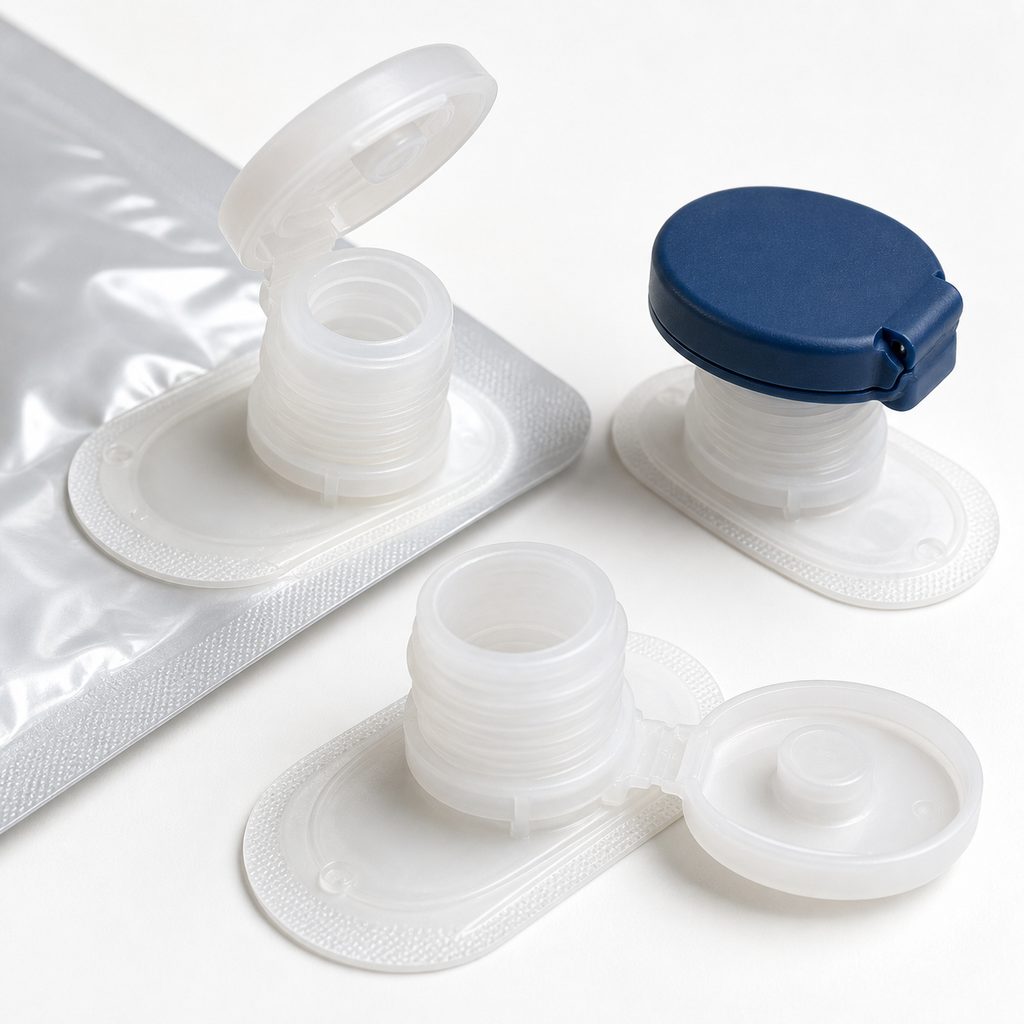
Beverage pouches require spout fitments for controlled pouring. Spout diameter, cap type, and tamper-evidence features vary by application. Confirm compatibility with your filling equipment before finalizing the spout specification.
Packaged beverages face temperature swings during shipping and storage. Film structures must maintain seal integrity across the full temperature range without delamination or leaking under pressure.
Choose the material structure by beverage type, carbonation pressure, alcohol compatibility, aroma barrier, oxygen barrier, light barrier, filling process, seal strength, and food-contact documentation scope.
| Structure | Application | Barrier Level |
|---|---|---|
PET / PE
|
Review option for compatible wine samples, beer samples, or mixed drink packs | Standard |
PET / VMPET / PE
|
Aroma barrier and oxygen barrier review for wine and beer samples | Medium |
PET / AL / PE
|
Foil barrier review where light barrier or aroma sensitivity is central | High |
PET / NY / PE
|
Tougher structure review for boxed wine refills or shipment handling | High |
PET / NY / PE
|
Reinforced pouch review where drop-test or flex-crack risk is higher | High |
PE-Based Review
|
Lower-impact structure review where beverage compatibility and local recovery stream allow | Standard |
A transparent look at how wine and beer packaging structures can combine print layers, barrier layers, reinforcement, and sealants. Visit our material guide for more details.
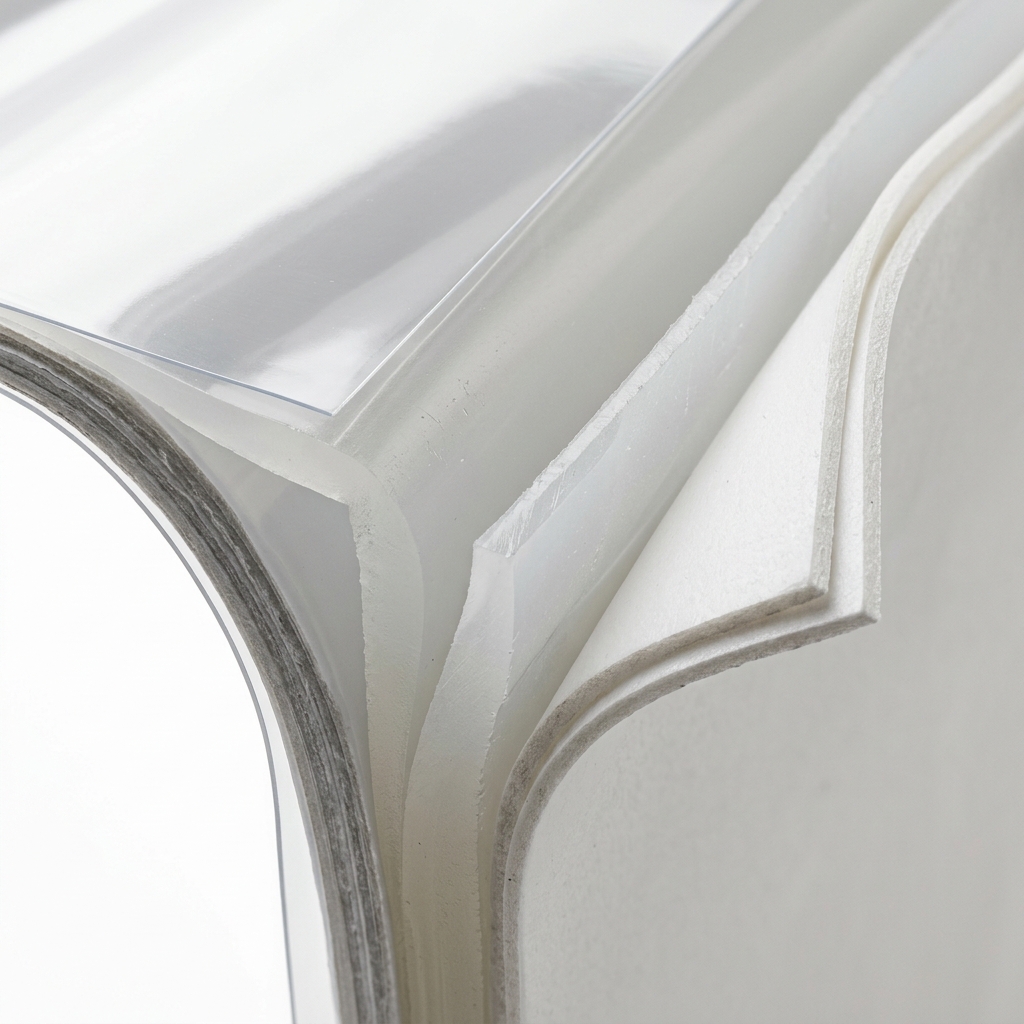
Printable PET supports graphics, stiffness, and surface protection for liquid and spout pouch projects.
Barrier film is chosen around liquid sensitivity, aroma, oxygen, moisture, and light-barrier targets.
Tie or adhesive layers are reviewed against laminate bonding, fitment sealing, flexing, and liquid-fill stress.
LLDPE sealant supports liquid sealing, burst-strength review, fitment area sealing, and filling-line compatibility.
Red wine, white wine, craft beer, sparkling wine, boxed wine refills, wine samples, and beer samples need beverage type, carbonation pressure, flavor profile, fill volume, and filling process reviewed before choosing the pouch or cap format.
Fitment, cap options, closure options, and spout pouch details should be matched with alcohol compatibility, seal strength, leak resistance, compatibility testing, carton packing, sample approval, and food-contact documentation scope.
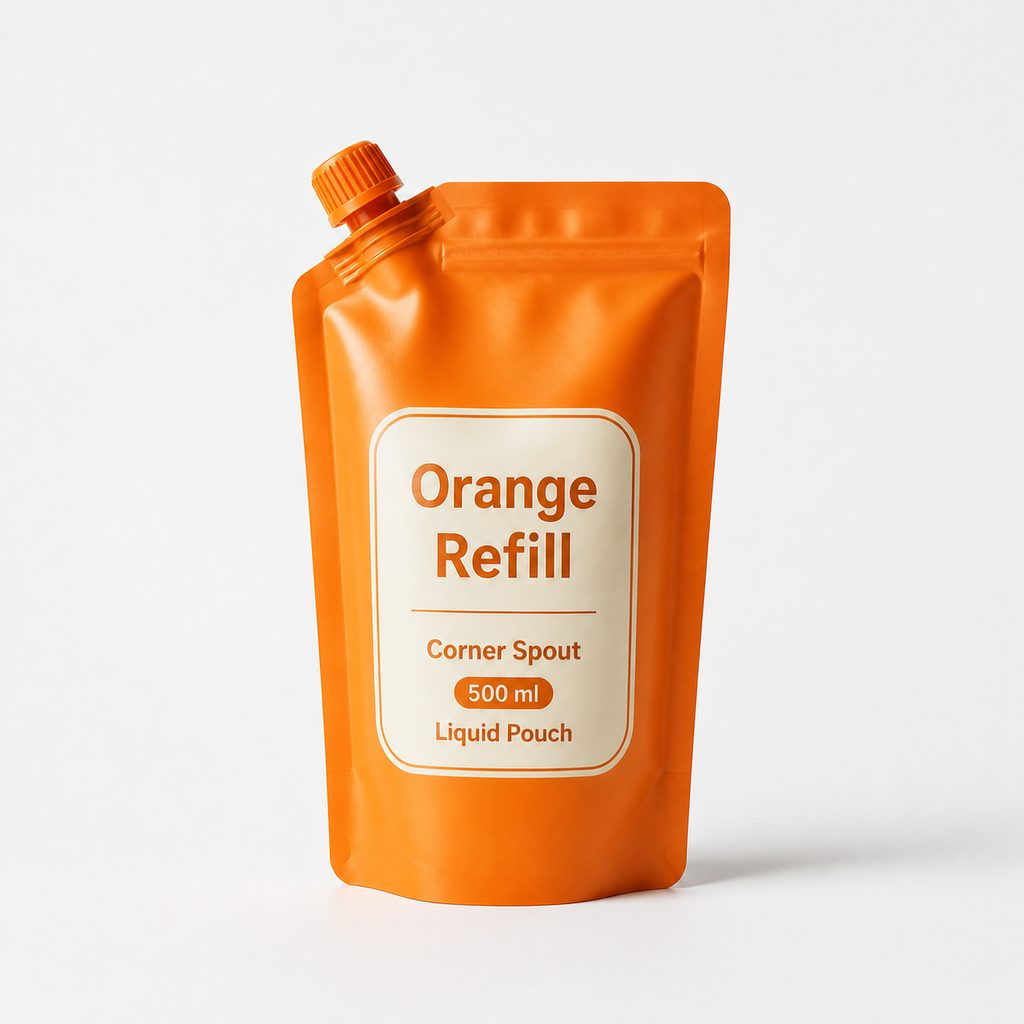
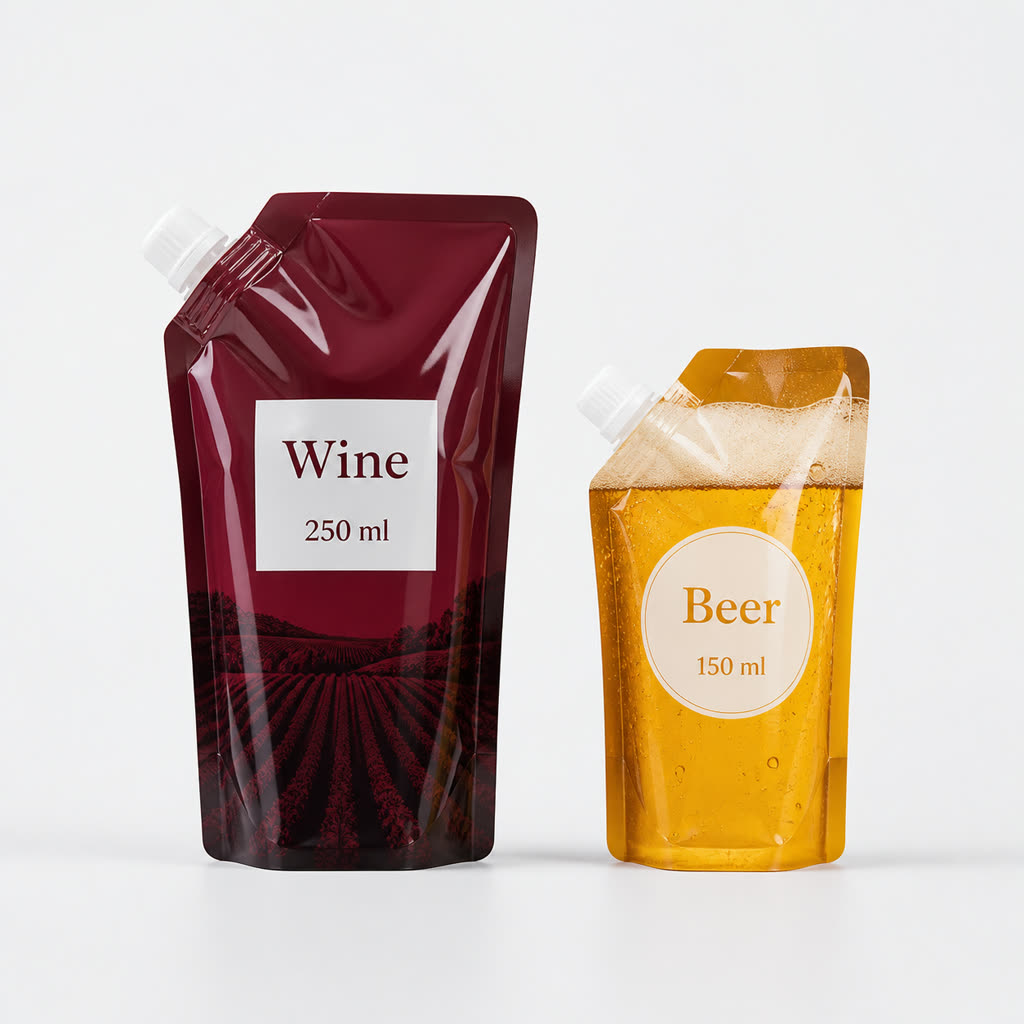
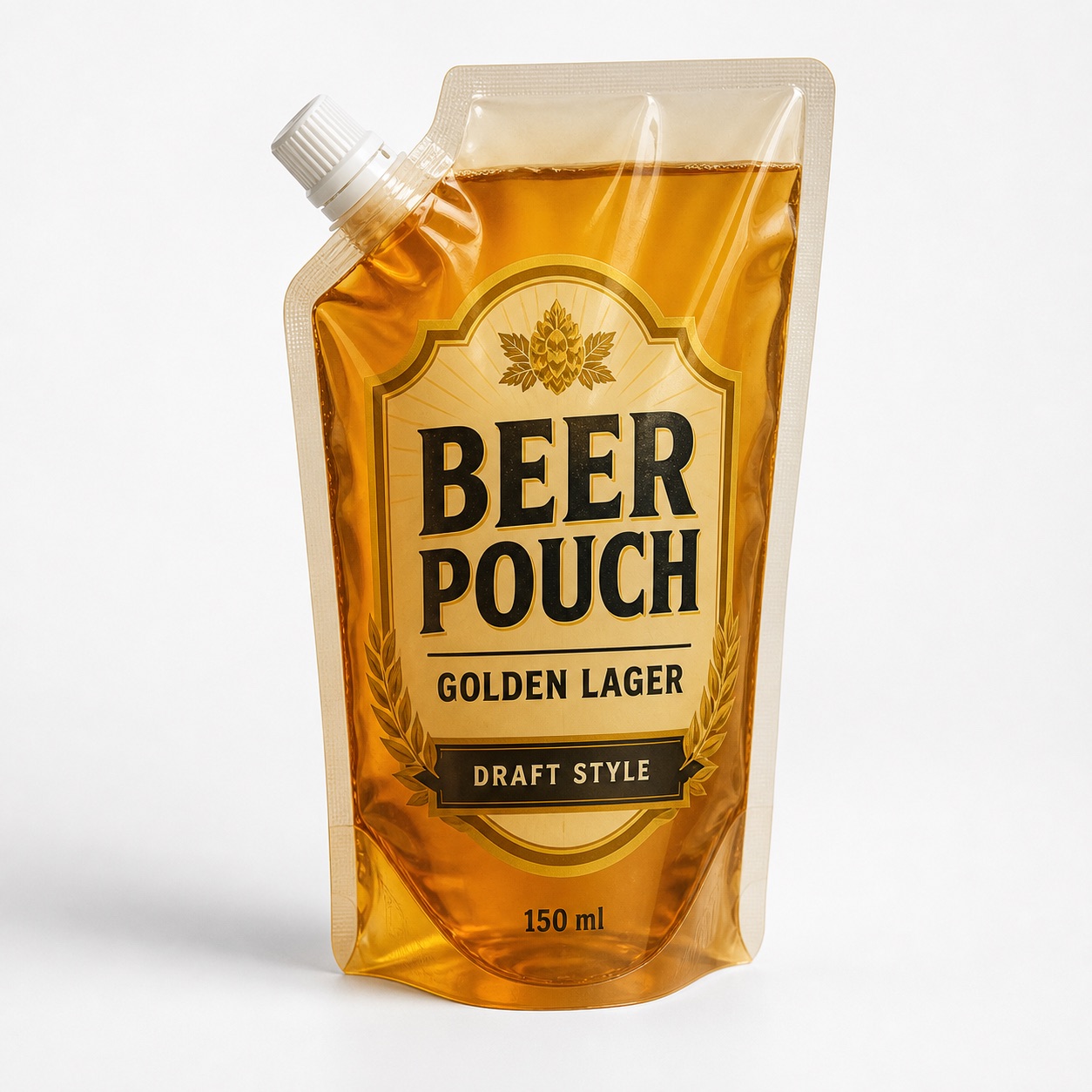
Select wine sample pouch, beer sample pouch, spout pouch, or flexible refill pouch by fill volume and filling process.
Review alcohol compatibility, carbonation pressure, aroma barrier, oxygen barrier, light barrier, storage conditions, and compatibility testing before locking the film structure.
Match fitment, cap options, tear notch, and closure options to pour behavior, filling equipment, and leak resistance.
Align compatibility testing, seal checks, leak resistance records, artwork proof, food-contact documentation, filling-line notes, and sample approval before production.
Review points for wine and beer packaging. Actual values depend on beverage type, carbonation pressure, material structure, closure choice, filling process, and test scope.
Film Structure
PET, nylon, VMPET, foil, or PE-based review by beverage and barrier target
Oxygen Barrier
Reviewed by aroma barrier target, flavor sensitivity, and storage plan
Carbonation Pressure
Reviewed by beverage type, fill volume, fitment, and test scope
Closure Options
Fitment, cap options, tear notch, or heat-seal closure review
Seal Strength
Confirmed through seal checks, leak resistance review, and sample approval
Compatibility Testing
Plan depends on beverage, storage, filling process, and sample approval scope
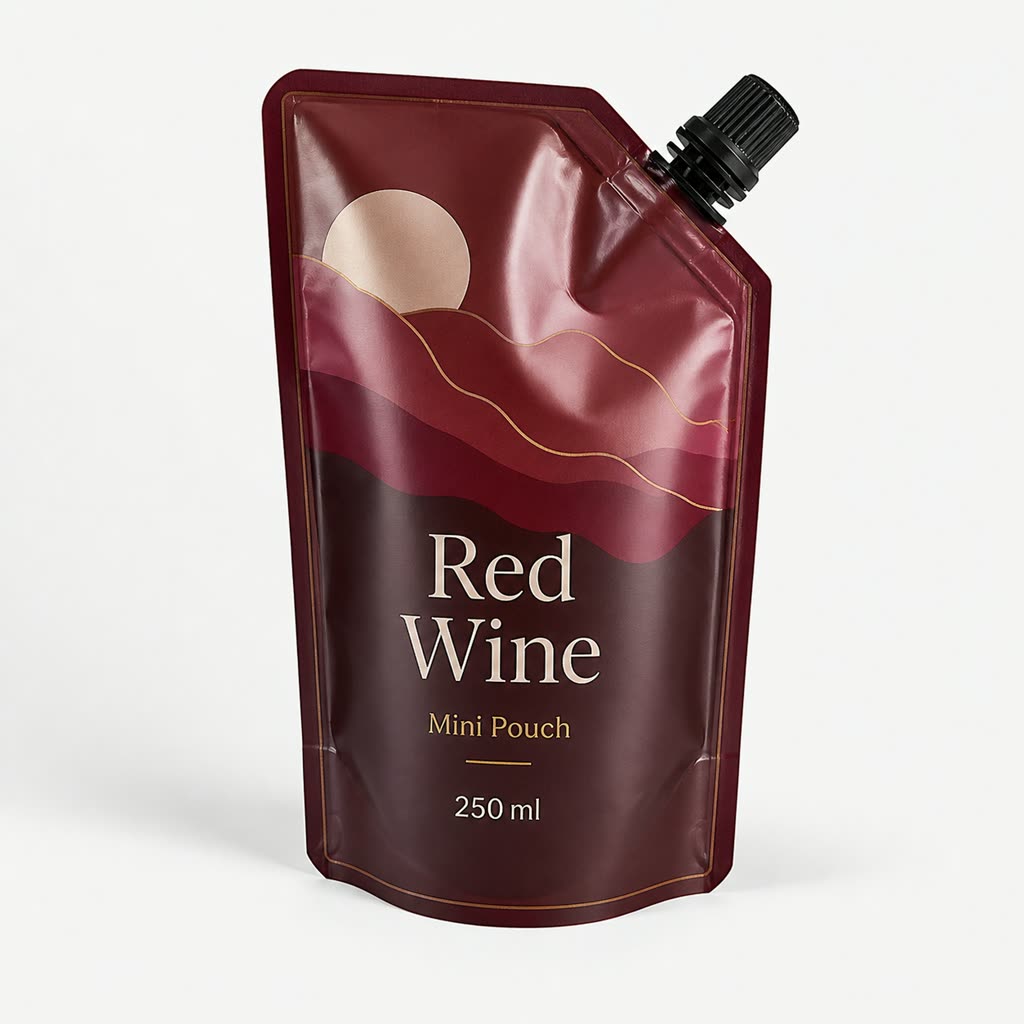
Wine samples reviewed for oxygen barrier, aroma barrier, light barrier, and sample approval
Beer samples reviewed for carbonation pressure, fitment, cap options, and leak resistance
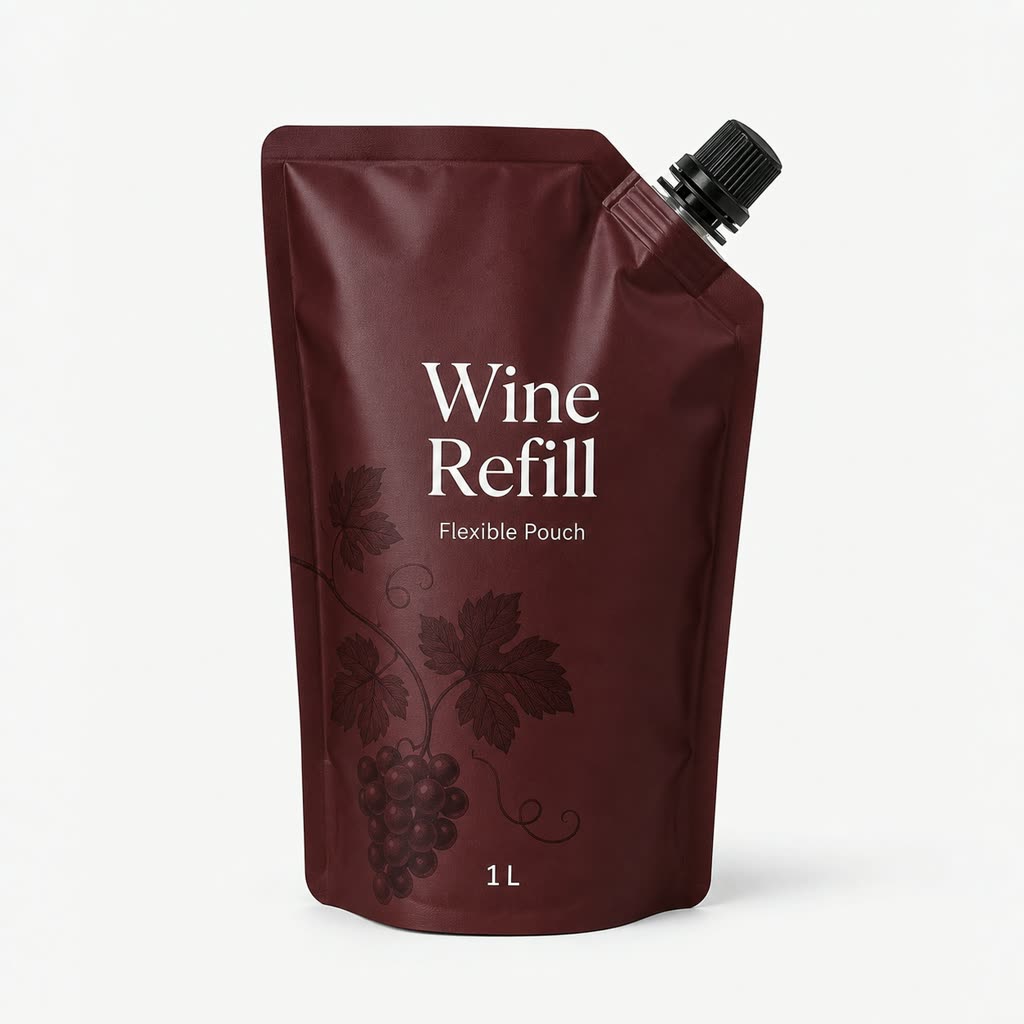
Wine refill pouches reviewed for fitment, film structure, seal strength, and filling process
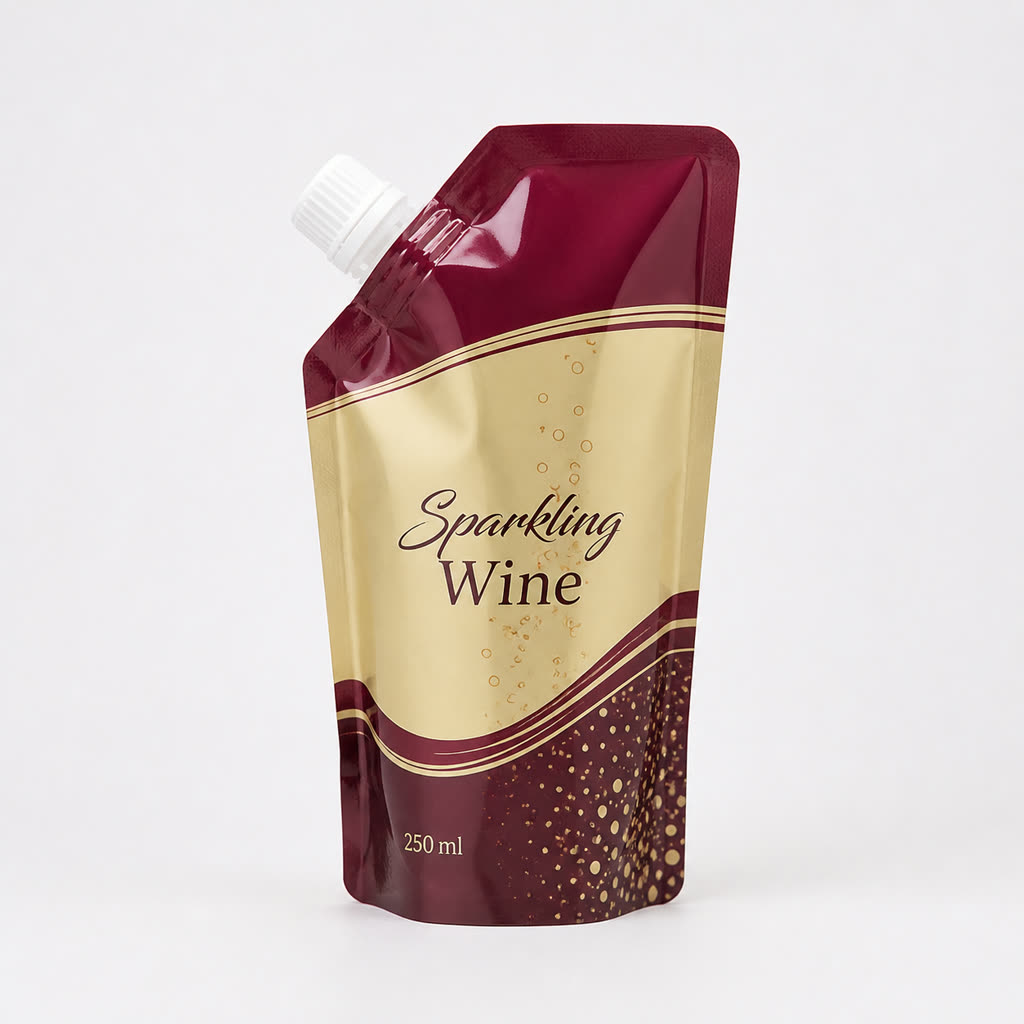
Sparkling wine and mixed drink samples reviewed for compatibility testing, closure options, and artwork proof
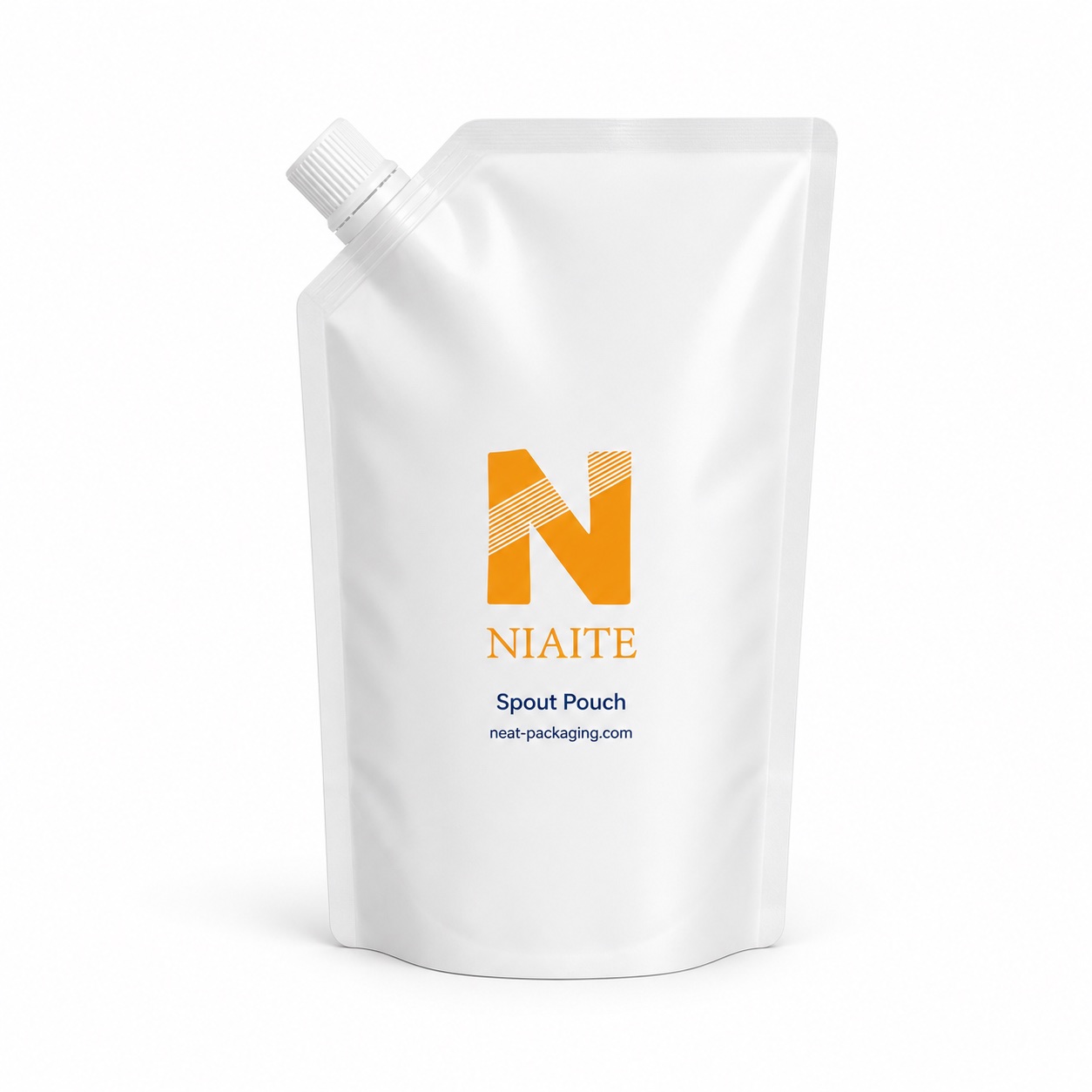
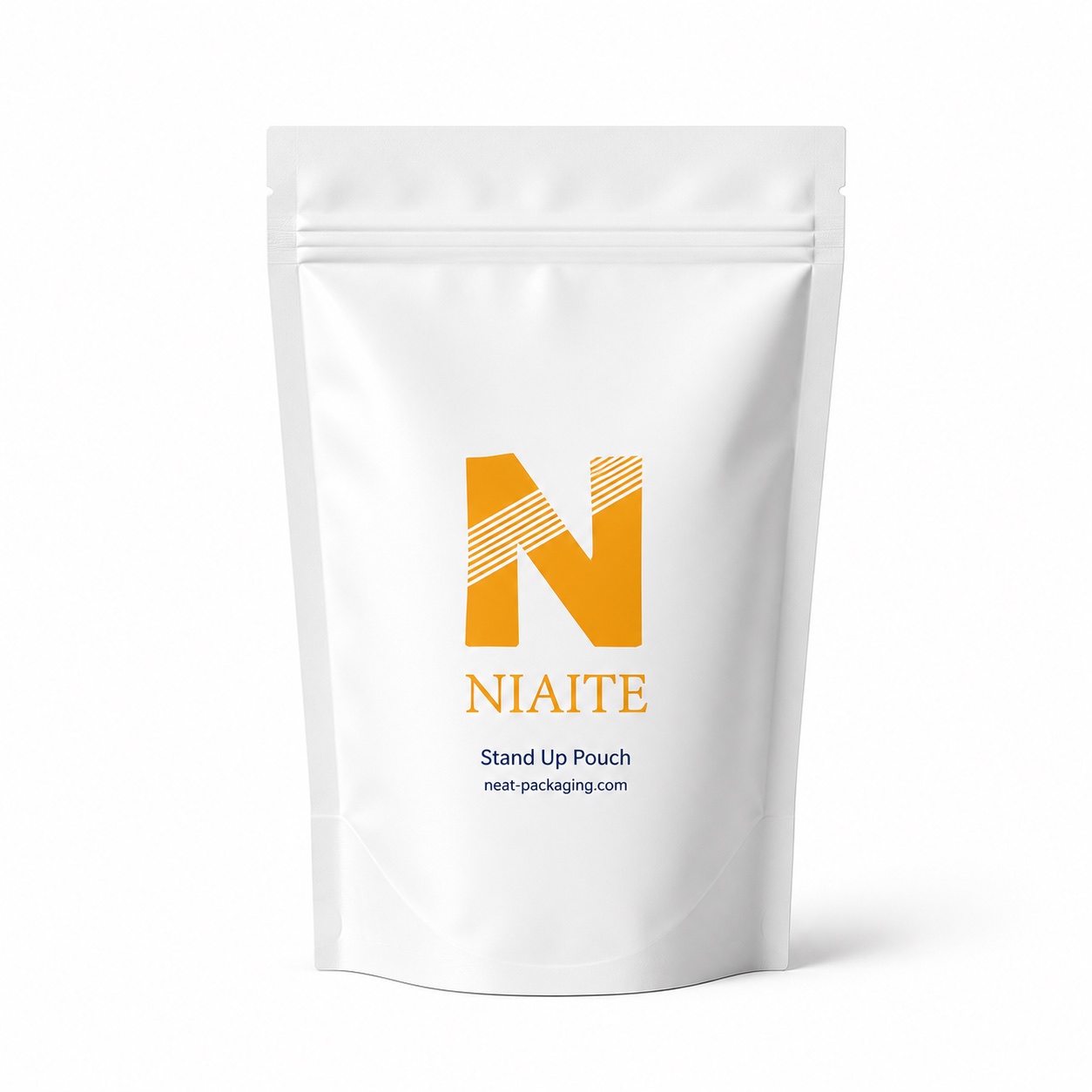
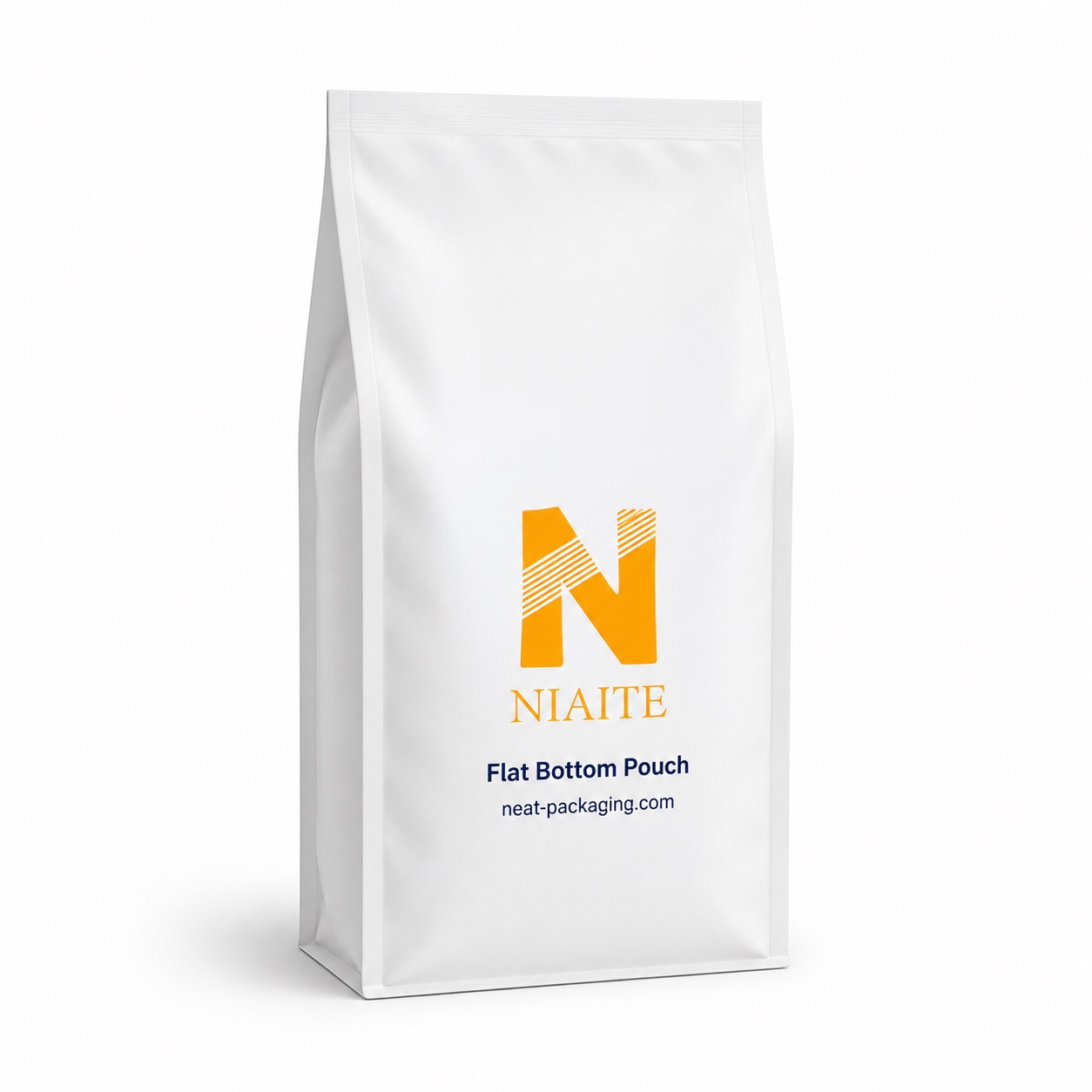
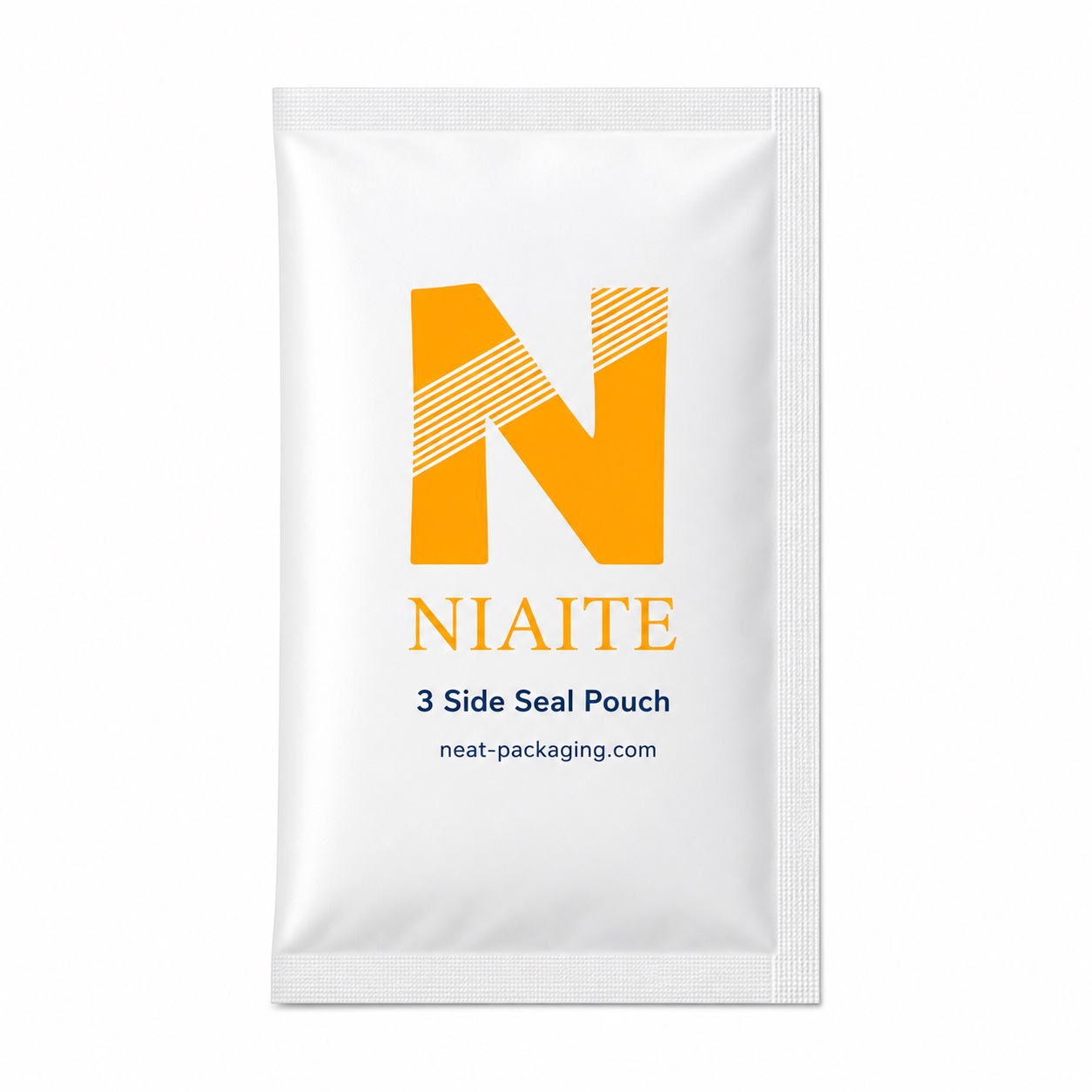
Use these photos as format references. Final size, structure, print layout, and testing scope are reviewed against your product, filling method, and target market.
Lower-impact structure options can be reviewed when the product, filling process, target market, and recovery route support them.
Wine & Beer Packaging can be reviewed for red wine, white wine, craft beer, sparkling wine, boxed wine refills, wine samples, beer samples, mixed drinks, and beverage projects. The final structure depends on alcohol compatibility, carbonation pressure, oxygen barrier, aroma barrier, light barrier, fitment, cap options, spout pouch format, seal strength, leak resistance, compatibility testing, sample approval, and food-contact documentation.
Please share the beverage type, alcohol level, carbonation pressure, flavor profile, aroma sensitivity, fill volume, filling process, pouch or refill format, fitment, cap options, closure options, artwork, carton packing, and requested testing scope.
Material declarations, food-contact documentation, alcohol compatibility notes, carbonation pressure notes, compatibility testing records, artwork proof, sample approval notes, seal checks, leak resistance records, filling-line notes, and project QC records can be reviewed by the selected beverage, structure, and project scope.
Production workflow, material traceability, seal checks, and project QC records can be reviewed according to the confirmed wine and beer packaging scope.
Material declarations, food-contact documentation, compatibility testing records, artwork proof, sample approval notes, leak checks, filling-line notes, and project QC records can be reviewed by project scope.
DDP / FOB / CIF coordination can be reviewed by destination and project scope.
Project-level recyclable-ready or lower-impact structures can be reviewed where the final specification supports them.
Project support for material review, artwork coordination, sampling, and production follow-up within the agreed scope.
Production routing, order volume, lead-time assumptions, and capacity fit are reviewed for each confirmed project.
Tell us your product, target weight, and requirements.
We recommend materials, structure, and provide pricing.
Confirm details, approve artwork, and production begins.
QC checkpoints and shipment scope are confirmed by project.
Common issues we help wine and beer packaging buyers avoid during project coordination.
Flexible pouches filled with liquid exert constant hydrostatic pressure on seals, especially during stacking and transport. Verifying seal strength under sustained load—not just initial burst pressure—prevents slow leaks that appear days after filling.
UV and visible light exposure cause off-flavors in wine and beer within weeks. Specifying metalized or opaque barrier layers matched to your product's light sensitivity protects flavor through warehouse storage and retail display.
A spout or tap fitment that doesn't bond cleanly to the pouch material creates micro-leaks at the weld point. Confirming fitment material compatibility, weld temperature range, and torque specifications before production avoids a high defect rate.
Wine and beer shipments routinely cross climate zones, causing pouch expansion and contraction. Validating seal performance across your expected temperature range—not just ambient—catches failures that only appear in transit or overseas storage.
Carbonated beverages generate internal pressure that standard pouch structures cannot withstand. Confirming burst pressure ratings against your product's carbonation level—including temperature-adjusted peaks—prevents pouch failures on the shelf or in transit.
Updated:
Work with NIAITE for material review, sampling guidance, QC checkpoints, and export project coordination.