Cosmetic flexible packaging for sample sachets, refill pouches, face masks, skincare, haircare, serums, and surface finish options.
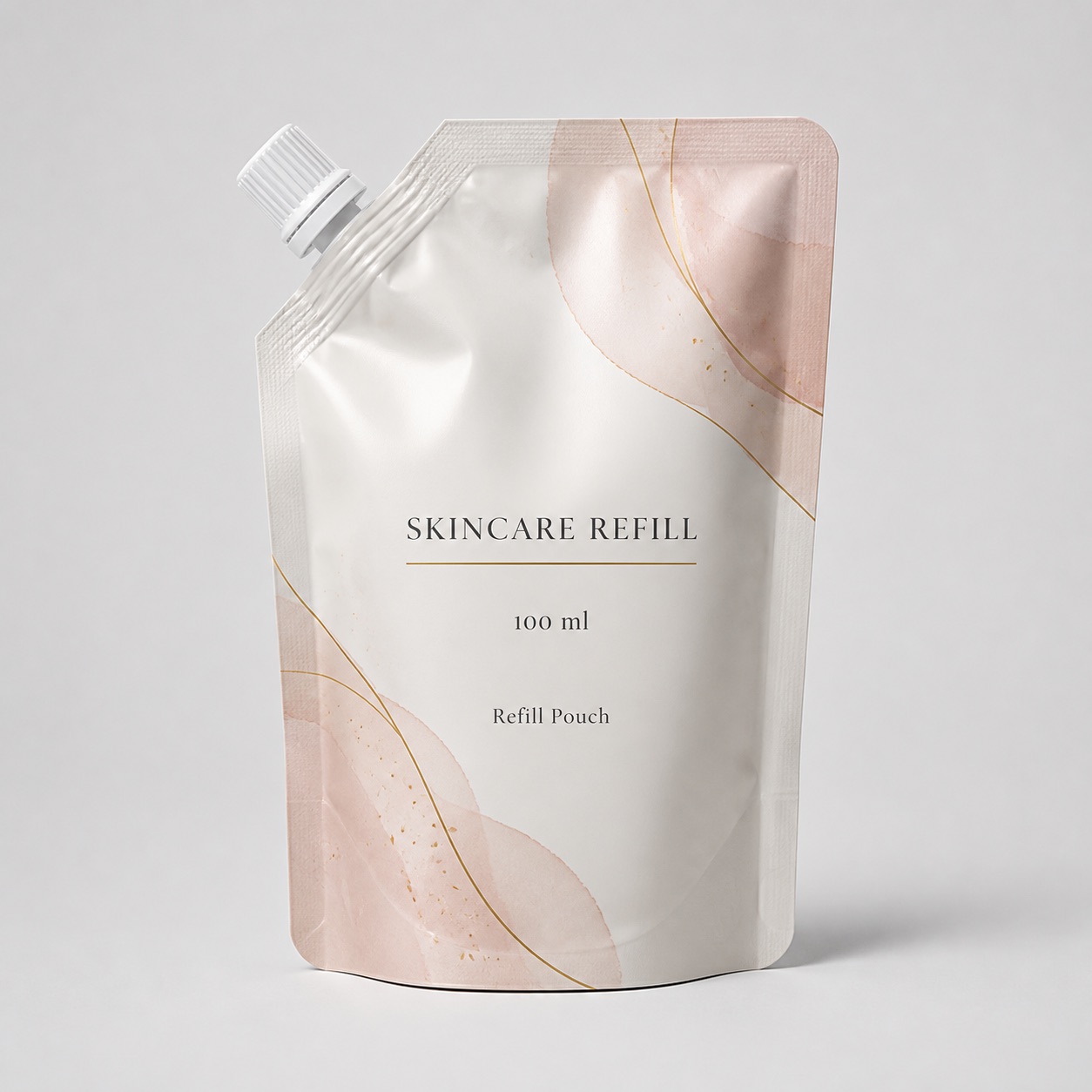
Luxury-finish flexible pouches for skincare, haircare, sample sachets, refill pouches, and face masks, with soft-touch matte films, metallic foils, and spot UV surface finish options.
Sealant and barrier structures can be reviewed for formulation compatibility with creams, serums, oils, masks, and personal care refills.
GMP-Style Production Controls
Partner facilities
ISO 9001-Style QC
Quality system
Shipping term coordination
DDP / FOB / CIF
Recyclable-ready review
Project-specific structures
Match pouch format and material structure to cosmetic samples, refill pouches, face masks, skincare creams, serums, haircare, and personal care products.
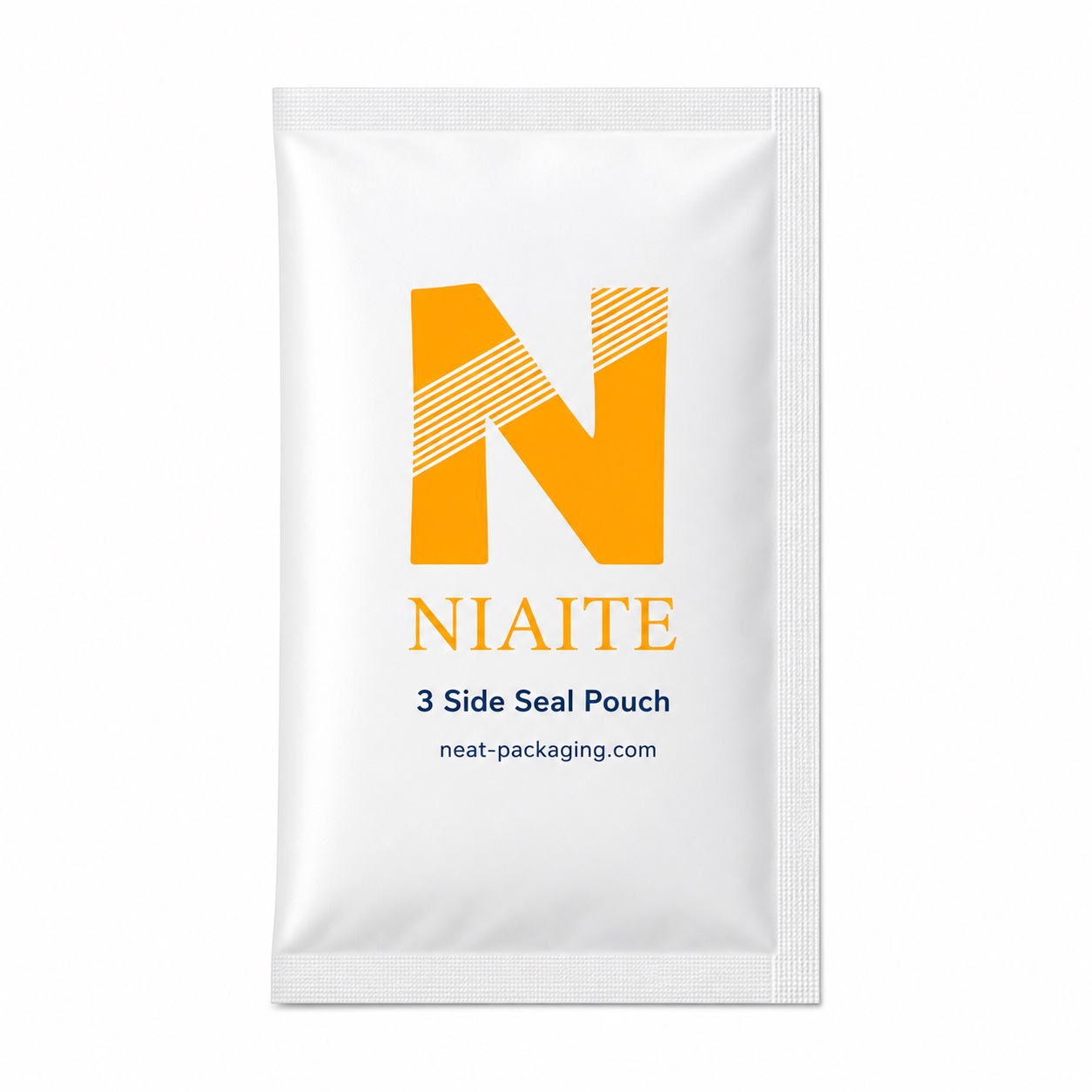
Sample sachets and small pouches can be reviewed for single-use skincare, haircare, serum, and mask projects.
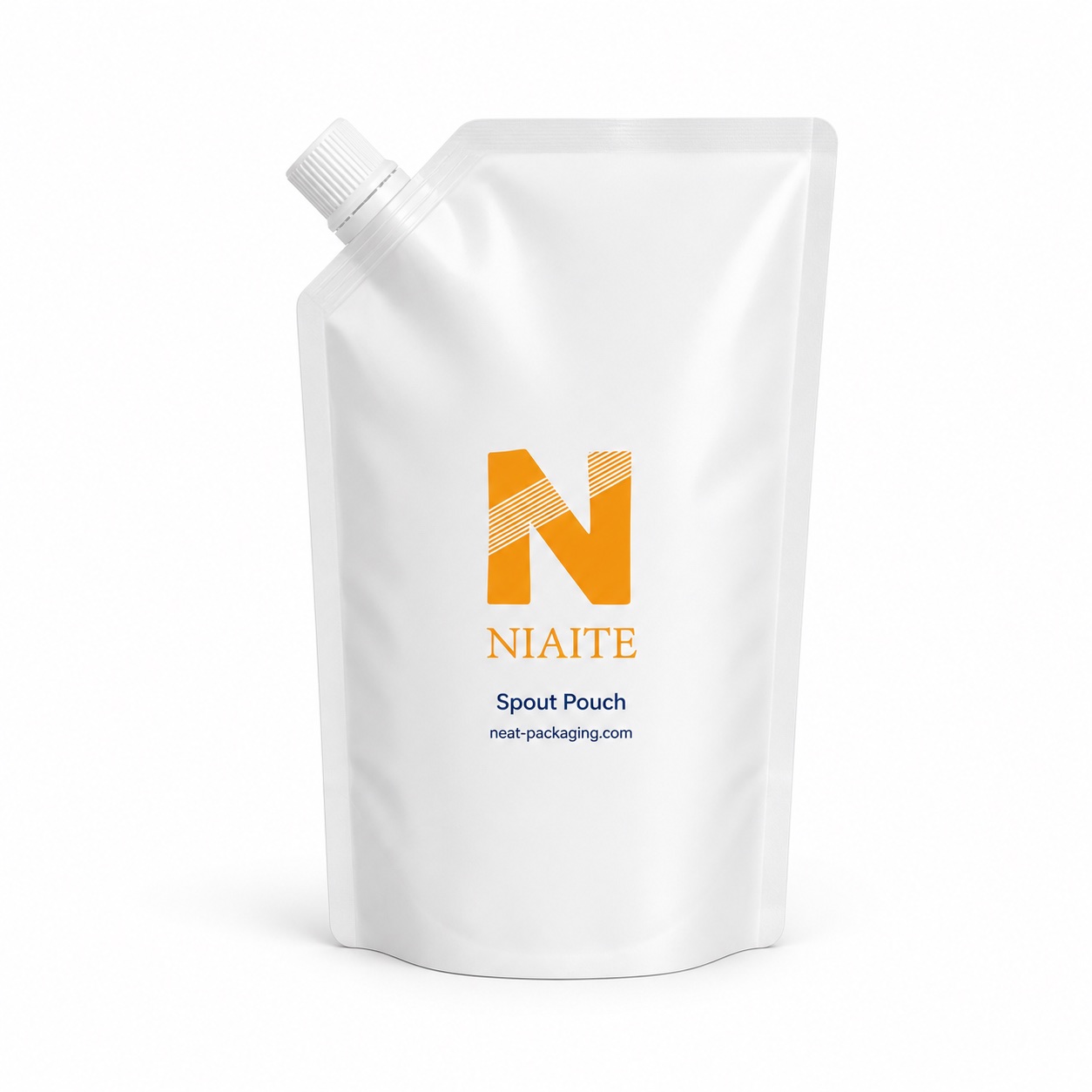
Refill pouches, stand-up formats, and fitment options can support personal care refills where formula compatibility is confirmed.
Matte, soft-touch, metallic, transparent window, and spot UV effects can be reviewed with artwork and selected film structure.
Material selection, traceability records, supplier declarations, and compatibility checks can support cosmetic packaging projects.
Review cosmetic packaging around formula compatibility, dose, application method, filling and sealing conditions, appearance, distribution, and the brand owner's stability and pack-test plan.
Describe cream, gel, serum, mask, powder, wipe, oil, or refill formula; water and oil phase; alcohol, fragrance, surfactant, active ingredient, viscosity, and contact duration.
Share sample or retail dose, fill weight or volume, sachet, pouch, refill, or wipe format, finished dimensions, headspace, orientation, and secondary packaging constraints.
Specify tear notch, zipper, spout, cap, nozzle, applicator interface, reseal frequency, dispensing control, opening-force target, and any tamper-evident feature to review. For holographic film, security inks, or QR traceability, see brand protection and anti-counterfeit packaging options.
Identify manual or automated filling, fill temperature, seal equipment, fitment welding or label application, formula contamination at the seal, line speed, and trial criteria.
Provide light, oxygen, moisture, aroma, and formula-loss concerns plus transparency, window, metallic effect, matte or gloss finish, tactile treatment, and shelf-life target.
Include order quantity, SKU and shade count, artwork and barcode status, destination market, requested material declarations or testing, sample approval, and launch timing.
Choose the right material structure based on formula compatibility, surface finish, barrier target, seal strength, and filling process.
| Structure | Application | Barrier Level |
|---|---|---|
PET / PE
|
Sample sachets and light-duty skincare pouches | Standard |
PET / VMPET / PE
|
Metallized barrier for masks, creams, or fragrance-sensitive formulas | Medium |
PET / AL / PE
|
Foil barrier for moisture, oxygen, or aroma-sensitive cosmetic samples | High |
PET / NY / PE
|
Refill pouches or heavier personal care packs needing added strength | High |
Kraft / AL / PE
|
Kraft paper appearance with barrier lining for natural beauty brands | High |
Mono PE
|
PE-based structure reviewed for local recycling stream compatibility | Standard |
A transparent look at how we build structural integrity into every Cosmetic Packaging. Visit our material guide for more details.
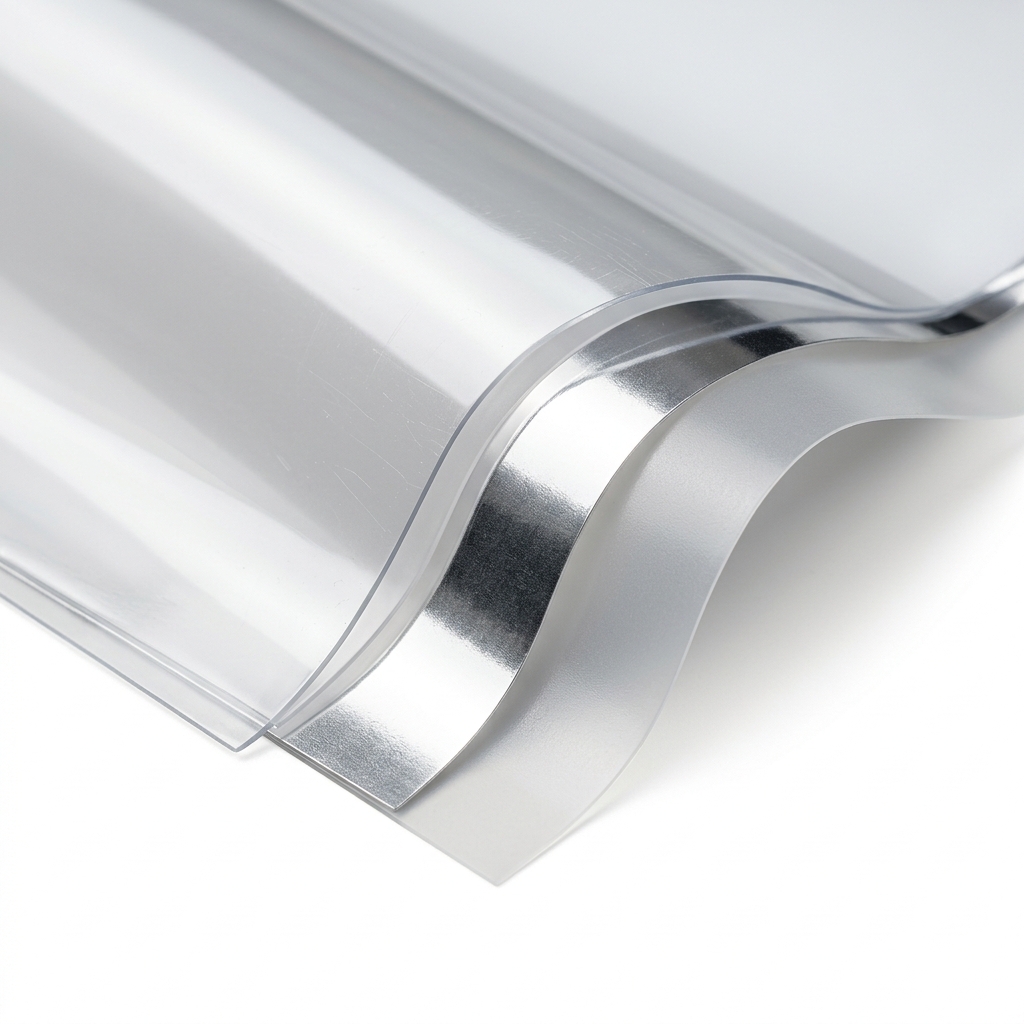
Printable PET supports artwork, registration marks, varnish or matte finish, and the outer handling surface.
Barrier film is selected around moisture, aroma, grease, light, and shelf-life targets for the packed product.
Adhesive bonds the print web, barrier option, and sealant into one stable laminate after curing and testing.
PE sealant is reviewed for heat-seal window, jaw temperature, dwell time, COF, filling conditions, and pack format.
Cosmetic packaging can use tear notches, zippers, fitments, refill pouch openings, or single-use sachet formats depending on formula viscosity and filling line.
Closure choice, surface finish, barrier structure, and formula compatibility should be reviewed before sampling or production.
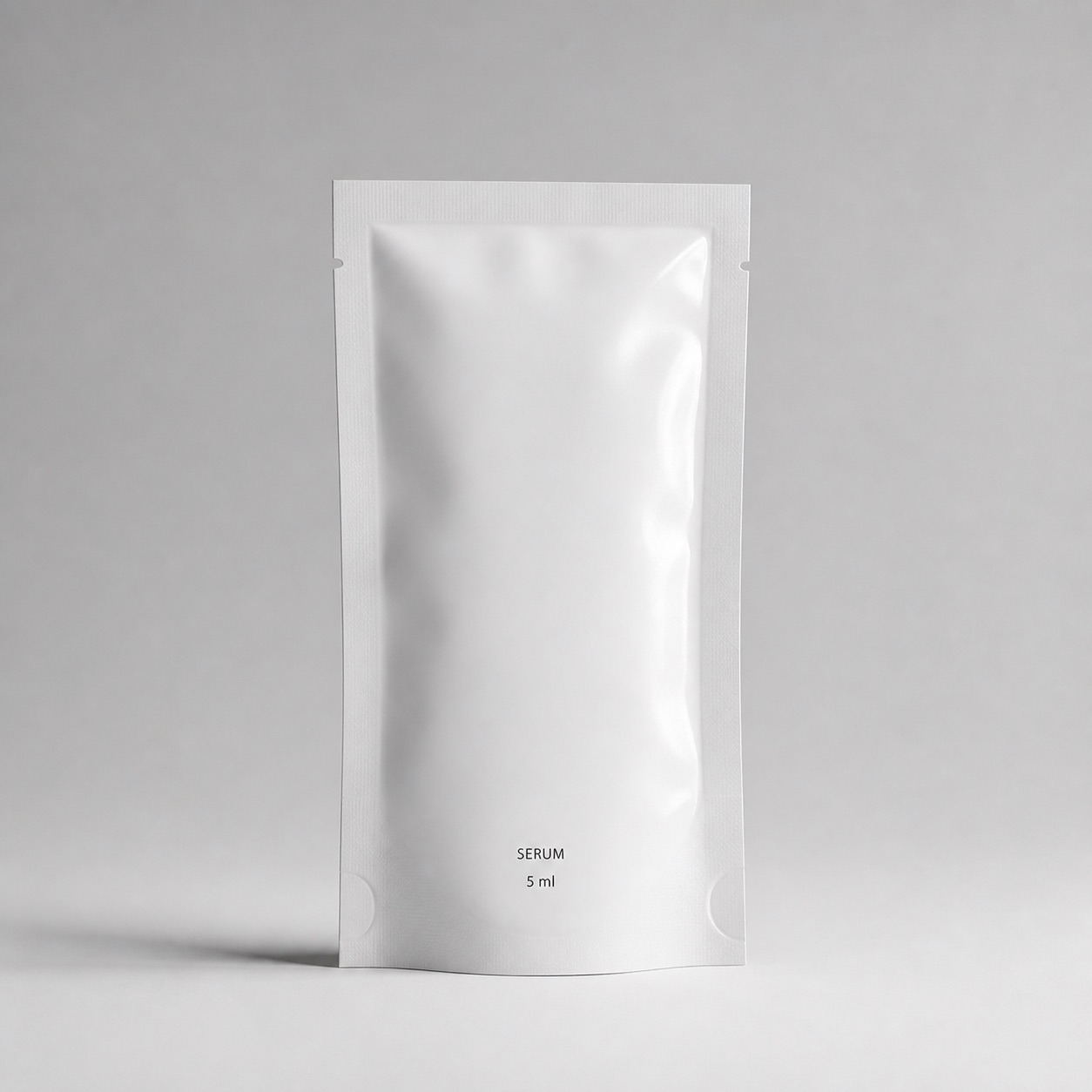
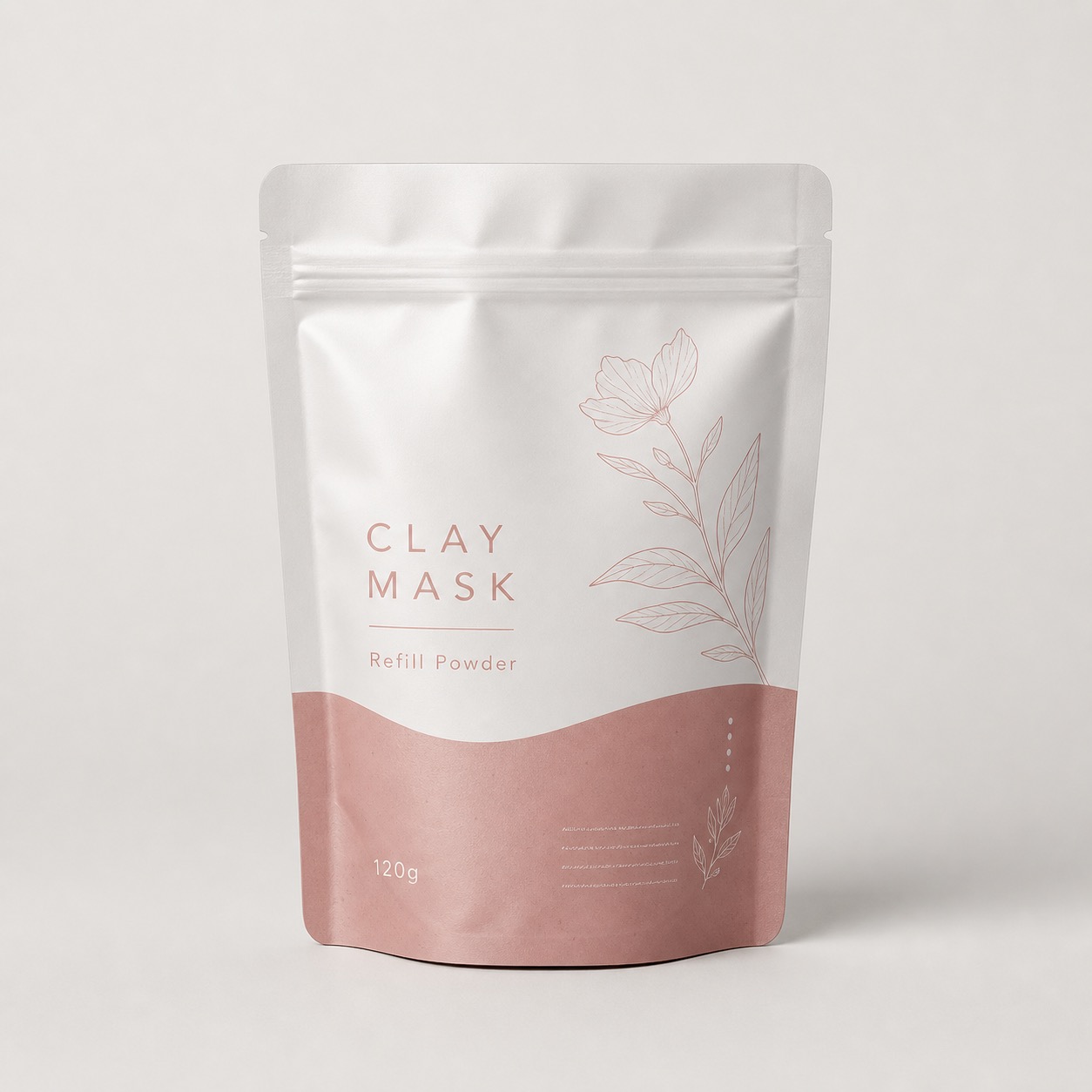
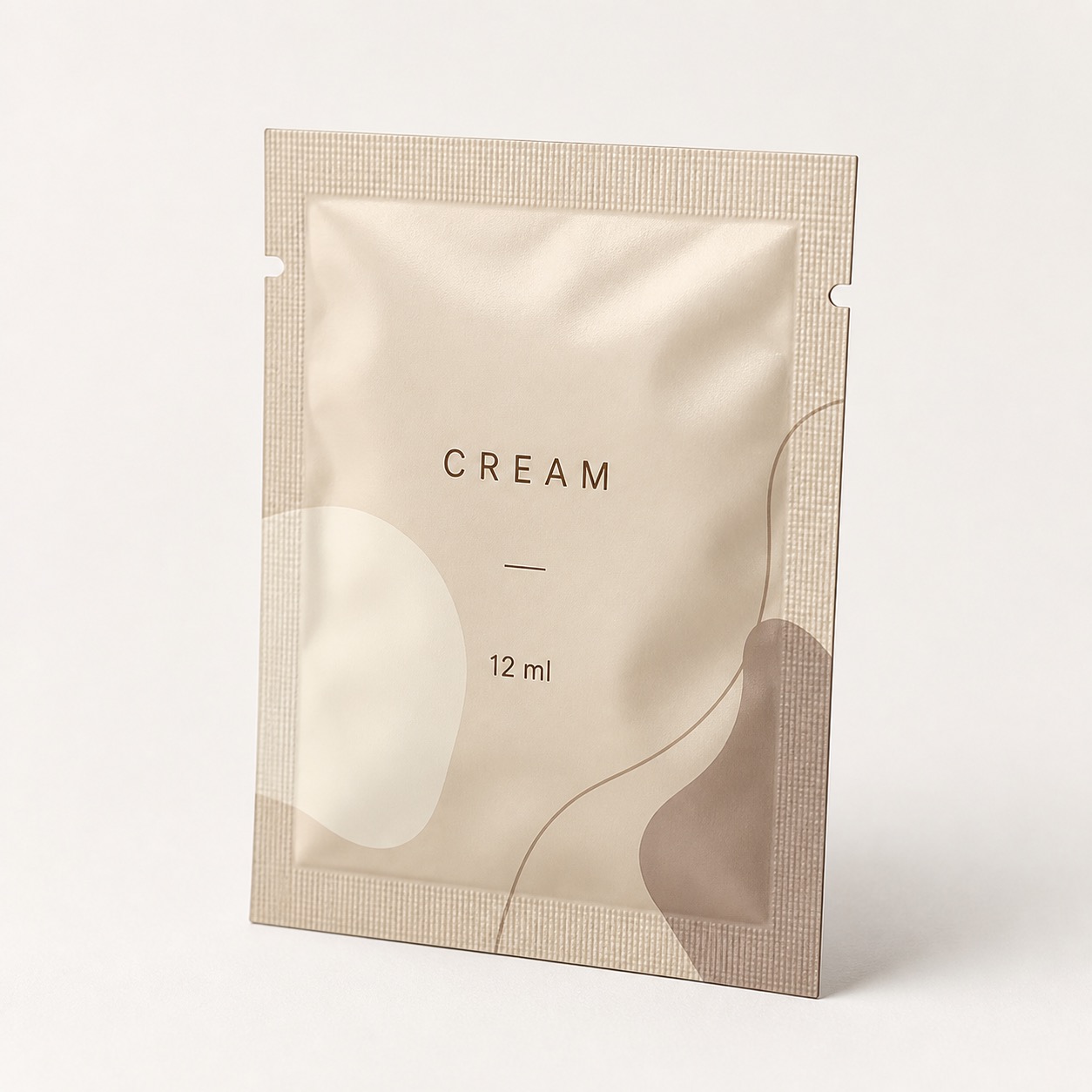
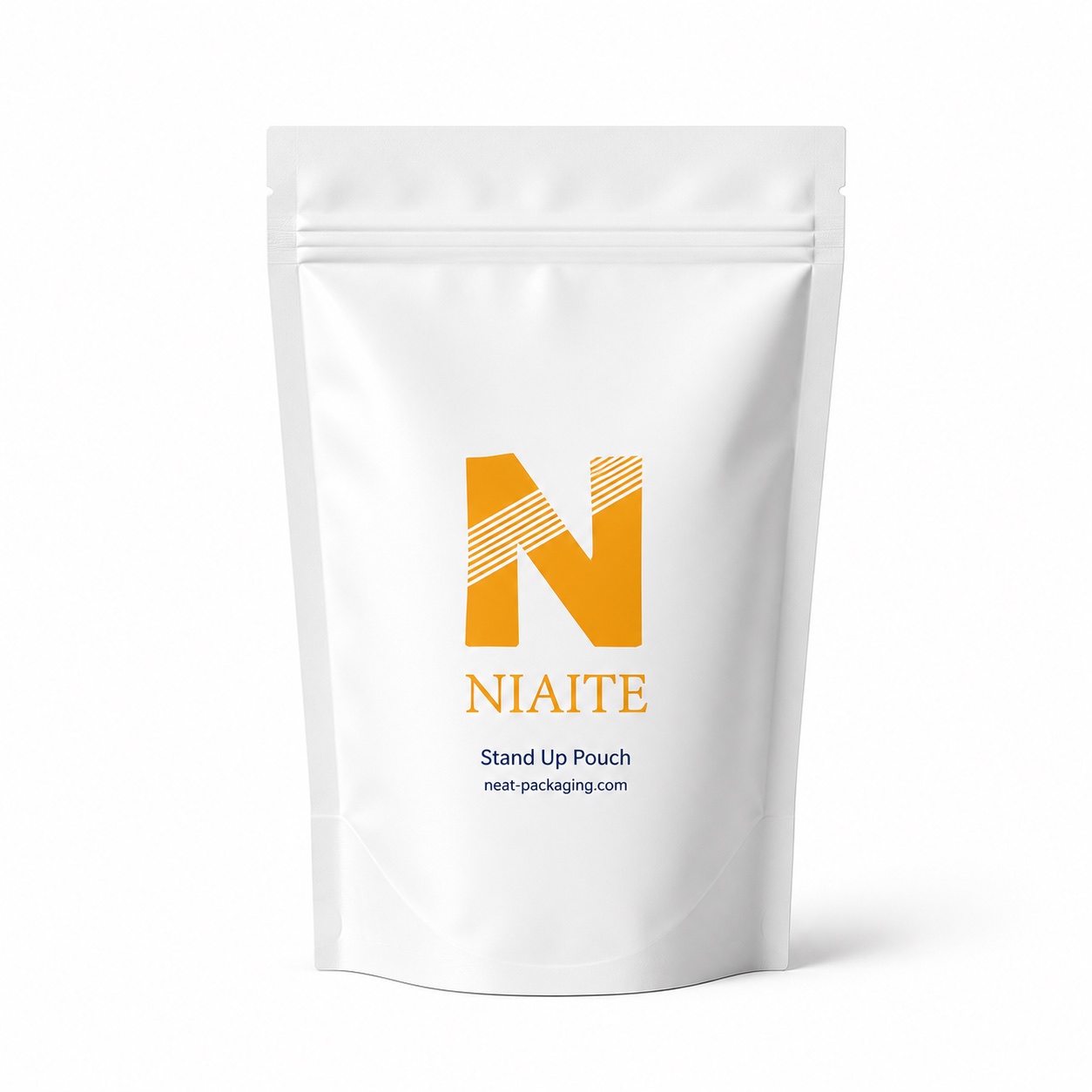
Stand-up pouch, flat sachet, hanging hole, clear window, or boxed refill format can be matched to shelf display.
Tear notch, laser score, zipper, and fitment openings can be selected for sample sachets, face masks, and refill pouches.
Matte, gloss, soft-touch, metallic, transparent, and spot UV surface finish options can be reviewed with your artwork.
Structure review, formula compatibility checks, seal checks, print proofing, and supplier documentation can be arranged by project scope.
Representative parameters. Actual values depend on material structure and customization.
Film Thickness
80–140 μm (luxury finish films)
Formula Compatibility
Reviewed by formula, sealant, and storage condition
Surface Finish
Matte, soft-touch, spot UV, foil stamp
Barrier Target
Selected by formula and shelf-life plan
Closure Options
Zipper, tear notch, refill fitment, flip-top, pump insert
Documentation
cosmetic packaging documentation support
Concentrated face serum minimal pearl white matte luxury flexible sachet
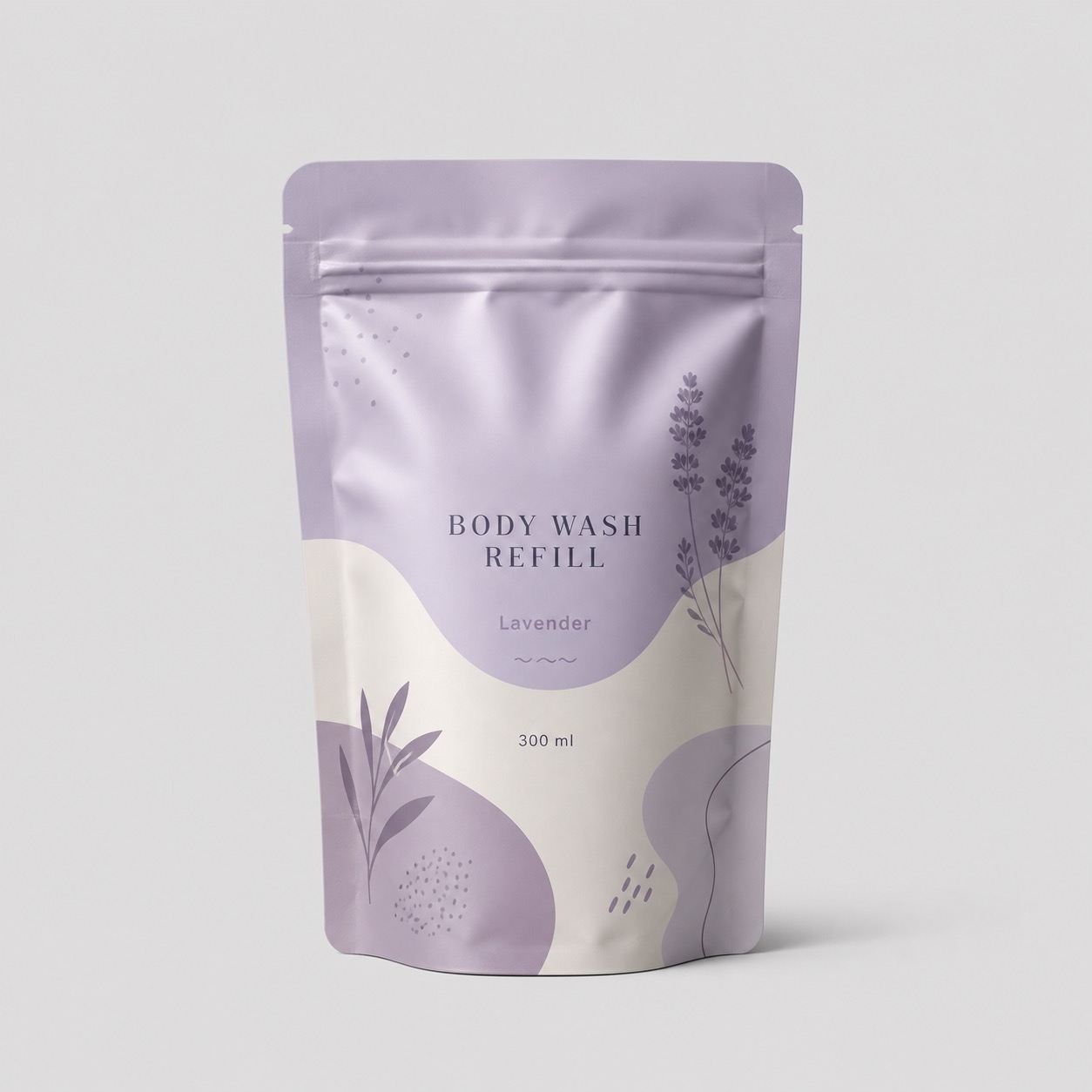
Botanical skincare set natural green matte flexible cosmetic bag
Body scrub gold and black matte premium flexible packaging
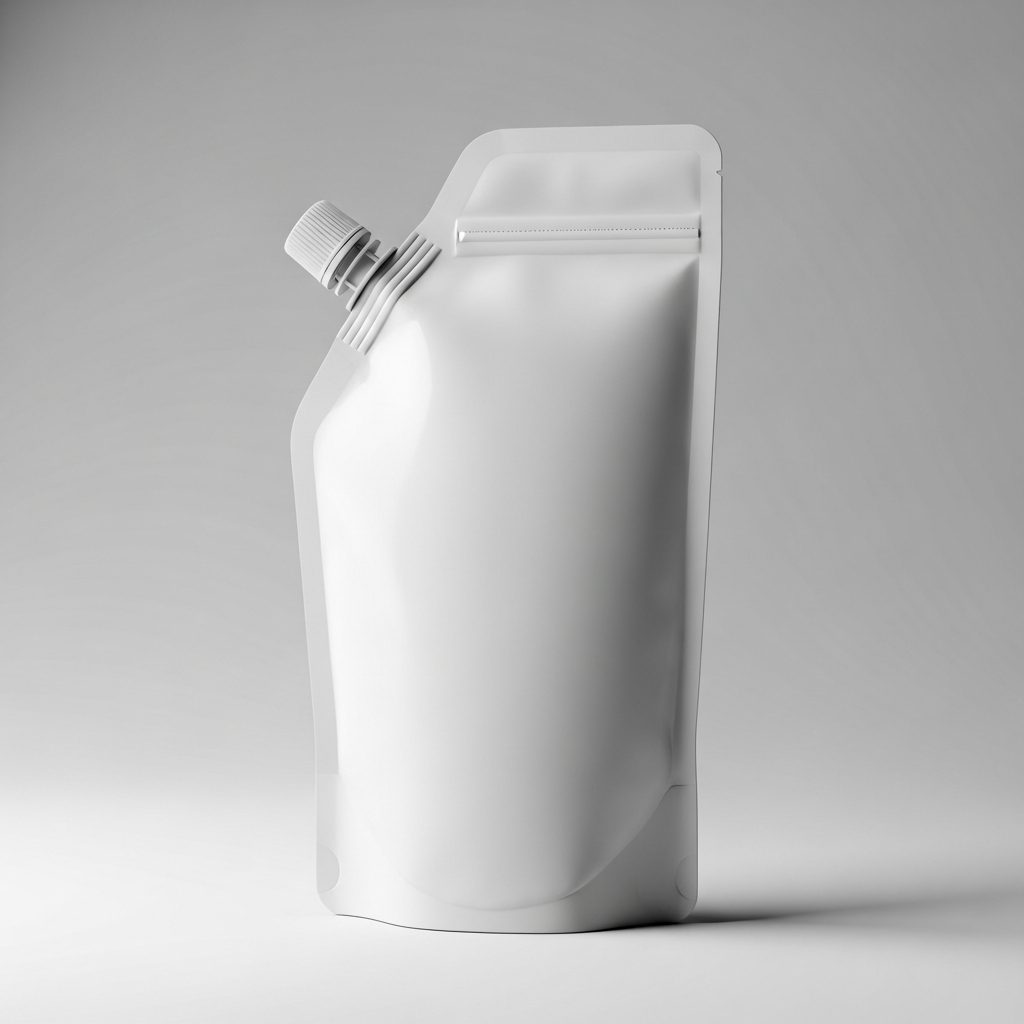
Clean minimal white spout pouch with screw cap for toner or lotion refills
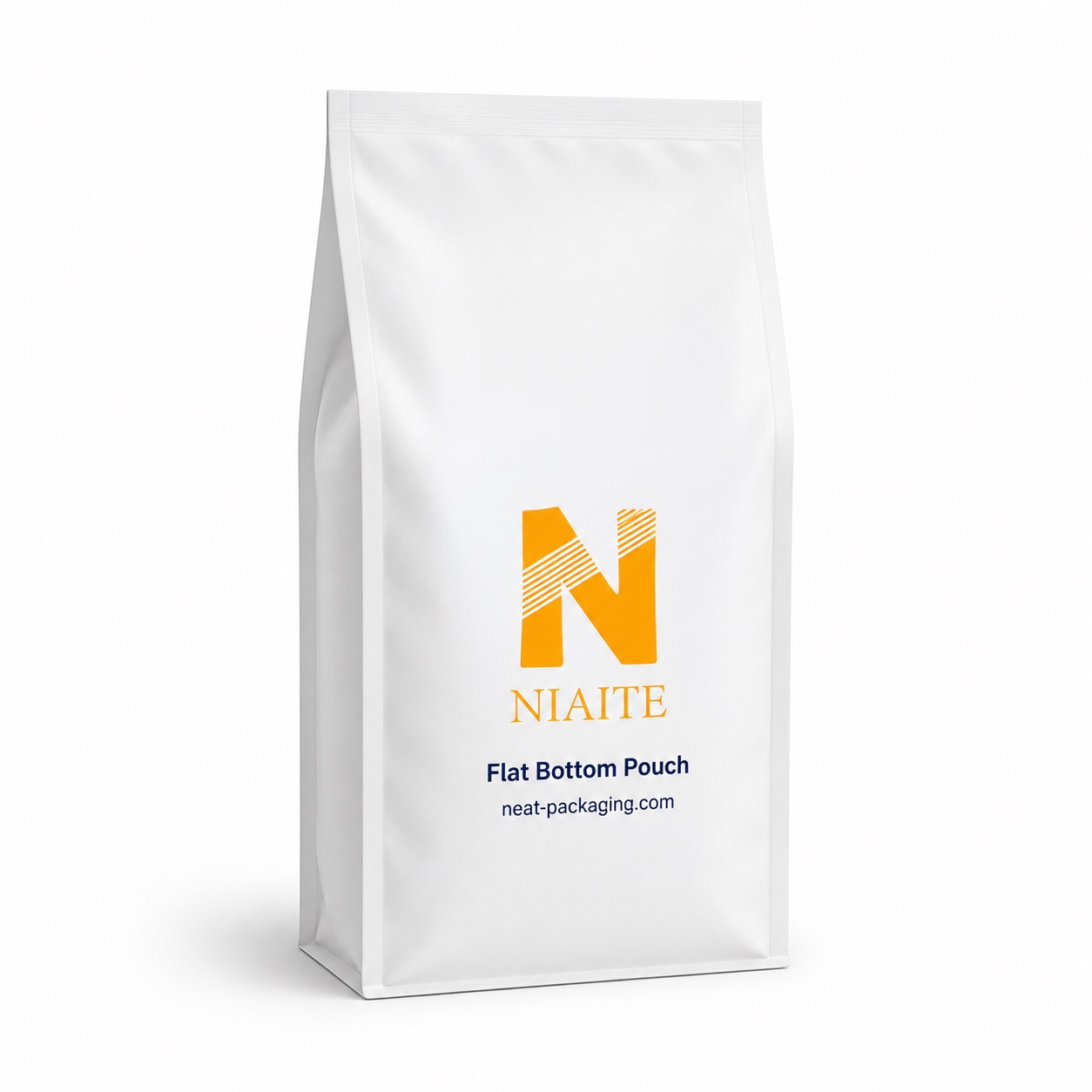
Use these photos as format references. Final size, structure, print layout, and testing scope are reviewed against your product, filling method, and target market.
Lower-impact structure options can be reviewed when the product, filling process, target market, and recovery route support them.
This page focuses on sample sachets, refill pouches, face masks, skincare creams, serums, haircare, and personal care products that need surface finish, barrier, closure, and formula compatibility review.
Yes. Sachet size, refill pouch format, zipper, tear notch, fitment, surface finish, print layout, barrier structure, and cosmetic packaging documentation can be reviewed by project scope. For luxury serum sample projects, see the cosmetic sachet material and finish guide for 3-side seal formats, PET/AL/PE and PET/VMPET/PE structures, soft-touch matte finish, and sample/proof inputs.
Documentation depends on the selected film, sealant, packed formula, and destination market. Supplier declarations, traceability records, formula compatibility checks, and third-party testing can be reviewed by project scope.
Production workflow follows GMP-style hygiene and handling controls; no site-level GMP registration is claimed.
ISO 9001-style QC records and FDA/EU material documentation can be reviewed by project scope.
DDP / FOB / CIF coordination can be reviewed by destination and project scope.
Project-level recyclable-ready or lower-impact structures can be reviewed where the final specification supports them.
Project support for material review, artwork coordination, sampling, and production follow-up within the agreed scope.
Production routing, order volume, lead-time assumptions, and capacity fit are reviewed for each confirmed project.
Tell us your product, target weight, and requirements.
We recommend materials, structure, and provide pricing.
Confirm details, approve artwork, and production begins.
QC checkpoints and shipment scope are confirmed by project.
Common issues we help cosmetic packaging buyers avoid during project coordination.
Volatile fragrance compounds in perfumes and scented cosmetics can permeate standard film structures within weeks, causing scent loss and cross-contamination in mixed shipments. We specify barrier layers and run permeation testing early in the project to match the exact fragrance profile your formula requires.
Retinol serums, vitamin C treatments, and natural extracts break down rapidly when packaging film transmits UV light. Without specifying UV-blocking metallized or opaque layers during project planning, brands discover potency loss only after products reach shelves.
Pouch spouts and pump inserts sourced separately from the film often arrive with neck diameter or thread pitch mismatches, causing leaks on the filling line. We coordinate dimensional specs between component suppliers before production begins to prevent costly rework.
Matte-finish and soft-touch coatings on cosmetic pouches can scuff during transit, while metallic inks may crack at fold lines. We align coating specs and fold-crack testing with the actual logistics path so the shelf presentation matches the approved artwork proof.
Aggressive ingredients like glycolic acid, essential oils, or alcohol-based toners can attack sealant layers, causing delamination or pinhole leaks over the product's shelf life. We coordinate compatibility testing between your formula and the proposed laminate structure before committing to full-run production.
Updated:
Work with NIAITE for material review, sampling guidance, QC checkpoints, and export project coordination.