A spout pouch is a flexible laminated pouch with a welded spout and screw or flip-top cap, used when a liquid or semi-liquid product has to pour, squeeze, or reclose. NIAITE coordinates custom high-barrier spout pouch packaging for sauces, beverages, baby food puree, dairy, and detergent refill projects.
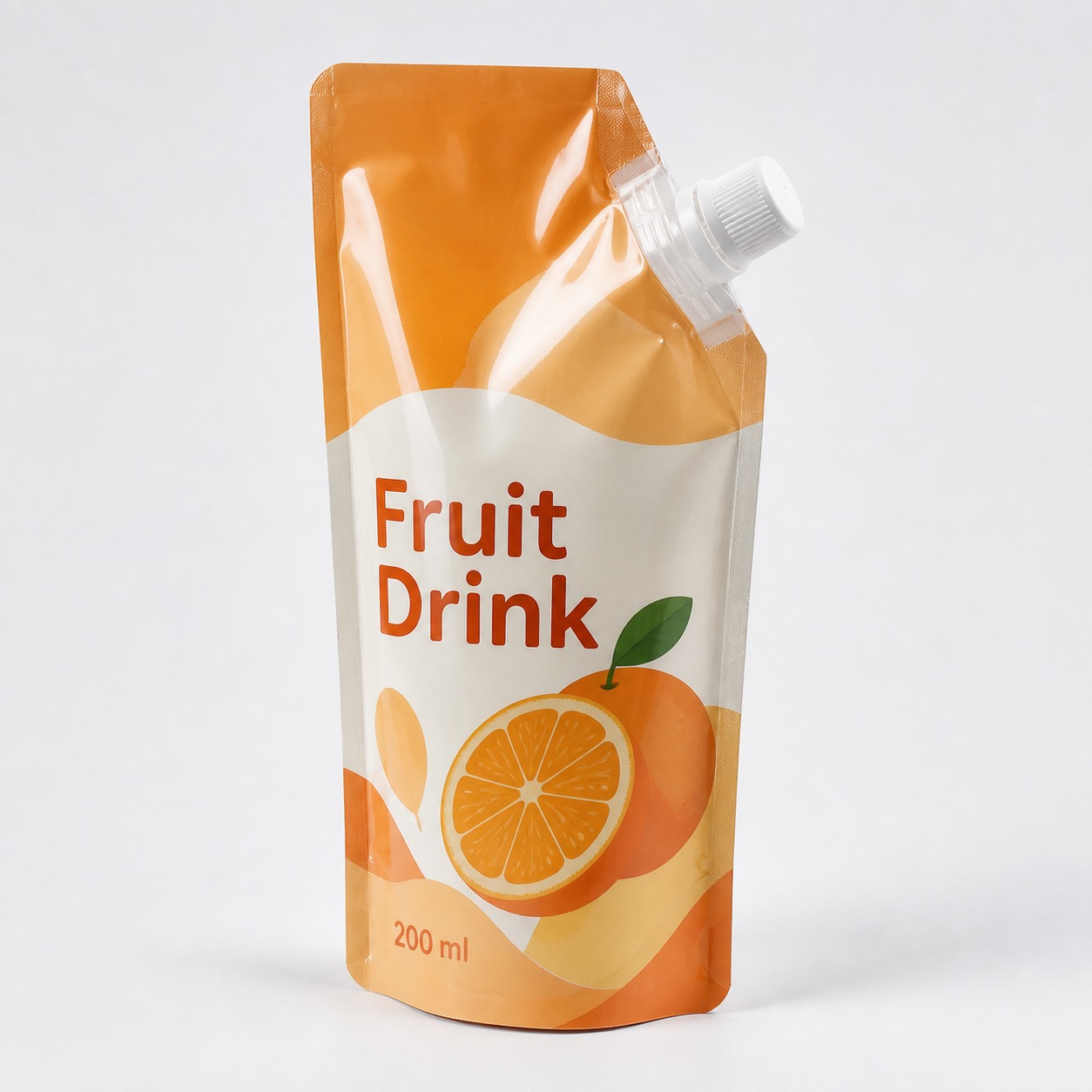
A flexible pouch with an integrated spout and reclosable cap for controlled liquid dispensing, specified for beverages, sauces, baby food puree, dairy, and detergent refill projects.
Spout welding, fitment integration, barrier film, seal integrity, and flow control are confirmed by material review and sample approval before production.
Choose a spout pouch when the product has to pour or squeeze out and be reclosed between uses. If the pack is used once, or the product is not flowable, a simpler format is usually easier to develop and fill.
| Format | Usually chosen when | What to confirm first |
|---|---|---|
| Spout pouch | Liquids and purees that are poured, squeezed, or dispensed in several uses | Spout diameter (8 / 10 / 15 / 22 mm or custom), cap type, viscosity, filling and capping line |
| Stand-up zipper pouch | Dry or chunky products that are scooped or poured from a wide opening | Zipper position, bottom gusset, fill weight |
| Single-serve sachet | One-use portions of sauce, gel, or liquid that do not need reclosing | Tear notch, portion size, seal width |
| Retort pouch | Products heat-processed (retorted) in the sealed pack after filling | Retort temperature, sealant, and whether a fitment is needed at all |
Production Traceability
Project records
ISO 9001-Style QC
Quality system
Shipping term coordination
DDP / FOB / CIF
Recyclable-ready review
Project review
Purpose-built spout pouch formats for specific product categories and industry requirements. Explore all market solutions .
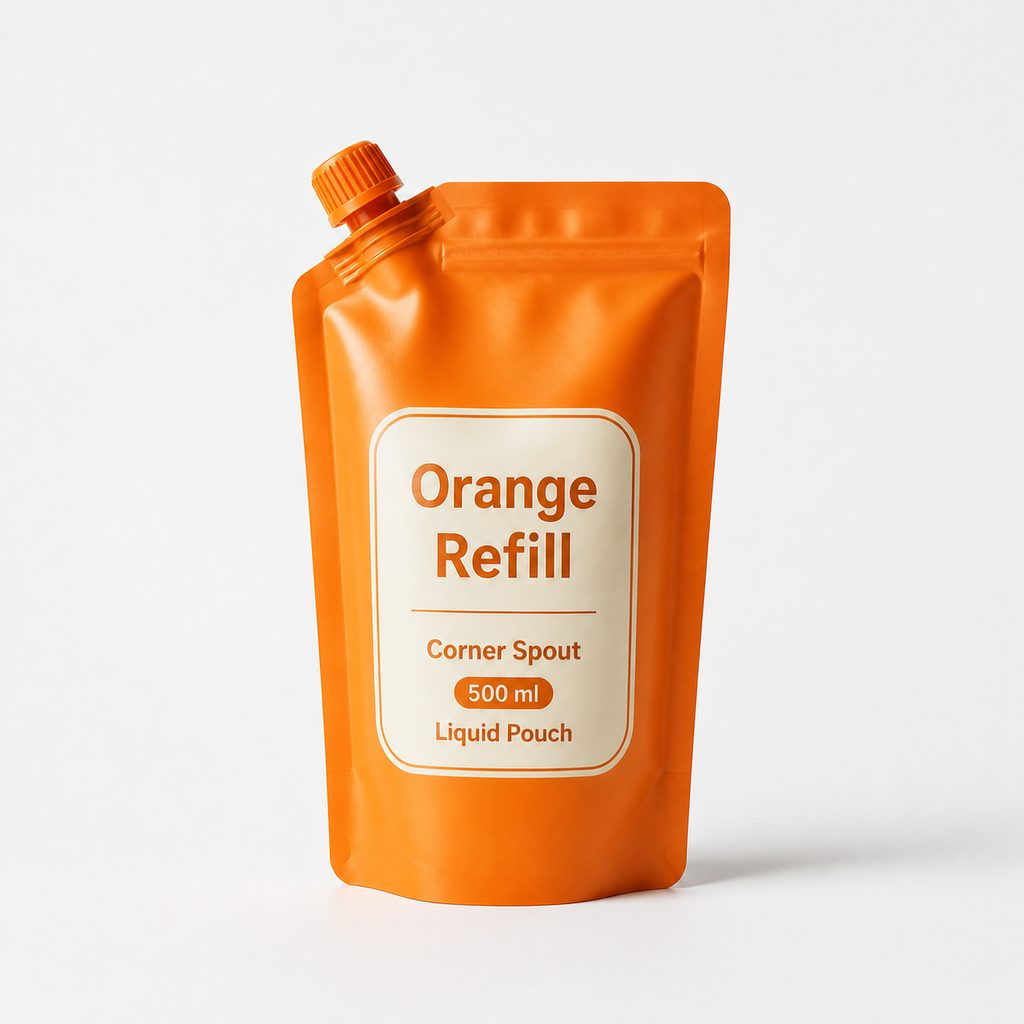
Stand-up spout pouches for RTD juices, smoothies, and energy drinks. Barrier film, cap style, fill volume, and filling compatibility are matched by project.
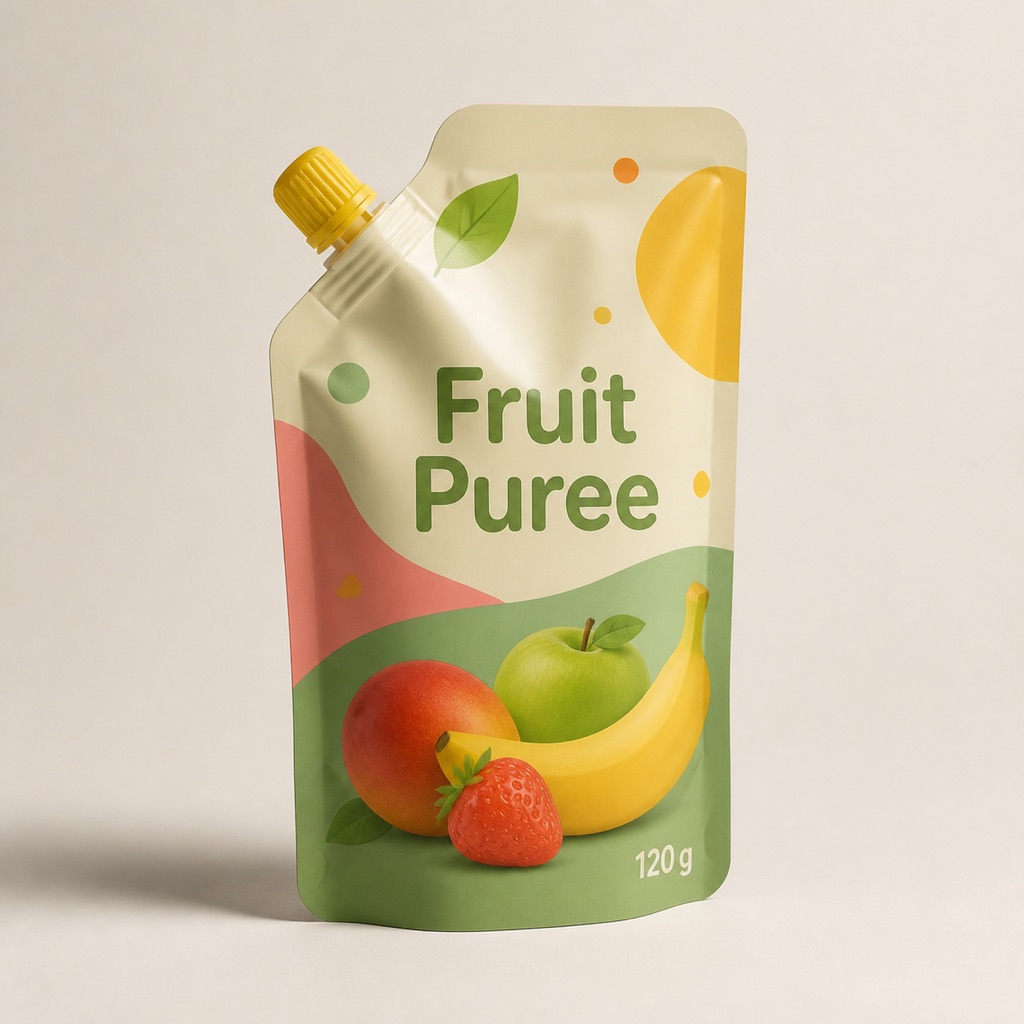
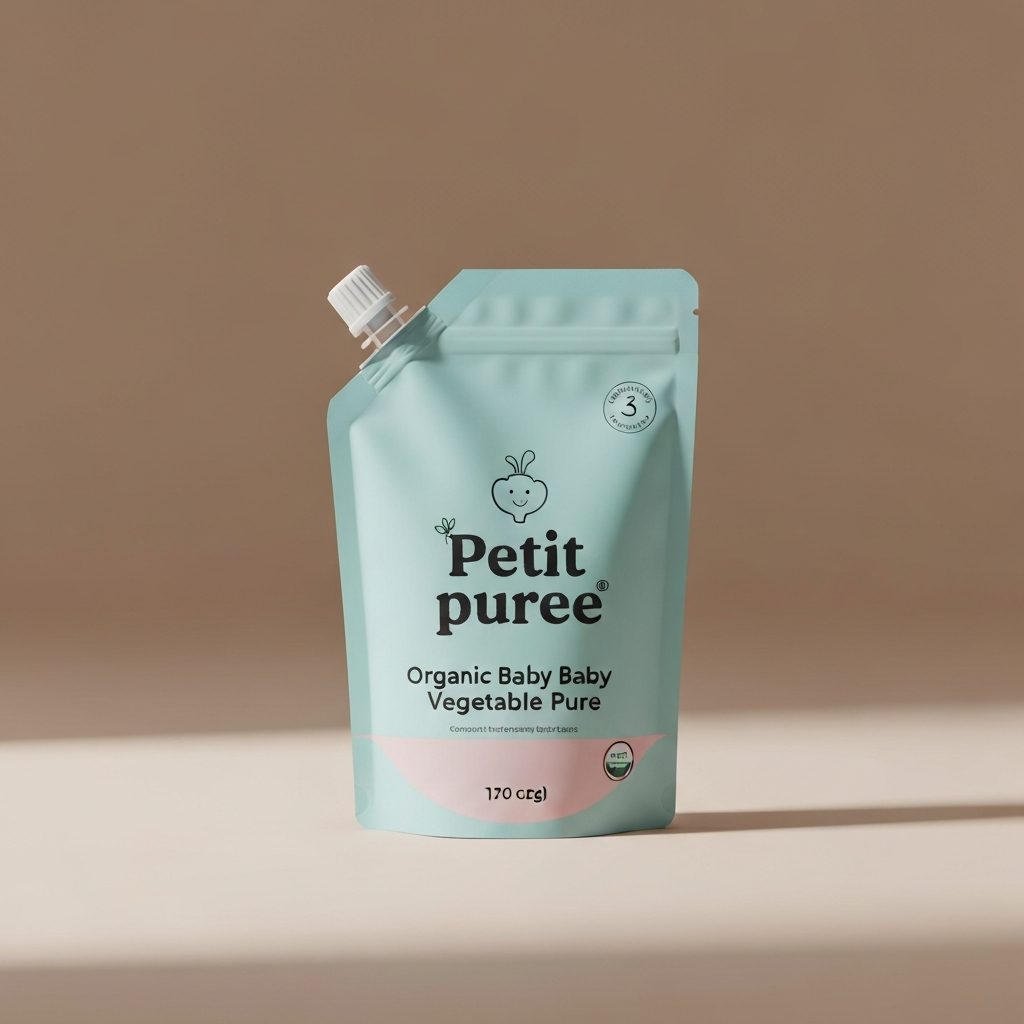
Spout pouches with reclosable cap and flow-control options for baby food puree. Retortable or aseptic structures can be reviewed with the filling process and target market.
Corner spout inverted pouches for ketchup, mayo, and cooking sauces. Anti-drip and flow control options are reviewed against viscosity and dispensing style.
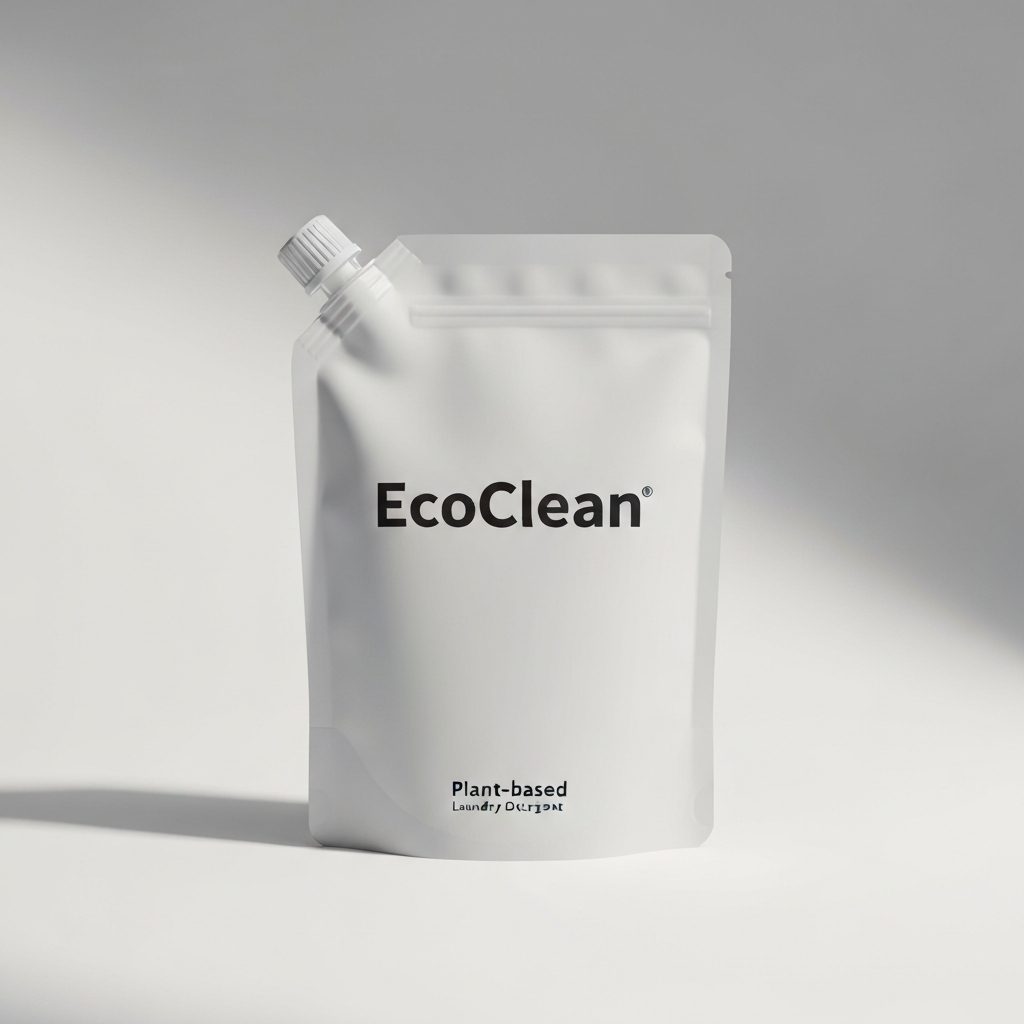
PE-based spout pouch options for detergent refill projects. Sealant layer, cap fitment, and compatibility testing are confirmed against the formula.
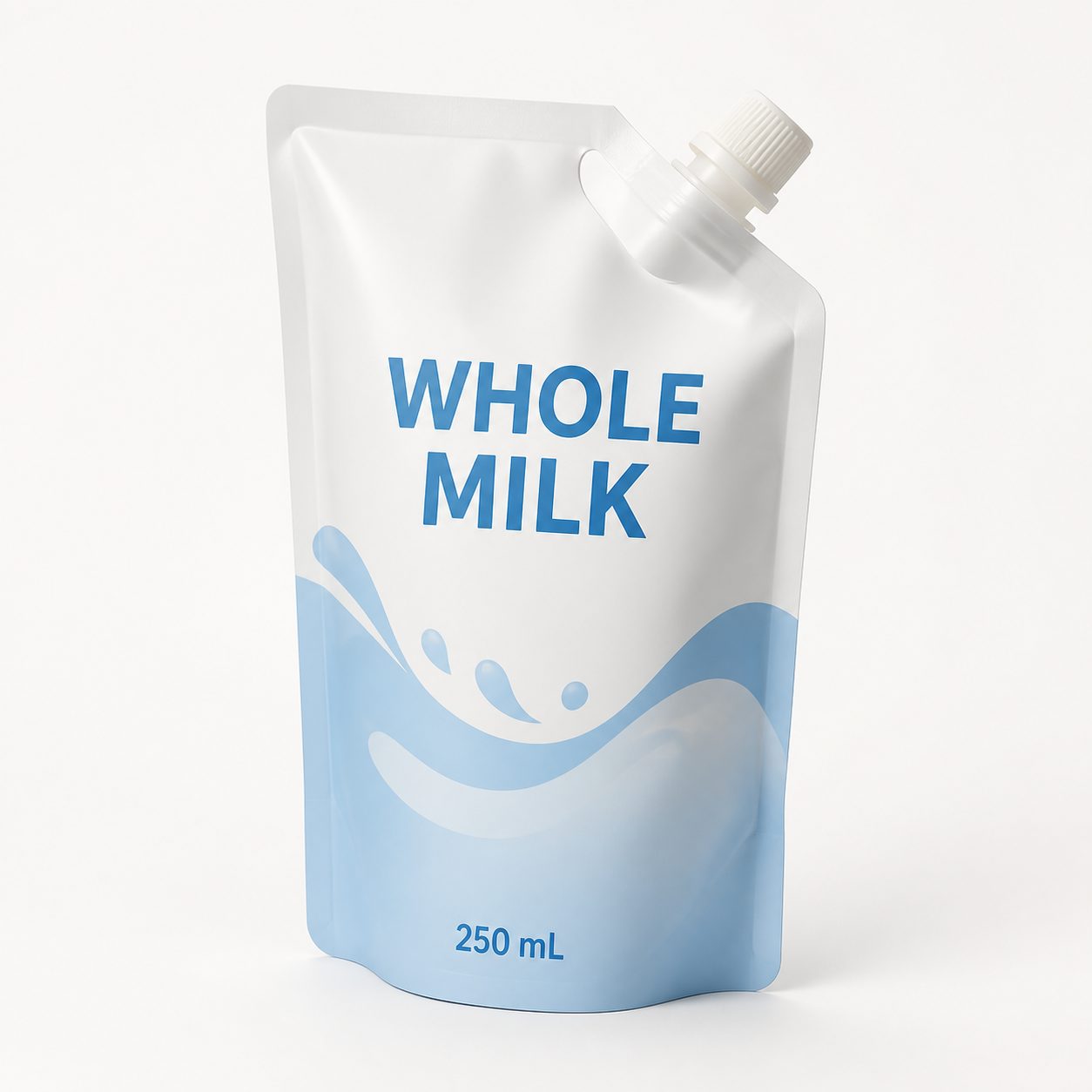
Aseptic or heat-process compatible spout pouches for flavored milk, drinking yogurt, and cream. Light barrier and oxygen barrier targets are reviewed by product.
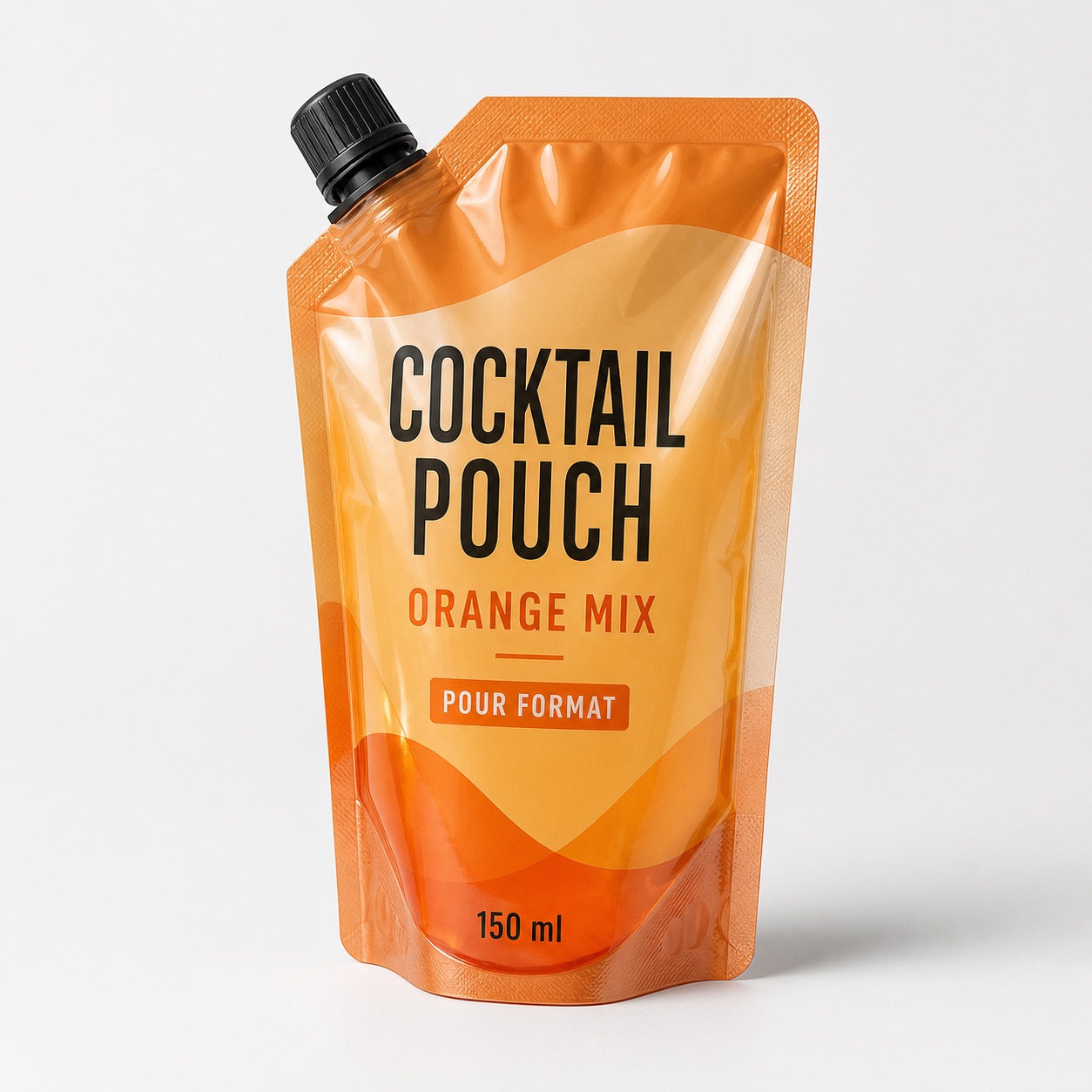
Single-serve and larger trial formats for wine, premixed cocktails, and spirits. Alcohol compatibility, aroma barrier, and fitment choice are confirmed before sampling.
Top spout, corner spout, cap style, and flow control can be matched to viscosity, fill volume, and how the product is poured or squeezed.
Screw caps, flip-top caps, and project-specific cap options can support reseal needs for drinks, sauces, dairy, puree, and refill packs.
Spout welding, fitment integration, pouch format, and film structure are reviewed together so the cap, sealant layer, and filling line work as a system.
Food-contact documentation, material declarations, test scope, and sample approval records can be prepared according to selected structure and target market.
Key factors to evaluate when selecting spout pouches for your project.
Spout diameter — commonly 8mm, 10mm, 15mm, 22mm, or a project-specific size — sets pour rate and how the pouch runs on your filling line. Top spouts suit upright dispensing and shelf display, while corner spouts favour controlled pouring from larger packs. Confirm fitment position against pouch size and how the end user dispenses the product.
Screw caps suit repeat-use and refill formats, flip-top and sport caps suit on-the-go drinking, and butterfly caps are common on puree and baby food packs. Cap choice affects tooling, filling line compatibility, and whether the pack reads as single-serve or refill.
Thin beverages, thick sauces, purees, and detergent refills behave differently through the same fitment. Share viscosity, fill temperature, and whether the product is hot-filled or retorted, since this drives both the film structure and the spout material.
PET/NY/PE handles general liquids, while aluminum foil or EVOH layers are reviewed for oxygen-sensitive contents. Spout welding and seal integrity are confirmed through project-specific burst, drop, and fitment checks at material review and sample approval.
Ultrasonic or heat-welded spout insertion is reviewed with seal integrity checks and sample approval. Cap styles, custom colors, and top spout, corner spout, or angled fitment positions can be specified by project.
Pour rate, anti-drip style, and flow control can be reviewed for viscous sauces, baby food puree, dairy, and free-flowing beverages. Reclosable cap options support multi-use handling where the product requires it.
Flexible refill pouches can reduce empty-pack volume versus rigid formats, but the final structure should be selected around drop-test, filling, seal integrity, and target distribution conditions.
Stand-up spout pouch, 3-side-seal spout pouch, flat-bottom spout pouch, shaped pouch, and windowed pouch layouts can be reviewed for viscosity, retail display, and MOQ planning.
Choose the right material structure based on your product's barrier, durability, and shelf-life requirements.
★ Recommended for Spout Pouches
PET / NY / PE
Standard liquid pouch — nylon for puncture resistance under pressure
PET / AL / NY / PE
High-barrier liquid — aluminum layer for oxygen-sensitive beverages
| Structure | Application | Barrier Level |
|---|---|---|
PET / PE
|
Standard structure for general products | Standard |
PET / VMPET / PE
|
Metallized barrier for extended shelf life | Medium |
PET / AL / PE
|
High barrier with aluminum foil | High |
PET / NY / PE
|
Puncture resistant for heavy products | High |
Kraft / AL / PE
|
Natural look with high barrier | High |
Mono PE
|
Recyclable mono-material structure | Standard |
A transparent look at how we build structural integrity into every Spout Pouch. Visit our material guide for more details.

Printable PET supports graphics, stiffness, and surface protection for liquid and spout pouch projects.
Barrier film is chosen around liquid sensitivity, aroma, oxygen, moisture, and light-barrier targets.
Tie or adhesive layers are reviewed against laminate bonding, fitment sealing, flexing, and liquid-fill stress.
LLDPE sealant supports liquid sealing, burst-strength review, fitment area sealing, and filling-line compatibility.
Fitment integration should be selected around liquid type, viscosity, filling line, pouch size, and how the user dispenses the product.
Top spout, corner spout, screw cap, flip-top cap, and color options can be reviewed with the barrier film and sample approval plan.
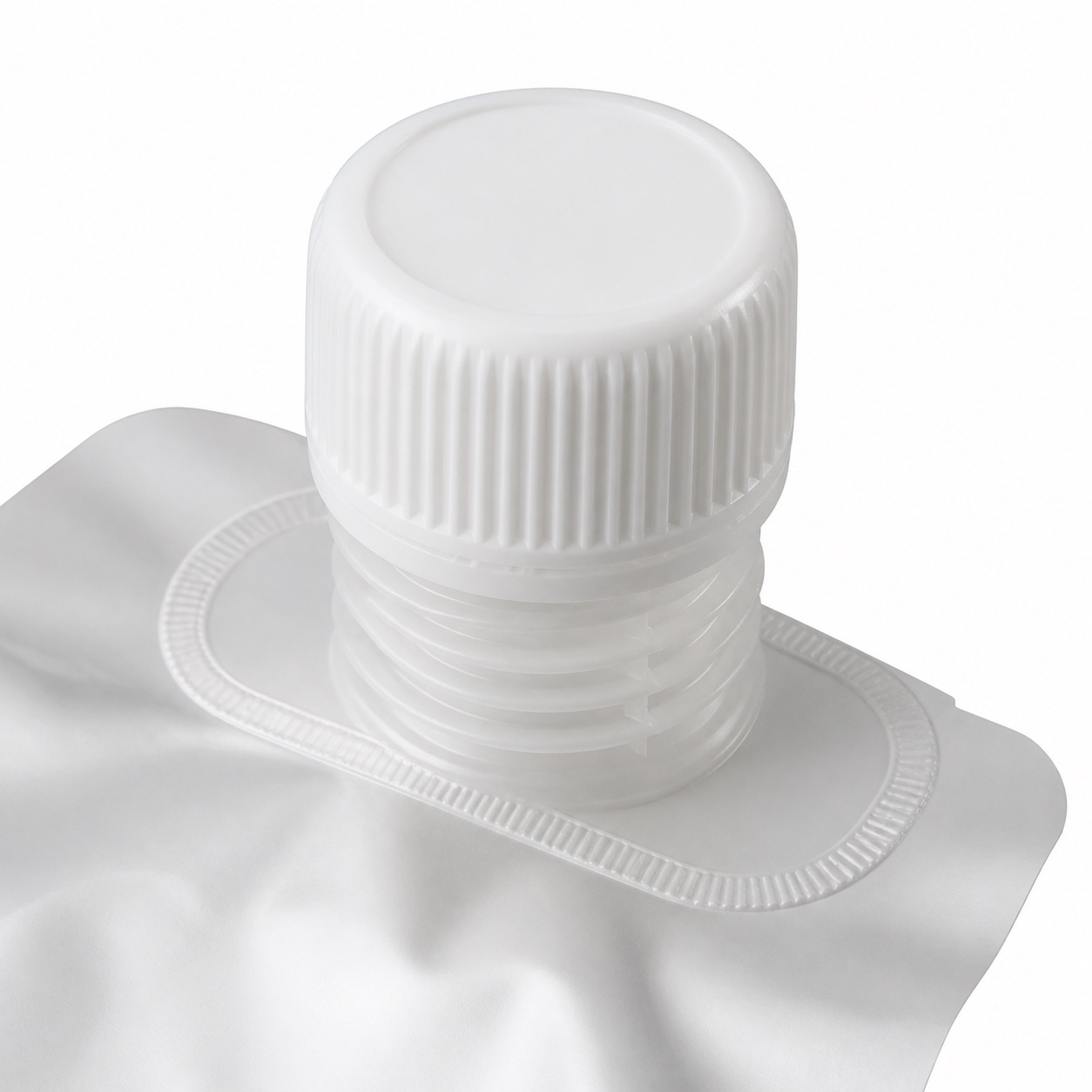
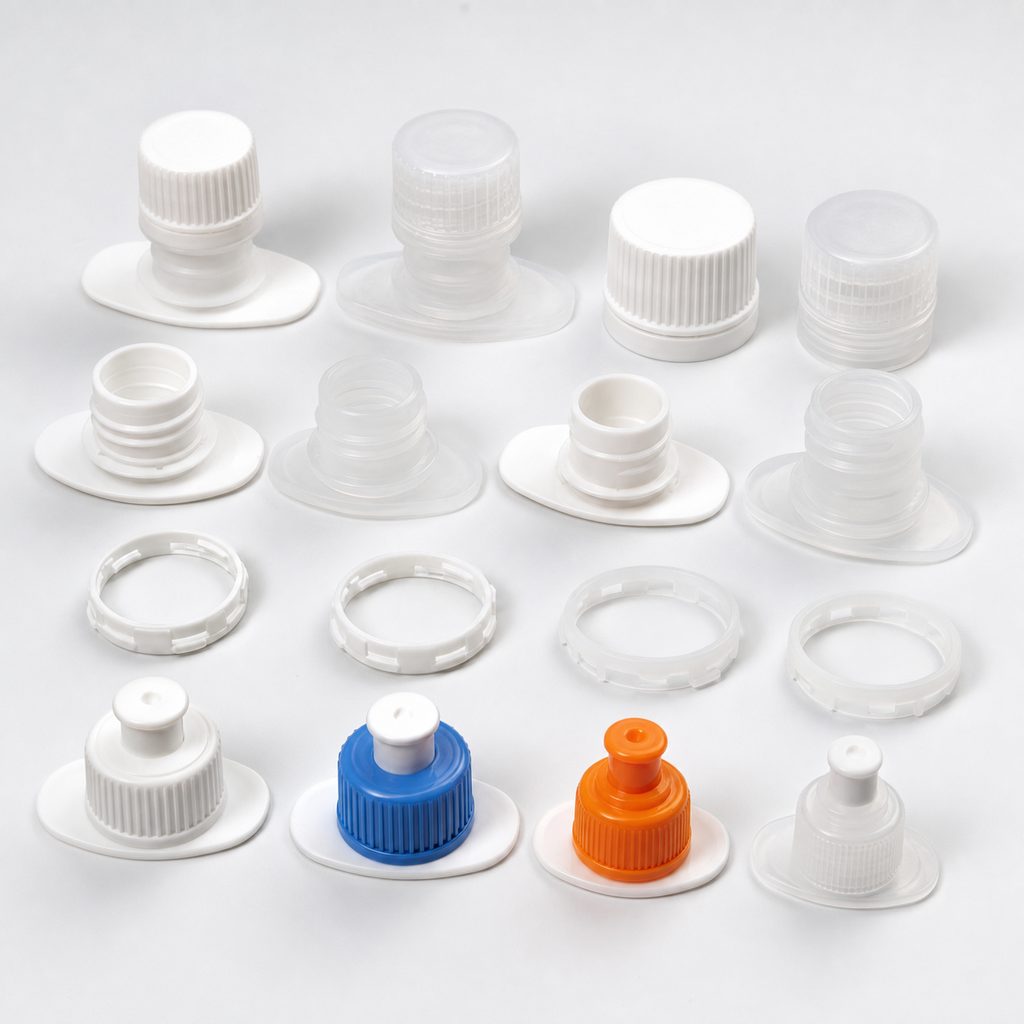
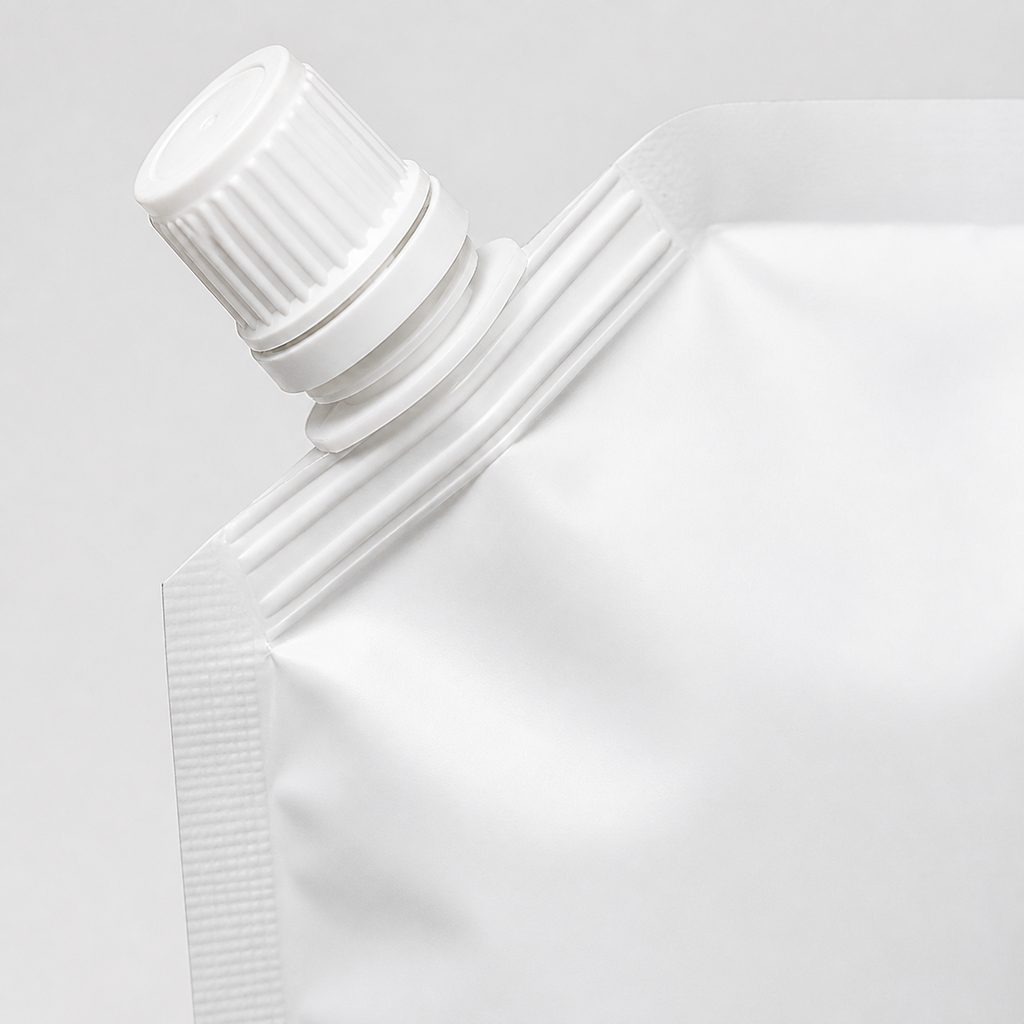
Euro hole, carry handle, round hole, and window layout can be reviewed against pouch size, fill weight, and retail display plan.
Tear notch, laser score, spout diameter, and cap torque can be sampled for the intended opening and pouring experience.
Transparent window areas should be balanced with barrier film needs, artwork layout, and product sensitivity to light or oxygen.
Sampling plan, performance testing, food-contact documentation, material declarations, and third-party testing can be scoped before production.
Representative parameters. Actual values depend on material structure and customization.
Film Thickness
100–160 μm (PET/NY/PE standard)
Spout Diameter
8mm / 10mm / 15mm / 22mm / custom
Seal Integrity Review
Project-specific burst, drop, and fitment checks
Oxygen Barrier (OTR)
Low to ultra-low (AL or EVOH options)
Cap Options
Screw, flip-top, sport, and project-specific cap options
Fill Volume
Project-specific fill volume and MOQ planning
Cold-pressed orange juice vibrant matte spout flexible pouch beverage brand
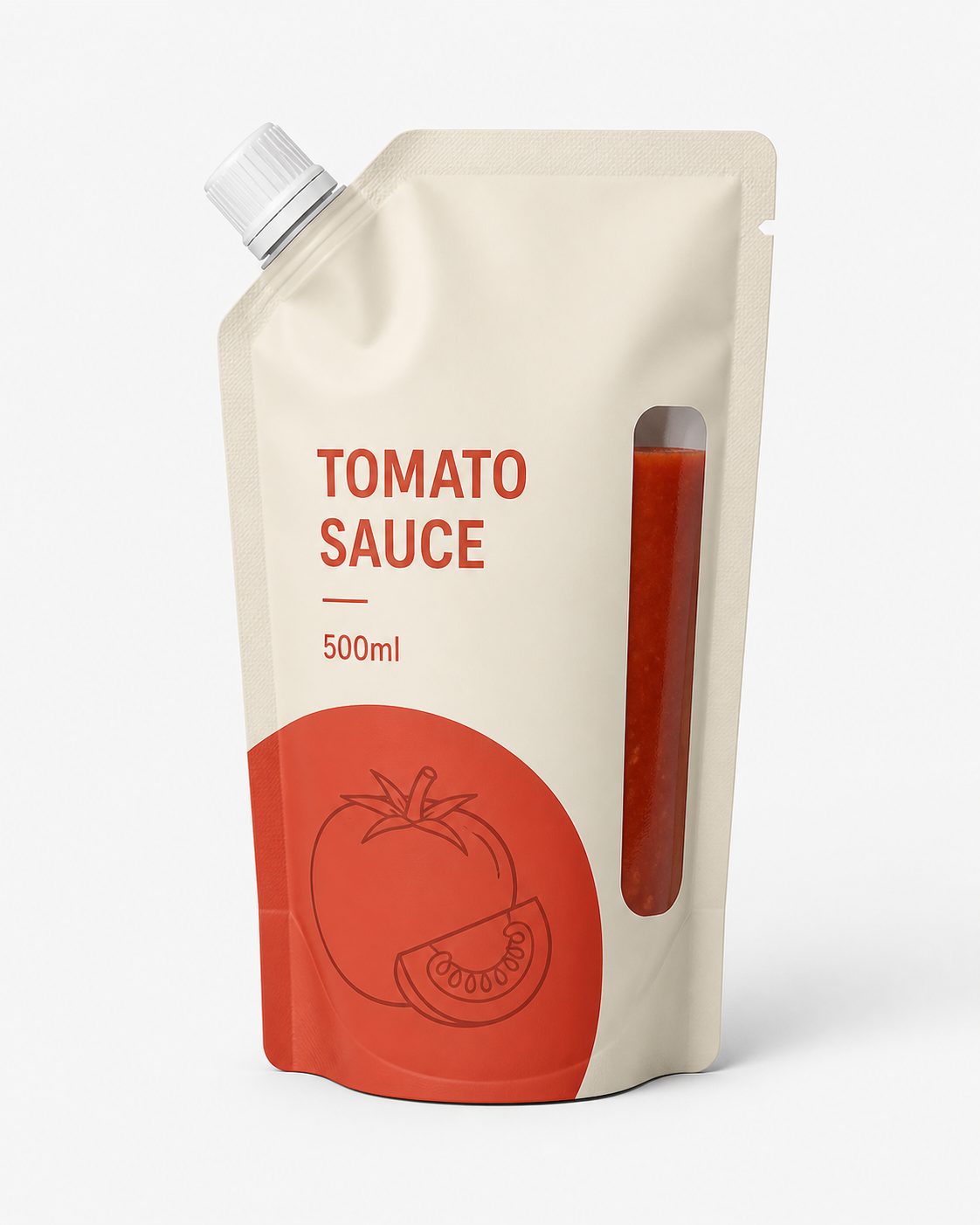
Tomato sauce spouted pouch with clear side window
Plant-based laundry detergent minimal matte white spout refill pouch
Organic baby vegetable puree soft pastel matte spout pouch
Use these photos as format references. Final size, structure, print layout, and testing scope are reviewed against your product, filling method, and target market.
Lower-impact structure options can be reviewed when the product, filling process, target market, and recovery route support them.
Common issues we help spout pouch buyers avoid during project coordination.
Spout threads and cap threads come from different suppliers more often than buyers expect. A slight pitch or diameter mismatch means caps cross-thread, leak, or won't pass torque testing. Confirm spout and cap compatibility by requesting matched samples from the same tooling set before approving production.
If the spout is welded off-center or too close to the seal edge, the pouch leaks under pressure or the filling nozzle can't align. We help review spout placement dimensions against your filling equipment specs and confirm weld position on pre-production samples before committing to the full run.
Spout pouches lose usable volume to the spout channel and seal margins. Ordering a pouch sized to nominal fill volume often results in overfill bulging or insufficient headspace for a clean seal. Verify the actual fillable volume (not the flat-sheet area) against your target fill weight before finalizing dimensions.
Liquid products — sauces, juices, detergents — demand higher oxygen and moisture barrier ratings than dry goods in similar pouch formats. A standard laminate that works for powder may allow flavor degradation or spoilage well before the target shelf life. Specify barrier targets based on the actual product's sensitivity, not the pouch format alone.
Tamper-evident bands on spout caps must break cleanly on first open and stay visibly broken afterward. Poor fitment causes bands that tear prematurely during shipping or refuse to break at all, confusing consumers and risking retailer rejection. Request tamper-band break-force testing on samples and check compatibility with your capping line.
For Spout Pouches, buyers usually compare PET/NY/PE, PET/AL/PE, and PE-based options against barrier film needs, filling compatibility, flow control, and documentation scope.
A spout pouch is used for flowable products that are poured, squeezed, or dispensed over several uses, such as sauces, beverages and juices, baby food puree, dairy drinks, and detergent refill packs. The final structure depends on viscosity, fill volume, barrier target, filling line, and sample approval.
Common structures include PET/NY/PE for general liquids, where the nylon layer adds puncture resistance, and PET/AL/NY/PE when an aluminum layer is reviewed for oxygen-sensitive beverages. PE-based options can be reviewed for mono-material spout pouch projects where local PE recycling streams accept them. The best choice depends on barrier target, filling process, packed product, flow control, storage path, and target market.
Representative spout diameters are 8 mm, 10 mm, 15 mm, and 22 mm, with custom fitments reviewed by project. Top or corner spout position, screw, flip-top, or sport caps, and tamper-evident bands are matched to viscosity and how the product is dispensed; see plastic spouts and caps for fitment details.
Size, fill volume, print artwork, sealant layer, and barrier film are reviewed before sampling.
Project-specific MOQ applies because pouch size, fitment and cap choice, welding method, material structure, printing method, filling process, tooling, and artwork count must be reviewed together. Setup and proofing costs may apply.
Seal strength, burst, drop, and fitment checks can be planned on filled samples by project scope. Common reference methods include ASTM F88/F88M for seal strength, ASTM F1140 for burst resistance under internal pressure, and ASTM D3078 for bubble-emission leak testing.
Which tests are needed, and how they are arranged, is agreed per project against the approved specification.
Supplier declarations, material declarations, migration testing, and third-party testing can be reviewed by selected structure, resin source, target market, and test scope. Rules differ by market, for example the US FDA indirect food additive rules in 21 CFR Parts 174–178 and the EU framework Regulation (EC) No 1935/2004 with Regulation (EU) No 10/2011 for plastics, so documentation is confirmed per project.
NIAITE acts as the project support team between the buyer and selected partner factories, keeping pouch structure, fitment, filling inputs, samples, QC records, and delivery scope aligned to one approved brief.
The team consolidates viscosity, particulates, fill temperature, spout position, fitment and cap size, opening force, and filling-line constraints before structure review.
Selected partner factories are matched to the confirmed laminate, pouch dimensions, fitment-welding method, print scope, order volume, and required project records.
Unfilled samples, artwork proofing, fitment placement, weld-area review, filled-pouch trials, dispensing checks, and buyer approval criteria are planned by project.
Material declarations, dimension checks, print approval, fitment records, seal or leak-test scope, and third-party reports can be organized around the approved specification.
The project brief, approvals, production status, inspection scope, shipping term, destination requirements, and handoff records stay linked through confirmed production.
Tell us your product, target weight, and requirements.
We recommend materials, structure, and provide pricing.
Confirm details, approve artwork, and production begins.
QC checkpoints and shipment scope are confirmed by project.
Updated:
Work with NIAITE for material review, sampling guidance, QC checkpoints, and export project coordination.