Custom beverage packaging for juice packaging, energy drink packaging, flavored water packaging, and other liquid packaging projects using spout pouch, drink pouch, or roll stock film formats.
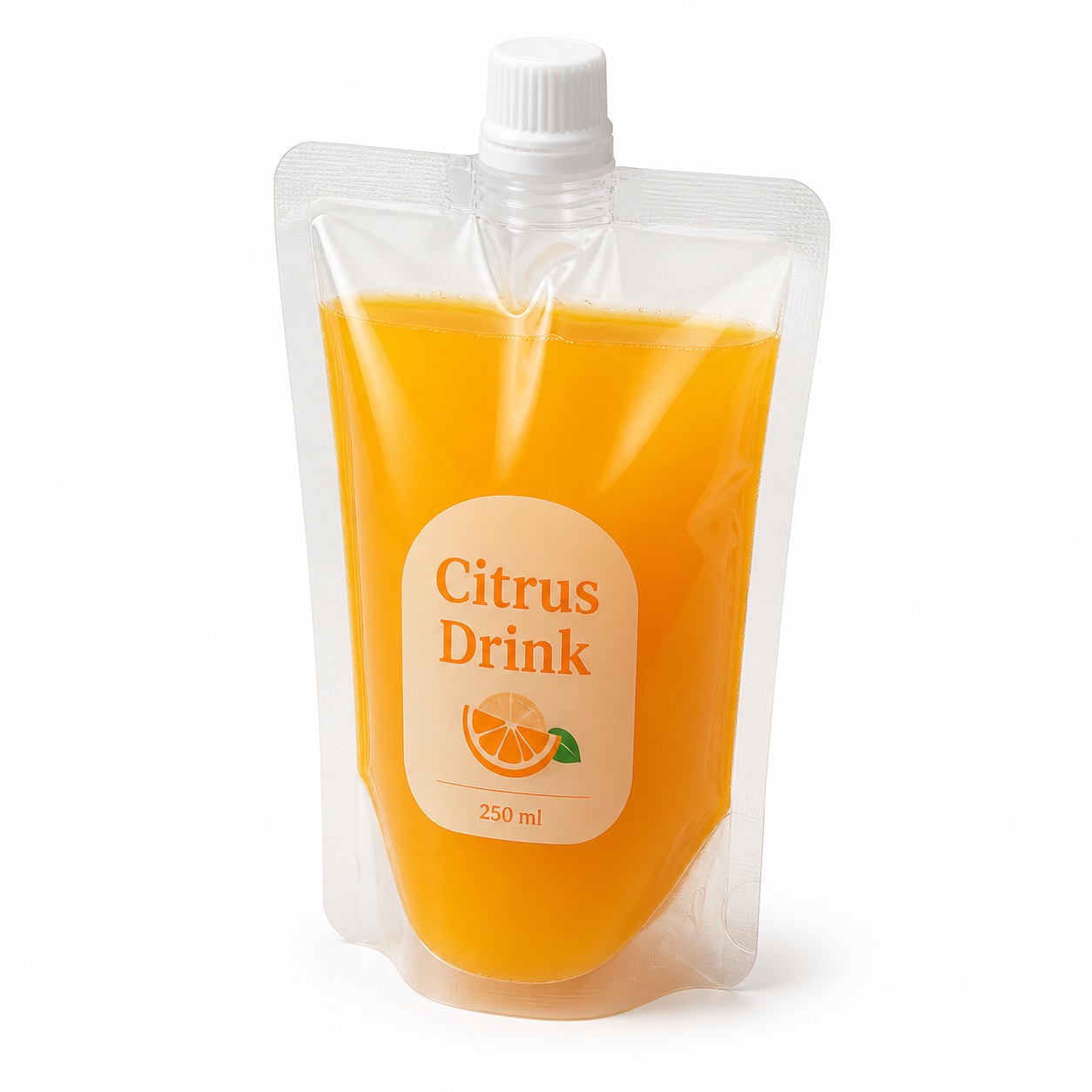
Our beverage packaging work starts with product type, fill volume, filling compatibility, and line speed. Common formats include spout pouch, drink pouch, sachet, and roll stock film for juice packaging, energy drink packaging, and flavored water packaging.
Light barrier, oxygen barrier, spout fitment, cap styles, closure options, leak resistance, MOQ planning, food-contact documentation, and sample approval are reviewed before production.
Project QC Records
Traceability review
ISO 9001-Style QC
Quality system
Shipping term coordination
DDP / FOB / CIF
Lower-Impact Review
Structure dependent
Review beverage packaging by drink type, fill volume, filling process, spout fitment, cap style, and barrier target. Explore all market solutions .
Drink pouch formats can support sampling, travel-size drinks, and refill packs while staying easier to carry than many rigid containers.
Film structure, web width, spout fitment, and seal window are reviewed against high-speed filling and packing-line requirements.
Top spout, corner spout, screw cap, flip cap, and sport cap styles can be matched to flow rate, drinking experience, and filling process.
Food-contact documentation, material declarations, leak resistance notes, artwork proofing, and sample approval can be reviewed by project.
Match the pack to the actual beverage, filling and treatment process, dispensing route, storage conditions, and buyer validation plan. Still, carbonated, alcoholic, dairy-based, and particulate beverages require different review inputs.
Describe water-based, juice, concentrate, dairy-based, alcoholic, carbonated, or other beverage; pH, alcohol level, oils, flavors, particulates, viscosity, and oxygen sensitivity.
Share cold-fill, ambient, hot-fill, pasteurization, retort, aseptic, or other route; fill temperature; process profile; cooling method; sanitation boundary; and process-owner criteria.
Specify sachet, stand-up pouch, spout pouch, or roll stock; serving or bulk volume; dimensions; headspace; and single-use or reseal expectations.
Provide spout location, fitment and cap size, valve or tap interface, flow rate target, opening method, carbonation or pressure conditions, filling connection, and dispensing equipment.
State oxygen, moisture, light, aroma, flavor-scalping, and seal concerns together with target shelf life, storage temperature, distribution climate, and opening-use conditions.
Include quantity, SKUs, artwork, destination, sample and filled-pack trials, compatibility and process checks, requested material documentation, approval owner, and launch timing.
Key factors to evaluate when selecting beverage packaging for your project.
Liquid beverages vary widely in oxygen and moisture sensitivity. We help review whether a metalized film, foil laminate, or transparent high-barrier structure best matches your product's shelf-life target and retail environment.
Cap diameter, tamper-evidence ring, and spout weld position all affect fill-line compatibility and consumer experience. We coordinate spout samples with your filling equipment specs before committing to tooling.
Single-serve sachets, mid-range pouches, and bulk bag-in-box liners each suit different distribution models. Matching format to your fill volume, shipping case, and retail shelf space avoids costly mid-project format changes.
If your beverage requires hot-fill or tunnel pasteurization, the laminate must withstand process temperatures without delamination. We help coordinate heat-process testing with the structure you select.
Food-contact declarations, migration testing reports, and import paperwork differ by destination market. We support documentation review so your beverage packaging clears customs and retailer compliance checks.
Select film structure around beverage type, light barrier, oxygen barrier, filling compatibility, seal strength, and spout welding requirements.
| Structure | Application | Barrier Level |
|---|---|---|
PET / PE
|
Clear liquid packaging for low-barrier beverage samples | Standard |
PET / VMPET / PE
|
Light barrier review for juice packaging and flavored water packaging | Medium |
PET / AL / PE
|
High oxygen barrier and light barrier review for sensitive drinks | High |
PET / NY / PE
|
Added durability for portable packaging and larger drink pouch formats | High |
Kraft / AL / PE
|
Paper-look beverage pouch projects with inner barrier structure | High |
Mono PE
|
Structure review for markets with matching recovery routes | Standard |
A transparent look at how we build film structure, barrier targets, and seal strength into beverage packaging. Visit our material guide for more details.

Printable PET supports graphics, stiffness, and surface protection for liquid and spout pouch projects.
Barrier film is chosen around liquid sensitivity, aroma, oxygen, moisture, and light-barrier targets.
Tie or adhesive layers are reviewed against laminate bonding, fitment sealing, flexing, and liquid-fill stress.
LLDPE sealant supports liquid sealing, burst-strength review, fitment area sealing, and filling-line compatibility.
Beverage packaging projects can use top spout, corner spout, screw cap, flip cap, or sport cap styles depending on fill volume, flow rate, and drinking occasion.
Spout fitment, closure options, welding compatibility, high-speed filling fit, and cap color can be reviewed against your pouch format and filling compatibility requirements.
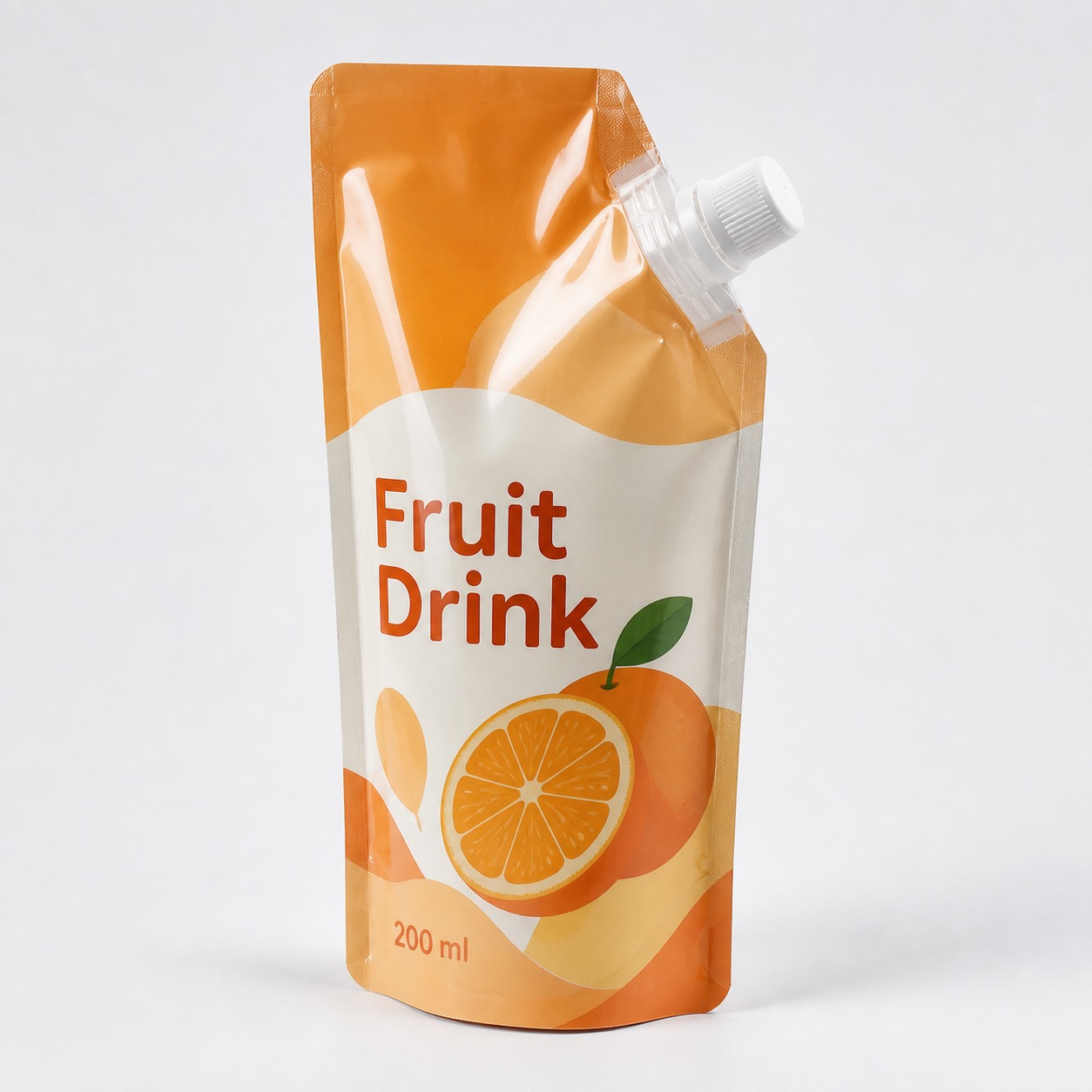
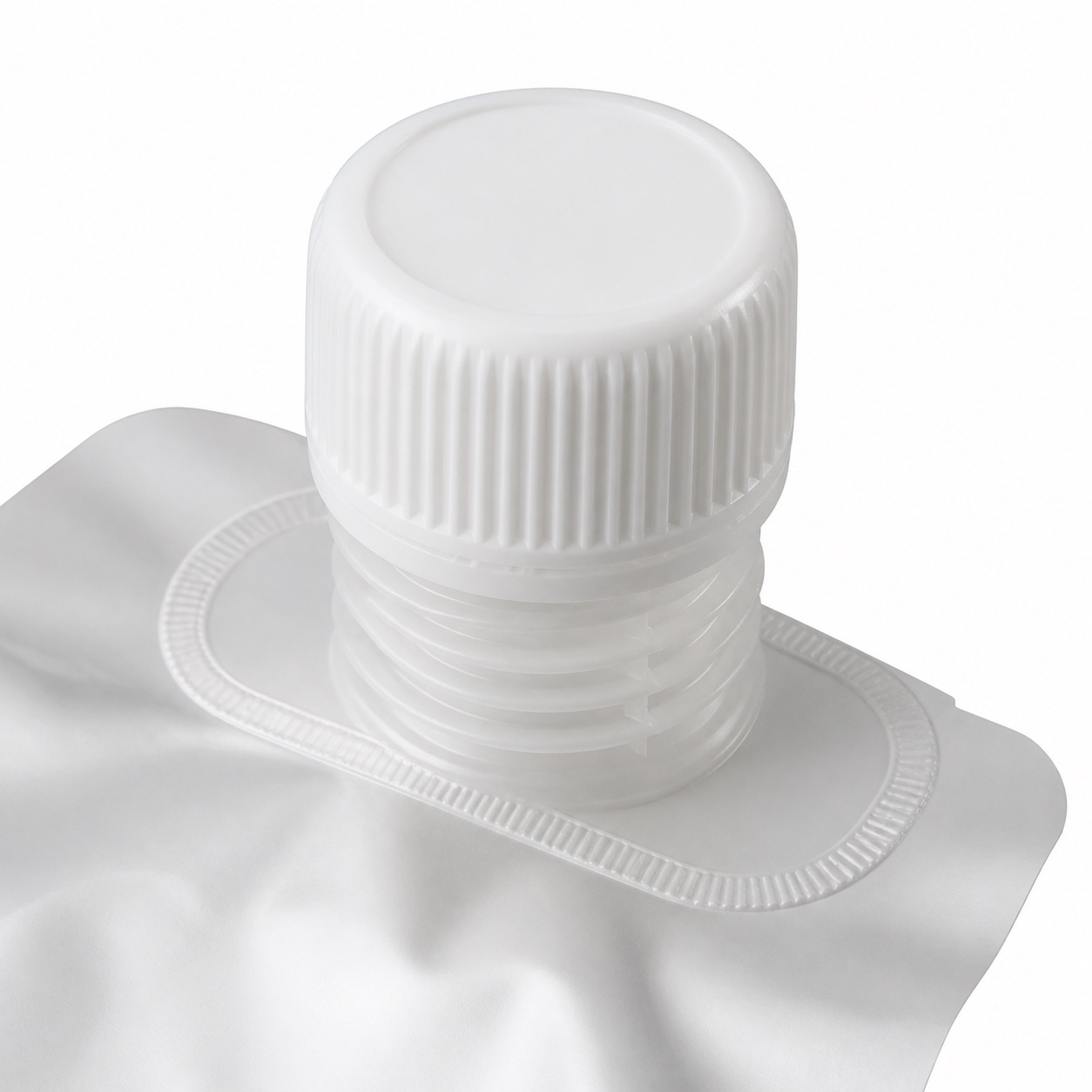
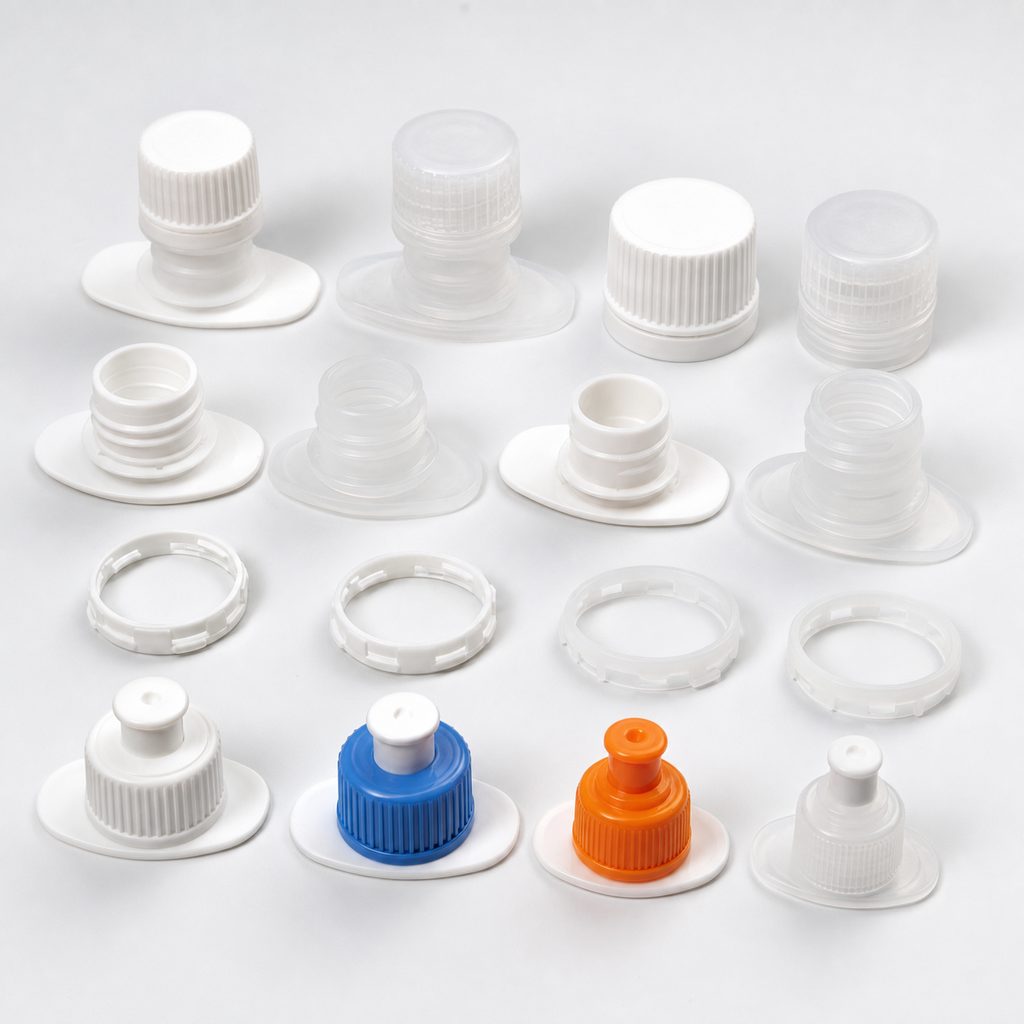
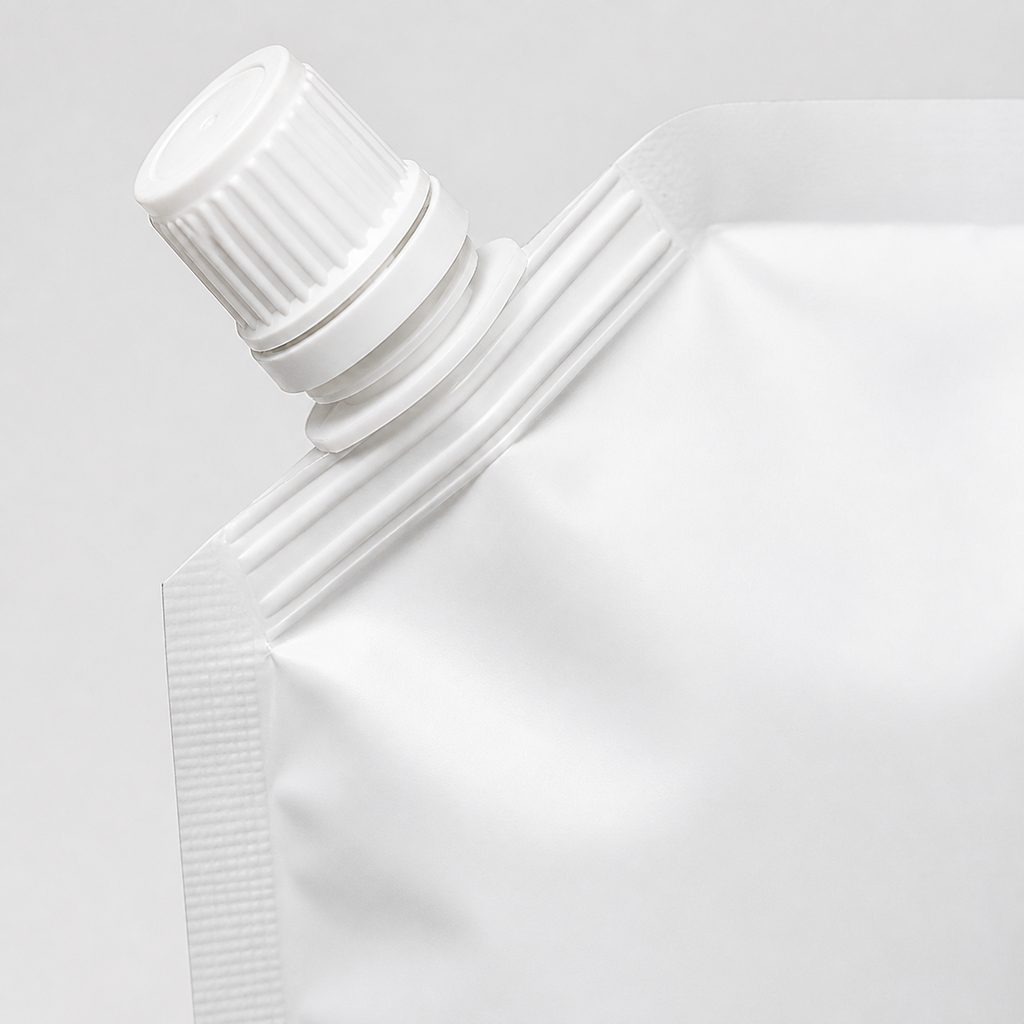
Compare spout pouch, drink pouch, sachet, and roll stock film formats around fill volume and filling process.
Light barrier, oxygen barrier, aroma retention, and sealant compatibility are reviewed against the beverage formula.
Top spout, corner spout, cap styles, and closure options are matched to drinking use, line setup, and transport needs.
Confirm filling compatibility, leak resistance, food-contact documentation, artwork proofing, and sample approval before production.
Beverage packaging parameters depend on beverage type, fill volume, filling line, cap style, and selected film structure.
Film Structure
PET/PE, PET/NY/PE, metallized, foil, or project-specific beverage laminate
Spout Fitment
Top spout, corner spout, and fitment geometry reviewed by flow and filling needs
Leak Resistance
Reviewed through project-specific seal, fitment, and transport checks
Barrier Targets
Oxygen barrier, light barrier, and aroma barrier selected by beverage formula
Cap Styles
Screw cap, flip cap, sport cap, color matching, and tamper-evident review by project
Fill Volume and MOQ
Reviewed together with pouch size, line speed, sample approval, and order plan
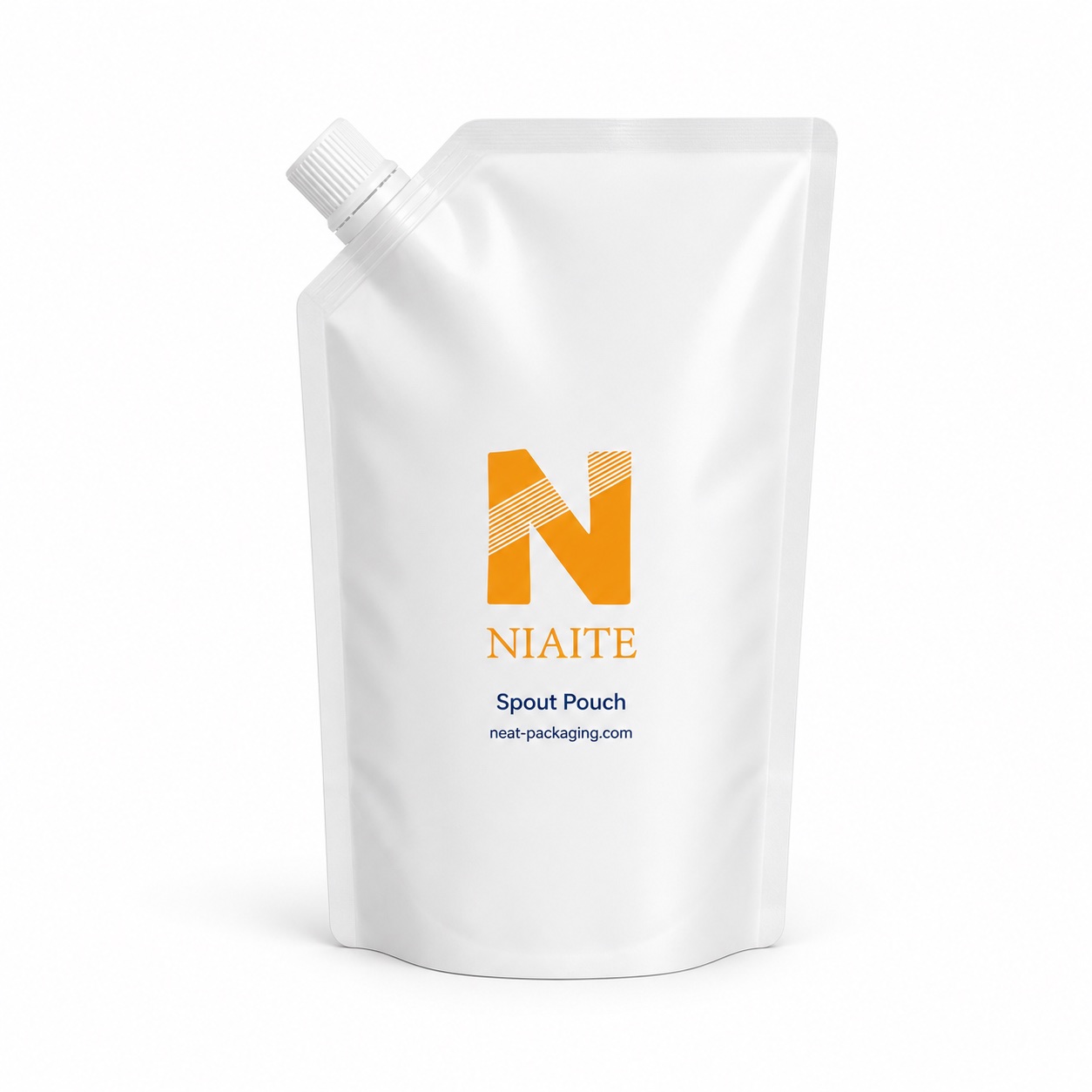
Juice packaging and liquid packaging format with light barrier and oxygen barrier review
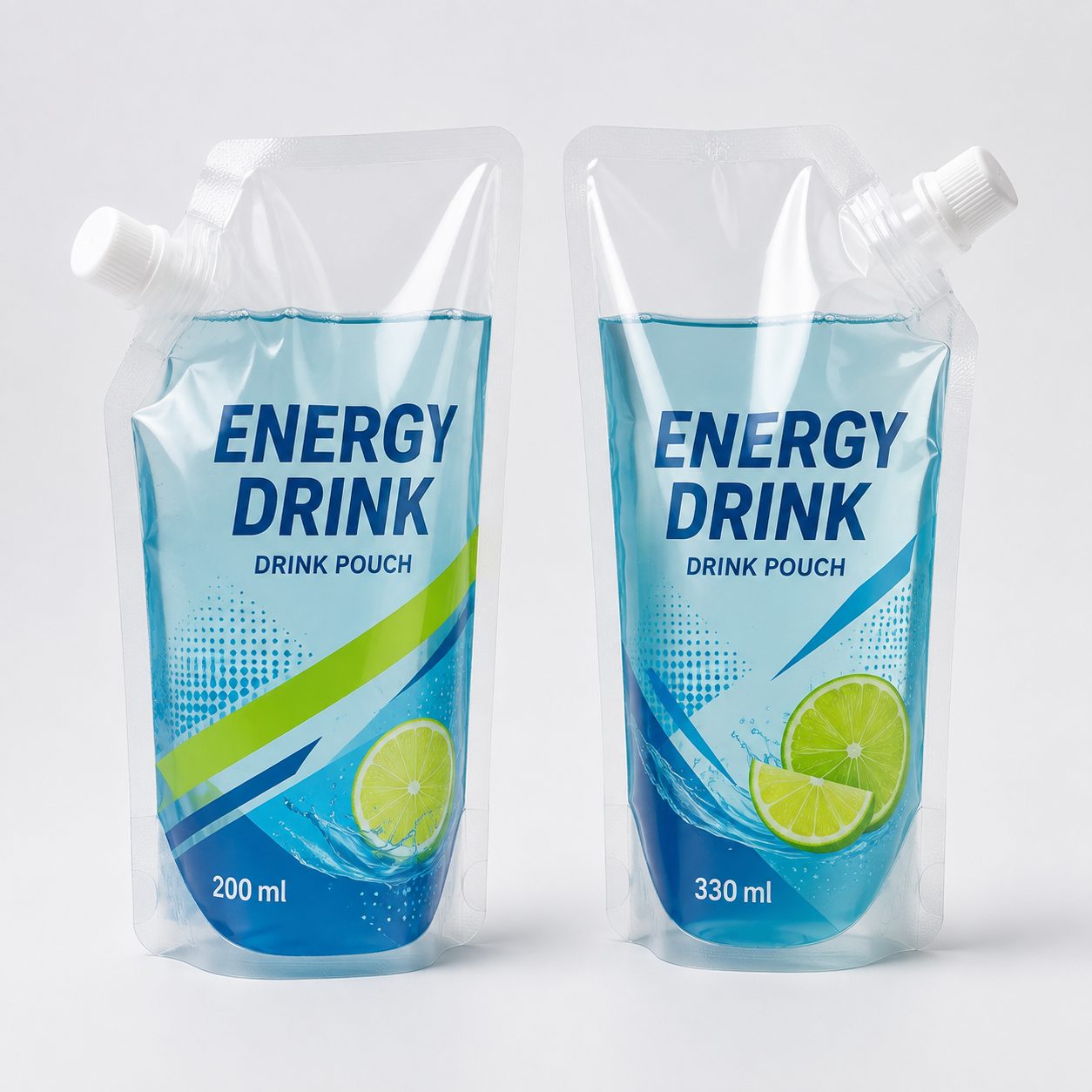
Spout pouch and cap styles for portable packaging and high-speed filling projects
Corner spout and spout fitment review for flavored water packaging and sampling packs
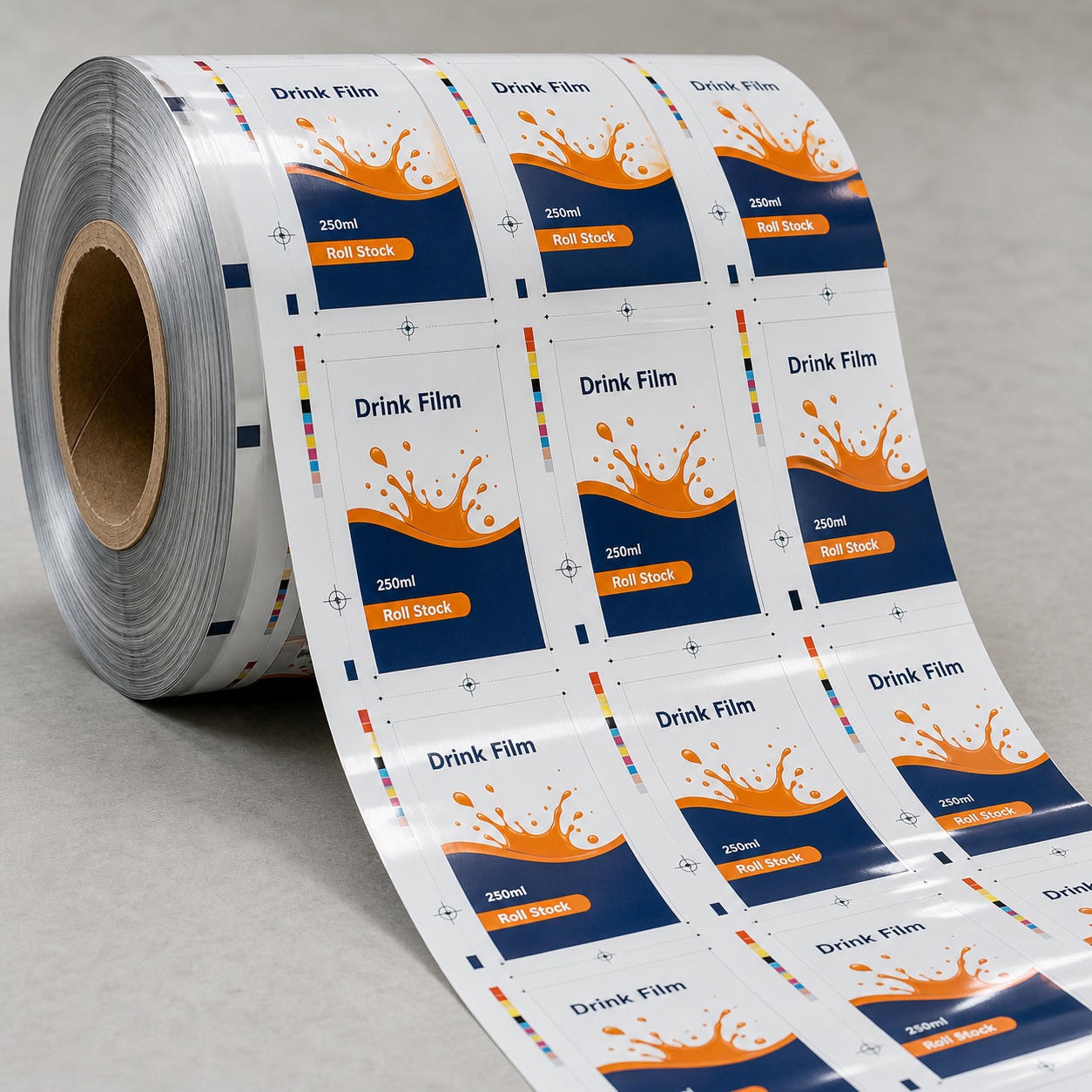
Roll stock film option for filling compatibility, fill volume, and MOQ planning
Use these photos as format references. Final size, structure, print layout, and testing scope are reviewed against your product, filling method, and target market.
Lower-impact structure options can be reviewed when the product, filling process, target market, and recovery route support them.
Beverage Packaging can be reviewed for juice packaging, energy drink packaging, flavored water packaging, liquid packaging, spout pouch, drink pouch, and roll stock film projects.
Yes. Top spout, corner spout, spout fitment, screw cap, flip cap, sport cap, film structure, print design, and fill volume can be reviewed with your filling compatibility requirements.
Confirm food-contact documentation, oxygen barrier, light barrier, high-speed filling conditions, seal strength, leak resistance, cap fit, artwork proofing, and sample approval for the selected beverage packaging structure.
Production records, artwork proofing, seal checks, leak resistance notes, and sample approval are reviewed according to the beverage packaging project scope.
ISO 9001-style QC records, material declarations, food-contact documentation, and lot traceability can be reviewed by project scope.
DDP / FOB / CIF coordination can be reviewed by destination and project scope.
Project-level recyclable-ready or lower-impact structures can be reviewed where the final specification supports them.
Project support for material review, artwork coordination, sampling, and production follow-up within the agreed scope.
Production routing, order volume, lead-time assumptions, and capacity fit are reviewed for each confirmed project.
Tell us your product, target weight, and requirements.
We recommend materials, structure, and provide pricing.
Confirm details, approve artwork, and production begins.
QC checkpoints and shipment scope are confirmed by project.
Common issues we help beverage packaging buyers avoid during project coordination.
Hot-fill beverage lines often exceed the temperature tolerance of the seal layer, causing weak or incomplete seals that fail during transit. We coordinate fill-temperature profiling with the converter so the sealant grade matches your actual line conditions, not just a spec-sheet number.
Carbonated beverages generate internal pressure that standard stand-up pouches are not rated for, leading to bloating or burst seals on the shelf. We help specify burst-pressure testing requirements and appropriate gusset construction before production begins.
A spout designed for water or juice can create a frustrating pour experience when used with smoothies, purees, or thick protein drinks. We coordinate viscosity testing with the spout supplier early in development to match orifice diameter and venting to your product's flow characteristics.
UV and visible light degrade flavor compounds in juices, teas, and vitamin-fortified drinks, but transparent or lightly printed pouches offer minimal protection. We help evaluate light-transmission data against your product's sensitivity and shelf-life targets before locking in film structure.
When caps and fitments are sourced separately from the pouch, torque specifications can drift between suppliers, causing leaks or caps that consumers cannot open. We coordinate torque-range alignment between the cap supplier and the filling line to catch mismatches before mass production.
Updated:
Work with NIAITE for material review, sampling guidance, QC checkpoints, and export project coordination.