Custom Roll Stock Film for form-fill-seal lines. Confirm roll width, web width, core diameter, roll direction, unwind direction, COF, sealing window, print registration, eye mark, slitting tolerance, laminate structure, sealant layer, and filling-line requirements before production.
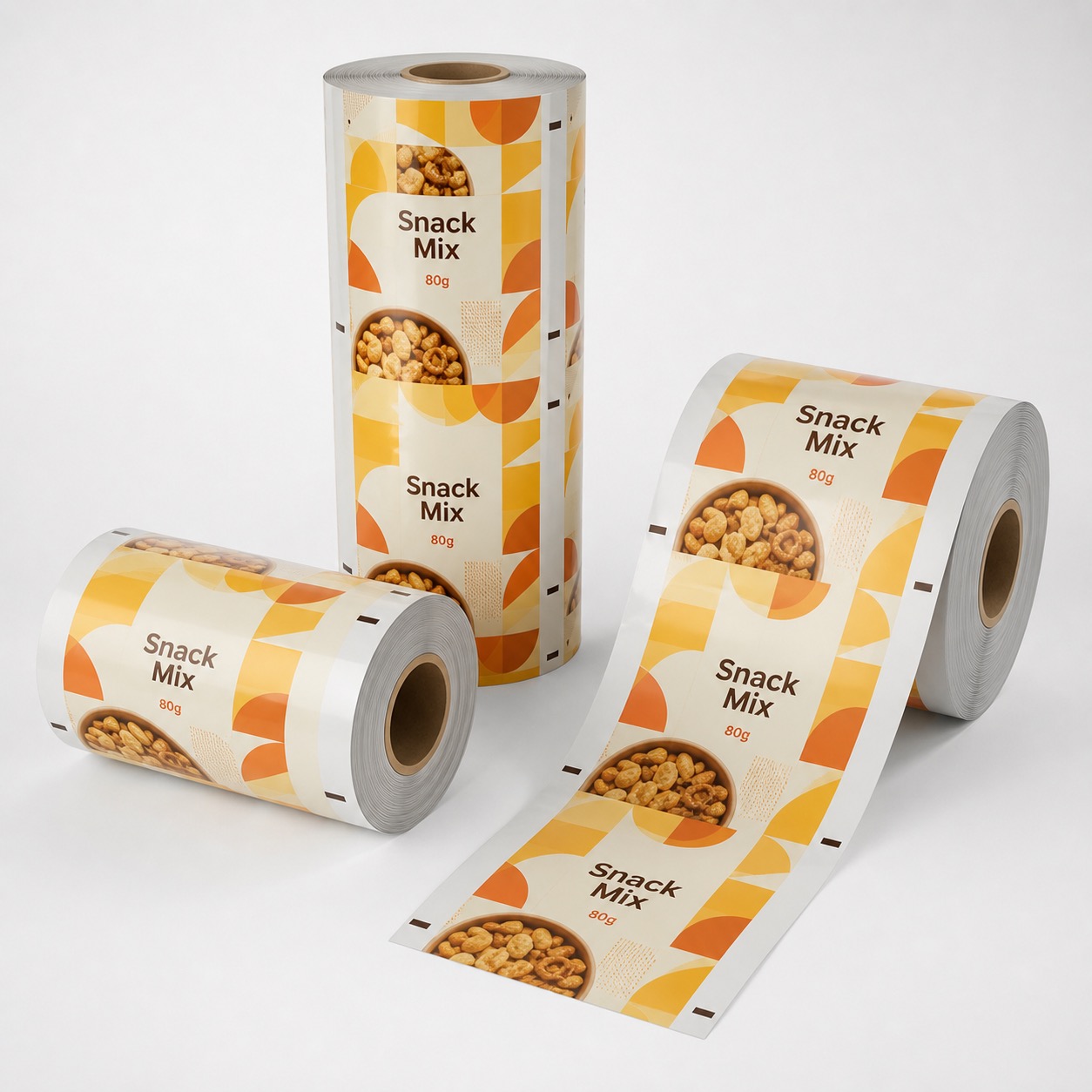
Pre-printed or plain laminate film is supplied in roll format for high-speed VFFS, HFFS, flow-wrap, sachet, stick-pack, and lidding equipment, with the web width, unwind direction, eye mark, and print registration matched to the machine.
Roll stock review focuses on core diameter, roll direction, COF, sealing window, slitting tolerance, laminate structure, sealant layer, and filling-line requirements rather than finished pouch features.
GMP-Style Production Controls
Partner facilities
ISO 9001-Style QC
Quality system
Shipping term coordination
DDP / FOB / CIF
Material Options
Project-scoped structures
Match the film web to your form-fill-seal equipment, product flow, sealing window, and target output speed before approving the final roll specification. Review market requirements .
Film is specified around your VFFS, HFFS, flow-wrap, sachet, lidding, or stick-pack equipment instead of a finished pouch template.
Roll width, web width, core diameter, roll direction, unwind direction, and tension are checked to reduce stoppages on automated lines.
COF, sealing window, sealant layer, laminate structure, and heat-seal response are reviewed against product flow and line speed.
Print registration, eye mark placement, slitting tolerance, repeat length, and artwork layout are prepared for the customer's machine setup.
Key factors to evaluate when selecting roll stock film for your project.
Identify your machine type (VFFS, HFFS, or flow-wrap) and its specifications for film width, core diameter, and unwind direction. Roll stock must match your equipment to avoid downtime and waste during production runs. The roll stock film implementation guide lists the width, core, wind direction, and eye mark details to confirm.
The sealing layer determines heat-seal temperature range and seal strength. Match the sealant to your filling speed and product type -- liquid fills often need stronger seals than dry products. For a line-by-line comparison of filling methods and pouch formats, see the filling method and pouch format compatibility guide.
Select barrier layers based on your product's sensitivity to moisture, oxygen, or light. Higher barrier structures cost more but extend shelf life. Align barrier levels with your actual distribution timeline.
Consider the number of print colors, registration tolerance, and whether reverse or surface printing suits your brand. High-speed lines need tight registration marks and consistent film tension.
Choose the laminate structure and sealant layer around barrier target, COF, sealing window, print registration, and filling-line requirements.
| Structure | Application | Barrier Level |
|---|---|---|
PET / PE
|
General dry goods and snack films where sealant layer, COF, and web handling are the main inputs | Standard |
PET / VMPET / PE
|
Coffee, snacks, and aroma-sensitive products needing metallized barrier and line-specific seal behavior | Medium |
PET / AL / PE
|
High-barrier roll stock for sensitive products where foil stiffness, eye mark contrast, and slitting tolerance must be checked | High |
PET / NY / PE
|
Puncture-resistant roll film for dense fills, frozen food lines, or demanding transport conditions | High |
Kraft / AL / PE
|
Kraft-look roll stock where paper appearance, barrier layer, and sealant layer need machine trial review | High |
PE-Based Review
|
Recyclable-ready roll film review when local recycling stream, heat-seal window, and filling process allow it | Standard |
A roll-stock structure must run consistently through unwinding, forming, filling, sealing, cutting, and coding. Visit our material guide for more details.
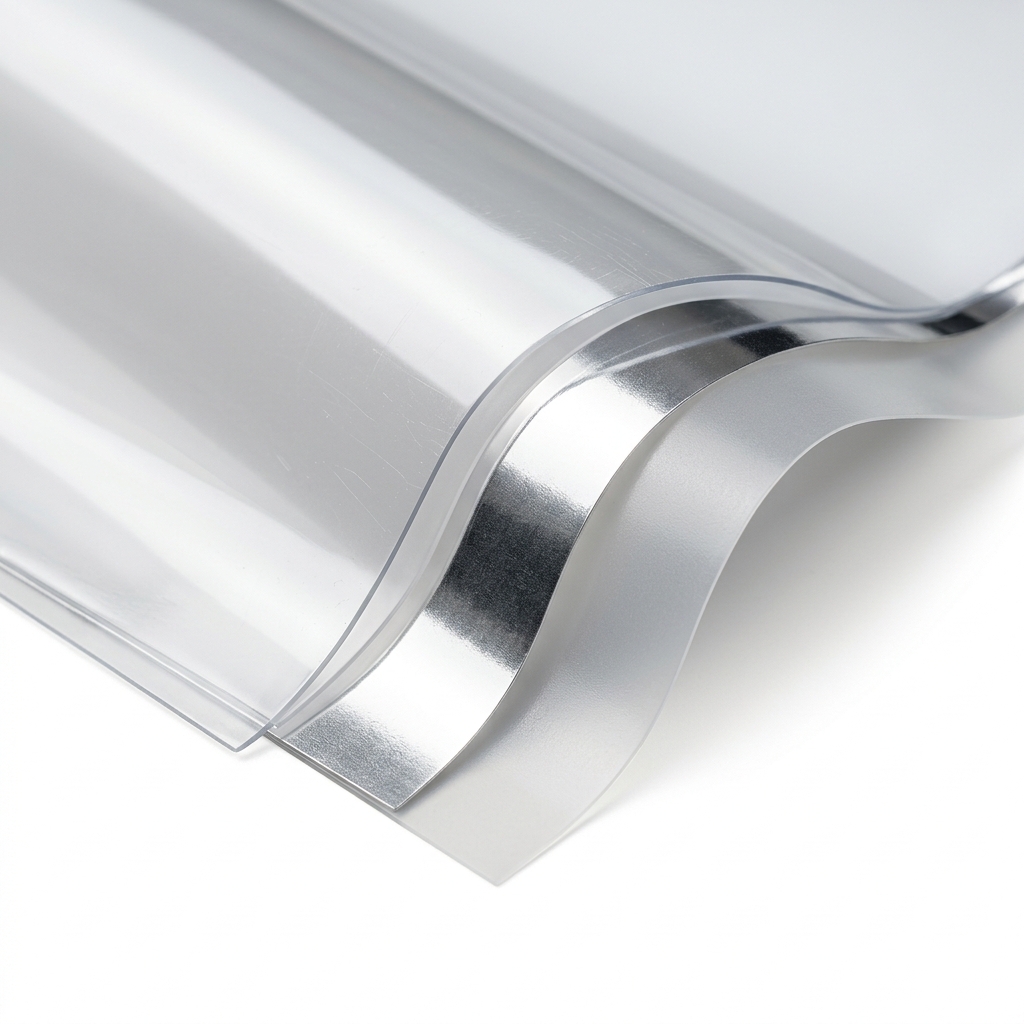
Printable PET supports artwork, registration marks, varnish or matte finish, and the outer handling surface.
Barrier film is selected around moisture, aroma, grease, light, and shelf-life targets for the packed product.
Adhesive bonds the print web, barrier option, and sealant into one stable laminate after curing and testing.
PE sealant is reviewed for heat-seal window, jaw temperature, dwell time, COF, filling conditions, and pack format.
Confirm roll width, web width, core diameter, roll length, roll direction, unwind direction, and maximum roll weight for the packing line.
Confirm eye mark size, eye mark contrast, print registration, repeat length, barcode clearance, and coding zone.
Review COF, stiffness, curling risk, slitting tolerance, winding tension, and static control for stable forming.
Sample rolls, seal checks, machine trial notes, and food-contact documentation can be reviewed by project scope.
Representative review points only. Actual values depend on the machine drawing, laminate structure, filling process, and customer acceptance range.
Roll / Web Width
Confirmed from machine drawing and forming shoulder
Core Diameter
Matched to customer shaft and roll weight limits
Roll Direction
Printed and wound to the requested unwind direction
Print Registration
Reviewed with repeat length, eye mark, and photocell setup
COF and Sealing Window
Matched to line speed, product flow, and jaw temperature
Slitting Tolerance
Defined by machine acceptance range and final web layout
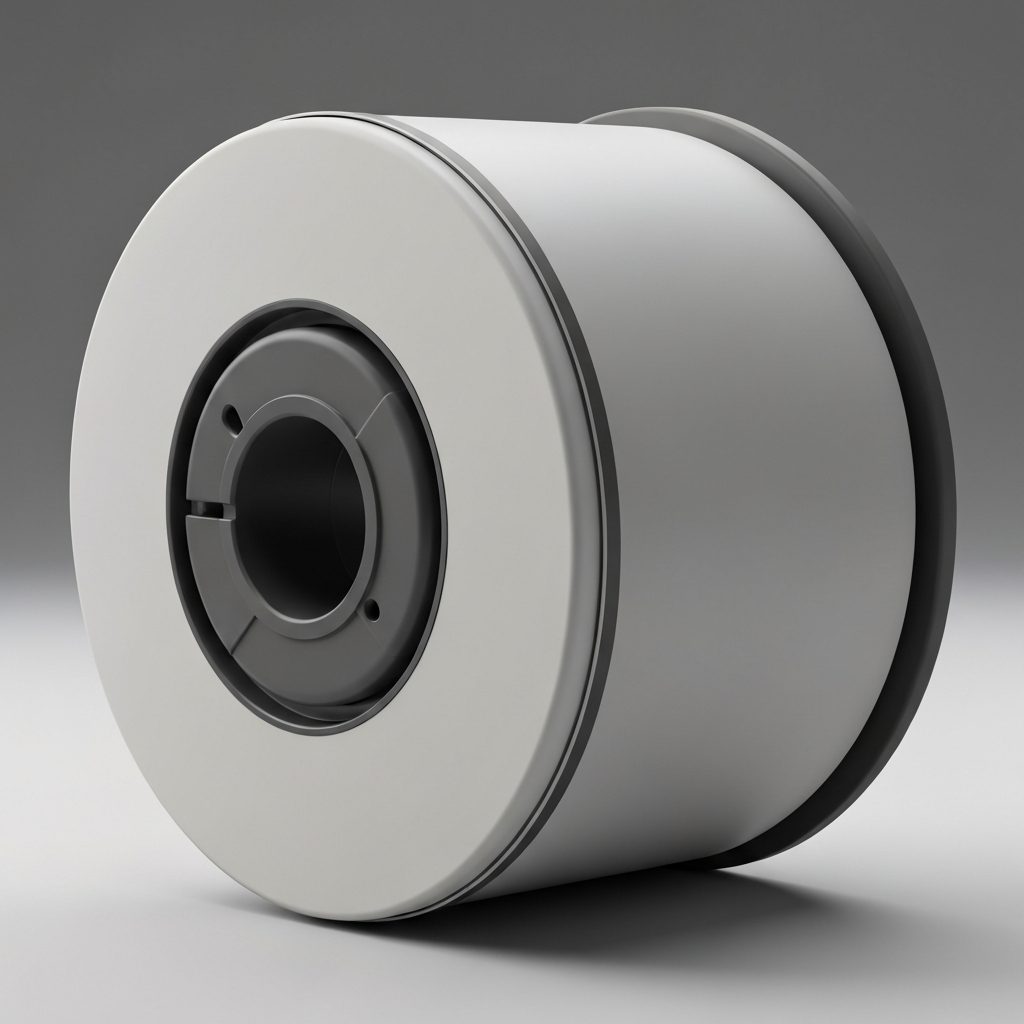
Roll width, repeat length, and unwind direction reviewed for automated packing lines
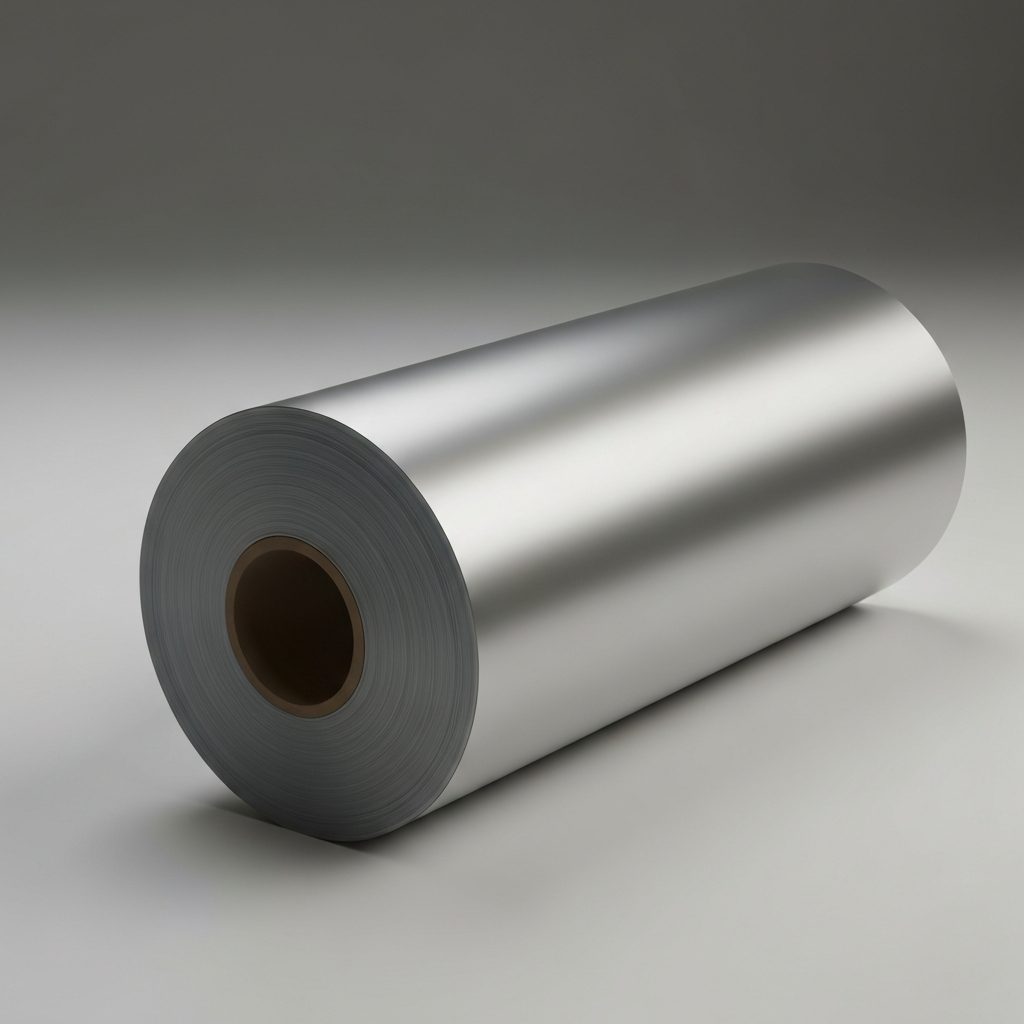
Laminate structure and sealant layer reviewed for aroma and moisture protection
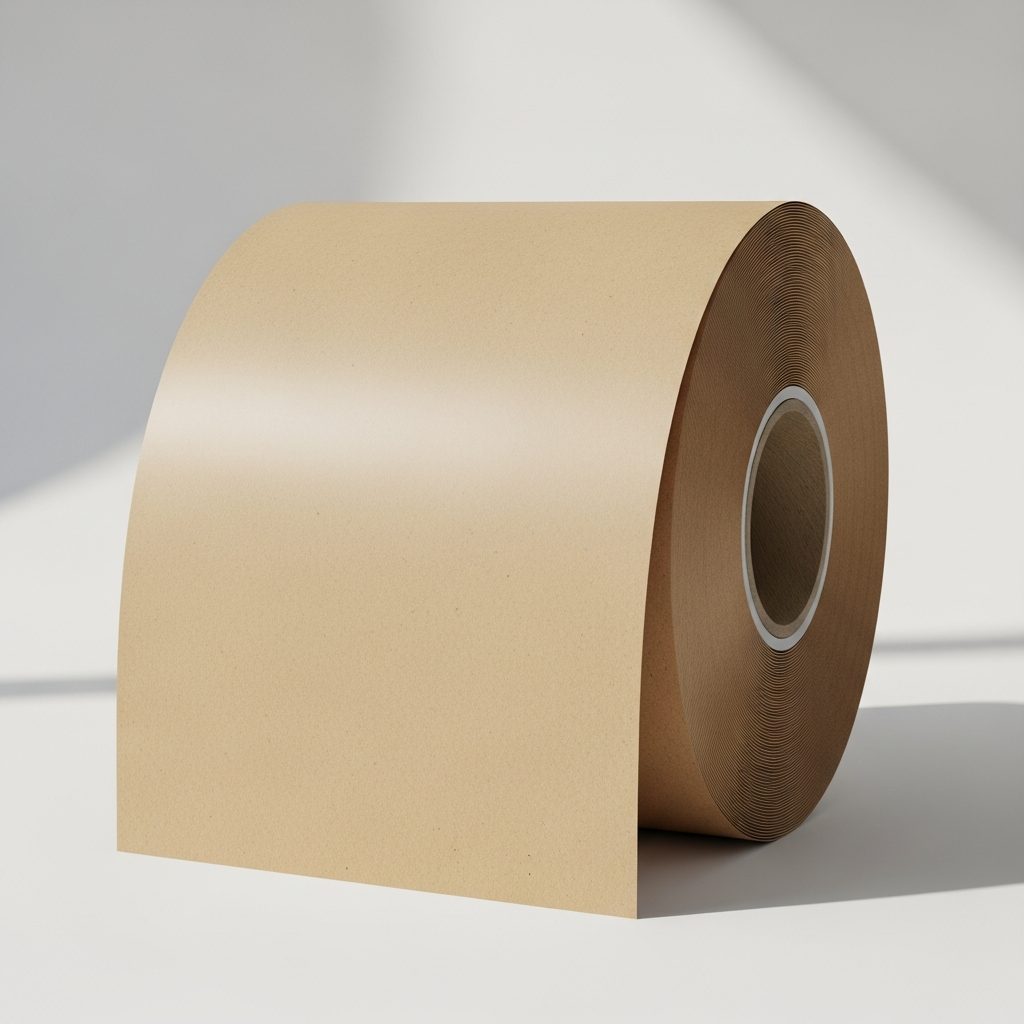
Kraft-look laminate checked for COF, curling risk, and sealing window
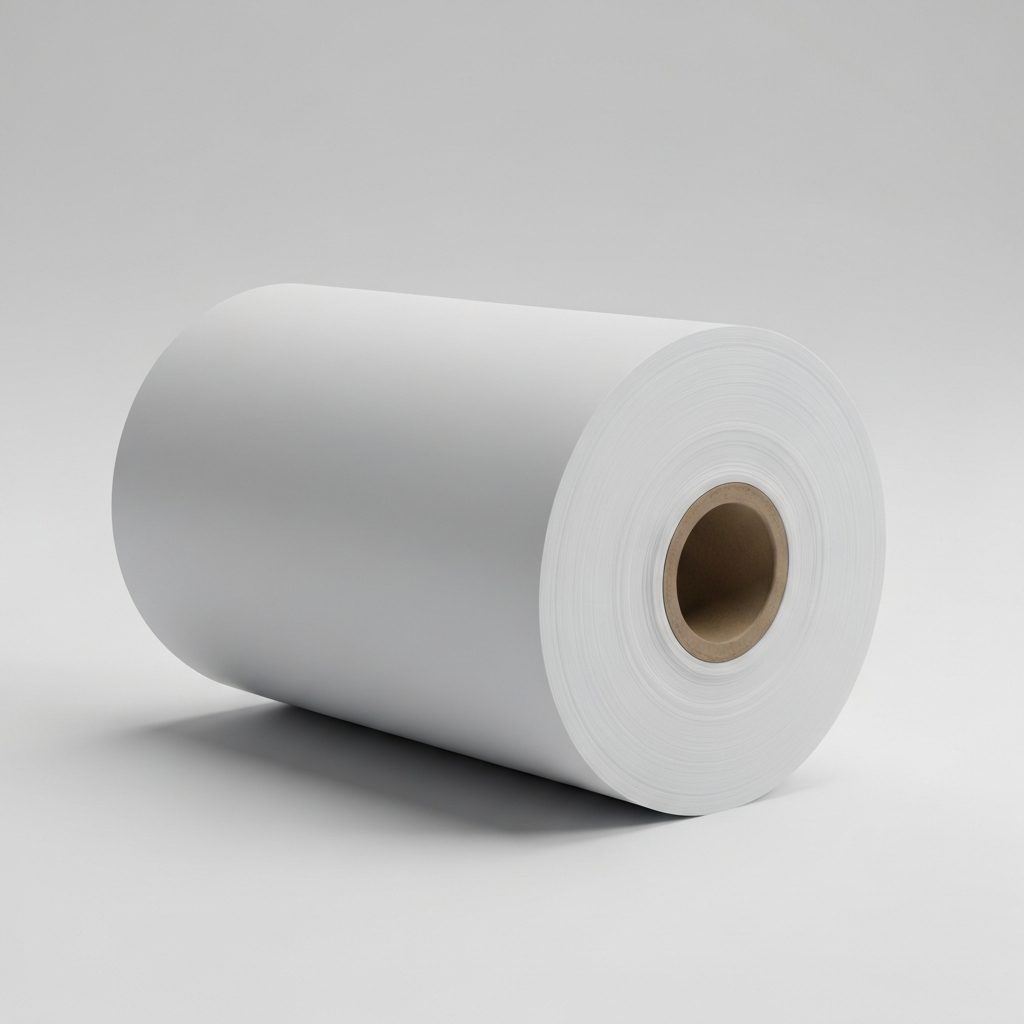
Eye mark, print registration, web width, and coding area reviewed before production
Use these photos as format references. Final size, structure, print layout, and testing scope are reviewed against your product, filling method, and target market.
Lower-impact structure options can be reviewed when the product, filling process, target market, and recovery route support them.
For Roll Stock Film, buyers usually compare PET/PE, PET/AL/PE, BOPP/CPP, PA/PE against shelf-life, filling, and compliance documentation needs.
Common structures include PET/PE, PET/AL/PE, BOPP/CPP, PA/PE. The best choice depends on barrier target, filling process, packed product, shelf life, and target market.
Project-specific MOQ for rollstock is reviewed by web width, repeat length, material structure, printing method, and SKU count rather than one universal pouch quantity. Setup and proofing costs may apply.
Food-contact documentation, supplier declarations, migration testing scope, and third-party testing can be reviewed by project scope and selected laminate structure.
Roll Stock Film are commonly specified for FFS lines, sachets, flow wrap, lidding, high-volume packing. NIAITE can adjust barrier, sealant, closure, and print finish for the packed product.
Roll Stock Film is used on VFFS, HFFS, flow-wrap, sachet, stick-pack, lidding, and other form-fill-seal lines. The quote should include roll width, web width, core diameter, roll direction, unwind direction, and filling-line requirements.
Confirm laminate structure, sealant layer, COF, sealing window, print registration, eye mark, slitting tolerance, repeat length, product flow, and machine drawing.
Food-contact documentation, material declarations, COA, migration testing scope, seal strength notes, and machine-trial support can be reviewed by selected structure and project scope.
NIAITE works as the project support team translating buyer machine data, film structure, print files, roll specifications, trial feedback, and documentation into a comparable brief for selected partner factories.
Web width, repeat length, core size, maximum roll OD, unwind direction, splice rule, eye-mark position, line speed, forming setup, and seal window are consolidated first.
Selected partner factories are compared against printing, lamination, curing, slitting, roll-building, inspection, order-volume, and material-documentation needs.
Dieline, repeat layout, eye mark, barcode zone, color target, print direction, unwind diagram, and proof approval are aligned before converting release.
Trial length, roll build, machine setup, sealing observations, tracking, registration, cut-off, waste notes, and buyer acceptance criteria are defined for the trial scope.
Structure, thickness, width, repeat, roll OD, core, unwind, splice count, appearance checks, batch records, and requested declarations are tied to the approved roll specification.
Tell us your product, target weight, and requirements.
We recommend materials, structure, and provide pricing.
Confirm details, approve artwork, and production begins.
QC checkpoints and shipment scope are confirmed by project.
Common issues we help roll stock film buyers avoid during specification review.
A roll that is even a few millimeters too wide or mounted on the wrong core size will not fit the packing machine's mandrel, causing downtime and potential material waste. Tolerances vary between VFFS and HFFS equipment brands. We help verify your machine's exact roll width range and core ID before the order is placed.
If the eye mark color, size, or repeat length doesn't match your machine's photo-eye sensor settings, every bag gets cut in the wrong position. This wastes printed film and delays production runs. We coordinate eye mark specifications between the print file and your machine's sensor requirements to prevent registration failures.
Uneven winding tension across the roll causes wrinkles, tracking drift, or film jams during high-speed forming. This is especially common when roll stock is rewound from wider parent rolls without proper tension control. We help specify winding tension parameters and confirm the partner factory's rewind equipment can maintain consistency across the full roll.
When the seal layer's melting point falls outside your machine's jaw temperature range, you get either weak seals that leak or burned-through film that jams the line. Different seal layer resins have different activation windows. We help match the film's seal layer material to your machine's actual jaw temperature and dwell time capabilities.
Ordering inside-print when your machine requires outside-print — or specifying the wrong unwind direction — means the film feeds backward or the print faces inward. Re-rolling is costly and delays your schedule. We confirm print side and unwind direction against your filler's threading diagram before artwork approval.
Updated:
Work with NIAITE for material review, sampling guidance, QC checkpoints, and export project coordination.