Cold-chain packaging for frozen vegetables, seafood, dumplings, meat, ready meals, and ice products with low-temperature sealant and puncture resistance reviewed by project.
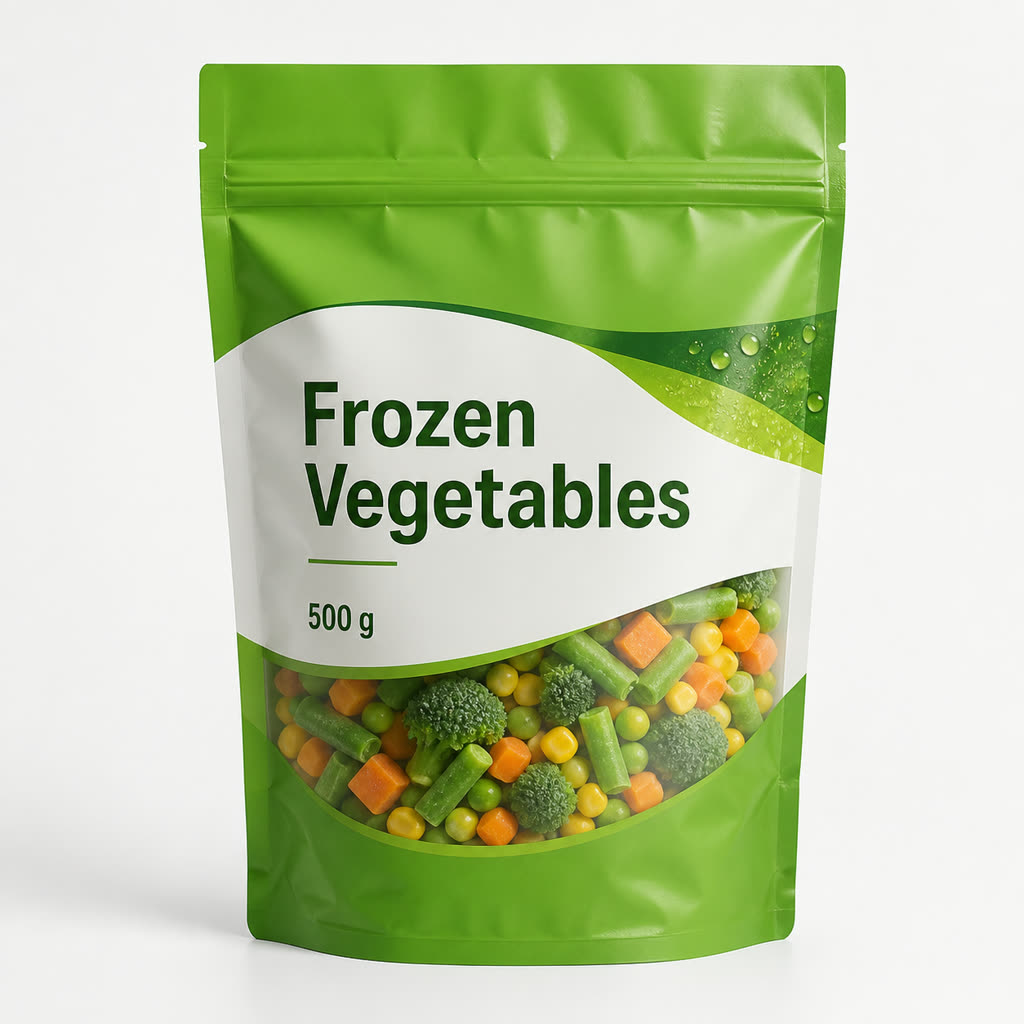
Cold-chain packaging for frozen vegetables, seafood, dumplings, meat, ready meals, and ice products needs low-temperature sealant, puncture resistance, freezer-grade ink adhesion, and structure review for the target distribution route.
The specification should review freeze-thaw exposure, ice crystal abrasion, product edges, seal window, filling temperature, carton packout, and food-contact documentation before production.
GMP-Style Production Controls
Partner facilities
ISO 9001-Style QC
Quality system
Shipping term coordination
DDP / FOB / CIF
Recyclable-ready review
Project-specific structures
Frozen food formats should be matched by product shape, ice exposure, filling process, seal window, and cold-chain distribution route. Explore all market solutions .
Select sealants around target freezer storage, filling temperature, seal window, and expected freeze-thaw exposure.
Nylon-reinforced or tougher structures can be reviewed for seafood shells, frozen meat edges, dumplings, and ice crystal abrasion.
Review ink adhesion, matte or gloss finish, barcode space, and print protection for frozen display, condensation, and carton handling.
Food-contact documentation, traceability records, supplier declarations, and test scopes can be reviewed after the film structure is selected.
Key factors to evaluate when selecting frozen food packaging for your project.
Confirm that the laminate remains flexible and crack-resistant at your target storage temperature. Standard freezer films are rated to -18 °C, but blast-frozen or cold-chain products may need structures tested to -40 °C.
Freezer burn is driven by moisture vapor transmission. Evaluate the MVTR rating of the laminate relative to your expected shelf life and whether the product will face temperature cycling during distribution.
Seals must hold after repeated temperature shifts during transport and retail display. Request seal-strength data at low temperatures and ask about sealant layer composition, especially for products with sharp edges or bone-in items.
Frozen products become rigid and can puncture thin films during handling. Factor in the product shape, weight, and packing method when choosing film thickness and nylon content in the structure.
Condensation during retail display can damage surface-printed artwork. Reverse-printed laminates protect the ink layer, but verify that the adhesive bond remains stable after extended freezer storage. Bar wrappers, cone sleeves, and cup lidding are covered under ice cream and frozen dessert packaging.
Choose the structure by frozen product type, puncture resistance, low-temperature sealant, seal window, filling process, and freezer storage route.
| Structure | Application | Barrier Level |
|---|---|---|
PET / PE
|
Frozen vegetables, dumplings, and prepared meals with moderate barrier needs | Standard |
PET / VMPET / PE
|
Frozen foods needing higher aroma, oxygen, or moisture barrier target | Medium |
PET / AL / PE
|
Strict barrier target for sensitive frozen meals or ingredient packs | High |
PET / NY / PE
|
Seafood, meat, and sharper frozen products needing puncture resistance | High |
Kraft / AL / PE
|
Kraft appearance with barrier lining for specialty frozen food packs | High |
Mono PE
|
PE-based structure for local recycling-stream review where accepted | Standard |
A transparent look at how we build structural integrity into frozen food packaging. Visit our material guide for more details.
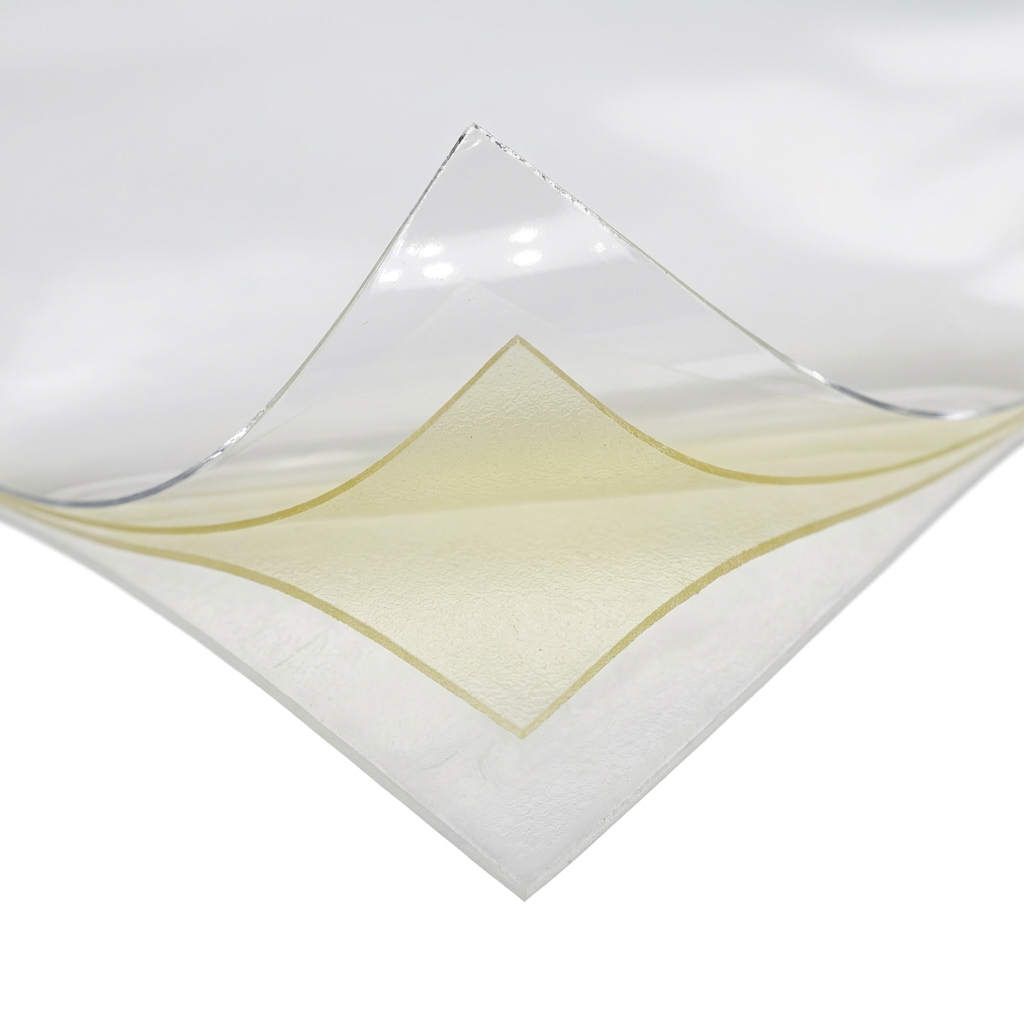
Printable PET supports graphics, stiffness, and the outside handling surface.
Nylon / PA can add puncture and flex-crack support for vacuum, frozen, industrial, seafood, or medical accessory packs.
Adhesive bonds the toughness layer and sealant while maintaining the selected laminate structure.
PE sealant is reviewed for seal strength, contamination risk, cold-chain handling, and machine conditions.
Frozen vegetables, seafood, dumplings, meat, ready meals, and ice products each stress packaging differently. Review low-temperature sealant, puncture resistance, and carton packout before choosing the format.
Frozen food packaging can use stand-up pouches, pillow packs, fin-seal roll stock, vacuum pouches, or lidding films depending on product shape, filling process, seal window, and freeze-thaw exposure.
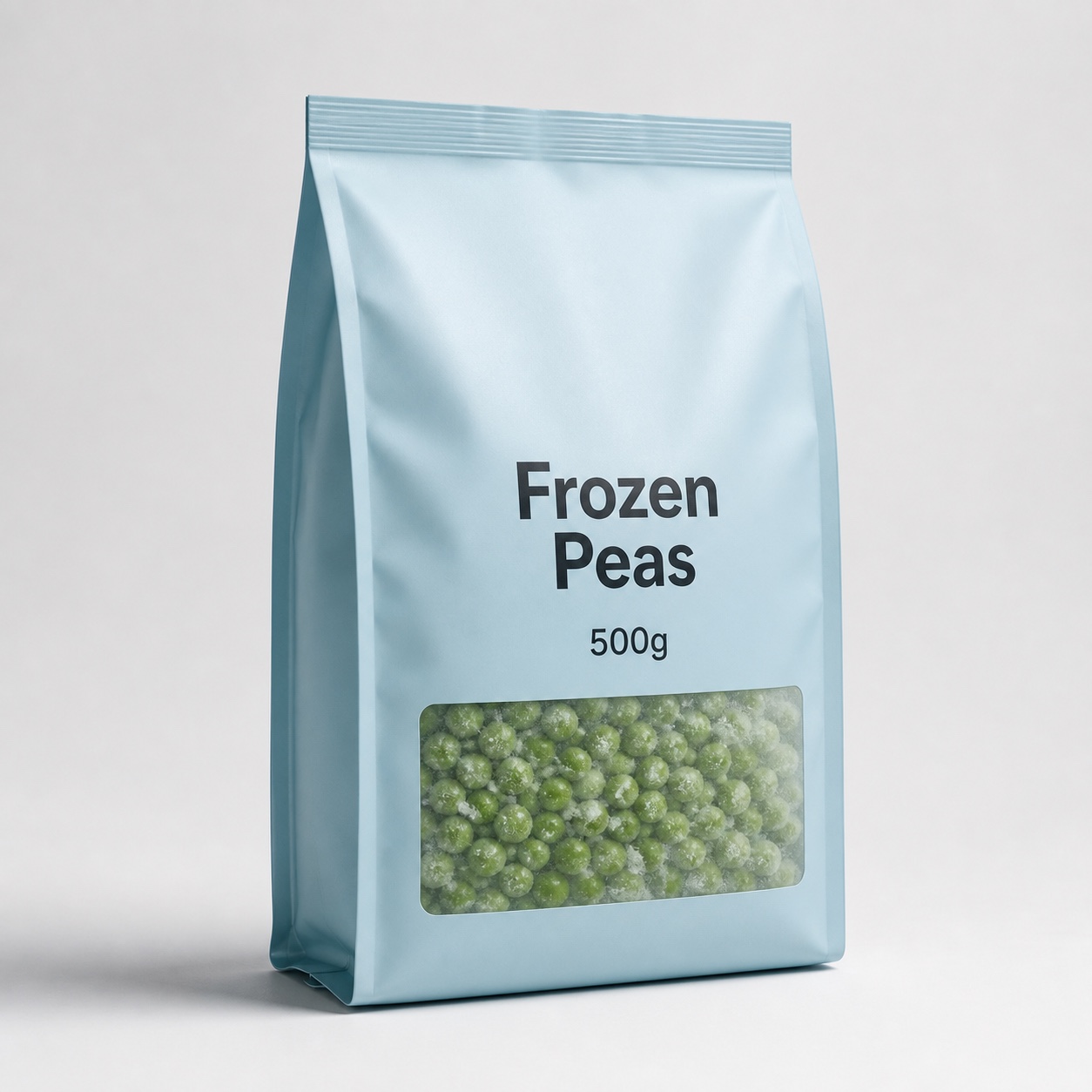
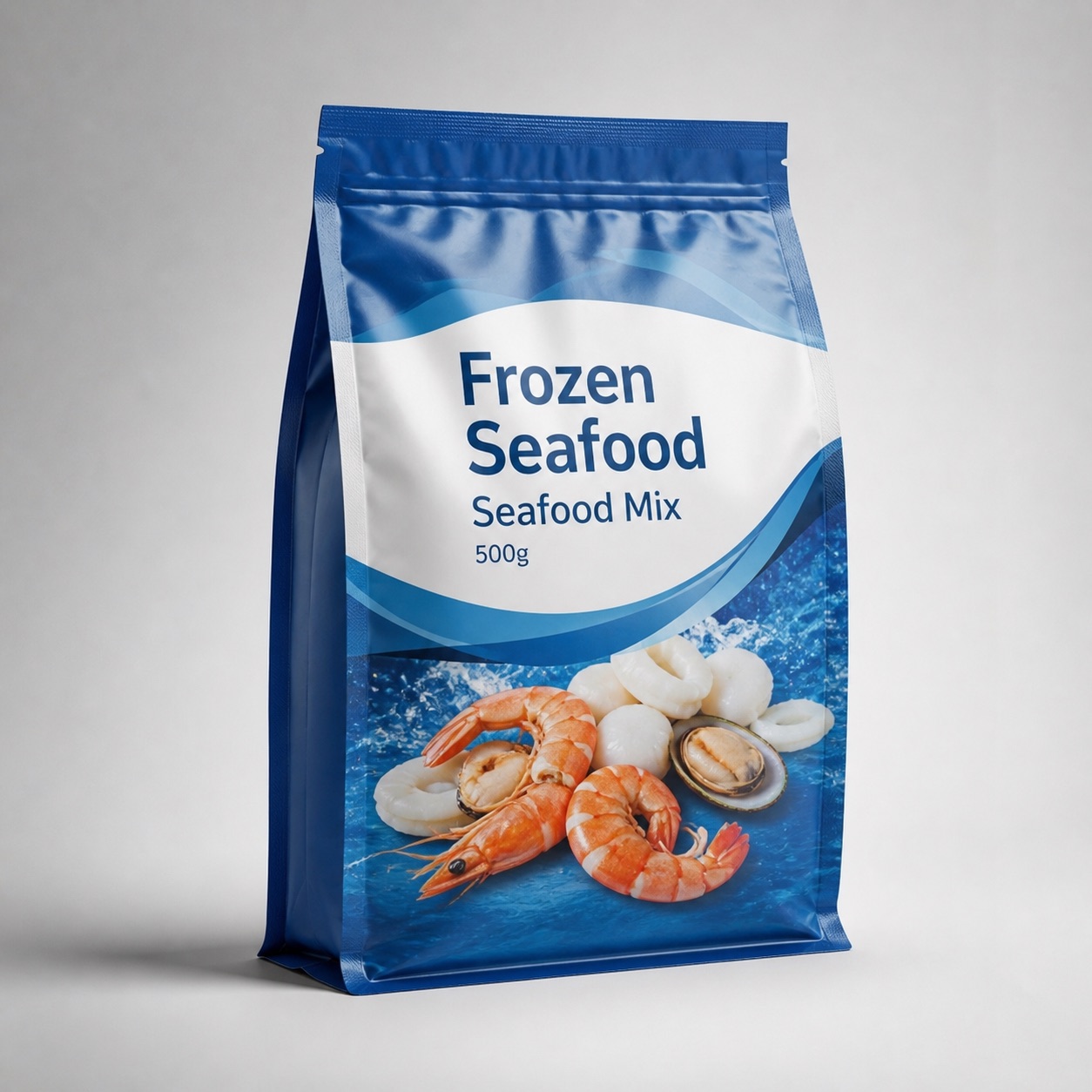
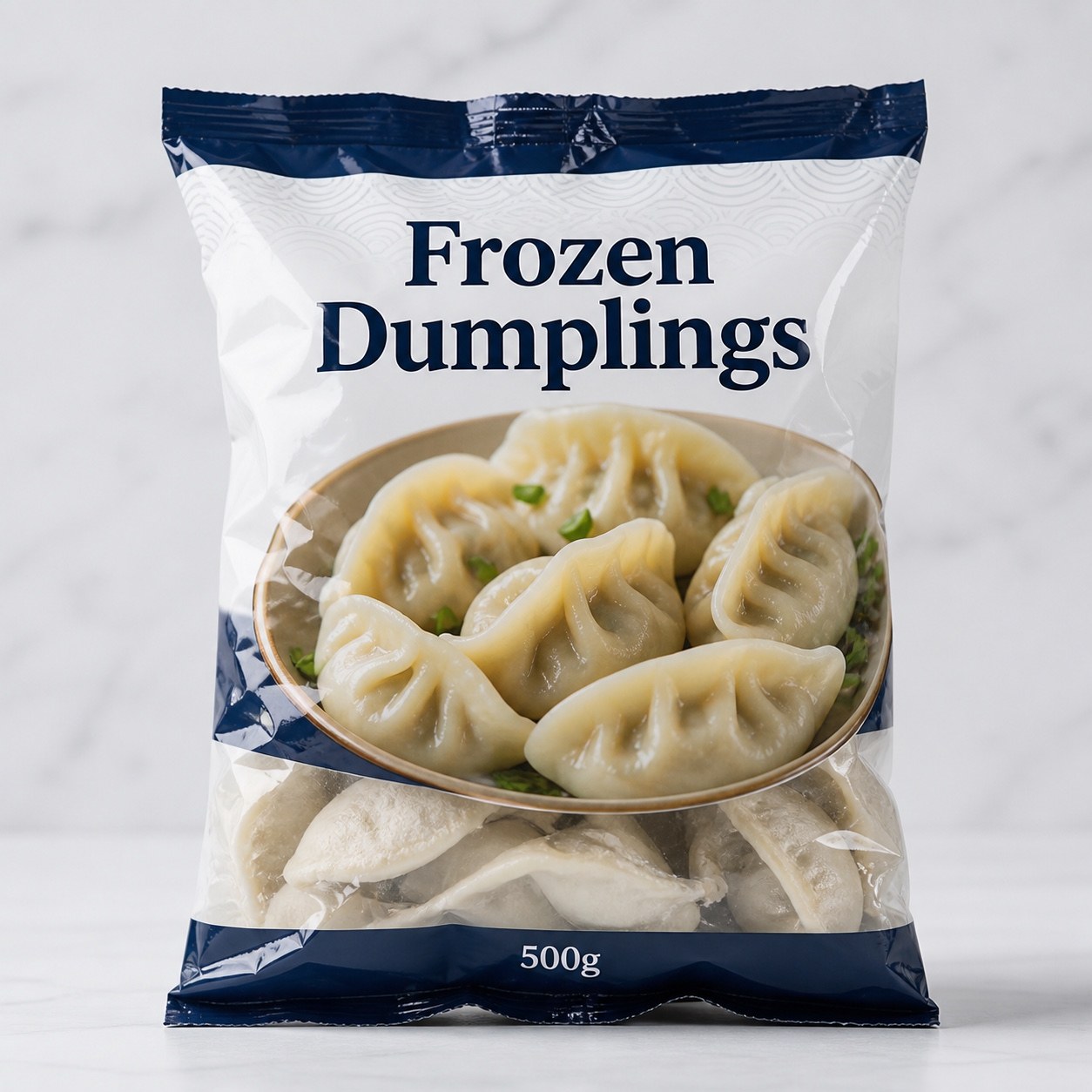
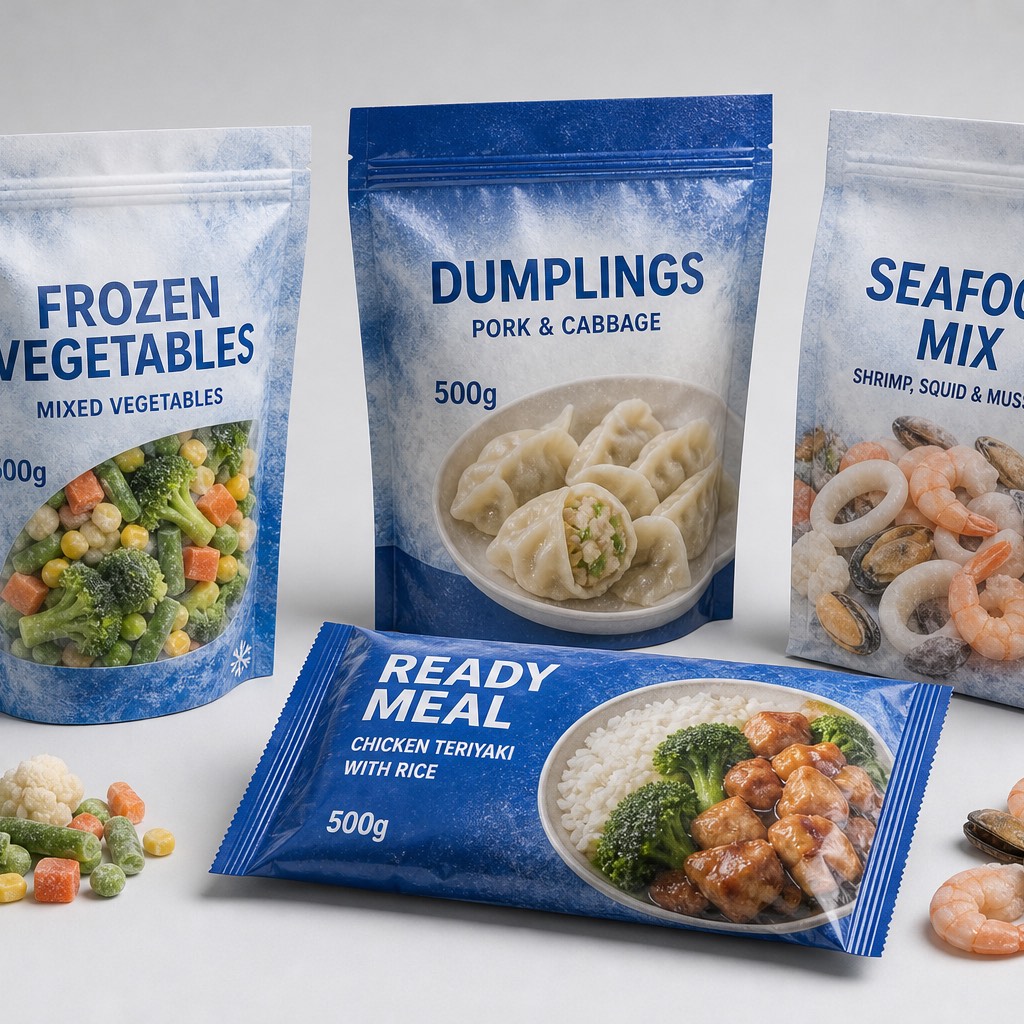
Stand-up base, pillow pack, fin-seal roll stock, vacuum pouch, clear window, and lidding film options can be reviewed by product type.
Precision tear notch systems: standard, linear, dot notches, and laser score technology for clean aesthetics.
Matte finish, gloss finish, freezer-grade ink adhesion, clear windows, and scuff resistance can be matched to frozen display needs.
Seal testing, puncture testing, freeze-thaw review, food-contact documentation, and filling-line feedback can be coordinated by project scope.
Representative parameters. Actual values depend on material structure and customization.
Film Thickness
Reviewed by fill weight, product edges, and pack format
Storage Conditions
Project-specific freezer, transport, thawing, and filling review
Seal Integrity
Seal window and freeze-thaw exposure reviewed by project
Puncture Resistance
Nylon or tougher structures for seafood, meat, and ice edges
Barrier Review
Moisture, oxygen, aroma, grease, and ice crystal abrasion
Printing
freezer-grade ink adhesion and scuff resistance reviewed
Frozen organic vegetables ice-blue matte stand up resealable bag
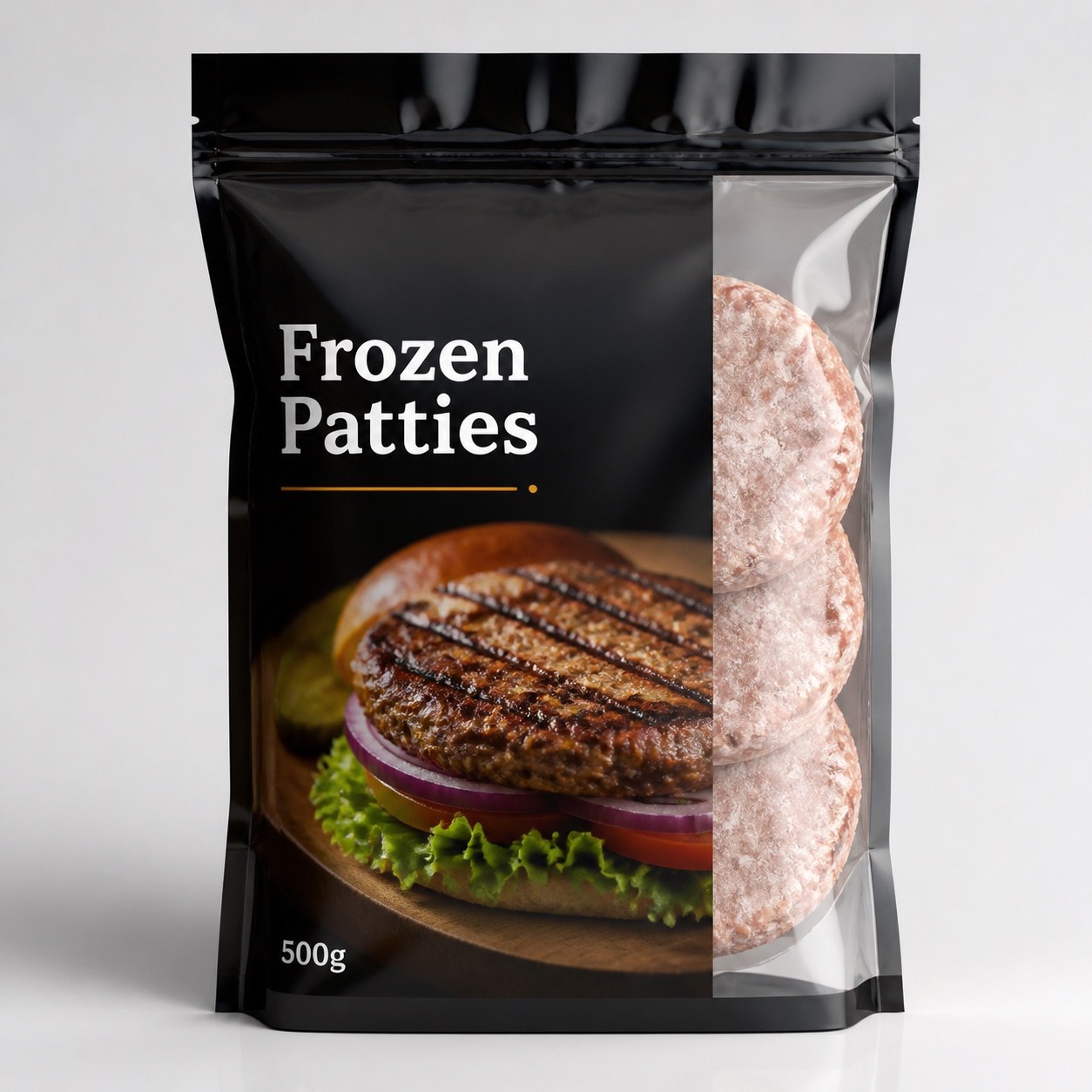
Gourmet frozen burger patties bold red matte stand up packaging
Fresh frozen dumplings oriental inspired matte flexible pack
Premium frozen tiger shrimp seafood-themed matte stand up bag
Use these photos as format references. Final size, structure, print layout, and testing scope are reviewed against your product, filling method, and target market.
Lower-impact structure options can be reviewed when the product, filling process, target market, and recovery route support them.
Common issues we help frozen food packaging buyers avoid during project coordination.
Seal layers that perform well at room temperature can become brittle and crack at freezer temperatures (-18 °C and below). Brittle seals open during cold-chain handling, causing product exposure and freezer burn. Specify seal-strength testing at the actual storage temperature, not just ambient, and confirm cold-seal integrity on pre-production samples.
Frozen products become rigid and develop sharp edges — bone-in meats, frozen vegetables with ice crystals, or irregularly shaped items puncture packaging from the inside during stacking and transport. Verify puncture and drop-test ratings at frozen-state hardness, not room-temperature flexibility, before approving the laminate structure.
Retail freezers cycle through defrost periods, creating temperature swings that drive moisture migration. A barrier spec designed for constant-cold storage fails under real retail freeze-thaw conditions, leading to ice crystal buildup inside the package and soggy product texture. Request MVTR testing under cycled temperature conditions that match actual retail freezer behavior.
Ink and laminate adhesion weakens when packaging is stored at freezer temperatures for extended periods. Labels peel, print layers delaminate, and brand graphics become illegible — a common cause of retailer chargebacks. Confirm that ink adhesion and laminate bond strength are tested after sustained cold-storage exposure, not only at the point of production.
Water-rich foods expand when frozen, and pouches sized to the liquid fill weight may not accommodate the volume increase. Overstressed seals split in the freezer, and the damage is only discovered at the retail shelf. Verify pouch dimensions against the frozen (expanded) volume of the product, not just the pre-freeze liquid weight, and test with actual frozen product samples.
Frozen food packaging can be reviewed for frozen vegetables, seafood, dumplings, meat, ready meals, ice products, and other cold-chain packaging projects that need puncture resistance and low-temperature sealant.
Review target storage temperature, freeze-thaw exposure, product edges, ice crystal abrasion, filling temperature, pack size, carton packout, seal window, and distribution route.
Food-contact documentation depends on the selected film structure, resin source, ink system, destination market, and test scope. Supplier declarations, traceability records, migration testing, COA, and third-party testing can be reviewed by project.
Production workflow follows GMP-style hygiene and handling controls; no site-level GMP registration is claimed.
ISO 9001-style QC records and FDA/EU material documentation can be reviewed by project scope.
DDP / FOB / CIF coordination can be reviewed by destination and project scope.
Project-level recyclable-ready or lower-impact structures can be reviewed where the final specification supports them.
Project support for material review, artwork coordination, sampling, and production follow-up within the agreed scope.
Production routing, order volume, lead-time assumptions, and capacity fit are reviewed for each confirmed project.
Tell us your product, target weight, and requirements.
We recommend materials, structure, and provide pricing.
Confirm details, approve artwork, and production begins.
QC checkpoints and shipment scope are confirmed by project.
Updated:
Work with NIAITE for material review, sampling guidance, QC checkpoints, and export project coordination.