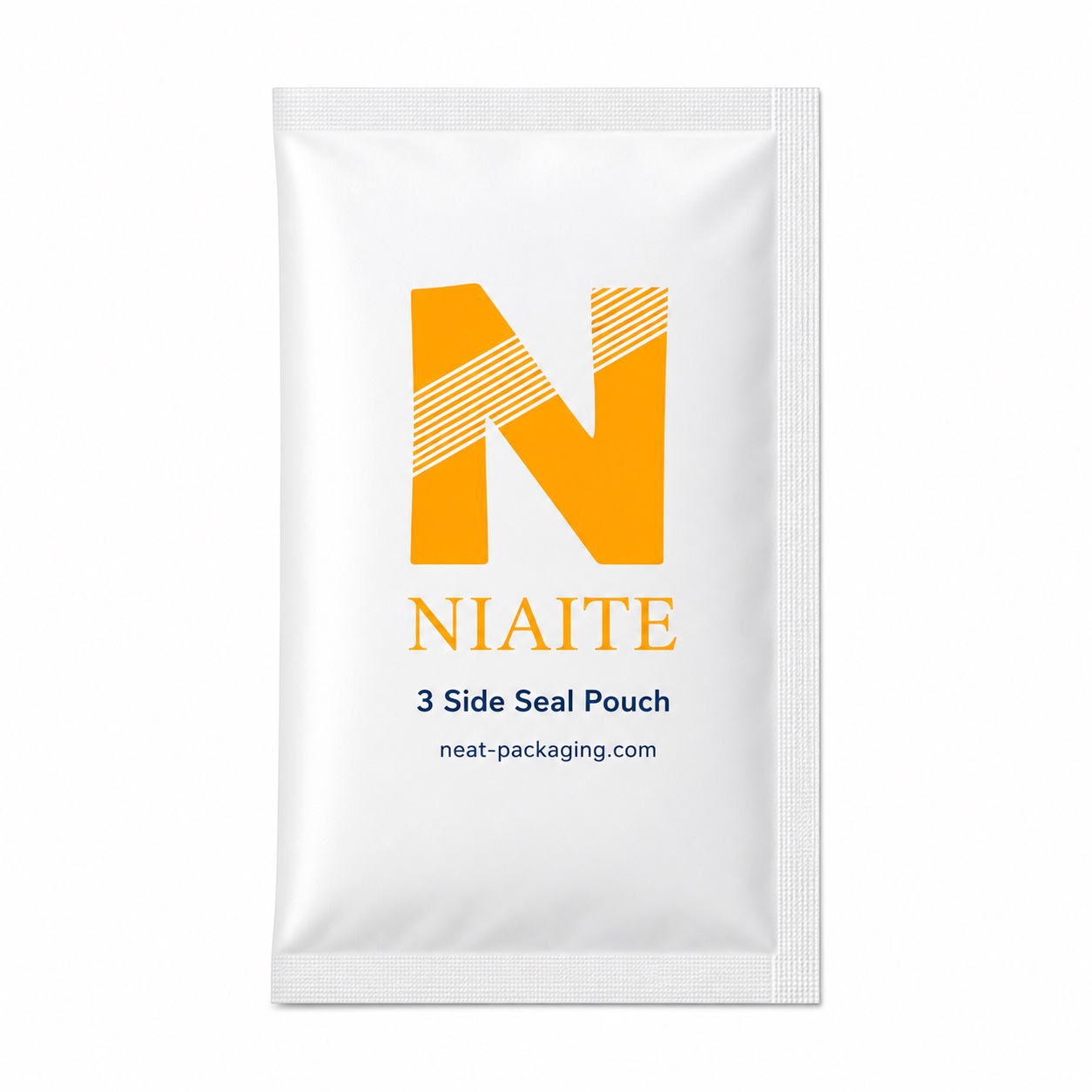
Snack packaging for chips, nuts, bars, dried fruit, granola, confectionery, and portion packs. Compare pillow bags, stand-up pouches, barrier films, seal strength, shelf display, nitrogen flush or MAP, zipper, easy-open notch, and window layout before production.
NIAITE is a flexible packaging project support team coordinating snack pouch structure, artwork, sample/proof, and production follow-up with selected production partners.
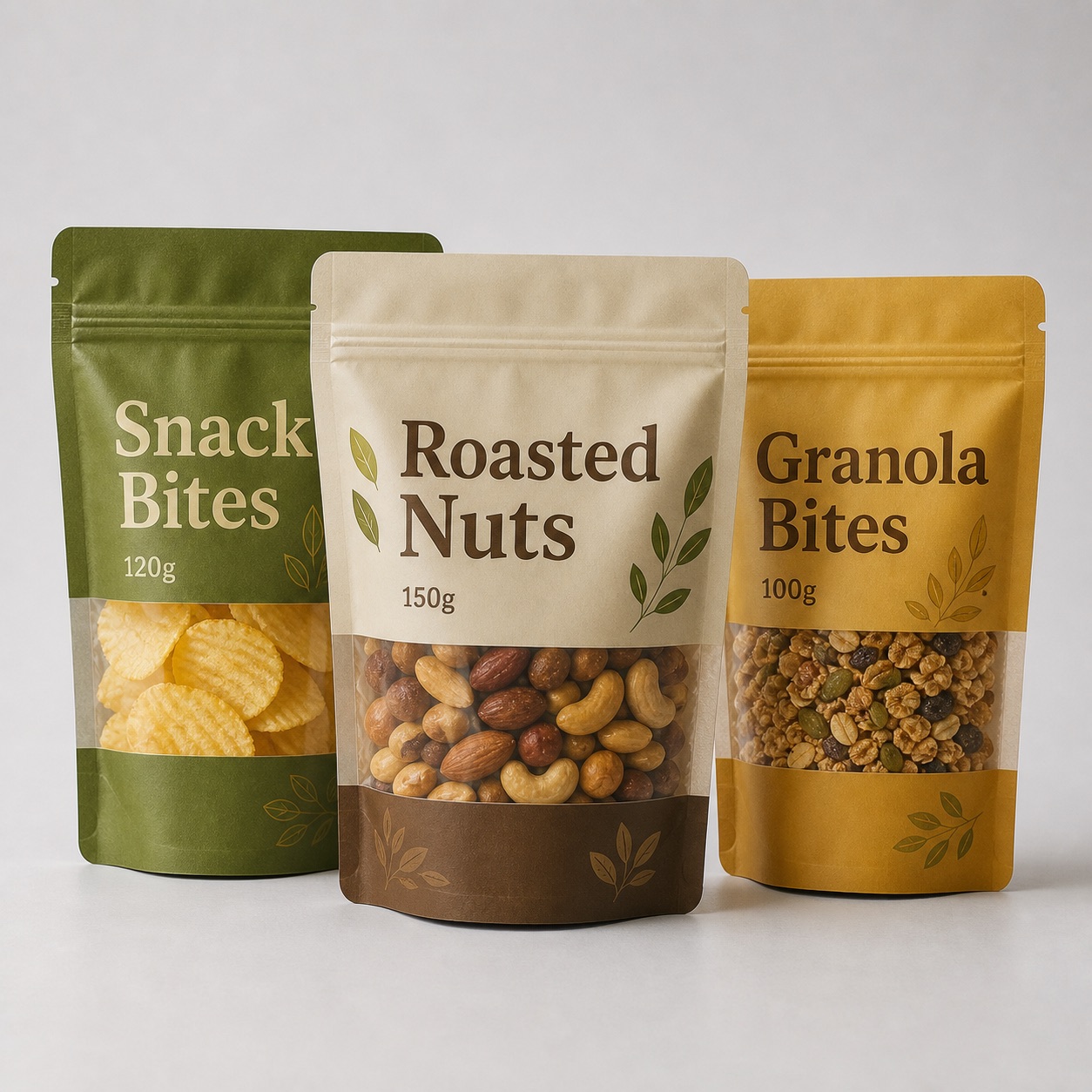
Snack packaging covers pillow bags, stand-up pouches, flat pouches, and portion packs for chips, nuts, bars, dried fruit, granola, and confectionery where barrier films and seal integrity protect texture and aroma.
Project review focuses on moisture barrier, oxygen barrier, seal strength, nitrogen flush or MAP, easy-open notch, zipper option, euro hole, hang hole, window layout, film handling, and food-contact documentation scope.
Partner facility workflow review
Partner facilities
ISO 9001-Style QC
Quality system
Shipping term coordination
DDP / FOB / CIF
Project-Scoped Materials
Material review
Flexible packaging solutions for a wide range of snack product categories, from chips and nuts to confectionery and energy bars. Explore all market solutions .
Barrier films, moisture barrier, oxygen barrier, nitrogen flush, MAP, and seal integrity are reviewed around snack texture and aroma.
Stand-up pouches, pillow bags, euro hole, hang hole, window layout, and artwork panels are matched to retail display needs.
Easy-open notch, zipper option, tear notch, and seal strength are checked against consumer use and filling-line sealing.
Material declarations, artwork proof, sample approval notes, seal checks, and food-contact documentation can be reviewed by project scope.
Key factors to evaluate when selecting packaging for your snack product.
Consider whether your snack needs moisture barrier, oxygen barrier, or light protection. Fried snacks and nuts need high-barrier films to prevent rancidity, while dried fruit and granola may tolerate lighter structures.
Pillow bags suit high-speed lines, stand-up pouches offer stronger shelf presence, and flat pouches work well for portion packs. Format choice affects filling speed, retail display, and shipping density.
Nitrogen flush can support shelf-life targets for chips and fried snacks when the filled product and distribution path are validated. Confirm whether your filling line supports gas flush and whether your film structure can hold the gas mix over time.
Single-serve packs for convenience retail versus family-size bags for grocery. Portion size drives bag dimensions, film gauge, and case-pack count.
Snack packaging relies heavily on visual impact. Consider rotogravure for long runs with photographic quality, or digital printing for shorter runs and seasonal variants.
Choose the material structure around snack sensitivity, barrier target, seal strength, film stiffness, window layout, nitrogen flush or MAP, and filling-line handling.
| Structure | Application | Barrier Level |
|---|---|---|
BOPP / CPP
|
Pillow bags or flow-wrap snack packaging where print, stiffness, and heat sealing are primary | Standard |
PET / VMPET / PE
|
Chips, nuts, granola, and aroma-sensitive snacks needing moisture barrier and oxygen barrier review | Medium |
PET / PE
|
Stand-up pouches and portion packs needing print durability, seal strength, and zipper option review | High |
BOPP / VMPET / CPP
|
High-speed pillow bags where barrier films, COF, and seal window need line review | High |
Kraft / PET / PE
|
Paper-look snack pouches where barrier lining, window layout, and seal integrity need review | High |
PE-Based Review
|
Lower-impact structure review when local recovery stream, barrier target, and filling process allow it | Standard |
A transparent look at how printable, barrier, and sealant layers support snack packaging stiffness, moisture barrier, oxygen barrier, seal integrity, and shelf display requirements. Visit our material guide for more details.
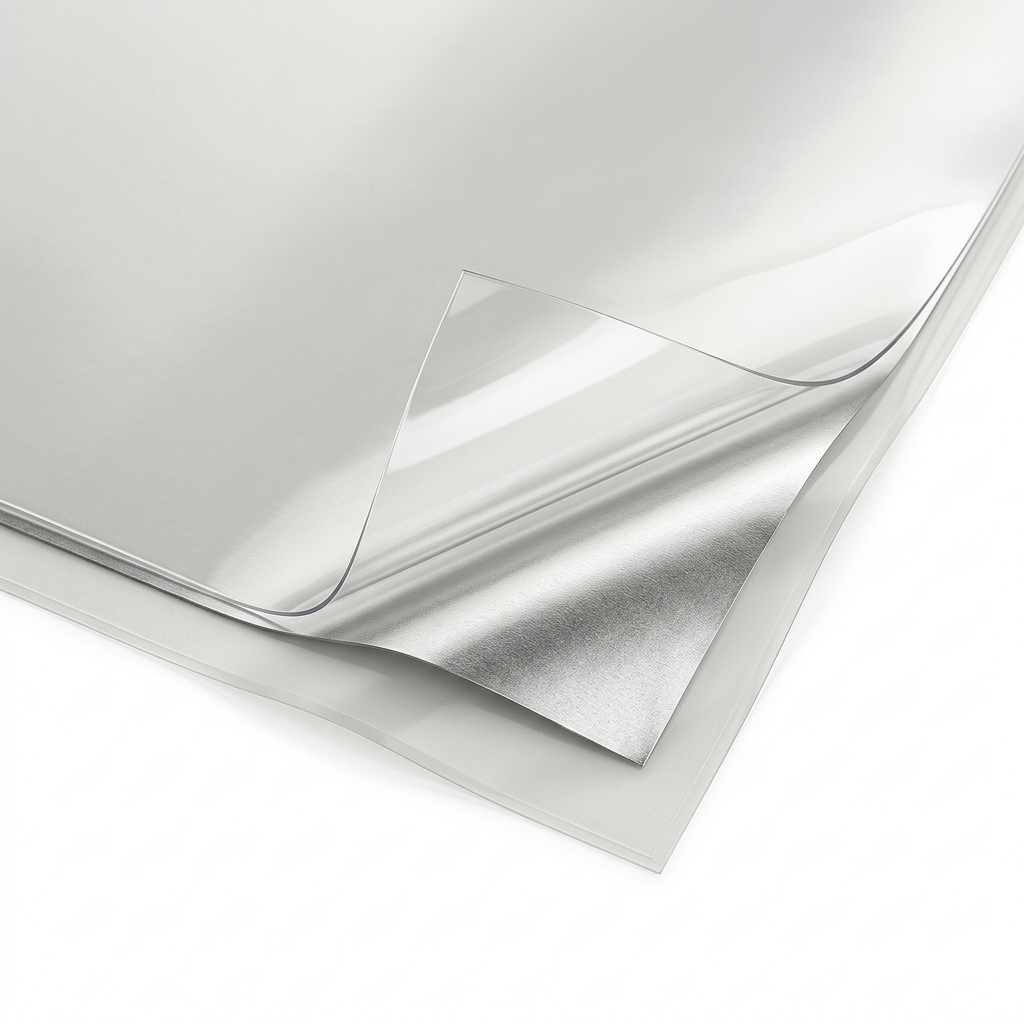
Printable PET supports front artwork, stiffness, surface finish, and handling performance.
Aluminum foil, metallized film, or EVOH-based options are selected by oxygen, aroma, moisture, and light-barrier targets.
Adhesive layers bond the print, barrier, and sealant webs into the finished laminate structure.
PE or CPP sealant is reviewed for seal strength, filling temperature, product contact, and processing conditions.
Review pillow bags, stand-up pouches, flat pouches, portion packs, bag width, fill weight, and shelf display needs.
Confirm barrier films, moisture barrier, oxygen barrier, nitrogen flush, MAP, aroma retention, and target shelf-life study scope.
Confirm easy-open notch, zipper option, tear notch, euro hole, hang hole, window layout, and seal strength against filling-line requirements.
Sample review, artwork proof, seal checks, material declarations, and food-contact documentation can be reviewed by project scope.
Representative review points only. Actual values depend on material structure, snack type, filling line, sealing method, and customer acceptance range.
Film Structure
Selected by barrier target, stiffness, print, and filling-line handling
Barrier Target
Reviewed around moisture barrier, oxygen barrier, aroma retention, nitrogen flush, and MAP
Seal Strength
Checked against pillow bag seals, stand-up pouch seals, zipper option, easy-open notch, and seal integrity
Window Layout
Reviewed with artwork panels, barcode clearance, product visibility, and seal margin
Shelf Display
Matched to euro hole, hang hole, pouch format, carton packing, and retail display
MOQ Planning
Reviewed with print method, material structure, pouch format, and annual forecast
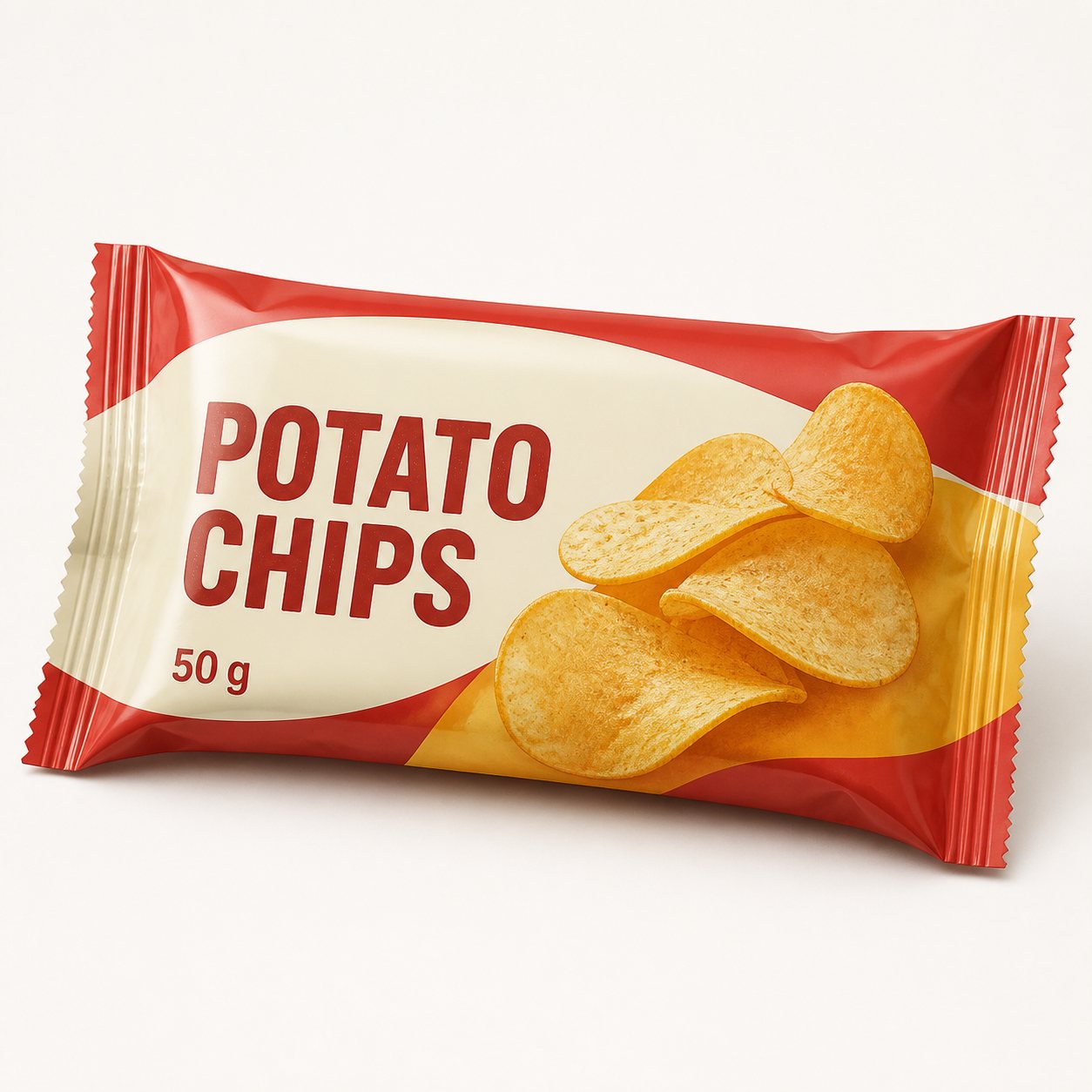
Pillow bags reviewed for barrier films, nitrogen flush, MAP, and seal integrity
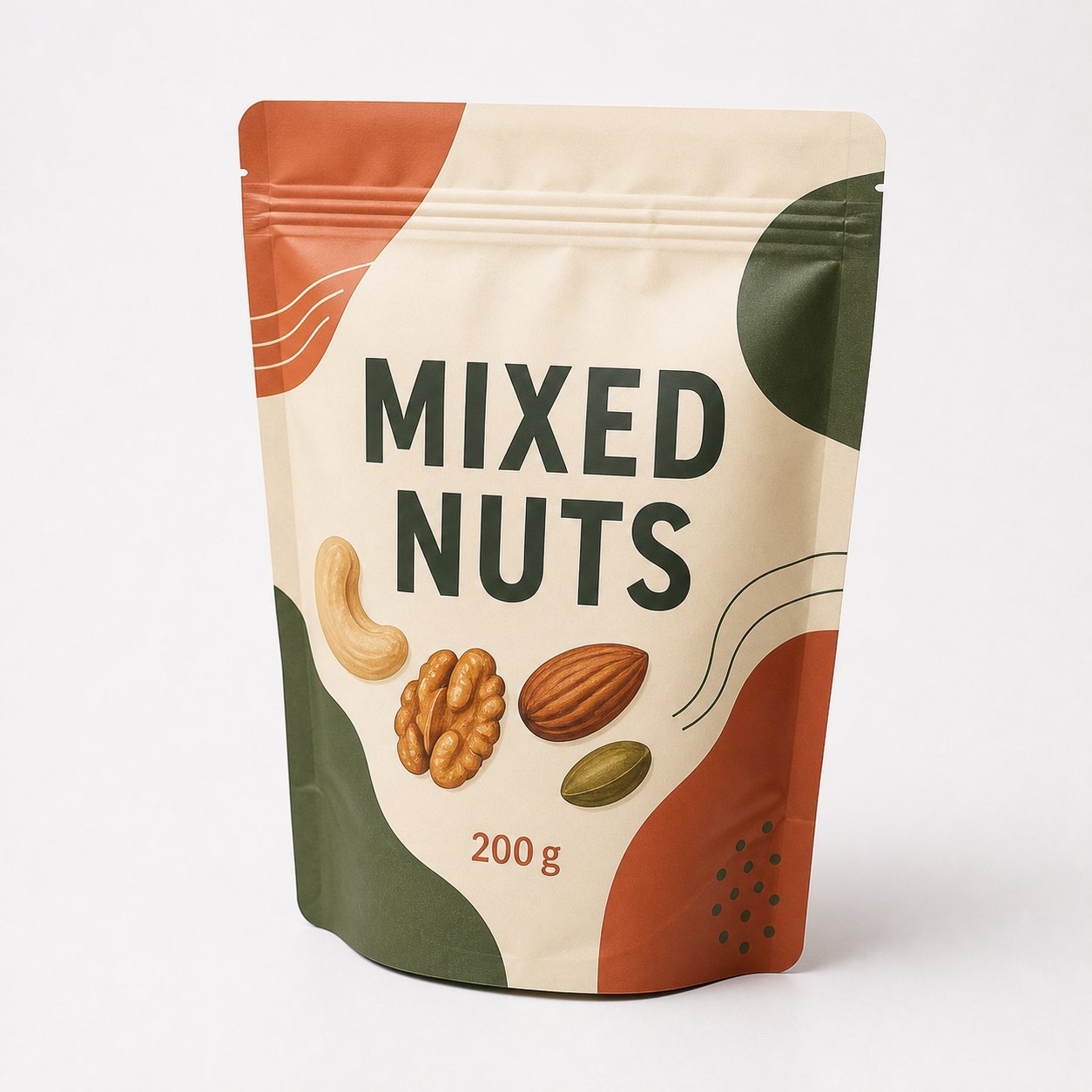
Stand-up pouches reviewed for zipper option, moisture barrier, and shelf display
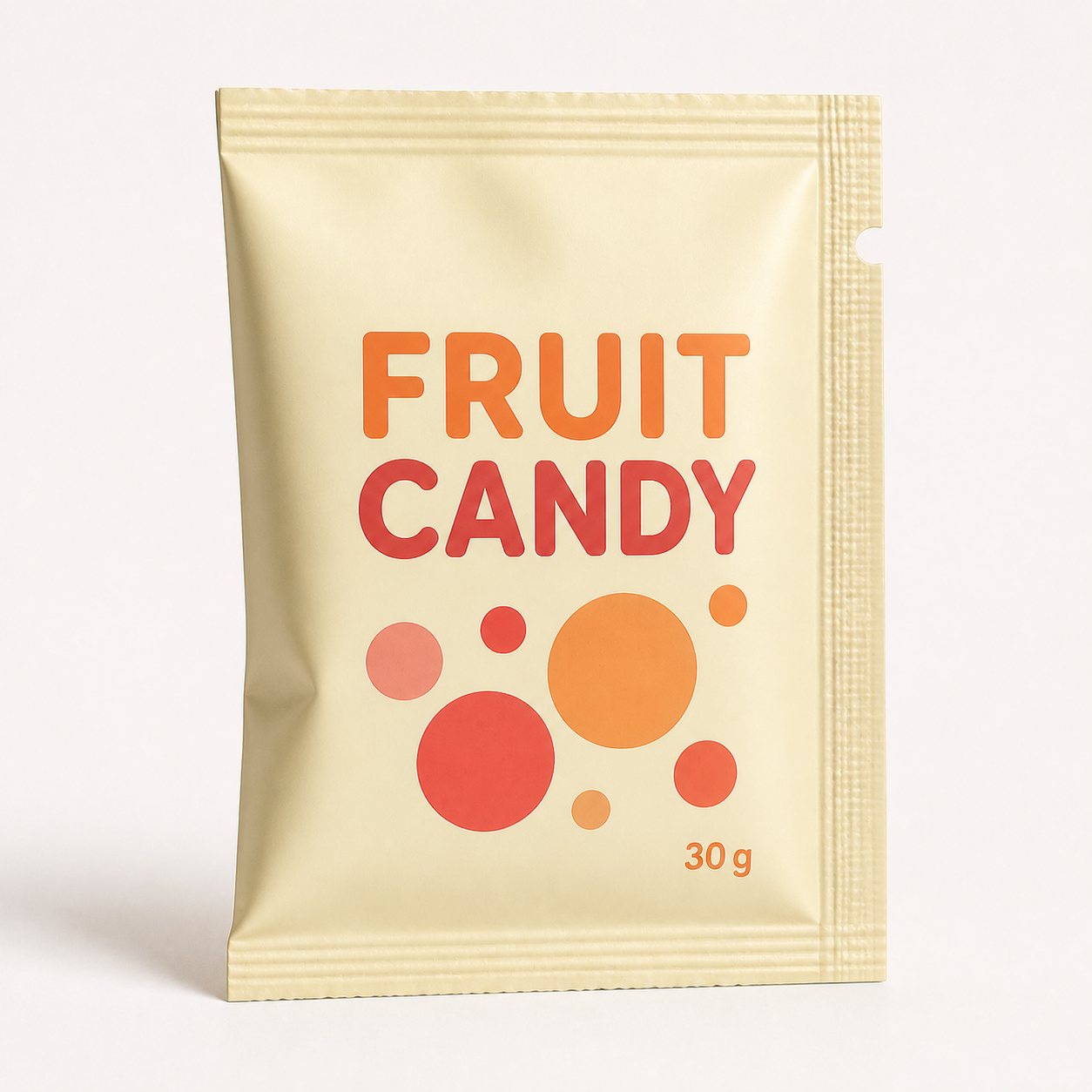
Portion packs reviewed for easy-open notch, seal strength, and food-contact documentation
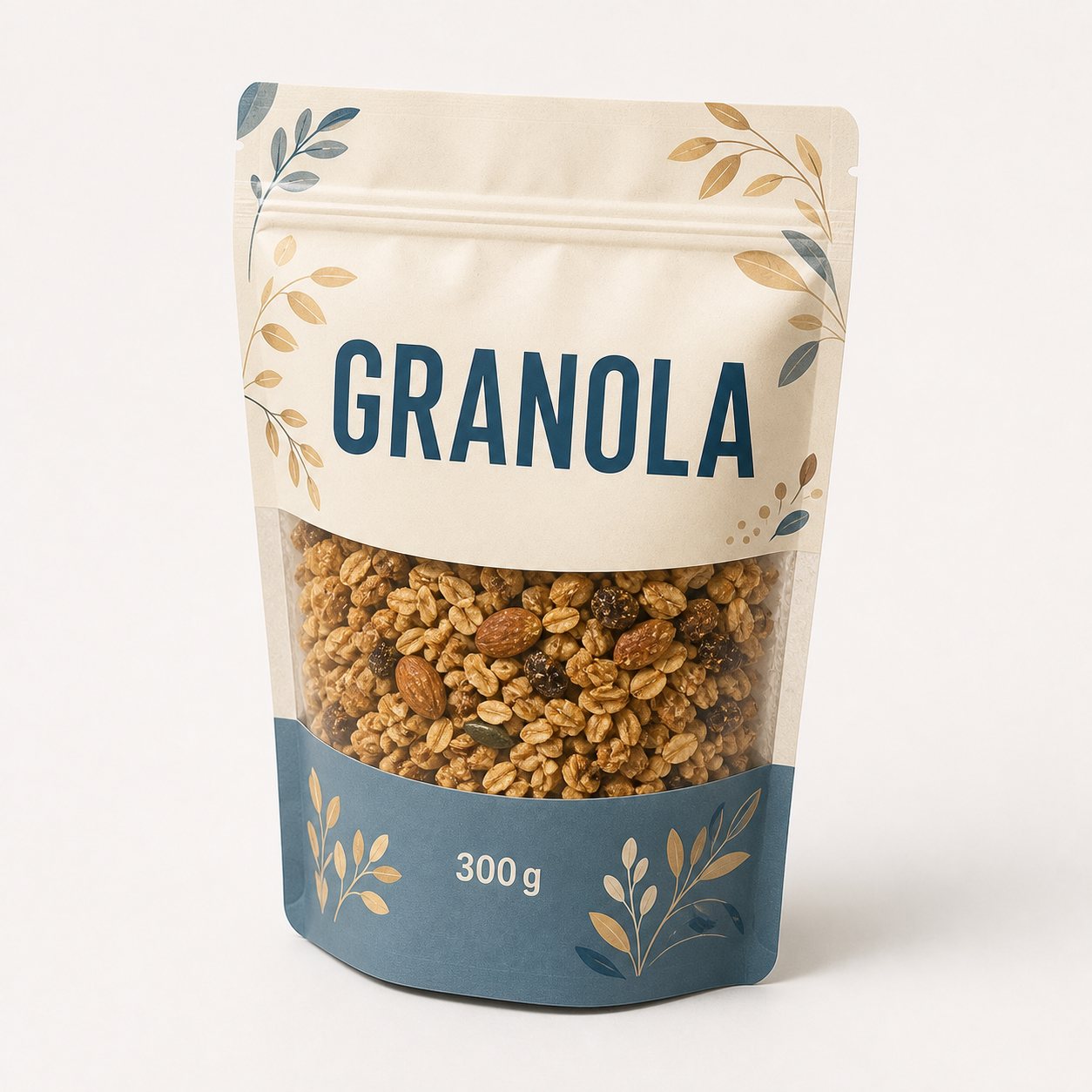
Window layout, artwork panels, and oxygen barrier reviewed for snack shelf display
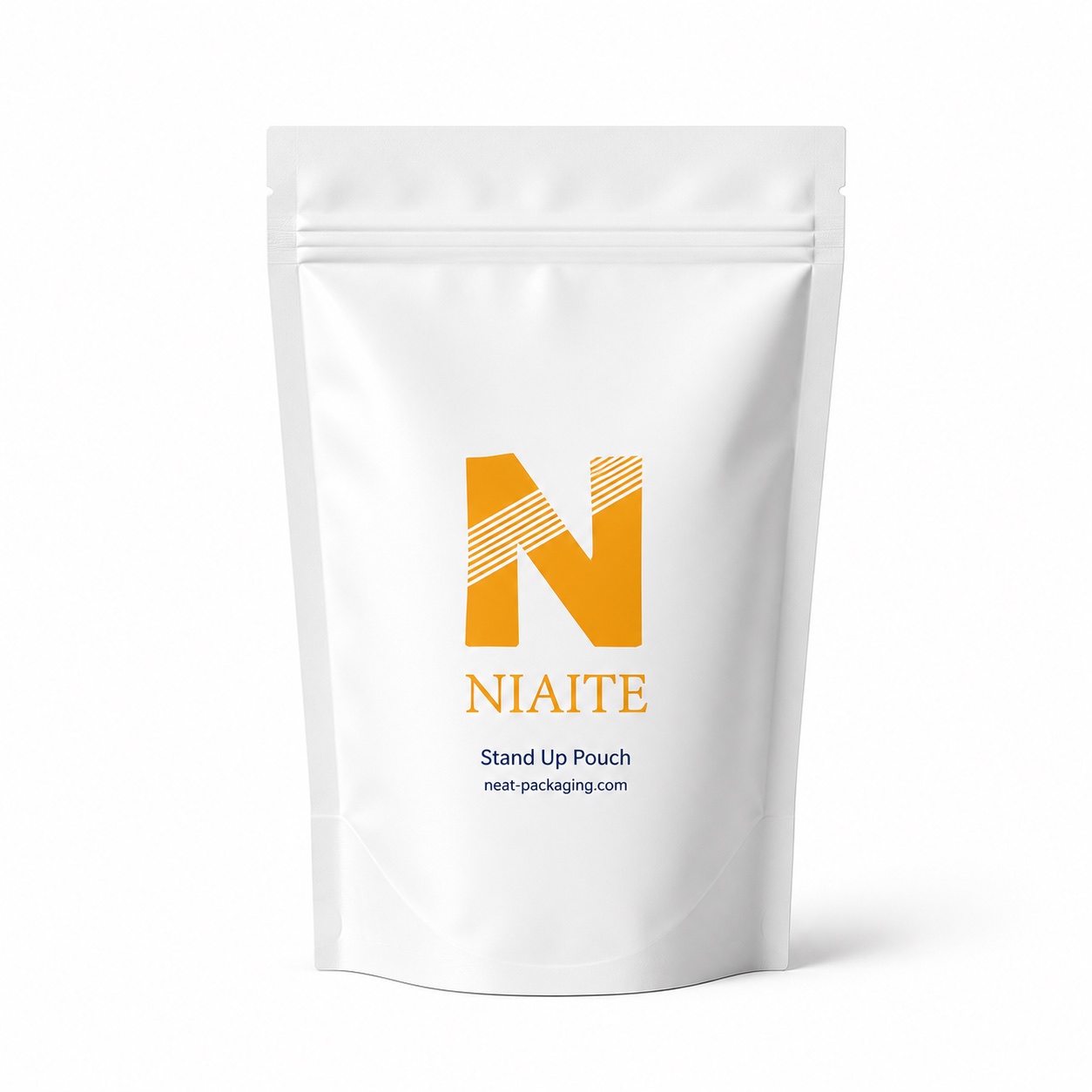
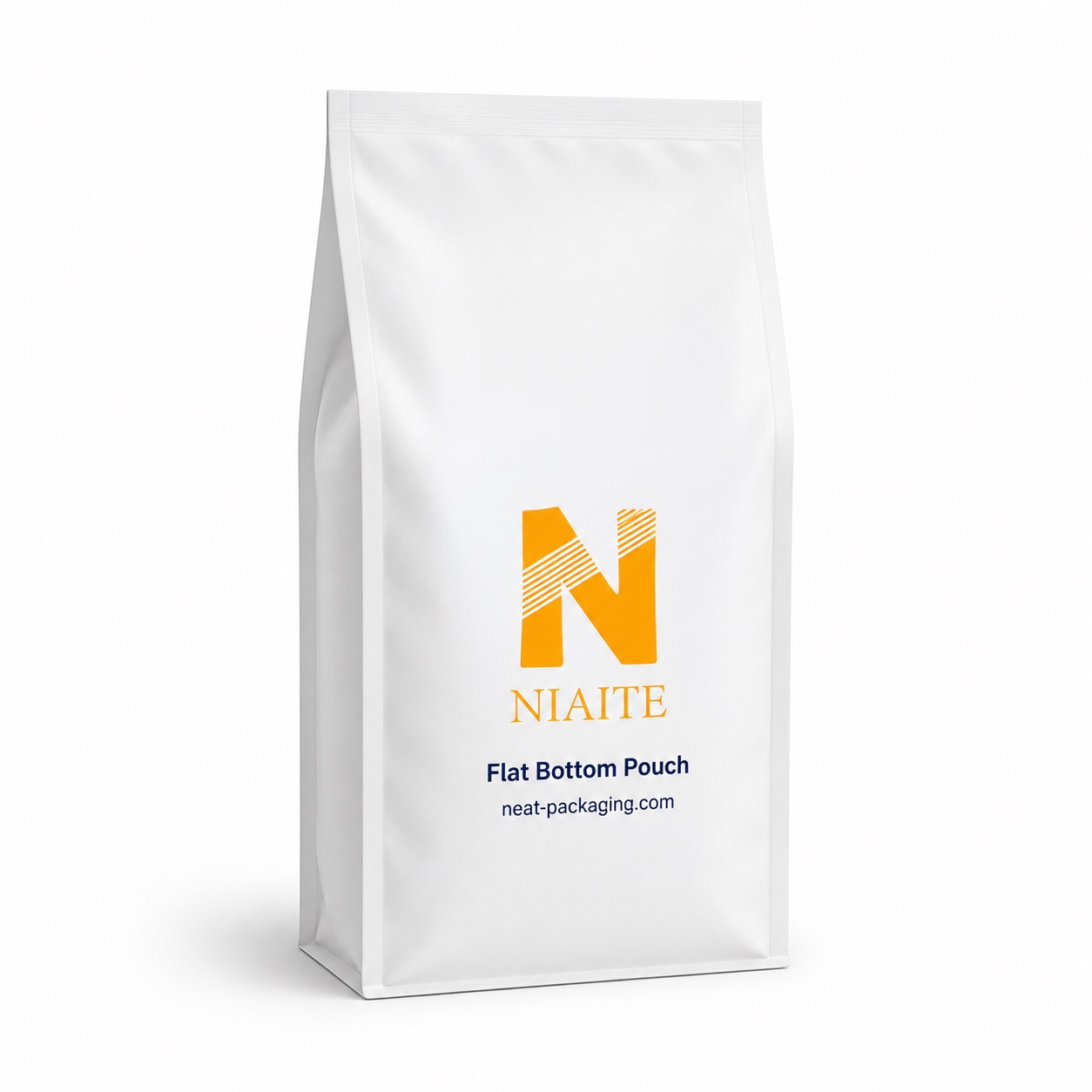
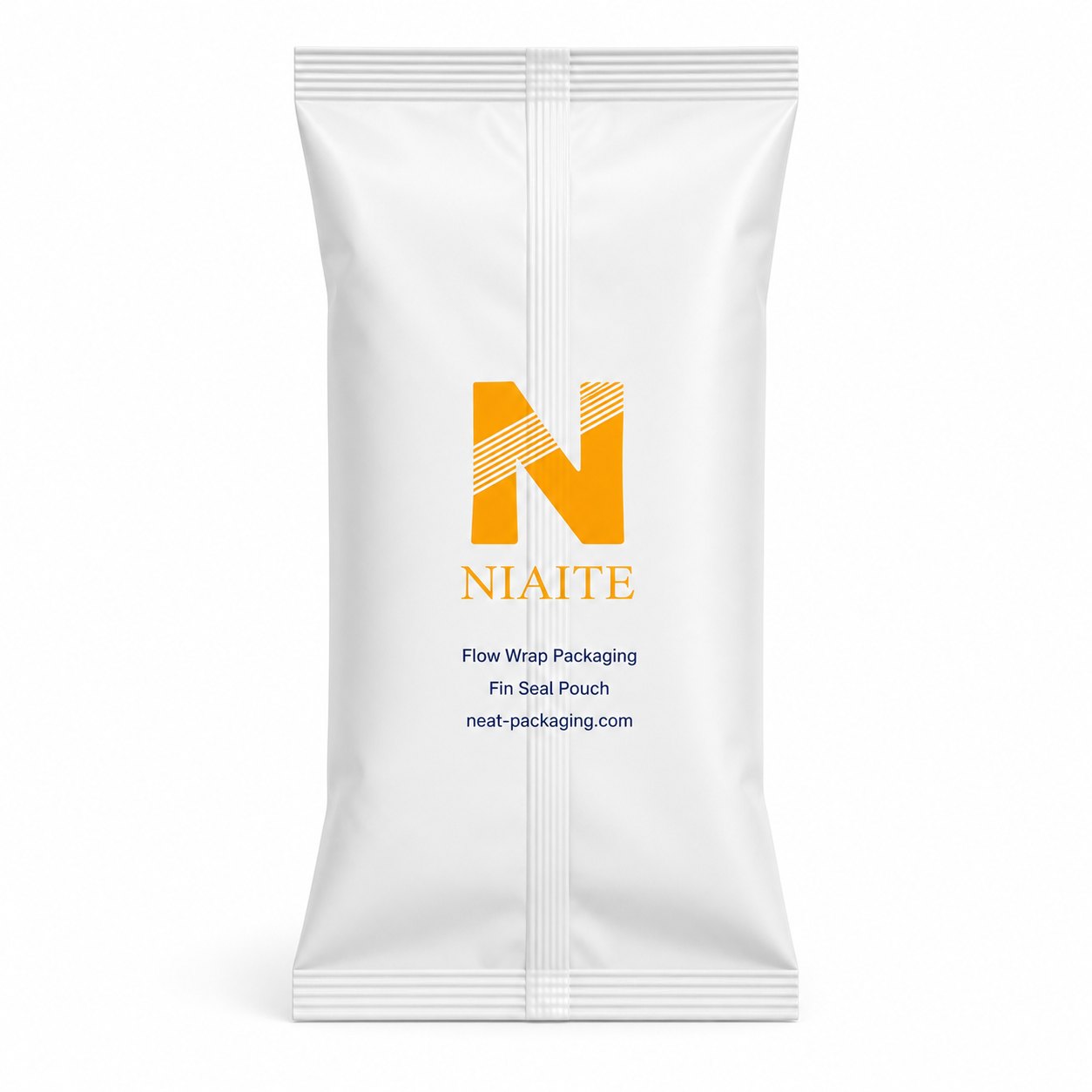
Use these photos as format references. Final size, structure, print layout, and testing scope are reviewed against your product, filling method, and target market.
Lower-impact structure options can be reviewed when the product, filling process, target market, and recovery route support them.
Snack Packaging can be reviewed for chips, nuts, bars, dried fruit, granola, confectionery, portion packs, pillow bags, stand-up pouches, and shelf display formats.
Please confirm snack type, target weight, pouch format, filling line, nitrogen flush or MAP needs, barrier films, oxygen barrier, moisture barrier, seal strength, seal integrity, easy-open notch, zipper option, euro hole, hang hole, window layout, artwork panels, and food-contact documentation scope.
Material declarations, food-contact documentation when applicable, artwork proof, sample approval notes, seal test records, COF or film handling notes, and project QC records can be reviewed by selected structure and project scope.
Production workflow follows GMP-style hygiene and handling controls; no site-level GMP registration is claimed.
ISO 9001-style QC records, material declarations, artwork proof, and project documentation can be reviewed by project scope.
DDP / FOB / CIF coordination can be reviewed by destination and project scope.
Project-level recyclable-ready or lower-impact structures can be reviewed where the final specification supports them.
Expert team providing support for snack packaging format, barrier, and sealing reviews.
Production routing, order volume, lead-time assumptions, and capacity fit are reviewed for each confirmed project.
NIAITE is a flexible packaging project support team working with selected partner factories, so snack brands can align format, barrier, shelf presentation, artwork, and packing details before sampling.
Match stand up, flat bottom, three-side seal, quad seal, or rollstock options to snack weight, barrier, and packing speed.
Keep artwork, zipper, hang hole, window, barrier, sample notes, and carton files coordinated in one project workflow.
Review oil resistance, oxygen barrier, shelf display, fill weight, and packing method before a costly sample path is chosen.
Organize seal, print, zipper, carton, and available batch-record checks around the buyer brief; scope independent inspection separately when required.
Keep each quote aligned on size, film structure, finish, zipper, window, MOQ, packing, and testing expectations.
Share snack type, fill weight, pouch format, order quantity, annual forecast, barrier or MAP target, artwork status, destination market, and documentation scope.
We recommend materials, structure, and provide pricing.
Confirm details, approve artwork, and production begins.
Inspection scope and shipping terms are confirmed by project.
Common issues we help snack packaging buyers avoid during project coordination.
Snack products like chips and crackers lose crunch within weeks if the film's moisture vapor transmission rate is too high. Standard single-layer PE may test fine in lab conditions but fail in humid warehouse storage. We help coordinate MVTR testing matched to your actual distribution climate, not just factory-floor conditions.
Resealable zipper pouches create a secondary path for oxygen ingress along the zipper track, even when the main seal is intact. Products like nuts and dried fruit oxidize faster than expected, causing off-flavors before the stated shelf date. We help coordinate zipper channel barrier verification alongside your main film specification.
Oily or seasoned snacks can cause delamination when grease migrates between film layers over time. The outer print layer develops spotting or the laminate peels at corners, creating a shelf appearance problem. Specify grease resistance testing for your actual product formulation, especially for high-oil snacks like flavored chips.
Buyers often test the zipper once or twice before approving, but consumers may reseal 15-20 times. Zippers that pass initial quality checks can lose grip after repeated use, leaving the product exposed to air. We coordinate cycle-fatigue testing on pre-production samples to reduce the risk of approving a zipper that fails during consumer use.
Metallic and holographic substrates reflect ink colors differently than white or clear films. Pantone-matched colors approved on a matte proof often appear noticeably different on metallized production film. We help coordinate draw-down proofs on the actual substrate before plate-making to align approved color targets with production substrate behavior.
Updated:
Work with NIAITE for material review, sampling guidance, QC checkpoints, and export project coordination.