Flat three-side-seal pouches for powders, snacks, samples, and single-serve sachets, with seal width, tear notch, and web direction configured for your packing line.
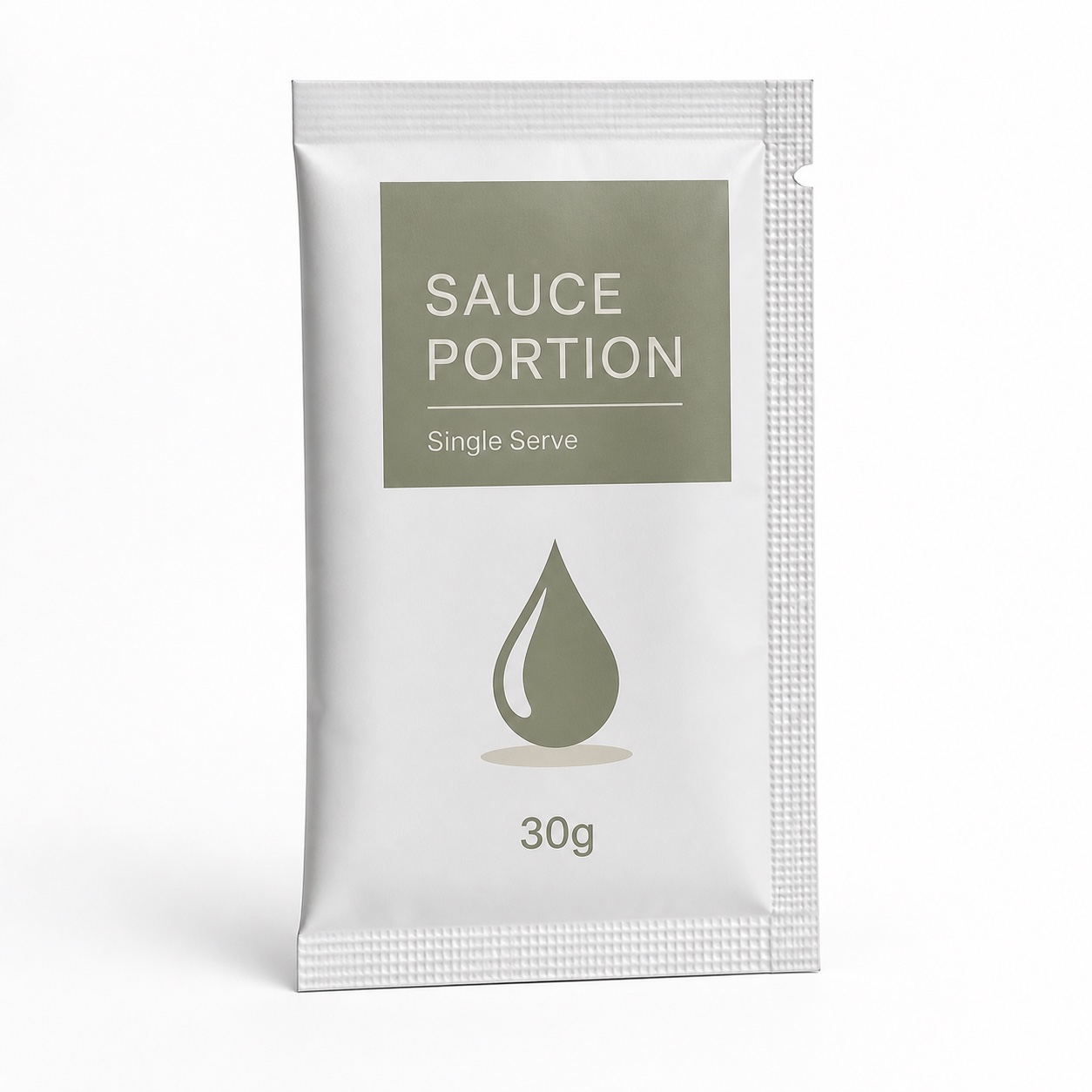
3-side seal pouches use three sealed edges and one filling side to create a flat format for powders, snacks, wipes, sample packs, and single-serve sachets.
Projects are specified around film structure, seal width, tear notch placement, web direction, and filling method so artwork and pouch dimensions match the packing process.
GMP-Style Production Controls
Partner facilities
ISO 9001-Style QC
Quality system
Shipping term coordination
DDP / FOB / CIF
Recyclable-ready review
Project-specific structures
Our flexible packaging solutions serve a wide range of industries and specific product requirements. Explore all market solutions .
Compact pouches for single-serve sachets, powders, samples, snacks, and portion packs that need a flat shelf or carton-ready format.
Roll-fed or pre-made pouch supply can be planned around lane count, pitch, web direction, and filling line requirements.
Tear notch, laser score, easy-tear direction, and seal width can be reviewed to support clean opening and consistent converting.
Share fill product, sachet size, seal width, web direction, artwork status, and target market so documentation support and sample approval can be reviewed by project.
Key factors to evaluate when selecting 3 side seal pouches for your project.
Three edges are sealed and the remaining side carries the fold or filling opening. Seal width affects both pack strength and the usable print area, so confirm it alongside pouch dimensions before artwork is finalized.
Typical formats run from 1g sample sachets up to around 100g single-serve packs. Fill weight and product bulk decide pouch dimensions and headspace, and small changes here move the whole dieline.
Standard tear notches suit powders and single-use sachets, while laser scoring gives a cleaner, more controlled tear line. Notch position needs to match how the user holds and opens the pack, not only where it is convenient to place on artwork.
Roll-fed form-fill-seal lines and pre-made pouch supply need different inputs, including lane count and web direction. Share your filling method early, since it drives artwork orientation and per-sachet print registration.
Define the contents, pouch geometry, barrier target, final sealing process, opening features, and commercial scope before reviewing a three-side-seal construction.
Describe powder, granule, solid, liquid, medical device, or other contents plus oil, acid, aroma, moisture, sharp-edge, or contamination concerns. Diagnostic kit and healthcare accessory pouches are covered on the healthcare packaging page.
Provide finished width and length, target fill weight or volume, product dimensions, headspace, seal width, and preferred loading orientation.
Share oxygen, moisture, light, aroma, grease, and puncture needs together with storage conditions and the shelf-life target to be evaluated.
Identify manual or automated loading, vacuum or gas-flush steps, seal equipment and temperature window, product contamination at the seal, and trial criteria.
Specify tear notch, laser score, zipper, hang hole, rounded corners, window, matte or gloss finish, and any tamper-evident feature for review.
Include order quantity, SKU count, artwork and barcode files, print colors, destination market, material documentation, testing, and sample approval needs.
Choose the right material structure based on your product's barrier, durability, and shelf-life requirements.
| Structure | Application | Barrier Level |
|---|---|---|
PET / PE
|
Standard structure for dry powders, snacks, and sample packs | Standard |
PET / VMPET / PE
|
Metallized barrier for aroma, moisture, and oxygen-sensitive dry goods | Medium |
PET / AL / PE
|
Foil barrier for light, aroma, and moisture-sensitive sachets | High |
PET / NY / PE
|
Added toughness for sharper or denser fill products | High |
Kraft / AL / PE
|
Kraft appearance with barrier lining for dry retail sachets | High |
Mono PE
|
PE-based mono-material option where accepted by local recycling streams | Standard |
A transparent look at how we build structural integrity into every 3 Side Seal Pouch. Visit our material guide for more details.
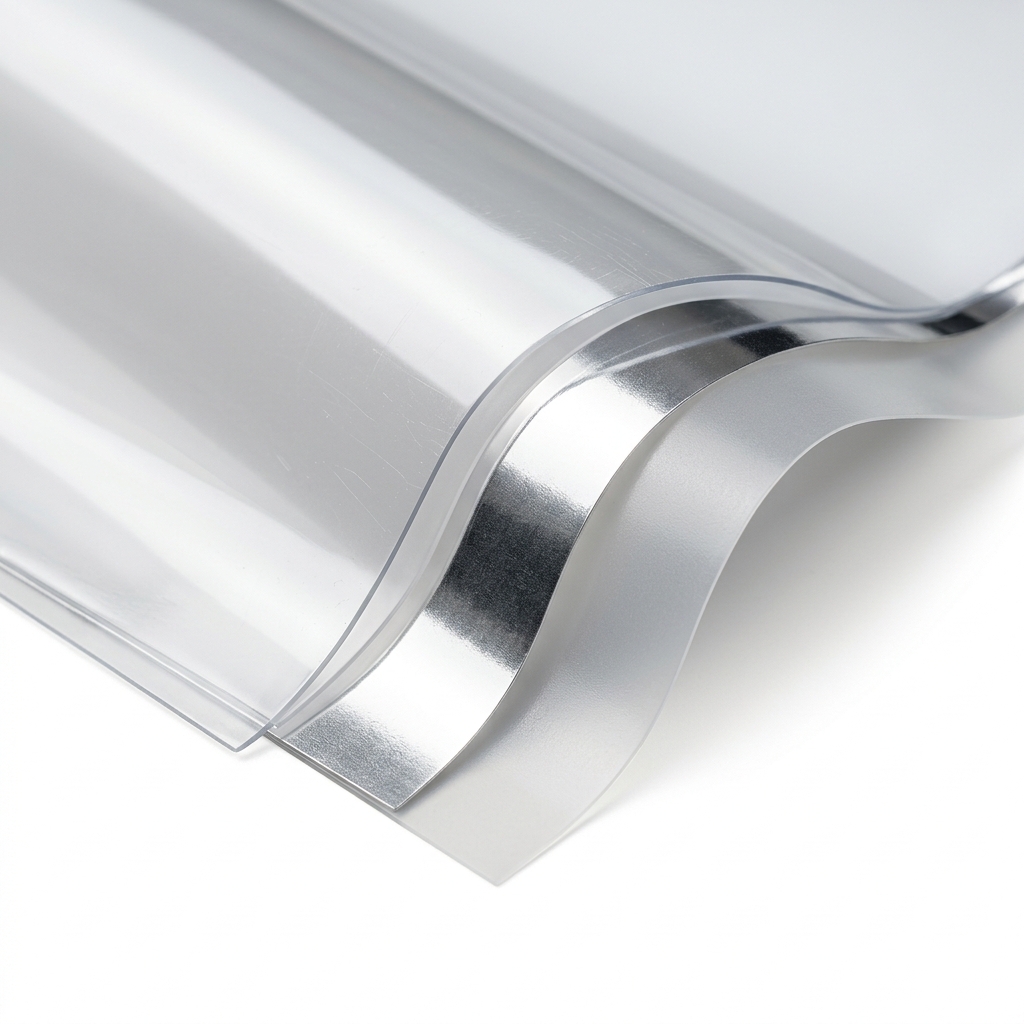
Printable PET supports artwork, registration marks, varnish or matte finish, and the outer handling surface.
Barrier film is selected around moisture, aroma, grease, light, and shelf-life targets for the packed product.
Adhesive bonds the print web, barrier option, and sealant into one stable laminate after curing and testing.
PE sealant is reviewed for heat-seal window, jaw temperature, dwell time, COF, filling conditions, and pack format.
Euro hole, carry handle, or round hole options for retail peg display and carton organization.
Precision tear notch systems: standard, linear, dot notches, and laser score technology for clean aesthetics.
Window placement can be reviewed where product visibility helps buyers inspect color, texture, or fill level.
Structure review, sealing trials, print proofing, and FDA/EU food-contact documentation or third-party testing support by project scope.
Representative parameters. Actual values depend on material structure and customization.
Film Thickness
50–120 μm typical range, adjusted by barrier and filling process
Production Speed
Roll-fed or pre-made pouch supply, matched to lane count and web direction
Pack Size
1g – 100g typical for samples, powders, snacks, and single-serve sachets
Tear Opening
Easy-tear notch (standard or laser score)
Oxygen Barrier (OTR)
Low to high, depending on VMPET, AL foil, or nylon layer selection
Printing
Up to 10 colors, registered per-sachet
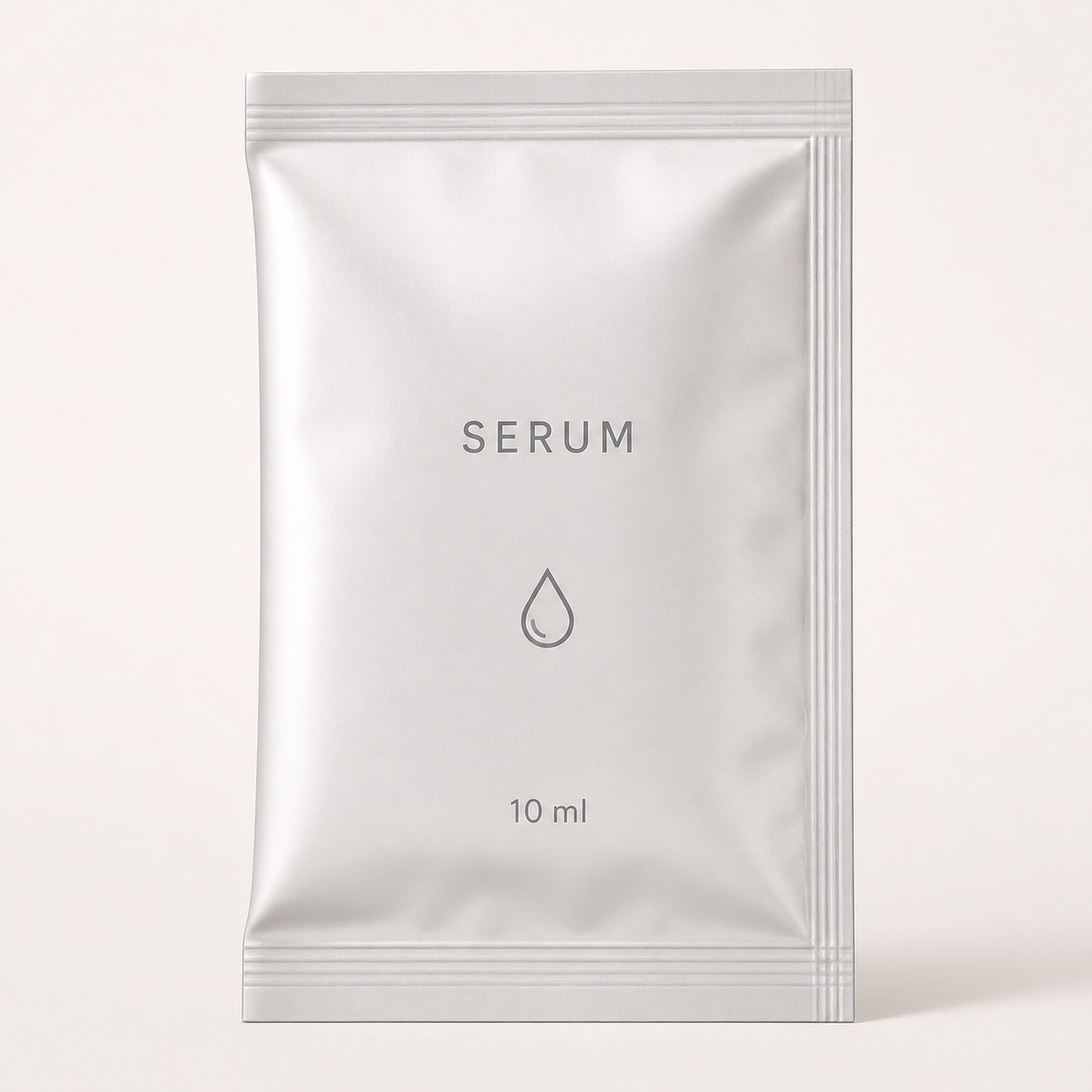
Face mask sachet minimalist pearl white matte 3 side seal pouch
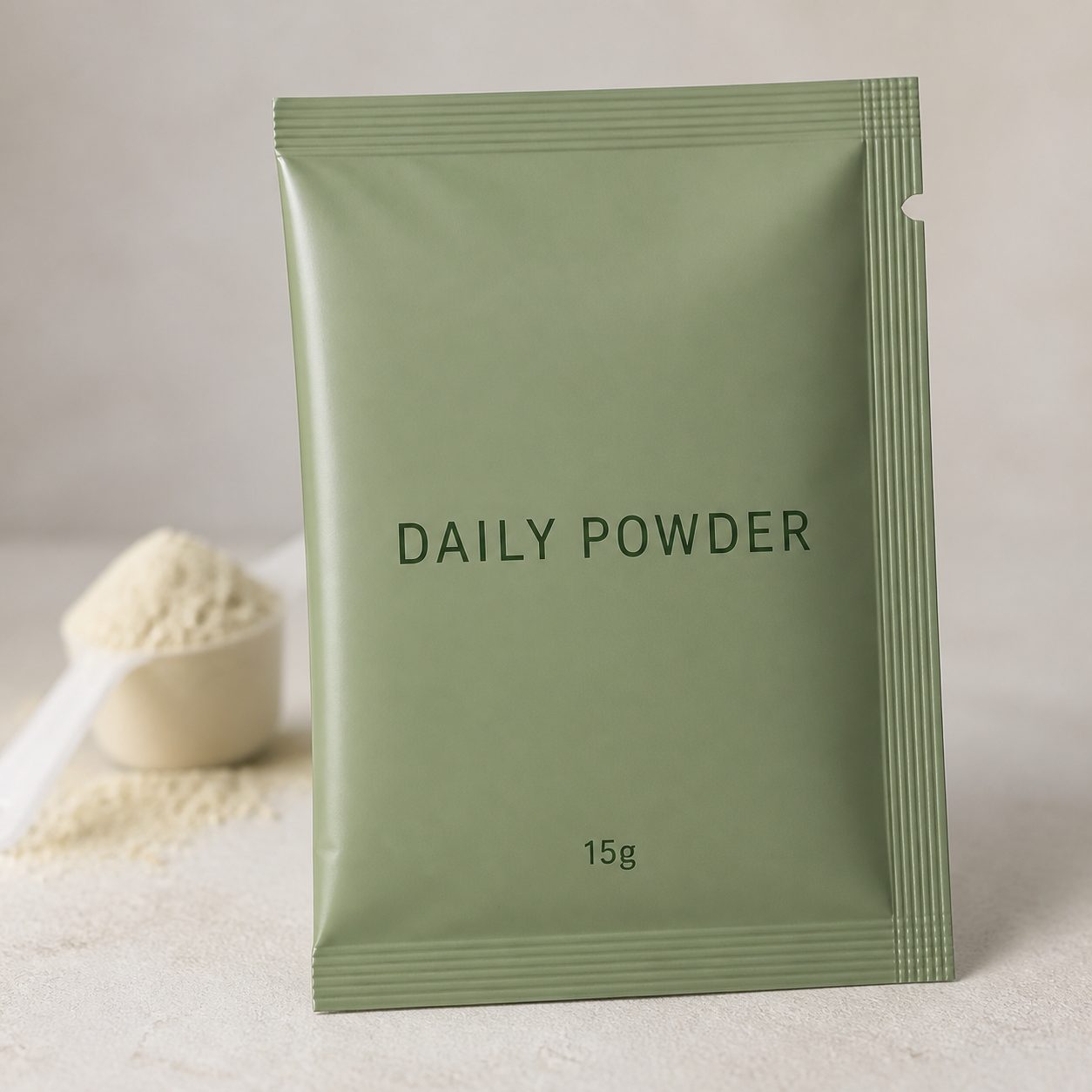
Three-side-seal powder sachet with folded side edge
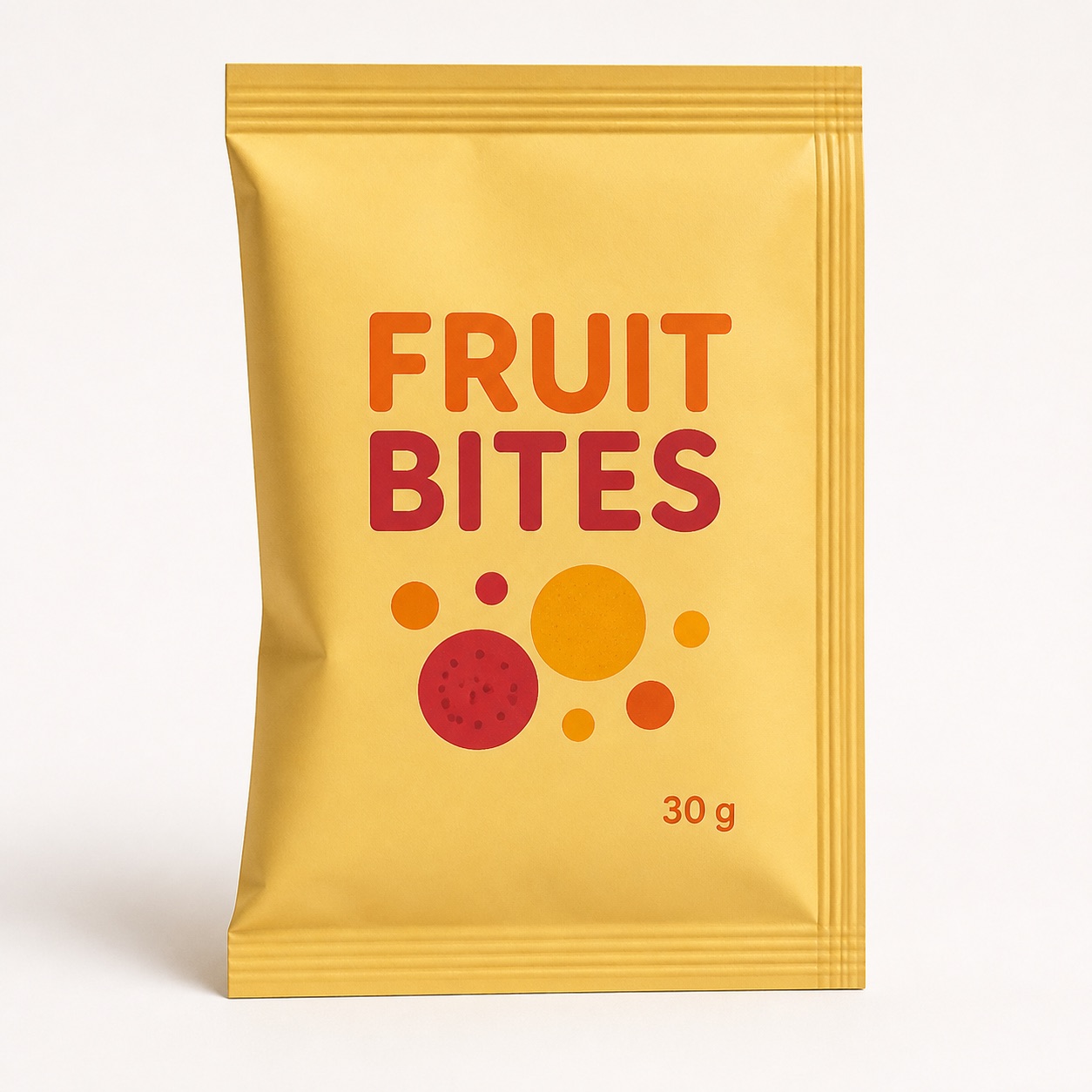
Candy sachet colorful matte 3 side seal pouch confectionery
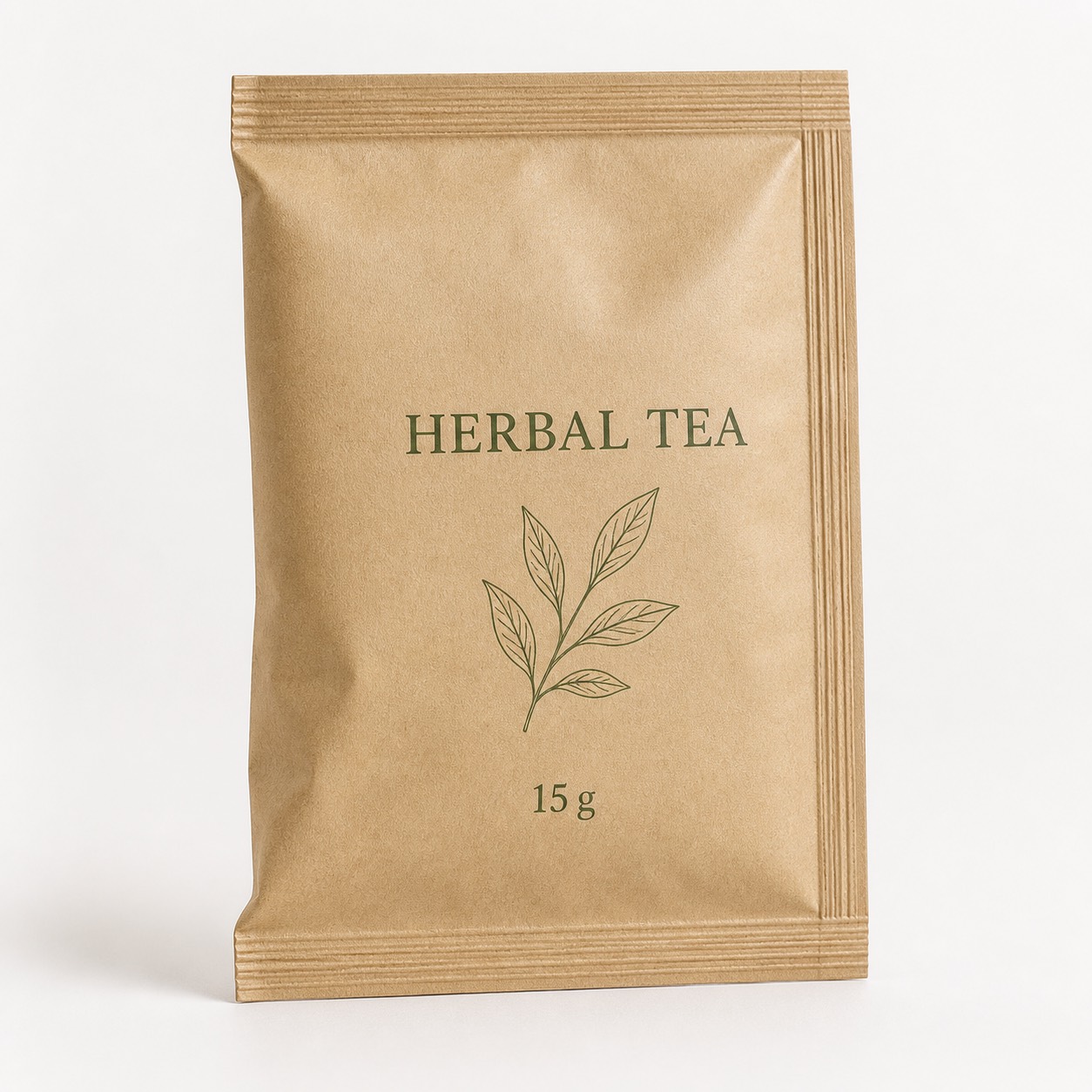
Herbal tea sachet kraft matte 3 side seal packaging
Use these photos as format references. Final size, structure, print layout, and testing scope are reviewed against your product, filling method, and target market.
Lower-impact structure options can be reviewed when the product, filling process, target market, and recovery route support them.
They are best suited for powders, snacks, sample packs, single-serve sachets, wipes, small hardware, and other flat or portioned products. Very bulky or stand-up retail packs may need another pouch format.
For digital printing on selected standard specifications, the practical starting point is 1,000 pouches per order and 100 per design. Size, material structure, printing method, finishes, and artwork count can change final eligibility. Setup and proofing costs may apply, especially for low-volume or multi-design orders.
Gravure printing: 5,000 pouches per design for all pouch formats. Unit price includes machine setup and printing proofs; printing plates are quoted separately. Multiple designs may be gang-printed when size, material and schedule allow; confirmed per project.
Yes. We can review size, seal width, tear notch, hang hole, window, print layout, material structure, and web direction for roll-fed or pre-made pouch supply.
3 Side Seal Pouches are produced with materials specified for food-contact applications in production environments using GMP/HACCP-style hygiene, traceability, and ISO 9001-style QC procedures. Available documentation depends on the selected structure, resin source, and test scope.
Production workflow follows GMP-style hygiene and handling controls; no site-level GMP registration is claimed.
ISO 9001-style QC records and FDA/EU material documentation can be reviewed by project scope.
DDP / FOB / CIF coordination can be reviewed by destination and project scope.
Project-level recyclable-ready or lower-impact structures can be reviewed where the final specification supports them.
Project support for material review, artwork coordination, sampling, and production follow-up within the agreed scope.
Production routing, order volume, lead-time assumptions, and capacity fit are reviewed for each confirmed project.
Tell us your product, target weight, and requirements.
We recommend materials, structure, and provide pricing.
Confirm details, approve artwork, and production begins.
QC checkpoints and shipment scope are confirmed by project.
Common issues we help 3-side seal pouch buyers avoid during project coordination.
Three-side seal pouches depend on consistent seal width across all three sealed edges for reliable barrier performance. Variation between the bottom and two side seals—common when film tension is uneven—creates weak points that may fail under pressure or during transit.
Many 3-side seal pouches are produced in narrow widths where even minor print registration drift becomes proportionally significant. A 1 mm shift that would be invisible on a large bag can misalign text or graphics noticeably on a compact pouch face.
Specifying pouch dimensions without testing actual product volume and bulk density often leads to overstuffed pouches that stress the seals or underfilled pouches that appear half-empty. Trial fills with the actual product confirm that dimensions and fill targets are compatible.
Tear notches on 3-side seal pouches must be positioned precisely relative to the nearest seal edge. A notch that lands inside the seal zone is impossible to initiate; one that lands too far from the seal can tear through the pouch body instead of creating a clean opening.
Flat 3-side seal pouches can slide and shift when stacked in retail displays or shipping cartons. Without anti-slip surface treatment or coordinated carton dimensions, stacked pouches cascade in transit and arrive at retail in disarray.
Updated:
Work with NIAITE for material review, sampling guidance, QC checkpoints, and export project coordination.