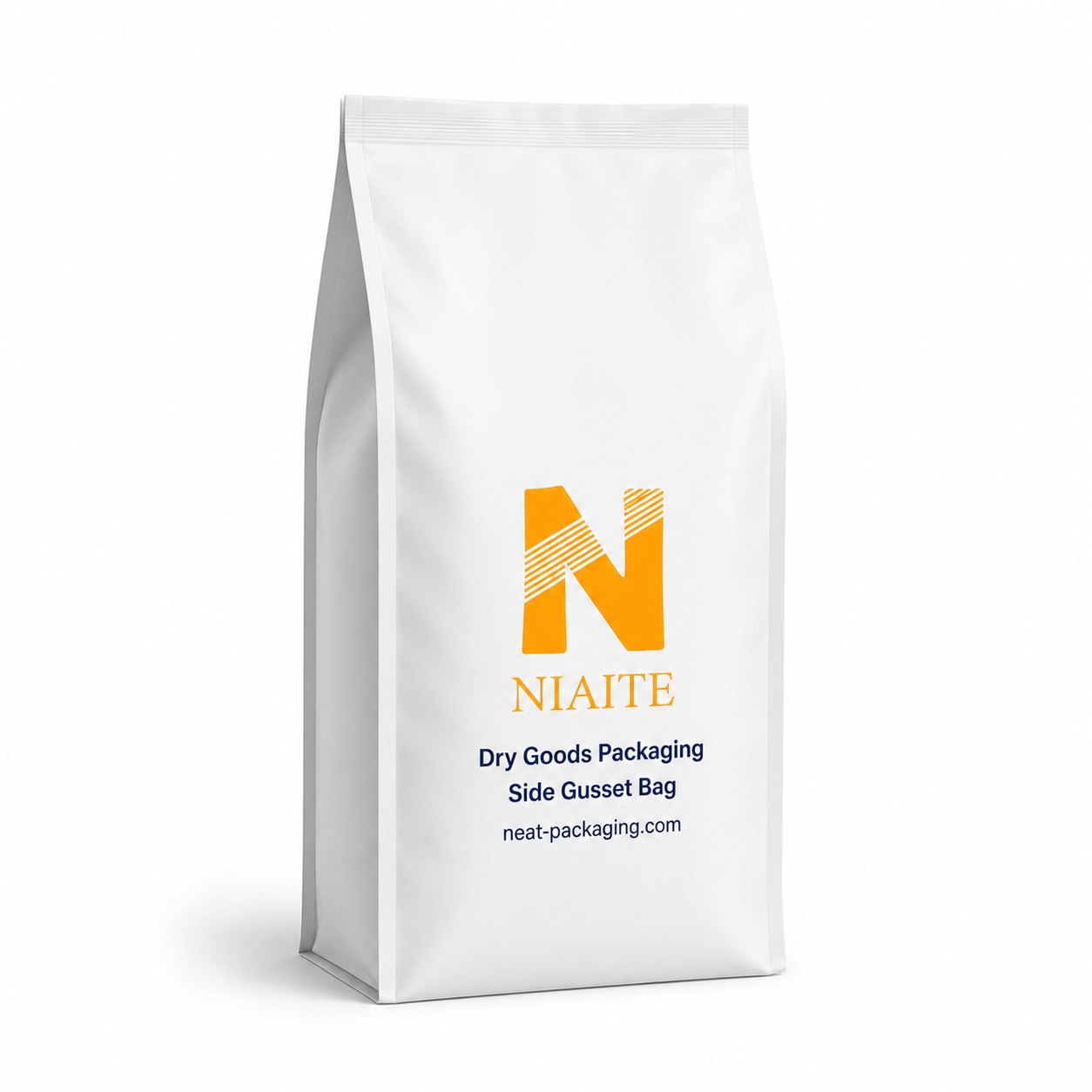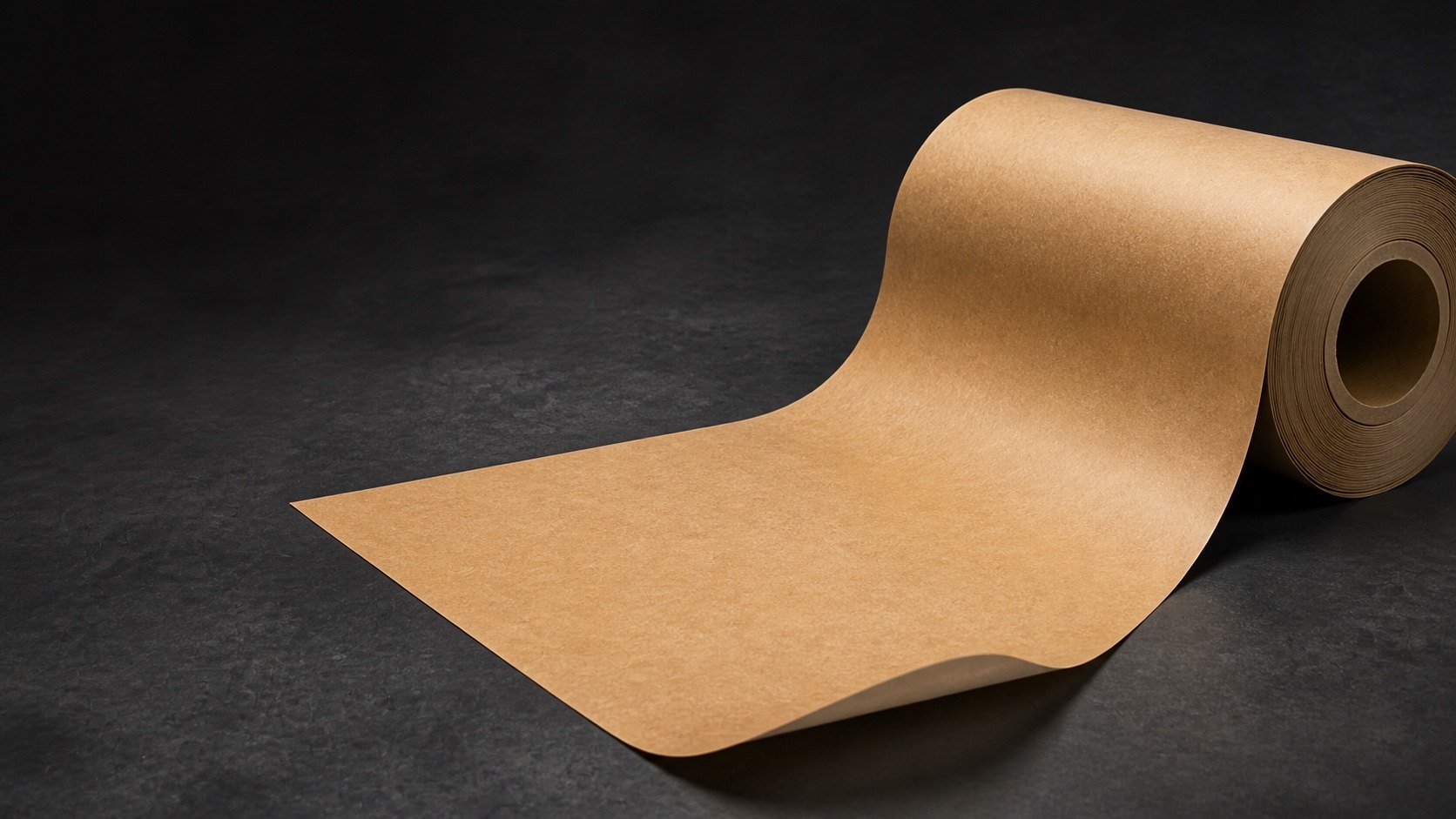
Kraft paper is the visible outer layer of paper-look pouches. It adds a natural, printable face, while barrier and sealing come from the inner film. A paper look alone does not make a pouch recyclable or compostable.
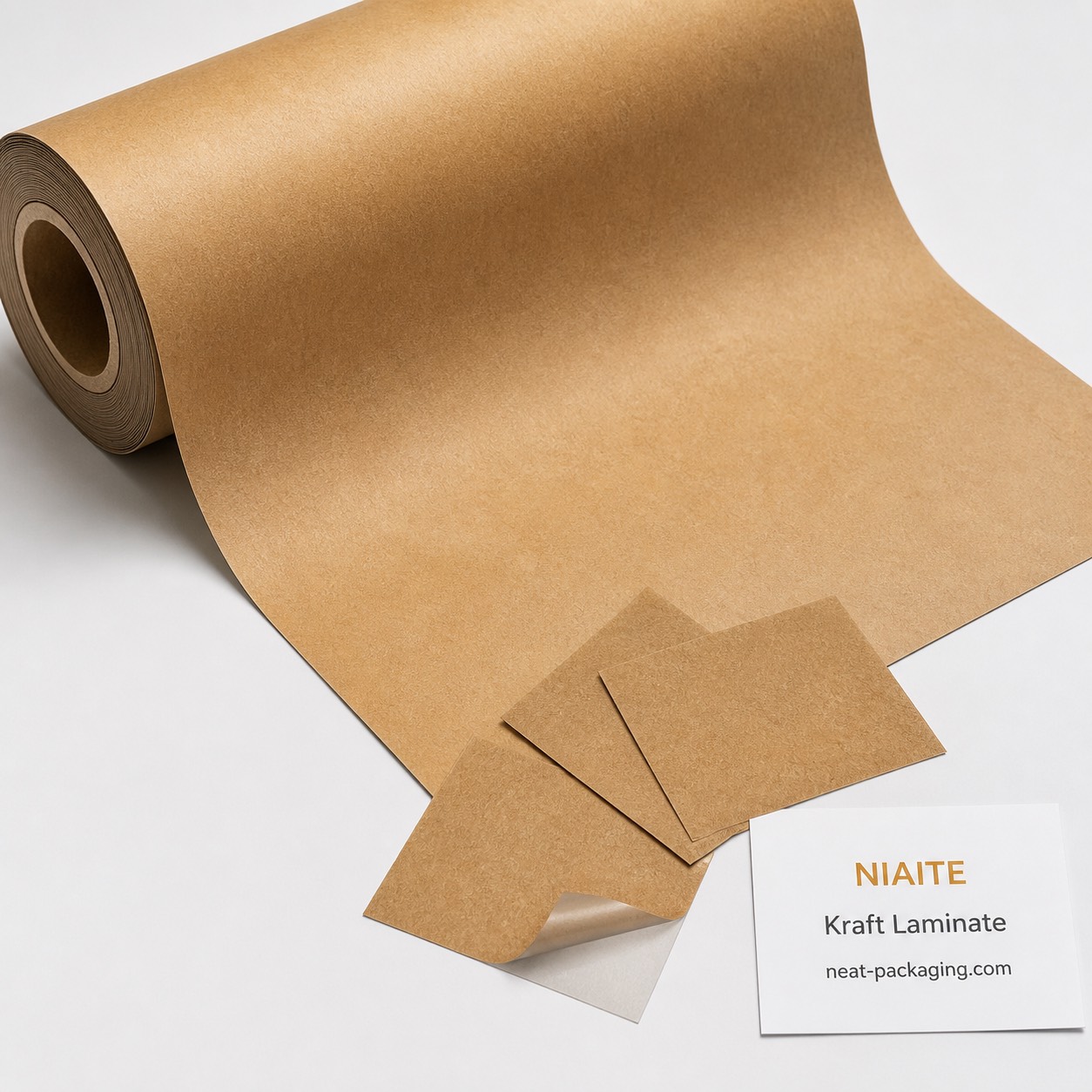
Kraft paper is used as the visible outer substrate for brands that want a natural, matte, paper-based shelf appearance.
Because kraft paper alone is not a high-barrier or heat-seal layer, it is usually laminated with PE, CPP, foil, or other functional films.
GMP-Style Production Controls
Partner facilities
ISO 9001-Style QC
Quality system
Shipping term coordination
DDP / FOB / CIF
Structure Review
Project-dependent options
What the kraft layer contributes, what the inner film has to carry, and the claims to check before artwork.
| Decision Factor | Kraft Paper Guidance |
|---|---|
| Core advantage | Natural paper appearance with printable retail shelf impact |
| Barrier role | Needs inner barrier films for moisture and oxygen control |
| Typical structures | kraft/PET/PE, kraft/VMPET/PE, kraft/AL/PE |
| Best-fit applications | coffee, tea, snacks, dry goods |
| When to avoid | A paper look does not make a structure recyclable or compostable — that depends on the full laminate and the local recovery route. Avoid kraft outer layers for wet, greasy, or high-barrier contents unless the recovery route and the barrier layer have both been confirmed. |
| Buyer inputs to confirm | Packed product (grease and moisture load), required barrier, whether any paper-recycling or composting claim will appear on artwork, and the recovery route available in the destination market. |
| Documentation support | FDA/EU material documentation and SGS third-party testing can be arranged by project scope. |
Kraft is chosen for the shelf look. For pouch formats, zippers, valves, and windows, see kraft paper pouches with barrier liner.
Kraft/AL/PE gives a paper face with a foil barrier for coffee and sensitive dry goods.
A kraft face suits loose tea and tea retail packs, with the barrier chosen for aroma and moisture.
Kraft/PE covers dry products where basic sealing and moisture control are enough.
A kraft face on a flat bottom pouch gives a box-like shelf presence for premium dry goods.
Kraft gives a real tactile, matte paper surface rather than a printed paper effect.
Dry contents avoid the moisture and grease load that paper layers handle poorly.
Kraft/VMPET/PE or Kraft/AL/PE moves the barrier role to the film underneath.
Paper-based appearance and recyclability depend on the selected structure and market rules, so confirm before printing a claim.
| Decision Point | Kraft paper outer layer | Matte film outer layer |
|---|---|---|
| How the natural look is made | Real paper face with tactile feel | Printed film with a matte surface grade, such as BOPP or PET |
| Humidity and folds | Uncoated kraft can wrinkle in humid storage; paper laminates can delaminate at fold lines | Film surface does not absorb moisture |
| Barrier | From inner layers: Kraft/PE, Kraft/VMPET/PE, Kraft/AL/PE | From the film stack, such as PET/VMPET/PE or PET/AL/PE |
| Sustainability claims | A paper look does not make the pack recyclable or compostable | Recyclability also depends on the full structure |
Choose kraft when the paper feel is part of the brand and the product is dry. If humidity in transit or fold-line stress is a concern, compare a matte film route on the same artwork before sampling.
Kraft/PE suits dry products with basic needs, Kraft/VMPET/PE and Kraft/AL/PE add barrier underneath, and paper-based or PLA options are reviewed project by project.
| Structure | Best-fit Use | Barrier / Role | |
|---|---|---|---|
Kraft / PE |
Dry products where basic sealing and moisture control are enough | Standard | Review Structure -> |
Kraft / VMPET / PE |
Paper-look packs needing stronger barrier | Medium | Review Structure -> |
Kraft / AL / PE |
Coffee and sensitive dry goods needing high barrier | High | Review Structure -> |
Kraft / PLA or paper-based options |
Project-specific sustainability review | Project Based | Review Structure -> |
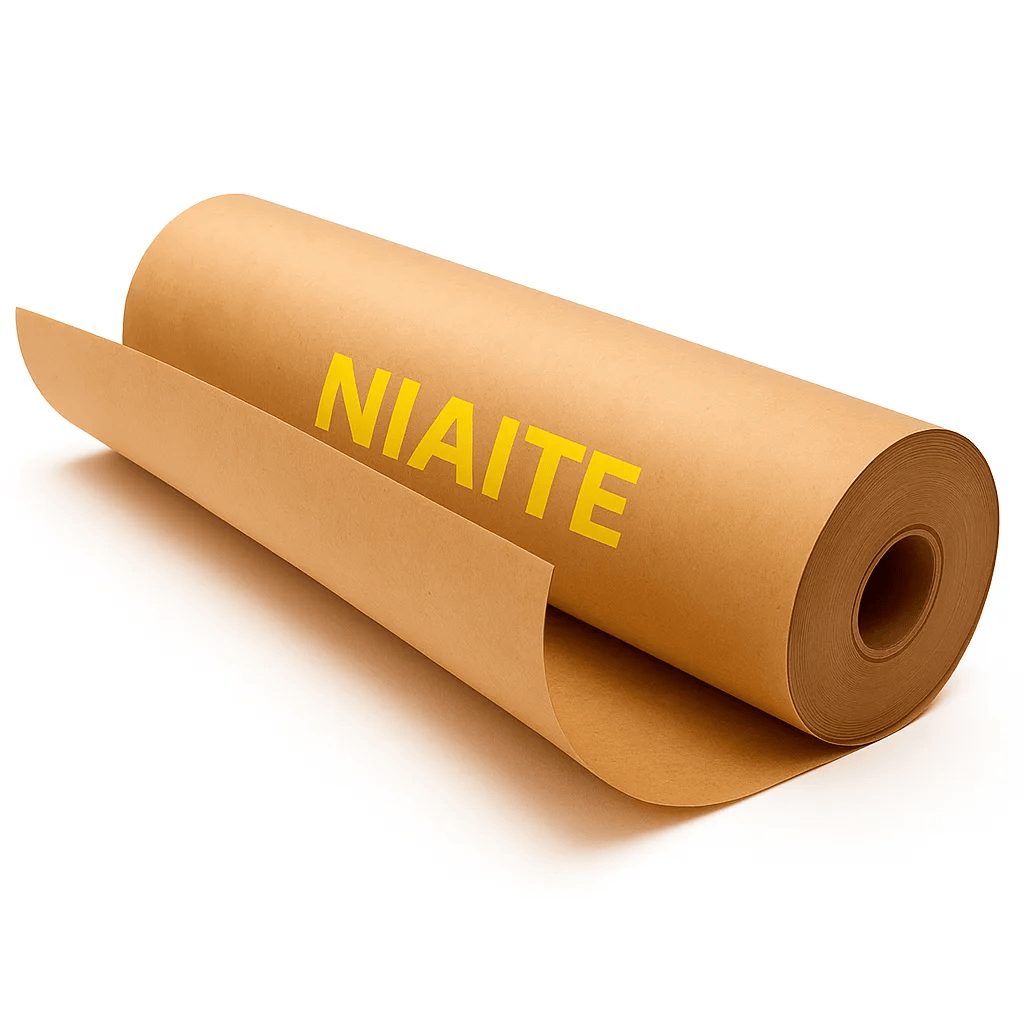
Representative guidance only. Final values depend on selected grade, laminate structure, pack format, and test requirements.
Typical Role
Outer paper surface for appearance and tactile feel
Common Paper Range
Natural or bleached kraft grades reviewed by project
Barrier Role
Depends on laminated inner layers, not kraft paper alone
Surface Options
Natural brown, white kraft, matte, window, or label-ready finish
Common Pairings
PE, CPP, VMPET, aluminum foil, specialty sealants
Documentation
Paper source and food-contact files by project scope
A paper face does not by itself make the pack recyclable or compostable. The inner film, adhesives, inks, and closures decide what local recovery routes will accept.
Kraft paper is specified for premium coffee pouches, organic product packaging, and eco-conscious retail applications. When laminated with PE or foil barriers, it combines natural brand aesthetics with the functional protection required for moisture- and oxygen-sensitive products.
Kraft/PE suits dry products where basic sealing and moisture control are enough. Kraft/VMPET/PE adds a metallized barrier for paper-look packs that need more protection. Kraft/AL/PE is used for coffee and sensitive dry goods that need a high barrier. Grease load, moisture load, and target shelf life decide the choice.
Not by appearance. It depends on the full laminate, inks, closures, and the recovery route in the destination market. If a recycling or composting claim will appear on the artwork, confirm the structure and its supporting documents first. Paper source and food-contact files are reviewed by project scope.
Tell us your product, target weight, and requirements.
We recommend materials, structure, and provide pricing.
Confirm details, approve artwork, and production begins.
QC checkpoints and shipment scope are confirmed by project.
NIAITE is a flexible packaging project support team working with selected partner factories; kraft paper structures are reviewed against your brief before sampling. Capacity Review by Project: production routing, order volume, and lead-time assumptions are checked for each confirmed project. DDP / FOB / CIF coordination can be reviewed by destination and project scope. See how projects are coordinated.
Updated:
Work with NIAITE for material review, sampling guidance, QC checkpoints, and export project coordination.
Recyclability, compostability, and environmental benefits depend on local infrastructure, structure design, and supporting documentation; compostable options apply only where certified for the target market. Contact us for application-specific guidance.