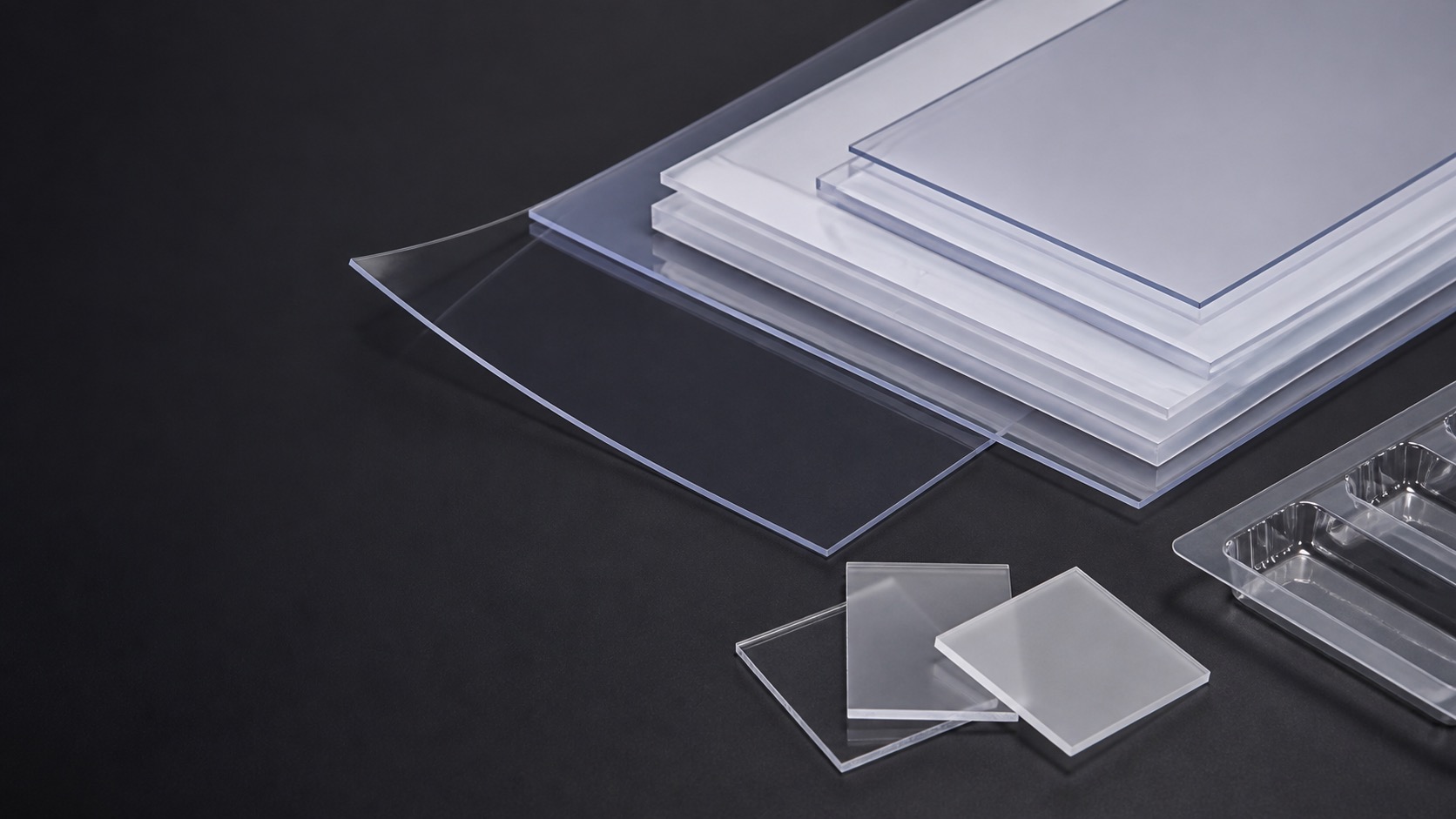
PS sheet is a rigid thermoforming material for trays, cups, lids, and inserts, not a flexible pouch laminate. Choose it when a formed part needs stiffness and shape stability; avoid it for retort processing or high-temperature filling.
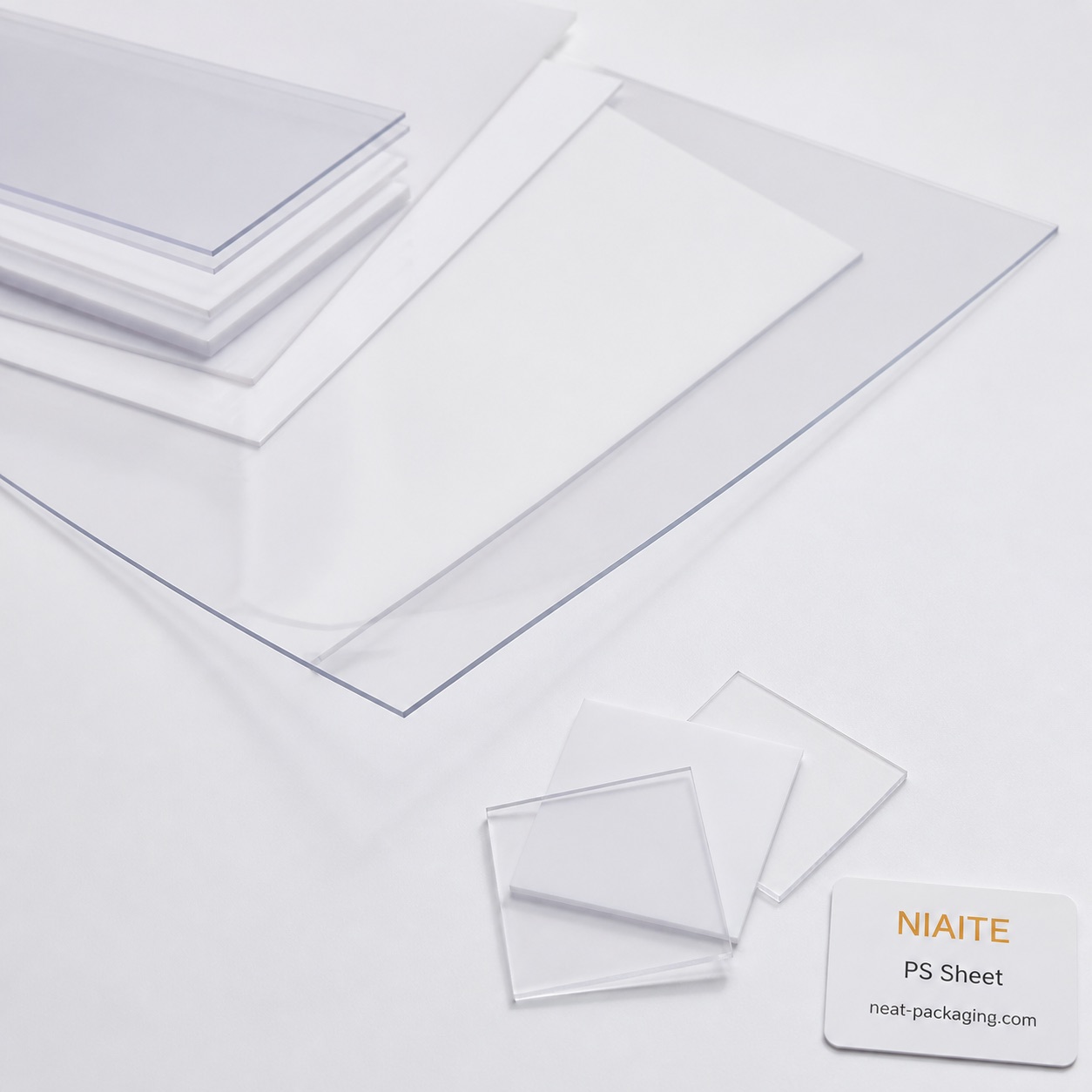
PS Sheet (Polystyrene Sheet) is a rigid substrate used for thermoformed trays, cups, lids, inserts, and protective packaging components.
It is selected around formability, stiffness, impact resistance, insulation, and compatibility with the final packed product and market requirements.
GMP-Style Production Controls
Partner facilities
ISO 9001-Style QC
Quality system
Shipping term coordination
DDP / FOB / CIF
Structure Review
Project-dependent options
A quick summary for buyers deciding whether a rigid formed part, rather than a flexible film, fits the project.
| Decision Factor | PS Sheet Guidance |
|---|---|
| Core advantage | Rigid sheet clarity and thermoforming compatibility |
| Barrier role | Application-specific; often used for formed trays or lids |
| Typical structures | PS sheet, laminated PS, thermoformed structures |
| Best-fit applications | trays, lids, thermoformed packaging |
| When to avoid | PS sheet is a thermoforming material for rigid and semi-rigid formats, not a flexible pouch laminate. Avoid it where the project needs a flexible pouch, retort processing, or high-temperature filling. |
| Buyer inputs to confirm | Formed part dimensions and draw depth, filling and sealing method including lidding film compatibility, stacking and transit load, and whether the destination market restricts the material. |
| Documentation support | FDA/EU material documentation and SGS third-party testing can be arranged by project scope. |
PS sheet is formed, not laminated into pouches. It usually works alongside a flexible lidding web.
PS/PE coextruded sheet is reviewed when a formed part must seal to a lidding film supplied as roll stock.
Dairy projects can combine a formed part with a lidding or roll-stock route.
If the pack can stay flexible, a thermoforming film route may suit better than rigid sheet.
General PS sheet covers trays, lids, and inserts; HIPS sheet is the impact-modified option.
PS sheet gives stiffness and dimensional control for formed parts.
Trays, cups, lids, and inserts are formed from sheet; pouches are not.
PS sheet supports impact resistance and insulation in food and retail formats.
Standard PS is not a high oxygen barrier; barrier sheet options are reviewed by project.
| Decision Point | PS sheet | Flexible pouch laminate |
|---|---|---|
| Format | Rigid or semi-rigid trays, cups, lids, inserts | Pouches, sachets, and roll stock |
| Conversion | Thermoforming, die cutting, lidding | Printing, lamination, slitting, pouch making |
| Heat process | Not for retort or high-temperature filling | Retort routes use retort-grade sealants, such as PET/AL/RCPP |
| Barrier | Not a high oxygen barrier without added layers | Set by the laminate stack: VMPET, foil, EVOH, or nylon |
If the pack needs to be heat-processed or does not need a rigid shape, review a flexible route such as retort packaging instead of a formed PS part.
Plain PS sheet covers general formed parts, HIPS adds impact modification, PS/PE coextruded sheet adds sealant compatibility, and barrier sheet options are reviewed by project.
| Structure | Best-fit Use | Barrier / Role | |
|---|---|---|---|
PS Sheet |
General thermoformed trays, lids, and inserts | Standard | Review Structure -> |
HIPS Sheet |
Impact-modified rigid packaging components | Standard | Review Structure -> |
PS / PE Coextruded Sheet |
Formed packs needing sealant compatibility | Project Based | Review Structure -> |
Barrier Sheet Options |
Thermoformed packs needing oxygen or aroma control | Project Based | Review Structure -> |
Representative guidance only. Final values depend on selected grade, laminate structure, pack format, and test requirements.
Typical Role
Rigid thermoforming substrate
Common Thickness
Project-specific sheet thickness; not pouch film gauge
Barrier Role
Standard PS is not a high oxygen barrier without added layers
Process Fit
Thermoforming, die cutting, lidding, and formed inserts
Common Formats
Trays, cups, lids, inserts, and rigid food packaging parts
Documentation
Food-contact files and testing support by project scope
PS parts follow different collection routes from flexible films, and some destination markets restrict the material. Confirm the market rules before the part design is fixed.
PS (Polystyrene) sheets are thermoformed into trays, lids, and containers for dairy, produce, and foodservice applications. Their excellent rigidity-to-weight ratio and thermoformability make them a cost-effective choice for high-volume packaging lines.
Plain PS sheet covers general trays, lids, and inserts. PS/PE coextruded sheet is reviewed when the formed pack has to seal to a lidding film. HIPS sheet is the impact-modified option for rigid components.
Formed part dimensions and draw depth, the filling and sealing method including lidding film, stacking and transit load, and the destination market. Food-contact files and testing support are arranged by project scope, and some markets restrict the material, so name the market early.
Tell us your product, target weight, and requirements.
We recommend materials, structure, and provide pricing.
Confirm details, approve artwork, and production begins.
QC checkpoints and shipment scope are confirmed by project.
NIAITE is a flexible packaging project support team working with selected partner factories; PS sheet structures are reviewed against your brief before sampling. Capacity Review by Project: production routing, order volume, and lead-time assumptions are checked for each confirmed project. DDP / FOB / CIF coordination can be reviewed by destination and project scope. See how projects are coordinated.
Updated:
Work with NIAITE for material review, sampling guidance, QC checkpoints, and export project coordination.
Recyclability and environmental benefits depend on local collection infrastructure, structure design, and supporting documentation. Contact us for application-specific guidance.