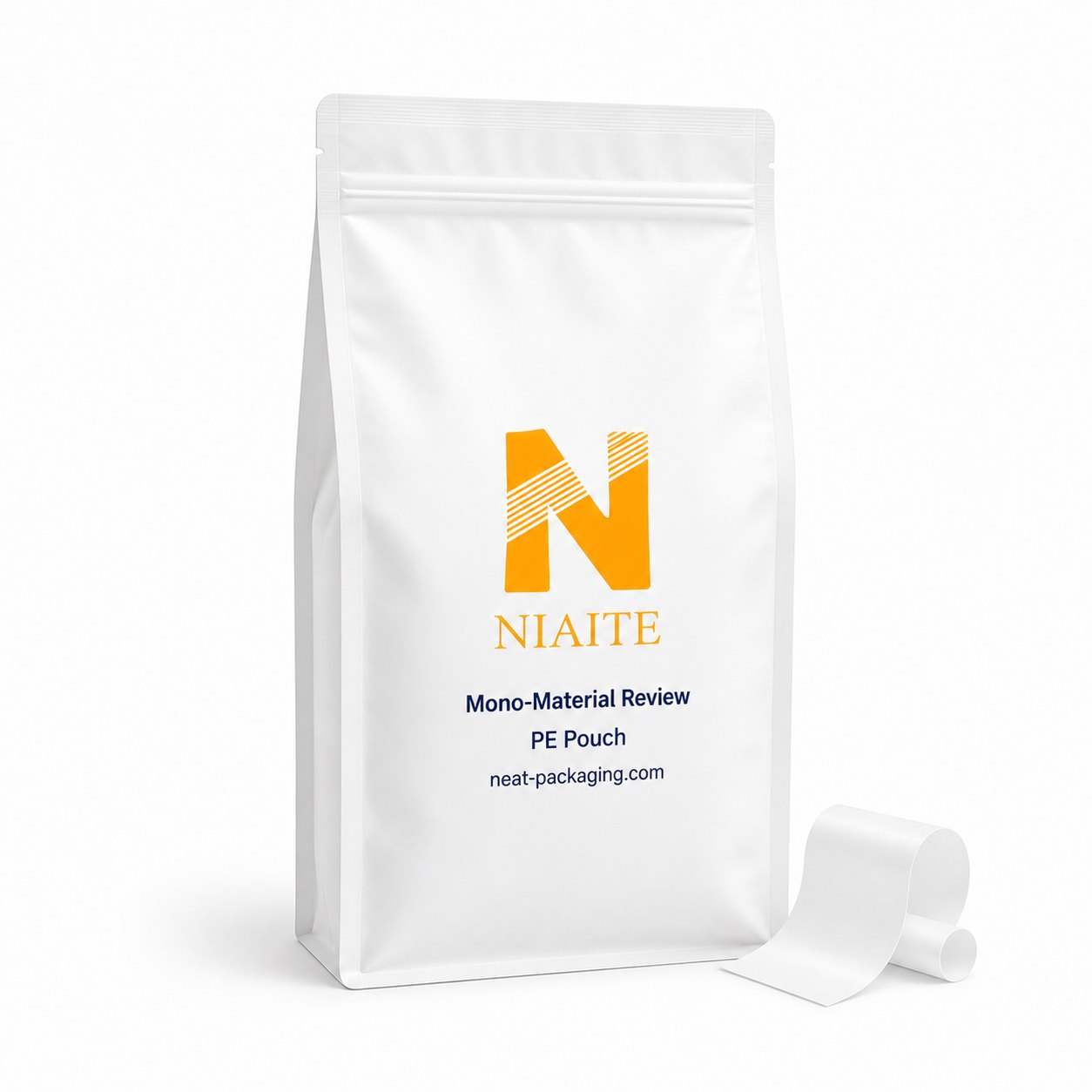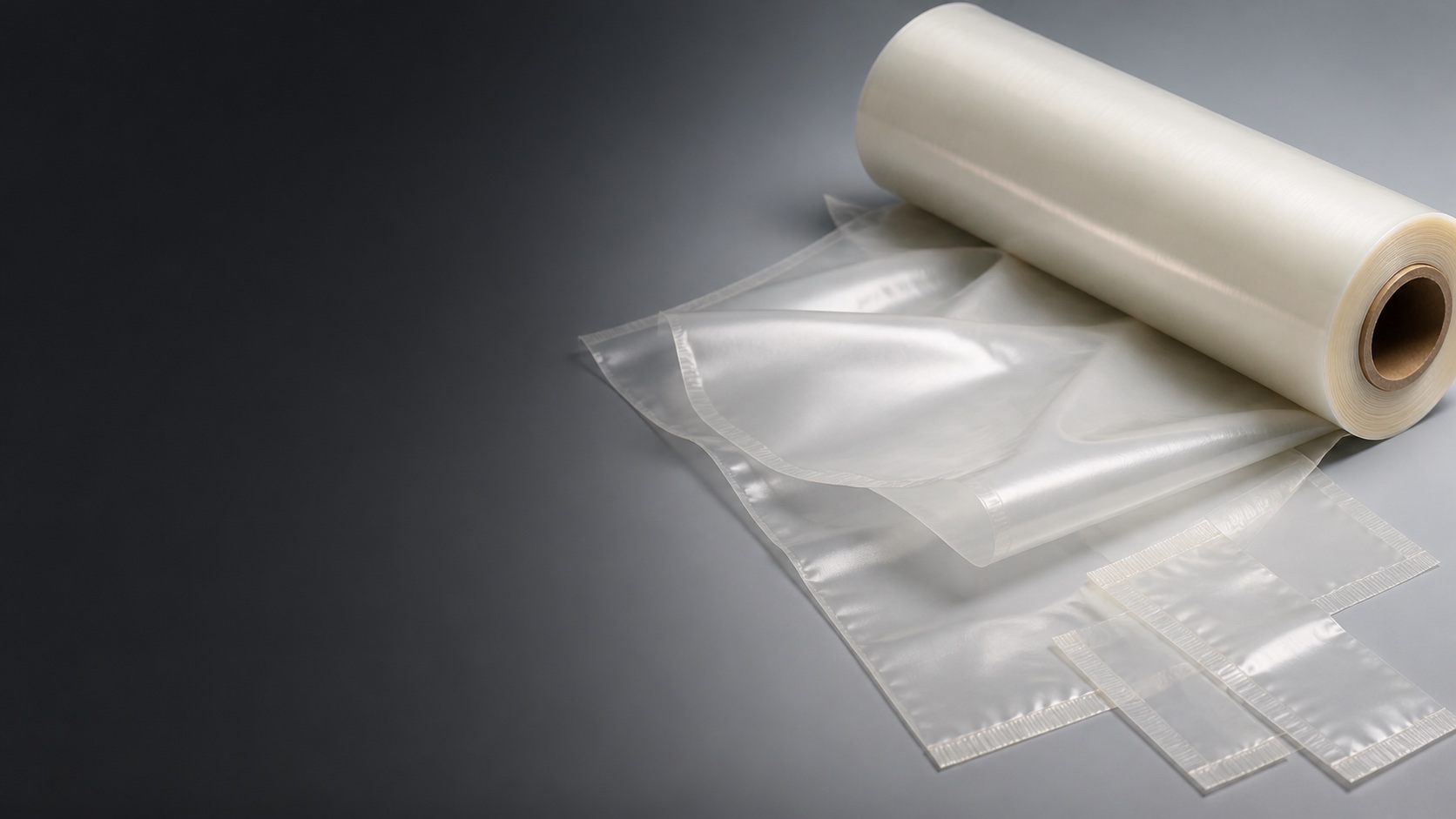
PE film is the inner heat-seal and product-contact layer in most pouch laminates. Choose it for reliable seals, moisture resistance, and PE-rich mono-material designs. It is not a high oxygen barrier and softens as temperature rises, so it is not a retort sealant.
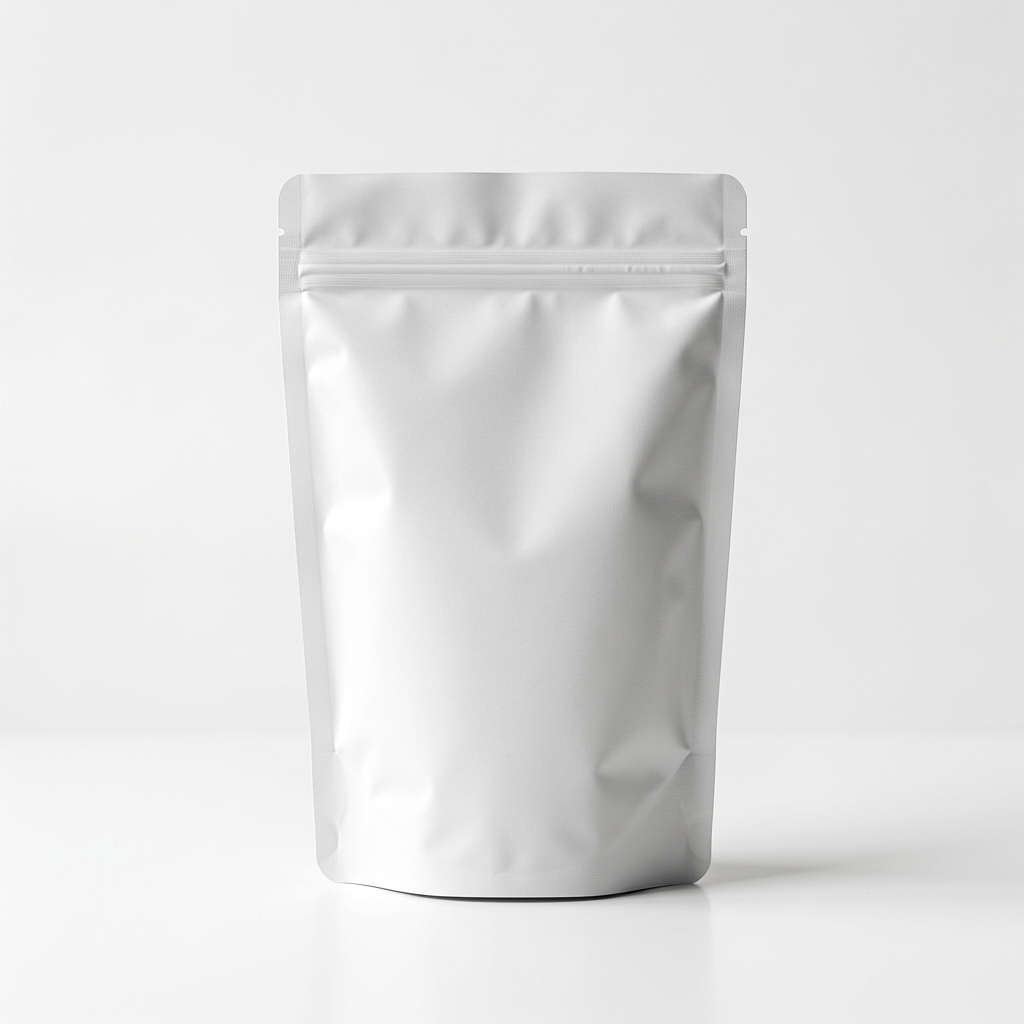
PE (Polyethylene) is usually specified as the inner sealant layer in flexible packaging structures.
LDPE, LLDPE, HDPE, and MDO-PE options are selected around seal strength, stiffness, clarity, filling conditions, and recyclability targets.
GMP-Style Production Controls
Partner facilities
ISO 9001-Style QC
Quality system
Shipping term coordination
DDP / FOB / CIF
Structure Review
Project-dependent options
How PE works as the sealant and product-contact layer, and where its limits sit.
| Decision Factor | PE Film Guidance |
|---|---|
| Core advantage | Flexible sealant layer with strong heat seal and puncture resistance |
| Barrier role | Moisture barrier; low oxygen barrier unless paired with barrier layers |
| Typical structures | PET/PE, MDO-PE/PE, PA/PE |
| Best-fit applications | sealant layers, mono-material pouches, frozen food |
| When to avoid | PE does not provide a high oxygen barrier and softens as temperature rises. Avoid PE-only structures for oxygen-sensitive, high-fat, or retort products, and do not read "PE" as automatically food-contact compliant — compliance follows the specific grade and its documentation, not the polymer name. |
| Buyer inputs to confirm | Packed product and fat content, target shelf life, the sealing temperature window on your filling line, whether a mono-material recyclable-ready structure is required, and the recovery stream actually available in the destination market. |
| Documentation support | FDA/EU material documentation and SGS third-party testing can be arranged by project scope. |
Almost every pouch has a sealant layer. These are the formats where the PE choice shapes the project most.
MDO-PE/PE structures support PE-based recyclable-design programs where the complete pack fits the target stream.
PET/PE is the general printed laminate, with PE carrying the seal and product contact.
PA/PE pairs the PE sealant with nylon for vacuum, frozen, and puncture-resistant packs.
PE sealant layers are specified for liquids and refill formats where seal integrity is the main risk.
PE grades are specified around hot tack, contamination tolerance, and line speed for powders, snacks, and liquids.
MDO-PE/PE and PE/EVOH/PE keep the structure PE-rich for programs that target PE recycling streams.
PE gives strong moisture resistance; oxygen protection comes from added layers when the product needs it.
Compliance follows the specific grade and its documentation, not the polymer name, so the grade is fixed with its files.
| Decision Point | PE | CPP |
|---|---|---|
| Typical role | Inner sealant and product-contact layer | Sealant film or functional polypropylene web |
| Heat process | Softens as temperature rises; avoid for retort | Retort-grade CPP is reviewed by process; standard CPP is not retort grade |
| Barrier role | Moisture barrier; oxygen barrier depends on added layers | Moisture support; oxygen barrier requires an added layer |
| Structure direction | MDO-PE/PE and PE-rich builds for PE streams | BOPP/CPP keeps a polypropylene-based build |
Stay with PE for routine heat sealing and PE-rich designs. Look at CPP film when a retort-grade sealant is required or clarity and stiffness from the sealant matter.
MDO-PE/PE is the PE-rich starting point, PET/PE the general printed laminate, PA/PE the tough option, and PE/EVOH/PE adds an oxygen barrier while staying PE-rich.
| Structure | Best-fit Use | Barrier / Role | |
|---|---|---|---|
MDO-PE / PE |
PE-based recyclable pouch direction | Standard | Review structure options -> |
PET / PE |
Printed laminate for general flexible packaging | Standard | Review structure options -> |
PA / PE |
Vacuum, frozen, and puncture-resistant packs | Medium | Review structure options -> |
PE / EVOH / PE |
PE-rich structure with oxygen barrier option | High | Review structure options -> |
Representative guidance only. Final values depend on selected grade, laminate structure, pack format, and test requirements.
Typical Role
Inner sealant and product-contact layer
Common Grades
LDPE, LLDPE, HDPE, MDO-PE, specialty sealants
Barrier Role
Strong moisture resistance; oxygen barrier depends on added layers
Seal Behavior
Specified around hot tack, contamination tolerance, and line speed
Recyclability Path
PE-rich structures can be reviewed for local recycling streams
Documentation
Resin declarations and migration testing support by project scope
PE-rich and mono-PE structures can be designed for recyclability where local recycling streams accept the structure. Inks, closures, barrier coatings, and product residue still decide the outcome.
For an application example, review the mono-material pet food bags guide, including dry-food fit, barrier, closure, filled-pack testing, and destination-program checks.
PE (Polyethylene) is a widely used sealant layer in flexible packaging laminates. Mono-PE structures can support PE-based recyclable-ready designs where the complete pack fits the target program; LDPE, LLDPE, and HDPE grades are specified around seal strength, clarity, stiffness, filling, and product-protection requirements.
By function, not by name. Grades are selected around seal strength, stiffness, clarity, filling conditions, and recyclability targets. In an MDO-PE/PE structure the oriented MDO-PE web gives the print face and stiffness, while the inner PE grade carries the seal. Share your line's sealing window and the packed product so the grade can be matched.
No. Compliance follows the specific grade and its documentation, not the polymer name. Resin declarations, supplier declarations, and migration testing support can be arranged by project scope for the destination market.
Tell us your product, target weight, and requirements.
We recommend materials, structure, and provide pricing.
Confirm details, approve artwork, and production begins.
QC checkpoints and shipment scope are confirmed by project.
NIAITE is a flexible packaging project support team working with selected partner factories; PE structures are reviewed against your brief before sampling. Capacity Review by Project: production routing, order volume, and lead-time assumptions are checked for each confirmed project. DDP / FOB / CIF coordination can be reviewed by destination and project scope. See how projects are coordinated.
Updated:
Work with NIAITE for material review, sampling guidance, QC checkpoints, and export project coordination.
Recyclability and environmental benefits depend on local collection infrastructure, structure design, and supporting documentation. Contact us for application-specific guidance.