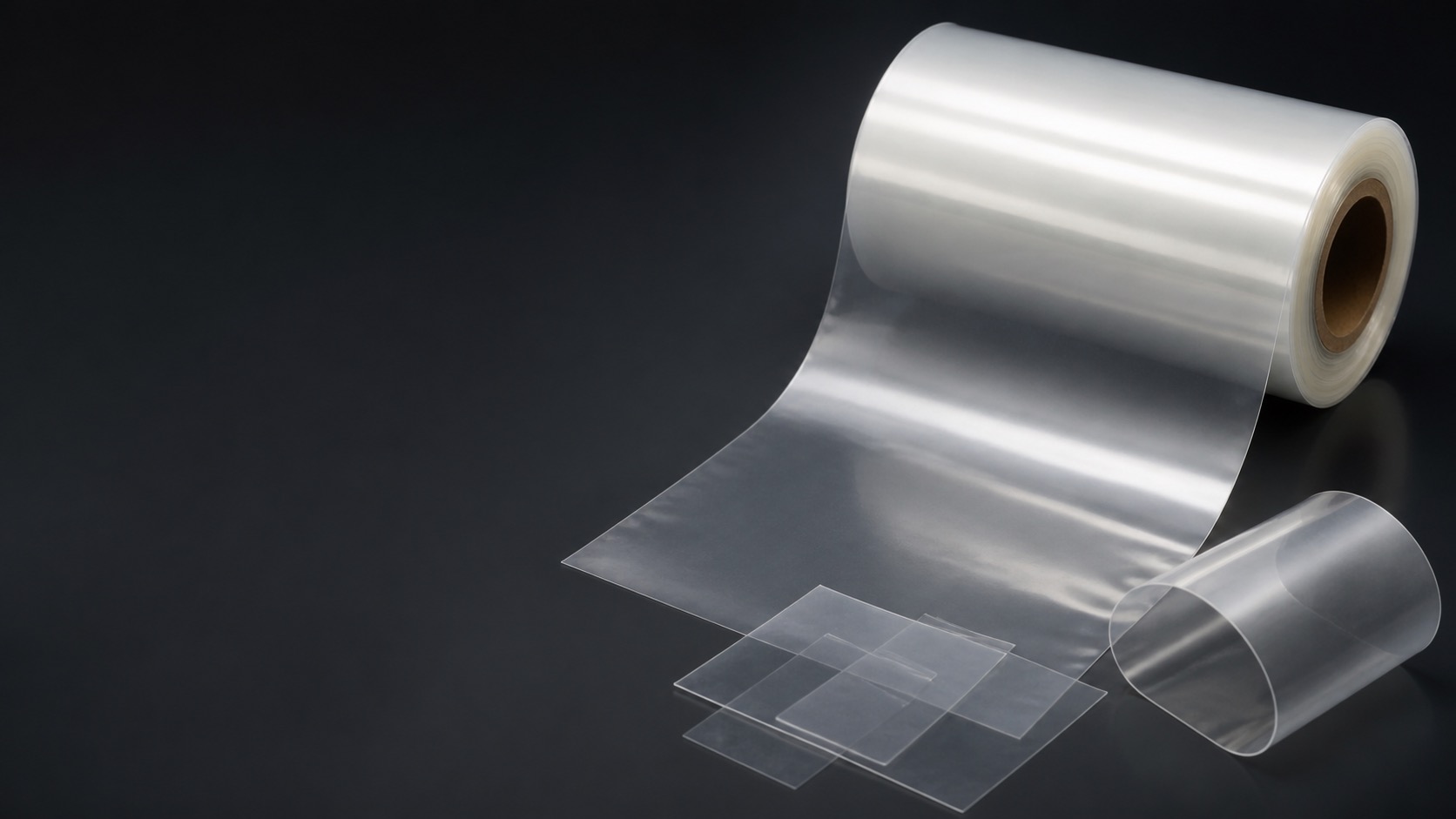
CPP film is a cast polypropylene sealant or functional layer in laminates such as BOPP/CPP and PET/AL/RCPP. Choose it for clarity, stiffness, and heat sealing, and match the grade to the process: standard, metallized, and retort-grade CPP are not interchangeable.
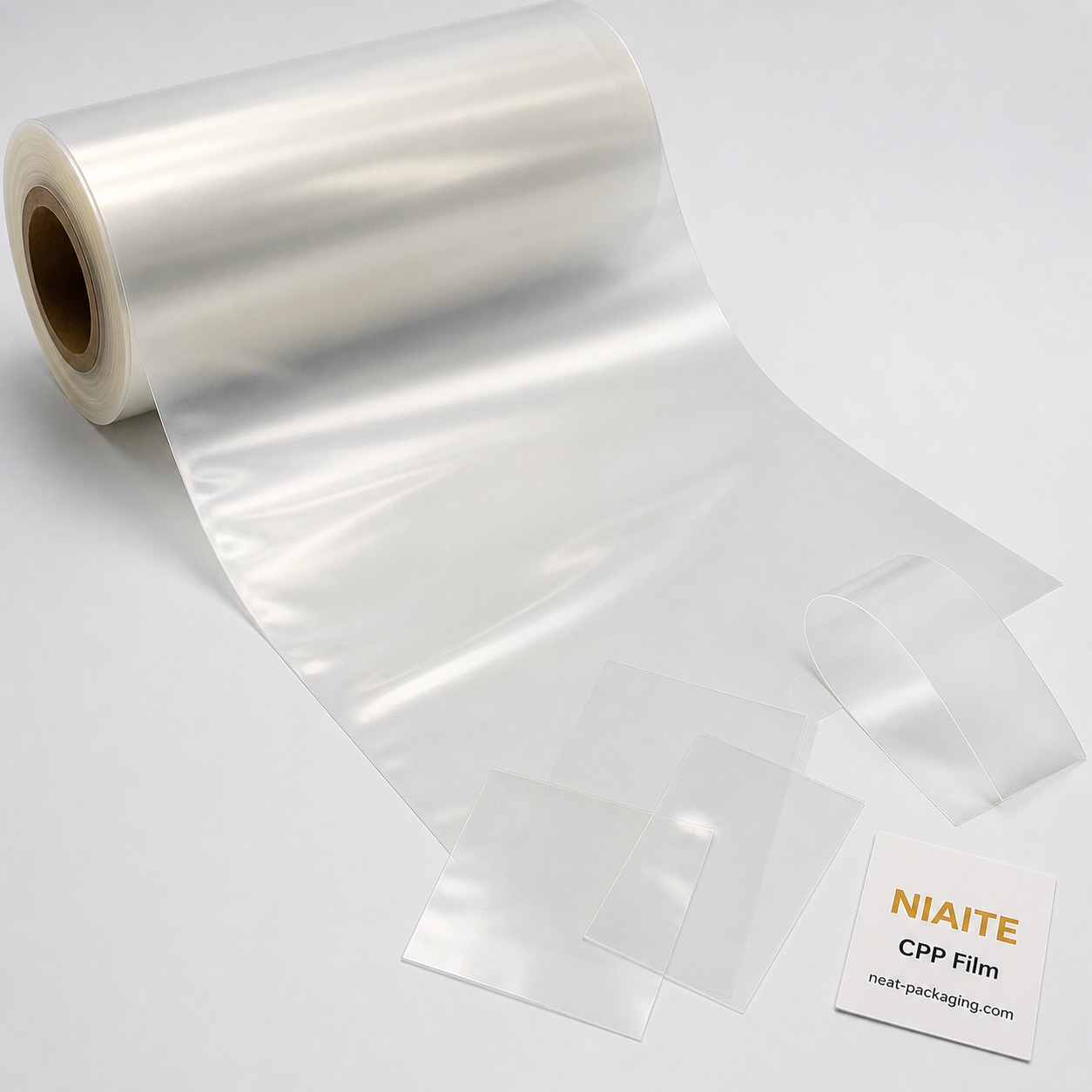
CPP (Cast Polypropylene) is used as a sealant or functional web where clarity, stiffness, and heat sealing are important.
Standard CPP, metallized CPP, and retort-grade CPP are selected around filling temperature, sterilization process, and final structure requirements.
GMP-Style Production Controls
Partner facilities
ISO 9001-Style QC
Quality system
Shipping term coordination
DDP / FOB / CIF
Structure Review
Project-dependent options
How CPP grades differ as sealant layers, and why the thermal process has to be confirmed first.
| Decision Factor | CPP Film Guidance |
|---|---|
| Core advantage | Excellent heat sealability, clarity, and retort-grade options |
| Barrier role | Moisture barrier; retort CPP supports high heat structures |
| Typical structures | BOPP/CPP, PET/CPP, PET/AL/RCPP |
| Best-fit applications | retort pouches, snack films, flow wrap |
| When to avoid | Standard CPP is not retort grade, and clarity grades and retort grades are not interchangeable. Avoid general-purpose CPP wherever the confirmed thermal process runs above the grade's rating — the mismatch shows up as seal failure or delamination during processing, not at specification. |
| Buyer inputs to confirm | Confirmed retort or hot-fill schedule (temperature and hold time), packed product, seal strength target, and whether clarity or barrier takes priority in the finished pack. |
| Documentation support | FDA/EU material documentation and SGS third-party testing can be arranged by project scope. |
CPP is chosen by grade. Each of these formats points to a different one.
Retort-grade CPP (RCPP) is the sealant in PET/AL/RCPP and PET/PA/RCPP when the heat process requires it.
BOPP/CPP is the common clear build for snack, confectionery, and dry-food packs.
CPP sealant layers are used in flow-wrapped formats on high-throughput lines.
PET/CPP is used for clear printed pouches and lidding structures supplied as roll stock.
CPP combines transparency and stiffness with reliable sealing in polypropylene-based structures.
Retort-grade CPP is specified only after the filling temperature and sterilization schedule are known.
BOPP/CPP keeps both webs in polypropylene for snack and confectionery packs.
General, metallized, and retort-grade CPP are matched to the final structure requirement.
| Decision Point | CPP | PE |
|---|---|---|
| Common grades | General, metallized, retort-grade | LDPE, LLDPE, HDPE, MDO-PE, specialty sealants |
| Heat process | Grade-dependent; retort options reviewed by process | Softens as temperature rises; avoid for retort |
| Appearance | Clarity and stiffness for display packs | Grades selected for seal strength, clarity, and stiffness |
| Structure direction | Polypropylene-based builds such as BOPP/CPP | PE-rich builds such as MDO-PE/PE |
Choose CPP when a retort-grade sealant is required or the sealant must add clarity and stiffness. Stay with PE film for routine heat sealing and PE-rich mono-material directions.
PET/CPP and BOPP/CPP use general grades, PET/AL/CPP adds a foil barrier, and PET/PA/RCPP relies on a retort-grade CPP when the heat process requires it.
| Structure | Best-fit Use | Barrier / Role | |
|---|---|---|---|
PET / CPP |
Clear printed pouches and lidding structures | Standard | Review Structure -> |
BOPP / CPP |
Snack, confectionery, and dry-food packaging | Standard | Review Structure -> |
PET / AL / CPP |
High barrier packs with CPP sealant layer | High | Review Structure -> |
PET / PA / RCPP |
Retort-ready structures when heat process requires it | High | Review Structure -> |
Representative guidance only. Final values depend on selected grade, laminate structure, pack format, and test requirements.
Typical Role
Sealant film or functional polypropylene web
Common Grades
General CPP, metallized CPP, retort-grade CPP
Barrier Role
Moisture support; oxygen barrier requires added layer
Heat Resistance
Grade-dependent; retort options reviewed by process
Common Pairings
PET, BOPP, aluminum foil, nylon, VMPET
Documentation
Food-contact files and testing support by project scope
CPP is polypropylene, so pairing it with BOPP keeps a PP-based build; foil, PET, or nylon layers make the laminate multi-material. Recovery depends on the full stack and local collection.
CPP (Cast Polypropylene) serves as a heat-seal layer in laminate structures for snack packaging, textile wraps, and general-purpose flexible pouches. Garment and accessory pack formats are covered on the apparel packaging page. Its low seal initiation temperature and excellent clarity make it ideal for high-throughput sealing operations.
Standard CPP covers clear printed pouches and snack structures. Metallized CPP is a functional option within the final structure. Retort-grade CPP is reviewed only when the confirmed heat process requires it. The grades are not interchangeable.
The retort or hot-fill schedule (temperature and hold time), the packed product, the seal strength target, and whether clarity or barrier takes priority. A grade mismatch shows up as seal failure or delamination during processing. Food-contact files and testing support for the chosen grade are arranged by project scope.
Tell us your product, target weight, and requirements.
We recommend materials, structure, and provide pricing.
Confirm details, approve artwork, and production begins.
QC checkpoints and shipment scope are confirmed by project.
NIAITE is a flexible packaging project support team working with selected partner factories; CPP structures are reviewed against your brief before sampling. Capacity Review by Project: production routing, order volume, and lead-time assumptions are checked for each confirmed project. DDP / FOB / CIF coordination can be reviewed by destination and project scope. See how projects are coordinated.
Updated:
Work with NIAITE for material review, sampling guidance, QC checkpoints, and export project coordination.
Recyclability and environmental benefits depend on local collection infrastructure, structure design, and supporting documentation. Contact us for application-specific guidance.