Single-serve sachet and stick pack packaging for powder, liquid, condiment, and cosmetic sample projects that need tear notch, seal width, multi-lane dosing, and print registration control.
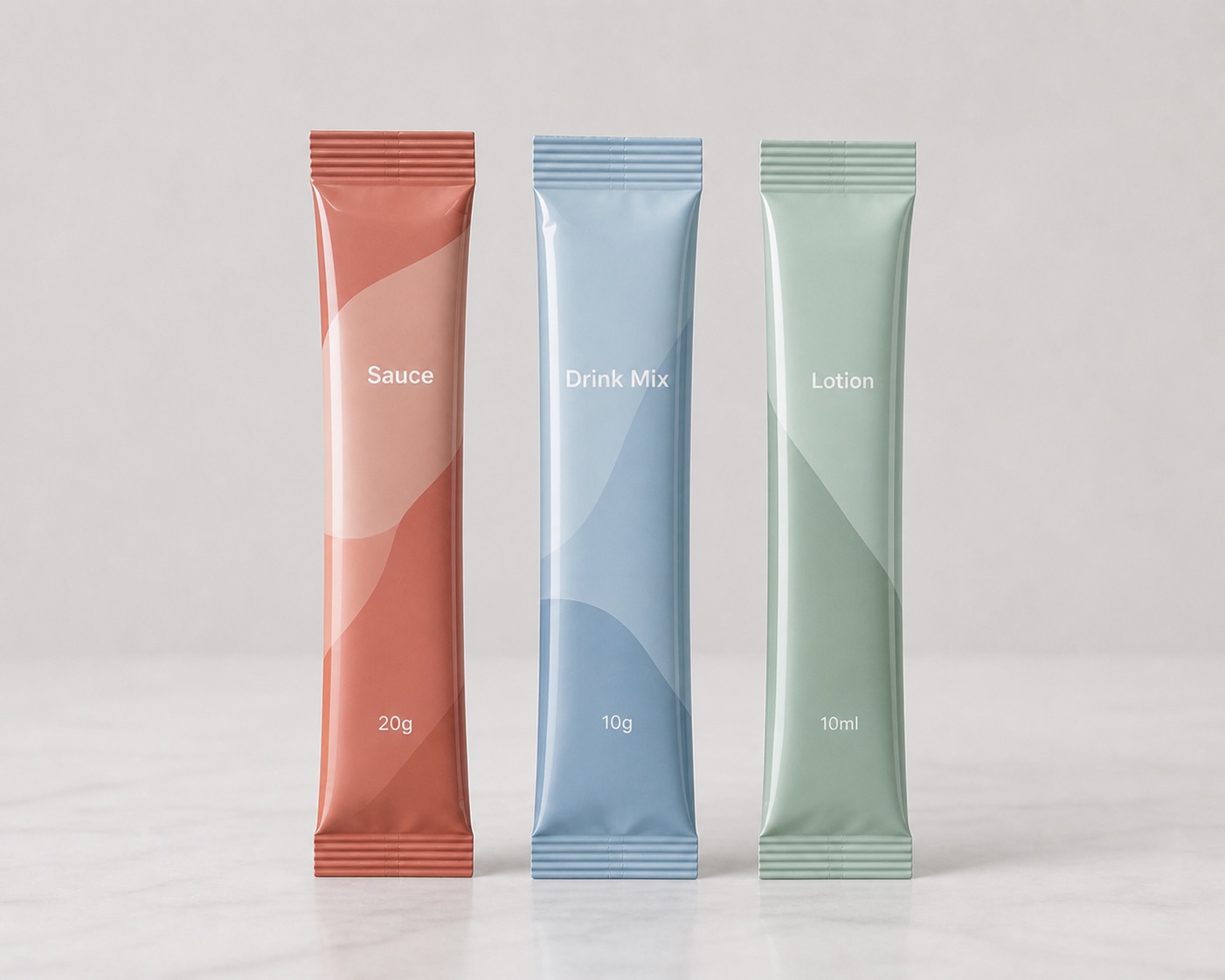
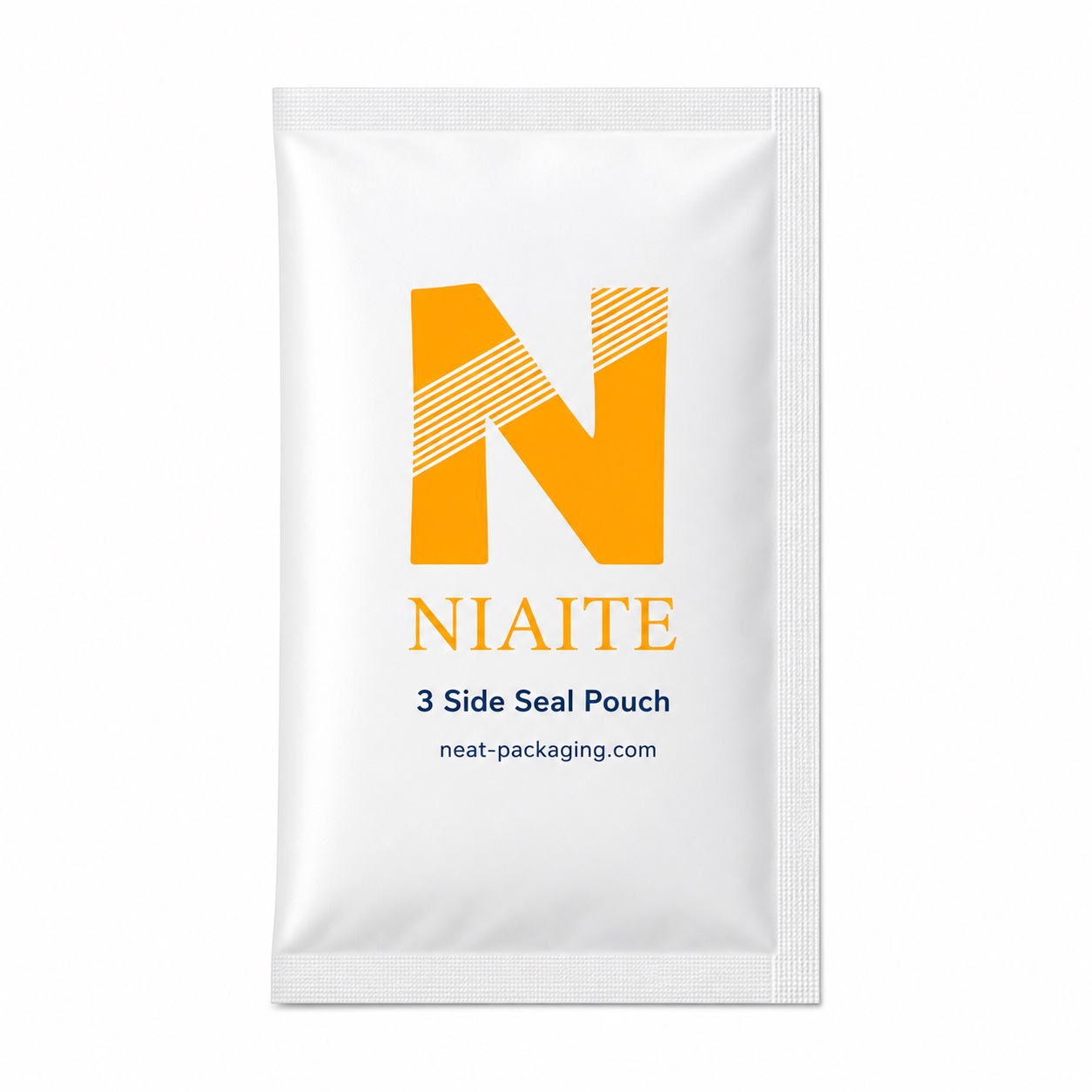
Our Single Serve Sachet Packaging covers single-serve sachet, stick pack, and three-side-seal sachet formats for powder, liquid, condiment, and cosmetic sample launches.
We review seal width, tear notch, multi-lane dosing, print registration, roll stock film, MOQ, and sample approval before production.
Production Traceability
Batch records
ISO 9001-Style QC
Quality system
Shipping term coordination
DDP / FOB / CIF
Material Review
Project-specific structures
Common sachet applications include drink mixes, condiments, cosmetics, liquids, powders, supplements, and honey or syrup products. Explore all market solutions .
Portion sachets and stick packs are compact, easy to open, and practical for controlled single-use dosing. When two components or flavors need to stay connected until use, compare twin separable dual-pack pouches.
Roll stock film can be specified for multi-lane packing lines, helping align dosing, seal width, and output targets.
Sachet dimensions, tear notch position, seal width, artwork, and print registration are tailored to the filling line.
Food-contact declarations, resin information, and test reports can be reviewed according to the confirmed structure and destination.
Choose the right material structure based on your product's barrier, durability, and shelf-life requirements.
| Structure | Application | Barrier Level |
|---|---|---|
PET / PE
|
Standard structure for general products | Standard |
PET / VMPET / PE
|
Metallized barrier for extended shelf life | Medium |
PET / AL / PE
|
High barrier with aluminum foil | High |
PET / NY / PE
|
Puncture resistant for heavy products | High |
Kraft / AL / PE
|
Natural look with high barrier | High |
Mono PE
|
Recyclable mono-material structure | Standard |
A transparent look at how we build structural integrity into every Single Serve Sachet Packaging. Visit our material guide for more details.
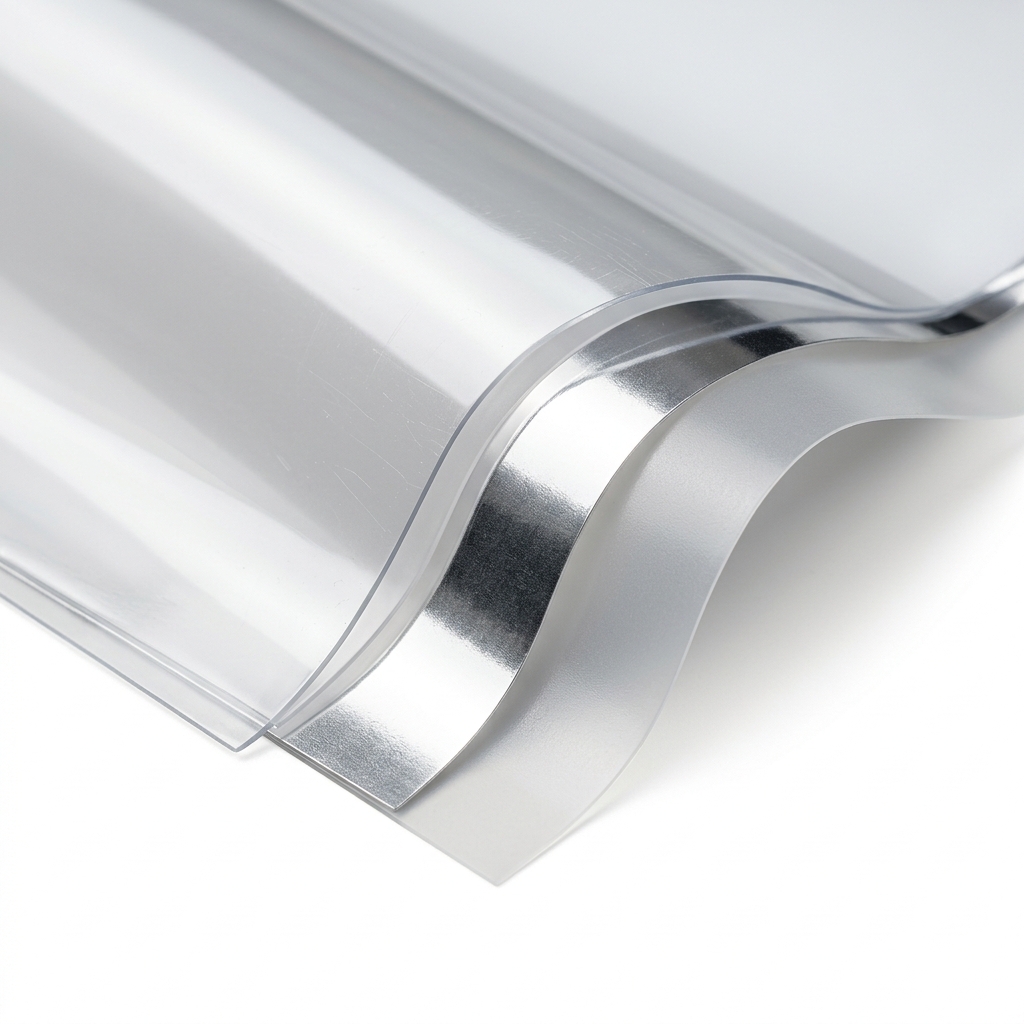
Printable PET supports artwork, registration marks, varnish or matte finish, and the outer handling surface.
Barrier film is selected around moisture, aroma, grease, light, and shelf-life targets for the packed product.
Adhesive bonds the print web, barrier option, and sealant into one stable laminate after curing and testing.
PE sealant is reviewed for heat-seal window, jaw temperature, dwell time, COF, filling conditions, and pack format.
Film web width, eye marks, unwind direction, and roll core details can be aligned with your sachet packing line.
Precision tear notch systems include standard, linear, dot notches, and laser score options for clean opening.
Artwork layout, registration marks, color plan, and per-sachet repeat length are checked before plate or cylinder release.
Material declarations, compatibility notes, sample approval records, and third-party testing support can be arranged by project scope.
Representative inputs. Actual values depend on material structure, packing-line capability, product viscosity or particle size, and customization.
Film Structure
Project-specific PET/PE, PET/VMPET/PE, PET/AL/PE, or paper laminate
Packing Line
Multi-lane VFFS or stick pack line details reviewed before film approval
Fill Weight
Project-specific dosing target for powder, liquid, condiment, or cosmetic sample packs
Tear Opening
Easy-tear notch (standard or laser score)
Barrier Target
Barrier level selected by product sensitivity and shelf-life requirement
Printing
Project-specific print registration, repeat length, and color plan
Single-serve vitamin C powder bright matte three-side-seal sachet
Premium instant coffee stick minimal matte elongated sachet
Electrolyte drink mix sporty matte single-serve tear-notch sachet

Facial essence sample luxury matte pearl single-use cosmetic sachet
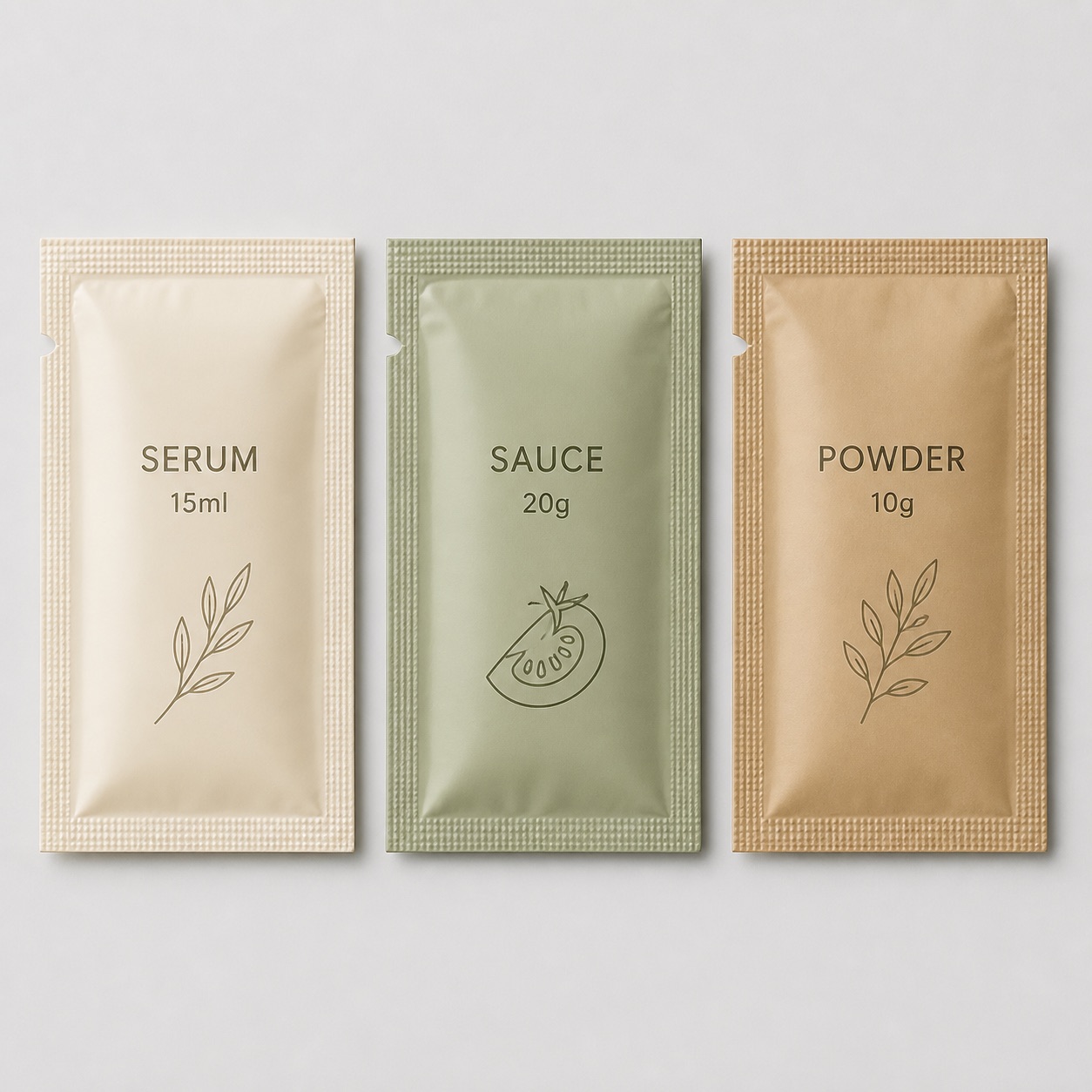
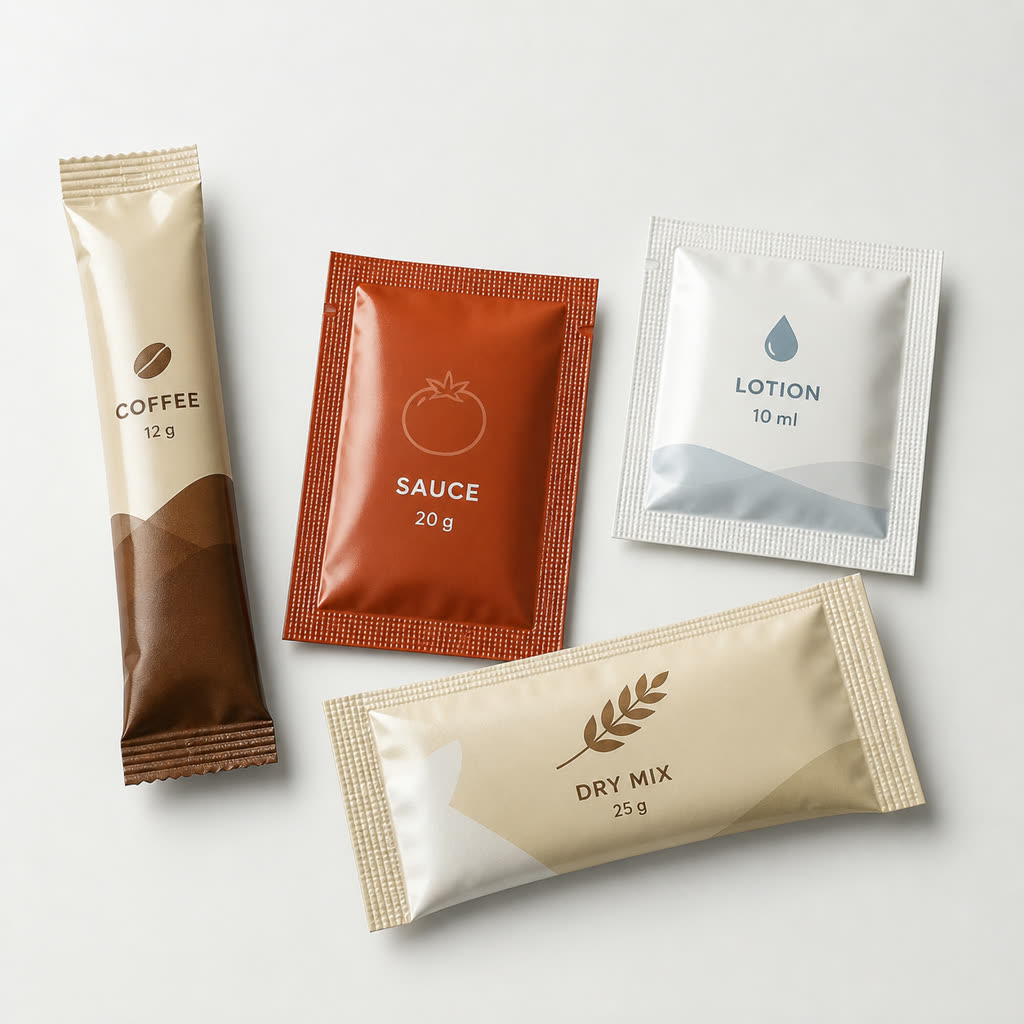
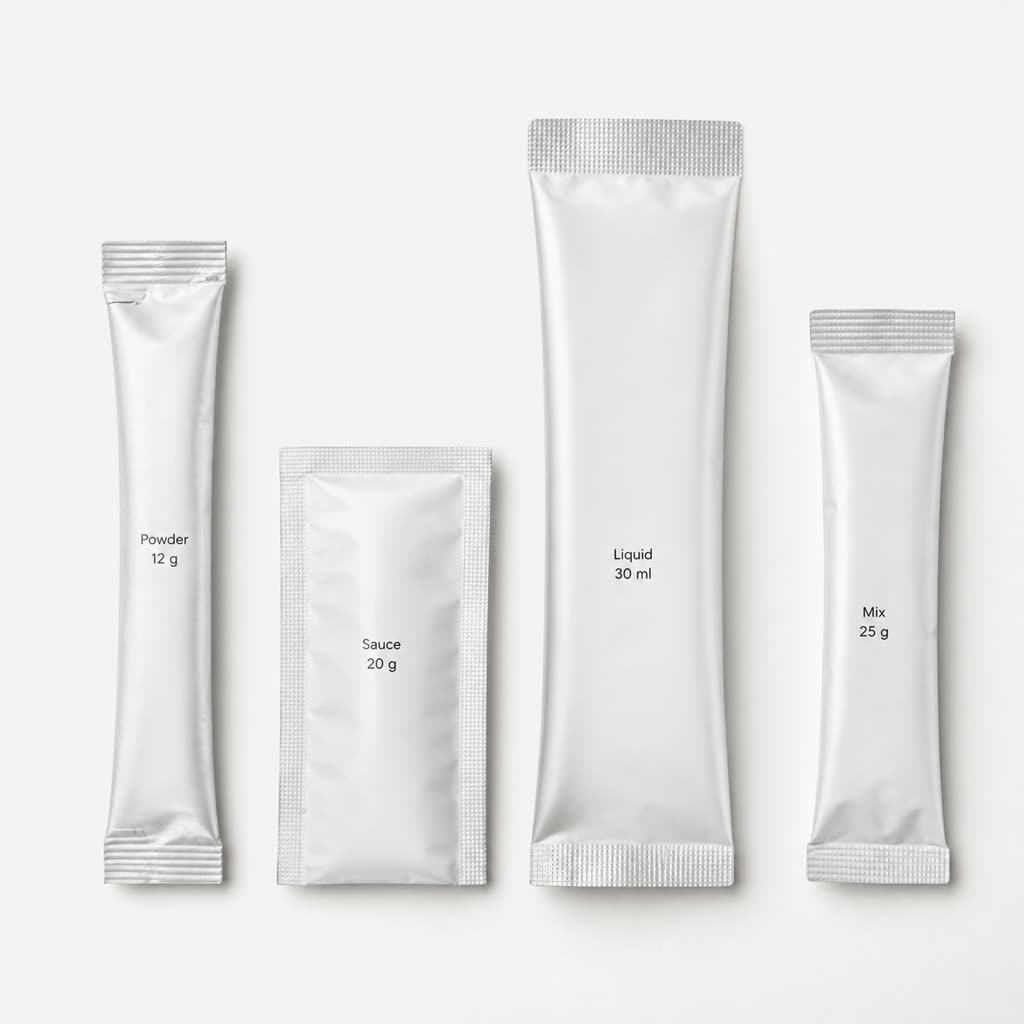
Use these photos as format references. Final size, structure, print layout, and testing scope are reviewed against your product, filling method, and target market.
Lower-impact structure options can be reviewed when the product, filling process, target market, and recovery route support them.
Single-serve sachet, stick pack, and three-side-seal sachet formats are commonly reviewed for powder, liquid, condiment, and cosmetic sample projects. The final film structure depends on the product, filling line, seal width, and barrier target.
Yes. Size, fill weight, seal width, tear notch, artwork, print registration, roll stock film, material structure, MOQ, and sample approval steps can be confirmed before production.
Food-contact declarations, resin information, migration testing scope, compatibility notes, and third-party reports can be reviewed according to the selected structure and destination market.
Batch records, incoming material checks, and production QC notes support traceability for sachet and stick pack orders.
Quality records, material declarations, and third-party reports can be reviewed by project scope.
DDP / FOB / CIF coordination can be reviewed by destination and project scope.
Project-level recyclable-ready or lower-impact structures can be reviewed where the final specification supports them.
Project support for material review, artwork coordination, sampling, and production follow-up within the agreed scope.
Production routing, order volume, lead-time assumptions, and capacity fit are reviewed for each confirmed project.
Tell us your product, target weight, and requirements.
We recommend materials, structure, and provide pricing.
Confirm details, approve artwork, and production begins.
QC checkpoints and shipment scope are confirmed by project.
Common issues we help single-serve sachet buyers avoid during project coordination.
A tear notch that is too shallow makes the sachet difficult to open by hand; too deep and it tears prematurely during handling or transit. Notch position also matters—placed too far from the corner, it creates a ragged tear that spills product.
Single-serve sachets run on high-speed multi-lane machines where even small dosing drift is multiplied across thousands of units per hour. Without validated fill-weight checks per lane, some sachets will be underfilled while others burst from overfill.
On small-format sachets, the seal area competes directly with usable fill space. Specifying seal width too narrow compromises barrier integrity; too wide and the usable interior volume drops below the required fill amount, forcing a format size increase.
Regulatory text, ingredient lists, and dosing instructions that are legible on a full-size mockup can become unreadable when scaled to sachet dimensions. Font sizes, line weights, and contrast ratios must be validated on actual-size print proofs, not screen previews.
Multi-lane sachet machines produce several sachets in parallel. Lane-to-lane variation in seal pressure, fill timing, or film tension can create inconsistent sachet quality across the same production run, making some lanes produce weaker seals or different fill weights.
Updated:
Work with NIAITE for material review, sampling guidance, QC checkpoints, and export project coordination.