Frozen dessert packaging for ice cream wrappers, bar wrappers, cone sleeves, sandwich wraps, multipack bags, and lidding film. Structures are reviewed for cold-chain packaging, low-temperature sealant, freezer-grade ink adhesion, and food-contact documentation.
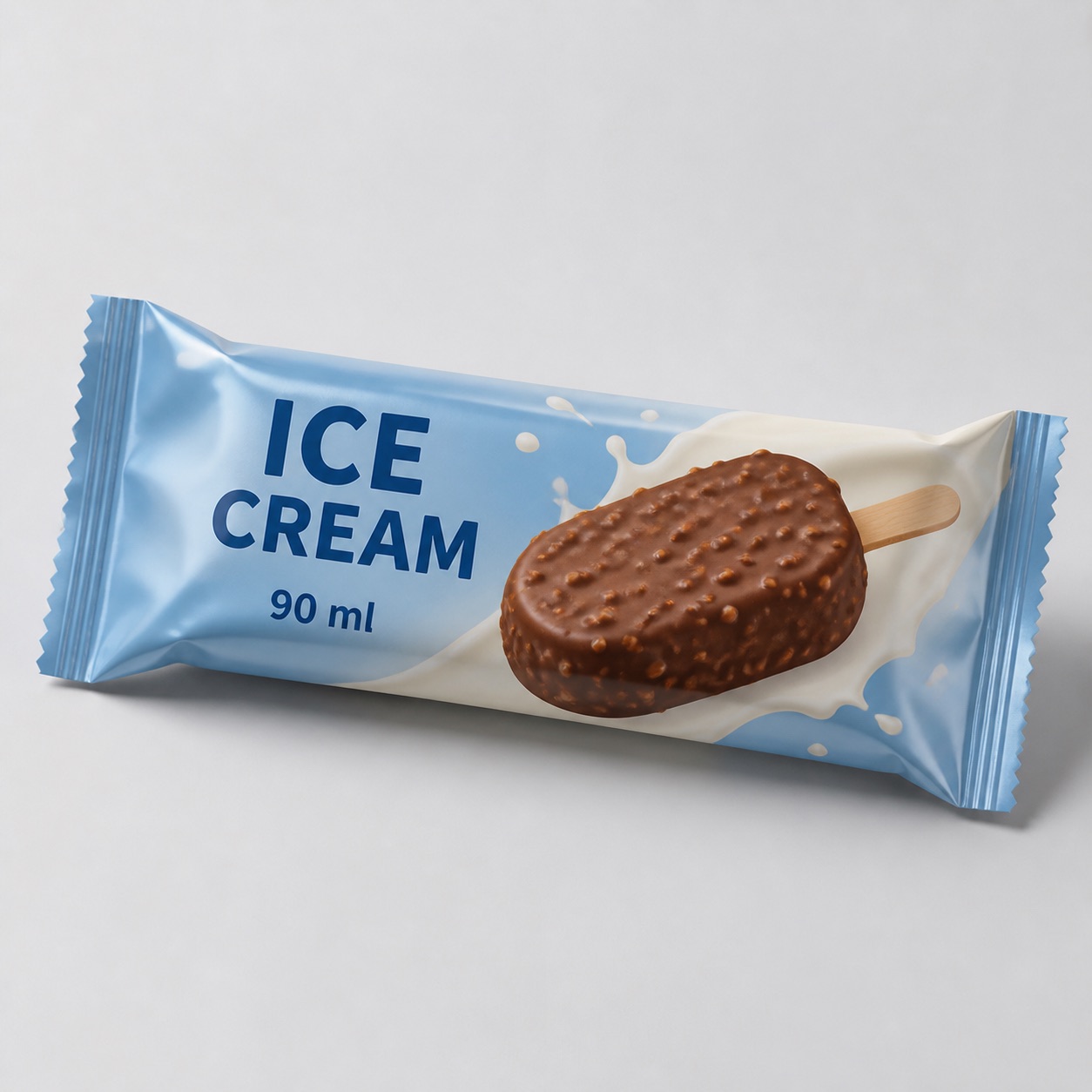
Frozen dessert packaging must keep print, seal, and stiffness stable through freezer display, carton handling, and cold-chain distribution.
We help review bar wrappers, cone sleeves, multipack bags, roll stock, and lidding film for low-temperature sealant behavior, freezer-grade ink adhesion, and food-contact documentation scope.
GMP-Style Production Controls
Partner facilities
ISO 9001-Style QC
Quality system
Shipping term coordination
DDP / FOB / CIF
Recyclable-ready review
Project-specific structures
Ice cream and frozen dessert projects should be separated by pack format, sealing method, freezer handling, and artwork durability. Explore all market solutions .
Film stiffness, scuff resistance, and seal behavior are reviewed for cold storage, carton handling, and freezer display.
Roll stock, bar wrappers, cone sleeves, lidding film, and multipack bags can be matched to the filling and wrapping equipment.
Ink system, lamination, and surface finish can be reviewed for freezer-grade ink adhesion and retail scuff resistance.
Material declarations, traceability records, migration testing needs, and COA scope can be reviewed by project.
Choose the right material structure based on wrapper format, cold-chain route, seal window, print durability, and food-contact documentation scope.
| Structure | Application | Barrier Level |
|---|---|---|
PET / PE
|
Bar wrappers, cone sleeves, sandwich wraps, and freezer display pouches | Standard |
PET / VMPET / PE
|
Aroma, grease, and moisture barrier review for frozen dessert packaging | Medium |
PET / AL / PE
|
Higher-barrier option for specialty frozen dessert packs | High |
PET / NY / PE
|
Tougher structures for multipack bags and carton handling | High |
Kraft / AL / PE
|
Paper-look option where freezer handling and barrier needs are confirmed | High |
Mono PE
|
Mono-material review where seal, stiffness, and local recovery streams allow | Standard |
A transparent look at how ice cream packaging layers can support print protection, barrier control, and low-temperature sealant behavior. Visit our material guide for more details.
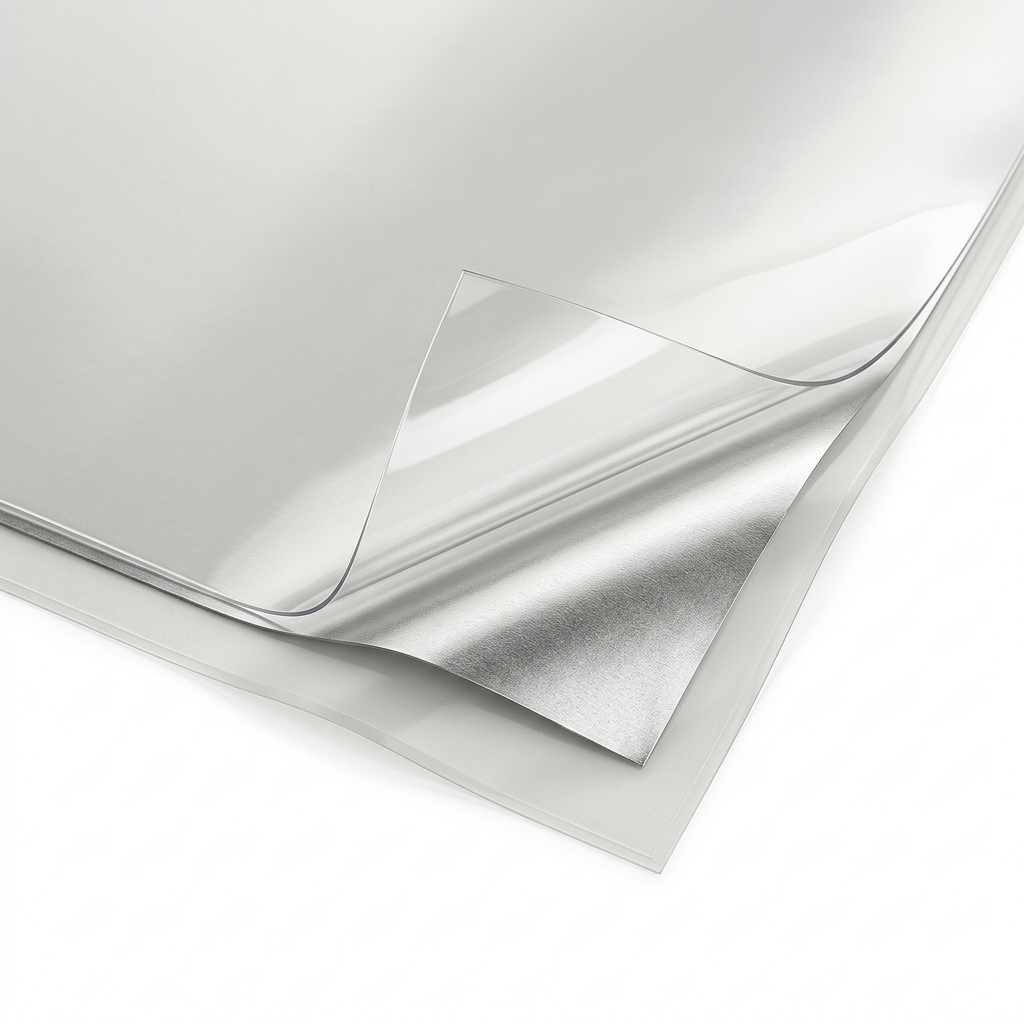
Printable PET supports artwork, registration marks, varnish or matte finish, and the outer handling surface.
Barrier film is selected around moisture, aroma, grease, light, and shelf-life targets for the packed product.
Adhesive bonds the print web, barrier option, and sealant into one stable laminate after curing and testing.
PE sealant is reviewed for heat-seal window, jaw temperature, dwell time, COF, filling conditions, and pack format.
Multipack orientation, carton packout, freezer case visibility, and retail handling details can be reviewed by project.
Tear notch, laser score, roll direction, registration marks, and cut-off length are aligned with the wrapping line.
Matte, gloss, opaque, and windowed areas are reviewed against freezer display, ink adhesion, and barrier targets.
Seal checks, freezer handling review, print rub review, filling-line feedback, and food-contact documentation can be coordinated by project.
Representative parameters. Actual values depend on material structure and customization.
Film Thickness
Reviewed by wrapper format, line speed, product size, and stiffness target
Cold-Chain Review
Project-specific freezer storage, distribution, and display handling review
Seal Integrity
Seal window and low-temperature sealant selected by wrapping line
Format Options
Bar wrappers, cone sleeves, sandwich wraps, multipack bags, and lidding film
Barrier Review
Moisture, aroma, grease, light, and ice crystal abrasion reviewed by project
Printing
Color count, varnish, and freezer-grade ink adhesion reviewed by artwork
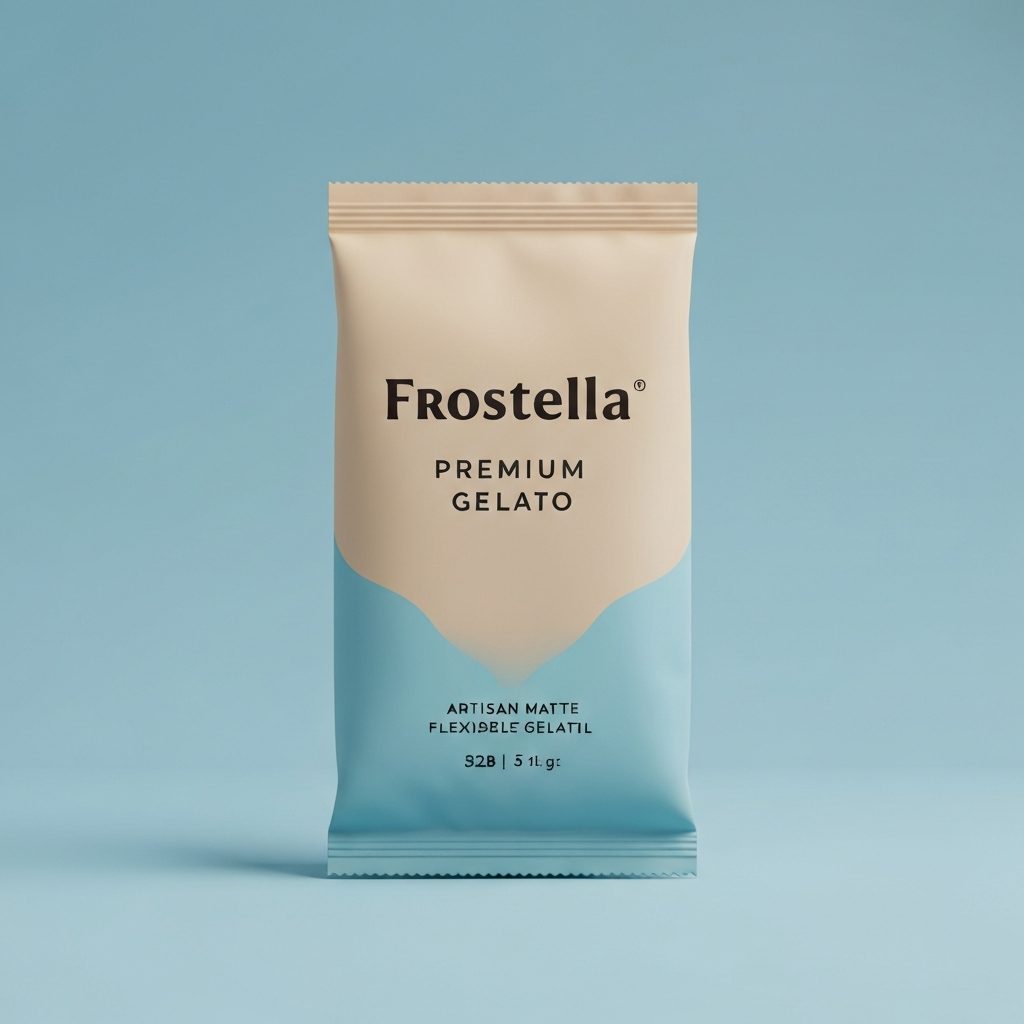
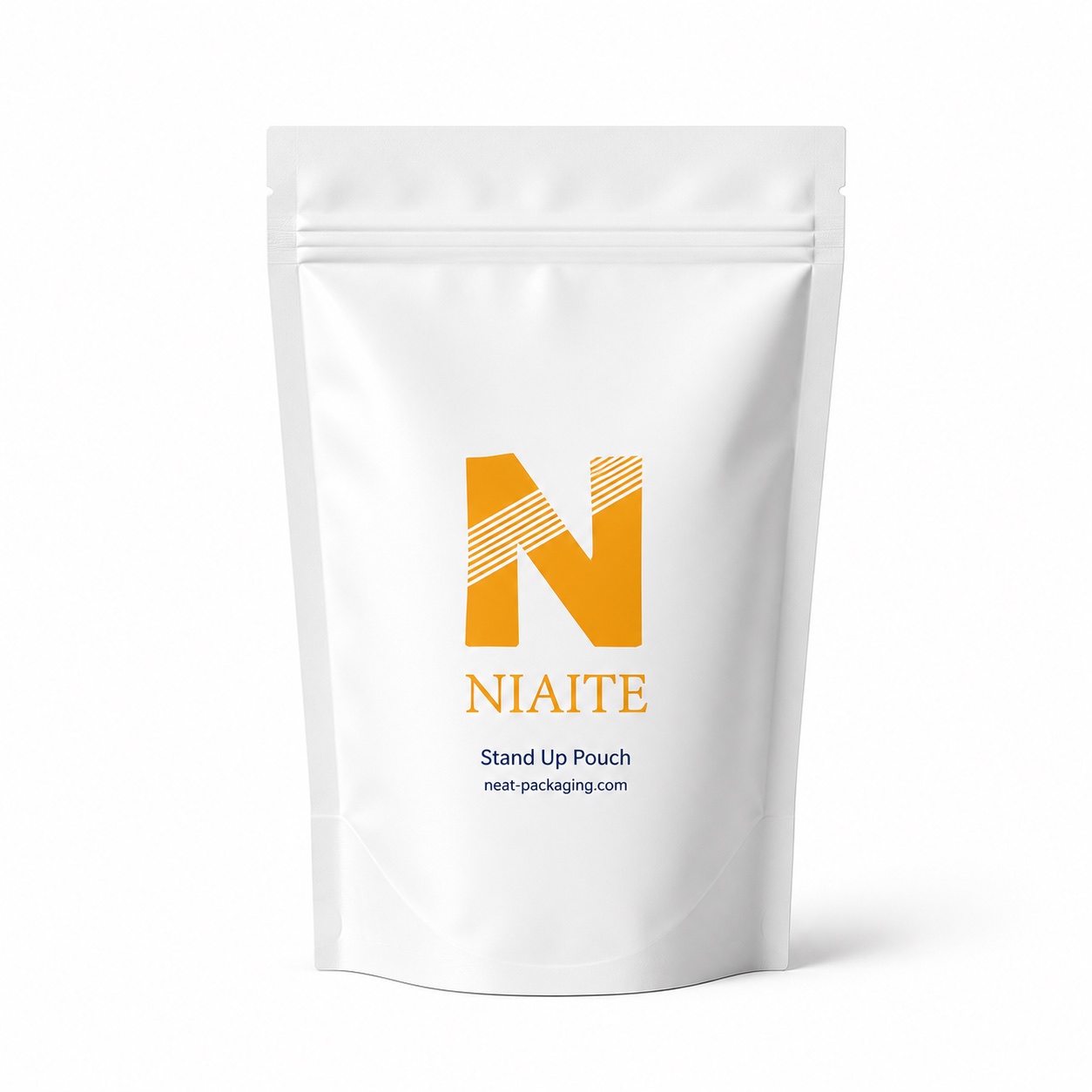
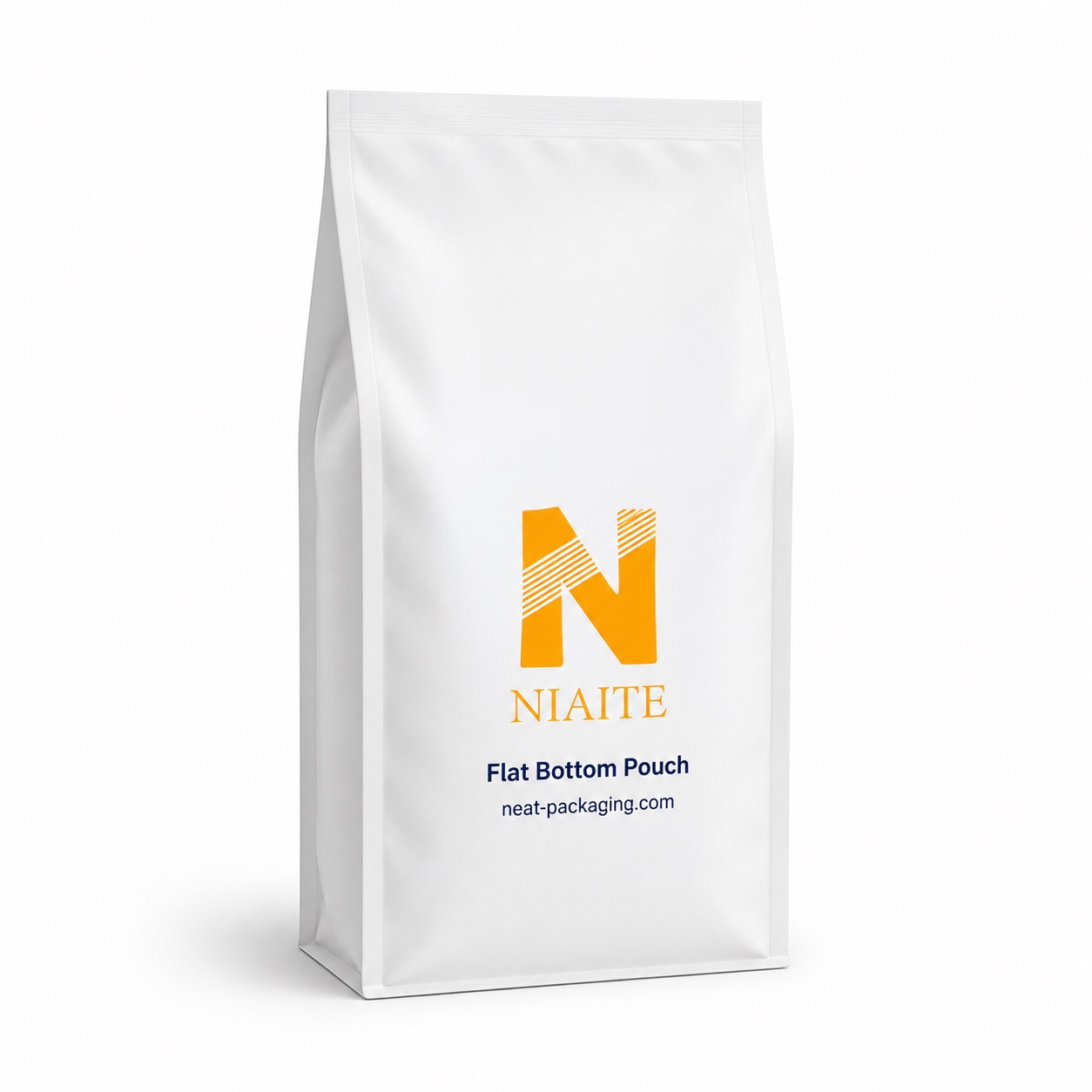
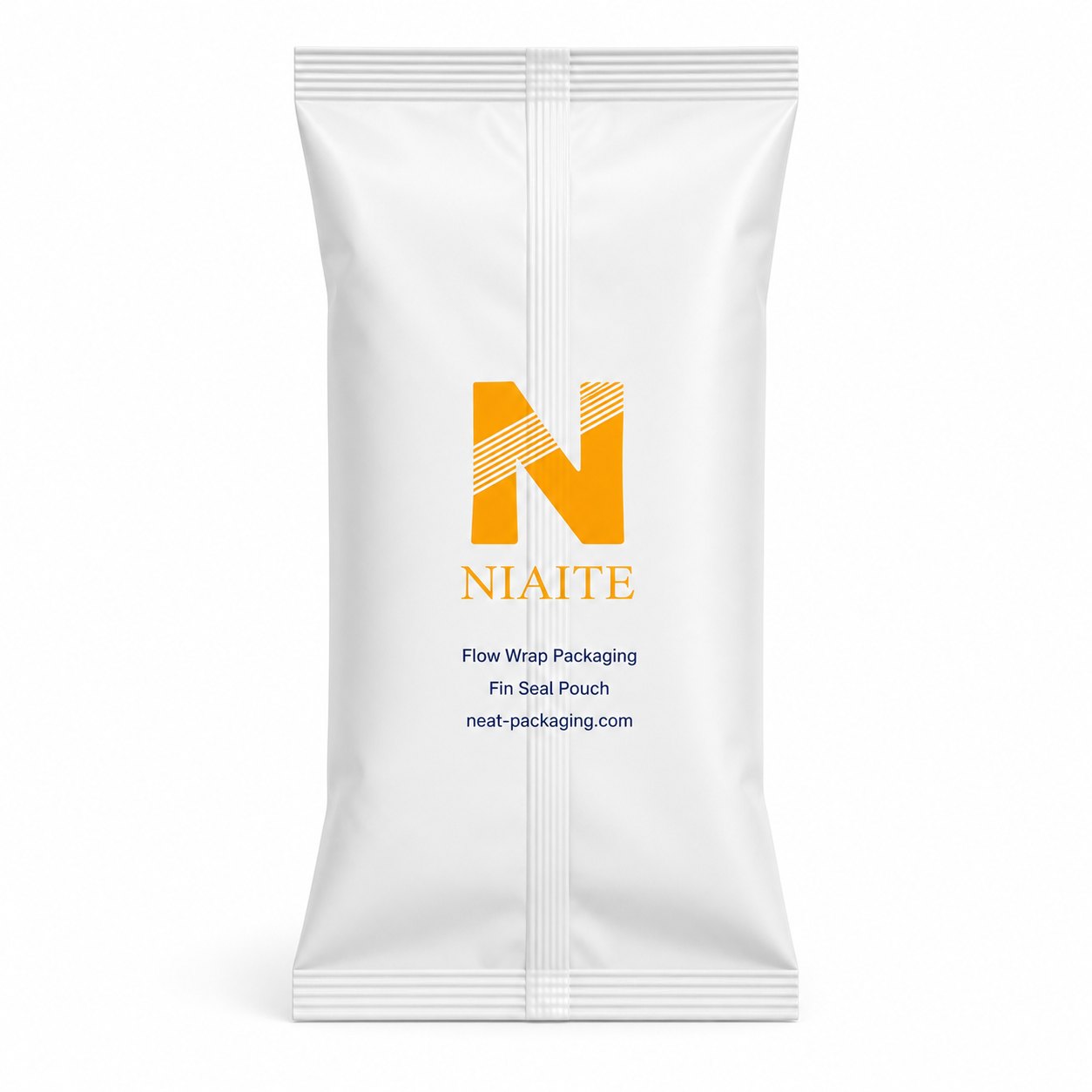
Printed roll stock for bar wrappers with freezer handling review
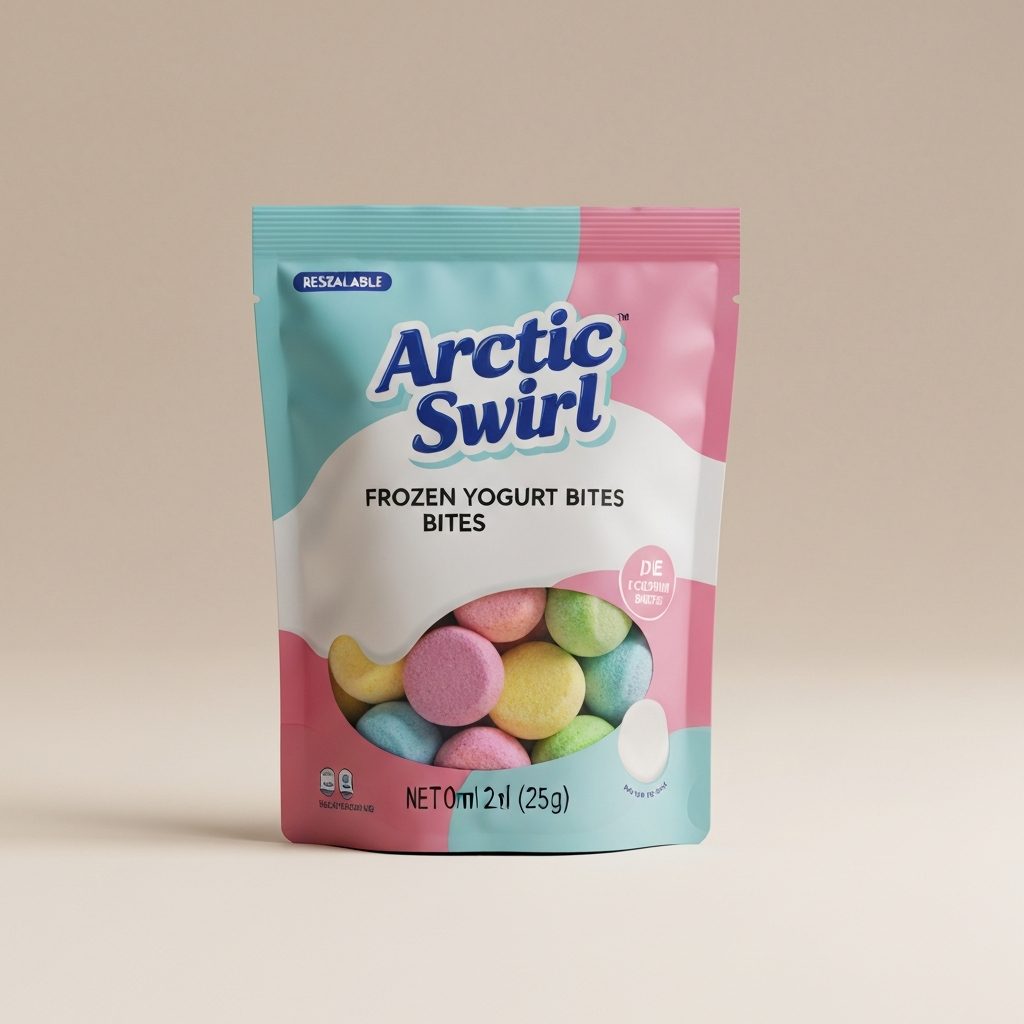
Freezer display pouch with scuff and seal review
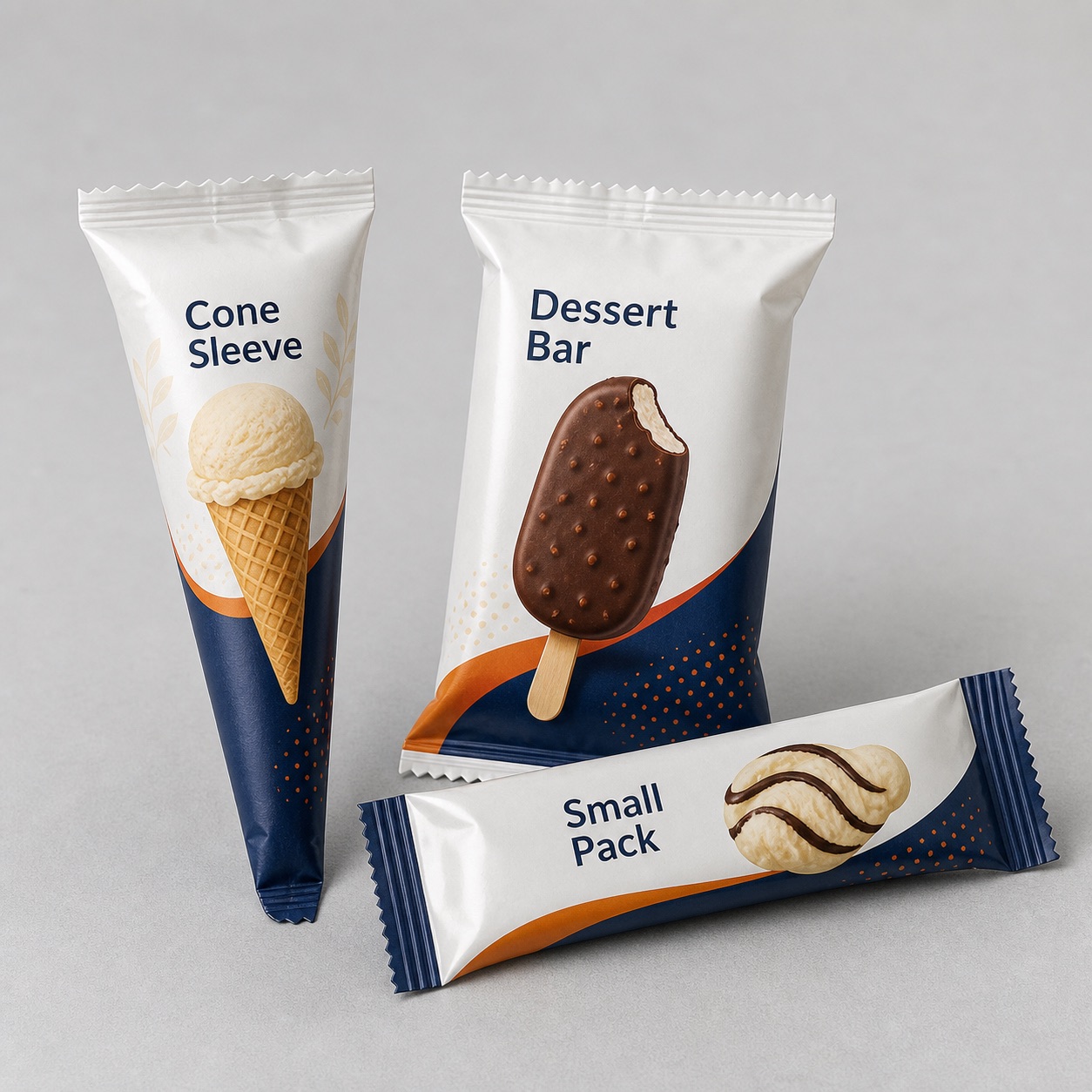
Cone sleeve and cold-seal wrapper format for frozen dessert packaging
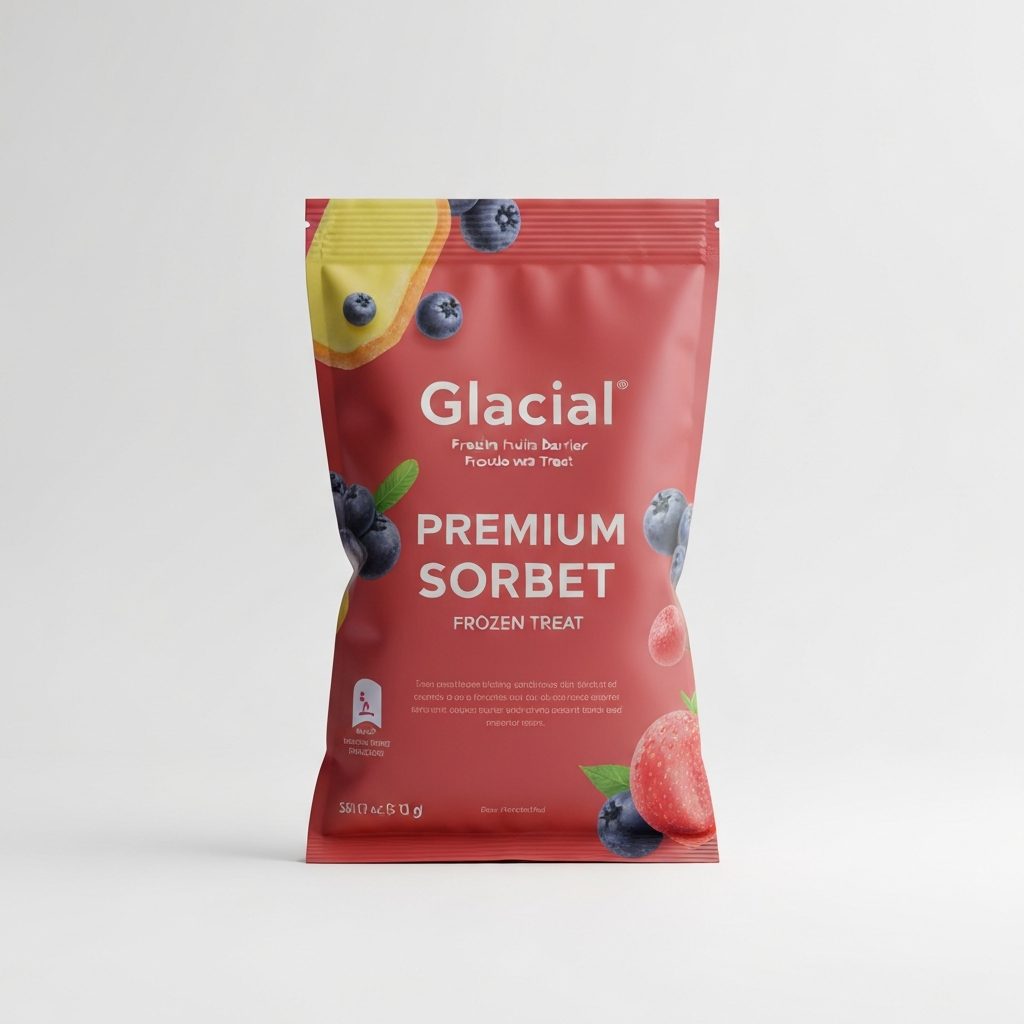
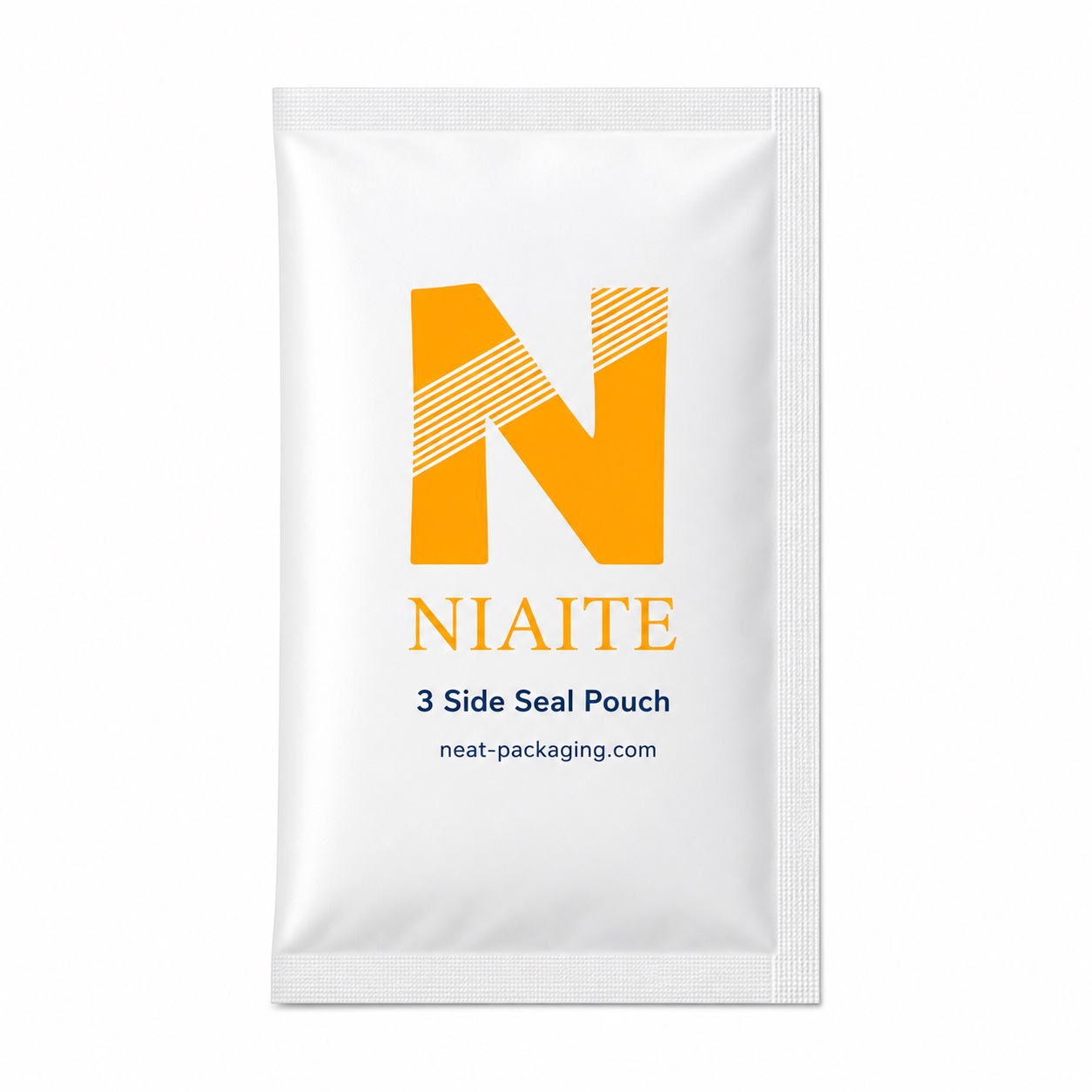
Printed frozen treat bag with low-temperature sealant review
Use these photos as format references. Final size, structure, print layout, and testing scope are reviewed against your product, filling method, and target market.
Lower-impact structure options can be reviewed when the product, filling process, target market, and recovery route support them.
Ice cream packaging can be reviewed for bar wrappers, cone sleeves, sandwich wraps, multipack bags, frozen novelty pouches, cup seals, and lidding film. The final structure depends on the product shape, wrapping line, freezer route, and food-contact documentation scope.
Please share pack format, product size, web direction, cut-off length, roll width, seal method, filling temperature, cold-chain route, carton packout, print artwork, and required documentation.
Review low-temperature sealant, freezer-grade ink adhesion, moisture and grease barrier targets, ice crystal abrasion, seal window, print rub resistance, and food-contact documentation for the target market.
Production workflow follows GMP-style hygiene and handling controls; no site-level GMP registration is claimed.
ISO 9001-style QC records, material traceability, and food-contact documentation can be reviewed by project scope.
DDP / FOB / CIF coordination can be reviewed by destination and project scope.
Project-level recyclable-ready or lower-impact structures can be reviewed where the final specification supports them.
Project support for material review, artwork coordination, sampling, and production follow-up within the agreed scope.
Production routing, order volume, lead-time assumptions, and capacity fit are reviewed for each confirmed project.
Tell us your product, target weight, and requirements.
We recommend materials, structure, and provide pricing.
Confirm details, approve artwork, and production begins.
QC checkpoints and shipment scope are confirmed by project.
Common issues we help ice cream packaging buyers avoid during project coordination.
Standard adhesives used in lamination and labeling can lose bond strength below -18 °C, causing layers to separate or labels to peel off in the freezer. We help specify cold-rated adhesive systems and request peel-strength testing at your actual storage temperature before approving production samples.
When ice cream packaging moves from freezer to retail display, condensation forms on the outer surface and can blur printed graphics or cause ink to smear. We coordinate anti-fog coating or varnish specifications with the converter so your branding stays sharp through temperature transitions.
Repeated temperature swings during distribution -- loading docks, delivery trucks, retail restocking -- stress laminate bonds and can cause visible bubbling or layer separation. We help define freeze-thaw cycle testing requirements that simulate your real supply chain, not just a single-freeze lab test.
Ice cream with high butterfat or mix-in oils can migrate through inner packaging layers during partial thaw events, staining outer surfaces and weakening structural integrity. We coordinate grease-resistance testing with the converter using your actual product formulation, not a generic oil standard.
Plastic and paperboard components contract at different rates in deep-freeze storage, causing lids to loosen or bases to warp and stack poorly. We help coordinate dimensional tolerance testing at target storage temperatures between the lid supplier and the tub converter to prevent fitment issues at scale.
Updated:
Work with NIAITE for material review, sampling guidance, QC checkpoints, and export project coordination.