Packaging lamination process guide for flexible films. Compare dry lamination, solventless lamination, adhesive coating, curing time, bond strength testing, residual solvent review, and laminate structure limits.
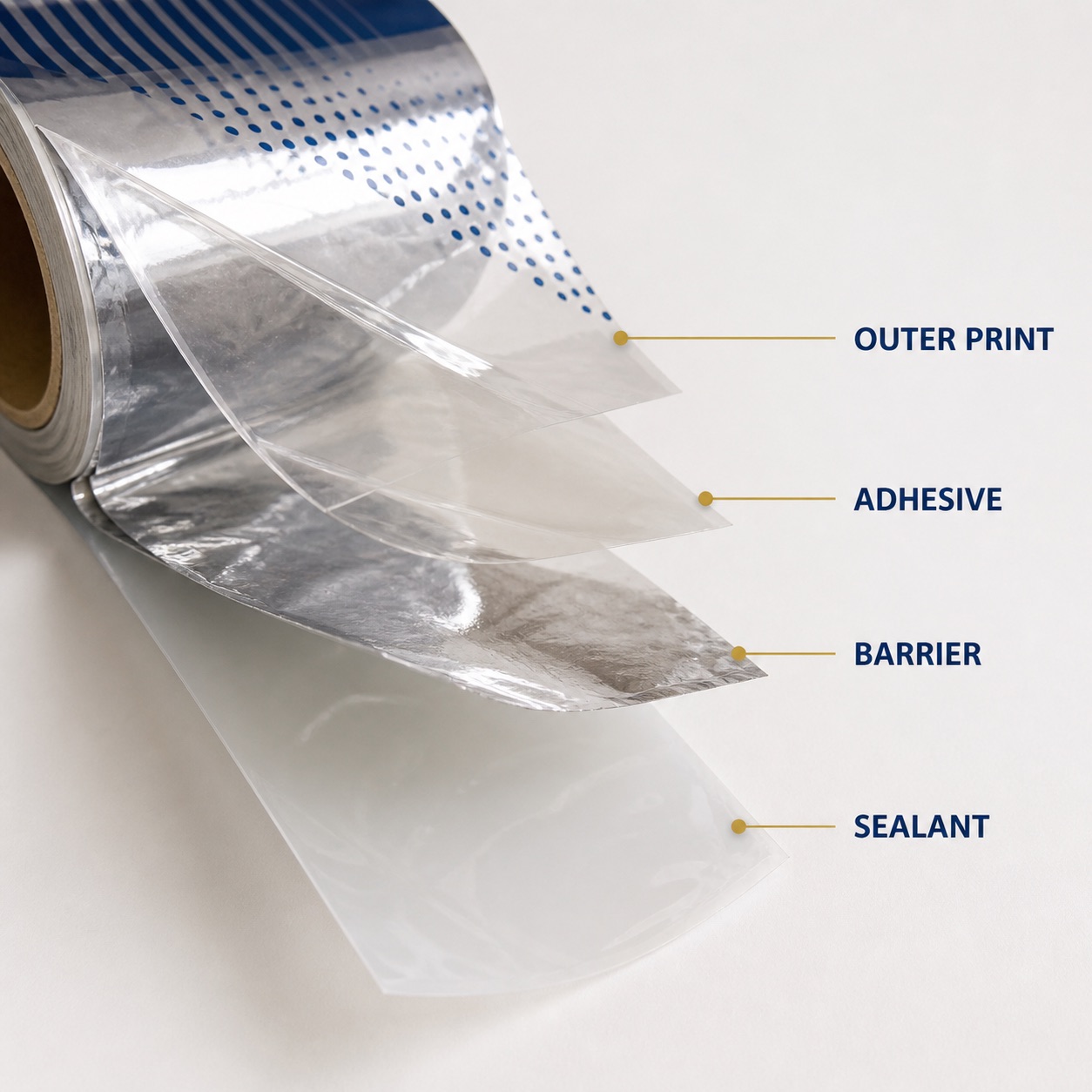
Lamination is the process of bonding printed film, barrier film, and sealant film into one laminate structure for flexible packaging.
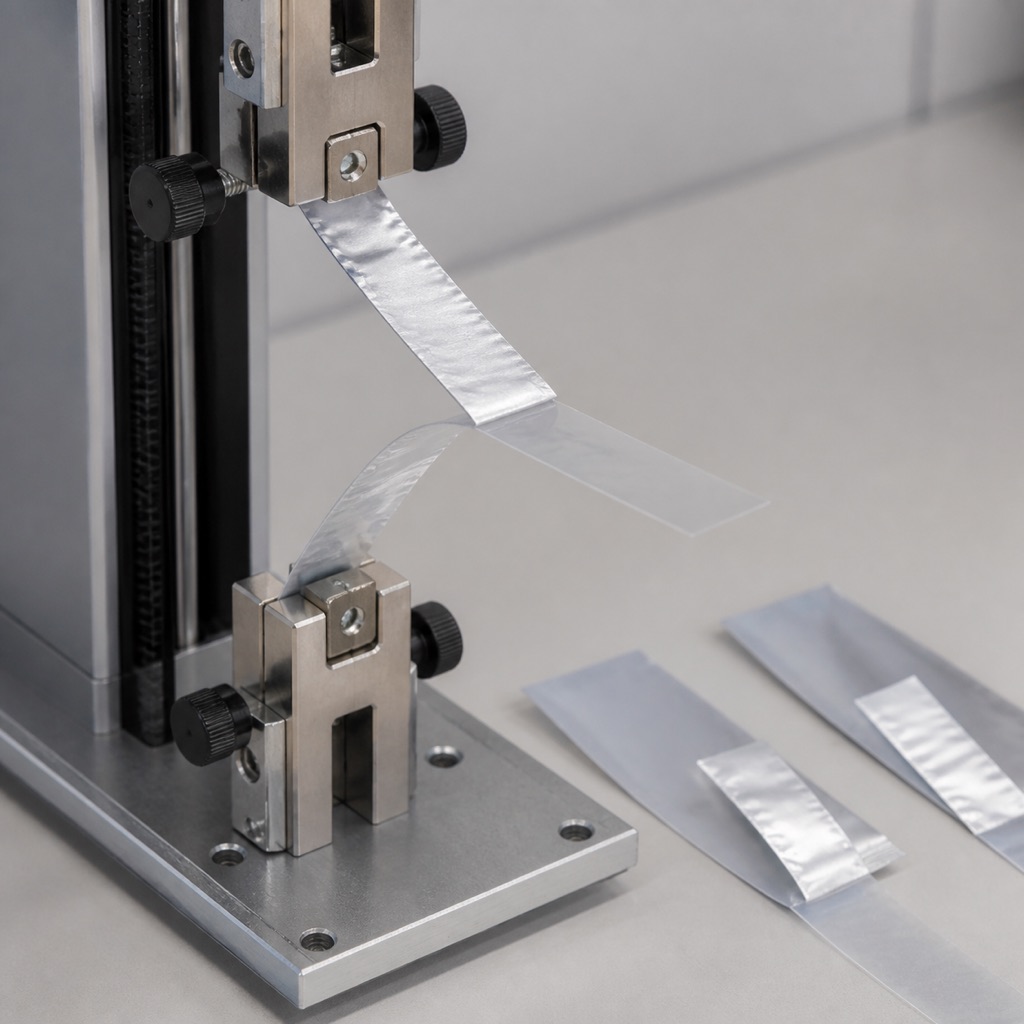
Dry lamination and solventless lamination require different adhesive coating, curing time, residual solvent review, and bond strength testing to reduce delamination risk.
GMP-Style Production Controls
Partner facilities
ISO 9001-Style QC
Quality system
Shipping term coordination
DDP / FOB / CIF
Recyclable-ready review
Project-specific structures
Process selection depends on film pairing, adhesive system, curing time, testing plan, and final package use. Explore all market solutions .
Adhesive coating and nip conditions determine how printed, barrier, and sealant layers bond into one laminate structure.
Dry lamination and solventless lamination are compared by film pairing, adhesive system, barrier target, and compliance needs.
Bond strength testing, residual solvent review, curing time checks, and visual inspection help control delamination risk.
Retort, frozen, oil-rich, or high-barrier packs may need different adhesive systems, curing windows, and validation scope.
Choose the right laminate structure based on the packed product, barrier target, filling process, heat exposure, and bond strength testing plan.
| Structure | Application | Barrier Level |
|---|---|---|
PET / PE
|
Basic printed film plus PE sealant laminate for dry applications | Standard |
PET / VMPET / PE
|
Metallized barrier laminate where light and moisture targets require review | Medium |
PET / AL / PE
|
Foil laminate for higher oxygen, aroma, or light barrier targets | High |
PET / NY / PE
|
Nylon laminate when toughness and flex-crack resistance matter | High |
Kraft / AL / PE
|
Kraft outer laminate with foil or metallized barrier lining | High |
Mono PE
|
PE-based laminate review where local recovery streams accept the final structure | Standard |
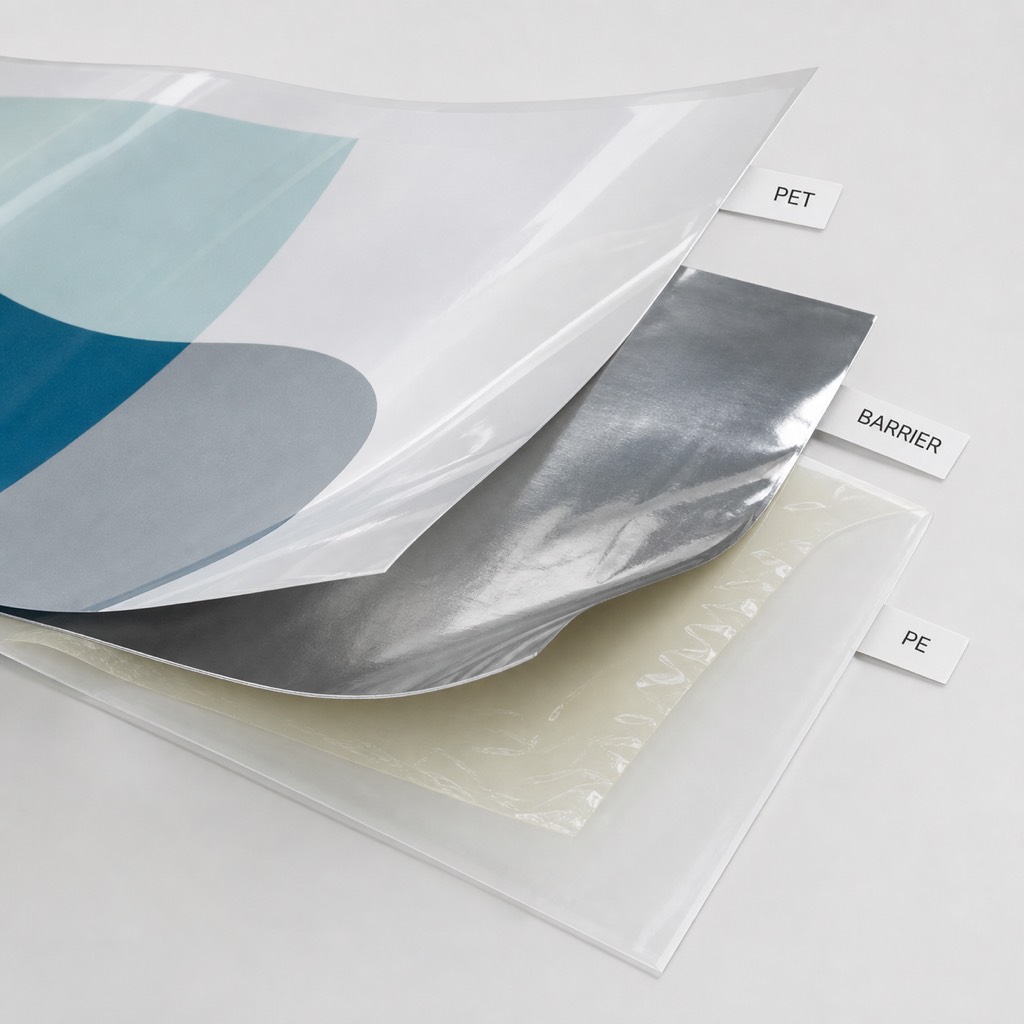
A transparent look at how a packaging lamination process bonds functional layers into a laminate structure. Visit our material guide for more details.
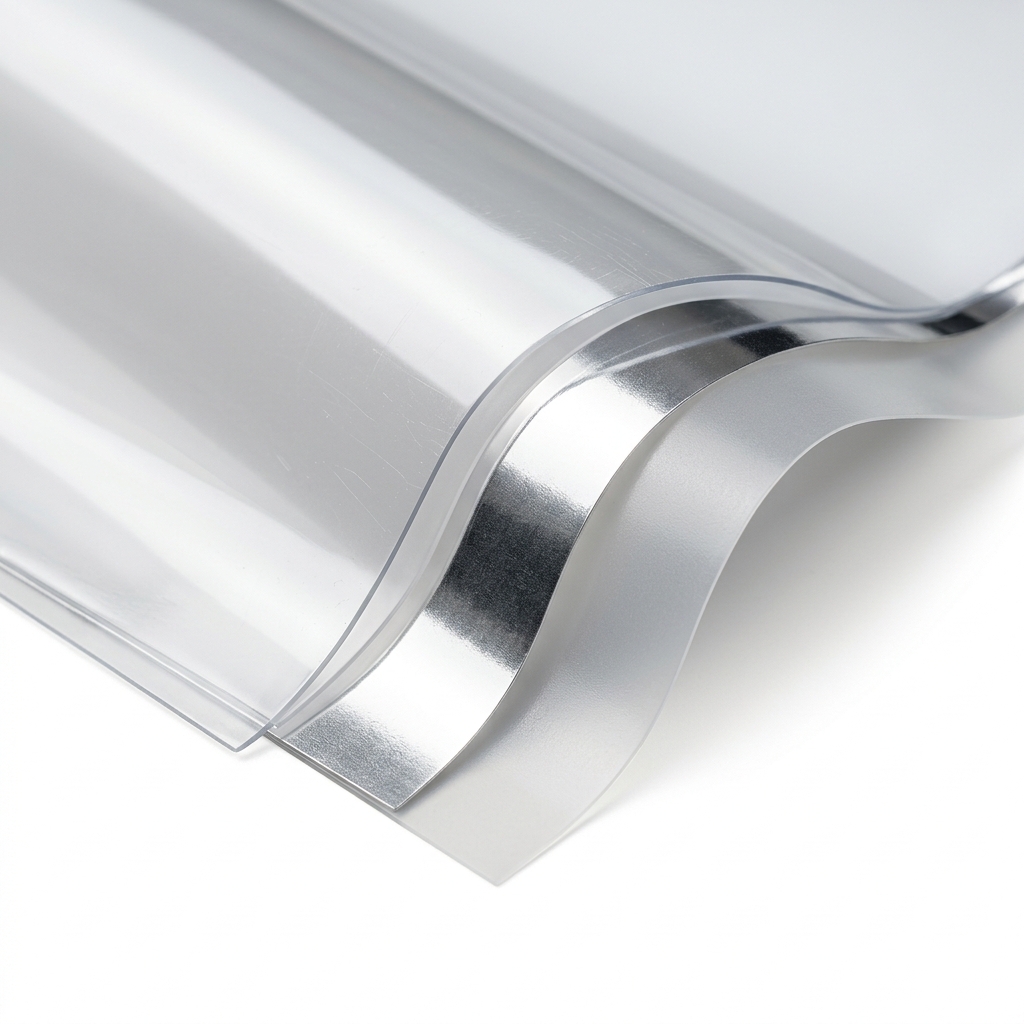
Printable PET supports artwork, registration marks, varnish or matte finish, and the outer handling surface.
Barrier film is selected around moisture, aroma, grease, light, and shelf-life targets for the packed product.
Adhesive bonds the print web, barrier option, and sealant into one stable laminate after curing and testing.
PE sealant is reviewed for heat-seal window, jaw temperature, dwell time, COF, filling conditions, and pack format.
A packaging lamination process should be specified around adhesive coating, web tension, drying or solventless curing, and final bond strength testing.
The review should include delamination risk, tunneling, curling, residual solvent, heat exposure, and whether the laminate structure supports the final package.
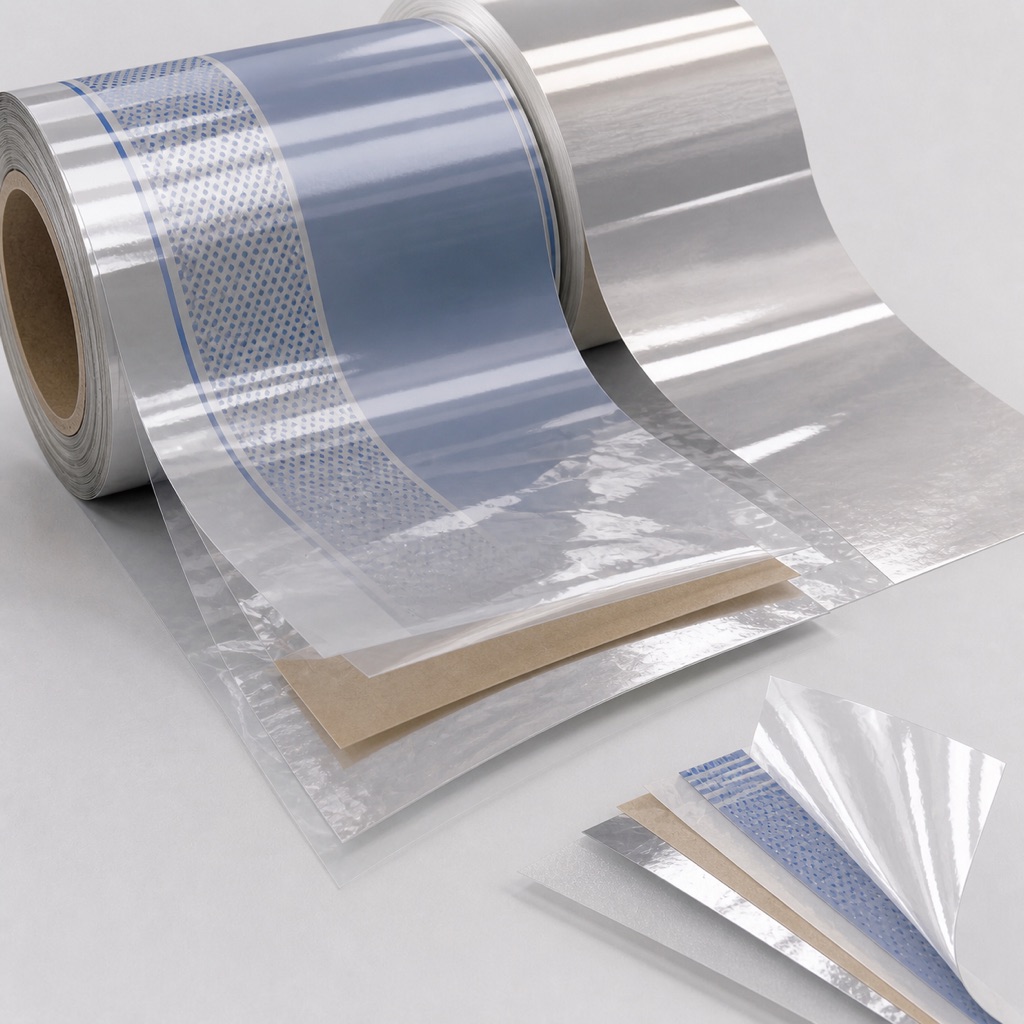
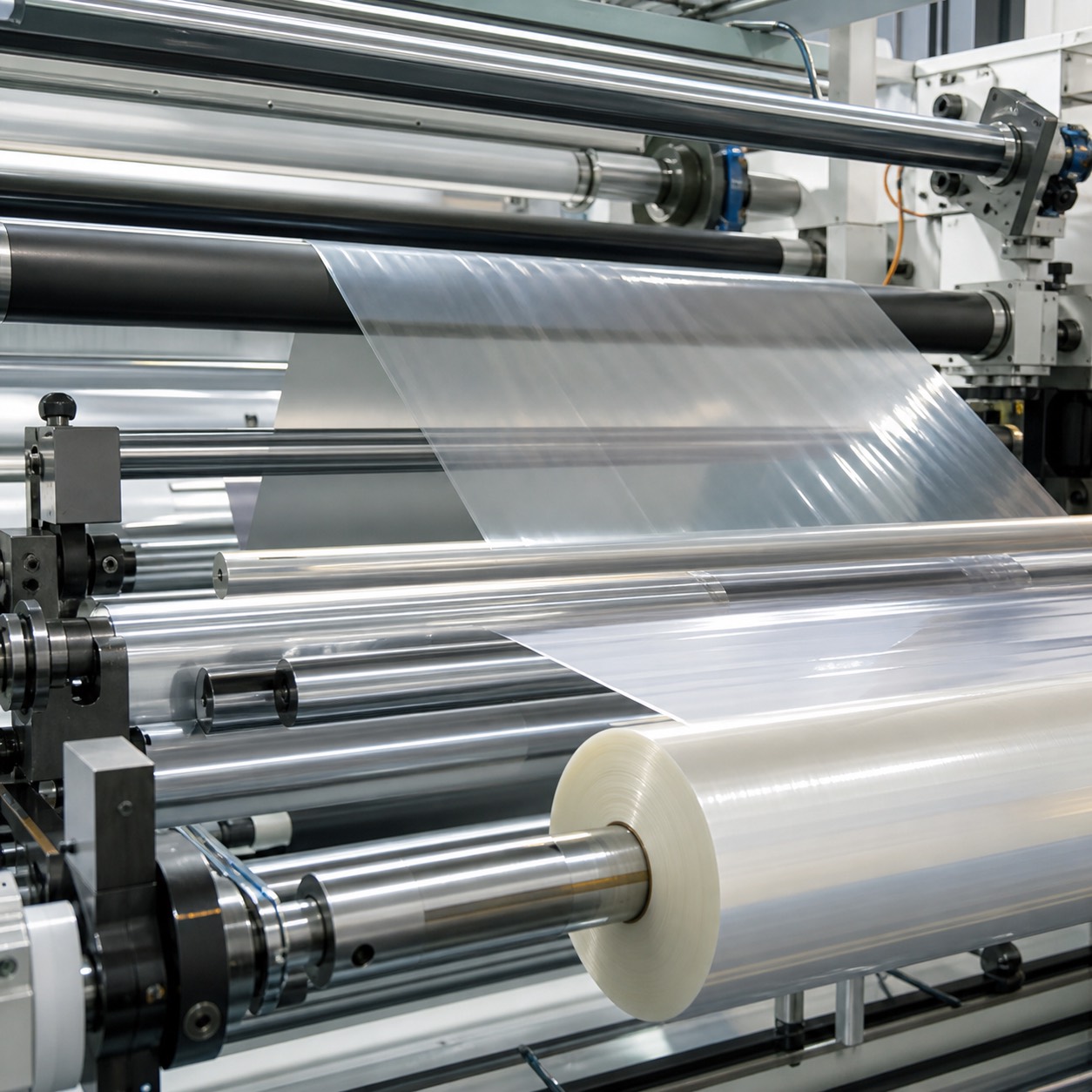
Printed film, barrier film, foil, nylon, EVOH, and sealant films are reviewed as a full laminate structure.
Dry lamination or solventless lamination is selected by adhesive system, line conditions, curing time, and test scope.
Delamination risk, curling, tunneling, heat exposure, and residual solvent are reviewed before production.
Bond strength testing, COA scope, material declarations, and project-specific food-contact documentation can be coordinated.
Representative parameters. Actual values depend on material structure and customization.
Lamination Method
Dry lamination or solventless lamination reviewed by structure
Adhesive System
Adhesive coating and curing time selected by film pairing
Bond Review
Bond strength testing plan set by package format and exposure
Residual Solvent
Reviewed where solvent-based adhesive systems are used
Laminate Structure
PET, VMPET, AL, NY, EVOH, PE, CPP, or kraft combinations
Risk Controls
Delamination risk, curling, tunneling, and heat exposure review
Multi-layer laminate structure with printed, barrier, and sealant film review
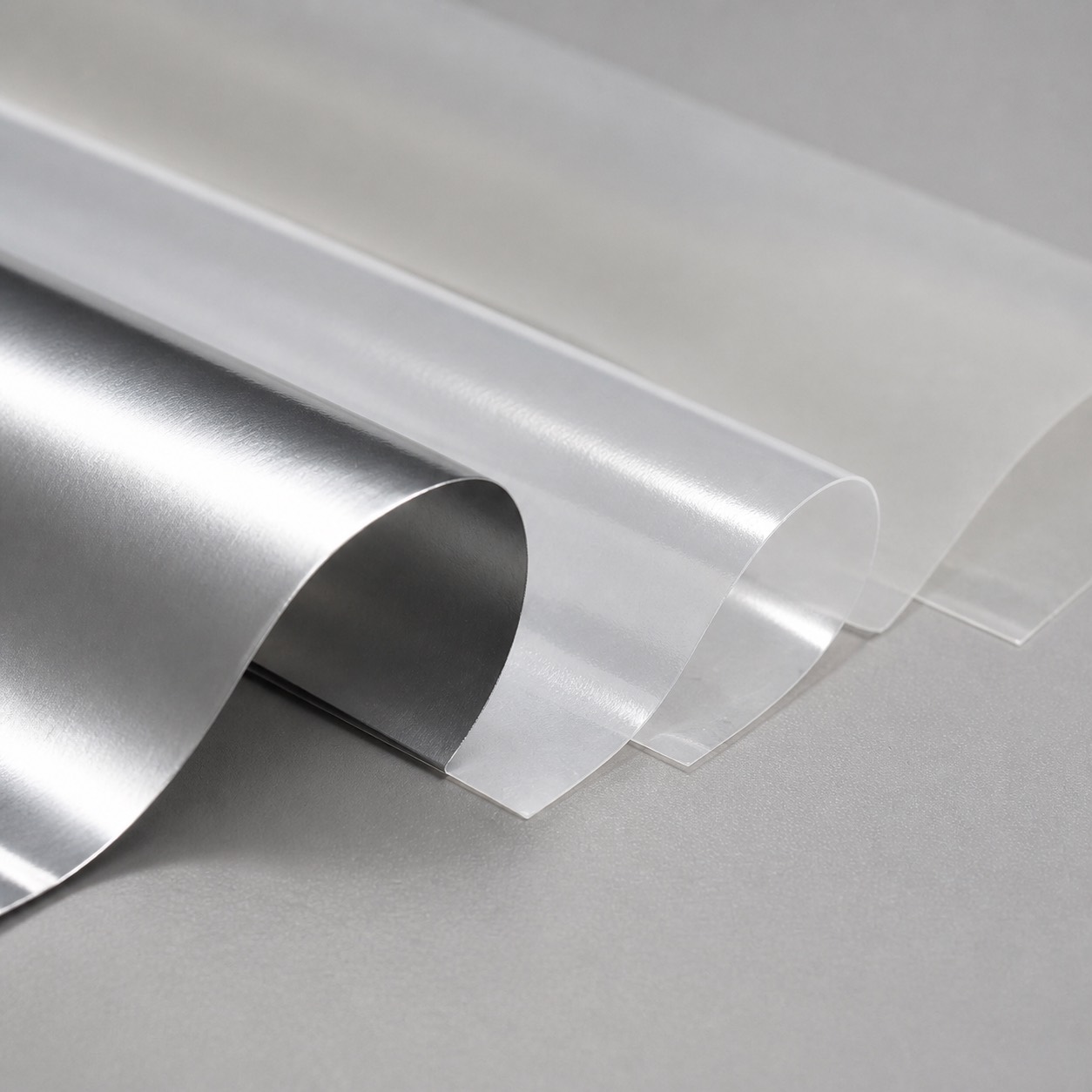
Laminate review for heat resistance, adhesive choice, and sealant compatibility
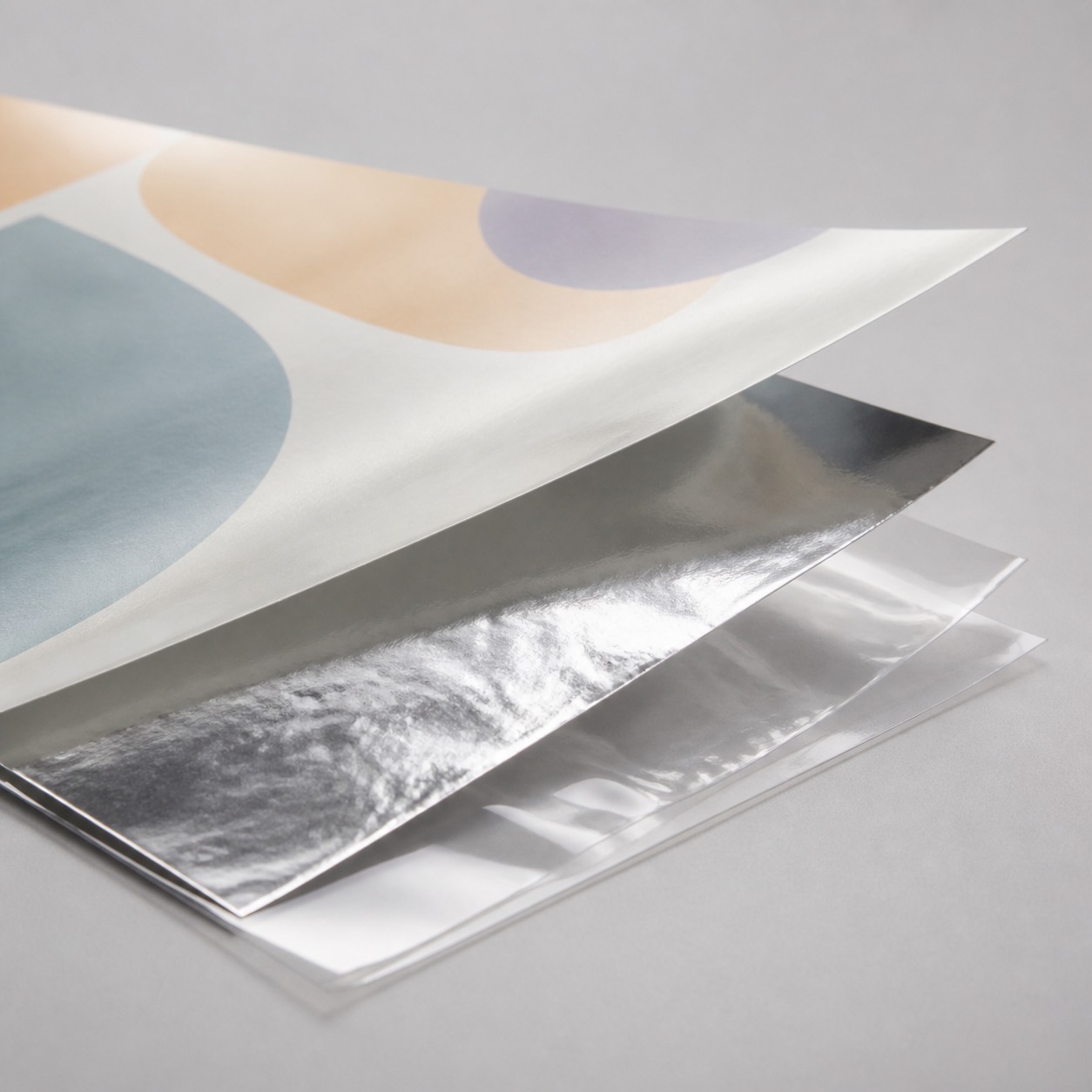
Aluminum-based laminate structure for oxygen, aroma, and light barrier review
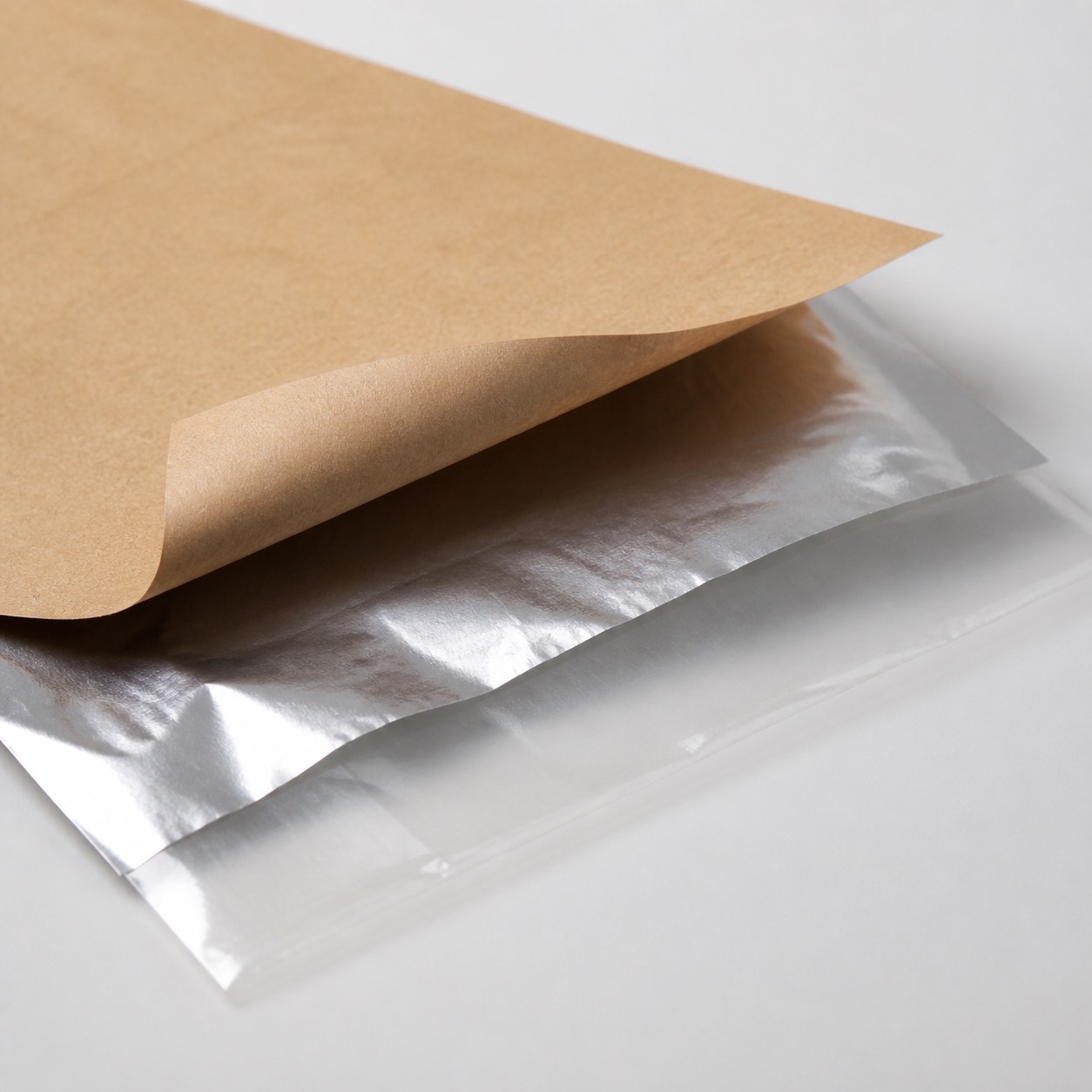
Kraft outer layer combined with barrier and sealant films by project scope
Use these photos as format references. Final size, structure, print layout, and testing scope are reviewed against your product, filling method, and target market.
Lower-impact structure options can be reviewed when the product, filling process, target market, and recovery route support them.
We review dry lamination and solventless lamination against the target laminate structure, adhesive system, curing time, residual solvent requirements, and downstream converting process.
Specify the outer film, barrier film, sealant film, print design, filling process, storage condition, heat exposure, and required documentation before confirming adhesive coating and curing controls.
The review covers bond strength testing, residual solvent review, delamination risk, curling, tunneling, heat resistance, sealant compatibility, and whether the final laminate structure matches the package format.
Production workflow follows GMP-style hygiene and handling controls; no site-level GMP registration is claimed.
QC records, material declarations, and food-contact documentation can be reviewed by project scope when the selected structure requires them.
DDP / FOB / CIF coordination can be reviewed by destination and project scope.
Project-level recyclable-ready or lower-impact structures can be reviewed where the final specification supports them.
Project support for material review, artwork coordination, sampling, and production follow-up within the agreed scope.
Production routing, order volume, lead-time assumptions, and capacity fit are reviewed for each confirmed project.
Tell us your product, target weight, and requirements.
We recommend materials, structure, and provide pricing.
Confirm details, approve artwork, and production begins.
QC checkpoints and shipment scope are confirmed by project.
Common issues we help lamination project buyers avoid during specification review.
Rushing laminated rolls into slitting or pouch-making before the adhesive has fully cured is one of the most common causes of delamination during transit or filling. The bond may feel firm initially but fails under mechanical stress or temperature change. We coordinate curing schedules with partner factories to ensure bond development is complete before downstream conversion begins.
Dry lamination processes use solvent-based adhesives that must evaporate to safe levels before the finished material contacts food. Inadequate drying or ventilation can leave residual solvent above regulatory thresholds, risking failed compliance testing. We help specify solvent retention testing protocols and verify results before shipment.
When two films with different tension profiles or shrinkage rates are laminated together, the finished web can develop tunneling, curling, or waviness that makes it unprintable or impossible to run on filling lines. This defect often only becomes visible after unwinding. We help review film tension specifications and match substrate behavior before lamination trials begin.
An adhesive that performs well at room temperature may lose bond strength when exposed to retort processing, deep-freeze storage, or repeated temperature cycling. The result is layer separation that only surfaces after your product is packaged and shipped. We help match adhesive systems to your actual end-use conditions and coordinate bond strength testing under those scenarios.
Not every adhesive bonds equally well to every substrate. Using a general-purpose adhesive on specialized films like metalized PET or nylon can result in poor adhesion, inconsistent peel strength, or outright failure. We coordinate adhesive compatibility checks with partner factories based on your specific film combination before committing to production.
Updated:
Work with NIAITE for material review, sampling guidance, QC checkpoints, and export project coordination.