Flexible food packaging for snack packaging, sauce packaging, frozen foods, retort meals, dry goods, liquid foods, and ready meals with format comparison and documentation review.
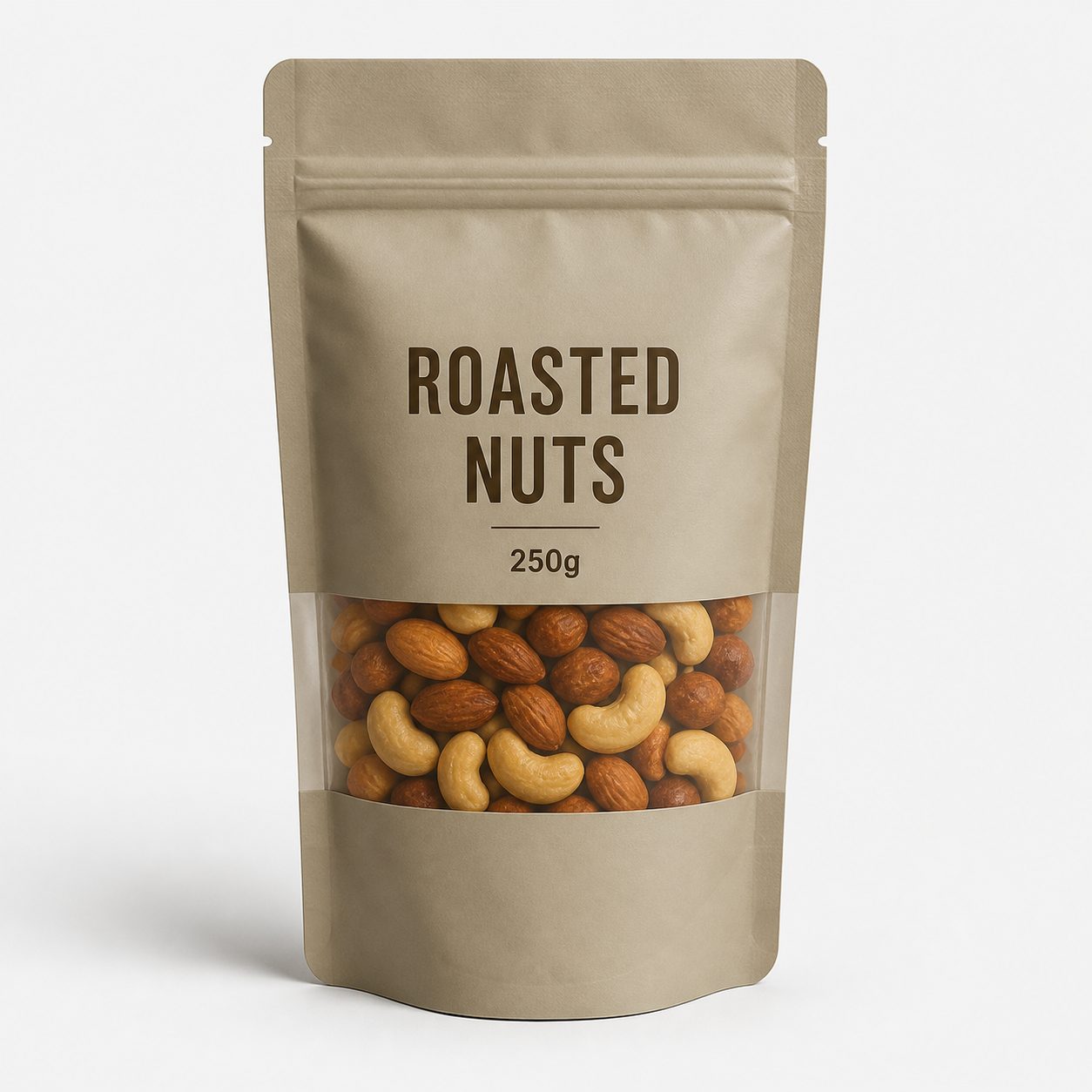
Use this page as a category entry point for dry goods, snack packaging, sauce packaging, frozen foods, retort meals, ready meals, and food service packs before selecting a specific pouch or film page.
The format comparison should cover barrier target, sealant, closure, filling process, storage condition, shelf display, MOQ planning, and food-contact documentation.
GMP-Style Production Controls
Partner facilities
ISO 9001-Style QC
Quality system
Shipping term coordination
DDP / FOB / CIF
Recyclable-ready review
Project-specific structures
Compare common food categories first, then move to the most relevant pouch, roll stock, film, or fitment page. Explore all market solutions .
Navigate from a broad food packaging overview into snack packaging, sauce packaging, frozen foods, retort meals, and dry goods formats.
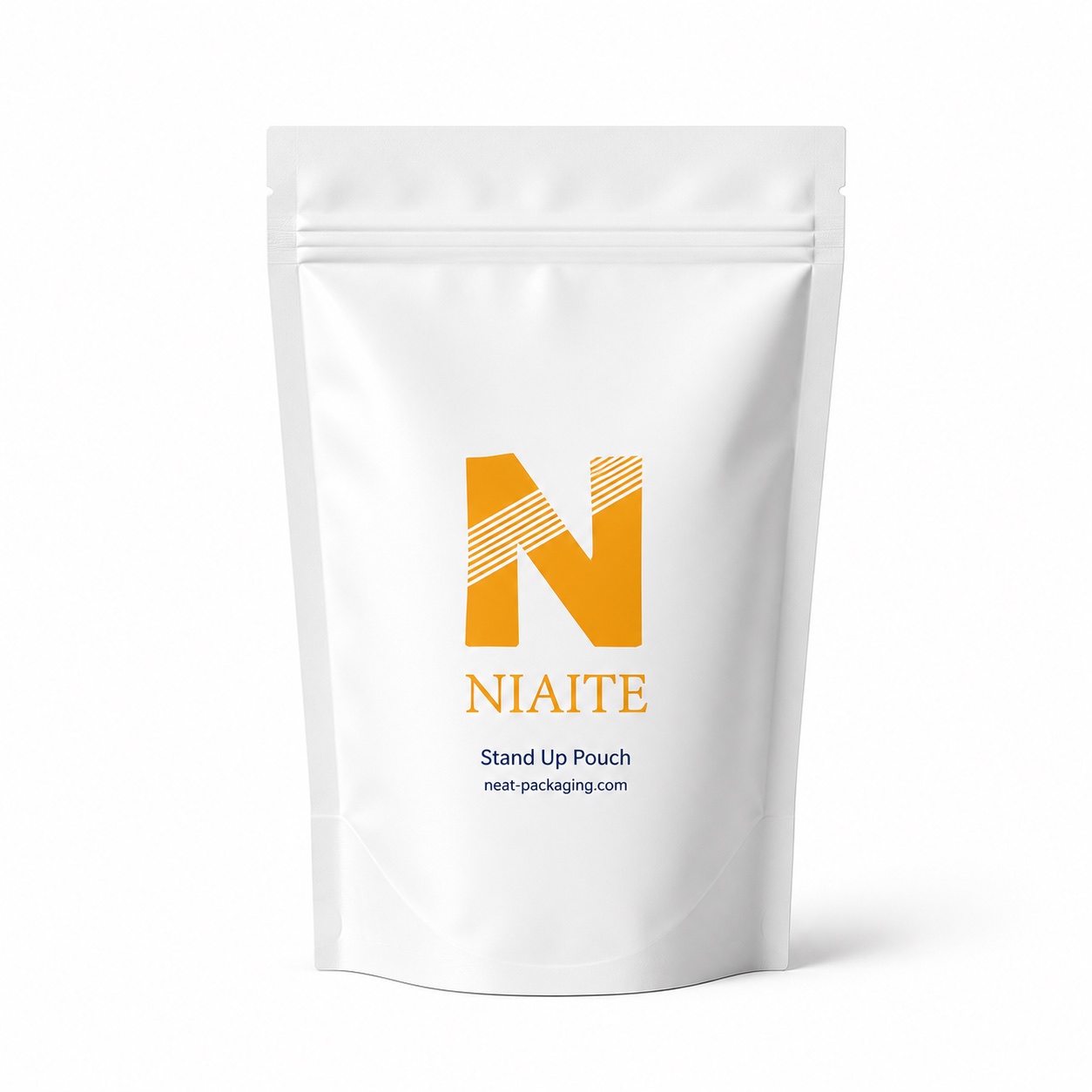
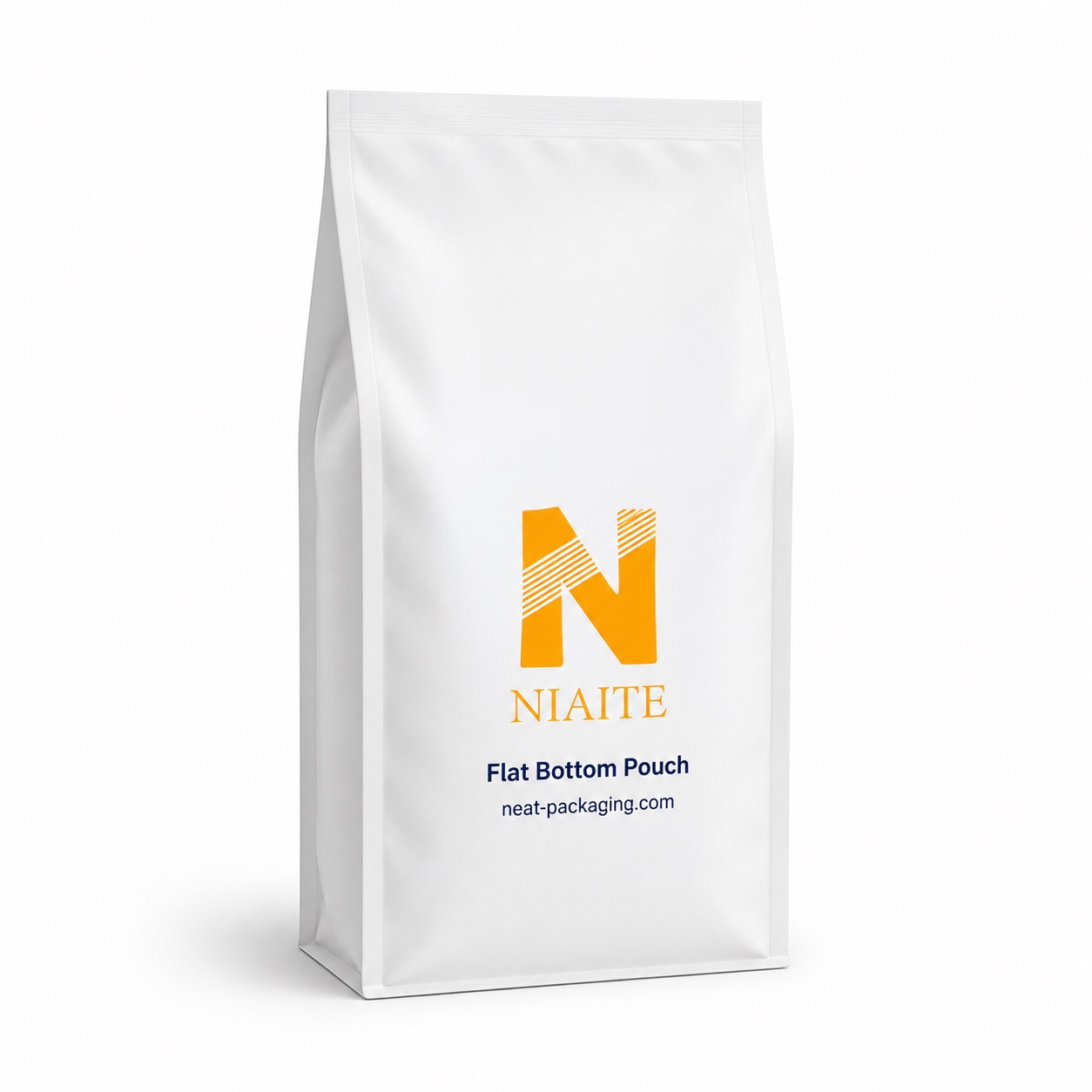
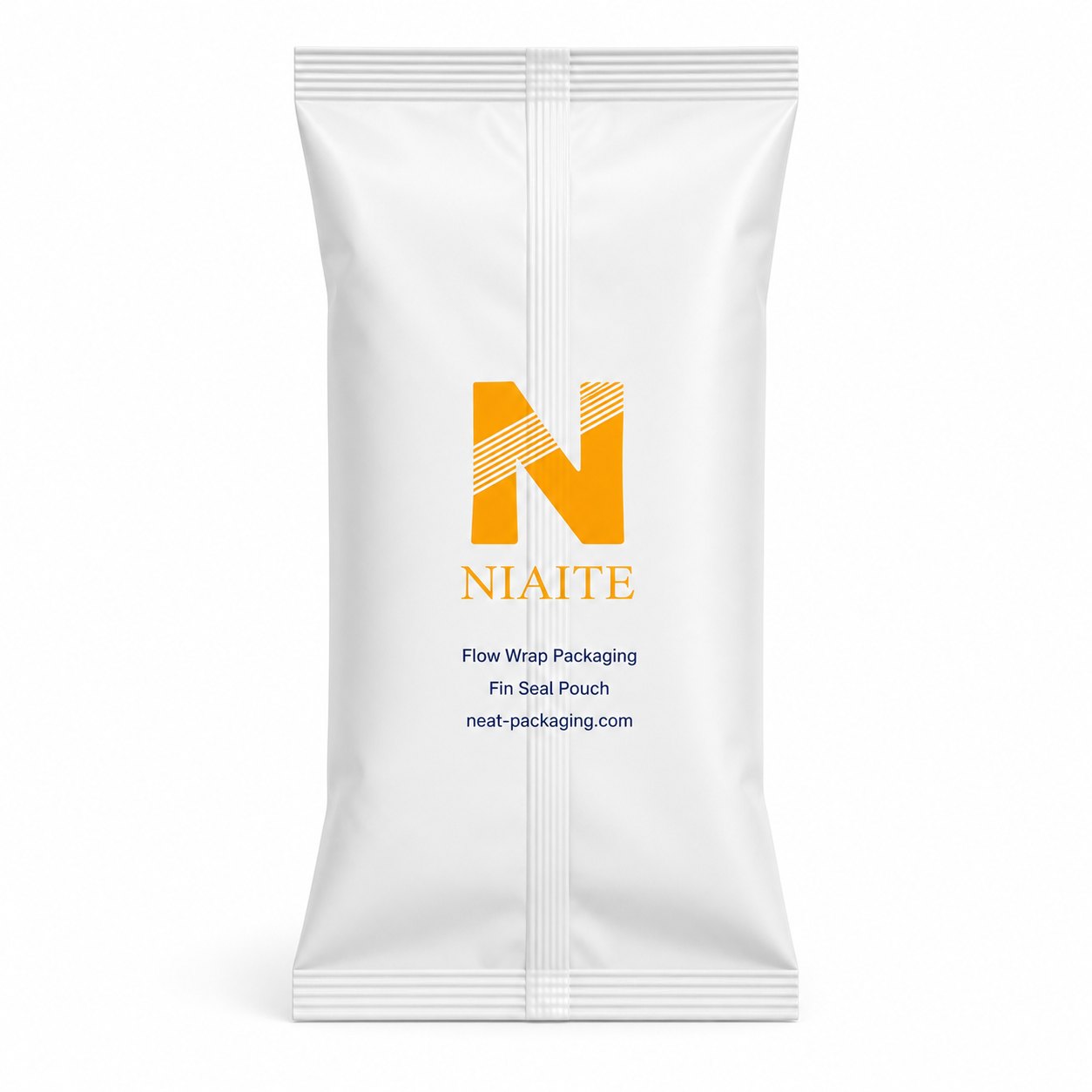
Compare stand-up pouches, flat-bottom bags, fin-seal roll stock, vacuum pouches, retort pouches, and lidding film options.
Match closure, tear notch, fitment, zipper, window, surface finish, barcode space, and packout to the actual food category.
Food-contact documentation, traceability records, supplier declarations, and test scopes can be reviewed after the structure is selected.
Choose the material structure after confirming food category, barrier target, filling process, storage condition, and test scope.
| Structure | Application | Barrier Level |
|---|---|---|
PET / PE
|
Dry goods, rice, pasta, bakery items, and entry-level snack packs | Standard |
PET / VMPET / PE
|
Higher aroma, oxygen, or moisture barrier for snack packaging and powders | Medium |
PET / AL / PE
|
Foil laminate for strict barrier target, retort meals, and sensitive foods | High |
PET / NY / PE
|
Nylon-reinforced structure for frozen foods, vacuum packs, and sharper edges | High |
Kraft / AL / PE
|
Kraft appearance with barrier lining for dry goods and premium shelf packs | High |
Mono PE
|
PE-based structure for local recycling-stream review where accepted | Standard |
A transparent look at how we build structural integrity into each food packaging format. Visit our material guide for more details.
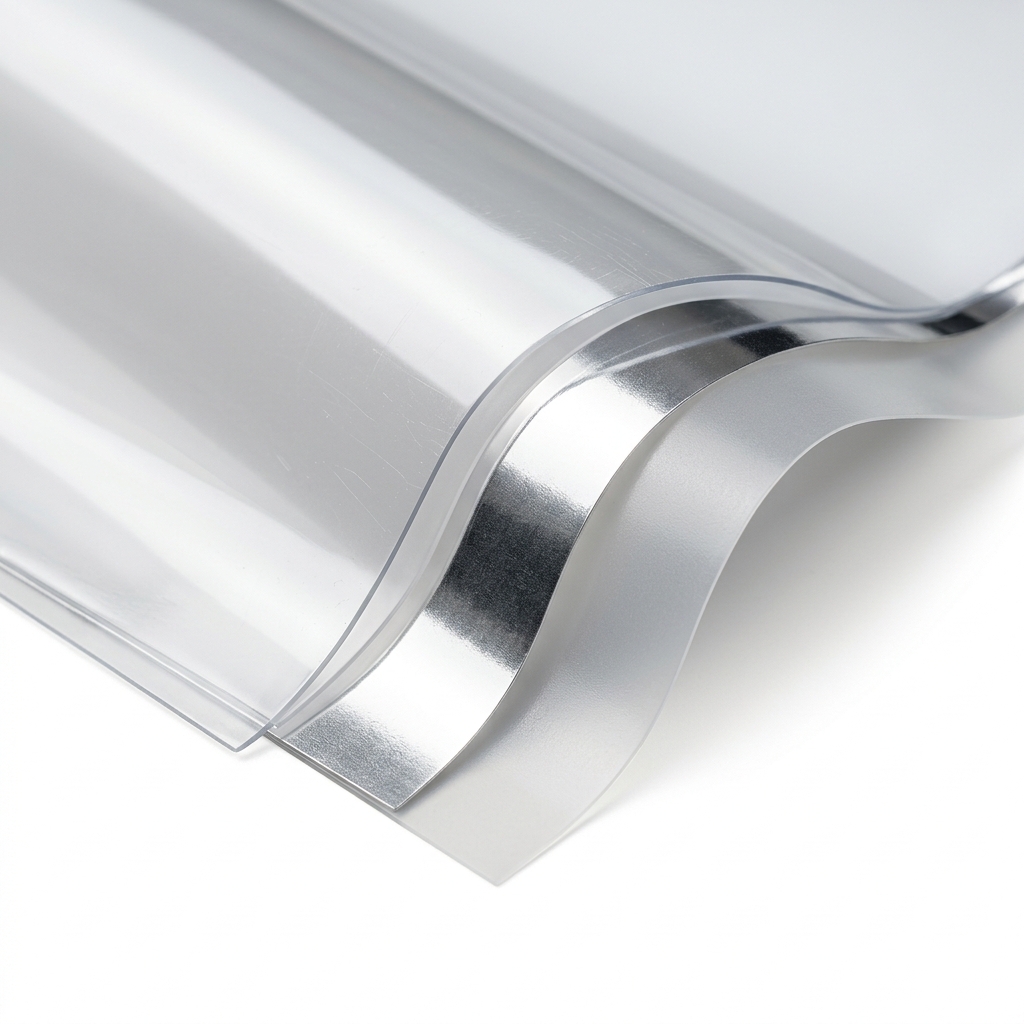
Printable PET supports artwork, registration marks, varnish or matte finish, and the outer handling surface.
Barrier film is selected around moisture, aroma, grease, light, and shelf-life targets for the packed product.
Adhesive bonds the print web, barrier option, and sealant into one stable laminate after curing and testing.
PE sealant is reviewed for heat-seal window, jaw temperature, dwell time, COF, filling conditions, and pack format.
Snack packaging, sauce packaging, frozen foods, retort meals, and dry goods should not start from the same default pouch. Each category needs its own format comparison.
Spout pouches fit some liquid foods, while dry foods may need stand-up or flat-bottom bags, frozen foods may need stronger films, and retort meals need process-specific structures.
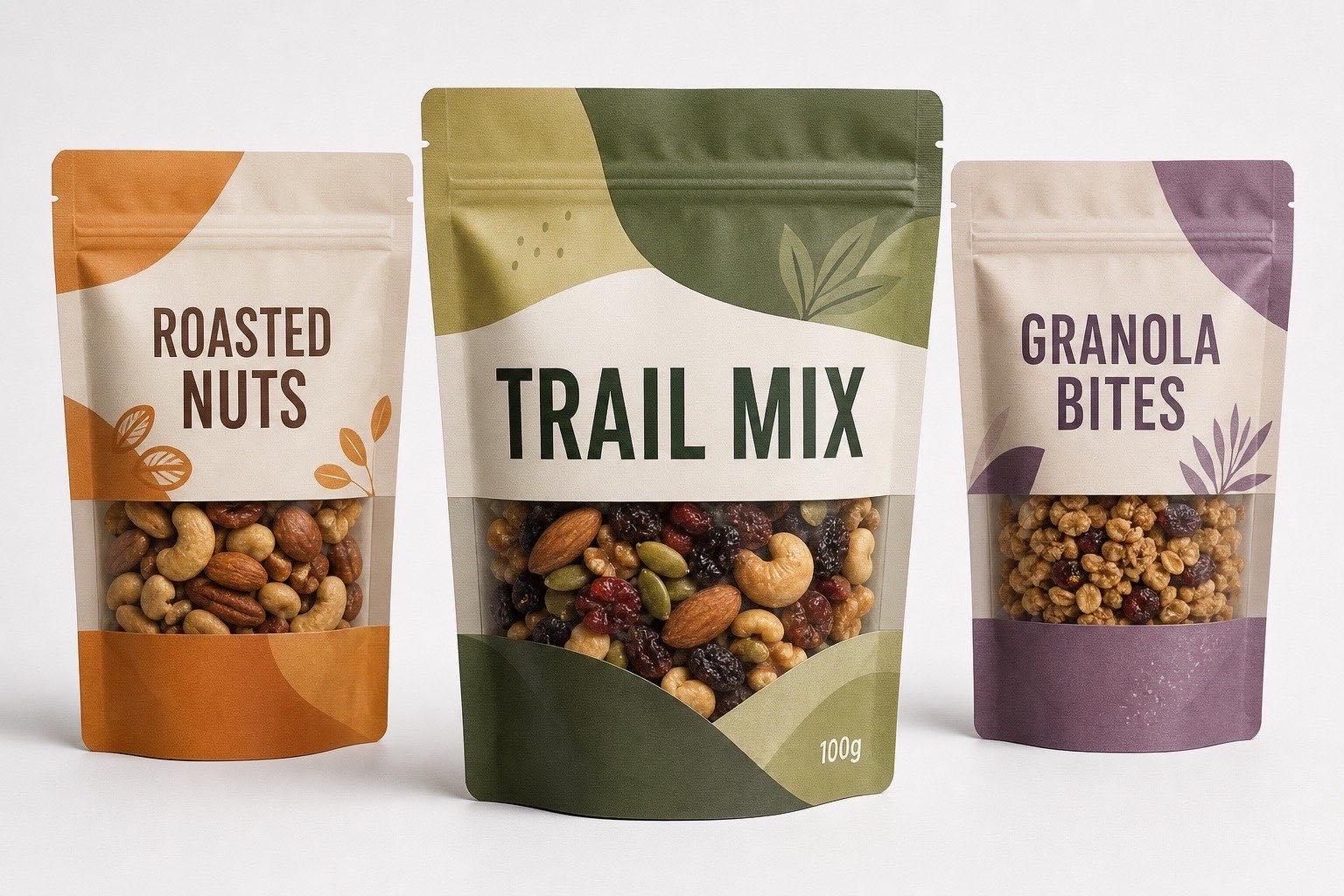
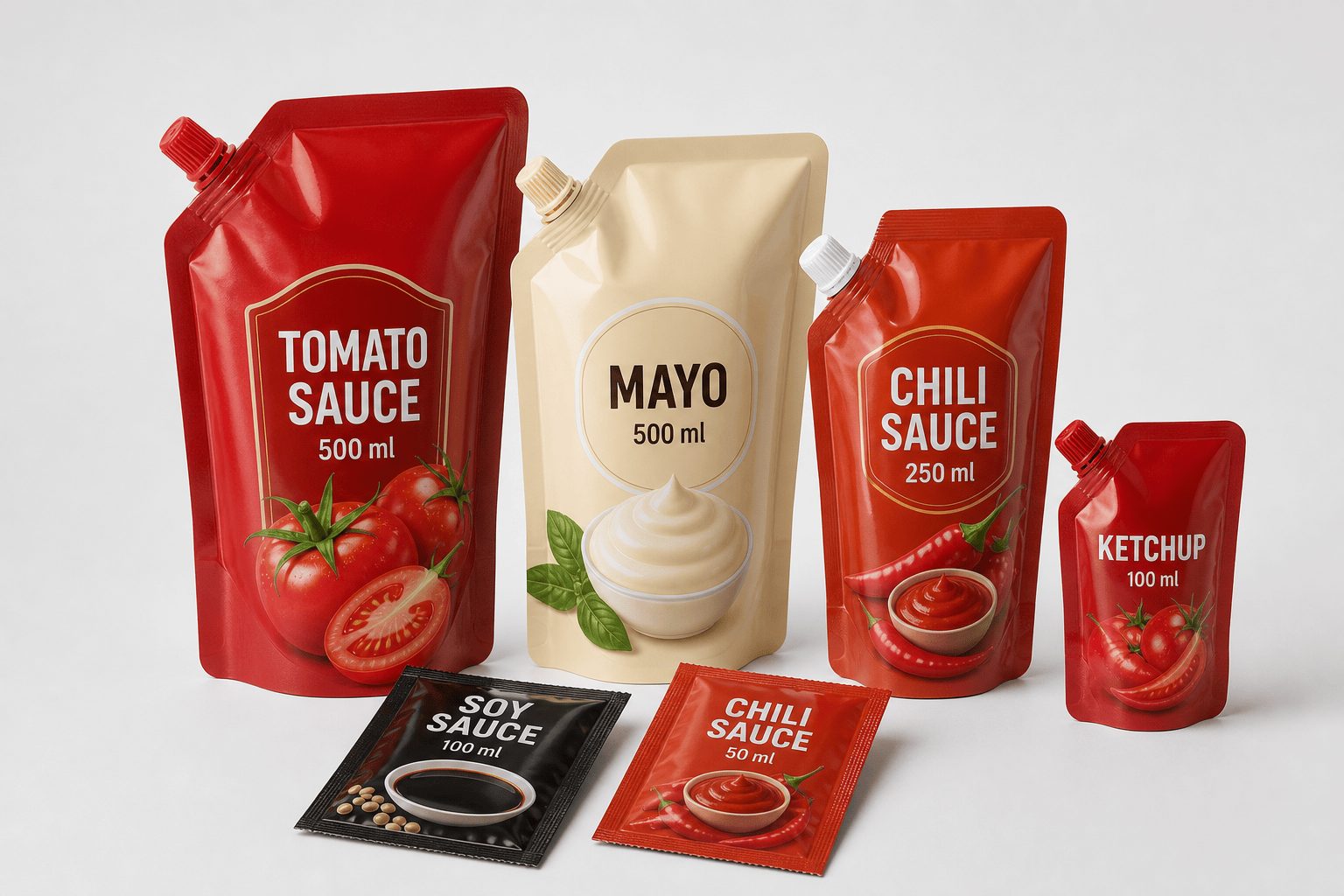
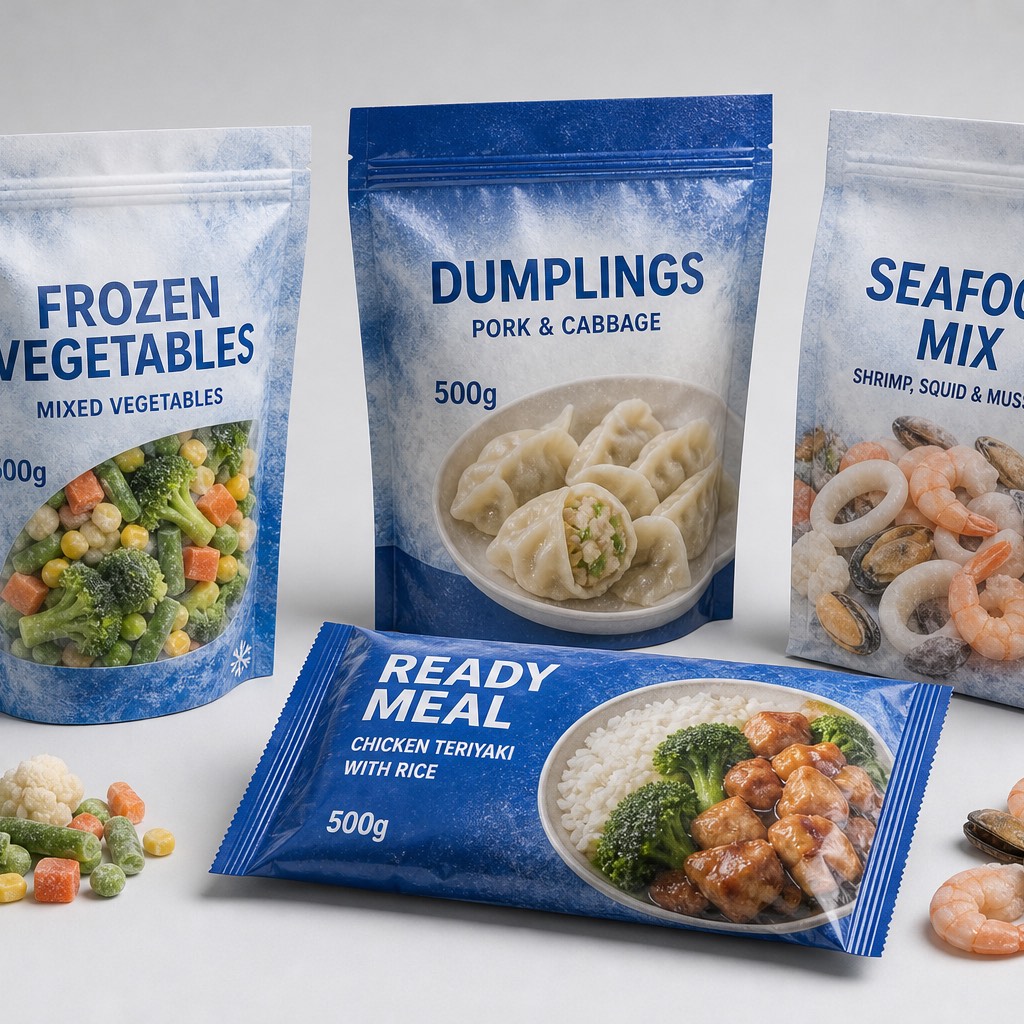
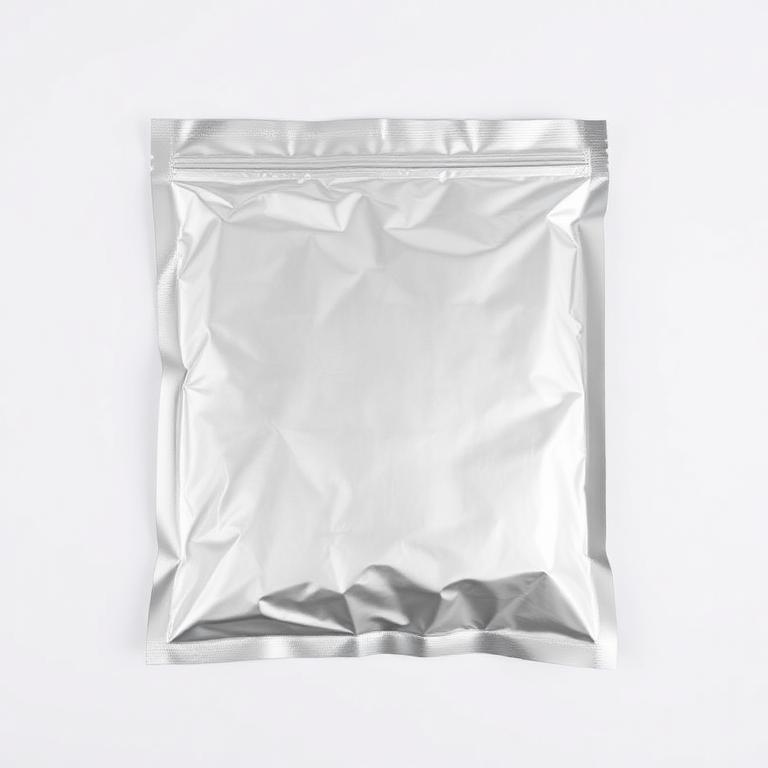
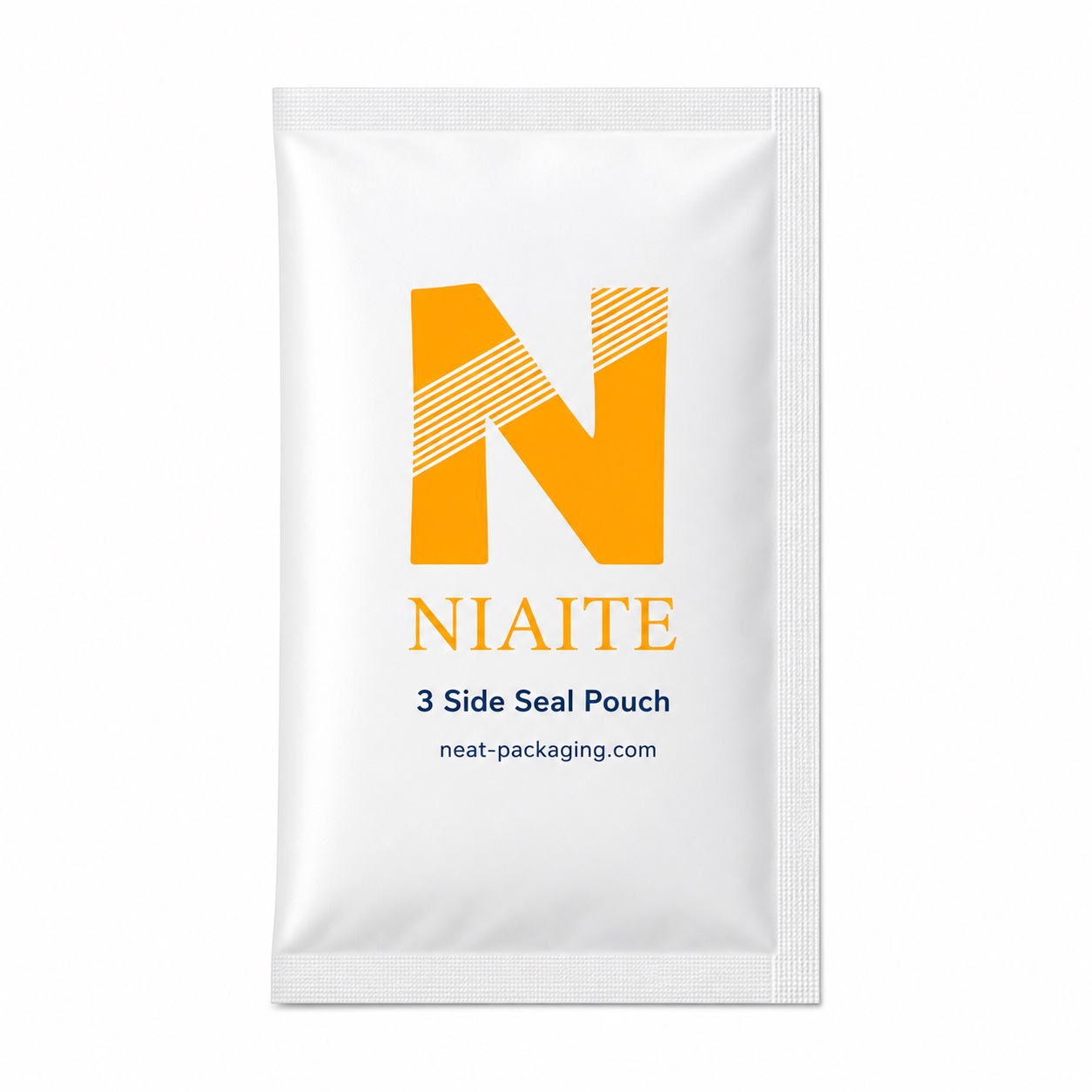
Stand-up base, flat bottom, side gusset, fin seal, vacuum, lidding, and pouch formats can be compared by category.
Precision tear notch systems: standard, linear, dot notches, and laser score technology for clean aesthetics.
Clear windows, matte finish, gloss finish, kraft appearance, metallic effects, and label panels can be matched to product visibility needs.
Food-contact documentation, barrier testing, seal testing, migration testing, and filling-line feedback can be coordinated by project scope.
Representative parameters. Actual values depend on material structure and customization.
Film Thickness
Reviewed by category, fill weight, and barrier target
Category Scope
snack packaging, sauce packaging, frozen foods, retort meals
Format Comparison
Pouch, roll stock, lidding, vacuum, or retort
Process Fit
Ambient, chilled, frozen, hot-fill, or retort review
Documentation
food-contact documentation and test scope by project
Pack Details
Size, closure, window, finish, carton packout, and MOQ planning
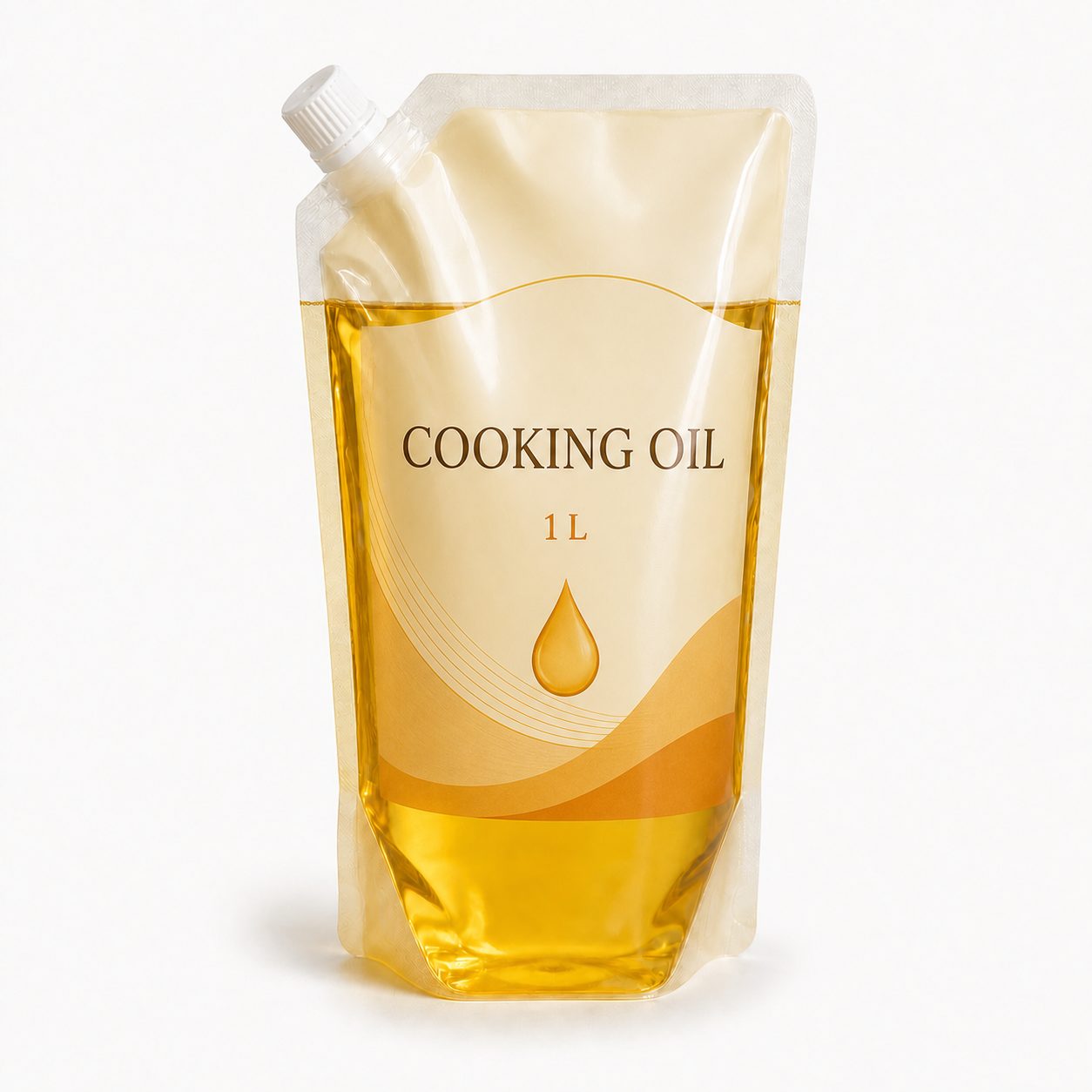
Cooking oil refill pouch with a top-corner spout and 1 L format
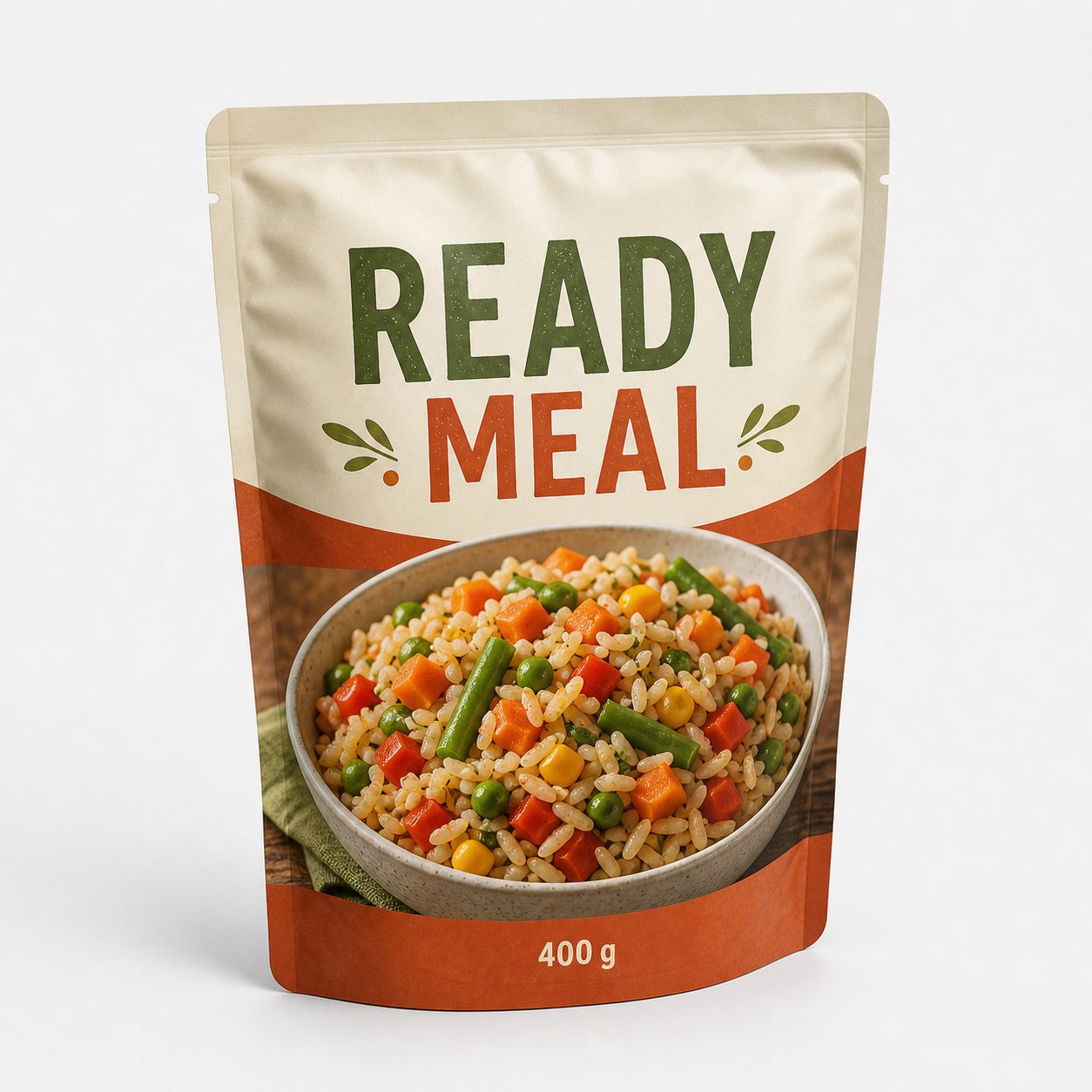
Rice and vegetable ready-meal stand-up retort pouch
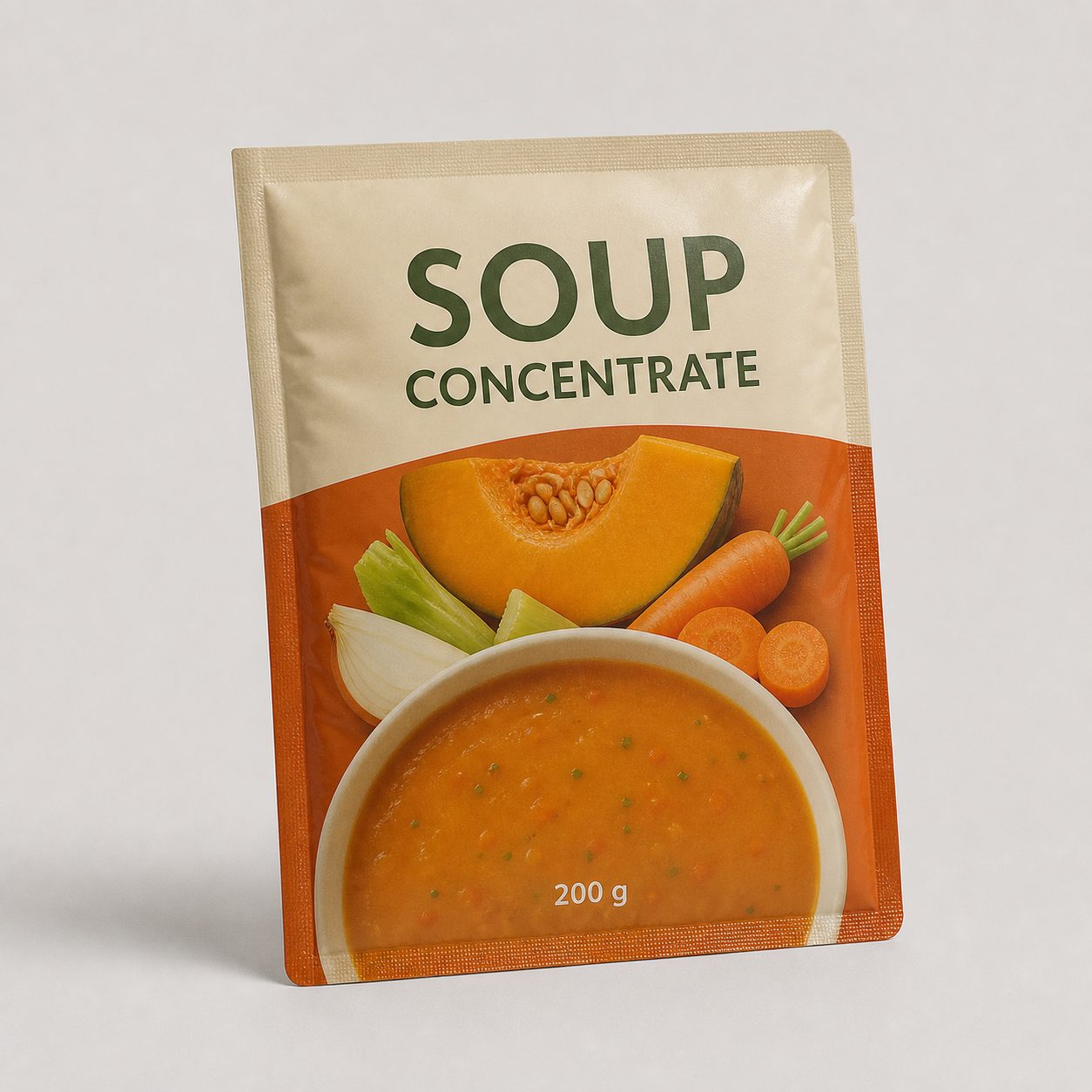
Soup concentrate flat retort pouch with a warm matte print layout
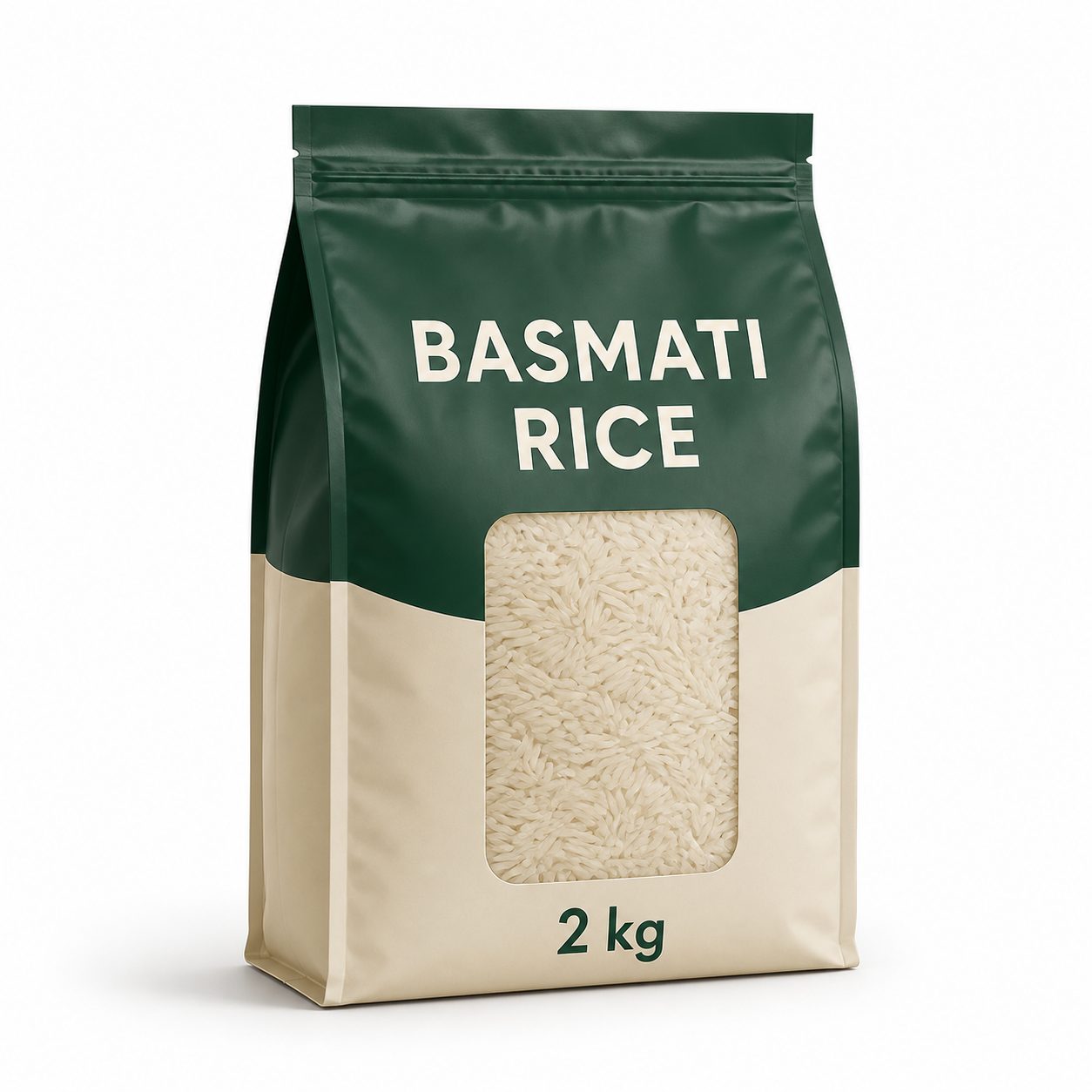
Basmati rice flat-bottom pouch with side gussets, zipper, and window
Use these photos as format references. Final size, structure, print layout, and testing scope are reviewed against your product, filling method, and target market.
Lower-impact structure options can be reviewed when the product, filling process, target market, and recovery route support them.
This page covers snack packaging, sauce packaging, dry goods, frozen foods, retort meals, ready meals, and food service packs. It is a starting point for format comparison before selecting a specific product page.
No. Spout pouches may fit some liquid foods, but snacks, dry goods, frozen foods, and retort meals often need stand-up pouches, flat-bottom bags, fin-seal roll stock, vacuum pouches, or retort pouches.
Food-contact documentation depends on the selected film structure, resin source, ink system, destination market, and test scope. Supplier declarations, traceability records, migration testing, COA, and third-party testing can be reviewed by project.
Production workflow follows GMP-style hygiene and handling controls; no site-level GMP registration is claimed.
ISO 9001-style QC records and FDA/EU material documentation can be reviewed by project scope.
DDP / FOB / CIF coordination can be reviewed by destination and project scope.
Project-level recyclable-ready or lower-impact structures can be reviewed where the final specification supports them.
Project support for material review, artwork coordination, sampling, and production follow-up within the agreed scope.
Production routing, order volume, lead-time assumptions, and capacity fit are reviewed for each confirmed project.
Tell us your product, target weight, and requirements.
We recommend materials, structure, and provide pricing.
Confirm details, approve artwork, and production begins.
QC checkpoints and shipment scope are confirmed by project.
Common issues we help food packaging buyers avoid during project coordination.
A film that works for dry snacks may fail rapidly with oily or acidic products. Matching barrier layers (oxygen, moisture, grease) to your specific food chemistry prevents premature spoilage and returns.
Using a general-purpose laminate because it worked for another product ignores differences in fill weight, acidity, and shelf-life targets. Each product type needs its laminate structure validated against actual storage conditions.
Packaging film rated for horizontal form-fill-seal may wrinkle or misalign on vertical equipment. Confirming film stiffness, coefficient of friction, and heat-seal range for your exact filling line prevents downtime during production.
Buyers often assume a target shelf life based on competitor products without verifying that the specified material can deliver it. Running accelerated aging tests on your actual product-package combination closes this gap before market launch.
Food contact certificates, migration test reports, and compliance declarations vary by destination market. Clarifying which documents you actually need—and for which regulatory framework—before production avoids delays at customs or retail onboarding.
Updated:
Work with NIAITE for material review, sampling guidance, QC checkpoints, and export project coordination.