Woven PP bulk bags for 500–2000 kg (1102.3–4409.2 lb) of grain, feed, fertilizer, minerals, chemicals and construction materials. Tell us the product, its bulk density and your filling and discharge equipment — we'll recommend the construction, spouts and loops.
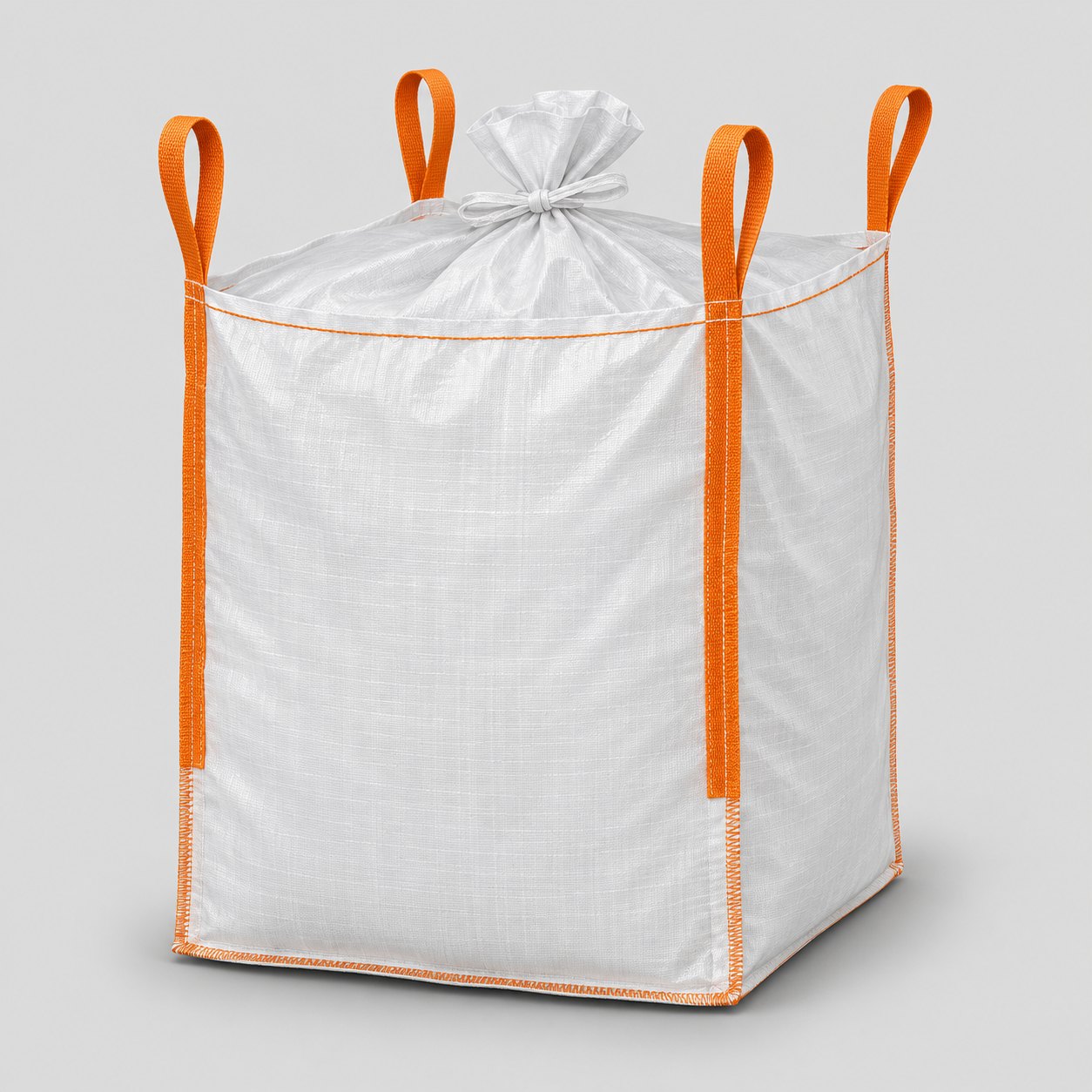
An FIBC (flexible intermediate bulk container), also called a jumbo bag or bulk bag, is a large woven polypropylene bag lifted by loops with a forklift or crane. One bag replaces dozens of small sacks and empties through a spout at the bottom.
Each bag is designed for a safe working load (SWL) and a safety factor: 5:1 for single-trip bags and 6:1 for multi-trip bags. Fabric, loops and seams are set for the load, and every design is confirmed per project.
For 20–50 kg (44.1–110.2 lb) sacks, see PP woven sacks. This page is part of our PP woven bags range.
NIAITE (Neat Packaging) runs its own flexible packaging factory and brings in trusted partner factories when a project needs a structure or process outside that range. Our woven bag line runs in the same owned factory system.
Production routing
Own factory & partner lines
Project-Specific QC Checkpoints
Agreed per project
Shipping term coordination
DDP / FOB / CIF
Project-Scoped Materials
Material review
Bulk bags are used for dry, flowable products moved by forklift or crane. 1000 kg (2204.6 lb) is the most common safe working load.
Electrostatic type, food-contact documentation and dangerous-goods (UN) bags are confirmed per project.
Safe working loads of 500–2000 kg, with a 5:1 safety factor for single-trip and 6:1 for multi-trip bags.
One bulk bag replaces dozens of small sacks on the filling line and in the warehouse.
Open top, filling spout or duffle top, with a flat bottom or discharge spout matched to your equipment.
Coated fabric, dust-proof seams and an optional PE liner for fine or moisture-sensitive products.
A bulk bag is designed as a whole. Safe working load, bulk density and filling and discharge equipment are the points to confirm first.
| Component | Common choice | What to confirm first |
|---|---|---|
Construction
|
U-panel, circular (tubular), four-panel or baffle | Shape on the pallet and stacking |
Body fabric
|
Typically 160–220 g/m², UV-stabilized; coated or uncoated | SWL, safety factor and product |
Top
|
Open top, filling spout, duffle (skirt) top or flap | Filling equipment |
Bottom
|
Flat bottom or discharge spout; iris, star (petal) closure or conical discharge by project | Discharge equipment |
Lifting loops
|
Four corner or cross-corner loops; one- or two-loop designs on request | Forklift or crane handling |
Liner
|
Optional PE liner: loose, tabbed, glued or form-fit | Fine powders and moisture |
The diagram shows the parts that are designed for each bulk bag: body fabric, lifting loops, top and bottom spouts, and the optional liner.
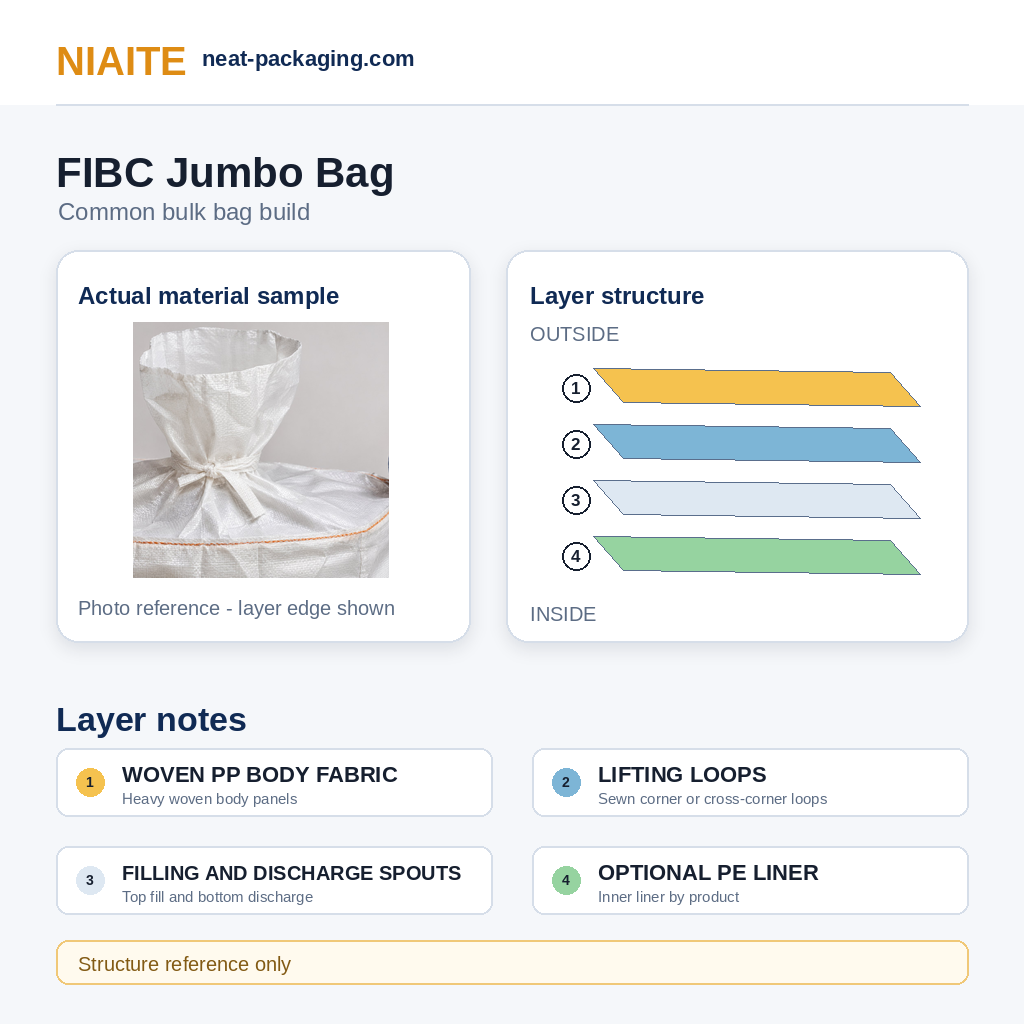
UV-stabilized woven PP, typically 160–220 g/m², coated or uncoated, set by SWL, safety factor and design.
Four corner or cross-corner loops, or one- and two-loop designs, matched to your lifting equipment.
Top spout, duffle or open top; bottom spout or flat bottom. Spout sizes match your equipment.
Loose, tabbed, glued or form-fit PE liner for fine or moisture-sensitive products.
Choose the top and bottom around your filling and discharge equipment, then add only the options the product needs. Optional — tell us how the bags are filled, moved and emptied and we'll advise what's worth adding.
Open top, filling spout, duffle (skirt) top or flap.
Flat bottom or discharge spout; iris, star (petal) closure or conical discharge by project. Spout and loop dimensions are matched to your filling, discharge and lifting equipment.
Four corner or cross-corner loops; one- or two-loop designs on request.
Baffles for a square shape, document pocket, dust-proof (sift-resistant) seams and printing on one or more sides.
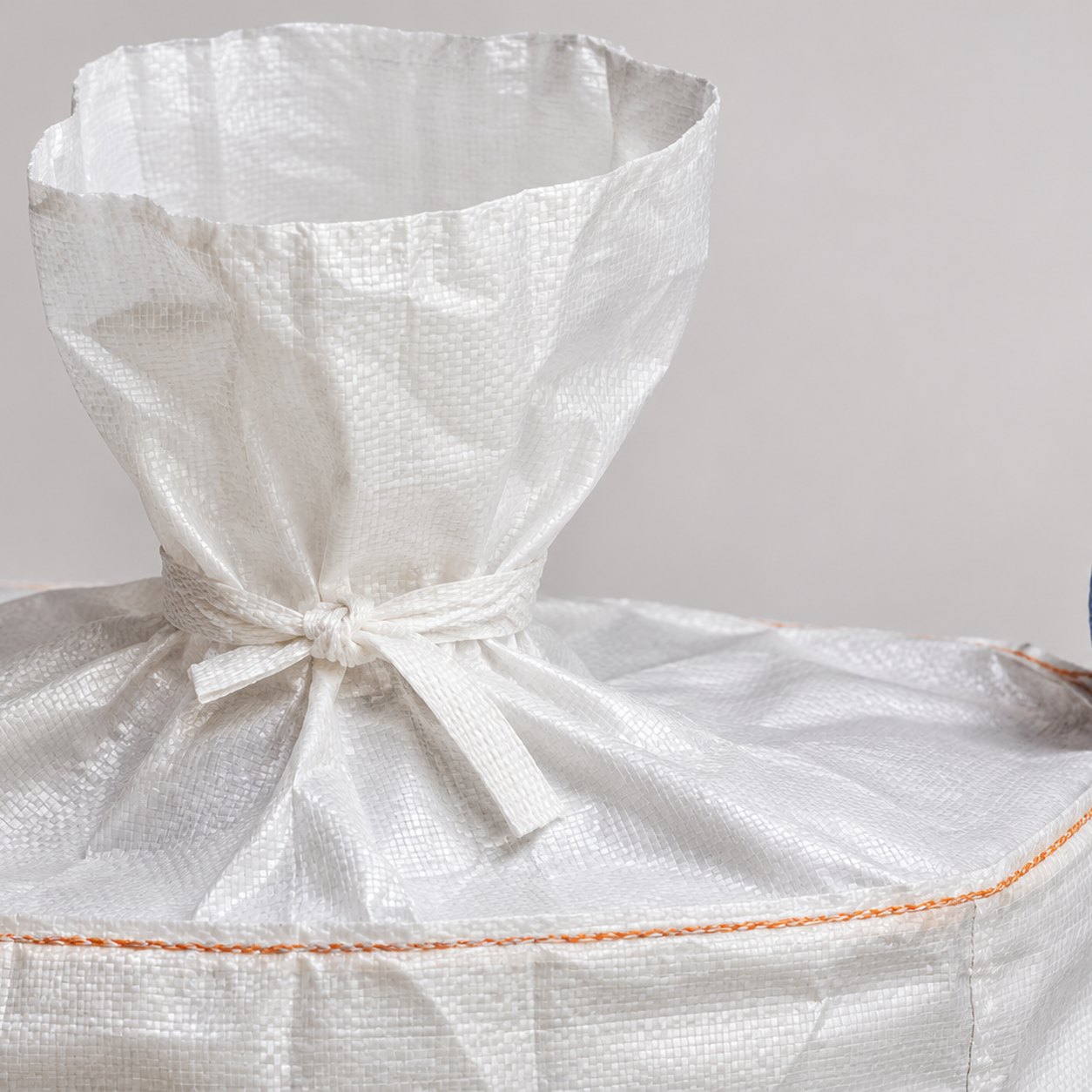
Bulk bags are printed on one or more sides with product, handling and load information. Send your current marking and we lay it out on the bag panels.
Typical ranges for FIBC jumbo bags.
| Specification | Typical range |
|---|---|
| Safe working load (SWL) | 500–2000 kg (1102.3–4409.2 lb) |
| Safety factor | 5:1 for single-trip bags; 6:1 for multi-trip bags |
| Construction | U-panel, circular (tubular), four-panel or baffle |
| Body fabric | Typically 160–220 g/m², set by SWL, safety factor and design |
| Example builds | 1000 kg (2204.6 lb) SWL at 5:1: about 170 g/m² UV-stabilized body fabric. 2000 kg (4409.2 lb) SWL: about 200–220 g/m². Starting points, confirmed by design |
| Common size (1000 kg) | About 90 × 90 × 110–120 cm (35.4 × 35.4 × 43.3–47.2 in) |
| Size range | Base about 90 × 90 to 100 × 100 cm (35.4 × 35.4 to 39.4 × 39.4 in); height about 90–200 cm (35.4–78.7 in), set by your bulk density |
| Top | Open top, filling spout, duffle (skirt) top or flap |
| Bottom | Flat bottom or discharge spout; iris, star (petal) closure or conical discharge by project |
| Spouts | Spout diameter and length matched to your filling and discharge equipment |
| Lifting loops | Four corner or cross-corner loops; one- or two-loop designs on request |
| Fabric finish | Coated or uncoated |
| Liner | Optional PE liner — loose, tabbed, glued or form-fit |
| UV | UV-stabilized fabric |
| Printing | One or more sides; color count confirmed per job |
| Static protection | Electrostatic type chosen for your product and filling area, confirmed per project |
| Options | Baffles, document pocket, dust-proof (sift-resistant) seams |
| Typical products | Grain, feed, fertilizer, minerals, chemicals, resins and construction materials |
All figures are typical starting points for bulk bags. SWL, safety factor, fabric and size are confirmed per project for your product's bulk density, filling and discharge equipment, and handling. Fabric weight for other SWLs is set by design and confirmed per project.
MOQ Planning
From 500 bags per specification.
Minimum order quantities vary by bag type, size, fabric, printing method and the number of artworks. The figures above are practical starting points rather than universal minimums. Final eligibility is confirmed after we review your bag specification and artwork.
Printing plates or gravure cylinders are quoted separately. Setup and proofing costs may apply, especially for low-volume or multi-design orders.
Documentation
Design details, print proofs and sample sign-off are agreed per project. Electrostatic type, food-contact documentation and UN-marked bags for dangerous goods are confirmed per project.
Bottom spout matched to the discharge station
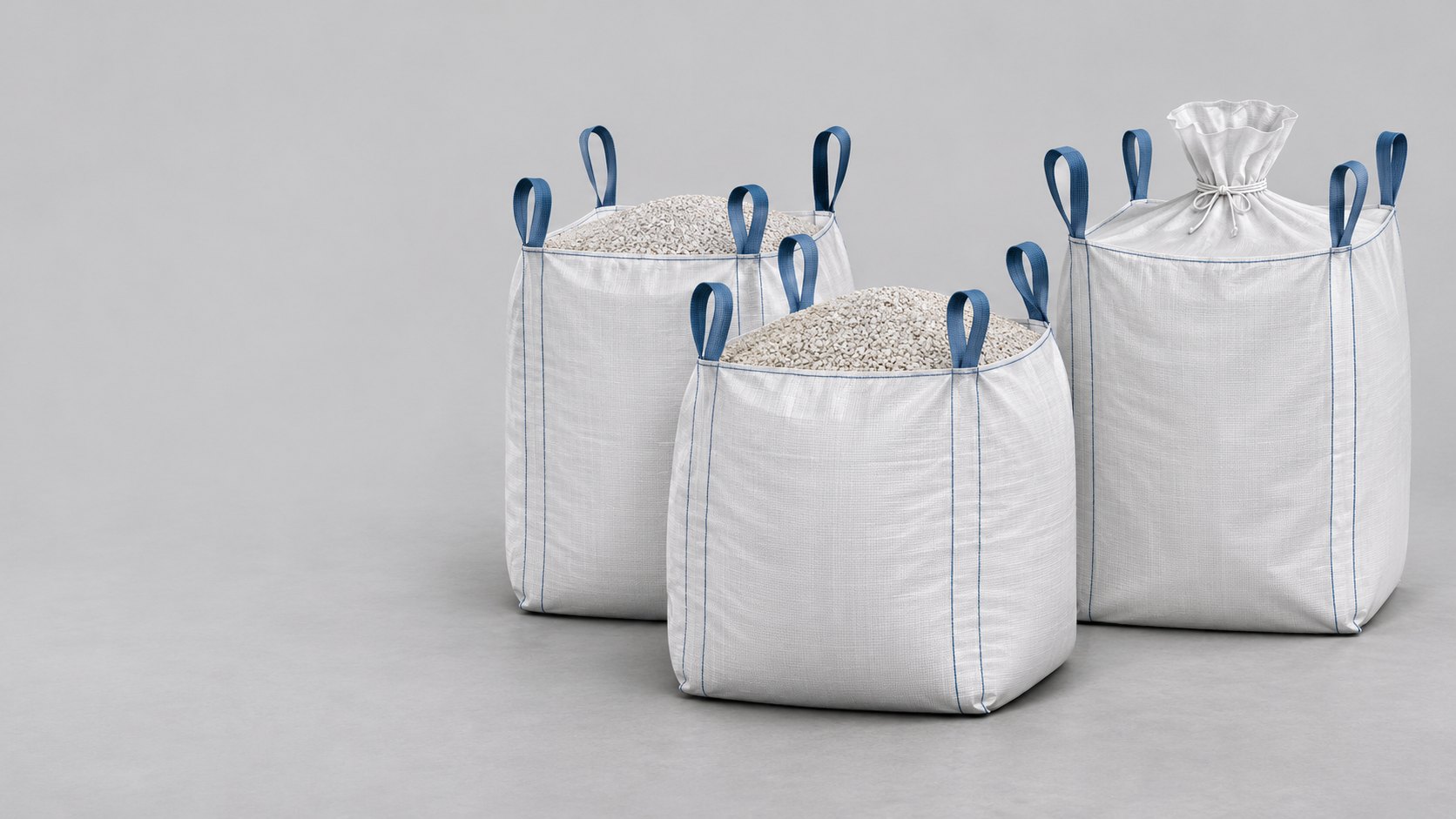
Filled bulk bags lifted by their corner loops
Corner loops with a top filling spout
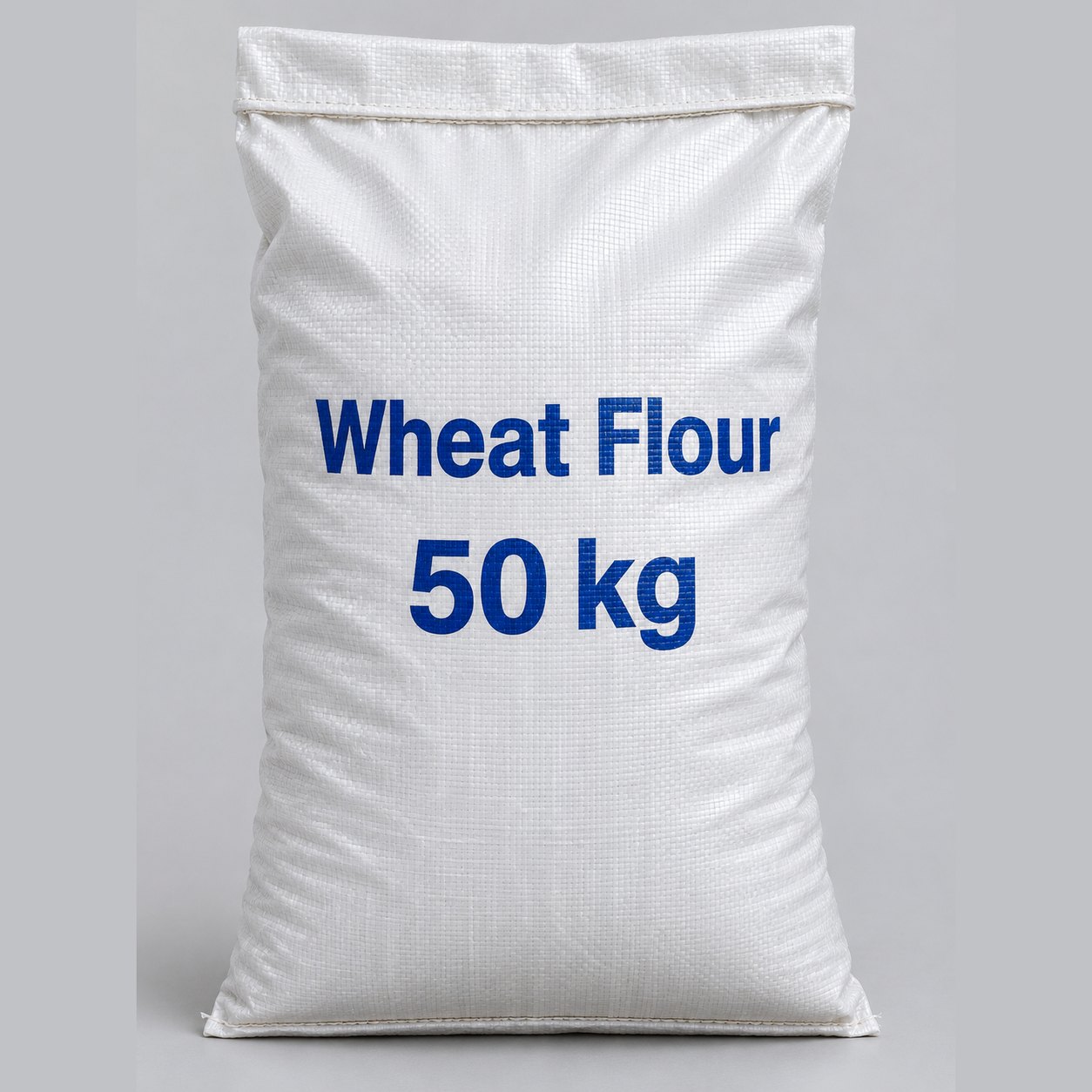
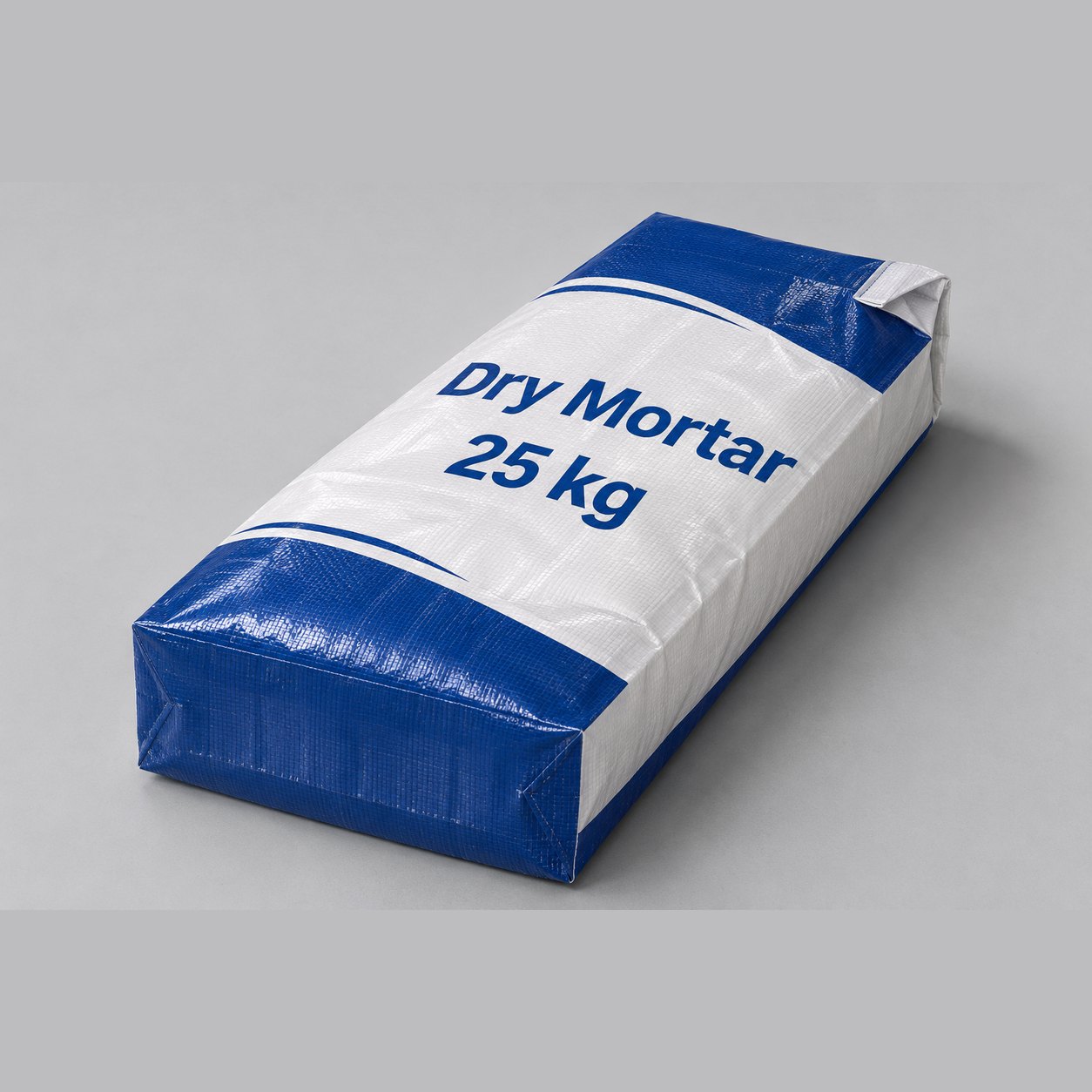
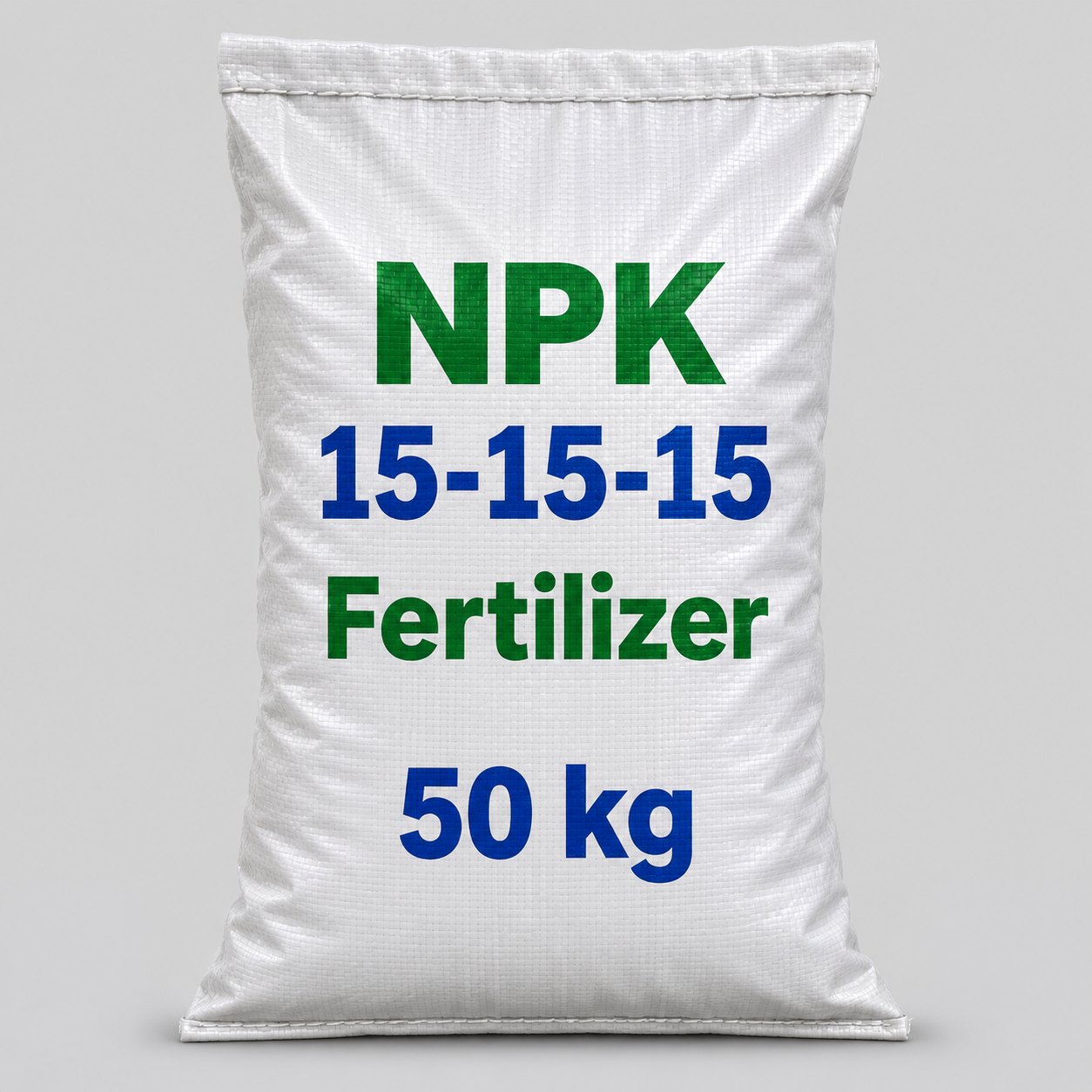
Woven sacks for 20–50 kg packs
Use these photos as format references. Final size, structure, print layout, and testing scope are reviewed against your product, filling method, and target market.
The bag body, loops and spouts are woven polypropylene; a PE liner adds a second material. Multi-trip bags designed at 6:1 can be reused within the limits agreed for the design.
We do not attach a recyclability percentage to a bag. Reuse, cleaning and collection rules depend on your product and market, and we review them with you per project.
SWL (safe working load) is the maximum weight the bag is designed to carry in use, for example 1000 kg (2204.6 lb). The bag is designed and marked for that load.
Single-trip bags are designed at a 5:1 safety factor and multi-trip bags at 6:1. The safety factor is confirmed with the design for each project.
A common 1000 kg bag is about 90 × 90 × 110–120 cm (35.4 × 35.4 × 43.3–47.2 in). Height depends on your bulk density, so we confirm size once we know the product.
U-panel and four-panel bags are sewn from flat fabric; circular bags are woven as a tube with fewer seams. Baffle bags have internal panels that keep a square shape for tighter stacking and loading.
Electrostatic type, UN-marked bags for dangerous goods and food-contact documentation are confirmed per project after we review your product and filling area.
Multi-trip bags are designed at a 6:1 safety factor for reuse. Single-trip bags at 5:1 are meant for one fill and discharge.
From 500 bags per specification. That figure is a practical starting point, not a universal minimum; printing plates are quoted separately.
Woven bags, printed pouches and roll stock can be planned, quoted and shipped together, so you keep one supplier for the full range.
Tell us the product, fill weight and how it is sold. We recommend construction, fabric, spouts and loops; no full spec needed.
Artwork proofs and sample bags are reviewed with you before production, and changes are accepted before proof sign-off.
Third-party lab testing can be arranged by project scope when your market or your customer asks for it.
DDP / FOB / CIF coordination can be reviewed by destination and project scope.
Production routing, order volume, lead-time assumptions, and capacity fit are reviewed for each confirmed project.
Tell us the product, its bulk density if you know it, the load per bag and your filling and discharge equipment. Photos or rough numbers are fine — no full spec needed.
We reply within 24 hours, recommend construction, fabric, spouts and loops, and provide pricing.
Confirm details, approve artwork, and production begins.
QC checkpoints and shipment scope are confirmed by project.
Common issues we help FIBC jumbo bag buyers avoid before production.
The same 1000 kg of a light product and a dense one need different bag heights. Size is set once we know your bulk density.
A spout that is too narrow or too short slows filling and discharge. Spout dimensions are matched to your equipment.
Bags designed at 5:1 are for one trip. If you plan to reuse bags, tell us so they are designed at 6:1.
Products and filling areas with static risk need a matching electrostatic type. Tell us early so it is confirmed per project.
Updated:
Custom pouches and roll stock from our own factory, with one team from brief and samples to shipment.