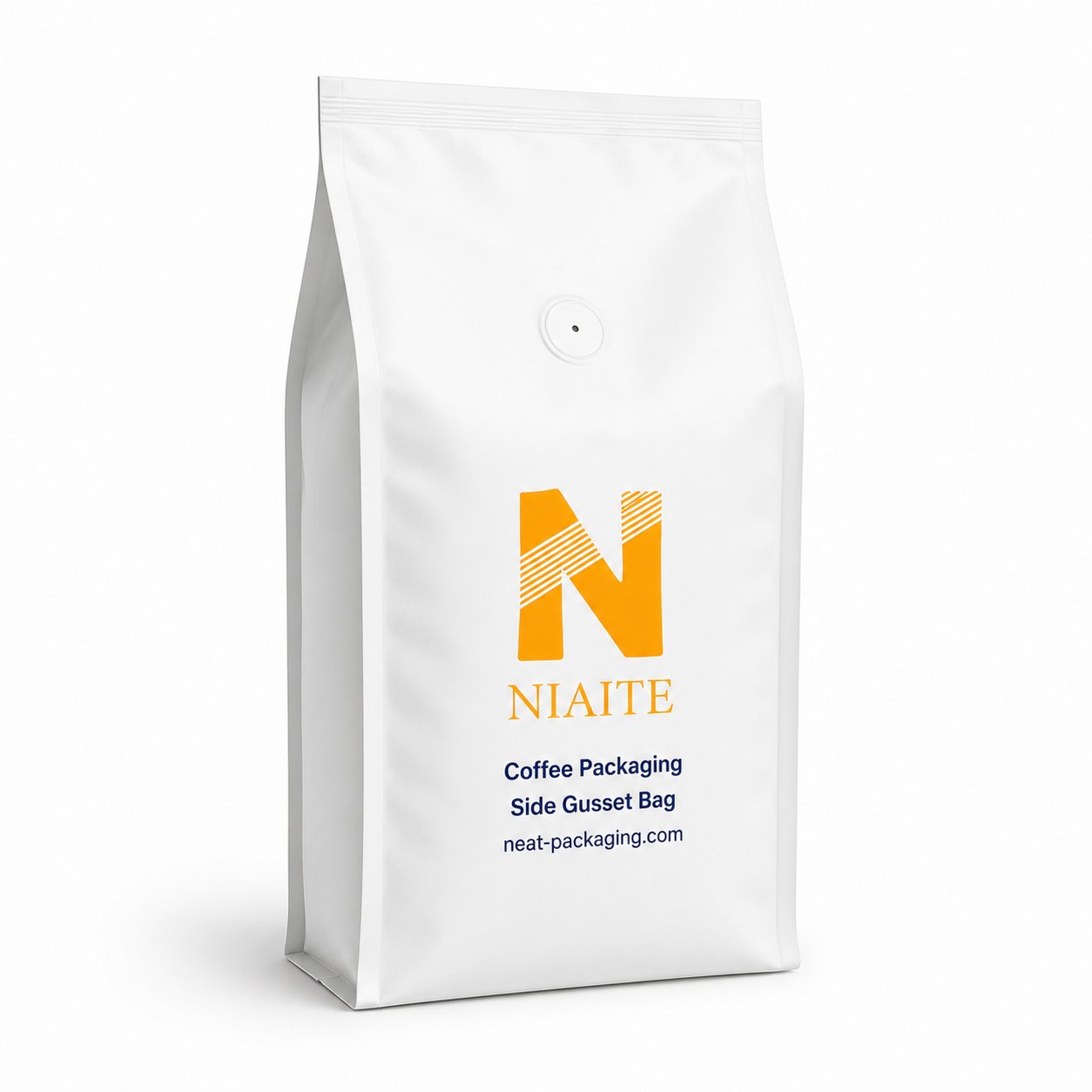
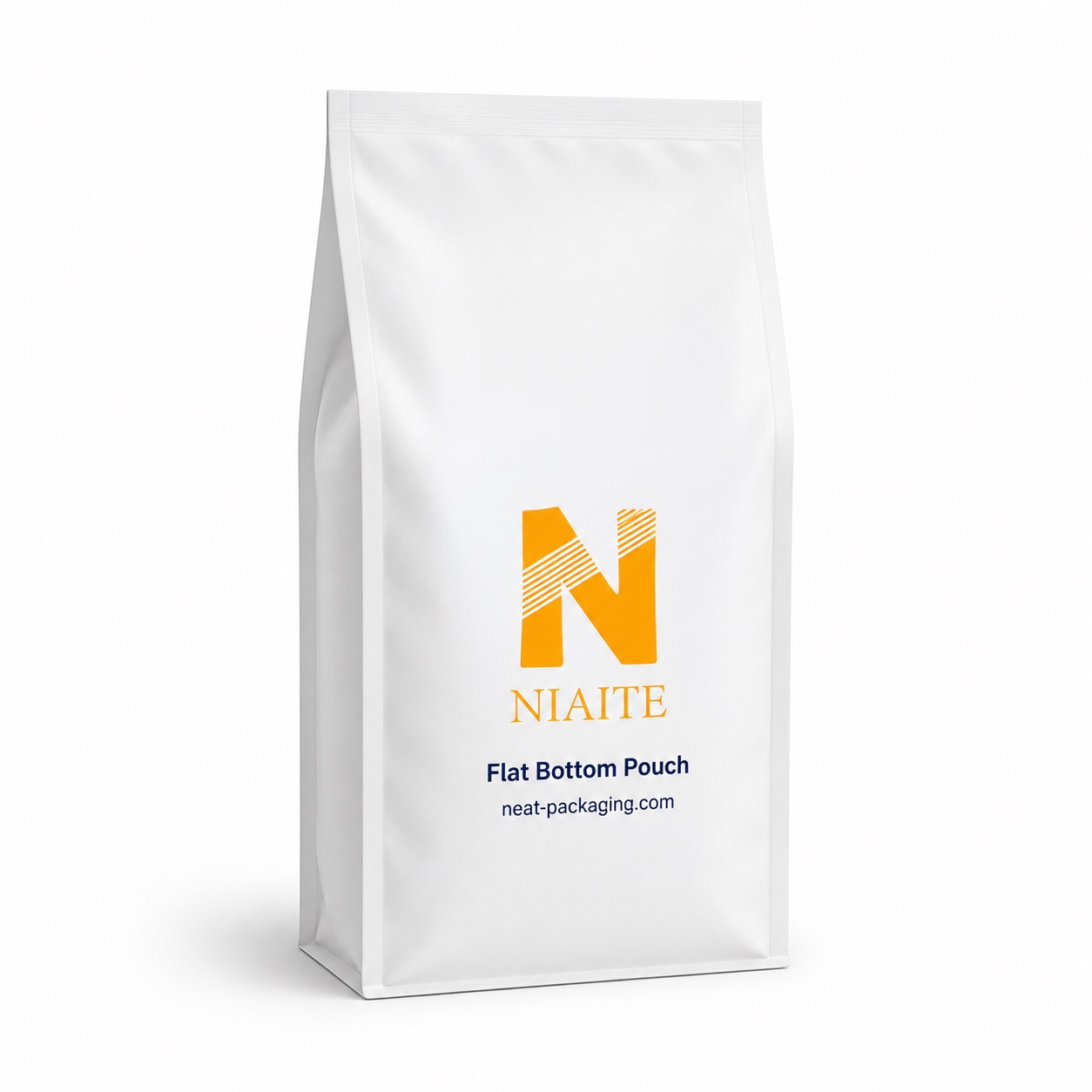
Side gusset bags for coffee beans, tea, powders, grains, pet food, and large-format packs. Confirm side panels, gusset width, brick pack profile, back seal, tin tie, degassing valve, filling volume, headspace, panel stiffness, barrier structure, heat-seal closure, and roll-fold closure before production.
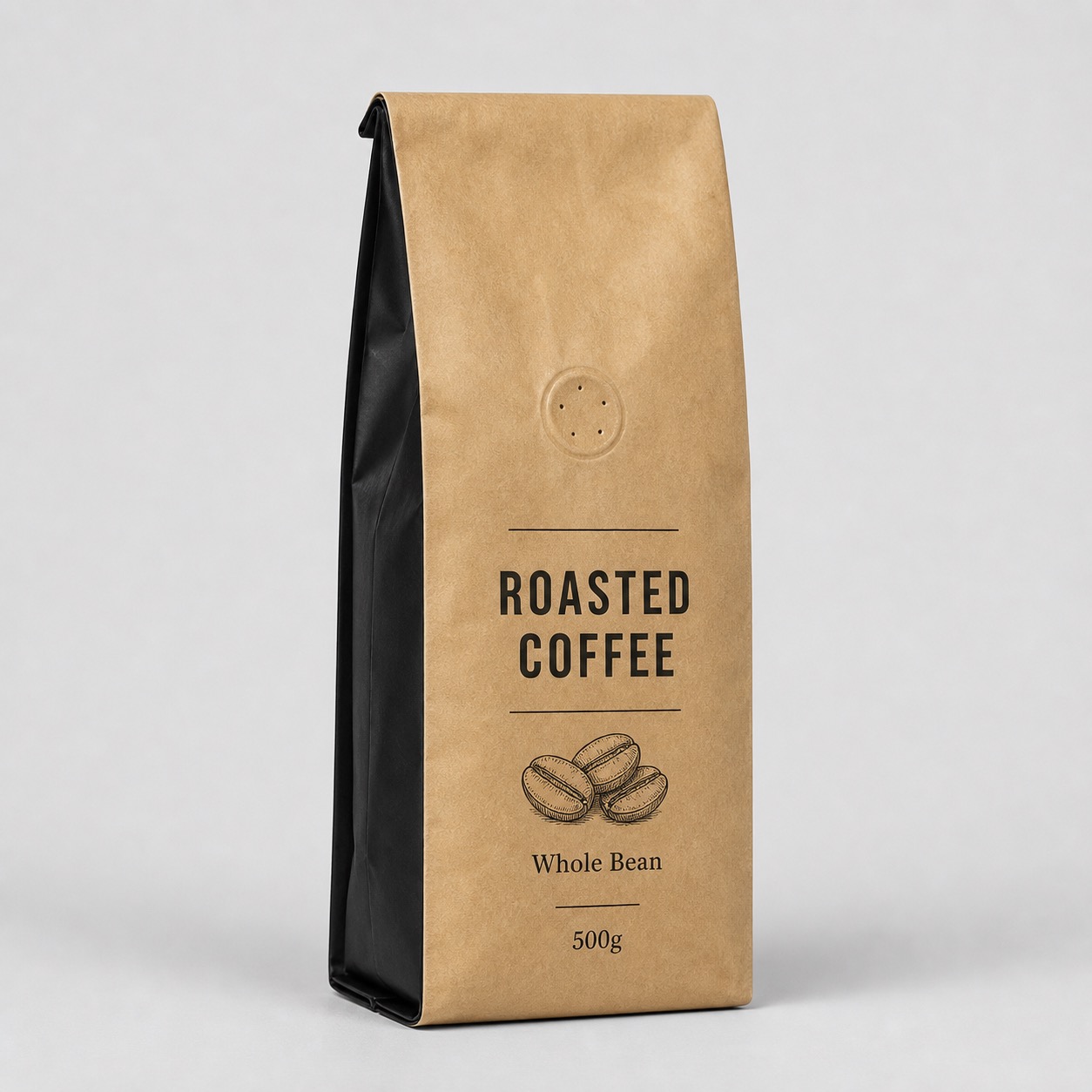
Side gusset bags use expandable side panels and a controlled gusset width to create a stable brick pack profile for coffee beans, tea, powders, grains, pet food, and other large-format packs.
Project review focuses on back seal, bottom fold, filling volume, headspace, panel stiffness, barrier structure, degassing valve, tin tie, heat-seal closure, roll-fold closure, and artwork panels.
GMP-Style Production Controls
Partner facilities
ISO 9001-Style QC
Quality system
Shipping term coordination
DDP / FOB / CIF
Project-Scoped Materials
Material review
Side gusset bags are used across a wide range of dry and semi-dry product categories, from retail coffee to bulk pet food. Discuss a side gusset project .
Side panels and gusset width expand filling volume while keeping a controlled brick pack profile for shelf and carton packing.
Panel stiffness, front panel width, and side panel artwork can be reviewed so large-format packs stand cleanly in display.
Tin tie, degassing valve, heat-seal closure, roll-fold closure, zipper, and back seal choices are matched to product and filling line.
Material declarations, artwork proof, sample approval notes, seal checks, and food-contact documentation can be reviewed by project scope.
Key factors to evaluate when selecting side gusset bags for your project.
Gusset width directly controls how much product the bag can hold and how it stands on shelf. Wider gussets suit bulk items like pet food or grains, while narrower panels work well for coffee and tea retail packs.
Freshly roasted coffee releases CO2 and needs a one-way degassing valve to prevent bag swelling. Teas, grains, and pre-ground powders typically do not require valves. Valve placement also affects your filling line setup.
Tin ties allow consumers to reseal the bag after opening, common in coffee and snack packs. Heat-sealed tops suit single-use or industrial applications. Confirm whether your filling line supports tin-tie insertion before specifying.
Oxygen-sensitive products like whole-bean coffee call for aluminum foil or metallized film layers. When barrier requirements are lower, kraft-look or clear window films offer better shelf appeal and may reduce material cost.
Side gusset bags range from 100 g retail packs to 25 kg bulk sacks. Confirm your target fill weight early in the project, as it drives film thickness, gusset dimensions, and pallet configuration.
Choose the barrier structure around product sensitivity, filling volume, headspace, panel stiffness, back seal, and closure method.
| Structure | Application | Barrier Level |
|---|---|---|
PET / PE
|
Printed dry-goods side gusset bags where panel stiffness and heat-seal closure are the main inputs | Standard |
PET / VMPET / PE
|
Coffee beans, tea, and powders needing moisture, aroma, and degassing valve review | Medium |
PET / AL / PE
|
High-barrier coffee beans, grains, or pet food when light, oxygen, or moisture control is part of the brief | High |
PET / NY / PE
|
Heavy fills or larger gusset width where puncture resistance and side panel stiffness need review | High |
Kraft / PET / PE
|
Paper-look coffee or tea side gusset bags with tin tie or roll-fold closure | High |
PE-Based Review
|
Lower-impact structure review when local recovery stream, barrier structure, sealant, and closure allow it | Standard |
A transparent look at how printable, barrier, and sealant layers support side panels, back seal, bottom fold, panel stiffness, and closure requirements. Visit our material guide for more details.
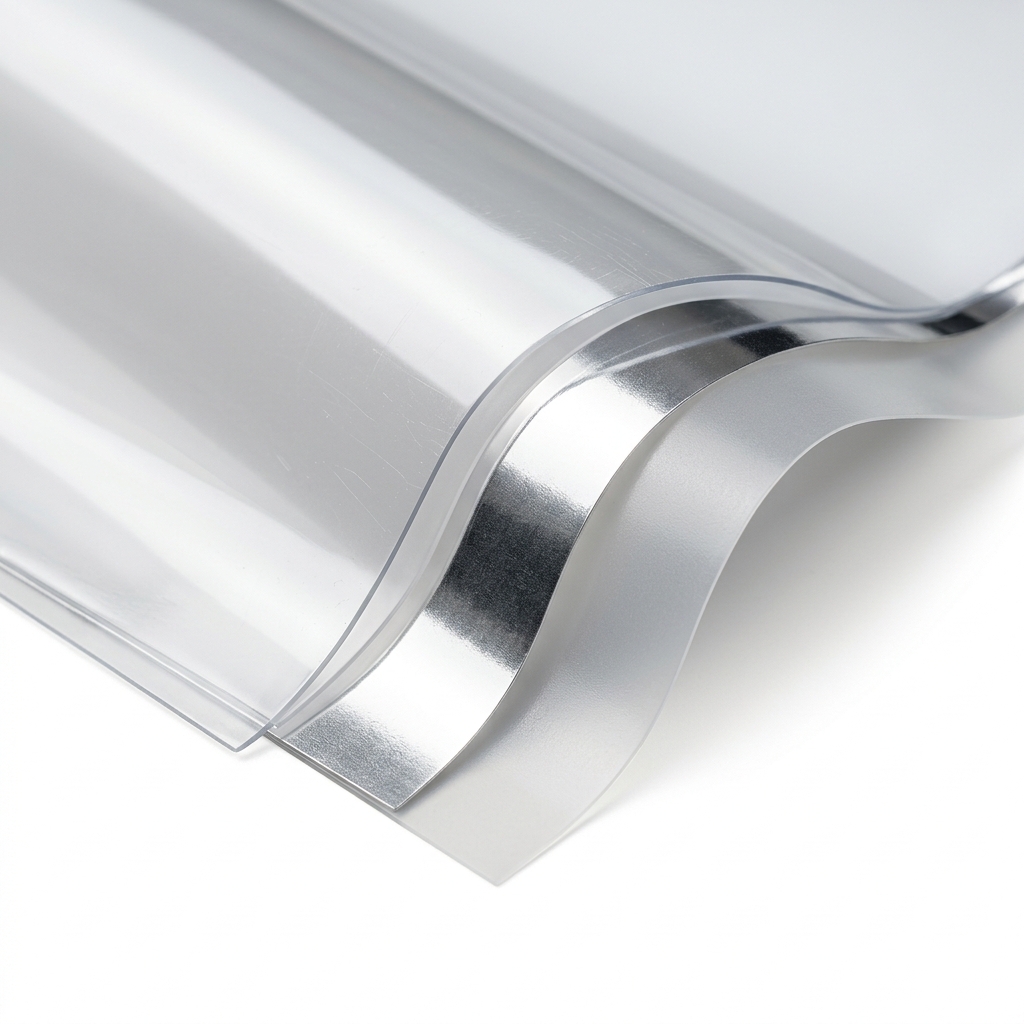
Printable PET supports artwork, registration marks, varnish or matte finish, and the outer handling surface.
Barrier film is selected around moisture, aroma, grease, light, and shelf-life targets for the packed product.
Adhesive bonds the print web, barrier option, and sealant into one stable laminate after curing and testing.
PE sealant is reviewed for heat-seal window, jaw temperature, dwell time, COF, filling conditions, and pack format.
Review pouch width, height, side panels, gusset width, filling volume, headspace, back seal, and bottom fold before production.
Closure review can cover tin tie, degassing valve, heat-seal closure, roll-fold closure, zipper, artwork panels, and barrier structure.
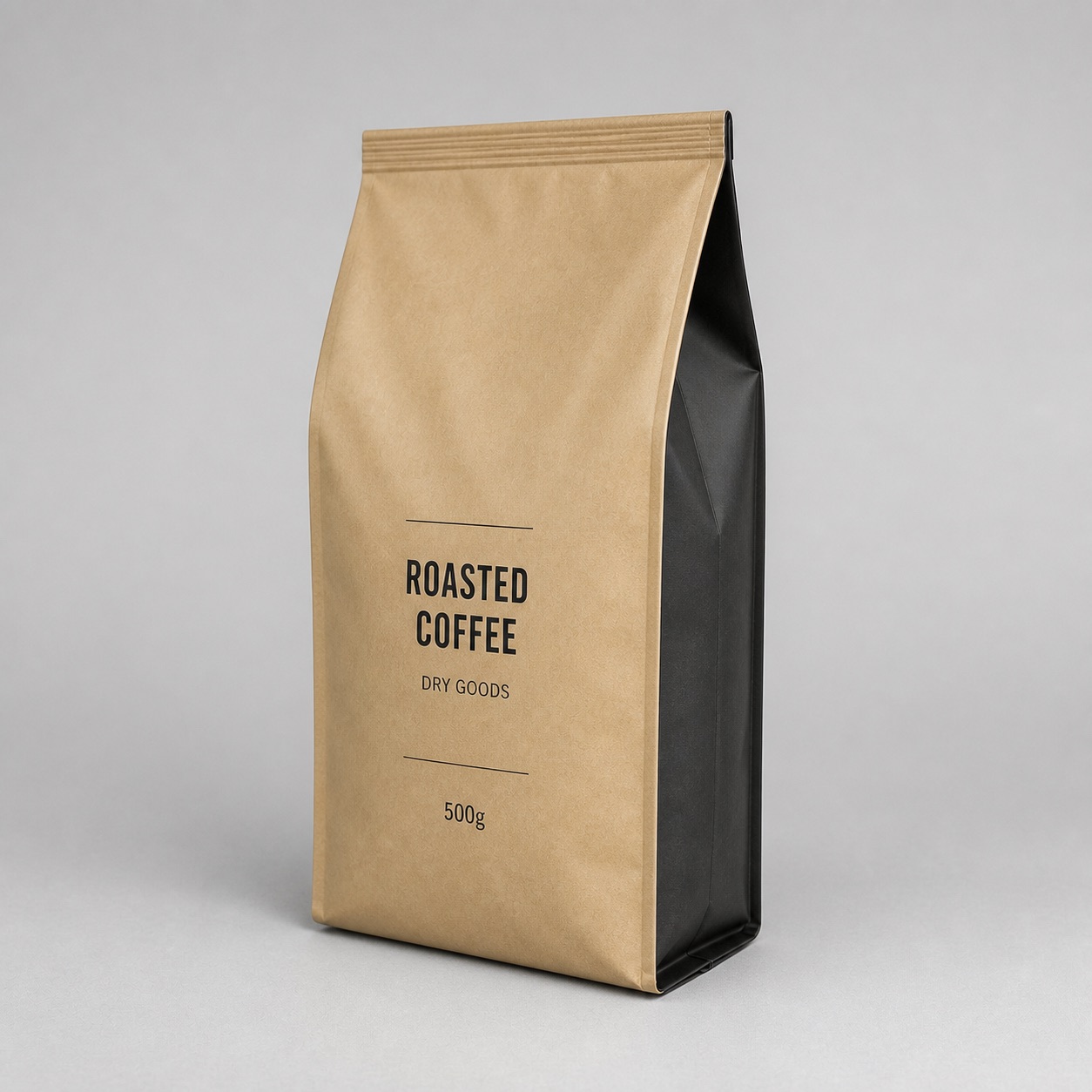
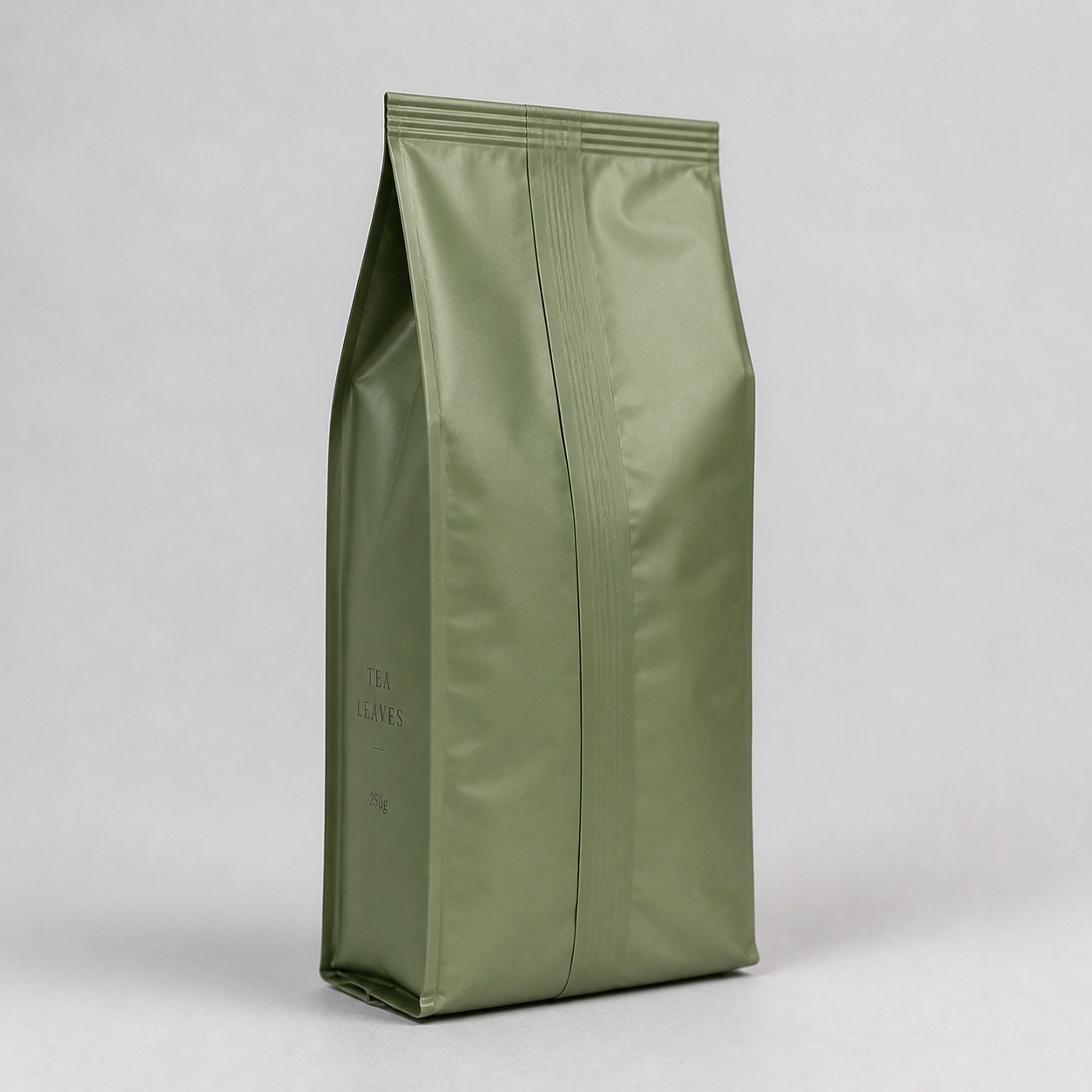
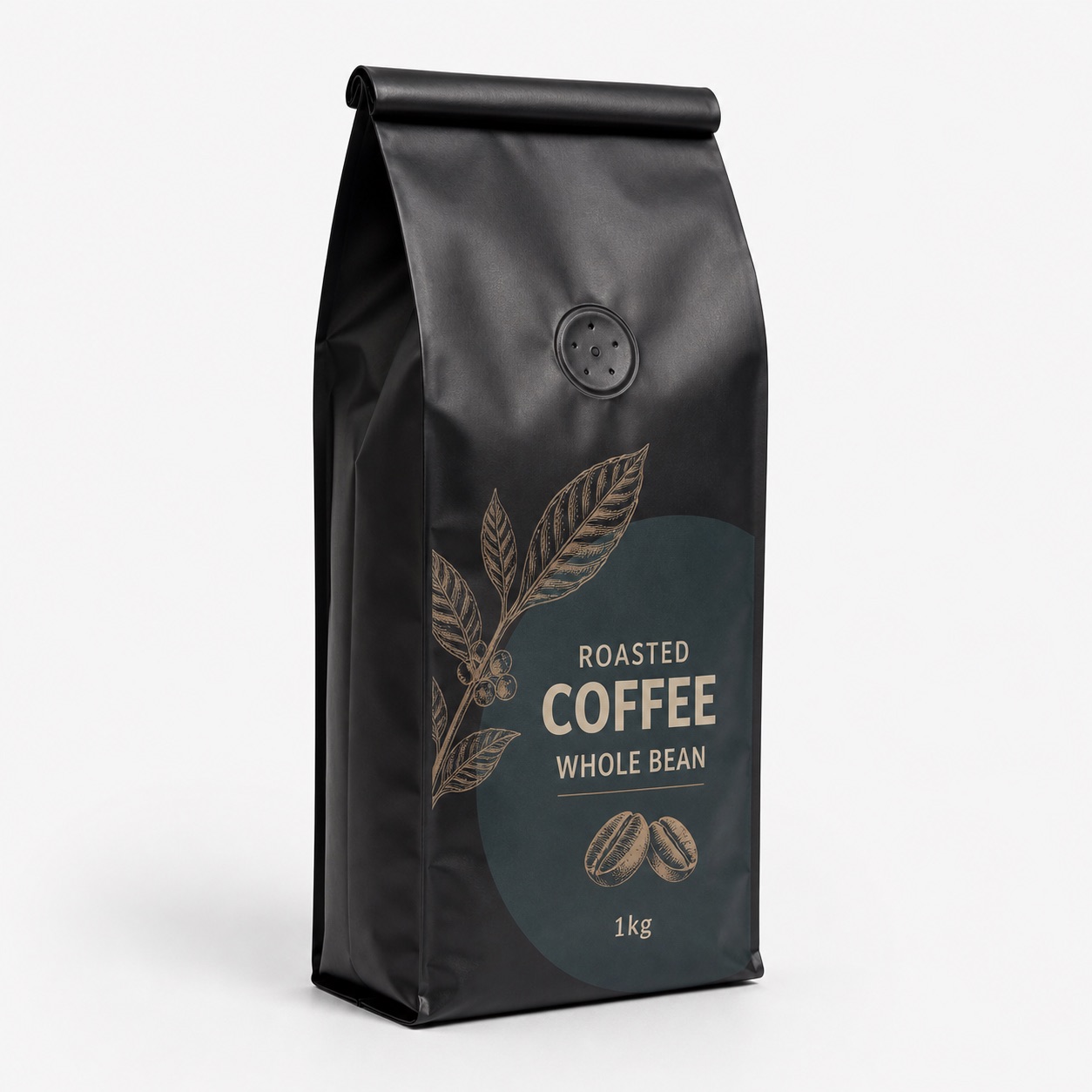
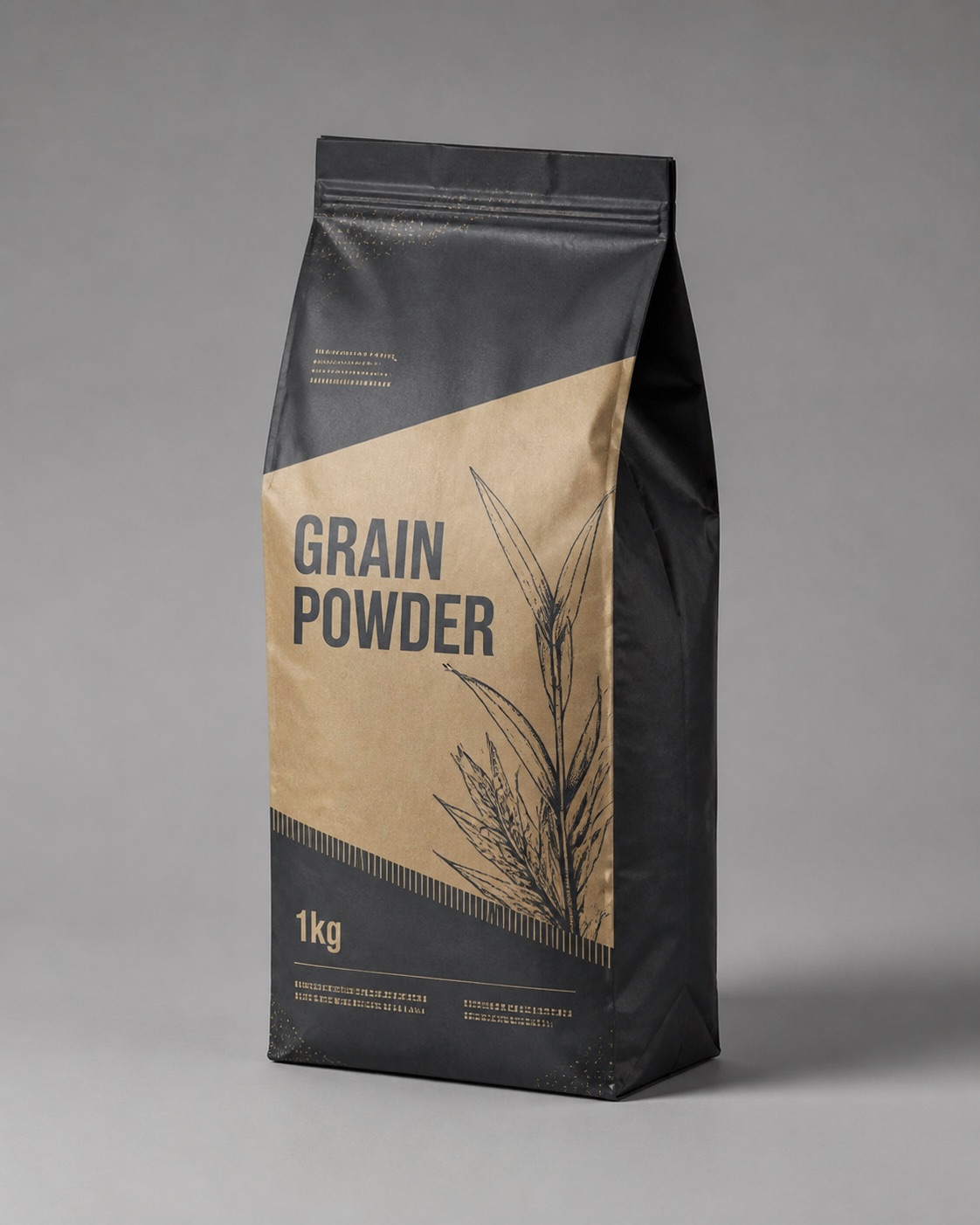
Confirm side panels, gusset width, filling volume, headspace, bottom fold, and brick pack profile before production.
Choose tin tie, degassing valve, heat-seal closure, roll-fold closure, zipper, or plain seal according to product format.
Map front, back, and side panel artwork, barcode clearance, valve area, and fold lines inside the approved layout.
Material declarations, artwork proof, sample approval notes, seal checks, and food-contact documentation can be reviewed by project scope.
Representative review points only. Actual values depend on material structure, filling line, pouch geometry, closure method, and customer acceptance range.
Film Structure
Selected by barrier structure, panel stiffness, print, and closure requirements
Gusset Width
Defined by filling volume, headspace, product density, and shelf profile
Back Seal
Reviewed against bottom fold, filling process, sealant layer, and pack weight
Closure System
Tin tie, degassing valve, heat-seal closure, roll-fold closure, or zipper by project scope
Artwork Panels
Checked against front, back, side panels, barcode, valve area, and fold lines
MOQ Planning
Digital printing, selected standard specifications: 500 pouches per order and 100 per design. Final eligibility depends on size, material structure, printing method, closure, and artwork count. Setup and proofing costs may apply, especially for low-volume or multi-design orders.
Gravure printing: 5,000 pouches per design for all pouch formats. Unit price includes machine setup and printing proofs; printing plates are quoted separately. Multiple designs may be gang-printed when size, material and schedule allow; confirmed per project.
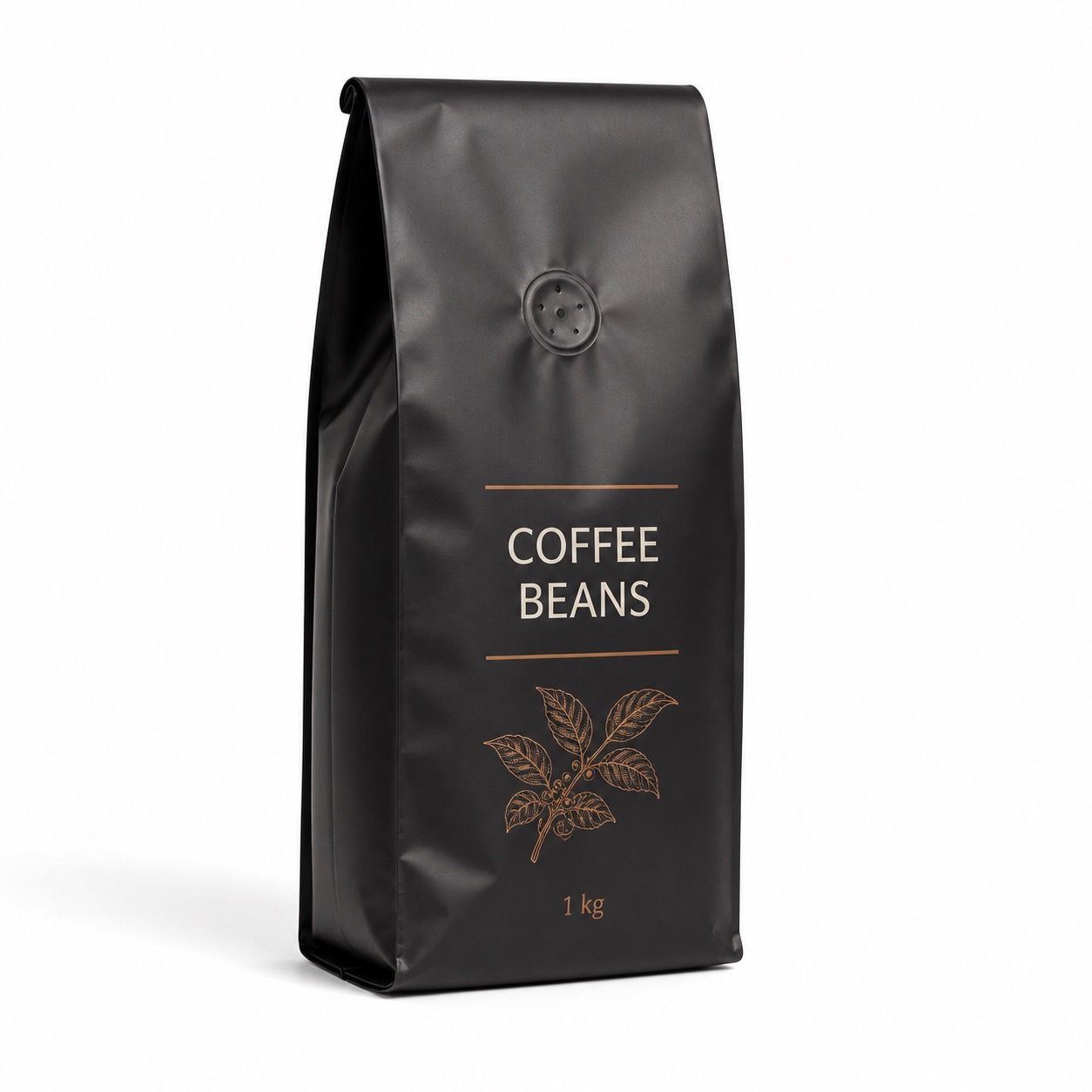
Side gusset bag for coffee beans with degassing valve, tin tie, and barrier structure review
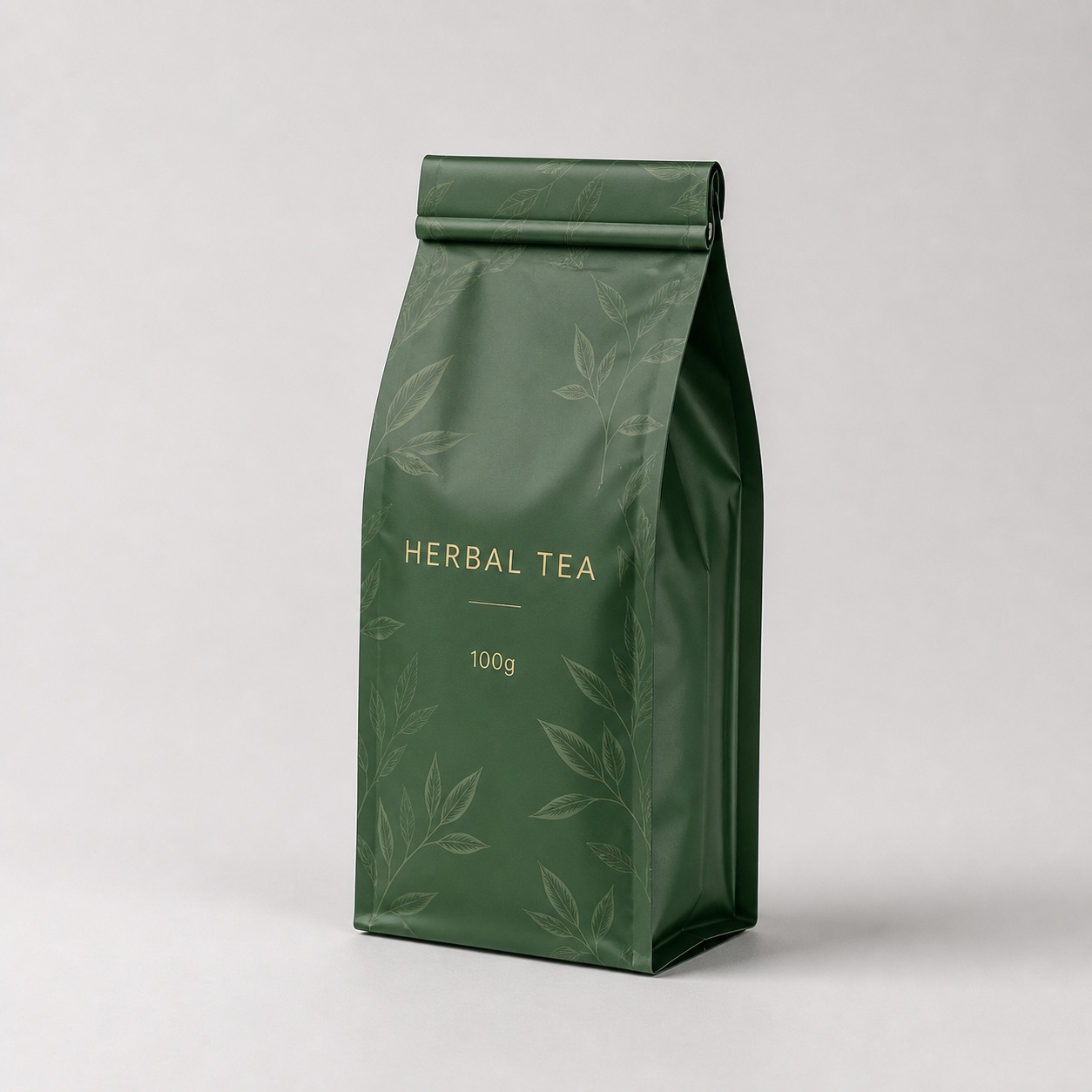
Tea pack reviewed for roll-fold closure, side panels, and aroma barrier structure
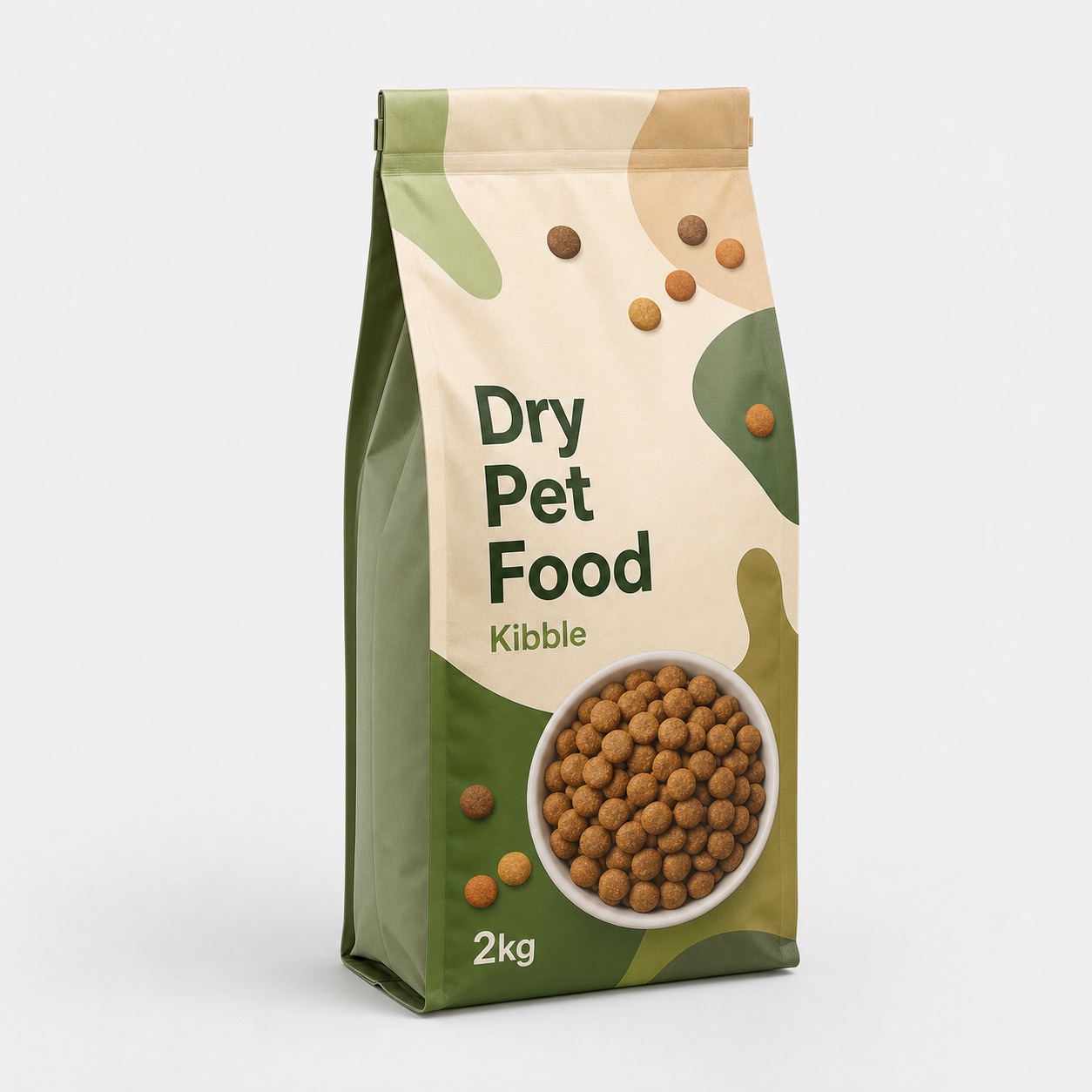
Large-format packs for pet food reviewed for filling volume, panel stiffness, and back seal
Powders and grains reviewed for gusset width, headspace, and heat-seal closure
Use these photos as format references. Final size, structure, print layout, and testing scope are reviewed against your product, filling method, and target market.
Lower-impact structure options can be reviewed when the product, filling process, target market, and recovery route support them.
Side Gusset Bags are most useful for coffee beans, tea, powders, grains, pet food, and large-format packs that need side panels, gusset width, filling volume, headspace, and a brick pack shelf profile.
Confirm pouch width, height, gusset width, side panels, back seal, bottom fold, filling volume, headspace, degassing valve, tin tie, heat-seal closure, roll-fold closure, zipper, barrier structure, and artwork panels.
Material declarations, artwork proof, sample approval notes, valve or tin tie specifications, seal checks, food-contact documentation when applicable, and project QC records can be reviewed by selected structure and project scope.
Production workflow follows GMP-style hygiene and handling controls; no site-level GMP registration is claimed.
ISO 9001-style QC records, material declarations, artwork proof, and project documentation can be reviewed by project scope.
DDP / FOB / CIF coordination can be reviewed by destination and project scope.
Project-level recyclable-ready or lower-impact structures can be reviewed where the final specification supports them.
Expert team providing support for side gusset bag design, closure selection, and filling-volume review.
Production routing, order volume, lead-time assumptions, and capacity fit are reviewed for each confirmed project.
Tell us your product, target weight, and requirements.
We recommend materials, structure, and provide pricing.
Confirm details, approve artwork, and production begins.
QC checkpoints and shipment scope are confirmed by project.
Common issues we help side gusset bag buyers avoid during project coordination.
Side gusset bags rely on precise, symmetrical fold-in panels to create a flat bottom and uniform volume. If gusset fold depth varies between left and right sides, the bag tilts when filled, disrupts automated filling line centering, and creates an uneven shelf profile.
One-way degassing valves and tin-tie closures must be positioned within tight tolerances relative to the gusset folds and top seal. Misplaced valves can be blocked by the gusset overlap, and off-center tin-ties create uneven closure pressure that lets air in.
Side gusset bags can appear oversized or undersized depending on how much headspace remains after filling. If bag dimensions are specified without testing actual product bulk density, the finished bag may slump on shelf or stretch the gussets beyond their fold memory.
Artwork that spans the front face, gusset fold, and back panel must maintain registration across the fold transition. Color breaks or text misalignment at the gusset crease are highly visible to end consumers and difficult to fix without adjusting the artwork template.
The bottom cross-seal determines whether the bag sits flat or rocks on shelf. Uneven seal width or wrinkled film at the bottom corners—common when gusset material bunches during sealing—creates an unstable base that undermines the bag's retail presentation.
Updated:
Work with NIAITE for material review, sampling guidance, QC checkpoints, and export project coordination.