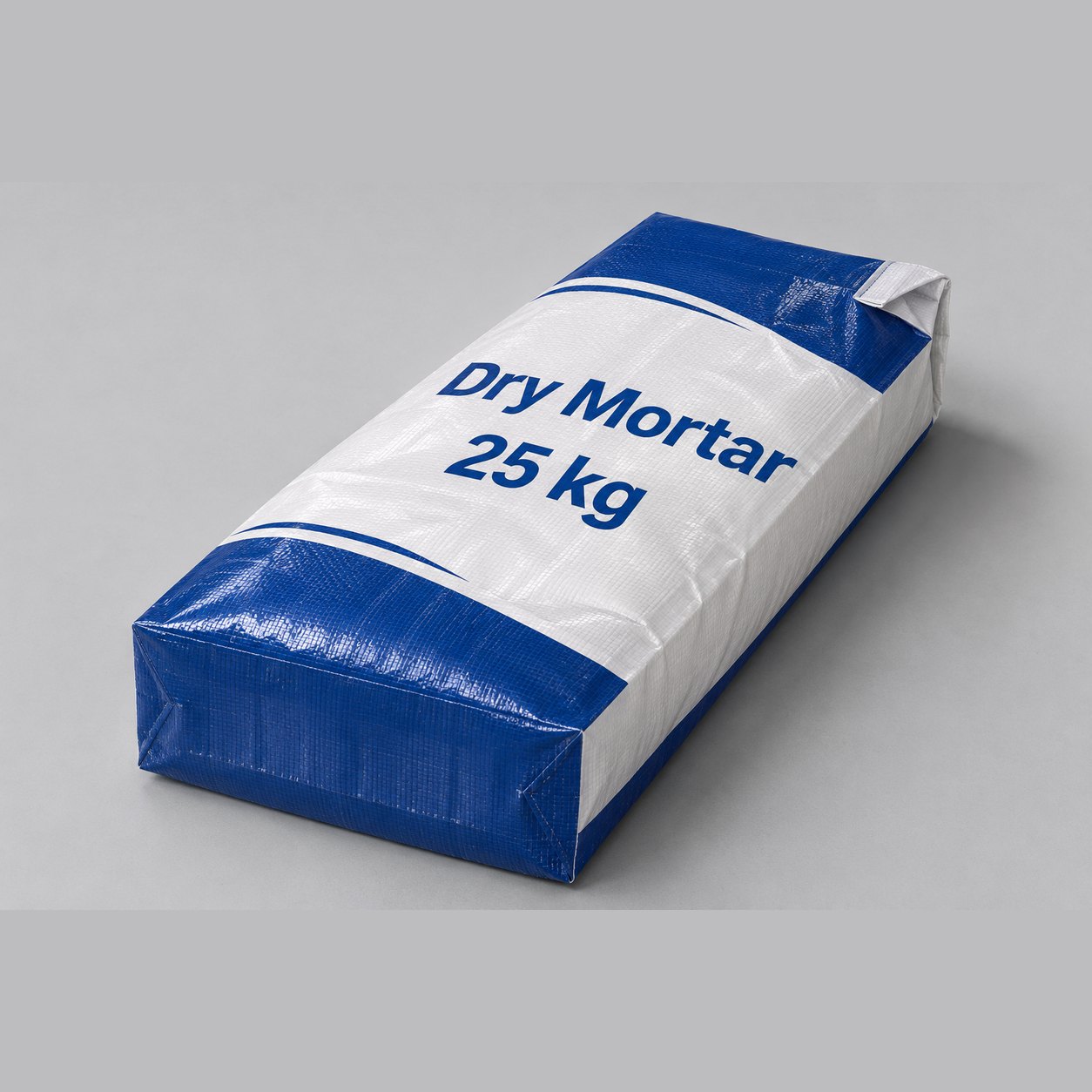
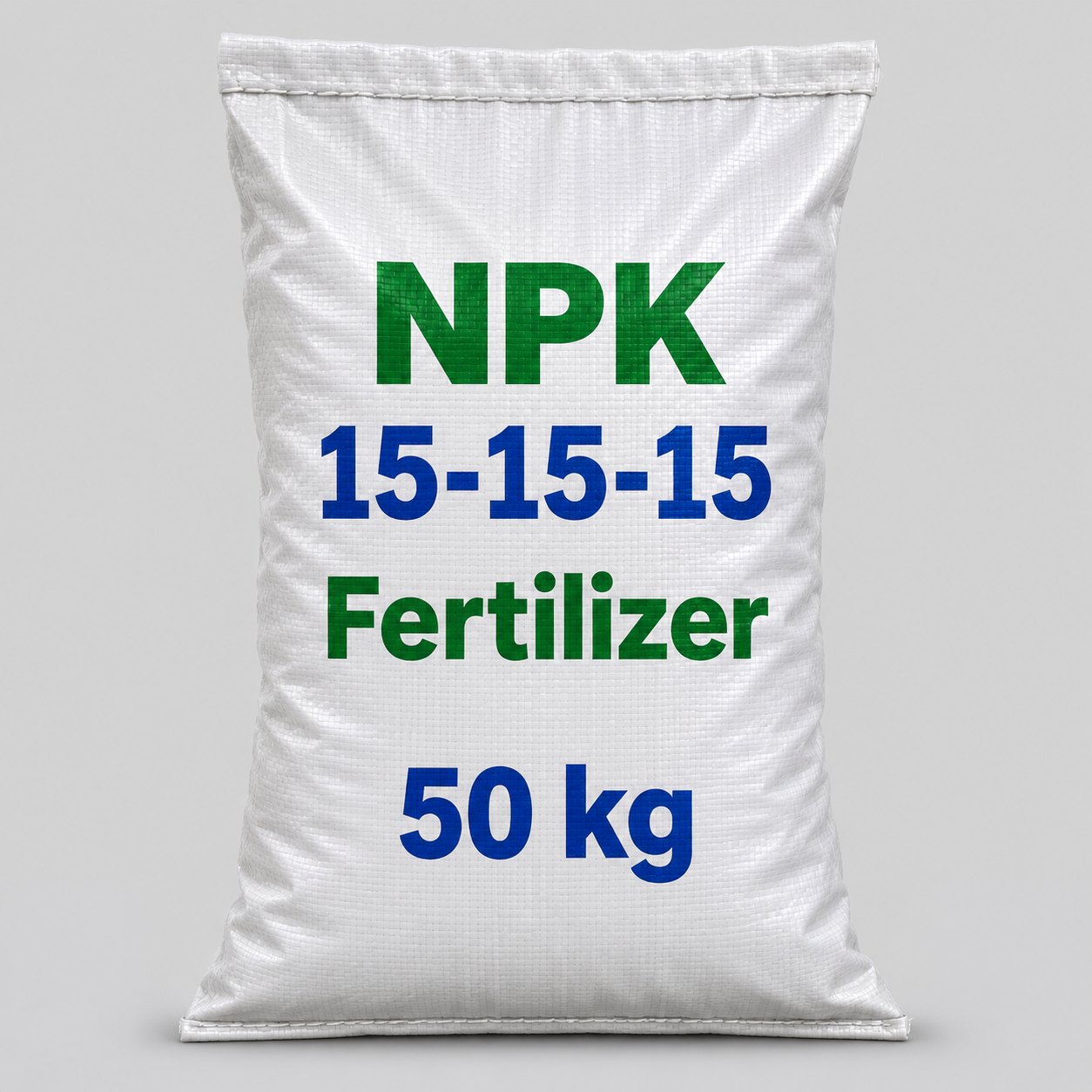
PP woven and BOPP laminated bags for 20–50 kg (44.1–110.2 lb) poultry, cattle, pig, horse and aqua feed. Tell us the feed, the fill weight and how the bags are filled — we'll recommend the fabric, construction and closure.
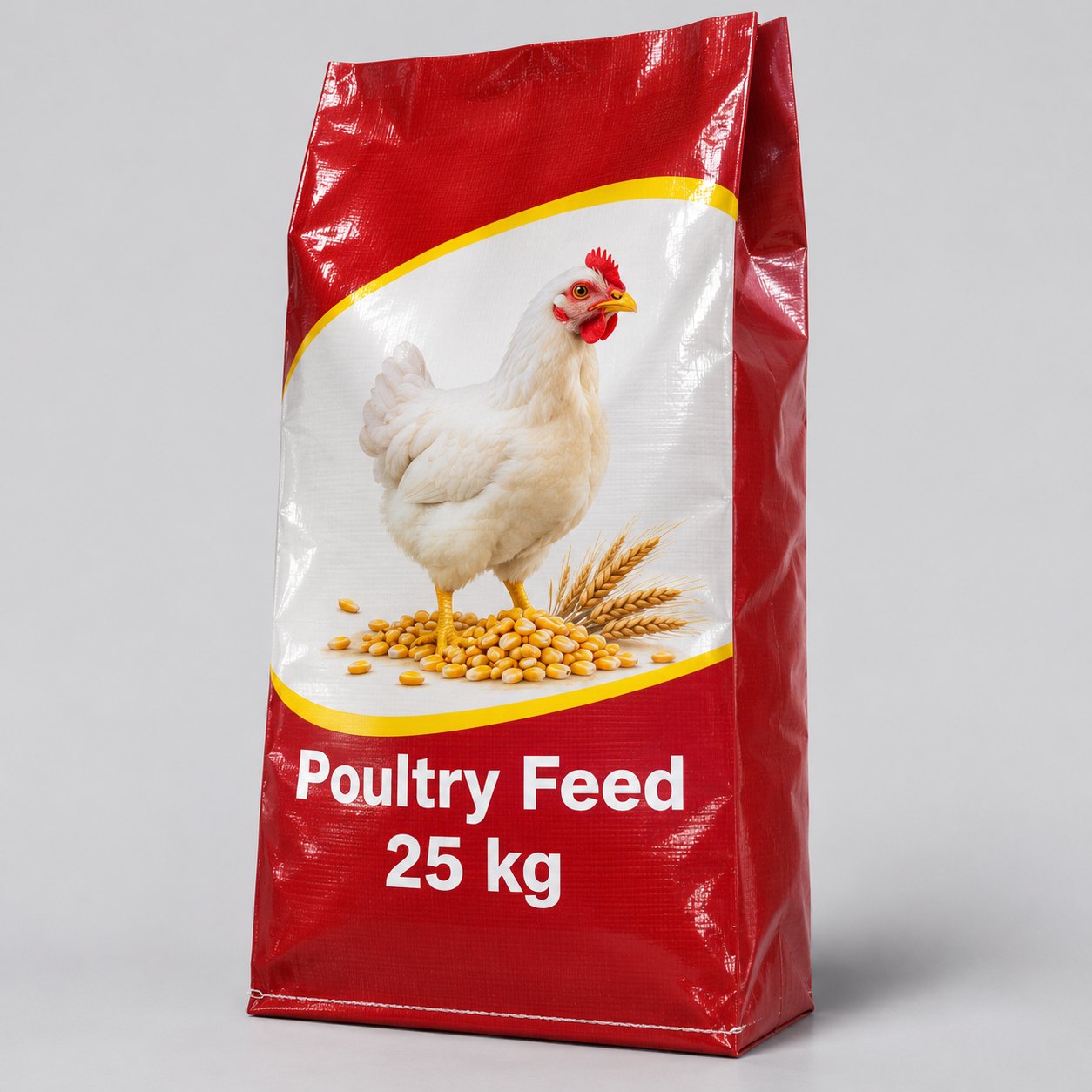
An animal feed bag is a woven polypropylene sack sized for 20–50 kg feeds. Plain or flexo-printed woven fabric suits farm supply and bulk trade; a reverse-printed BOPP film laminated to the fabric adds shelf-quality graphics for retail feed, horse feed and branded mixes.
Moisture-sensitive feeds can take a loose PE liner, and feeds that release air during filling can use micro-perforation or a breathable weave. For retail dry pet food, see woven pet food bags. This page is part of our PP woven bags range.
NIAITE (Neat Packaging) runs its own flexible packaging factory and brings in trusted partner factories when a project needs a structure or process outside that range. Our woven bag line runs in the same owned factory system.
Production routing
Own factory & partner lines
Project-Specific QC Checkpoints
Agreed per project
Shipping term coordination
DDP / FOB / CIF
Project-Scoped Materials
Material review
Feed bags cover livestock, poultry and aquaculture. 25 kg (55.1 lb) and 50 kg (110.2 lb) bags are the most common requests.
Feed uses need material and ink documentation reviewed per project.
Woven PP fabric, typically 70–100 g/m², carries 20–50 kg fills through filling, stacking and farm handling.
Flexo print on plain fabric for farm and bulk supply; reverse-printed BOPP film for retail feed and branded mixes.
A loose PE liner for moisture-sensitive feeds, or micro-perforation and breathable weaves where air has to escape.
Open-mouth sewn bags as standard; block-bottom, pinch-bottom or valve formats where the line needs them.
Each layer is chosen for a job. Fill weight, moisture and stacking height are the points to confirm first; barrier performance is confirmed per project.
| Layer | Common choice | What to confirm first |
|---|---|---|
BOPP film
|
18–25 µm, gloss or matte, reverse printed (laminated bags) | Retail look, scuffing in transport |
Bond / coating layer
|
Typically 15–25 g/m² | Film adhesion through filling and stacking |
Woven fabric
|
Typically 70–100 g/m², 10×10 to 12×12 tapes per inch | Fill weight, stacking height, drop handling |
PE liner
|
Optional, for moisture-sensitive feeds | Feed moisture, fat content and storage |
Top
|
Heat-cut, cold-cut (zigzag) or hemmed; sewn after filling | Filling line and how the farm opens the bag |
Bottom
|
Single- or double-fold, single or double stitched; block bottom by format | Filling line and pallet pattern |
The diagram shows a laminated feed bag from the outside in. Plain feed bags skip the film and print directly on the fabric; the PE liner is only added when the feed needs it.
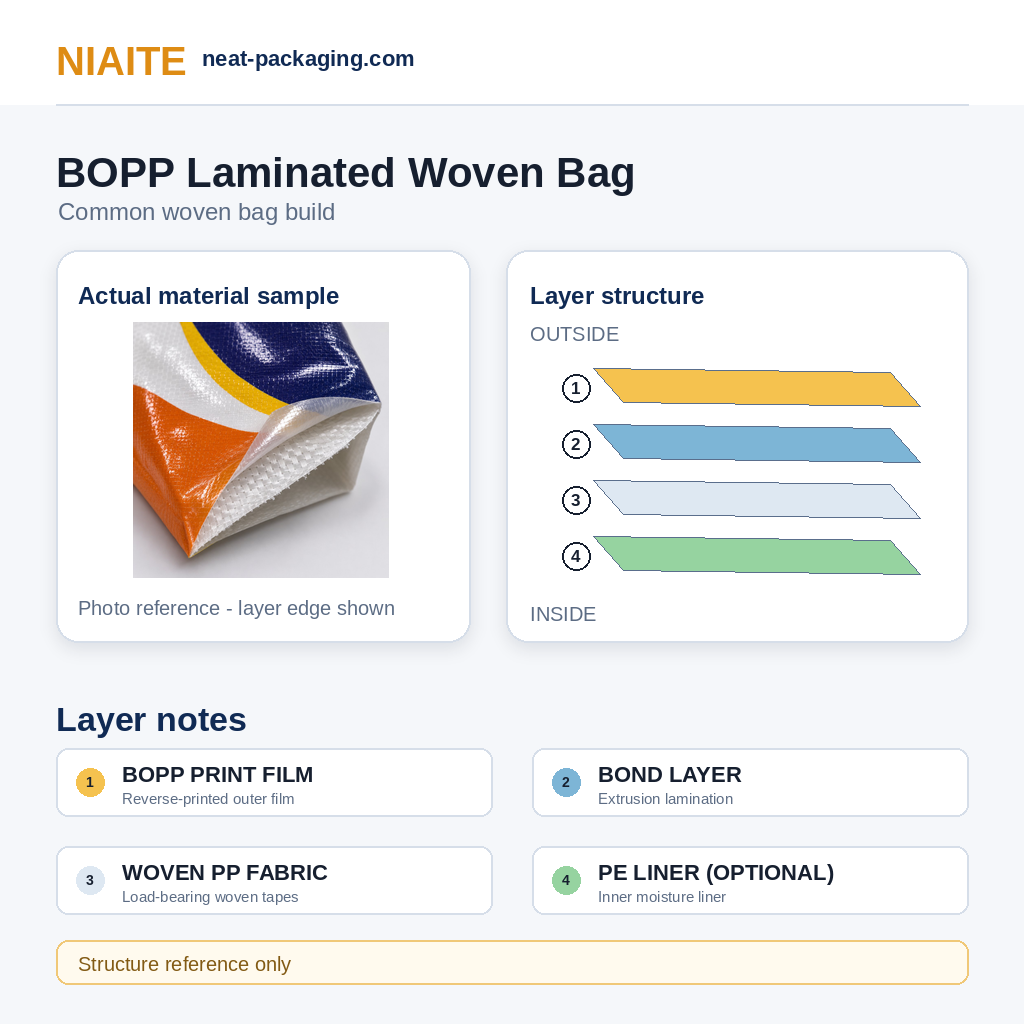
Gloss or matte BOPP film, 18–25 µm, reverse printed for retail feed. Plain bags use flexo print on the fabric instead.
Extrusion lamination or coating, typically 15–25 g/m², bonds the film to the woven fabric.
Woven PP fabric, typically 70–100 g/m², carries the feed and sets tear resistance; heavier toward 50 kg fills.
A loose PE liner for feeds that pick up moisture; see liner or laminate.
Choose the closure around your filling line, then add only the features the feed needs. Optional — tell us how the pack is used and we'll advise what's worth adding.
Single- or double-fold bottom with single or double stitching, or a block bottom for a brick shape on the pallet.
Heat-cut, cold-cut (zigzag) or hemmed top, sewn after filling; pinch-bottom or valve formats by filling line.
UV stabilization, micro-perforation or breathable weave, anti-slip finish and side gusset.
Feeding guide, batch and date areas are planned with the artwork so they stay clear of seams and folds.
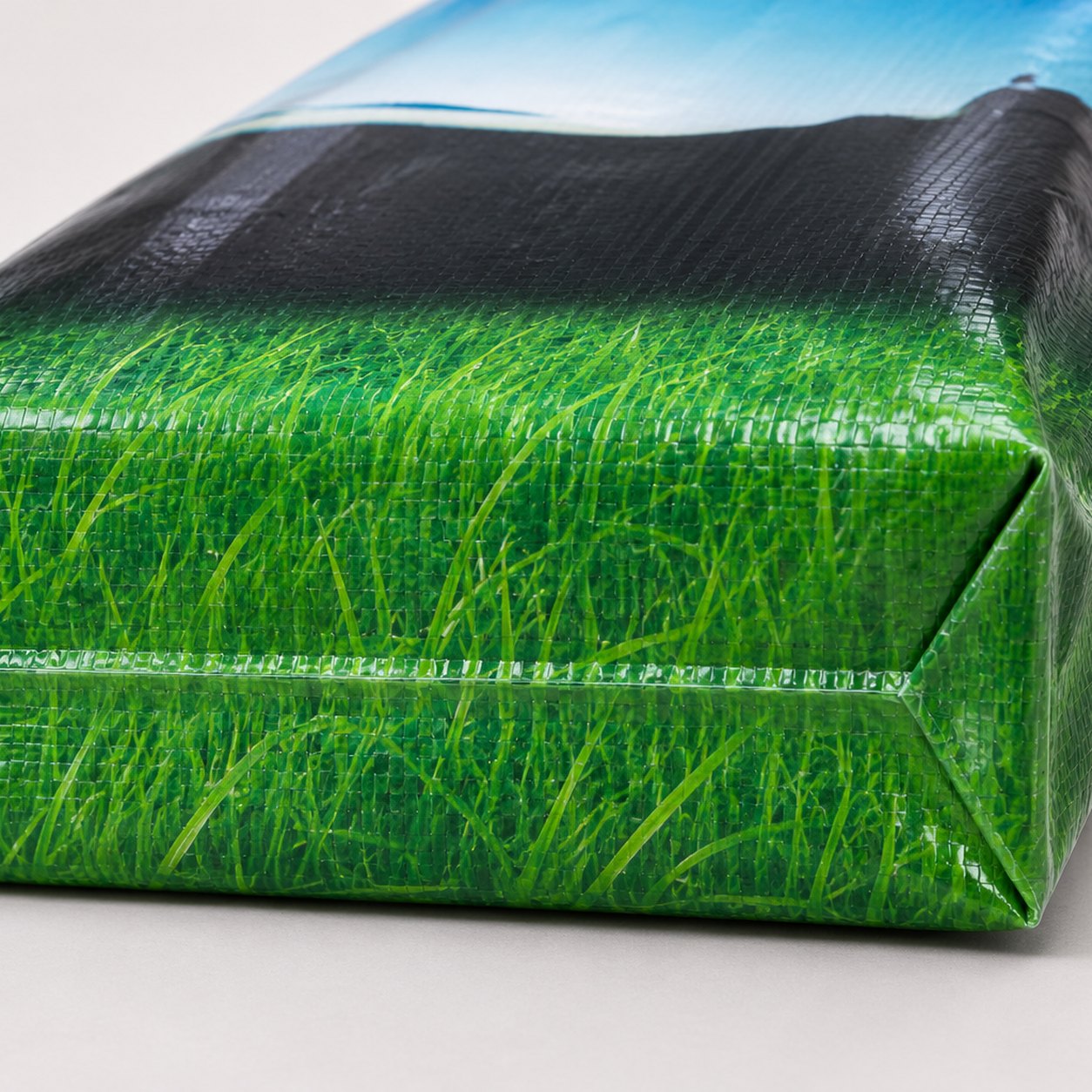
Plain feed bags are flexo printed directly on the woven fabric; laminated bags carry reverse-printed BOPP film. If you already have artwork from another bag, send it and we adapt it to the bag panels.
Typical ranges for PP woven and BOPP laminated animal feed bags.
| Specification | Typical range |
|---|---|
| Fill weight | 20–50 kg (44.1–110.2 lb); 25 kg and 50 kg are the most common |
| Construction | Plain or flexo-printed woven PP, or reverse-printed BOPP film laminated to woven PP |
| Woven fabric | Typically 70–100 g/m², toward the upper end for 50 kg fills |
| Mesh | 10×10 to 12×12 tapes per inch |
| Tape | Typically 900–1,400 denier, matched to fabric weight |
| Bag size | About 40–60 × 70–100 cm (15.7–23.6 × 27.6–39.4 in) width × length, made to order |
| BOPP film | 18–25 µm, gloss or matte |
| Bond / coating layer | Typically 15–25 g/m² |
| Liner | Optional PE liner for moisture-sensitive feeds |
| Printing | Flexographic on plain fabric; reverse rotogravure on BOPP film; color count confirmed per job |
| Format | Open-mouth sewn as standard; block-bottom, pinch-bottom or valve by filling line |
| Top / bottom | Heat-cut, cold-cut (zigzag) or hemmed top; single- or double-fold bottom, single or double stitched |
| Options | UV stabilization, micro-perforation or breathable weave, anti-slip finish, side gusset |
| Typical products | Poultry, cattle and pig feed, aquafeed, horse feed, mineral and concentrate mixes |
All figures are typical starting points for feed bags. Fabric weight is set by fill weight, filling method and stacking height; fabric weight, size and construction are confirmed by sample for your feed, fill weight and filling line.
MOQ Planning
BOPP laminated: from 10,000 bags per design. Plain or flexo-printed: as for PP woven sacks.
Minimum order quantities vary by bag type, size, fabric, printing method and the number of artworks. The figures above are practical starting points rather than universal minimums. Final eligibility is confirmed after we review your bag specification and artwork.
Printing plates or gravure cylinders are quoted separately. Setup and proofing costs may apply, especially for low-volume or multi-design orders.
Documentation
Material documents, artwork proofs and sample sign-off are agreed per project; documentation for materials and inks in contact with feed is reviewed where the product needs it.
Squared base for upright stacking on the pallet
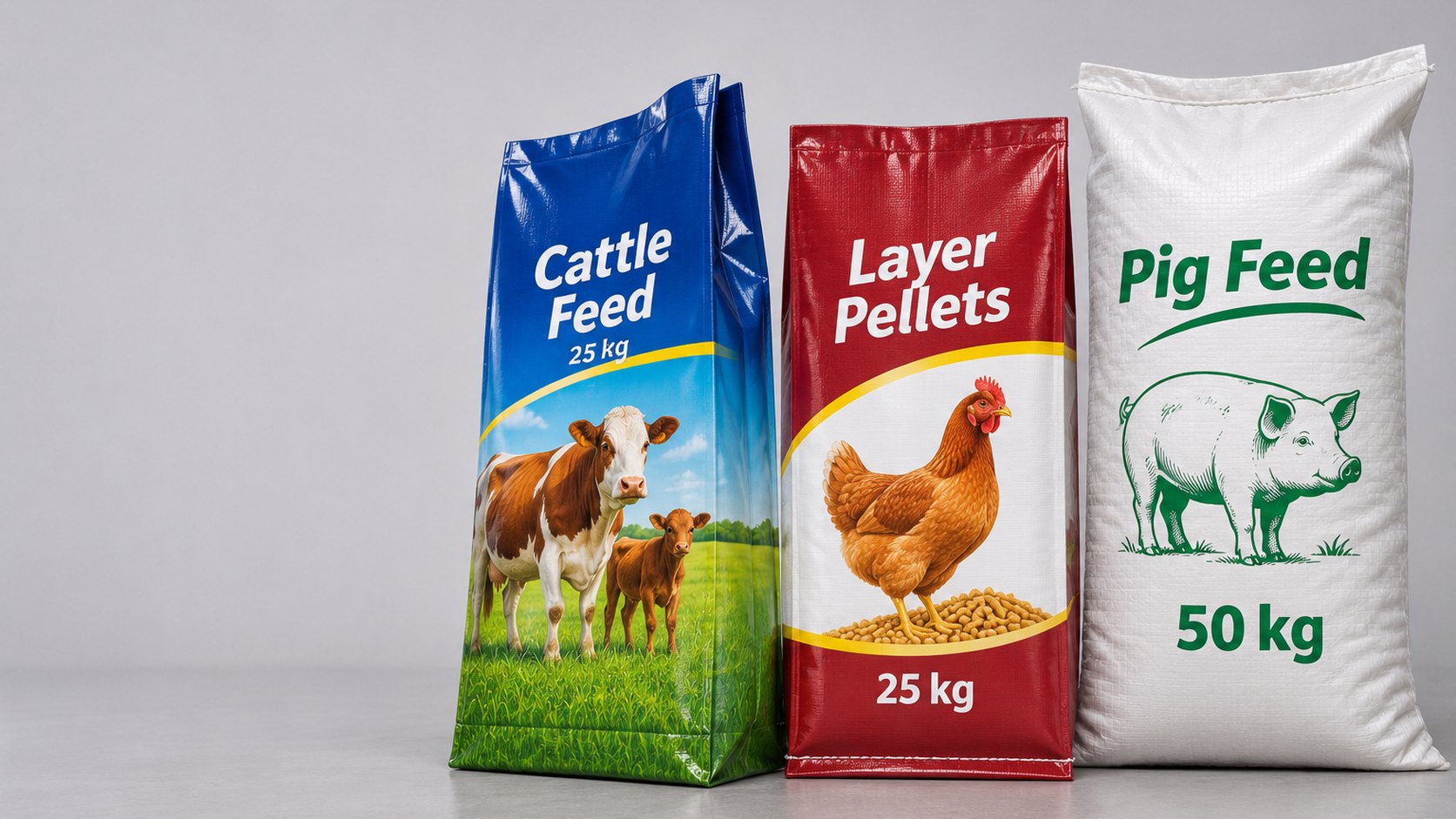
Printed feed bags reviewed for stacking and handling
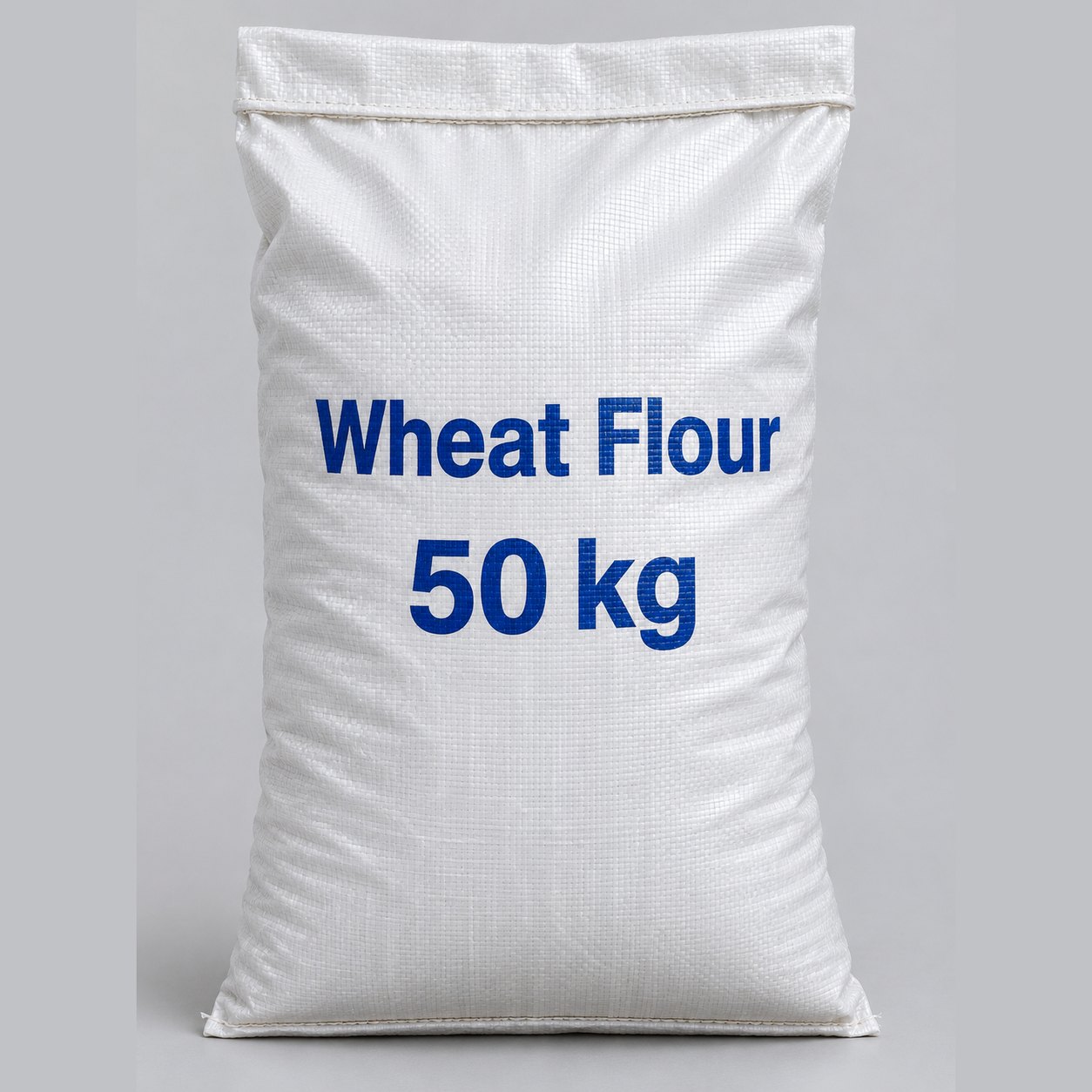
Flexo-printed woven sack for bulk feed supply
Reverse-printed BOPP film for retail feed shelves
Use these photos as format references. Final size, structure, print layout, and testing scope are reviewed against your product, filling method, and target market.
All-PP constructions (woven PP fabric, with or without BOPP film) are designed for recyclability where local PP streams accept them. A PE liner or heavy ink coverage changes that, so we review the structure with you.
We do not attach a recyclability percentage to a bag. If your market has specific labeling rules, tell us and we check the construction against them per project.
Feed bags typically use 70–100 g/m² woven fabric, toward the upper end for 50 kg fills. The final weight depends on how the bags are filled, stacked and handled, and is confirmed on a sample bag. Our guide on how to choose PP woven bag specs explains how fabric weight, mesh and denier work together.
Plain or flexo-printed woven bags suit farm supply and bulk trade. BOPP laminated bags give photo-style graphics and a wipe-clean surface for feed sold in retail stores; see BOPP laminated woven bags.
Feeds that pick up moisture, or feeds with higher fat content, can take a loose PE liner. We review the liner with your feed and how long the bags are stored.
Yes. Micro-perforation or a breathable weave lets trapped air escape so bags fill and stack cleanly. On laminated bags, air release is planned with the film.
Open-mouth sewn bags work on most lines. Block-bottom, pinch-bottom or valve bags are chosen when the filling line needs them. Tell us your line and we match the bag to it.
BOPP laminated feed bags start from 10,000 bags per design; plain or flexo-printed bags follow the PP woven sack starting points. These are practical starting points, not universal minimums; printing plates or gravure cylinders are quoted separately.
UV-stabilized fabric is available for bags stored outside. Keeping pallets out of direct sun still helps, and we review the storage conditions with you.
Yes. We coordinate sample and proof review so you can check the bag, the print and the fit on your filling line before the order runs. Sample terms are agreed per project.
Woven bags, printed pouches and roll stock can be planned, quoted and shipped together, so you keep one supplier for the full range.
Tell us the product, fill weight and how it is sold. We recommend fabric, construction, liner and closure; no full spec needed.
Artwork proofs and sample bags are reviewed with you before production, and changes are accepted before proof sign-off.
Third-party lab testing can be arranged by project scope when your market or your customer asks for it.
DDP / FOB / CIF coordination can be reviewed by destination and project scope.
Production routing, order volume, lead-time assumptions, and capacity fit are reviewed for each confirmed project.
Tell us what you pack, the fill weight and how it's sold. A current bag, a photo or rough numbers are fine — no full spec needed.
We reply within 24 hours, recommend fabric, construction, liner and closure, and provide pricing.
Confirm details, approve artwork, and production begins.
QC checkpoints and shipment scope are confirmed by project.
Common issues we help animal feed bag buyers avoid before production.
A bag that feels strong empty can still split when a 50 kg pallet is stacked and moved. Fabric weight is set for the fill weight and handling, then checked on a filled sample.
Fine feeds carry air into the bag; without air release, bags bulge and stack poorly. Tell us the filling method so perforation or a breathable weave is planned.
Deciding on a liner after the bag size is fixed can leave the liner too tight to fill. The liner is sized with the bag from the start.
Analysis tables and feeding guides placed over the back seam or a fold are hard to read. The proof maps seams and folds before plates are made.
Updated:
Custom pouches and roll stock from our own factory, with one team from brief and samples to shipment.