Seafood Vacuum Packaging for fresh fish, shrimp, shellfish, chilled seafood, and frozen seafood projects that need vacuum pouches, nylon/PE laminates, puncture resistance, seal integrity, and cold-chain handling.
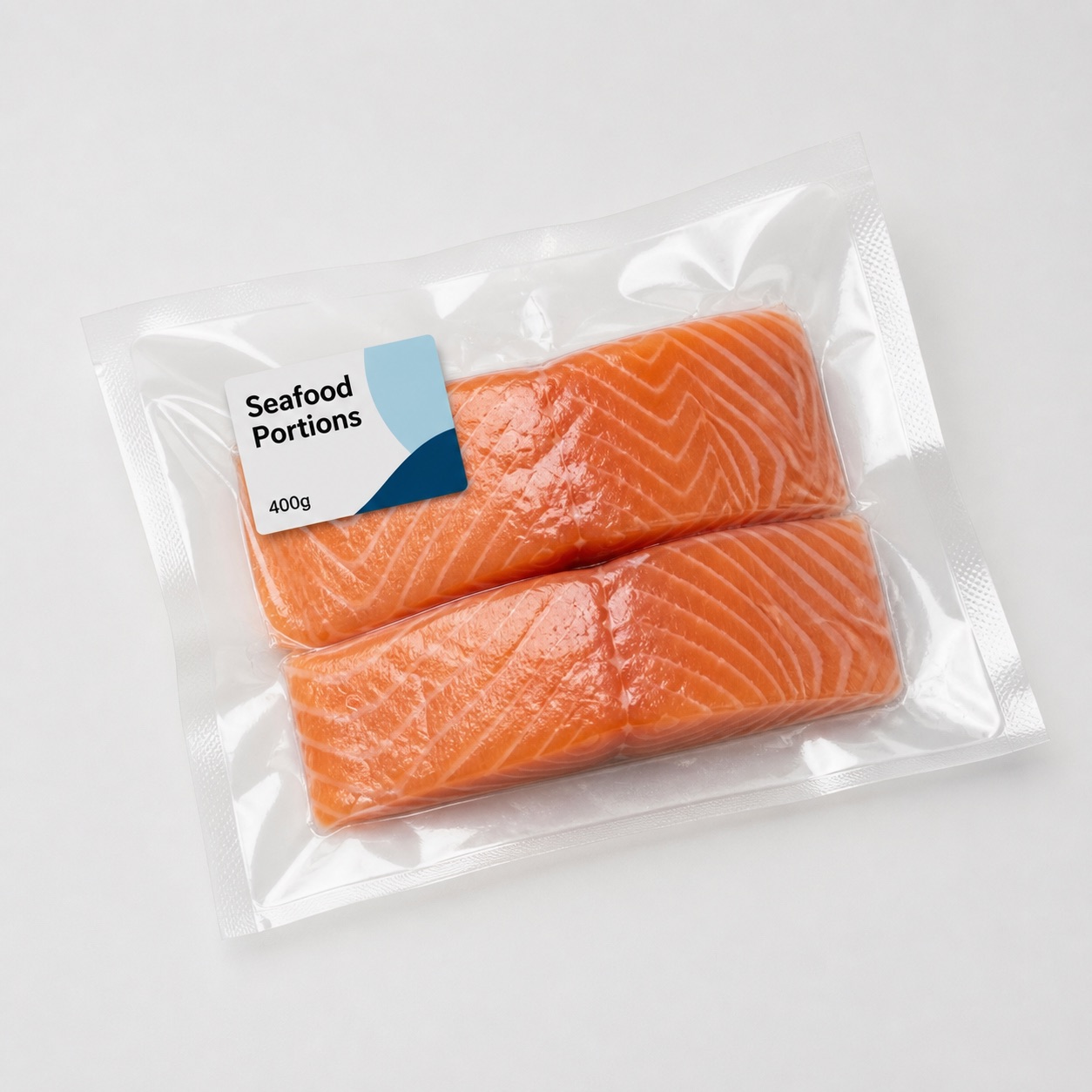
Vacuum pouches for fresh fish, shrimp, shellfish, chilled seafood, and frozen seafood with nylon/PE laminates, puncture resistance, seal integrity, and cold-chain handling review.
Material structure, seal width, vacuum equipment fit, food-contact documentation, material declarations, and sample approval can be reviewed by project.
Production Traceability
Batch records
ISO 9001-Style QC
Quality system
Shipping term coordination
DDP / FOB / CIF
Material Review
Project-specific structures
Vacuum and high-barrier pouches for fresh fish, frozen seafood, shrimp, smoked fish, dried seafood, shellfish, and ready meals. Explore all market solutions .
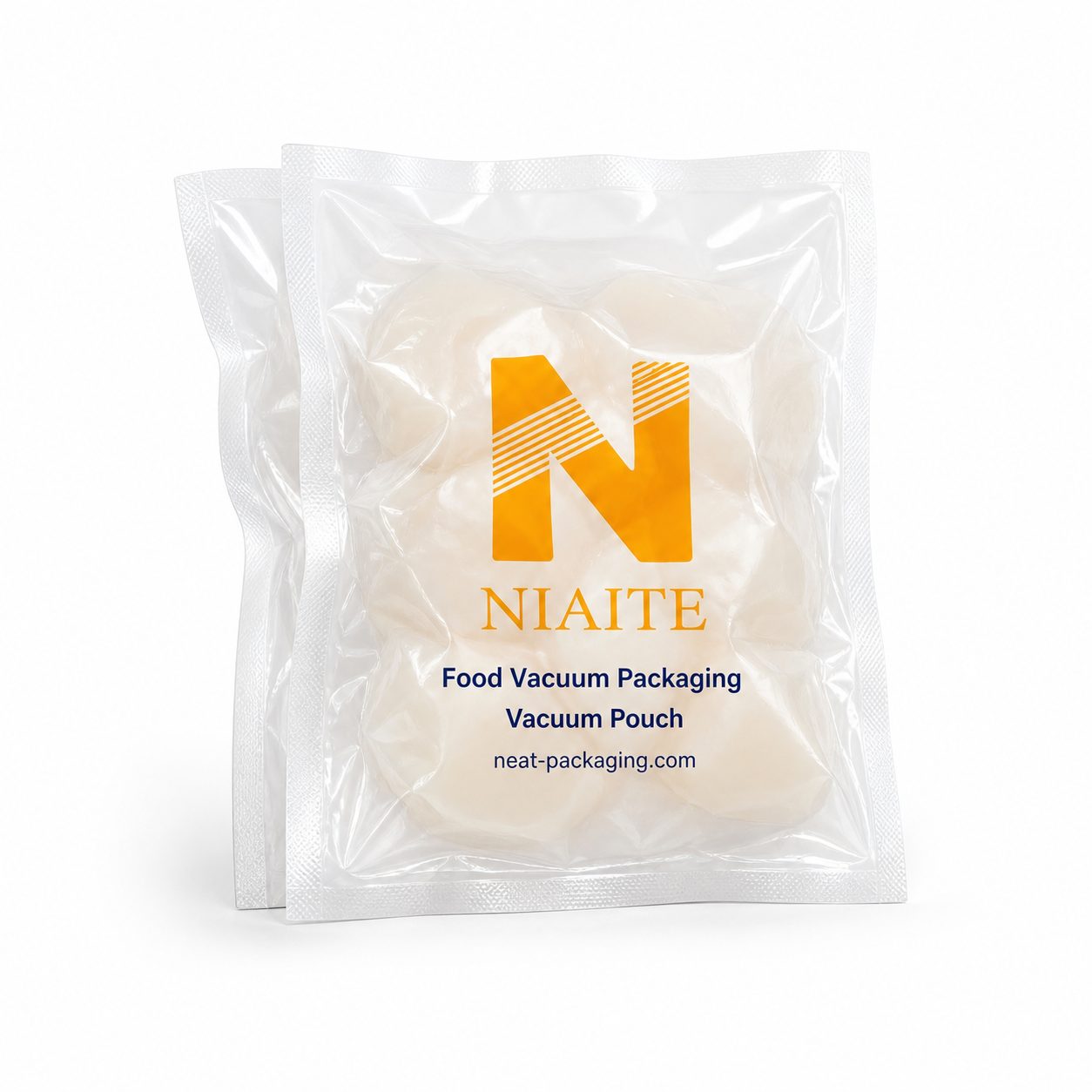
Vacuum pouches, flat pouches, and roll stock film can be matched to fresh fish, shrimp, shellfish, chilled seafood, and frozen seafood formats.
Puncture resistance and nylon/PE laminates can be reviewed against shell fragments, sharp fins, vacuum pressure, and cold-chain handling.
Seal integrity, seal width, tear notch, label panels, and print registration can be aligned before sample approval.
Food-contact documentation, material declarations, migration testing support, seal integrity records, and sample approval notes can be reviewed by project.
Choose the right material structure based on your product's barrier, durability, and shelf-life requirements.
| Structure | Application | Barrier Level |
|---|---|---|
PET / PE
|
Basic seafood vacuum pouch structure | Standard |
PET / VMPET / PE
|
Metallized barrier structure for aroma and oxygen target review | Medium |
PET / AL / PE
|
High-barrier laminate for frozen or smoked seafood projects | High |
PET / NY / PE
|
Nylon-based structure review for puncture resistance | High |
Kraft / AL / PE
|
Paper-look outer layer with barrier structure review | High |
Mono PE
|
PE-based structure review where barrier targets allow | Standard |
A transparent look at how we review nylon/PE laminates, puncture resistance, seal integrity, and cold-chain handling for Seafood Vacuum Packaging. Visit our material guide for more details.
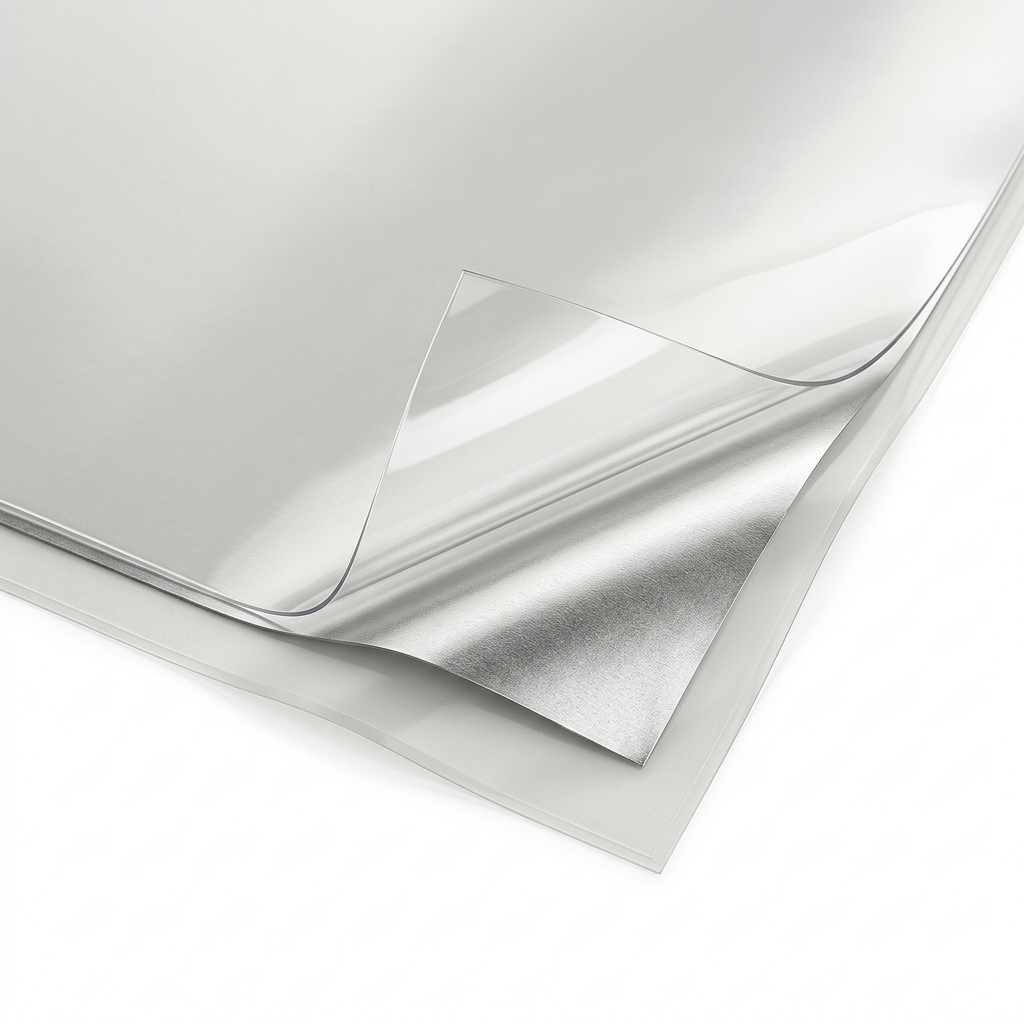
Printable PET supports front artwork, stiffness, surface finish, and handling performance.
Aluminum foil, metallized film, or EVOH-based options are selected by oxygen, aroma, moisture, and light-barrier targets.
Adhesive layers bond the print, barrier, and sealant webs into the finished laminate structure.
PE or CPP sealant is reviewed for seal strength, filling temperature, product contact, and processing conditions.
Label panels, lot coding, product information area, and print registration can be reviewed before sample approval.
Tear notch, easy-open behavior, seal width, and vacuum pouch size can be reviewed by seafood format.
Nylon/PE laminates, barrier structure, puncture resistance, seal integrity, and cold-chain handling are reviewed by project.
Food-contact documentation, material declarations, migration testing support, seal integrity records, and sample approval records can be arranged by project.
Representative project inputs. Actual values depend on seafood type, material structure, target market, cold-chain route, and vacuum process.
Film Structure
Nylon/PE laminates or barrier structures reviewed by seafood format
Puncture Resistance
Structure review for shellfish, sharp fins, and cold-chain handling
Barrier Review
Oxygen and aroma barrier targets reviewed by storage route
Cold-Chain Handling
Chilled seafood and frozen seafood handling reviewed by project
Seal Integrity
Seal width, seal integrity, and vacuum equipment fit reviewed by project
Documentation
Food-contact documentation, material declarations, and sample approval records
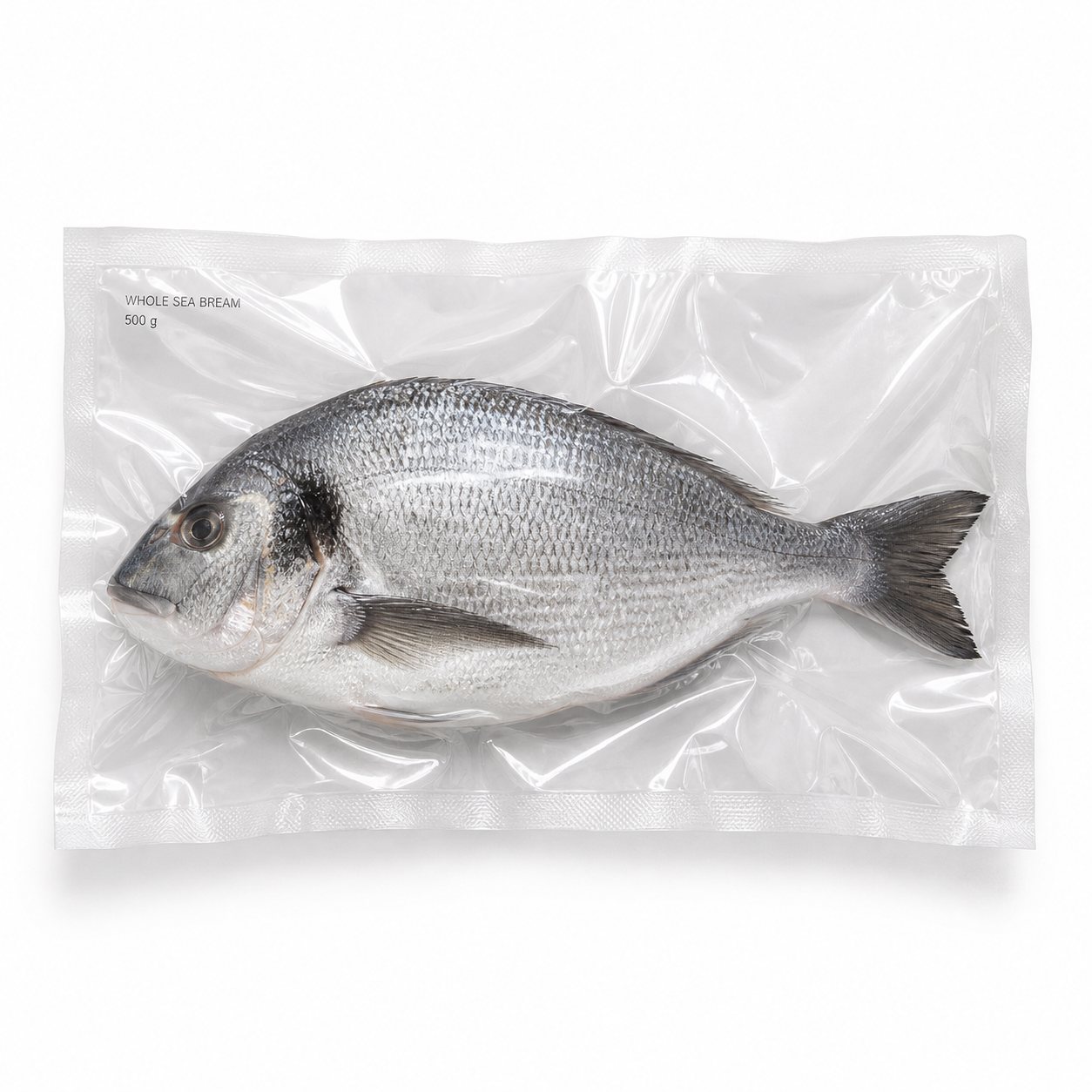
Fresh fish vacuum pouch with seal integrity and material declarations review
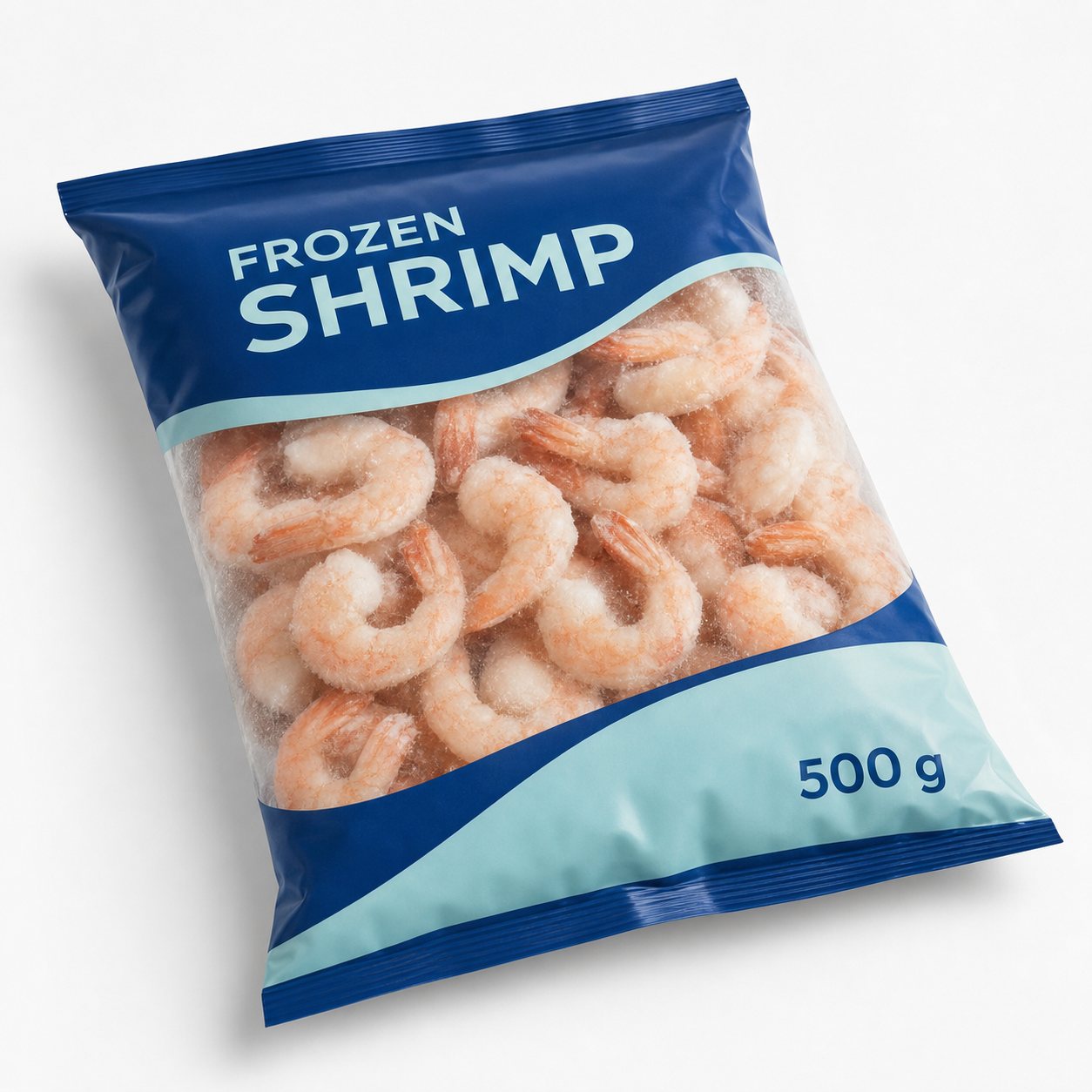
Frozen seafood pouch with cold-chain handling and puncture resistance review
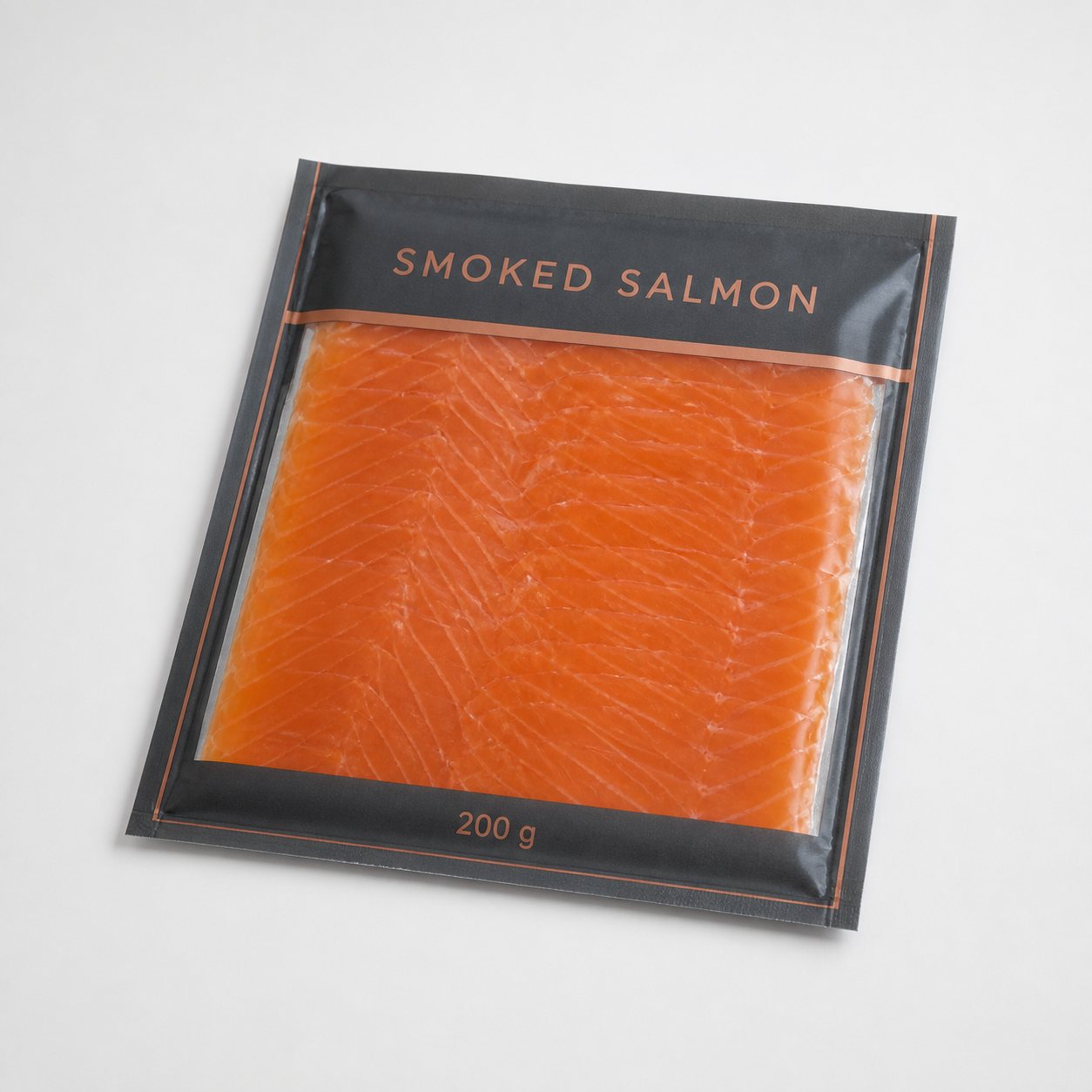
Smoked seafood pouch with barrier structure and food-contact documentation review
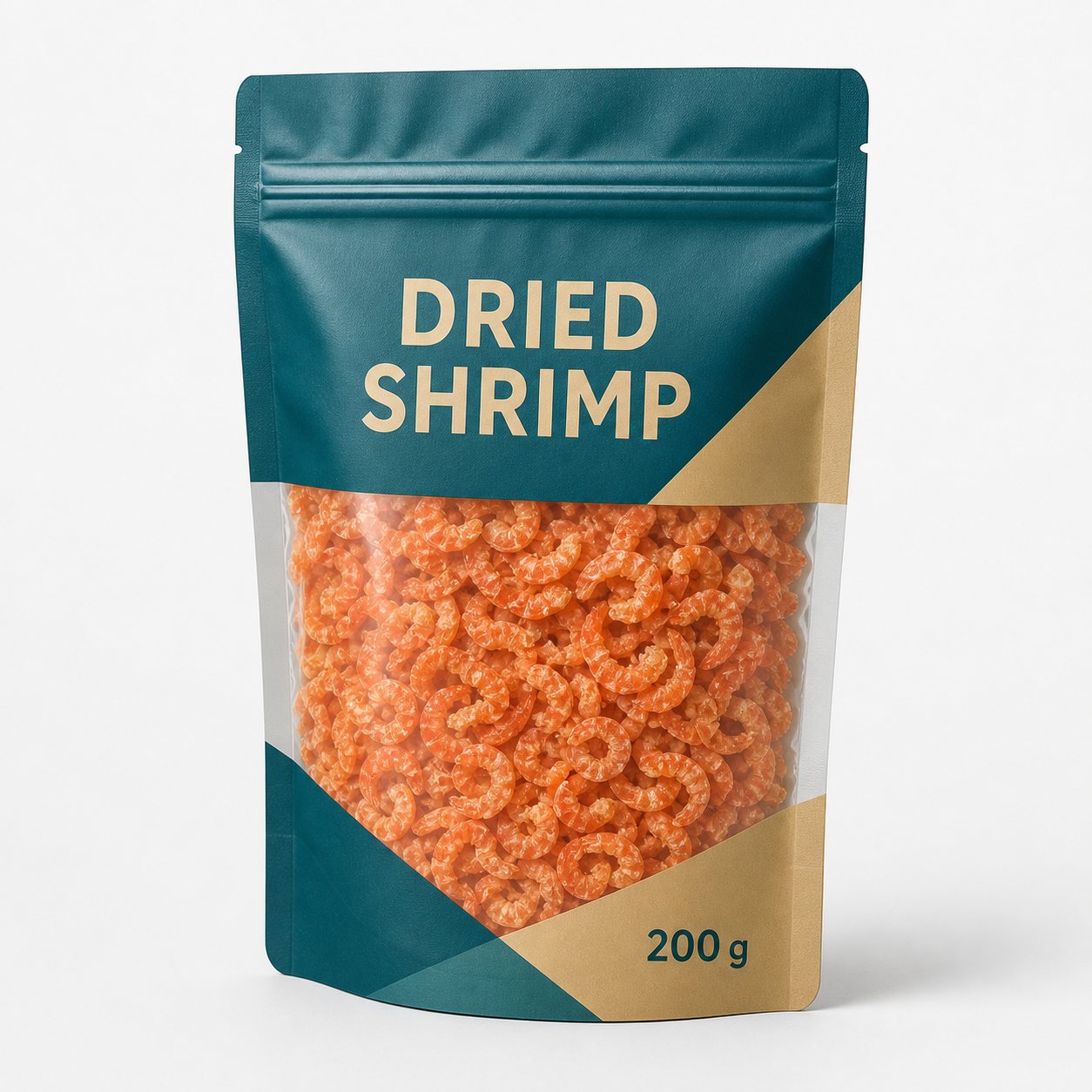
Dried seafood pouch with label panel and sample approval review
Use these photos as format references. Final size, structure, print layout, and testing scope are reviewed against your product, filling method, and target market.
Lower-impact structure options can be reviewed when the product, filling process, target market, and recovery route support them.
Seafood Vacuum Packaging is suitable for fresh fish, shrimp, shellfish, chilled seafood, frozen seafood, smoked seafood, dried seafood, and vacuum pouches that need puncture resistance, seal integrity, and cold-chain handling review.
Yes. Pouch size, vacuum pouch format, nylon/PE laminates, seal width, tear notch, label panels, puncture resistance, seal integrity, material declarations, and sample approval workflow can be reviewed by project.
Documentation depends on the selected seafood product, material structure, target market, and test scope. Food-contact documentation, material declarations, migration testing support, seal integrity records, and sample approval records can be arranged by project.
Batch records, process notes, and sample approval records can be aligned for seafood vacuum packaging projects.
Quality records, food-contact documentation, and material declarations can be reviewed by project scope.
DDP / FOB / CIF coordination can be reviewed by destination and project scope.
Project-specific structures can be reviewed against barrier targets, cold-chain route, local recovery streams, and documentation scope.
Technical support covers artwork review, vacuum equipment fit, material declarations, and sample approval.
Production routing, order volume, lead-time assumptions, and capacity fit are reviewed for each confirmed project.
Tell us your product, target weight, and requirements.
We recommend materials, structure, and provide pricing.
Confirm details, approve artwork, and production begins.
QC checkpoints and shipment scope are confirmed by project.
Common issues we help seafood packaging buyers avoid during project coordination.
Seafood packaging is subjected to harsh freezing and thawing cycles that amplify pin-hole defects invisible at room temperature. A single pin-hole can cause freezer burn across the entire portion within weeks. We coordinate pin-hole detection testing under thermal cycling conditions that match your actual cold-chain environment.
Fish and shellfish produce volatile amines that permeate standard packaging films, causing cross-contamination odors in shared storage and shipping. Buyers often underestimate the odor-barrier requirement because initial samples smell fine. Specify odor-barrier testing with aged product samples, not just fresh catch, to reflect real distribution conditions.
Seafood pouches packed with residual air develop ice crystals that sublimate moisture from the product surface, causing freezer burn. Equipment that evacuates air adequately for dry goods may leave too much headspace for wet seafood products. We help coordinate vacuum or gas-flush specifications matched to your packing line's actual evacuation capacity.
Shellfish, crustaceans, and bony fish have sharp protrusions that puncture flexible packaging during handling and stacking. Standard puncture testing uses smooth probes that don't replicate real product geometry. We coordinate puncture testing using actual product shapes and simulate stacking pressure to match your warehouse conditions.
Brine, marinades, and natural juices migrate to the seal area during filling, weakening the heat-seal bond. A seal that tests strong on clean film fails when contaminated product reaches the seal zone. We help specify seal-through-contamination requirements and coordinate filling process adjustments to minimize product in the seal area.
Updated:
Work with NIAITE for material review, sampling guidance, QC checkpoints, and export project coordination.