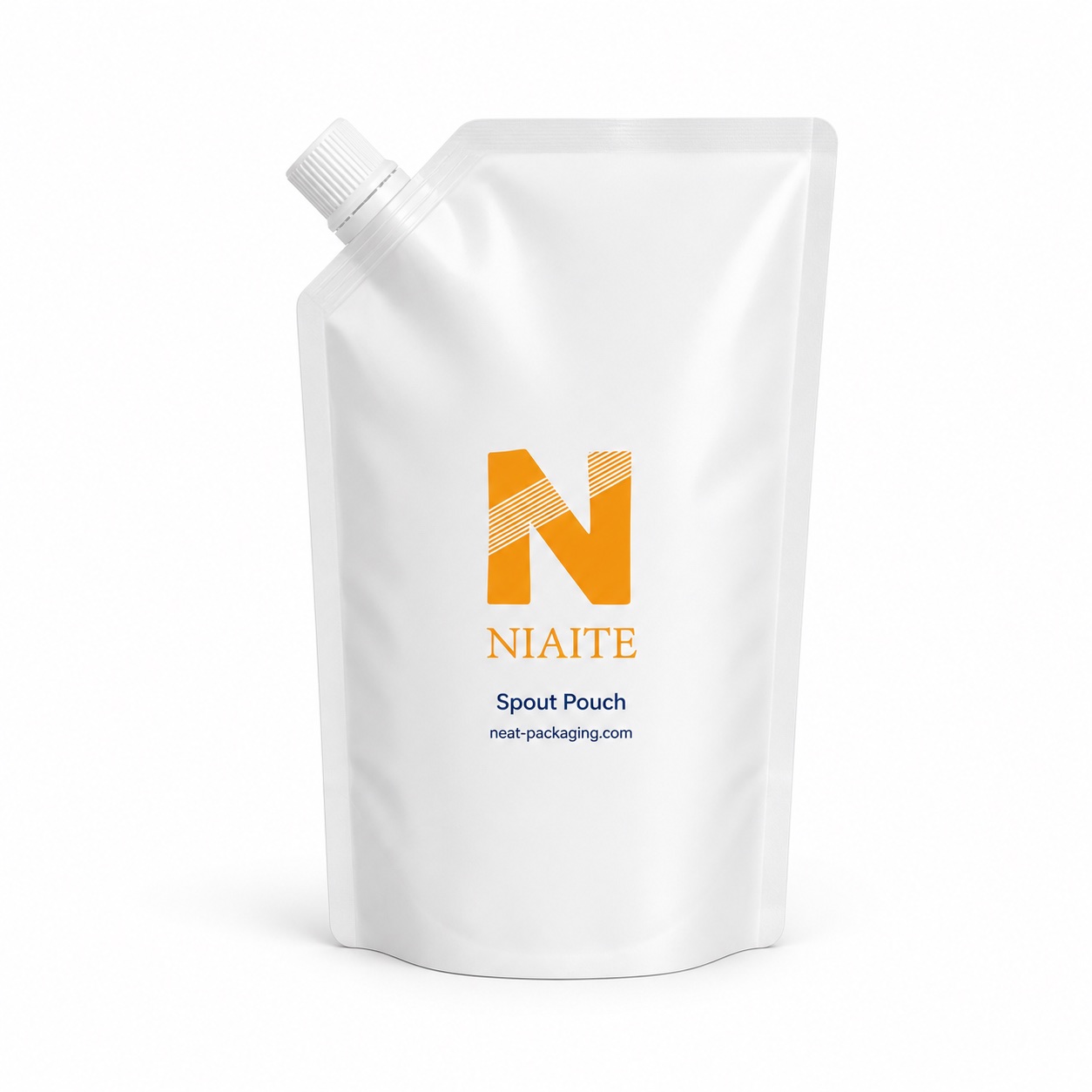
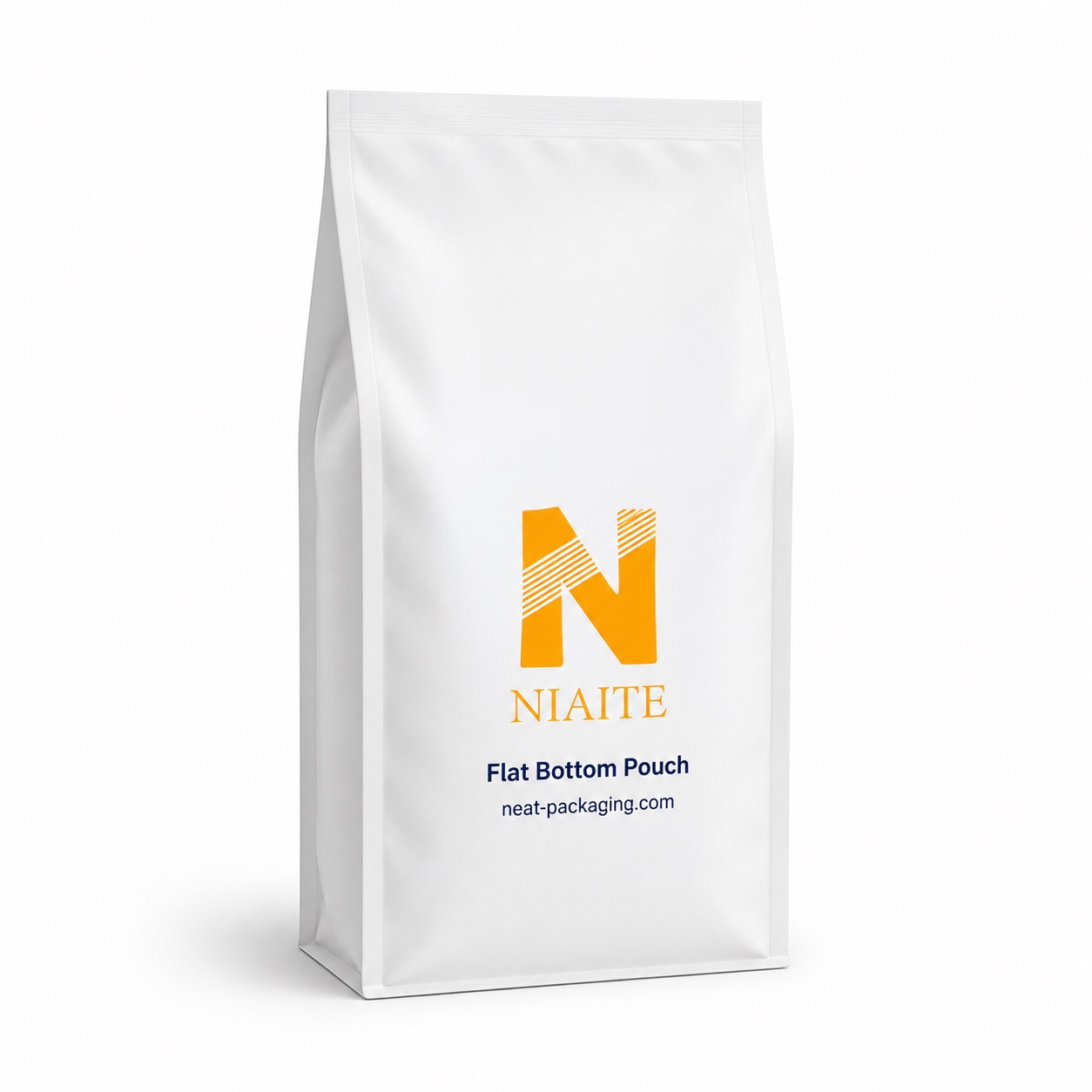
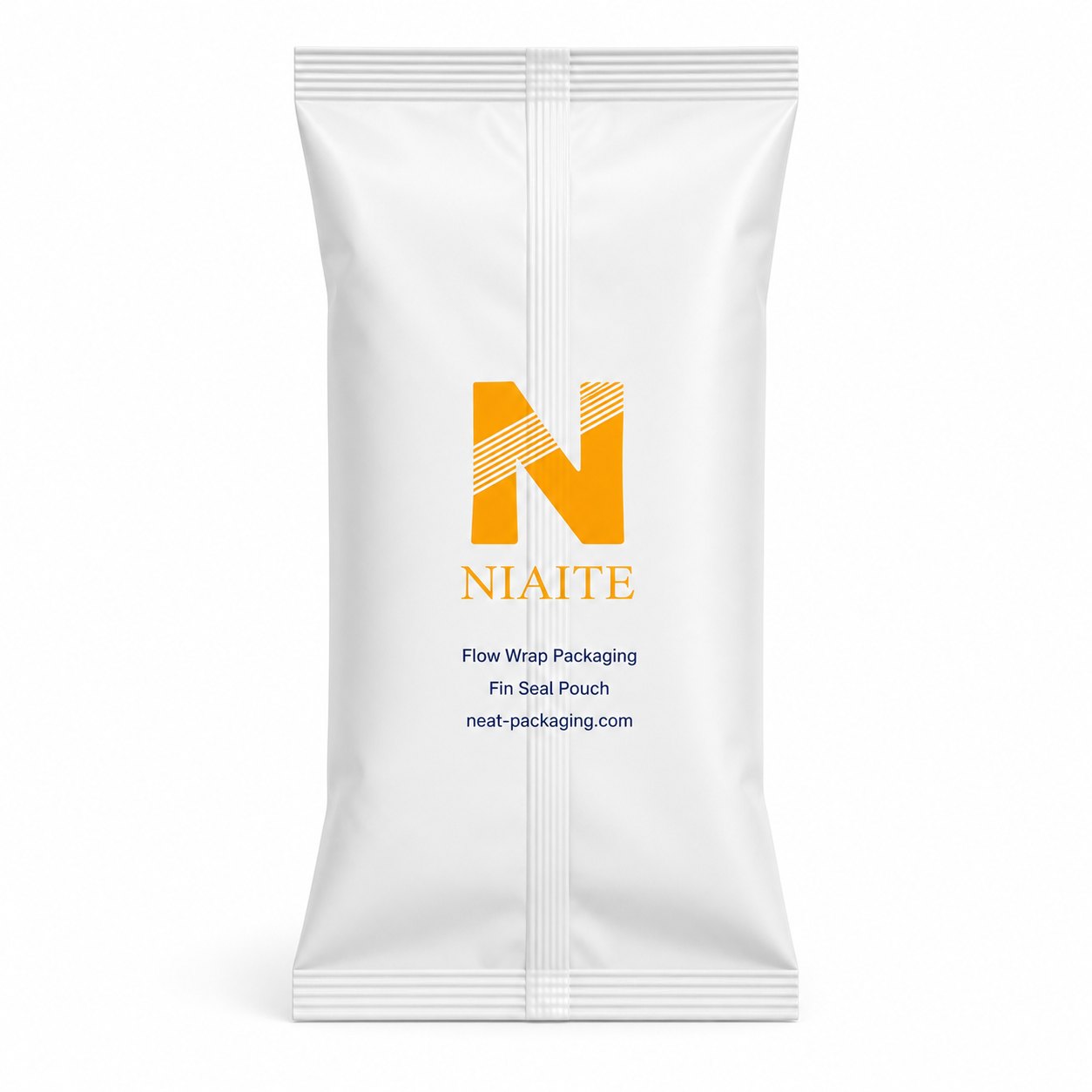
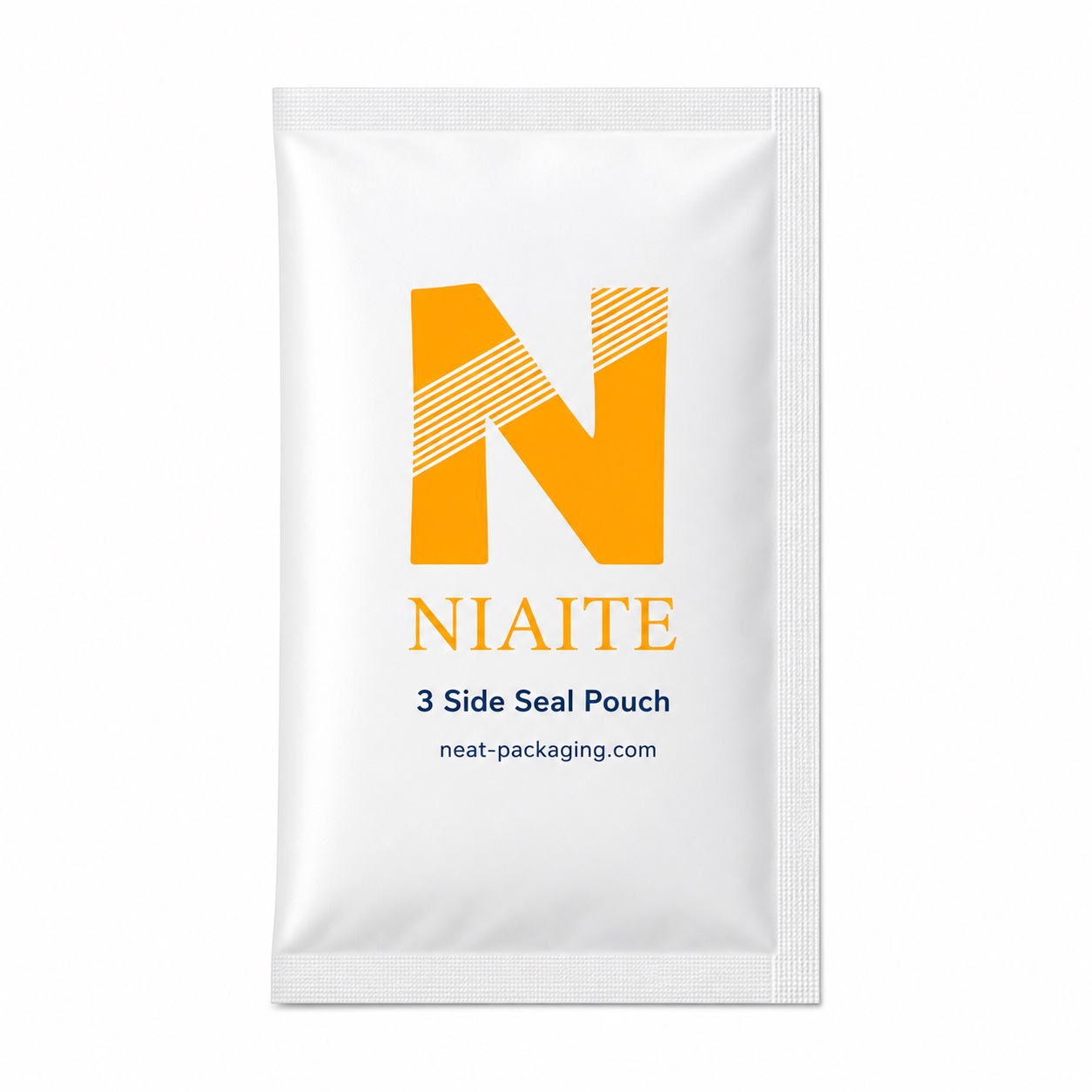
Custom flexible packaging development with structure confirmation, sampling plan, print artwork review, MOQ planning, and documentation support.
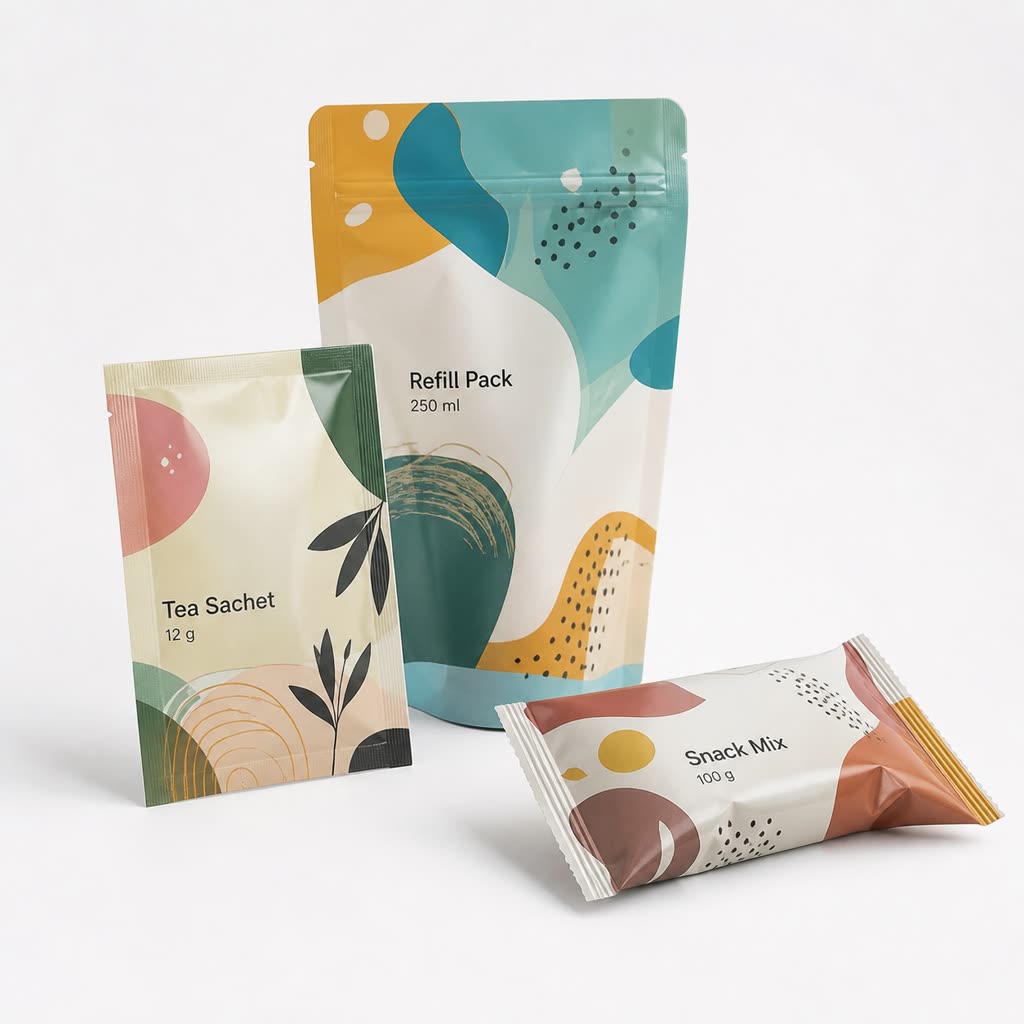
Build a packaging specification from the actual project brief: product type, fill weight, barrier target, pouch format, closure requirement, filling process, shelf-life goal, and destination market.
The workflow covers structure confirmation, sampling plan, print artwork review, MOQ planning, surface finish selection, and documentation support before production approval.
GMP-Style Production Controls
Partner facilities
ISO 9001-Style QC
Quality system
Shipping term coordination
DDP / FOB / CIF
Recyclable-ready review
Project-specific structures
Custom packaging projects span many industries. Explore category-specific guidance to refine your format, barrier, and artwork requirements. Explore all market solutions .
Confirm product, fill weight, barrier target, seal strength, pouch format, and filling process before locking the specification.
Review pack size, print method, order quantity, and production route early so the project scope matches the launch plan.
Check dielines, color targets, barcode space, white ink, varnish, matte or gloss finish, and window placement before proofing.
Supplier declarations, traceability records, production QC records, and test scopes can be reviewed according to the selected structure.
Custom packaging starts with a defined product and buyer objective, not an unlimited feature list. Share the performance, format, artwork, volume, distribution, evidence, and approval boundaries needed for a manufacturability review.
Describe the packed product, product state, fill process, sensitivity, target user, sales channel, current packaging problem, and the business or operational result to evaluate.
Share reference samples or photos, preferred pouch or film format, fill weight or volume, finished dimensions, headspace, orientation, and secondary-pack or shelf constraints.
Define barrier, seal, puncture, chemical-compatibility, temperature, shelf-life, transport, stacking, drop, abrasion, opening, and local recovery considerations that need testing.
List zipper, spout, cap, valve, handle, window, tear notch, laser score, hang hole, rounded corner, label, or other feature priorities and acceptable alternatives.
Provide dieline status, print files, colors, barcode and variable-data zones, matte or gloss finish, metallic or tactile direction, proof type, and brand approval workflow.
Include forecast and first-order quantity, SKU count, destination, budget boundary, sample and test plan, documentation request, authorized approvers, and target launch window.
Key factors to evaluate when planning a custom flexible packaging project.
Start with what your product needs to survive: oxygen, moisture, light, or aroma barriers each dictate different laminate structures. We help review your product's sensitivity profile so the structure selection drives the rest of the project, not the other way around.
Gravure printing offers the best color fidelity at high volumes, while digital and flexo suit shorter runs. We coordinate artwork pre-press checks, color proofing, and plate-readiness review so your files are production-ready before sampling.
Minimum order quantities vary by format, print method, and material. We help review whether a white-pouch sample, printed proof, or small pilot run best fits your timeline and budget before committing to full production quantities.
Zippers, spouts, valves, tear notches, and hang holes each add tooling and compatibility considerations. We coordinate closure samples and dimensional checks against your filling equipment to prevent surprises at the packing line.
Food-contact declarations, material data sheets, and import paperwork requirements differ by destination market. We support documentation assembly early in the project so compliance does not delay shipment.
Select the material structure after reviewing compatibility, barrier target, seal strength, filling process, storage condition, and shelf-life goal.
| Structure | Application | Barrier Level |
|---|---|---|
PET / PE
|
Baseline structure for dry product trials and pilot samples | Standard |
PET / VMPET / PE
|
Metallized option for higher aroma, oxygen, or moisture barrier targets | Medium |
PET / AL / PE
|
Foil laminate for sensitive formulas or strict barrier targets | High |
PET / NY / PE
|
Nylon-reinforced structure for heavier fills or sharper product edges | High |
Kraft / AL / PE
|
Kraft appearance with barrier lining for brand-led custom packs | High |
Mono PE
|
PE-based structure for local recycling-stream review where accepted | Standard |
A transparent look at how we build structural integrity into custom flexible packaging. Visit our material guide for more details.
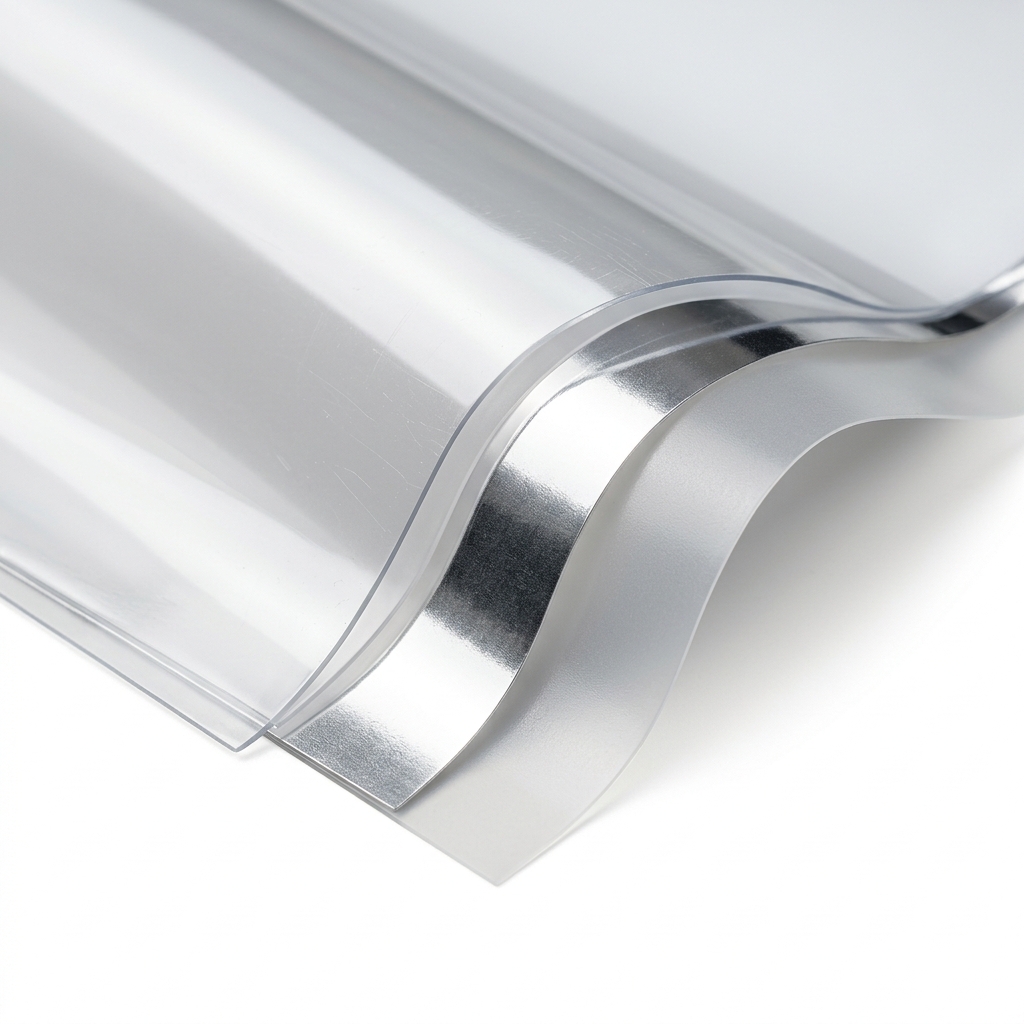
Printable PET supports artwork, registration marks, varnish or matte finish, and the outer handling surface.
Barrier film is selected around moisture, aroma, grease, light, and shelf-life targets for the packed product.
Adhesive bonds the print web, barrier option, and sealant into one stable laminate after curing and testing.
PE sealant is reviewed for heat-seal window, jaw temperature, dwell time, COF, filling conditions, and pack format.
Start with structure confirmation: product contents, fill weight, barrier target, pouch format, filling process, closure needs, and shelf-life goal. This creates the basis for a practical sampling plan.
Before production, we review print artwork, surface finish, MOQ planning, packing method, documentation support, and process capability so the final specification can move through approval with fewer surprises.
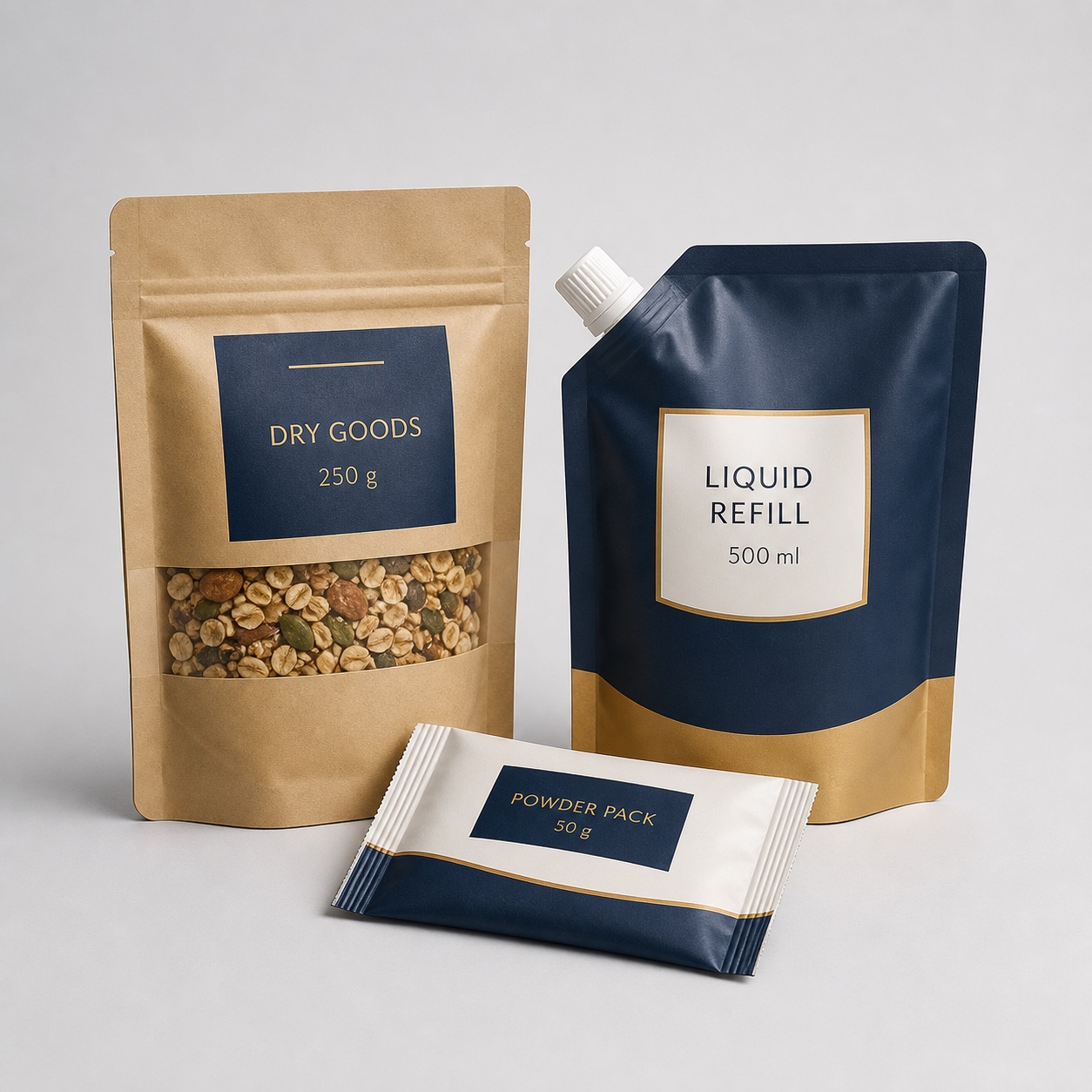
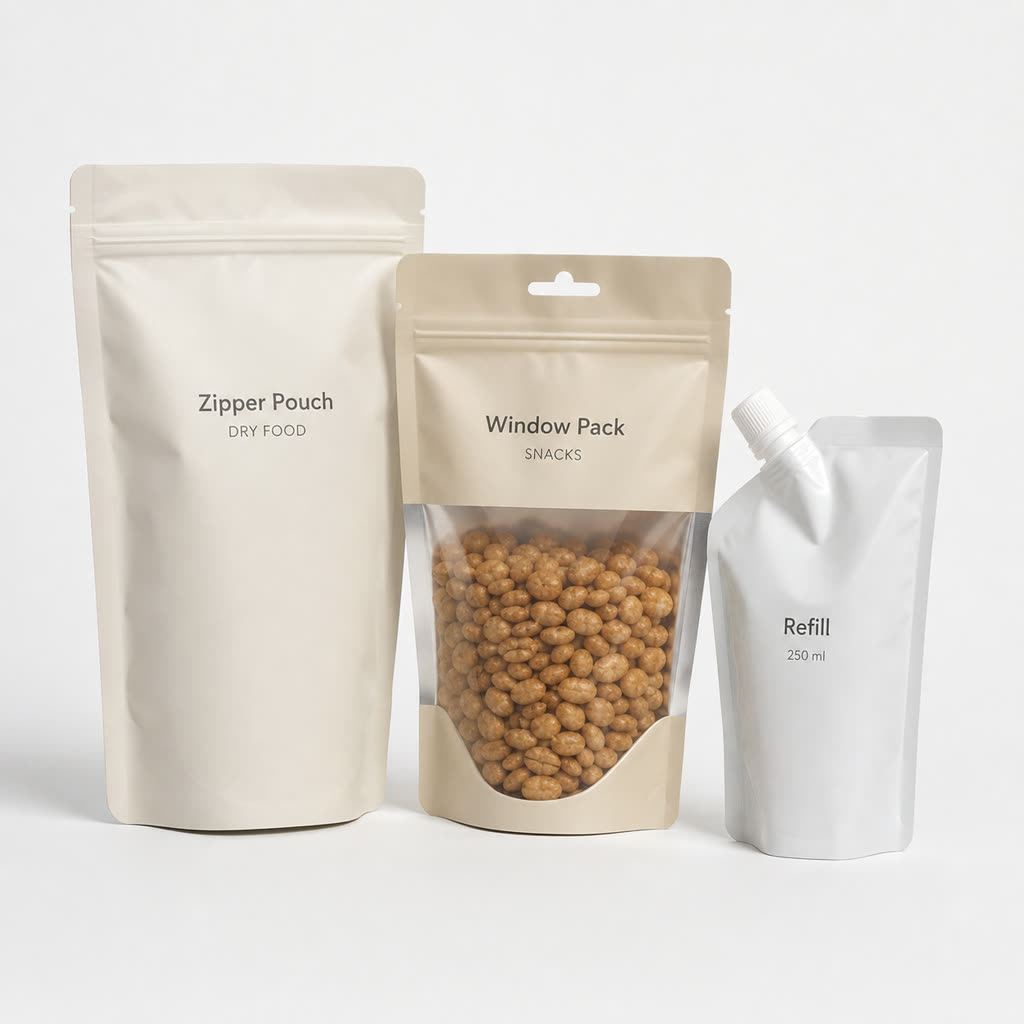
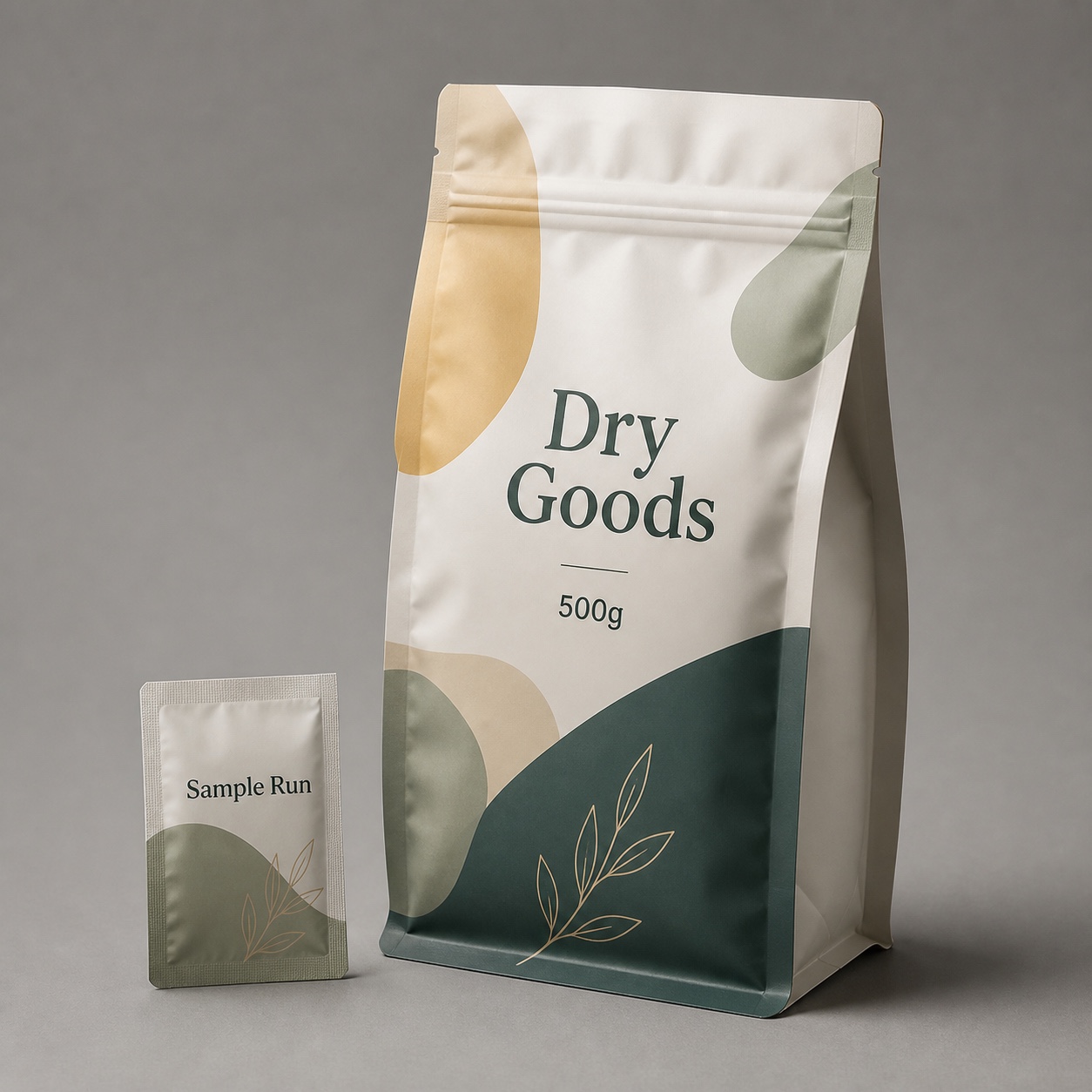
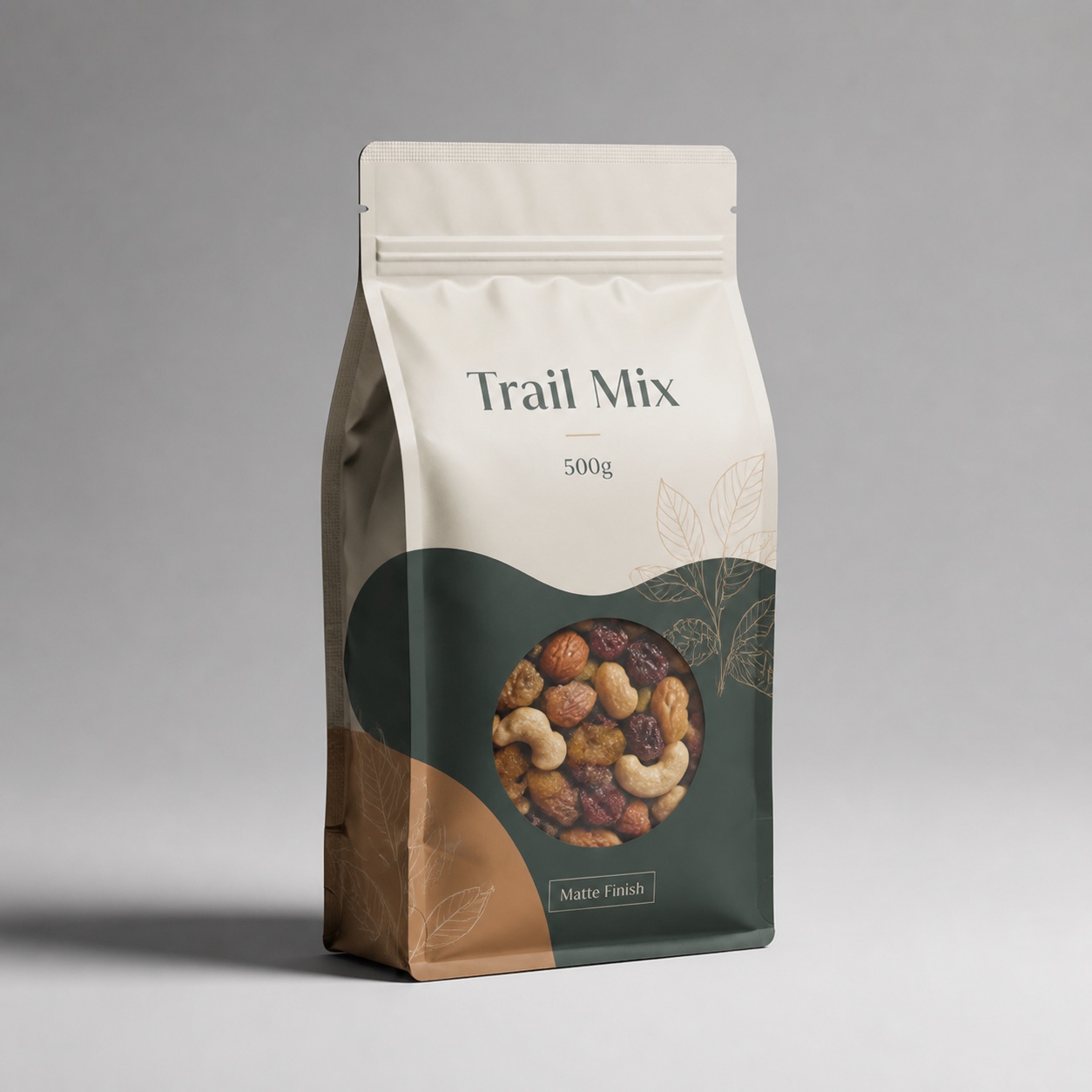
Euro hole, carry handle, stand-up base, gusset, shaped profile, and display features can be reviewed against retail and packing needs.
Precision tear notch systems: standard, linear, dot notches, and laser score technology for clean aesthetics.
Standard windows, shaped windows, matte varnish, gloss varnish, soft-touch, metallic effects, and clear panels can be matched to the artwork.
Sampling plan, dieline review, seal testing, filling-line feedback, documentation support, and third-party testing scopes can be coordinated by project.
Representative parameters. Actual values depend on material structure and customization.
Film Thickness
50–200 μm (customizable)
Barrier Target
Structure-specific, confirmed during review
Structure Review
PET, PE, nylon, foil, kraft, or mono-material options
Process Range
Reviewed for filling, sealing, storage, and process capability
MOQ Planning
Reviewed by size, print method, and production route
Customization Scope
Size, format, print artwork, closure, finish, and documentation support
Custom printed luxury matte flexible packaging brand showcase premium
Small-run bespoke matte pouch branding artisan custom
Die-cut custom shaped matte packaging luxury retail brand
Craft brand bespoke custom flexible packaging matte quality
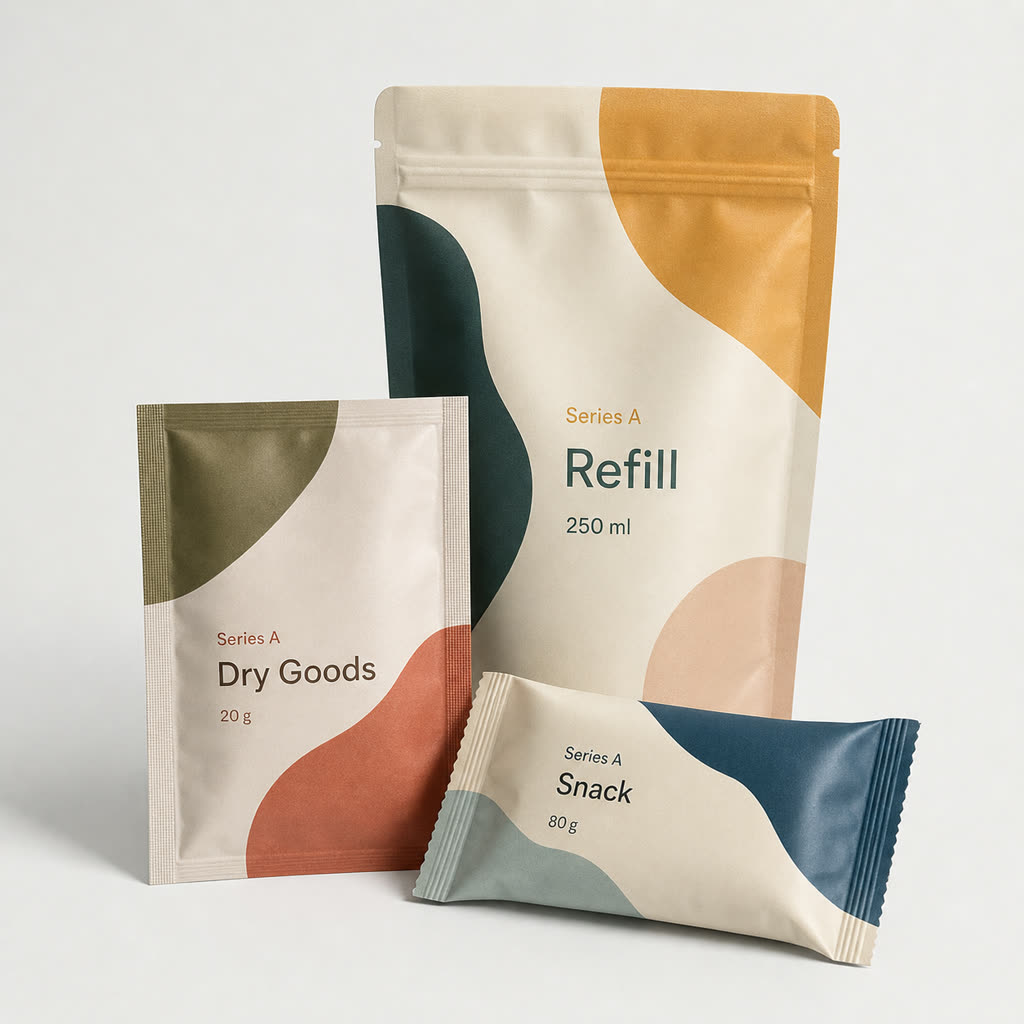
Use these photos as format references. Final size, structure, print layout, and testing scope are reviewed against your product, filling method, and target market.
Lower-impact structure options can be reviewed when the product, filling process, target market, and recovery route support them.
A customized packaging project starts with structure confirmation: product contents, fill weight, barrier target, pouch format, filling process, storage condition, and shelf-life goal. These inputs guide the sampling plan and production route.
Size, shape, pouch format, zipper, tear notch, fitment or valve when relevant, print artwork, surface finish, window, material structure, carton packout, and MOQ planning can be reviewed by project scope.
Documentation support depends on the selected structure, resin source, print system, destination market, and test plan. Supplier declarations, traceability records, QC records, and third-party testing can be discussed before production.
Production workflow follows GMP-style hygiene and handling controls; no site-level GMP registration is claimed.
ISO 9001-style QC records and FDA/EU material documentation can be reviewed by project scope.
DDP / FOB / CIF coordination can be reviewed by destination and project scope.
Project-level recyclable-ready or lower-impact structures can be reviewed where the final specification supports them.
Project support for material review, artwork coordination, sampling, and production follow-up within the agreed scope.
Production routing, order volume, lead-time assumptions, and capacity fit are reviewed for each confirmed project.
Tell us your product, target weight, and requirements.
We recommend materials, structure, and provide pricing.
Confirm details, approve artwork, and production begins.
QC checkpoints and shipment scope are confirmed by project.
Common issues we help custom packaging buyers avoid during project coordination.
Custom packaging often stalls because artwork files arrive in the wrong color mode, resolution, or bleed setup. Fonts left unoutlined or images placed at screen resolution can force multiple revision rounds, pushing your timeline back by weeks. We help by providing detailed artwork specifications upfront and reviewing every file before it reaches the production stage.
Unique pouch shapes and custom die-cut windows require tight mechanical tolerances that standard packaging does not demand. Even small deviations in the die design can cause seal failures or misaligned graphics at scale. We coordinate tolerance checks between your design file and the partner factory tooling team before production begins, reducing costly re-cuts.
Buyers planning several custom sizes or formats often discover that each SKU carries its own minimum order quantity, inflating the total commitment far beyond the initial estimate. This is especially common when different SKUs require separate printing plates or tooling. We help you map out per-SKU MOQs early and explore strategies like shared tooling to keep quantities manageable.
A matte-laminated sample can look and feel noticeably different from the final production run if the coating weight, gloss level, or lamination method changes between proofing and bulk manufacturing. Color shifts under different coatings are another frequent surprise. We coordinate coating specifications and request production-representative samples so what you approve is what you receive.
Custom shapes, spouts, and closures require dedicated tooling that can take several weeks to fabricate and test — a lead time many first-time buyers underestimate. Delays compound when revisions are needed after the first tooling samples. We help build realistic project timelines that account for tooling fabrication, sample approval rounds, and potential revisions before bulk production begins.
Updated:
Work with NIAITE for material review, sampling guidance, QC checkpoints, and export project coordination.