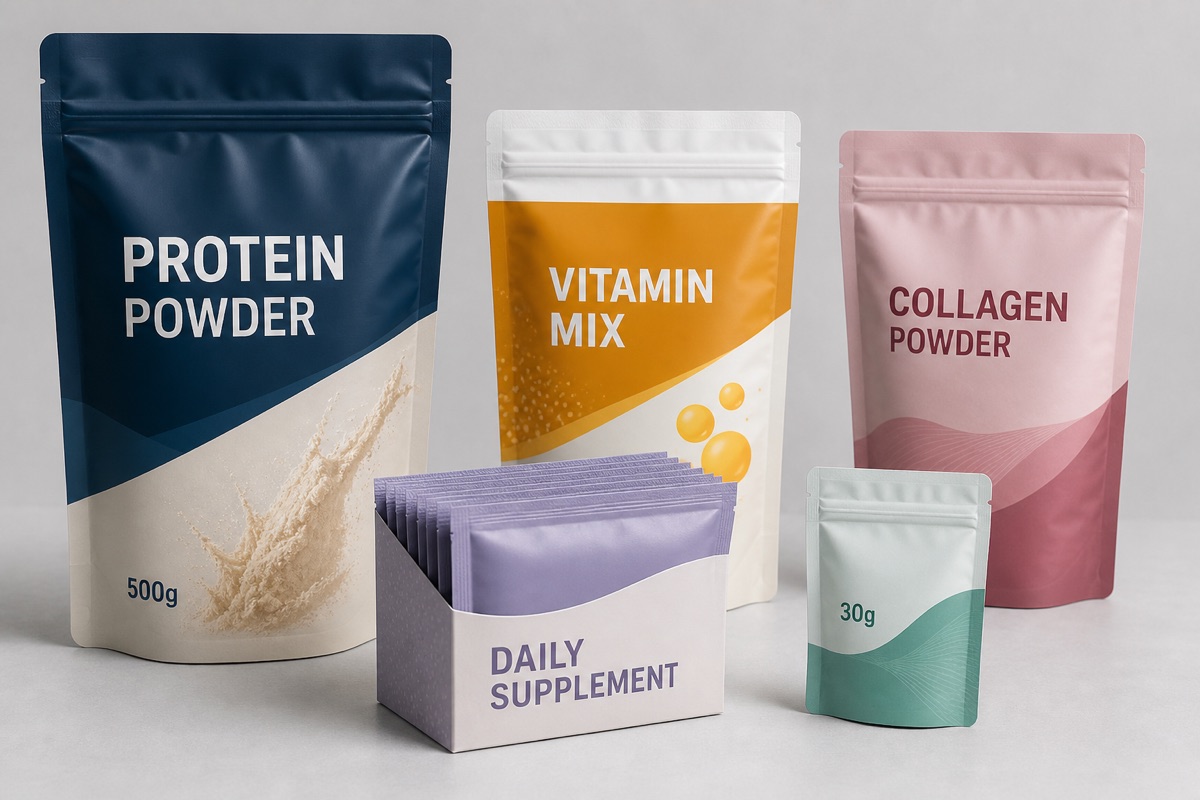
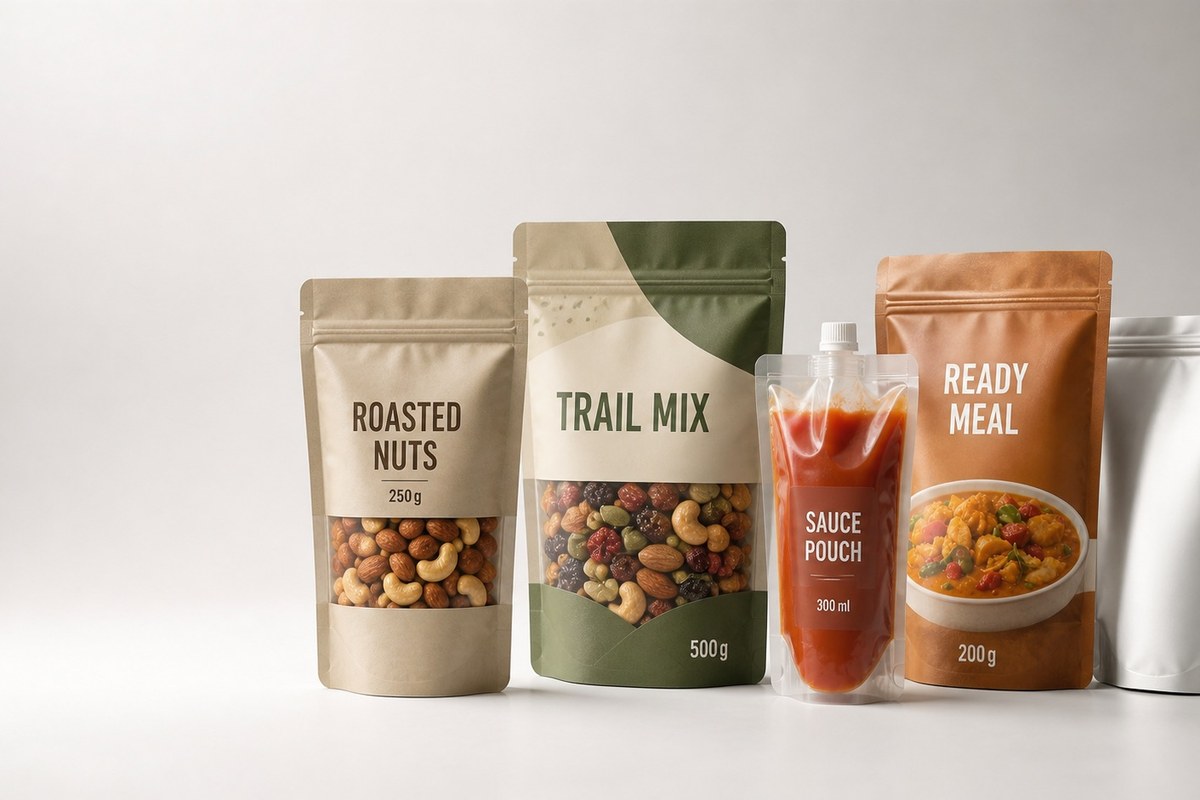
Cannabis packaging: child-resistant closure options, opaque Mylar barrier structures, and tamper-evident pouch layouts for THC flower, CBD edibles, pre-rolls, concentrates, and hemp product projects.
NIAITE is a flexible packaging project support team coordinating cannabis pouch structure, child-resistant closure, barrier review, artwork, sampling, and production follow-up with selected production partners.
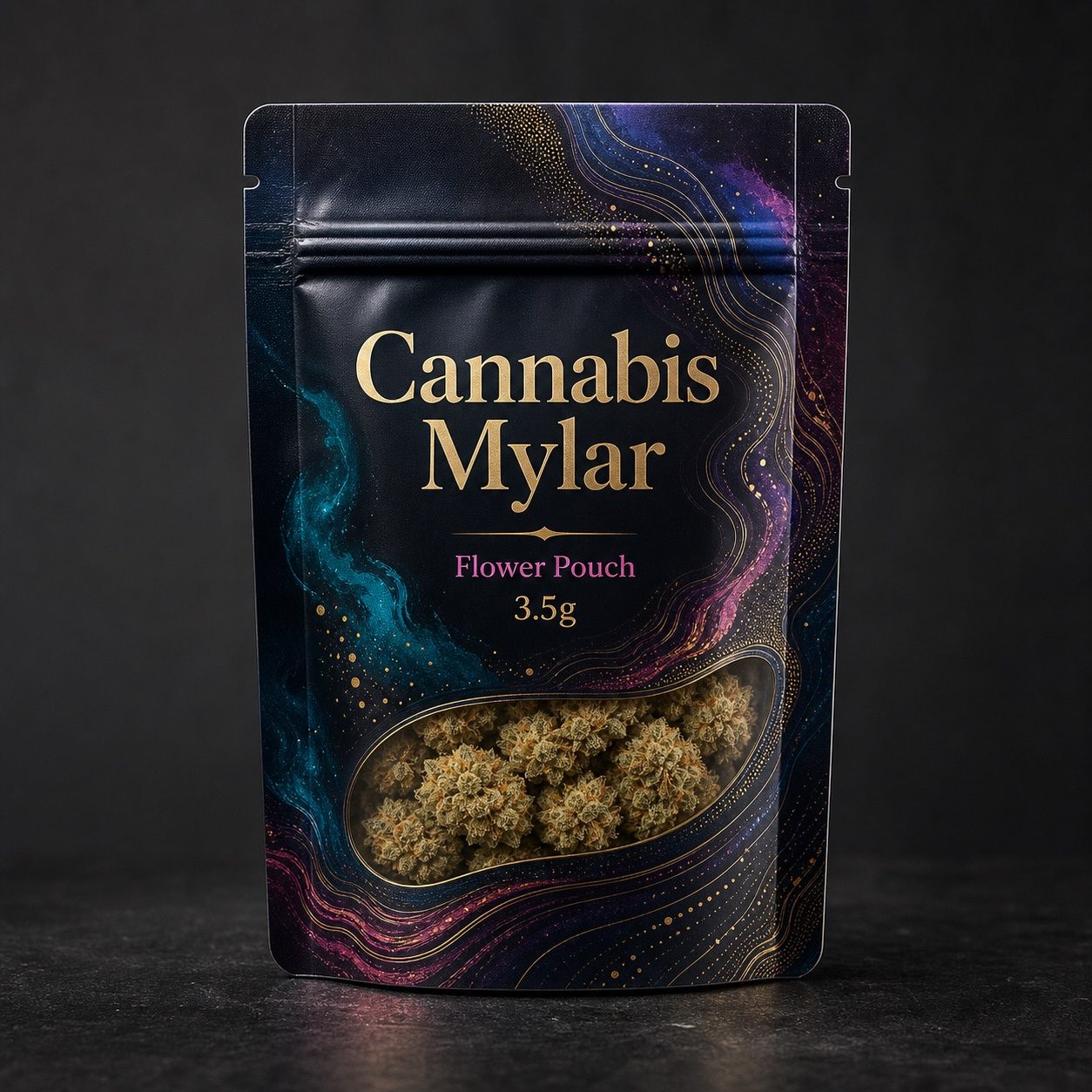
Child-resistant closures, opaque high-barrier Mylar structures, light-sensitive product review, and tamper-evident layout options can be coordinated for cannabis product projects.
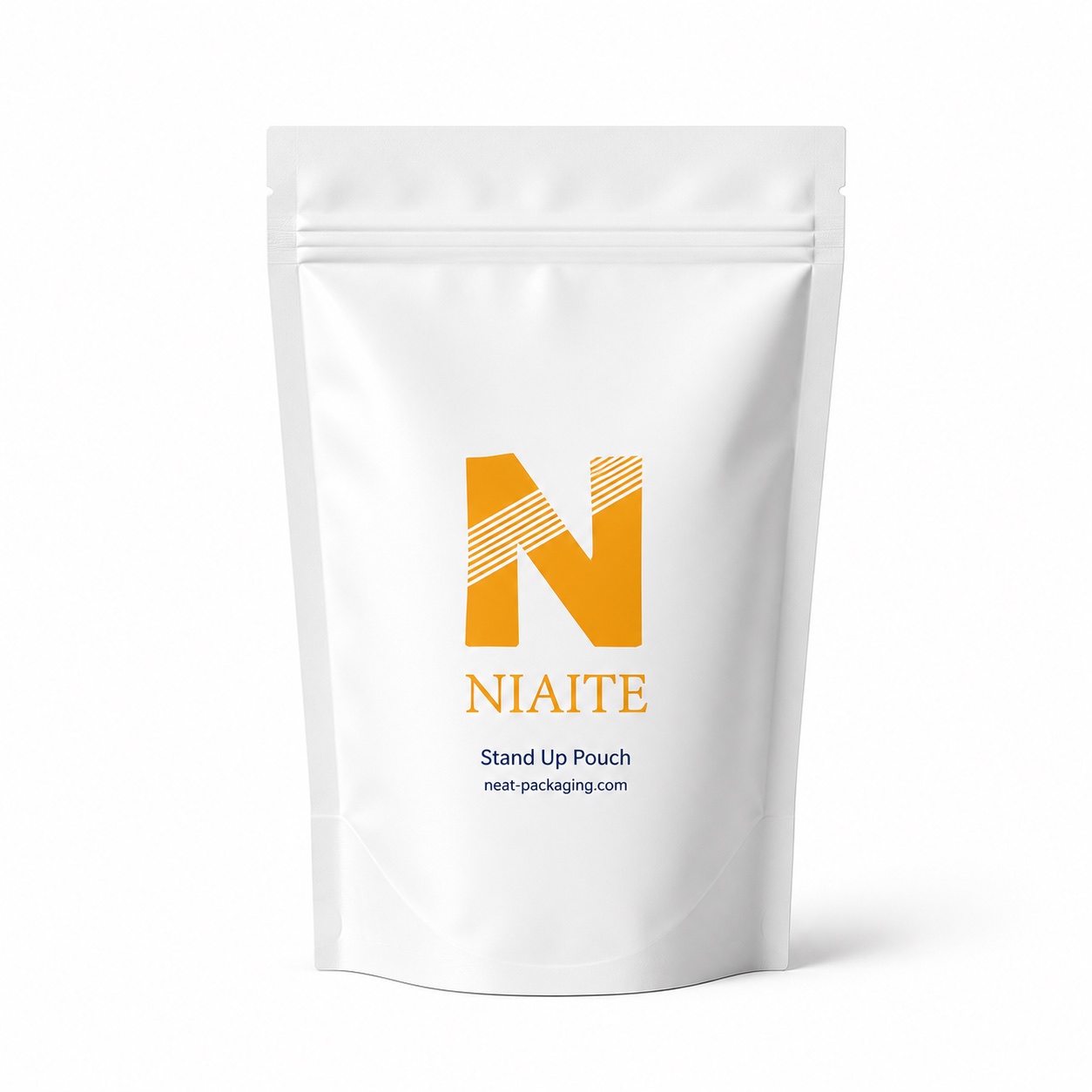
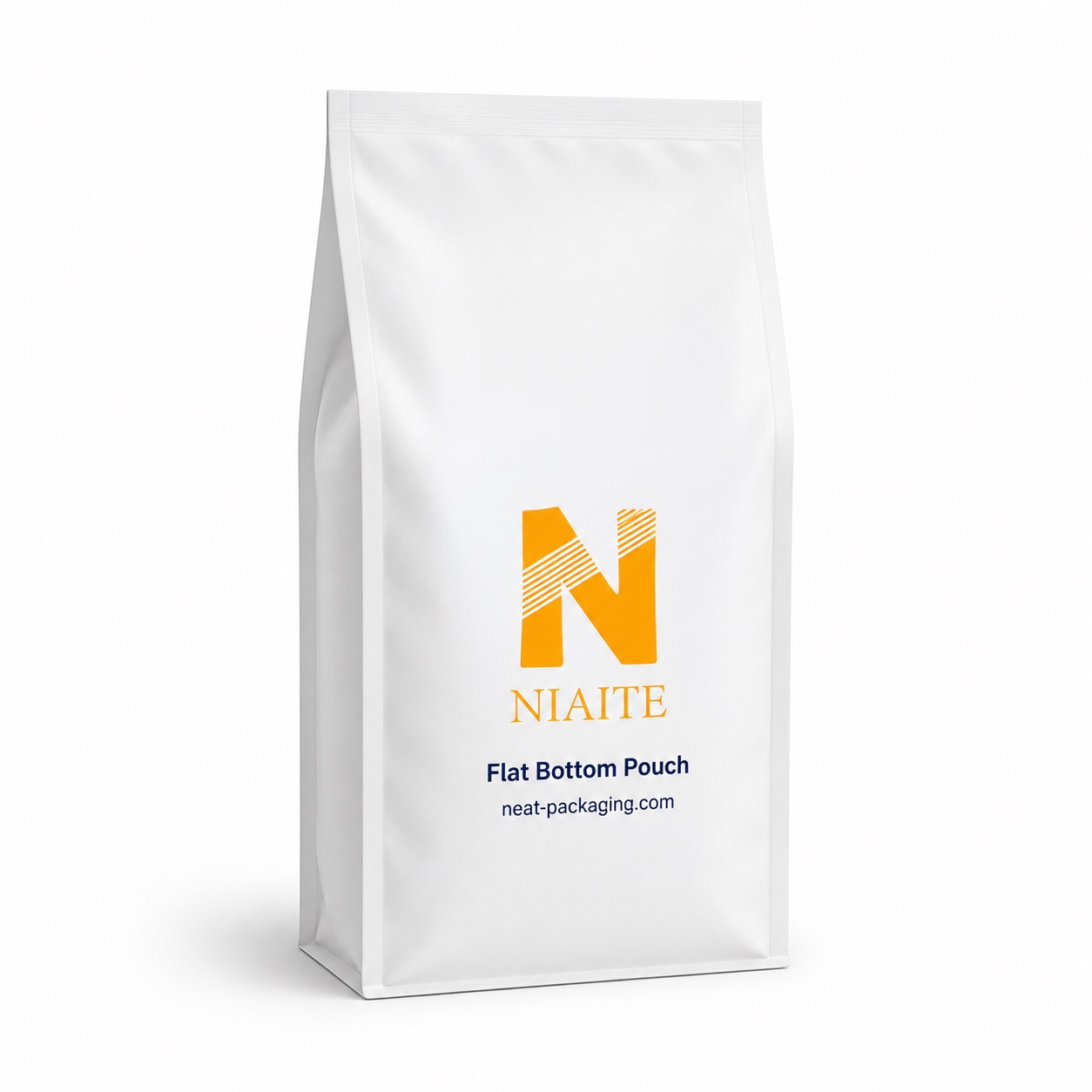
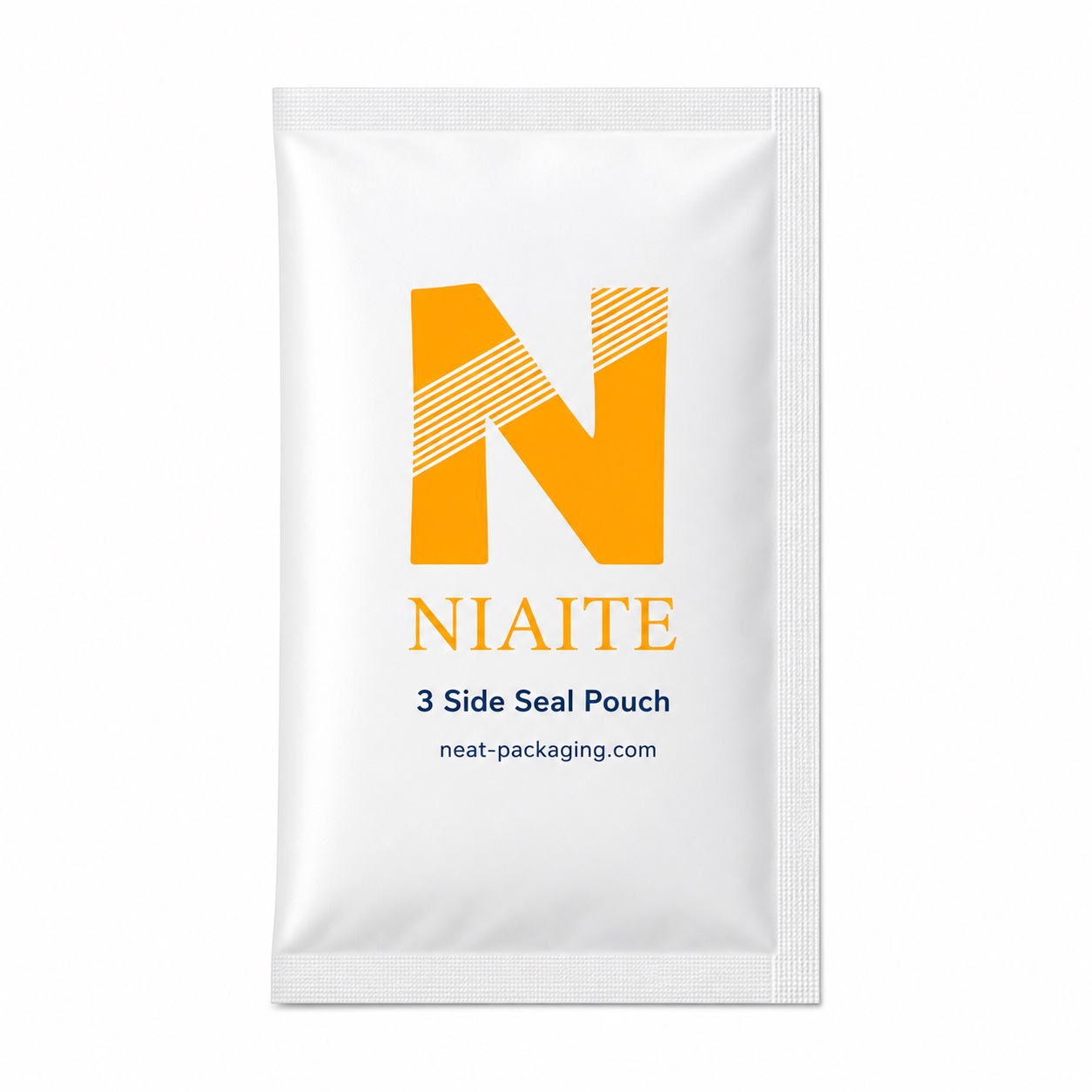
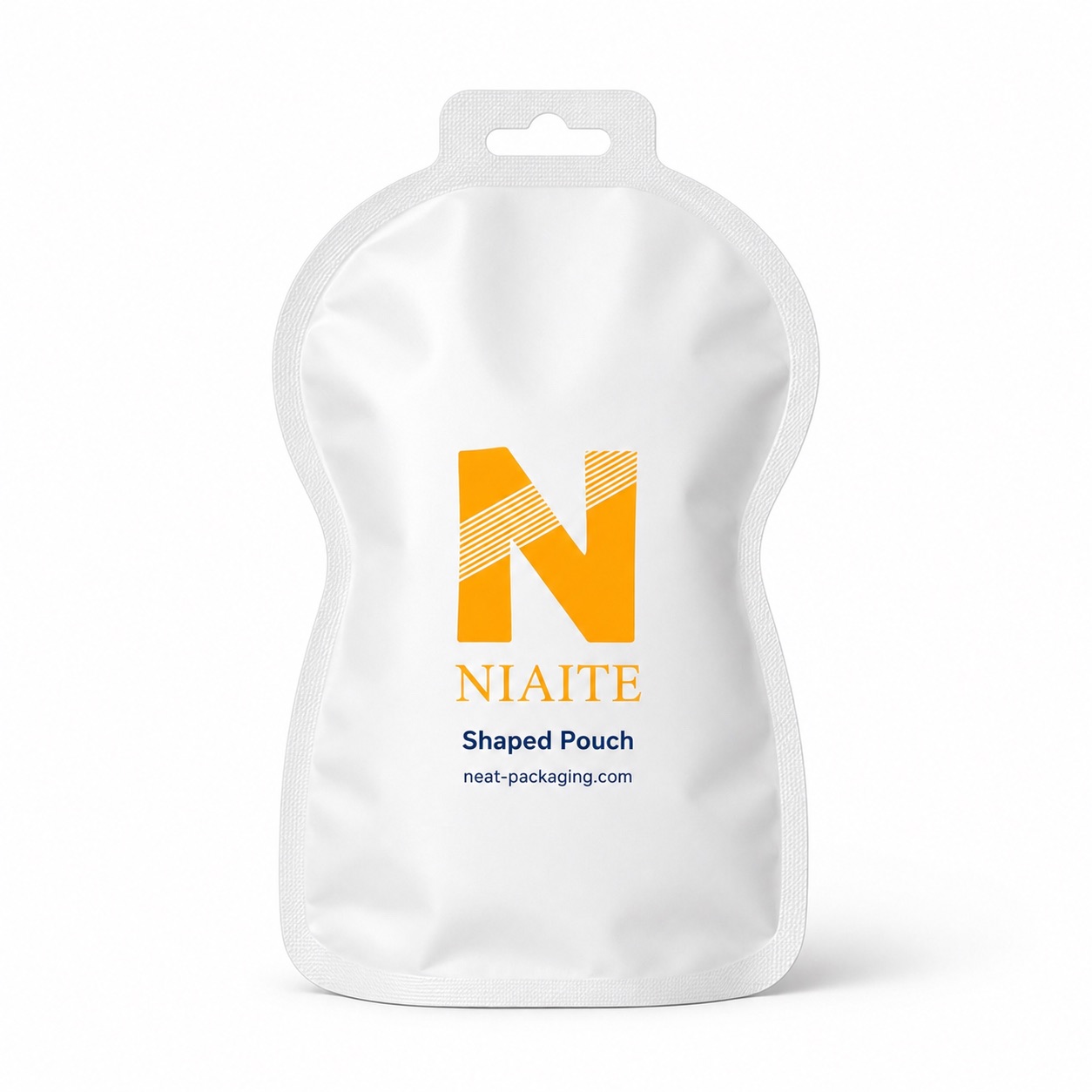
Stand-up, flat-bottom, 3-side-seal, and shaped pouch formats can be coordinated with custom printing, strain-specific artwork, and compliance panel space for THC content, health warnings, and batch coding.
CR Documentation Review
Child-resistant review
Odor-Proof Barrier
Mylar & aluminum foil
Shipping term coordination
DDP / FOB / CIF
Material Review
Project-specific structures
Specify cannabis pouches by product type, child-resistant closure, odor barrier level, compliance panel layout, printing, and project scope.
CPSC 16 CFR 1700.20 documentation pathways can be reviewed with partner factories experienced in child-resistant pouch projects. Closure mechanism selection is coordinated by state regulation and retail channel requirements.
Mylar (metallized PET) and aluminum foil laminate structures can be reviewed for odor-barrier needs, light-sensitive products, and opaque retail pouch formats.
Front and back panels reserve space for THC content, health warnings, testing information, batch and lot coding, and barcode placement per jurisdiction requirements.
Digital and gravure printing options for cannabis brand identity, strain labels, and flavor variants. Low MOQ projects can be reviewed for brand launches and limited-edition runs.
Define product type, jurisdiction requirements, odor barrier level, child-resistant mechanism, compliance labeling, and project scope to start a cannabis packaging review.
Describe product contents: THC flower, pre-roll, edible, concentrate, tincture, topical, or other cannabis products; weight, dimensions, and product-contact considerations.
Identify target market child-resistant requirements, labeling mandates, THC content display limits, and any state-specific or country-specific packaging regulations.
Specify odor intensity and containment needs, UV sensitivity, light-blocking requirements, and target shelf life for terpene and cannabinoid preservation.
Indicate preferred closure type: press-to-close zipper, CR slider, CR cap, heat-seal CR, or other mechanisms; discuss testing support and partner factory CR project experience.
Define THC/CBD content display areas, health warning placement, testing information panels, batch and lot coding zones, and universal symbol requirements.
Include order quantity, SKU and strain count, artwork status, target market, timeline, and any sample or documentation requirements for the project.
Choose the right material structure based on cannabis product type, odor barrier, light blocking, and child-resistant closure requirements.
| Structure | Application | Barrier Level |
|---|---|---|
PET / AL / PE
|
Full opaque barrier for flower and concentrate | High |
PET / VMPET / PE
|
Metallized odor barrier for edibles and gummies | Medium |
Kraft / AL / PE
|
Natural look with full barrier for hemp and CBD | High |
NY / AL / PE
|
Puncture-resistant for heavy or sharp-edged products | High |
PET / PE
|
Standard structure for accessories and lightweight items | Standard |
NY / PE
|
Puncture-resistant clear pouch for pre-roll tubes and cartridge packs | Standard |
A transparent look at how we build structural integrity into every Cannabis Packaging. Visit our material guide for more details.
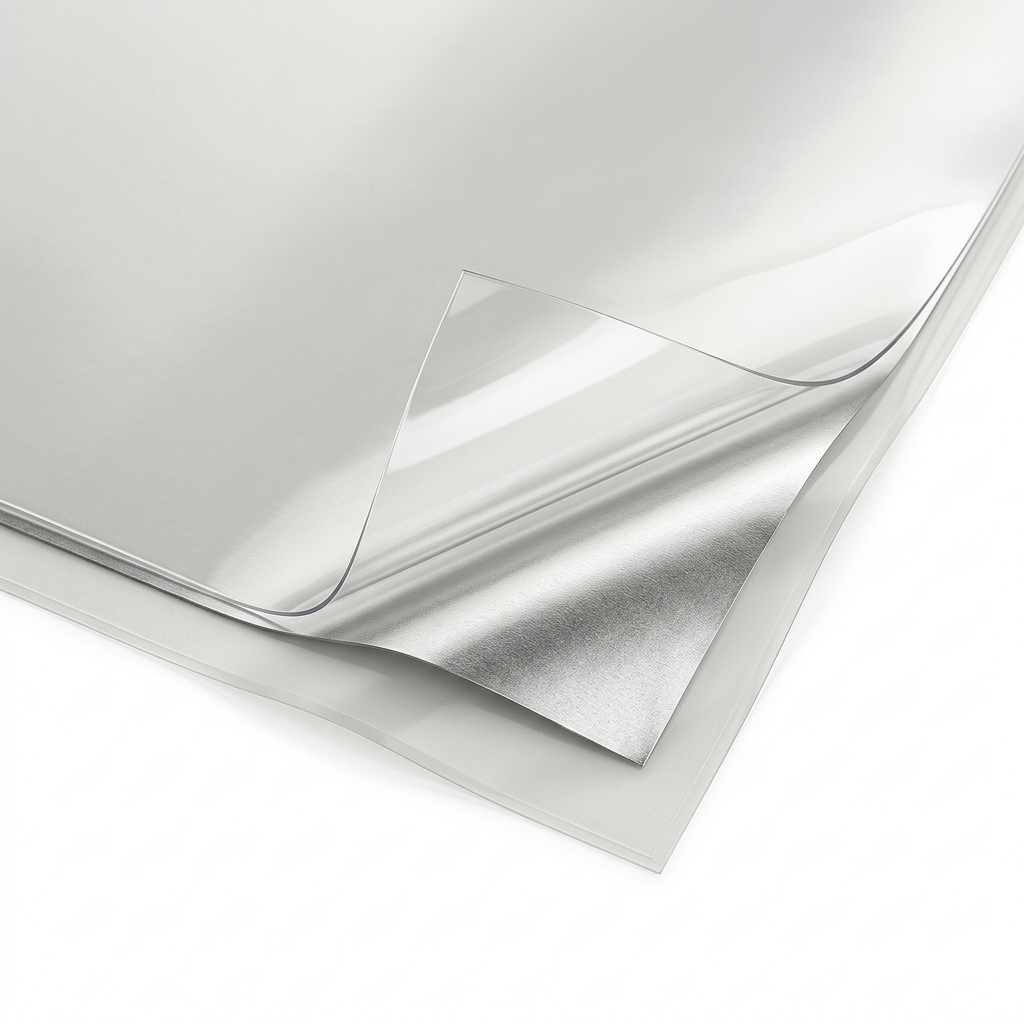
Printable PET outer layer supports cannabis brand artwork, strain labels, compliance panels, and surface finish options for retail shelf presentation.
Aluminum foil or metallized PET (Mylar) layers are reviewed for odor-barrier needs, light-sensitive products, and moisture-barrier targets.
Adhesive layers bond the print, barrier, and sealant webs into the finished laminate structure for consistent seal integrity.
PE sealant inner layer is reviewed for heat-seal strength, child-resistant closure compatibility, product contact safety, and tamper-evident seal performance.
Stand Up, Flat Bottom, 3 Side Seal, Shaped Pouches
Mylar (Metallized PET), Aluminum Foil, Kraft, Nylon
Child-Resistant Zipper, CR Slider, Press-to-Close, Heat Seal
Digital and Gravure, up to 10 colors
Representative parameters. Actual values depend on material structure and customization.
Film Thickness
80–150 μm (Mylar or AL foil based)
Odor Barrier
High (AL foil or VMPET structure)
Oxygen Barrier (OTR)
Low (AL foil full barrier standard)
Moisture Barrier (MVTR)
Project-specific moisture barrier target
Light Blocking
Full opaque or metallized UV protection
Closure Options
Child-resistant zipper, CR slider, heat seal
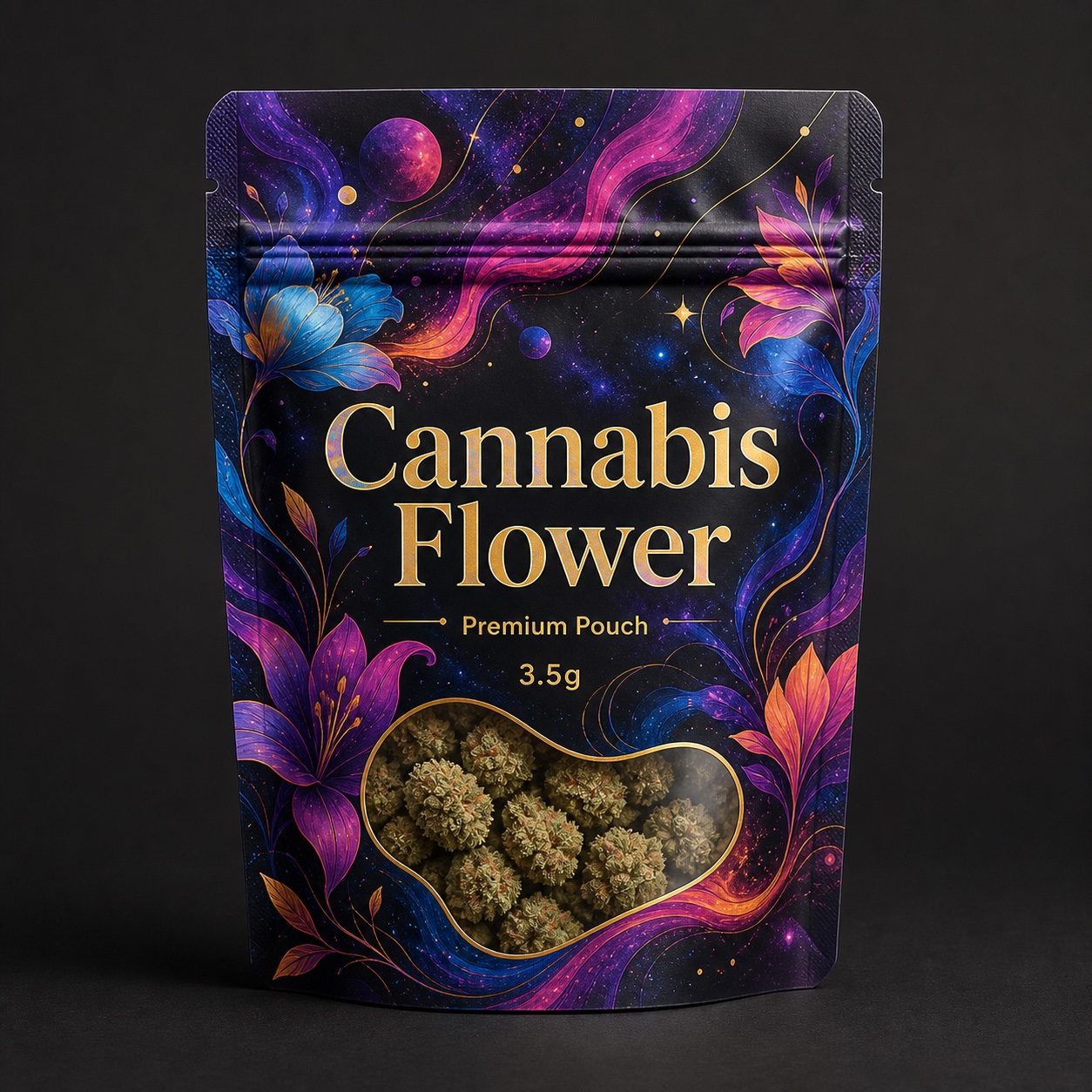
Matte high-barrier Mylar pouch with child-resistant zipper for THC flower dispensary packaging
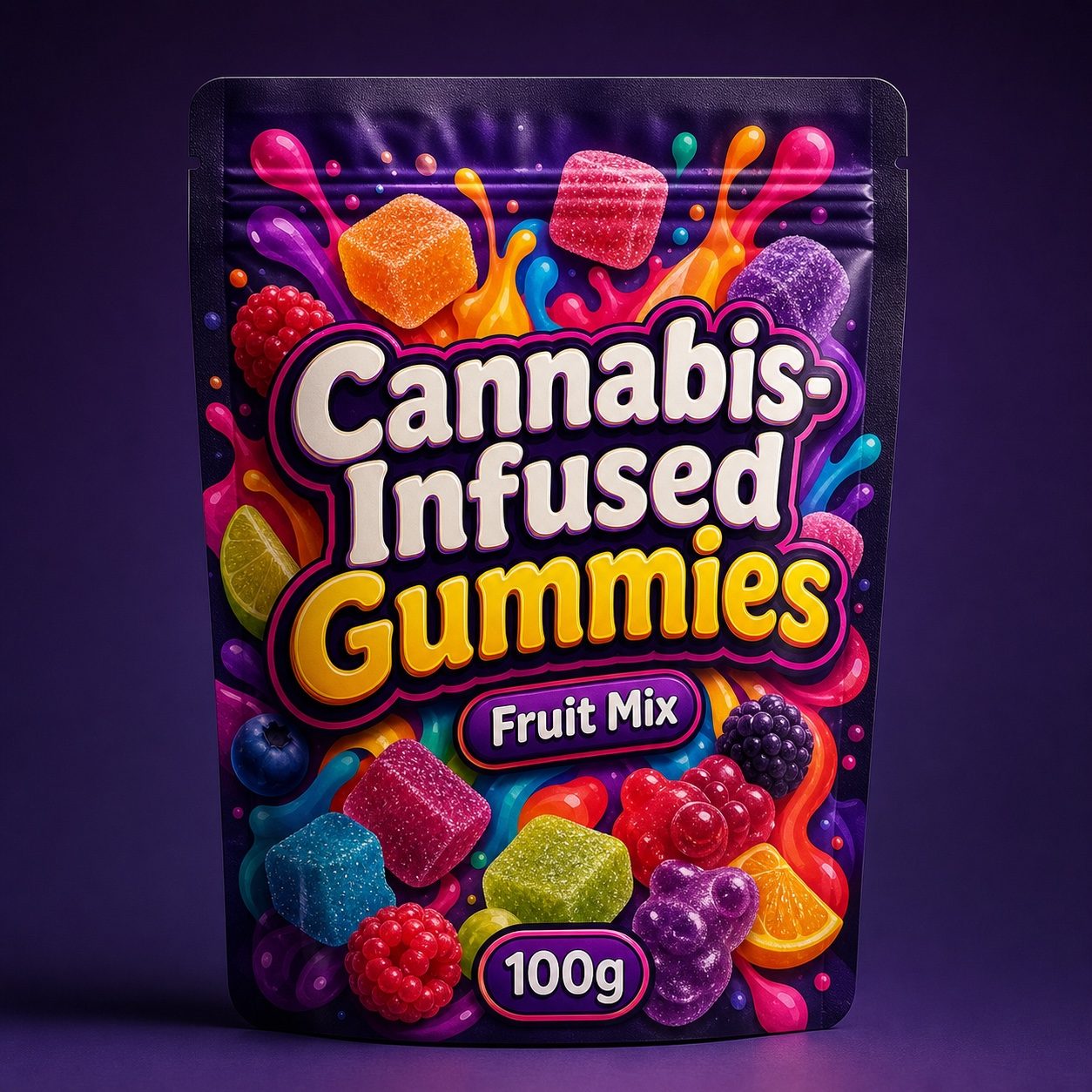
Metallized Mylar pouch with compliance panel and reseal zipper for CBD edibles and gummies
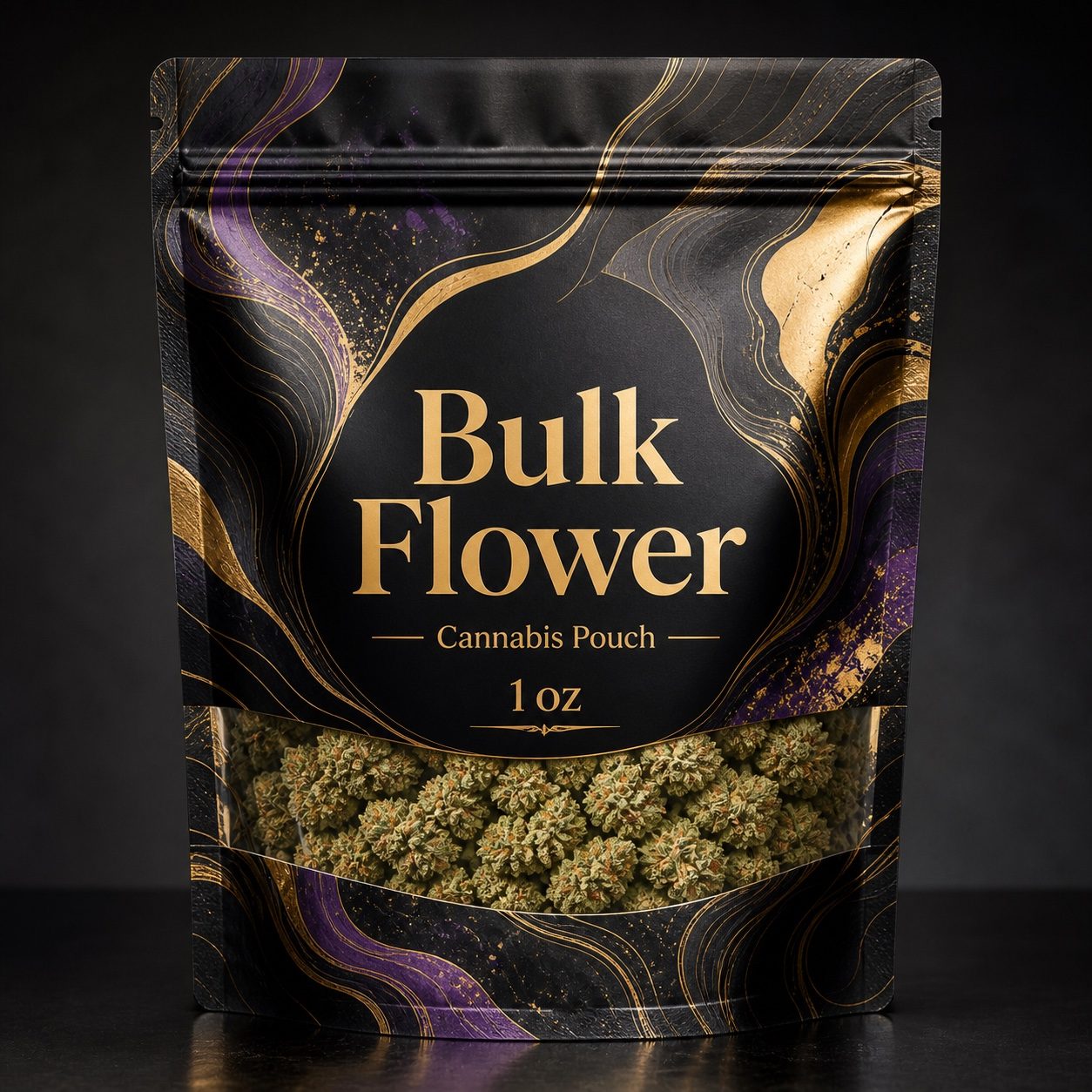
Kraft-look high-barrier bag with aluminum foil layer for hemp and CBD product packaging
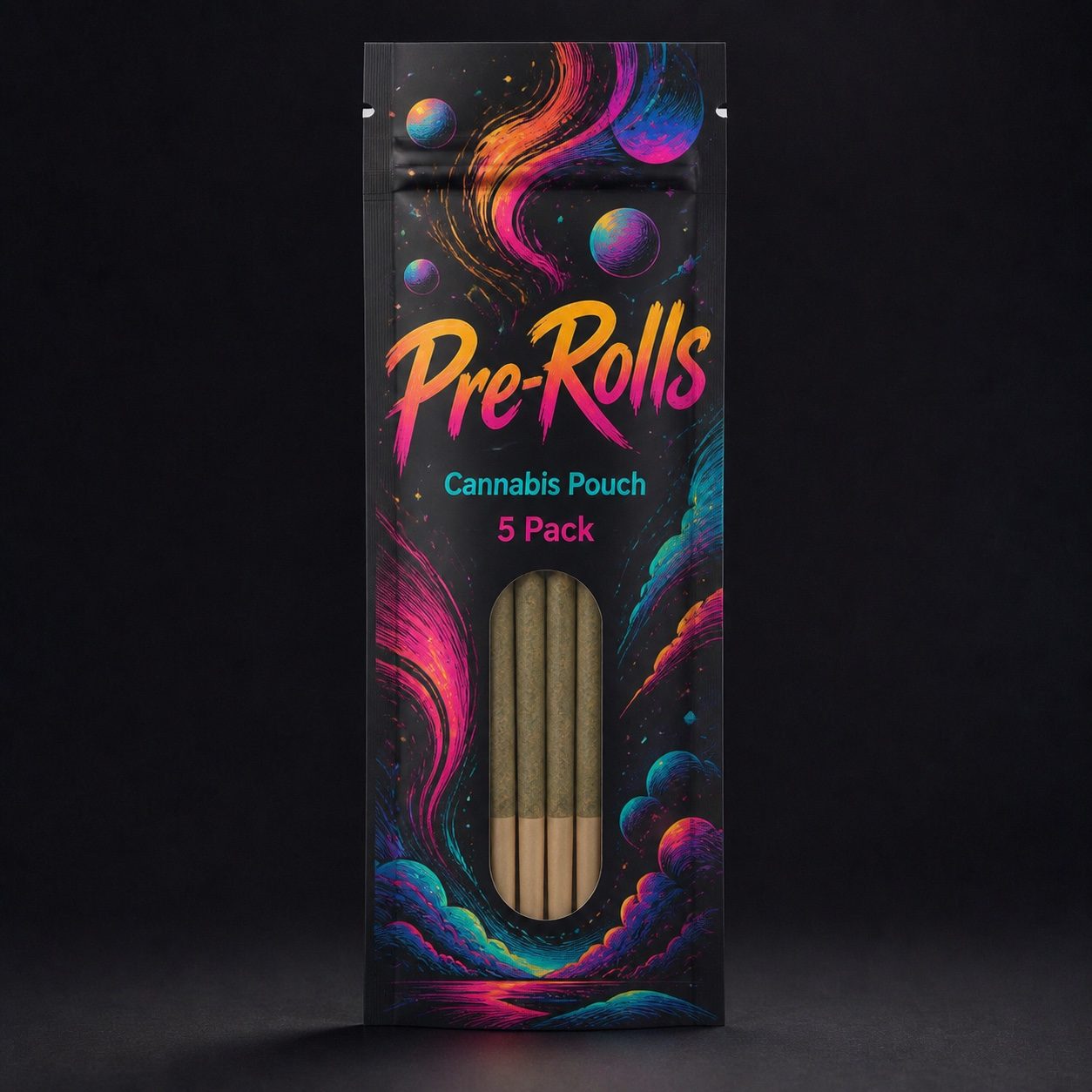
Custom printed child-resistant pouch with strain label and compliance panel for pre-roll packaging
Use these photos as format references. Final size, structure, print layout, and testing scope are reviewed against your product, filling method, and target market.
Lower-impact structure options can be reviewed when the product, child-resistant requirements, target market, and recovery route support them.
Child-resistant cannabis packaging uses closure mechanisms that require specific actions to open, such as press-and-turn, squeeze-and-pull, or multi-step zipper systems. Partner factories with CR pouch project experience can be reviewed for CPSC 16 CFR 1700.20 documentation pathways. The specific CR mechanism is selected based on your product type, state requirements, and retail channel. We coordinate closure selection and documentation by project.
Mylar is a brand name often used for metallized polyester (PET) film in multi-layer pouch structures. For cannabis projects, opaque Mylar or aluminum foil laminates are reviewed when the brief calls for odor-barrier, moisture-barrier, and light-sensitive product handling. The final structure should be matched to the product type, artwork, retail channel, and documentation scope.
Cannabis pouches are available in common sizes from 1g (0.035oz) for single pre-rolls or concentrate packs up to 454g (1lb) for bulk flower. Popular sizes include 3.5g (1/8oz), 7g (1/4oz), 14g (1/2oz), and 28g (1oz). Custom dimensions can be reviewed based on your product form factor, filling method, and retail display requirements. Discuss your specific size needs by project.
Yes. Digital printing options allow lower MOQ for cannabis brand launches, strain-specific labels, limited-edition runs, and flavor variants. Gravure printing is available for larger volumes with up to 10 colors. Both options support compliance panel layouts for THC content, health warnings, and batch coding. MOQ and printing options are reviewed by project scope.
Cannabis flower typically requires a high-barrier structure with aluminum foil (PET / AL / PE) for maximum odor containment and light blocking. Edibles and gummies may use a metallized structure (PET / VMPET / PE) as a medium-barrier option. The barrier level is matched to your product type, odor intensity, shelf life target, and regulatory requirements. We review structure options by project.
Compliance panel layouts can be coordinated to accommodate state-specific and jurisdiction-specific cannabis labeling requirements, including THC/CBD content display, health warnings, universal symbols, testing information, and batch coding zones. Panel space and artwork layout are reviewed by project to support your target market requirements. Documentation support and project-specific review are available to discuss requirements by project.
Production records, material batches, print approvals, and sample approval notes can be organized around the selected cannabis pouch structure.
QC records, material declarations, testing reports, and third-party documentation can be reviewed by project scope.
DDP / FOB / CIF coordination can be reviewed by destination and project scope.
Project-level recyclable-ready or lower-impact structures can be reviewed where the final specification supports them.
Project support for material review, artwork coordination, sampling, and production follow-up within the agreed scope.
Production routing, order volume, lead-time assumptions, and capacity fit are reviewed for each confirmed project.
Tell us your product, target weight, and requirements.
We recommend materials, structure, and provide pricing.
Confirm details, approve artwork, and production begins.
QC checkpoints and shipment scope are confirmed by project.
Common issues we help cannabis packaging buyers avoid during project coordination.
Different states and markets require different child-resistant standards, and not all CR mechanisms meet every jurisdiction's requirements. Verifying closure type and testing documentation scope against your target market before tooling avoids redesign costs and compliance gaps after initial production.
Cannabis flower and concentrates with strong terpene profiles can leak odor through standard film structures. Reviewing barrier level against your product's odor intensity and storage conditions helps reduce consumer complaint and retail shelf risks after distribution.
Cannabis labeling requirements often include THC content, health warnings, testing results, batch coding, universal symbols, and barcode zones. Underestimating the panel space needed for mandatory information leads to artwork revisions and production delays. Coordinating label layout early avoids these setbacks.
Light-sensitive cannabis products need packaging structures selected against the target retail channel, display conditions, and documentation scope. Opaque or metallized structures can be reviewed when the project brief calls for light-blocking performance.
Selling into multiple states or markets often requires different labeling, warning symbols, and CR specifications per jurisdiction. Planning packaging variations by market from the start helps avoid unnecessary separate production orders at higher per-unit cost.
Updated:
Work with NIAITE for material review, sampling guidance, QC checkpoints, and export project coordination.