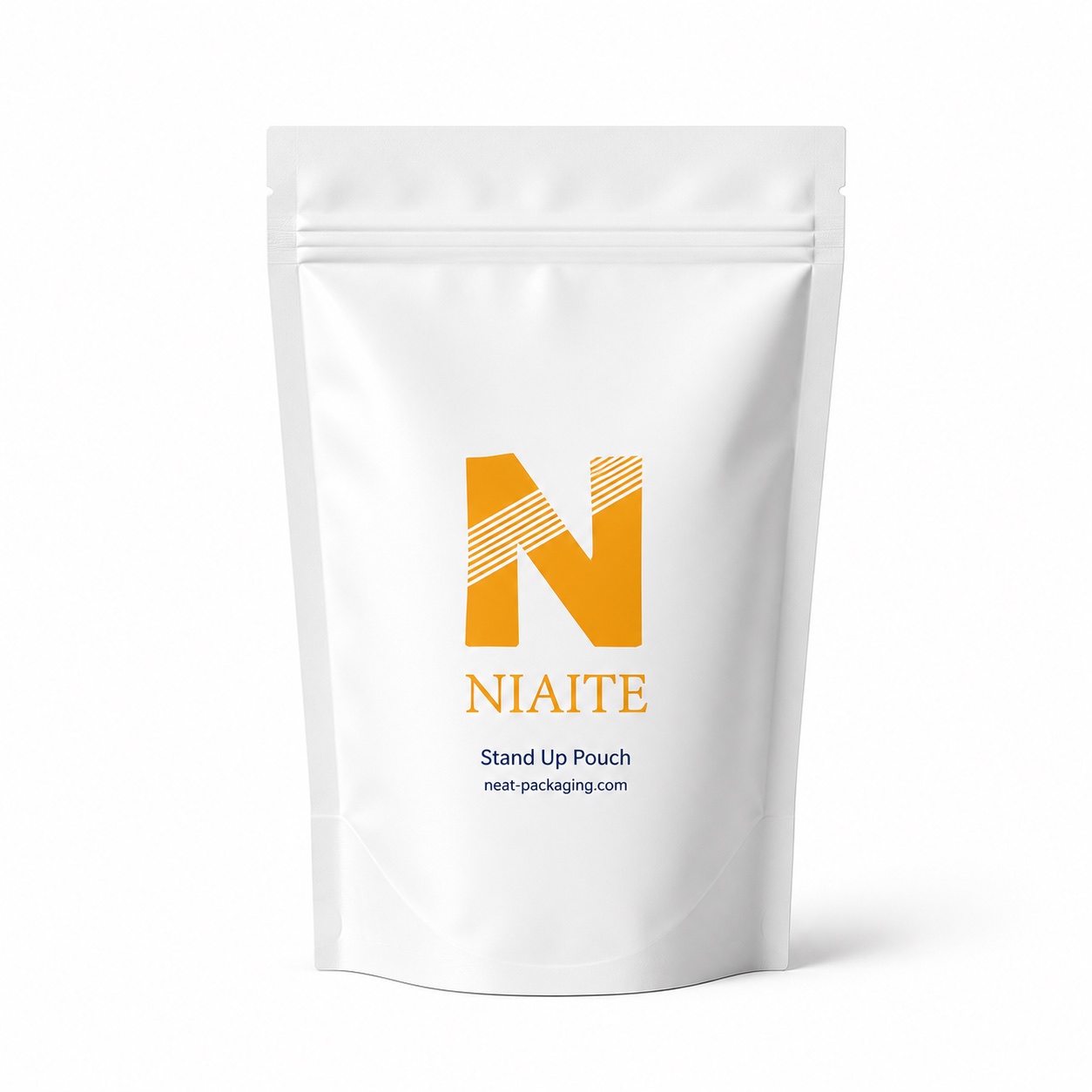
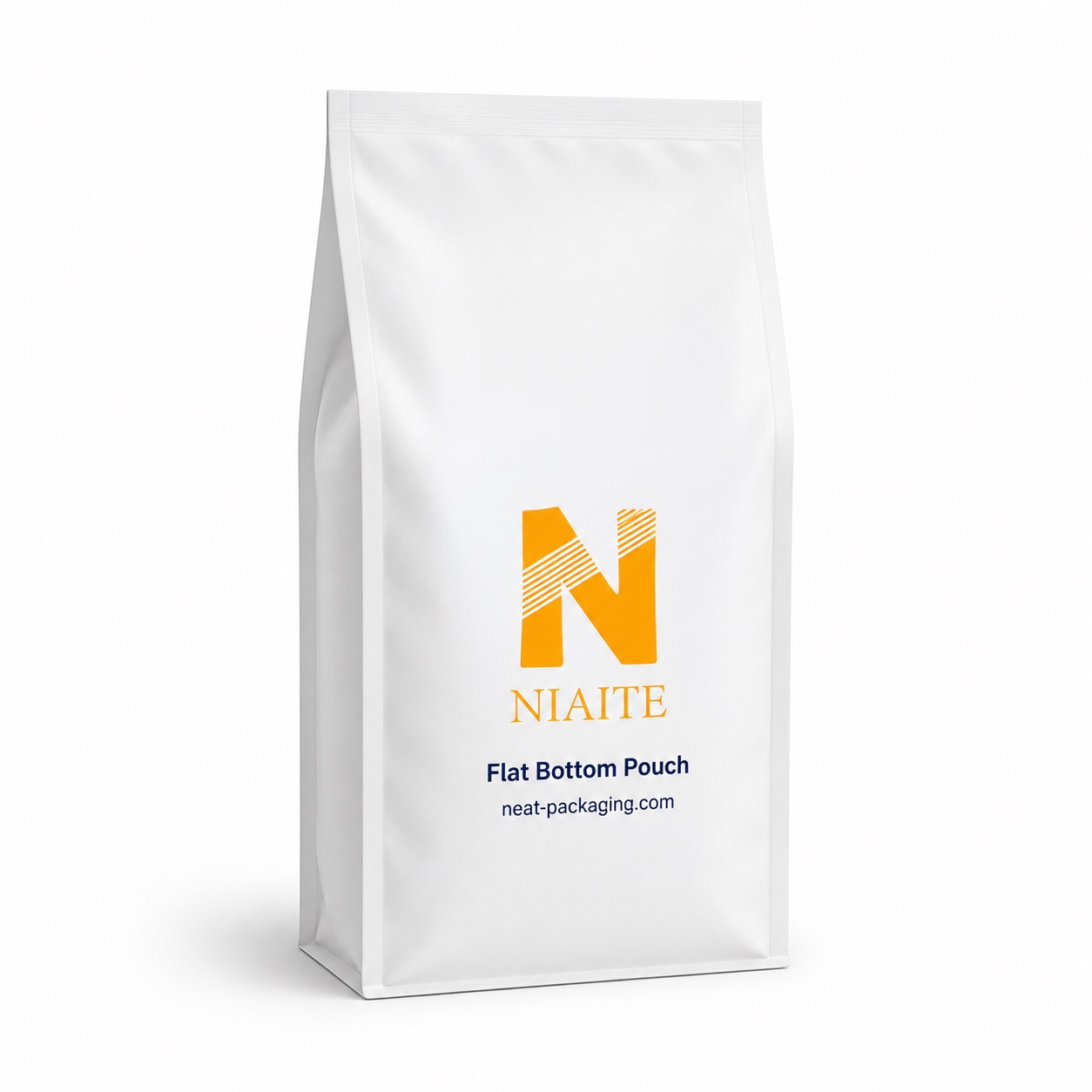
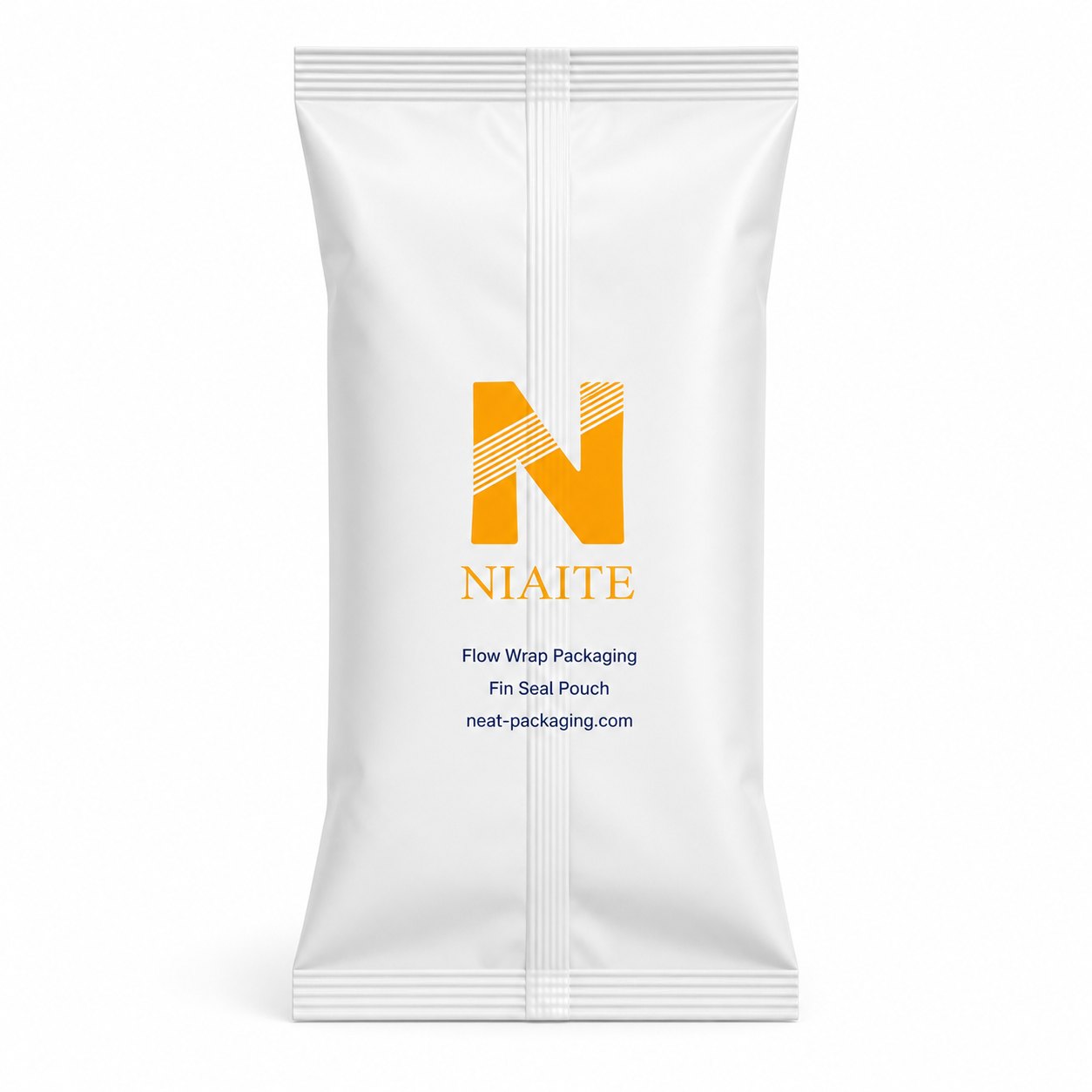
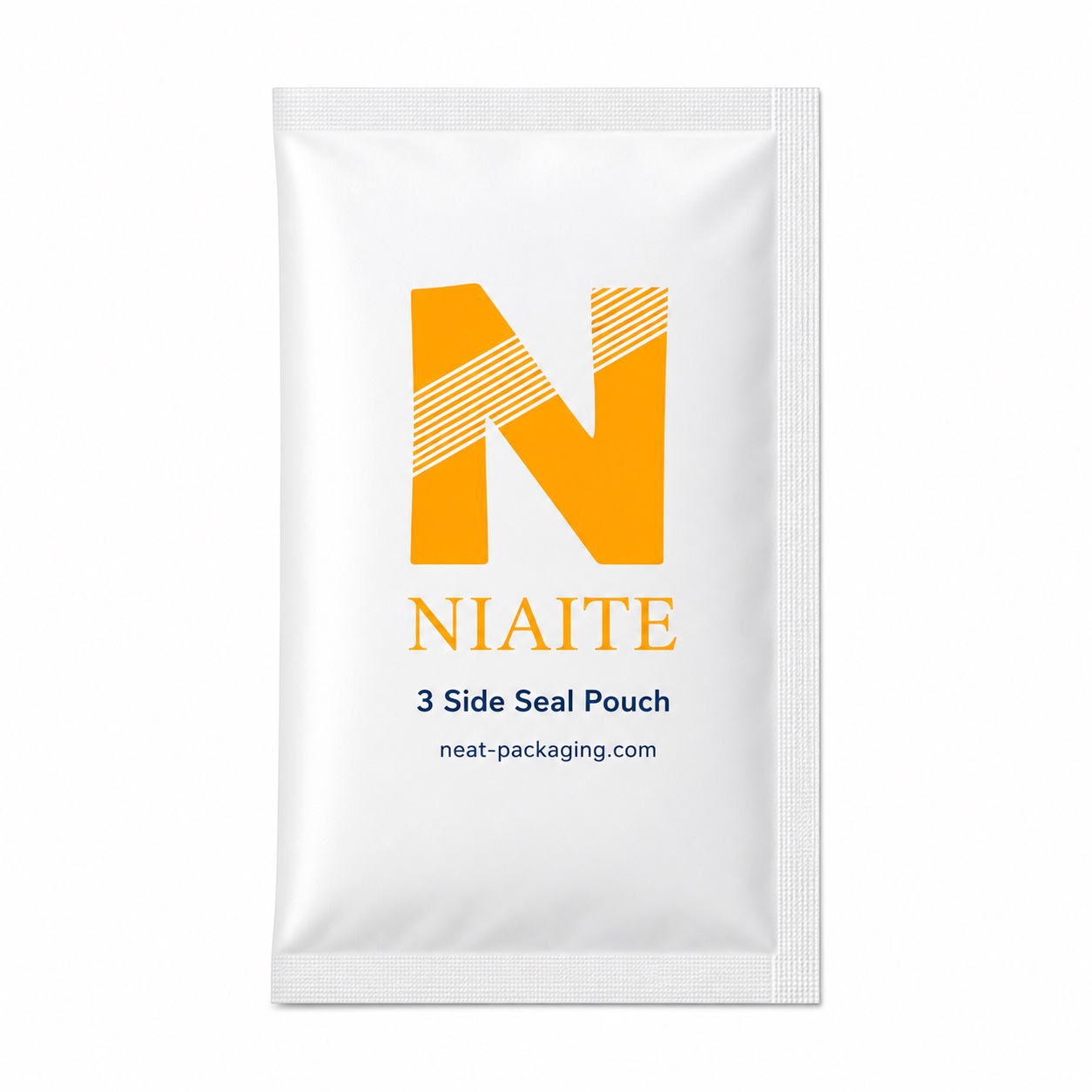
Custom die-cut shaped pouches for retail display, sampling packs, and promotional packs. Confirm custom silhouette, dieline, die-cut tolerance, contour sealing, seal width, tear notch, hang hole, display hook, stand-up base, shape tooling, and artwork layout before production.
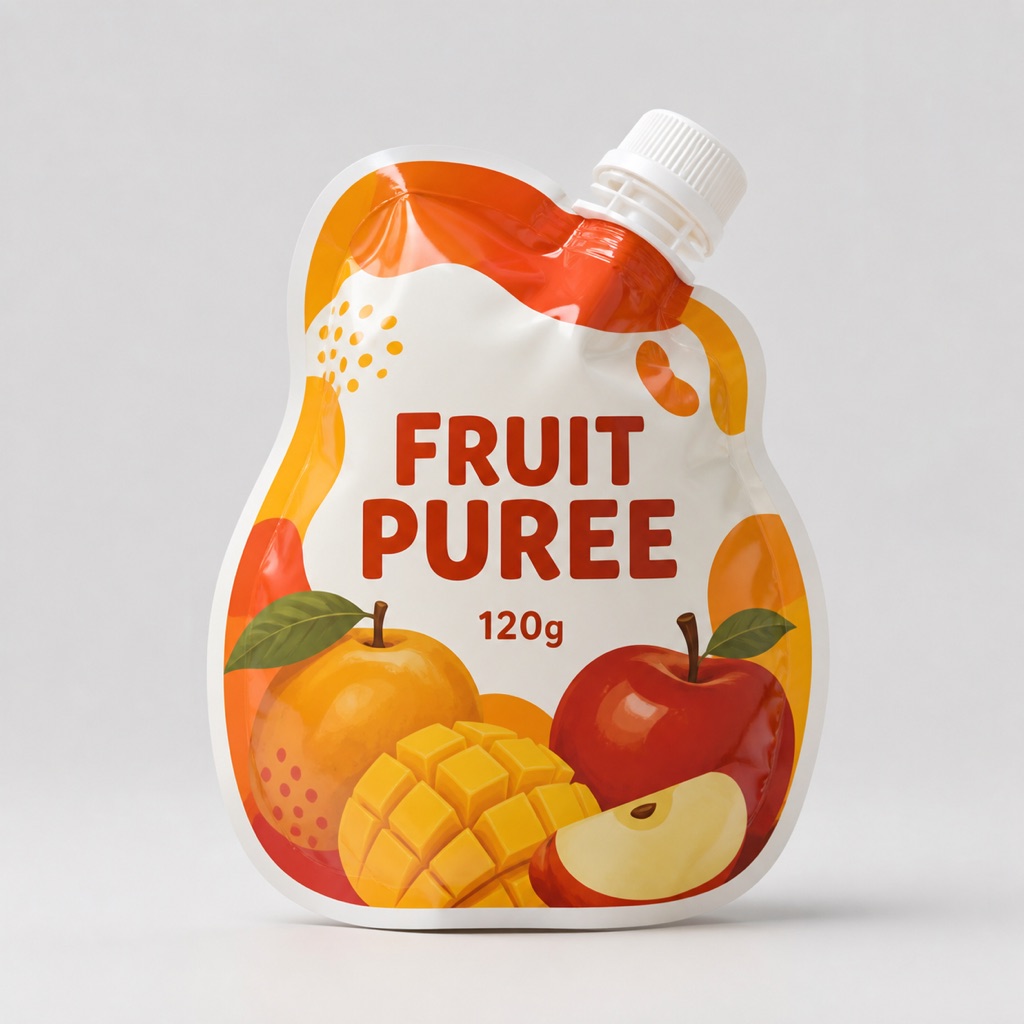
Die-cut shaped pouches use a brand-specific custom silhouette, contour sealing, and controlled seal width to create retail display, sampling packs, and promotional packs that still run through practical forming and packing steps.
Project review focuses on dieline, die-cut tolerance, tear notch, hang hole, display hook, stand-up base, zipper, window, artwork layout, material structure, and shape tooling rather than a generic pouch template.
GMP-Style Production Controls
Partner facilities
ISO 9001-Style QC
Quality system
Shipping term coordination
DDP / FOB / CIF
Project-Scoped Materials
Material review
Shaped pouches add shelf impact for products where the pouch outline, display orientation, and visual design work together. Explore all market solutions .
The custom silhouette and artwork layout help the pack read clearly on shelf without relying on unsupported conversion claims.
Dieline, die-cut tolerance, corner radius, tear notch, and hang hole positions are reviewed before tooling.
Seal width, contour sealing, stand-up base, zipper, and window layout are checked against pack shape and filling process.
Material declarations, dieline proof, sample approval notes, and food-contact documentation can be reviewed by project scope.
Key factors to evaluate when selecting shaped pouches for your project.
The pouch silhouette should complement your product or brand identity. Common shapes include contoured bottles, fruit outlines, and character forms. Complex die-cuts increase tooling costs, so balance visual impact with production feasibility.
Shaped pouches often serve as point-of-sale displays. Consider whether you need euro-slot hang holes, peg hooks, or free-standing designs. The hang-hole position affects shelf orientation and visual balance.
Irregular shapes reduce usable fill area compared to standard pouches. Work with your project team to confirm that the internal volume meets your fill target while maintaining adequate seal margins for integrity.
Full-bleed printing on shaped pouches requires precise registration across the die-cut outline. Confirm that your artwork extends properly to bleed lines and that the chosen film supports the print quality your design requires.
Choose the material structure around product sensitivity, pouch outline, contour sealing, seal width, stiffness, and display requirements.
| Structure | Application | Barrier Level |
|---|---|---|
PET / PE
|
Printed retail display shaped pouches where stiffness, artwork layout, and contour sealing are the main inputs | Standard |
PET / VMPET / PE
|
Higher barrier shaped pouch for snacks, samples, or aroma-sensitive promotional packs | Medium |
PET / AL / PE
|
High-barrier shaped pouch when light, oxygen, or moisture control is part of the brief | High |
PET / NY / PE
|
Puncture-resistant shaped pouch for sharper corners, handles, or heavier fills | High |
Kraft / PET / PE
|
Paper-look shaped pouch where appearance, stiffness, and sealing behavior need review | High |
PE-Based Review
|
Lower-impact structure review when local recovery stream, barrier target, and shape tooling allow it | Standard |
A transparent look at how printable, barrier, and sealant layers support shaped pouch stiffness, contour sealing, and retail display requirements. Visit our material guide for more details.
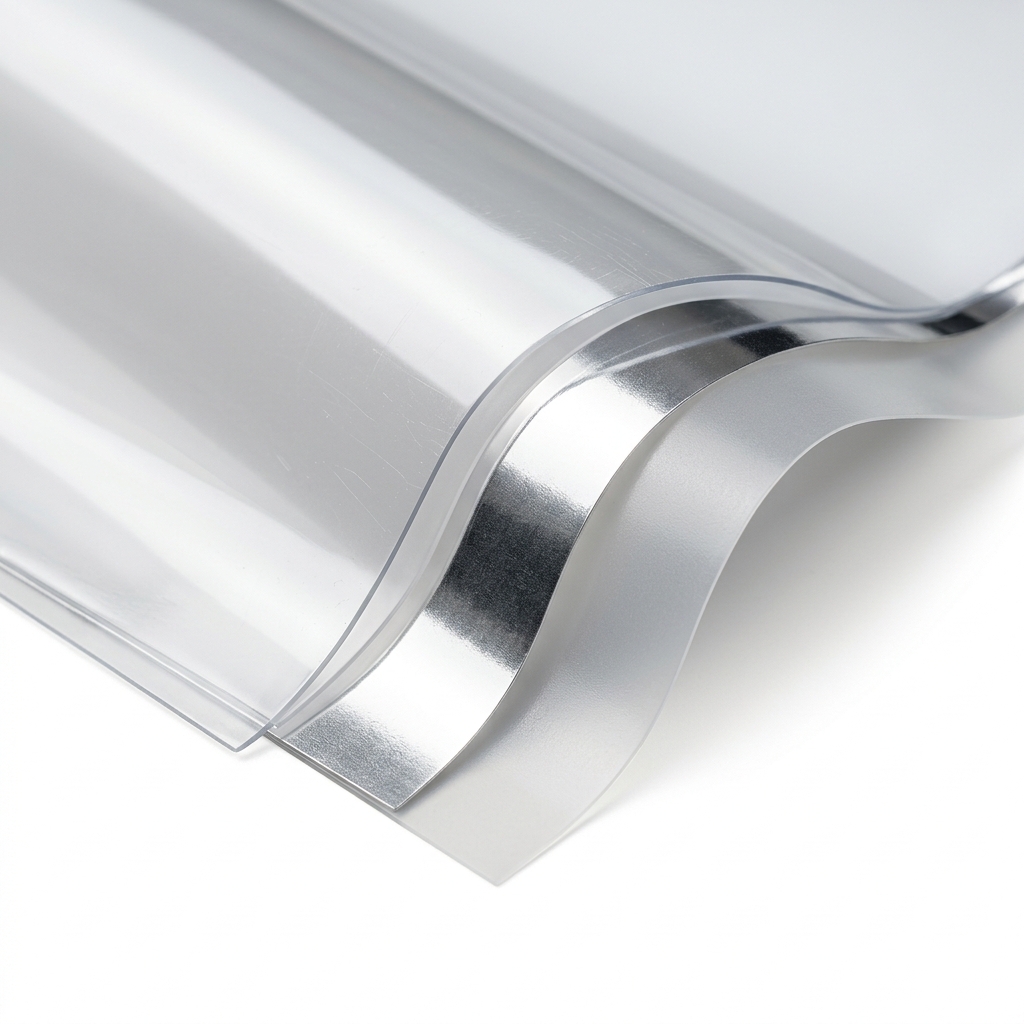
Printable PET supports artwork, registration marks, varnish or matte finish, and the outer handling surface.
Barrier film is selected around moisture, aroma, grease, light, and shelf-life targets for the packed product.
Adhesive bonds the print web, barrier option, and sealant into one stable laminate after curing and testing.
PE sealant is reviewed for heat-seal window, jaw temperature, dwell time, COF, filling conditions, and pack format.
The shaped outline must be reviewed with the dieline, custom silhouette, die-cut tolerance, seal width, corner radius, and hanger area before tooling is opened.
Our review can include artwork layout, registration marks, tear notch, hang hole, display hook, stand-up base, zipper, and window positions so the pack remains manufacturable.
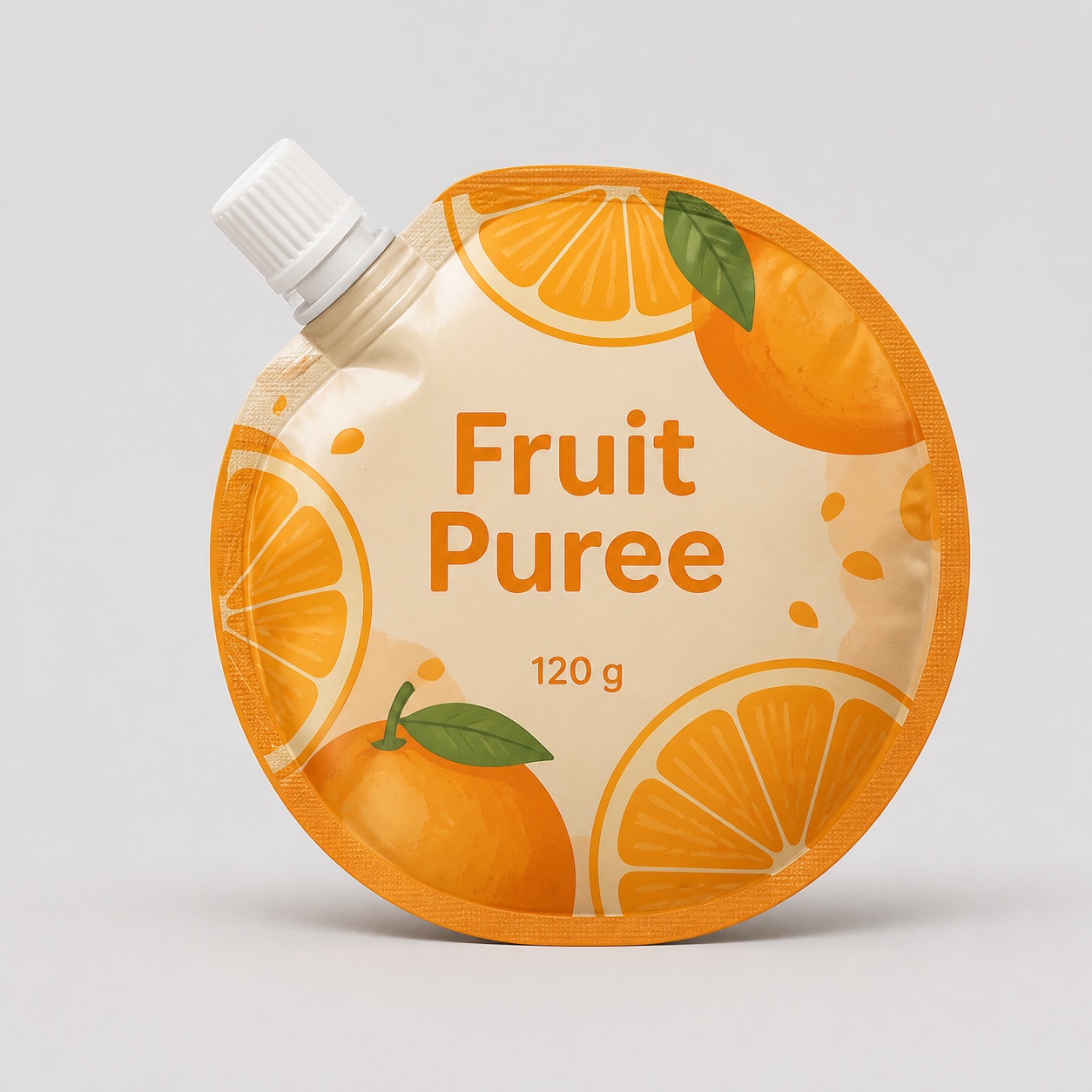
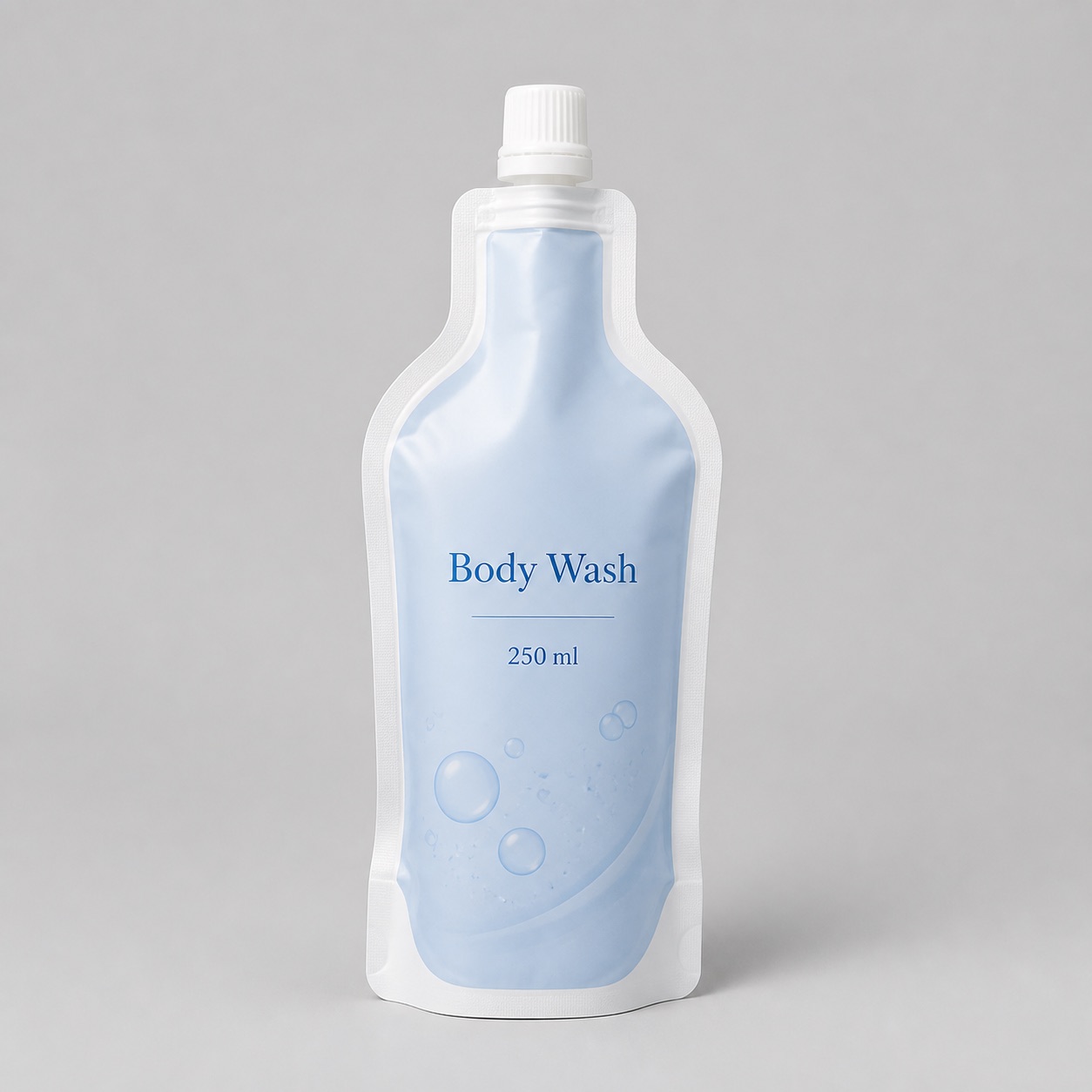
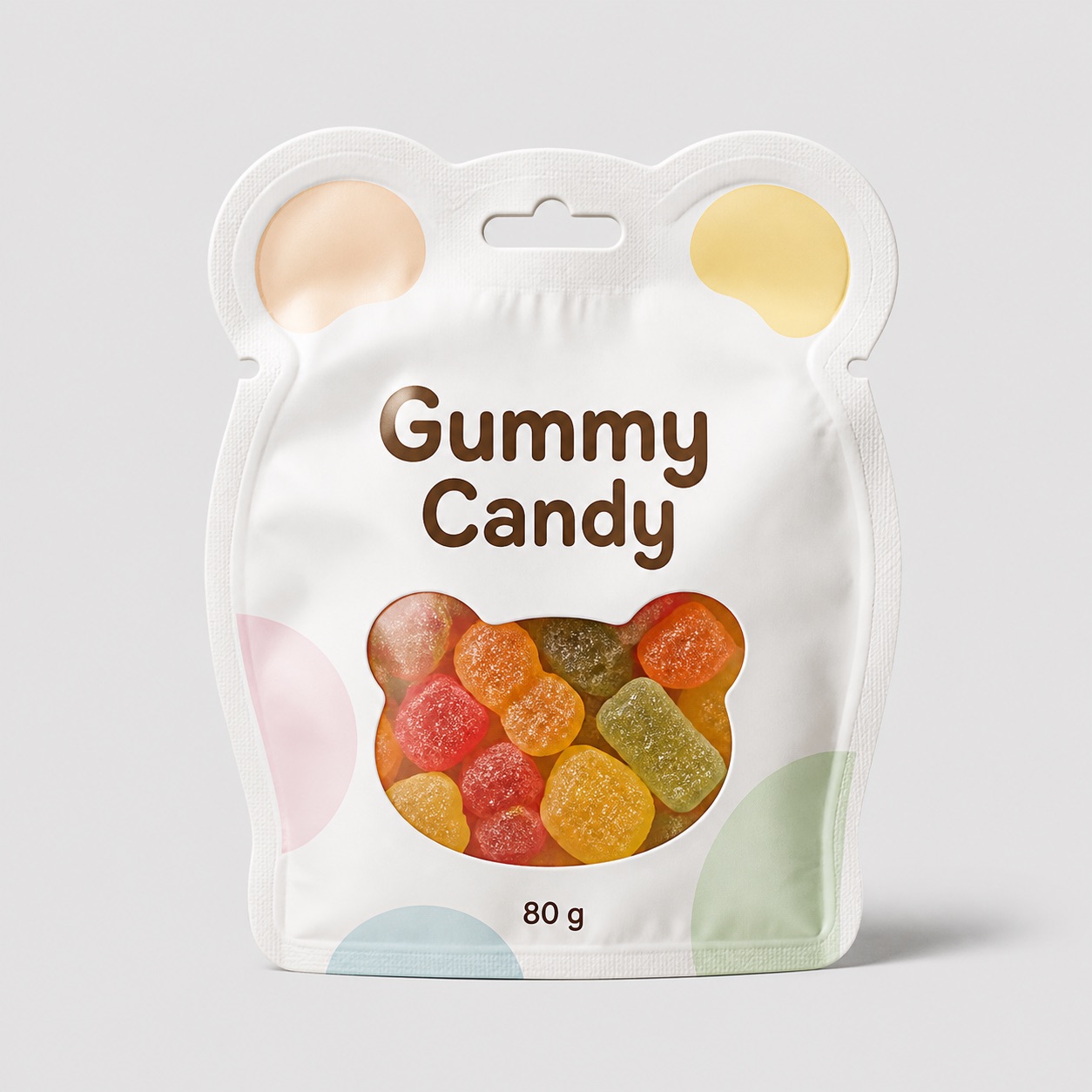
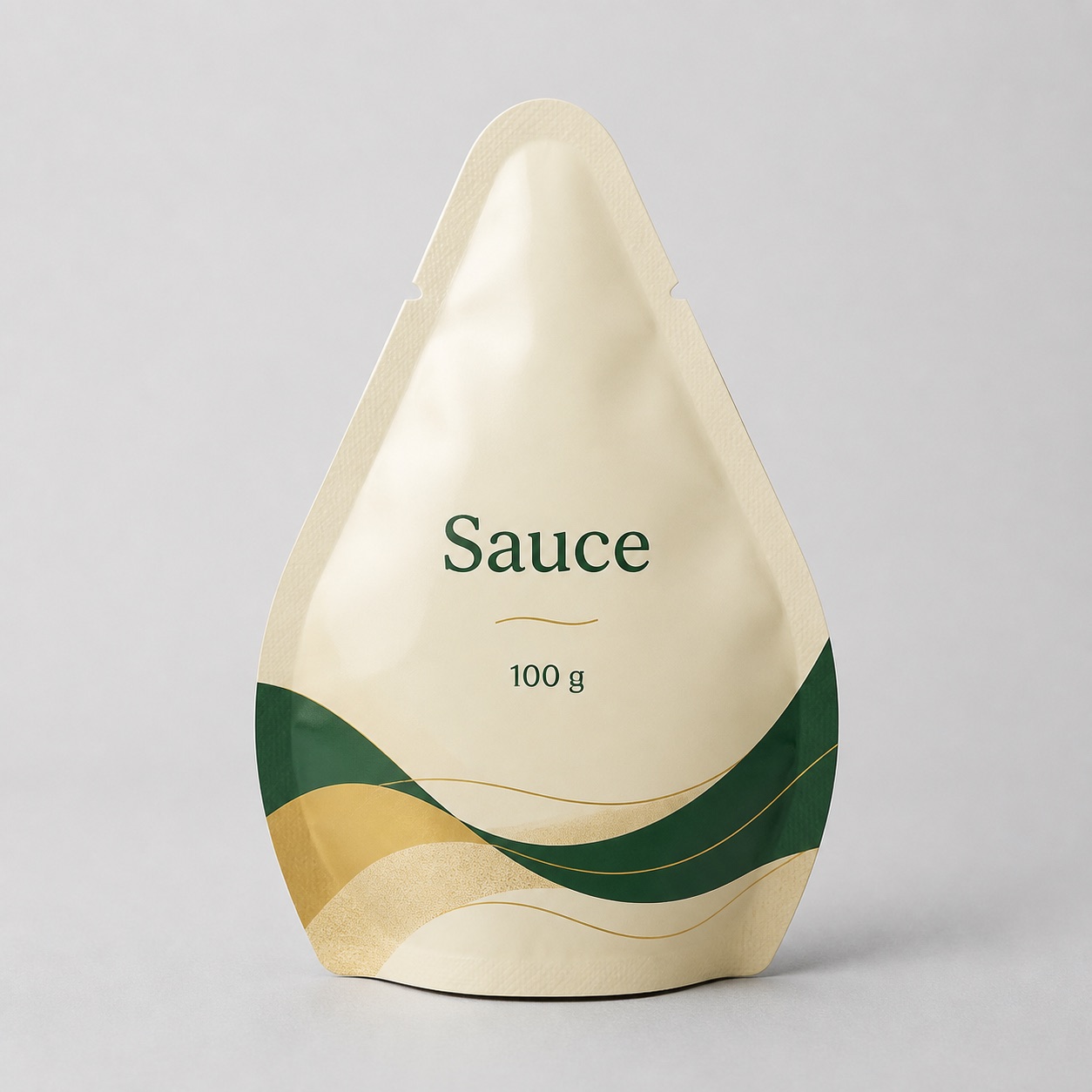
Review custom silhouette, dieline, die-cut tolerance, corner radius, shape tooling, and sample approval before production.
Confirm tear notch, zipper, hang hole, display hook, handle area, or window layout against the pouch outline.
Place brand marks, product windows, registration marks, barcode, and required copy inside the approved dieline.
Sample review, dieline proof, seal checks, material declarations, and food-contact documentation can be reviewed by project scope.
Representative review points only. Actual values depend on material structure, pouch outline, tooling method, filling process, and customer acceptance range.
Film Structure
Selected by stiffness, barrier, print, and contour sealing requirements
Die-Cut Tolerance
Defined by dieline complexity, tooling method, and customer acceptance range
Seal Width
Reviewed around contour sealing, corner radius, zipper, window, and stand-up base
Shape Tooling
Confirmed through dieline proof, sample approval, and production tooling review
Artwork Layout
Checked against custom silhouette, registration, barcode, and copy clearance
MOQ Planning
Project-specific MOQ reviewed with custom die tooling, silhouette, dimensions, print method, material structure, artwork count, and annual forecast. Setup and proofing costs may apply.
Die-cut shaped pouch reviewed for custom silhouette, dieline, and retail display
Artwork layout and contour sealing reviewed around a tall custom silhouette
Hang hole, tear notch, and die-cut tolerance reviewed before shape tooling
Stand-up base, seal width, and display hook layout reviewed for shelf presentation
Use these photos as format references. Final size, structure, print layout, and testing scope are reviewed against your product, filling method, and target market.
Lower-impact structure options can be reviewed when the product, filling process, target market, and recovery route support them.
Shaped Pouch projects are best for retail display, sampling packs, promotional packs, cosmetics, snacks, seasonal launches, and brands that need a custom silhouette rather than a standard rectangle.
Confirm the dieline, custom silhouette, die-cut tolerance, seal width, tear notch, hang hole, display hook, stand-up base, zipper or window needs, artwork layout, material structure, and shape tooling scope.
Material declarations, food-contact documentation when applicable, artwork proof, dieline review notes, sample approval records, and project QC records can be reviewed by selected structure and project scope.
Production workflow follows GMP-style hygiene and handling controls; no site-level GMP registration is claimed.
ISO 9001-style QC records, material declarations, artwork proof, and project documentation can be reviewed by project scope.
DDP / FOB / CIF coordination can be reviewed by destination and project scope.
Project-level recyclable-ready or lower-impact structures can be reviewed where the final specification supports them.
Expert team providing support for shaped pouch design and tooling projects.
Production routing, order volume, lead-time assumptions, and capacity fit are reviewed for each confirmed project.
Tell us your product, target weight, and requirements.
We recommend materials, structure, and provide pricing.
Confirm details, approve artwork, and production begins.
QC checkpoints and shipment scope are confirmed by project.
Common issues we help shaped pouch buyers avoid during project coordination.
Shaped pouches use custom die-cut profiles instead of straight edges. Tight curves and acute angles amplify cutting tolerance errors—what would be an invisible 0.5 mm drift on a rectangular pouch becomes a visible notch or bump on a contoured outline.
Maintaining consistent seal width along curved or angled edges is significantly harder than on straight seals. Narrow spots in the seal path become weak points under pressure or drop impact, while over-wide spots waste interior fill volume and distort the intended shape.
Shaped pouches often have non-centered or irregularly positioned fill openings. Filling equipment designed for standard rectangular pouches may not center properly on the opening, causing splashback, seal-zone contamination, or inconsistent fill levels.
Euro-slot or hang holes on shaped pouches must account for the pouch's asymmetric weight distribution. A hole positioned based on the geometric center rather than the center of gravity causes the pouch to hang crooked, obscuring branding or tilting product toward one side.
Graphics designed on a flat rectangular canvas can stretch, compress, or lose proportion when mapped onto a shaped pouch contour. Critical elements like logos, text, and regulatory markings must be proofed on the actual die-line to verify legibility and proportion.
Updated:
Work with NIAITE for material review, sampling guidance, QC checkpoints, and export project coordination.