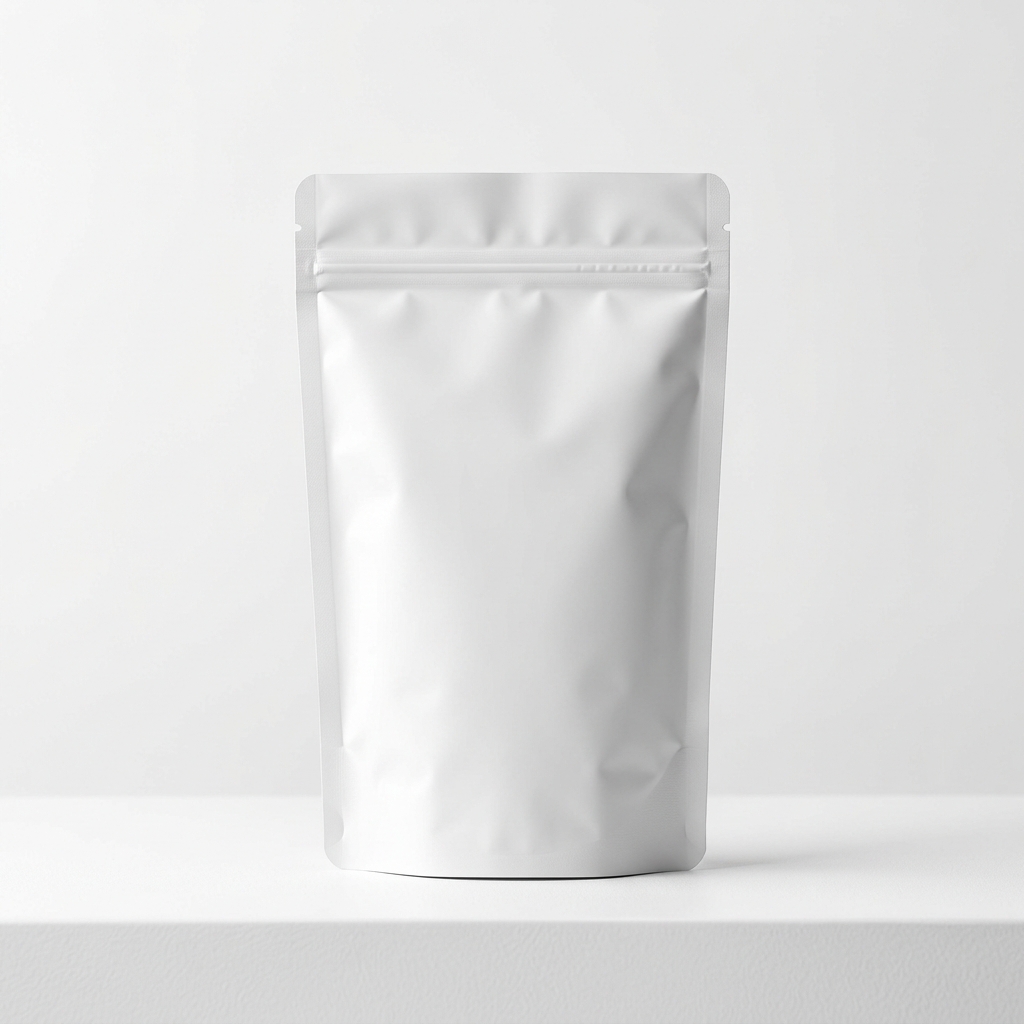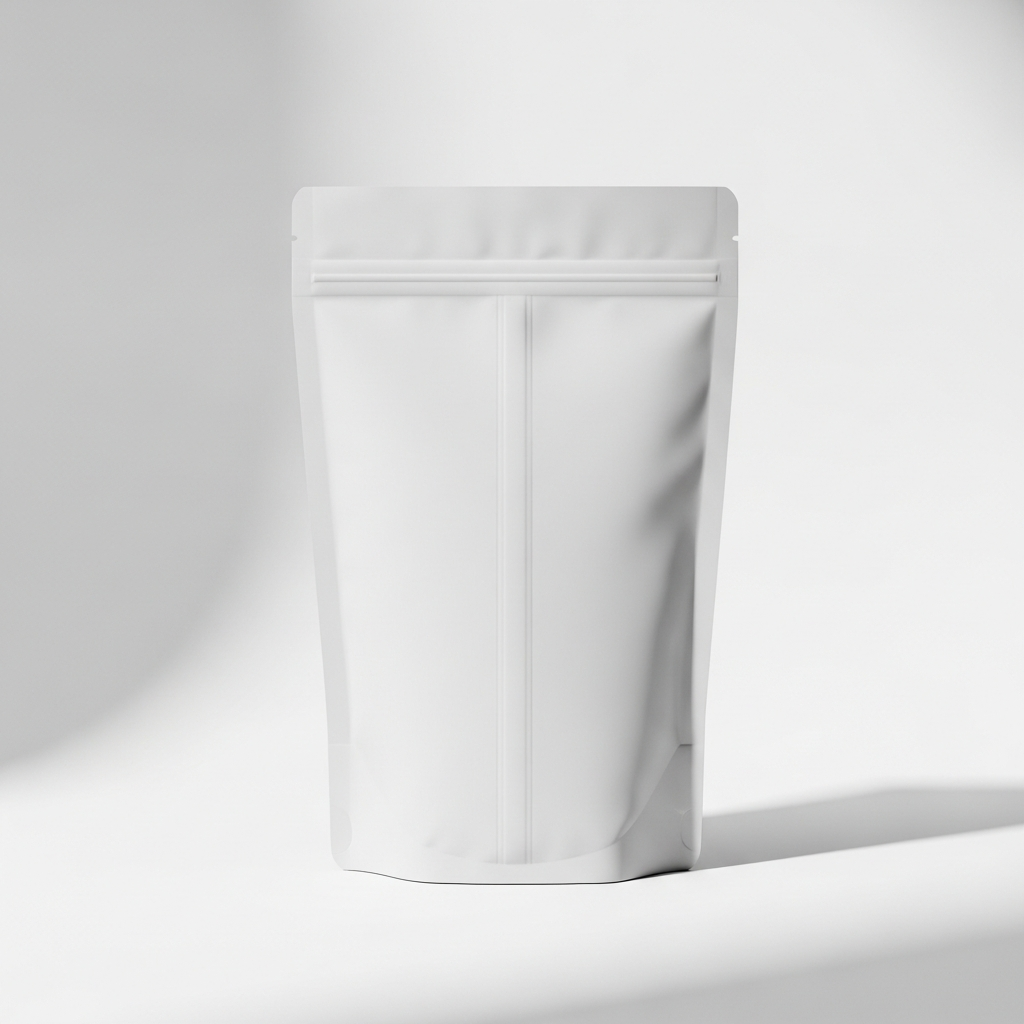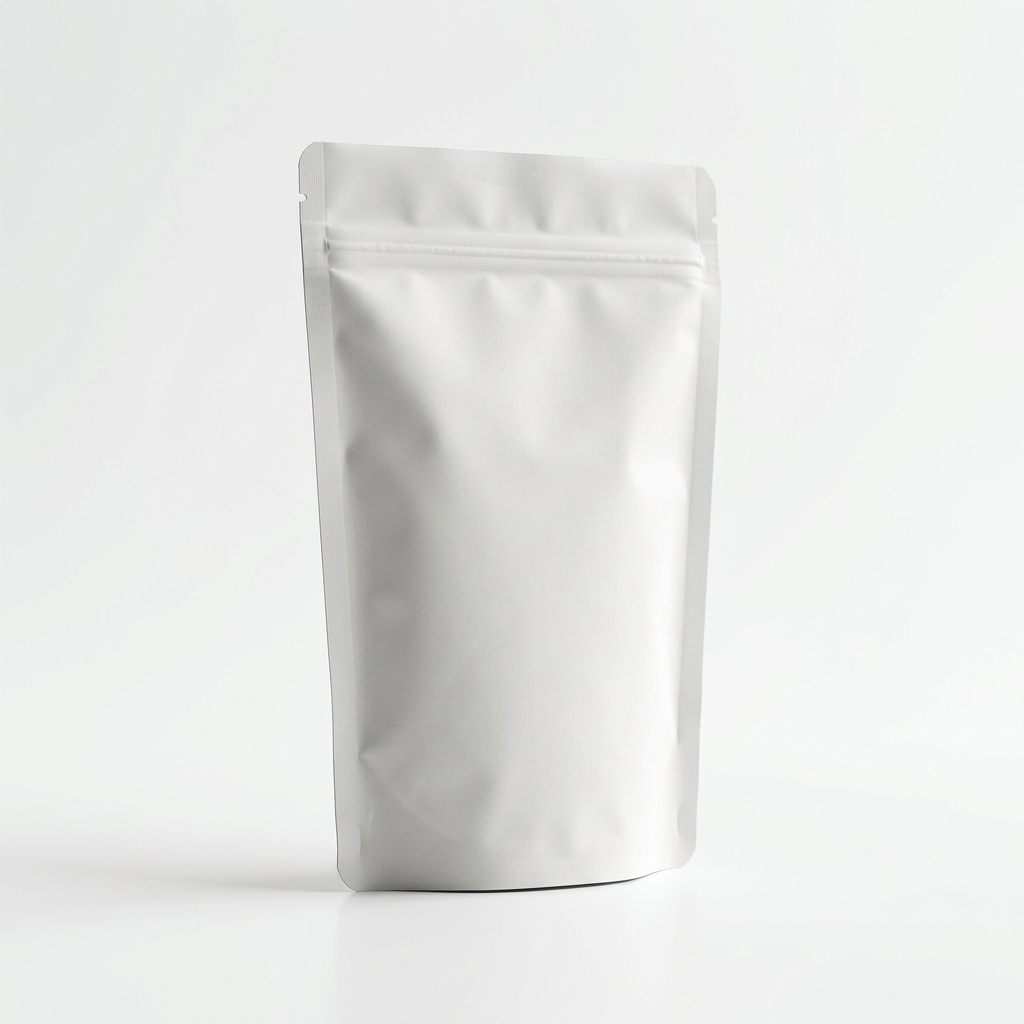
Engineered for performance: Explore our high-grade Bopp solutions.
Our Bopp material is optimized for durability, clarity, and barrier protection.
Ensuring structural integrity across diverse packaging applications.
GMP Certified
Production facility
ISO 9001
Quality system
Global Shipping
DDP / FOB / CIF
Eco Options
Recyclable materials
Our flexible packaging solutions serve a wide range of industries and specific product requirements. Explore all market solutions.
Light weight, portable, operate easily with one hand. A practical and convenient choice for on-the-go consumers.
More economic than glass and rigid plastic containers. Take up less space that cut down the shipping and storage cost.
Offer ample space for unique and eye-catching design. Size, color, spout type and position, shape are both tailor-made.
ISO, FSSC 22000, SMETA, HACCP, BRCGS, GMP ensure our quality.
Choose the right material structure based on your product's barrier, durability, and shelf-life requirements.
| Structure | Application | Barrier Level | |
|---|---|---|---|
PET / PE
|
Standard structure for general products | Standard | Request Quote → |
PET / VMPET / PE
|
Metallized barrier for extended shelf life | Medium | Request Quote → |
PET / AL / PE
|
High barrier with aluminum foil | High | Request Quote → |
PET / NY / PE
|
Puncture resistant for heavy products | High | Request Quote → |
Kraft / AL / PE
|
Natural look with high barrier | High | Request Quote → |
Mono PE
|
Recyclable mono-material structure | Standard | Request Quote → |
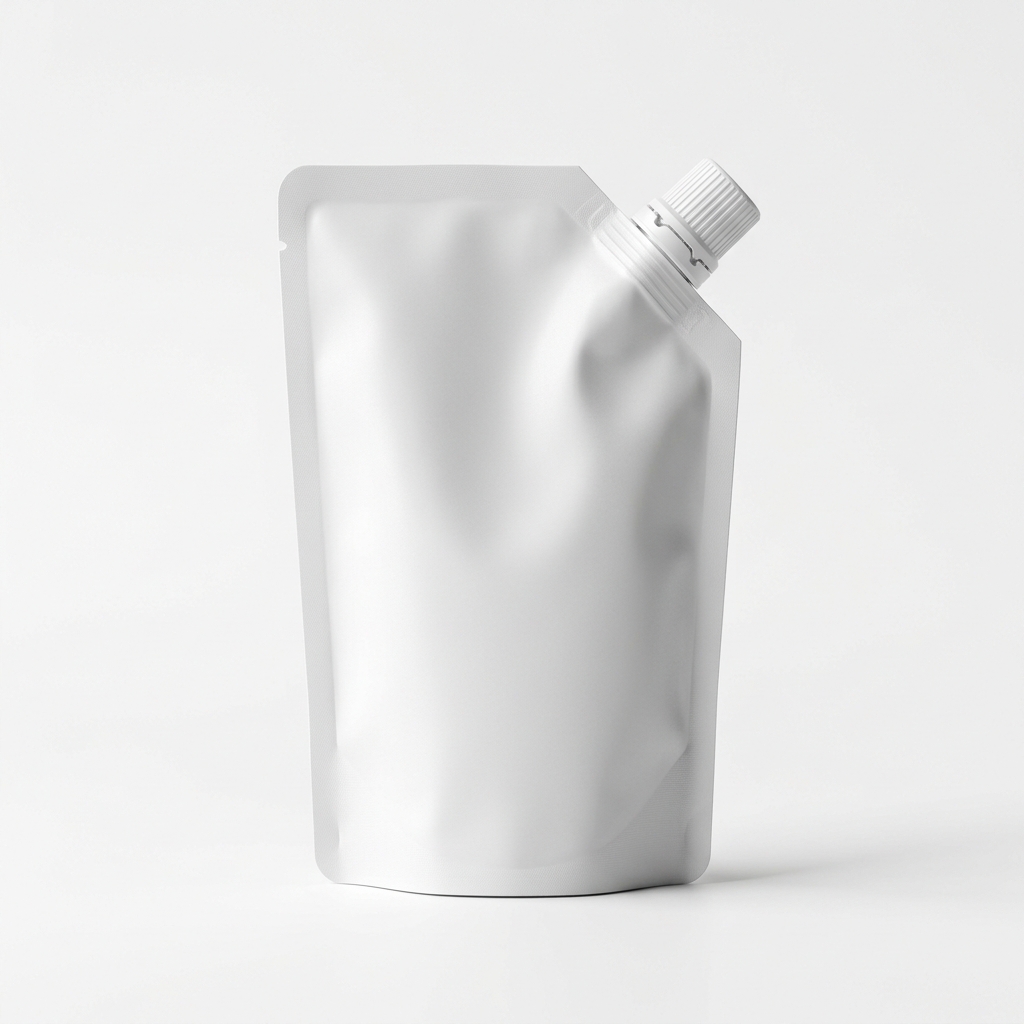
A transparent look at how we build structural integrity into every BOPP for Flexible Packaging. Visit our material guide for more details.
Machine Direction Oriented PE provides the stiffness required for excellent gravure printing and heat resistance during the sealing process. This layer gives the pouch its structural rigidity and printability.
When required, a specialized thin EVOH barrier layer is incorporated to block oxygen and moisture, while keeping the pouch compliant with PE recycling streams. Dramatically extends shelf life.
A food-grade Low-Density Polyethylene acts as the heat sealant layer, ensuring structural integrity and safety for direct food contact. Provides excellent seal strength and flexibility.
BOPP for Flexible Packaging is popular to add spout and cap if your products are liquid. There is a diverse range of spouts and caps developed by our subsidiary company.
We offer an extensive selection of colors and types, with the ability to customize spouts and caps according to your unique specifications.
Euro hole, carry handle, round hole for maximum shelf visibility — increases product visibility by up to 40%.
Precision tear notch systems: standard, linear, dot notches, and laser score technology for clean aesthetics.
Strategic window placement drives purchase decisions — windowed packaging increases conversion rates by 25-35%.
Free prototyping (up to 3 iterations), performance testing, and FDA/EU regulatory compliance support.
Representative parameters. Actual values depend on material structure and customization.
Film Thickness
50–200 μm (customizable)
Oxygen Barrier
Low to high (depends on PET/PE/Al structure)
Moisture Barrier
Yes (multi-layer laminates)
Heat Resistance
Up to 90°C (general) / 121°C (retort)
MOQ
From 10,000 pcs (contact for details)
Packaging Options
Custom sizes, spout/cap, zipper, tear notch, window
We offer recyclable, biodegradable, and compostable packaging options to help your brand meet sustainability goals without compromising performance.
BOPP (Biaxially Oriented Polypropylene) is widely specified for snack packaging, confectionery wraps, label substrates, and overwrap applications. Its excellent clarity, tensile strength, and printability make it a preferred substrate for high-speed packaging lines.
Yes, we accept all parts of pouch customization, such as size, shape, design, spout, even specialized materials. Please do not hesitate to contact us to design your own unique pouches.
Our stand up pouches are suitable for food contact where used in compliance with applicable regulations. Our manufacturing facilities maintain quality systems aligned with FSSC 22000, HACCP, and BRCGS standards.
Production facility meets international GMP standards.
Quality system backed by globally recognized certifications.
DDP / FOB / CIF — reliable supply chain to 30+ countries.
NIAITE Eco™ recyclable and biodegradable materials available.
Expert team providing unlimited support for your pouches.
Abundant production capacity ensures on-time delivery.
Tell us your product, target weight, and requirements.
We recommend materials, structure, and provide pricing.
Confirm details, approve artwork, start manufacturing.
Quality inspection and fast global shipping.
Partner with NIAITE for premium quality, innovative materials, and reliable global manufacturing.