Understanding lamination processes in flexible packaging.
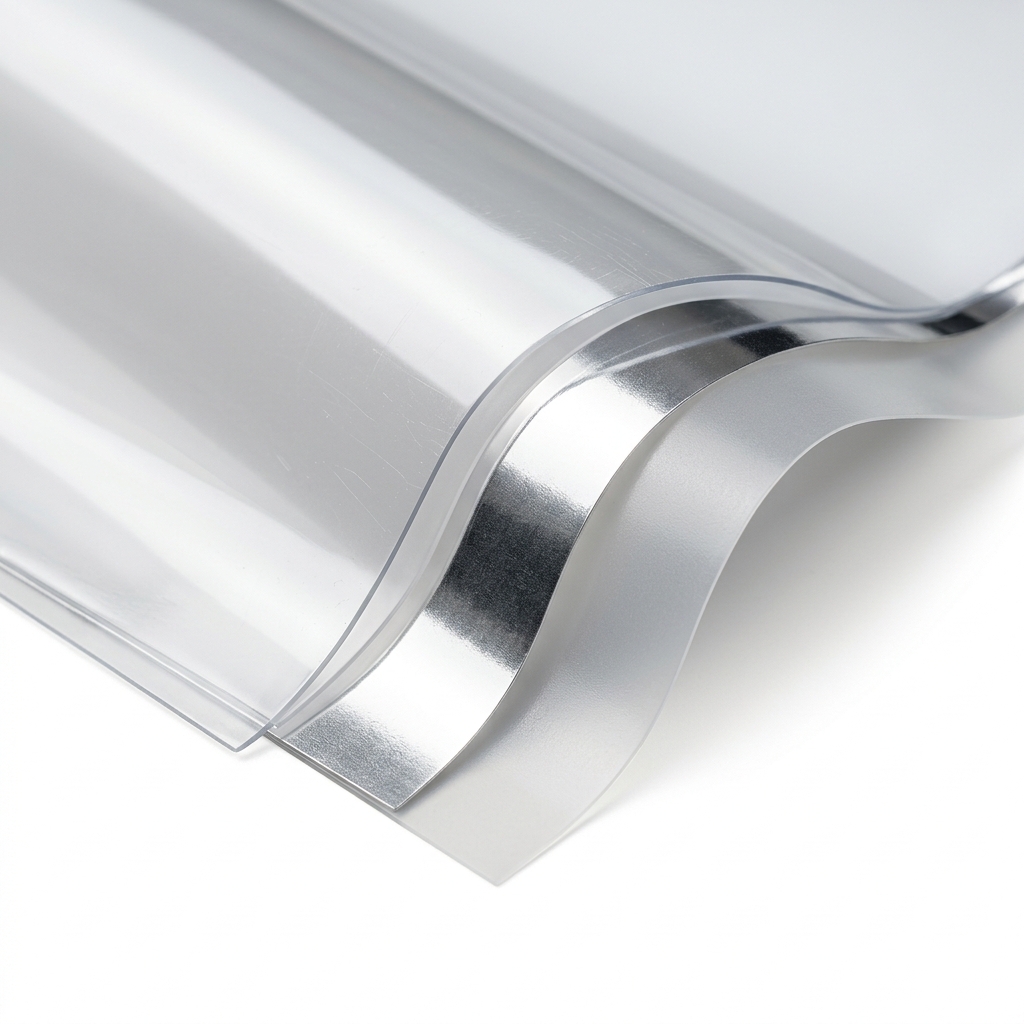
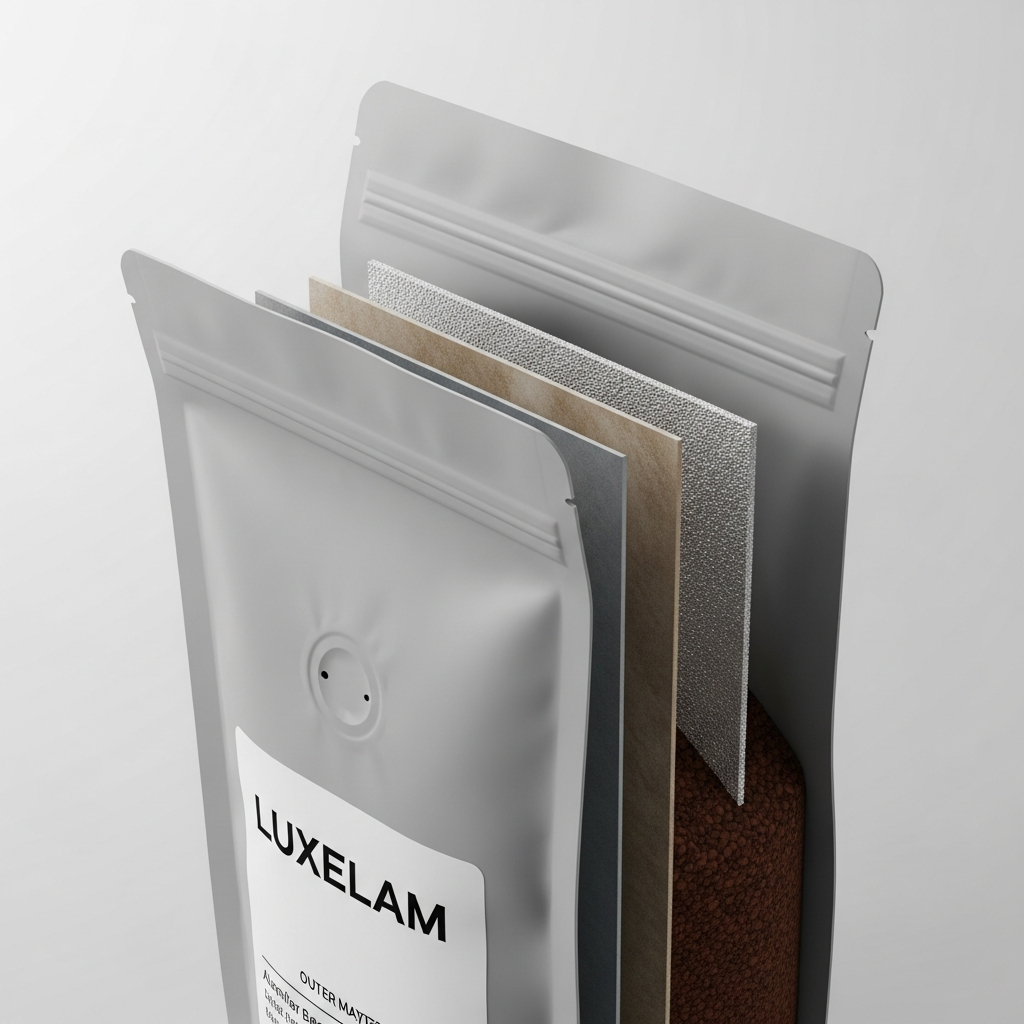
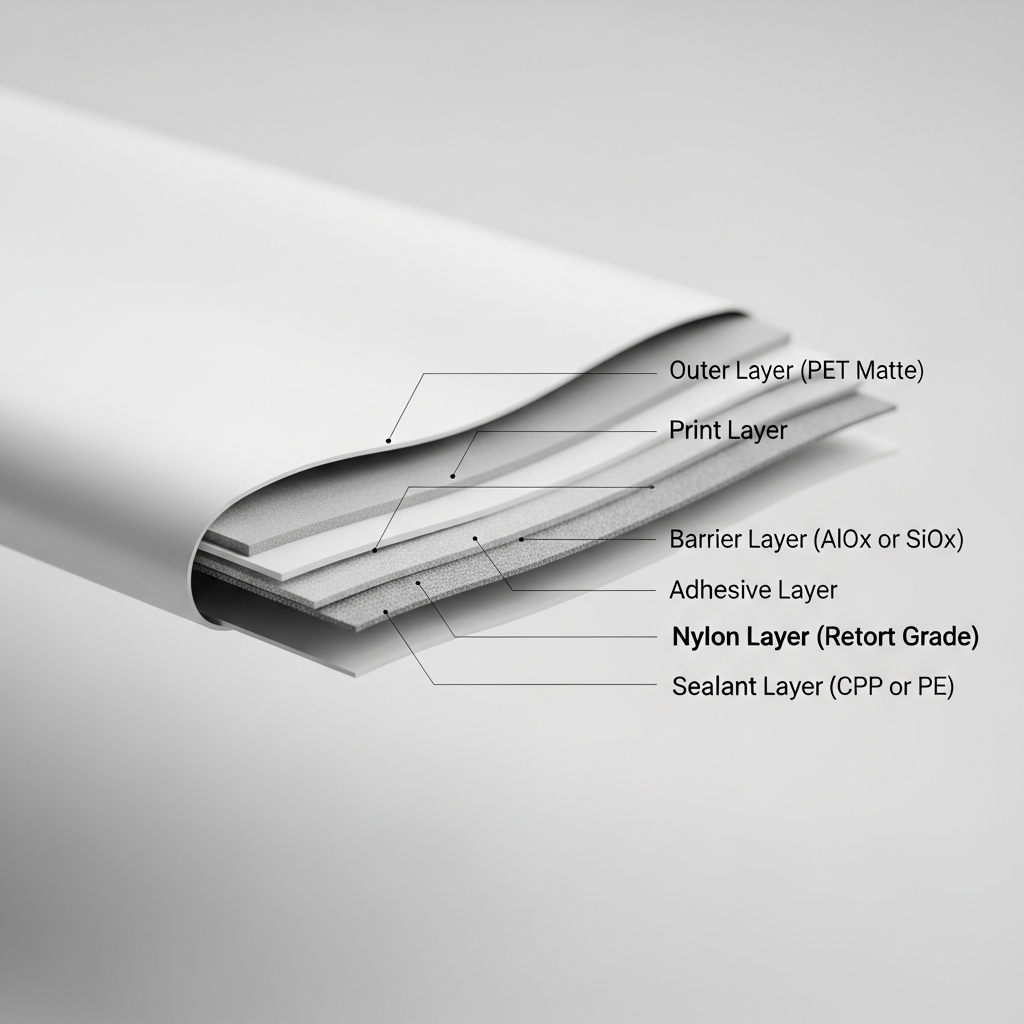
Lamination is a process of bonding two or more layers of materials together to create a single composite structure. It involves applying an adhesive, typically in the form of a film or liquid, between the layers and then applying pressure and/or heat to create a strong bond. The layers can be made of various materials such as films, papers, foils, fabrics, or composites, depending on the desired properties of the final product. Films are the widely used materials for laminated packaging.
Lamination is commonly used in various industries, including packaging, graphic arts, construction, automotive, and electronics, to enhance the strength, durability, appearance, and functionality of materials. The process offers several benefits, such as improved barrier properties, increased stiffness, moisture resistance, protection against wear and tear, and customization options.
The lamination process can be performed using different techniques, such as wet lamination, dry lamination, thermal lamination, extrusion lamination, or flame lamination, depending on the specific materials and requirements. The choice of lamination method depends on factors such as the materials being laminated, the desired bond strength, production speed, and the intended application of the laminated product. Regarding to flexible packaging, dry lamination, extrusion lamination and solventless lamination are commonly used.
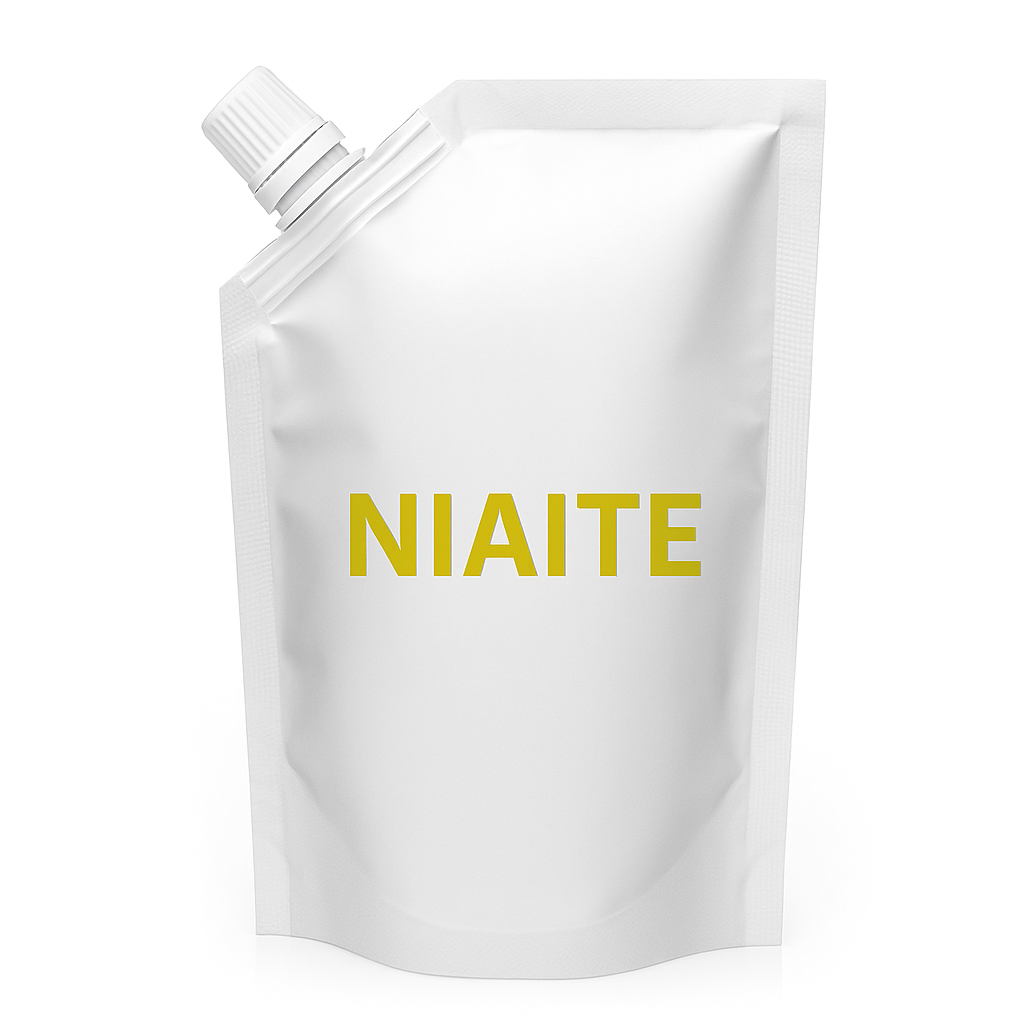
Lamination is widely used in applications such as laminated packaging (e.g., pouches, bags, and wrappers), laminated flooring, laminated signs and banners, laminated ID cards, laminated documents, laminated furniture components, and more. It provides improved performance, protection, and visual appeal to the materials, making them more durable and versatile for various applications.
In packaging, various lamination processes are employed to achieve specific functionalities and characteristics. It includes:
Also called dry bond lamination, utilizes heat and pressure to bond layers together using a pre-applied adhesive. In this process, a thermally activated adhesive, typically in the form of a film or powder, is applied to one of the layers. The layers are then passed through heated rollers, which activate the adhesive and bond the layers together. Dry lamination is commonly used for plastic film-to-film or film-to-paper applications.
Also known as wet adhesive lamination, involves the use of a liquid adhesive to bond two or more layers together. The adhesive is applied to one of the layers, and then the layers are pressed together under pressure to create a bond. Wet lamination is often used for paper-to-paper or paper-to-film applications, such as book covers, brochures, or labels.
Is a process where the adhesive is applied to the surface of one substrate, and then it is bonded to another substrate under pressure. Unlike wet lamination, solventless lamination does not require the use of solvents. This process is widely used in flexible packaging applications, ensuring high bond strength and enhanced sustainability due to the absence of solvents.
Involves bonding two or more layers together using a molten polymer. In this process, a molten polymer film is extruded between two substrates, typically flexible films, and then cooled to form a strong bond. Extrusion lamination is commonly used in flexible packaging applications, such as snack food bags, stand-up pouches, and laminated films.
Dry lamination involves the application of a solvent-based adhesive onto a plastic film. The adhesive is then dried using a laminating machine to remove the solvent. Subsequently, the dried adhesive-coated film is bonded with another substrate, such as aluminum foil, using a hot press. This process is commonly used for laminating films, where the lamination occurs in a dry condition without the presence of solvents. Hence, the term “dry lamination” is used to describe this method.
Dry lamination is extensively employed for laminating various types of films with aluminum foil and paper. It finds a wide range of applications due to its exceptional resistance to corrosion caused by chemical agents like alkalis, acids, spices, fats, and other components commonly found in food products. Dry lamination also possesses excellent resistance to water, essences, emulsifiers, and other ingredients present in cosmetics.
Additionally, it is suitable for packaging that requires stringent protection against chemicals, including solvents, pesticides, and other substances. Hence, dry lamination is the preferred choice for packaging applications that demand high performance and resistance to diverse and challenging substances.
Dry lamination exhibits high laminate strength, ensuring secure bonding between layers. It provides good stability and offers high transparency to showcase the packaged products effectively. This makes it a suitable choice for middle and top-grade products. Additionally, dry lamination is suitable for frozen, fresh-retaining, or retort laminating films. It offers convenience, flexibility, and simplicity for operators, making it ideal for multi-species and small-quantity production.
Dry lamination does have certain disadvantages, including issues related to safety and hygiene, environmental pollution, and higher costs. However, there have been significant advancements in the development of alcohol-soluble and water-soluble adhesives, which have alleviated these concerns to some extent.
The process of dry lamination typically involves the following steps:
Here are some of the commonly used laminate structures of dry lamination:
Extrusion lamination is a lamination technique that involves extruding thermoplastic materials such as PE or PP film. The process begins by feeding the thermoplastic material into an extrusion machine where it is melted and transformed into a flat sheet using a flat die. The sheet film is then guided to the lamination section, where one or two films are laminated onto it using cooling rollers and lamination rollers.
When compared to other lamination techniques, extrusion lamination offers several advantages. First, it has lower costs and requires a smaller investment, making it a cost-effective option. Additionally, the production plant remains clean as there is no need for solvent-based adhesives, eliminating the issue of residual solvents in the laminating film.
Extrusion lamination also boasts high production efficiency. The process is streamlined and allows for rapid production, resulting in increased output. Furthermore, the control system is user-friendly, making it easier for operators to manage and control the lamination process.
Overall, extrusion lamination plays a significant role in the lamination process of plastics. Its cost-effectiveness, clean production, absence of residual solvents, high production efficiency, and user-friendly control make it a valuable technique in the plastic lamination industry.
Laminating film can be produced through two main processes: extrusion coating and extrusion laminating.
Extrusion coating involves the application of a molten polymer onto a substrate, typically a film or paper, using an extrusion die. The polymer is extruded and then immediately bonded to the substrate, forming a laminated structure. This process creates a single-layer laminating film where the polymer coating provides protection, barrier properties, or enhanced aesthetics to the substrate.
In the context of laminate coating packaging, the rewind substrate typically consists of materials such as printed PET, BOPP, and paper, among others. An example of a typical laminate coating packaging structure is the instant noodle bag, which commonly comprises a printed BOPP layer laminated with LDPE (or PP).
Extrusion laminating, on the other hand, involves the simultaneous extrusion of two or more molten polymer layers. The layers are then combined and bonded together with the substrate material, typically a film or paper, using pressure and/or heat. This process results in a multi-layer laminating film where each layer contributes different properties such as barrier properties, strength, printability, or heat resistance.
In the laminate process, the first layer of substrate commonly includes materials such as PET, BOPP, PA (Nylon), and paper, among others. The second substrate can consist of LDPE (Low-Density Polyethylene), CPP (Cast Polypropylene), aluminum foil, or metalized film. The extrusion resin used in this process is typically PE (Polyethylene), PP (Polypropylene), EVA (Ethylene Vinyl Acetate), or EAA (Ethylene Acrylic Acid).
This method can be applied to the packaging of normal laundry detergent, resulting in a structure composed of printed BOPP, extrusion resin, and PE film.
Both extrusion coating and extrusion laminating are widely used in the production of laminating films. These processes offer advantages such as efficient production, customization of film properties, and the ability to create various laminated structures suitable for different packaging applications.
In summary, extrusion coating and extrusion laminating are two techniques employed to manufacture laminating films. Each process provides unique benefits and allows for the creation of films with specific properties to meet the requirements of different packaging needs.
The adhesive used in solventless lamination has garnered significant attention due to its solvent-free nature. This lamination process has become the primary choice for flexible packaging. Solventless lamination involves coating the substrate with a non-solvent adhesive and directly laminating it with the second substrate. While both solventless lamination and dry lamination utilize adhesives, the absence of solvents in solventless lamination eliminates the need for a drying machine.
The exceptional eco-friendliness and comparable product properties to dry lamination have made solventless lamination increasingly popular. This method offers several advantages, including:
As a result of these advantages, solventless lamination is gaining popularity in the industry. Its environmentally friendly nature, comparable product properties to dry lamination, and efficient production process make it an attractive choice for flexible packaging manufacturers.
Overall, solventless lamination offers a solvent-free and eco-friendly alternative for laminating substrates, providing strong bonds and high-quality laminated products.
It is crucial to carefully assess the specific requirements and considerations of your project before selecting a lamination method. The limitations of wet lamination, such as longer drying time, potential for adhesive bleed, limited suitability for certain materials, environmental considerations, and limited durability in certain conditions make it uncompetitive.
Laminate films produced through various lamination processes exhibit different properties and characteristics.
Each lamination process, such as dry lamination, extrusion lamination, or solventless lamination, imparts specific attributes to the resulting laminate film.
| Lamination Techniques | Coating Quantity/(g/m³) | Heat and Water Resistance | Oil Resistance | Transparency | Crimpiness | Residual Solvent |
| Solventless Lamination | 0.8~2.0 | Excellent | Excellent | Excellent | Excellent | Excellent |
| Dry Lamination | 1.8~5.0 | Excellent | Excellent | Good | Good | Bad |
| Extrusion Lamination | 0.01~0.1 | Good | Good | Good | Bad | Good |
| Wet Lamination | 2~6 | Good | Good | Bad | Bad | Excellent |
Laminate adhesive, also known as laminating adhesive or lamination adhesive, is a type of adhesive specifically formulated for bonding and laminating different layers or substrates together to create a cohesive laminate structure. It is designed to provide a strong and durable bond between the layers, ensuring the integrity and stability of the laminate.
Laminate adhesives can come in various forms, including liquid adhesives, hot melt adhesives, or pressure-sensitive adhesives. The choice of adhesive depends on the specific lamination process, the materials being bonded, and the desired properties of the final laminate.
The conditions required for adhesive bonding formation are as follows:
In summary, the conditions for adhesive bonding formation include the adhesive being in a liquid state during the application, its ability to infiltrate and extend into substrates, and its subsequent solidification or curing process, except for pressure-sensitive adhesives which remain tacky without solidification. These conditions ensure the formation of strong and reliable bonds between the adhered surfaces.
Each lamination process has its strengths and weaknesses, which can vary depending on the specific application and requirements.
Here are some general advantages and weaknesses of common lamination processes:
| Lamination Techniques | Advantage | Weakness |
| Solventless Lamination |
|
|
| Dry Lamination |
|
|
| Extrusion Lamination |
|
|
| Wet Lamination |
|
|
It’s important to note that these advantages and weaknesses are general observations and may vary based on specific materials, adhesives, and process parameters involved in each lamination method. Please contact us for more info of the flexible packaing, our expert term will get in touch with you timely.