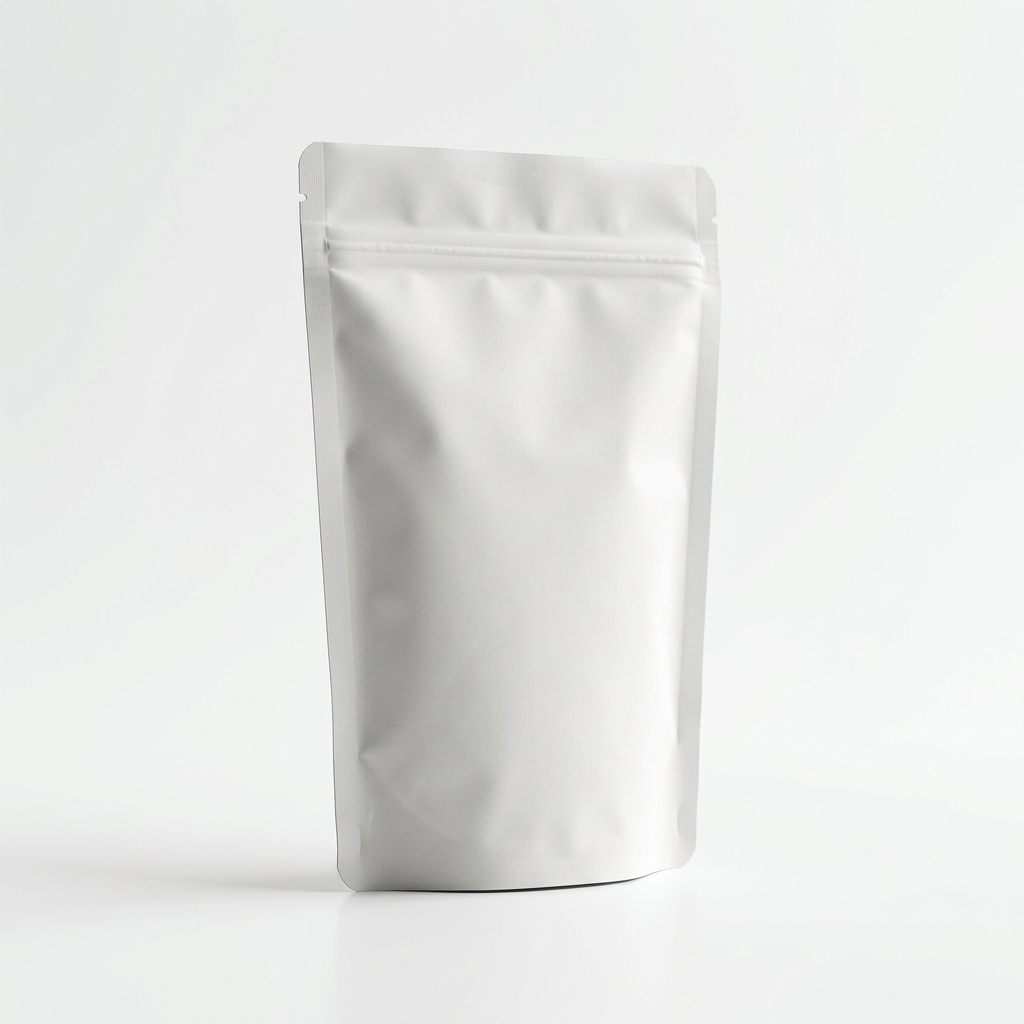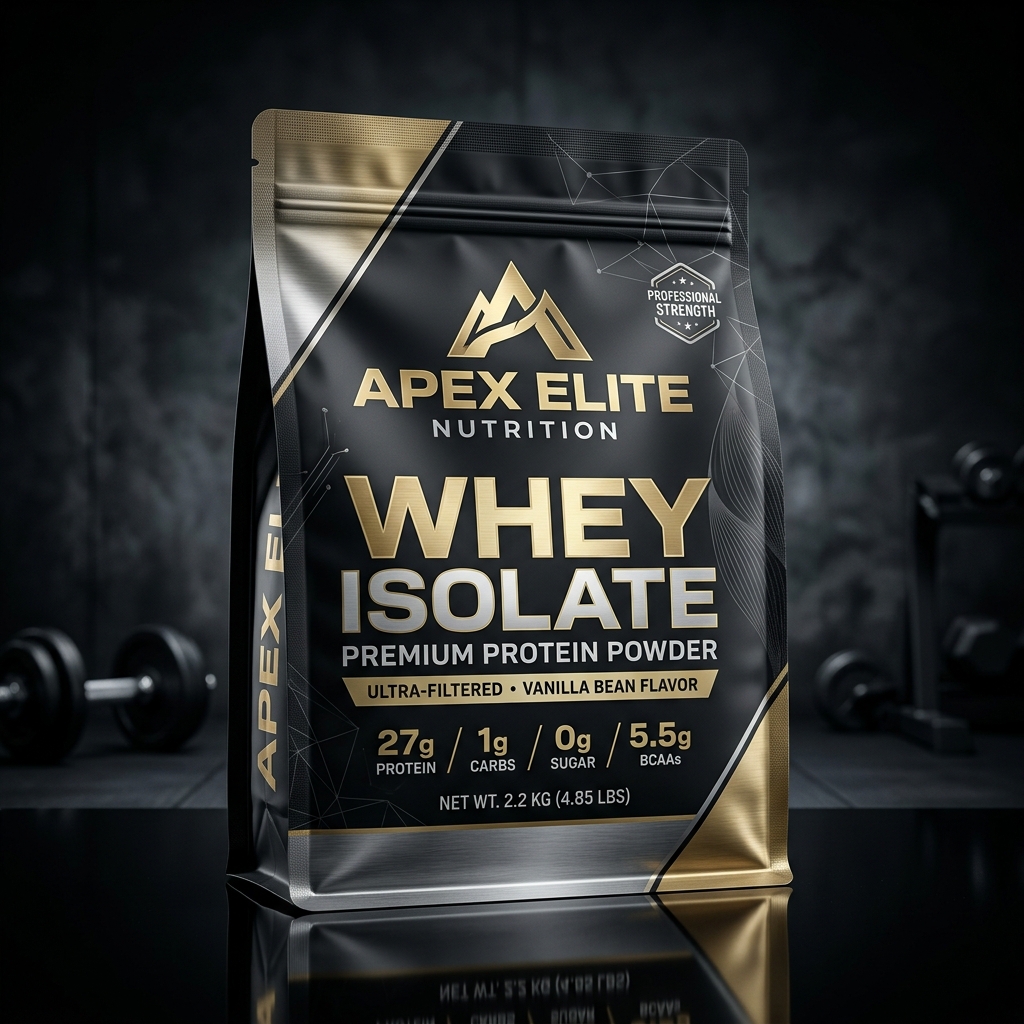
Engineered for performance: Explore our high-grade Supplement solutions.
High-barrier pouches for protein powders, vitamin capsules, and meal replacements — with moisture-proof seals, child-resistant options, and clear dosage windows.
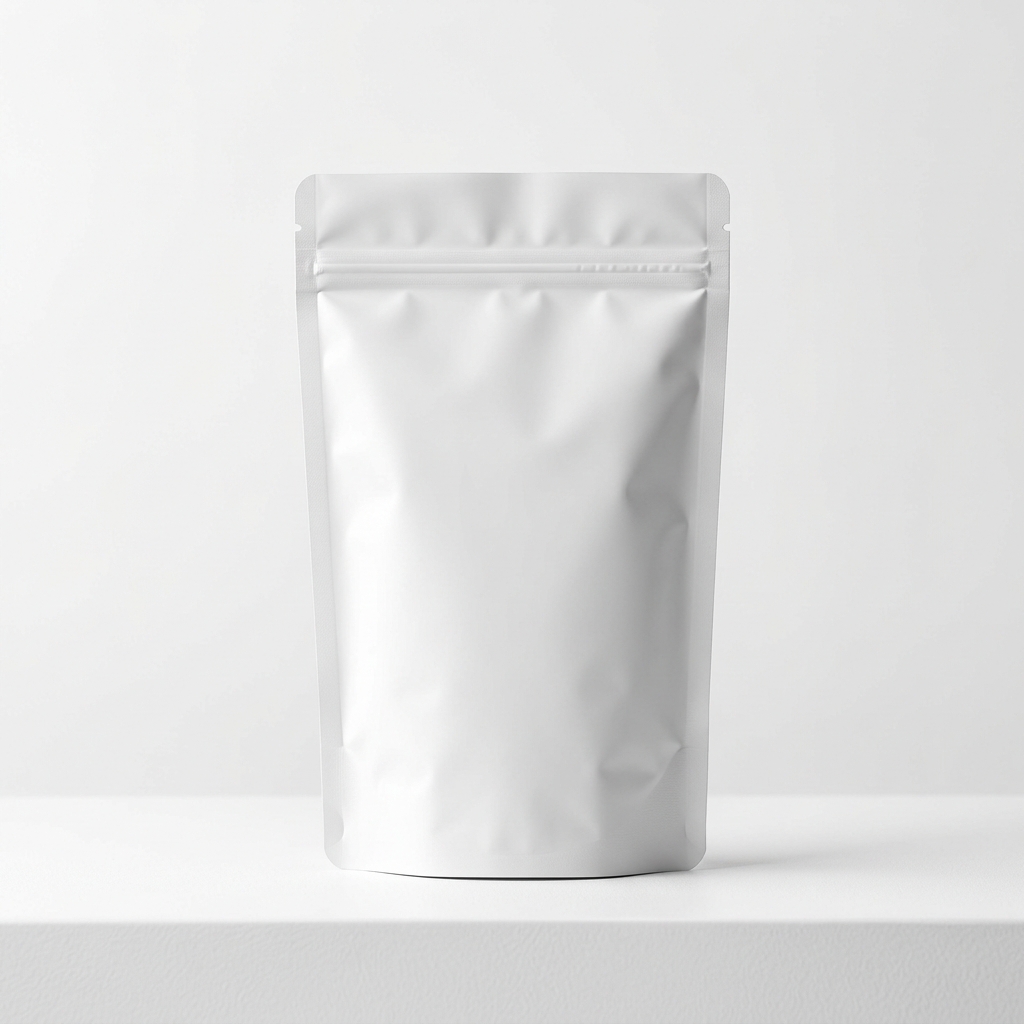
Moisture-barrier aluminum laminates with resealable zippers for hygroscopic powder products.
GMP Certified
Production facility
ISO 9001
Quality system
Global Shipping
DDP / FOB / CIF
Eco Options
Recyclable materials
Our flexible packaging solutions serve a wide range of industries and specific product requirements. Explore all market solutions .
Light weight, portable, operate easily with one hand. A practical and convenient choice for on-the-go consumers.
More economic than glass and rigid plastic containers. Take up less space that cut down the shipping and storage cost.
Offer ample space for unique and eye-catching design. Size, color, spout type and position, shape are both tailor-made.
ISO, FSSC 22000, SMETA, HACCP, BRCGS, GMP ensure our quality.
Choose the right material structure based on your product's barrier, durability, and shelf-life requirements.
| Structure | Application | Barrier Level | |
|---|---|---|---|
PET / PE
|
Standard structure for general products | Standard | Request Quote → |
PET / VMPET / PE
|
Metallized barrier for extended shelf life | Medium | Request Quote → |
PET / AL / PE
|
High barrier with aluminum foil | High | Request Quote → |
PET / NY / PE
|
Puncture resistant for heavy products | High | Request Quote → |
Kraft / AL / PE
|
Natural look with high barrier | High | Request Quote → |
Mono PE
|
Recyclable mono-material structure | Standard | Request Quote → |
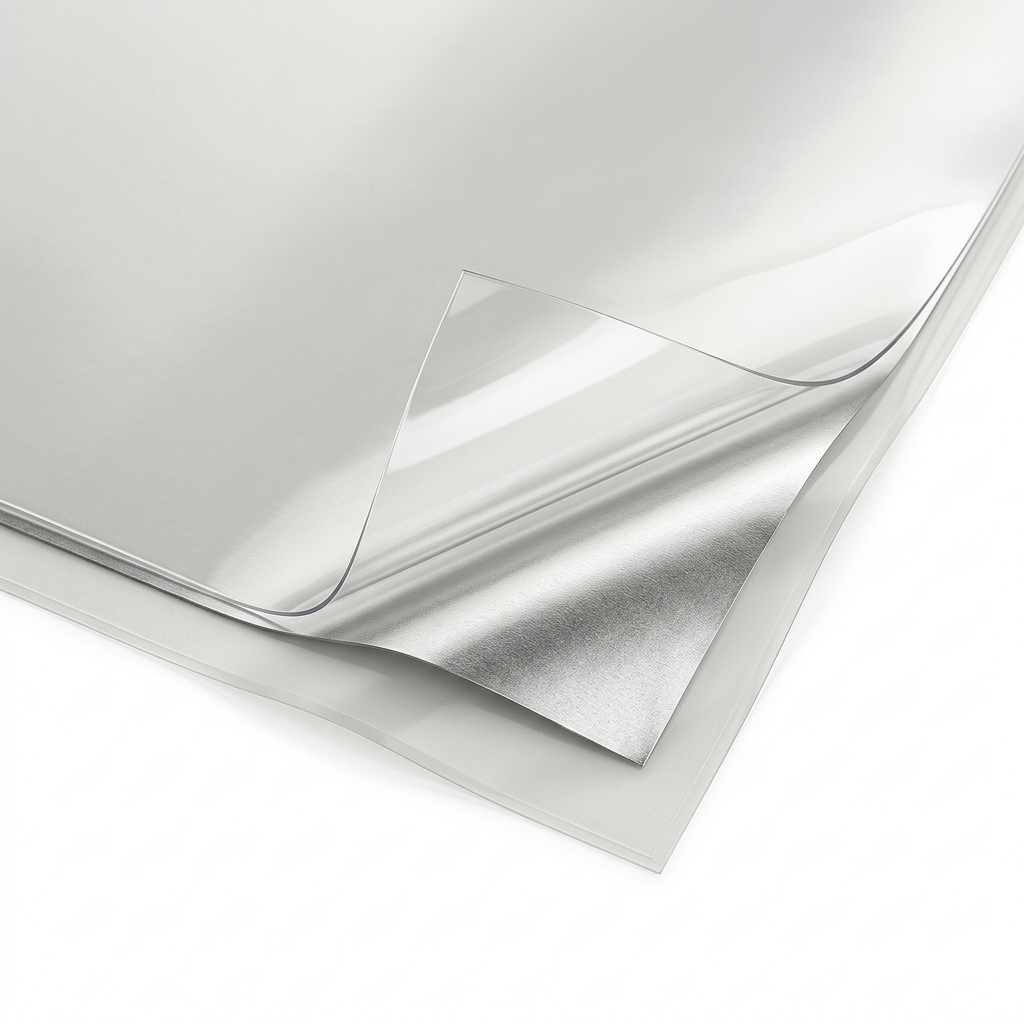
A transparent look at how we build structural integrity into every Supplement Packaging. Visit our material guide for more details.
Provides a high-clarity surface for vibrant gravure printing while offering excellent heat resistance during the sealing process.
The core aluminum layer provides a 100% barrier against oxygen, moisture, and light, ensuring the longest possible shelf life.
Food-grade LLDPE sealant layer that provides high seal strength and ensures a secure, leak-proof bond for heavy contents.
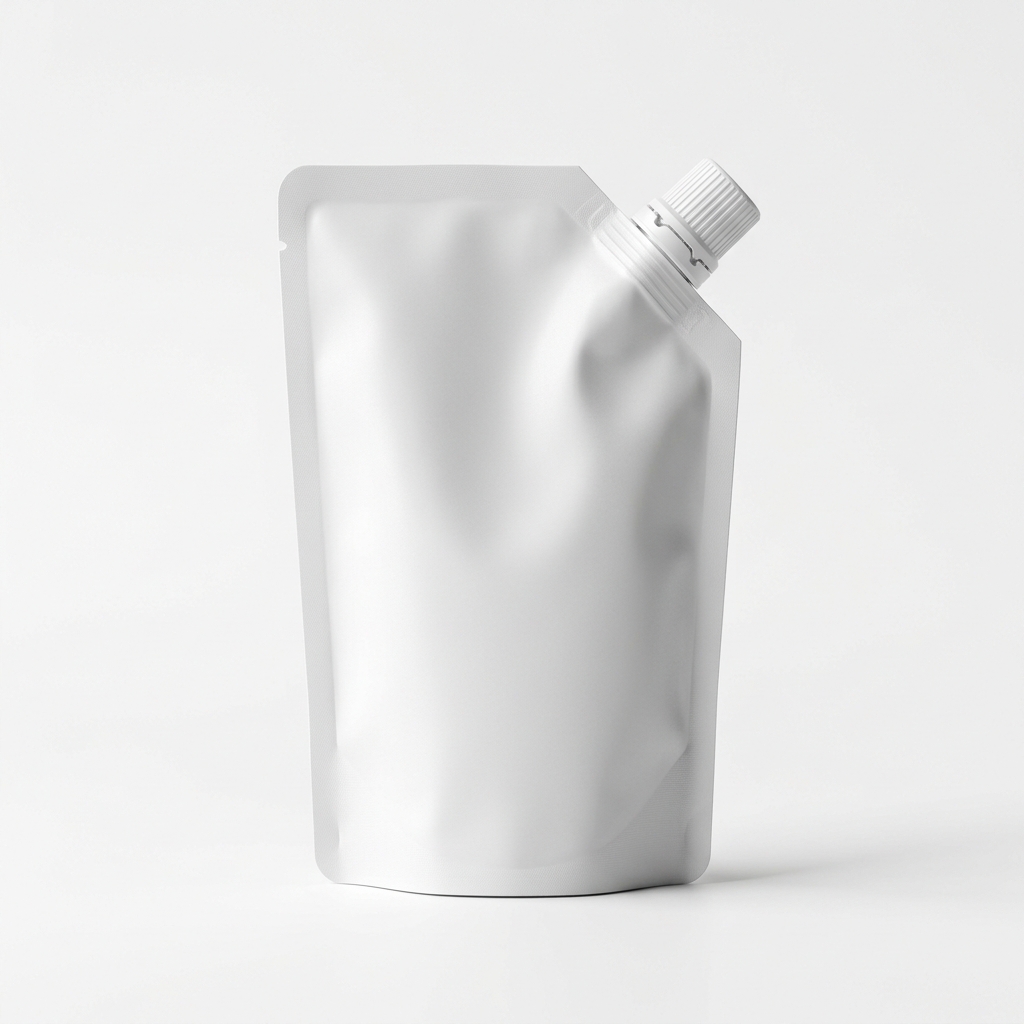
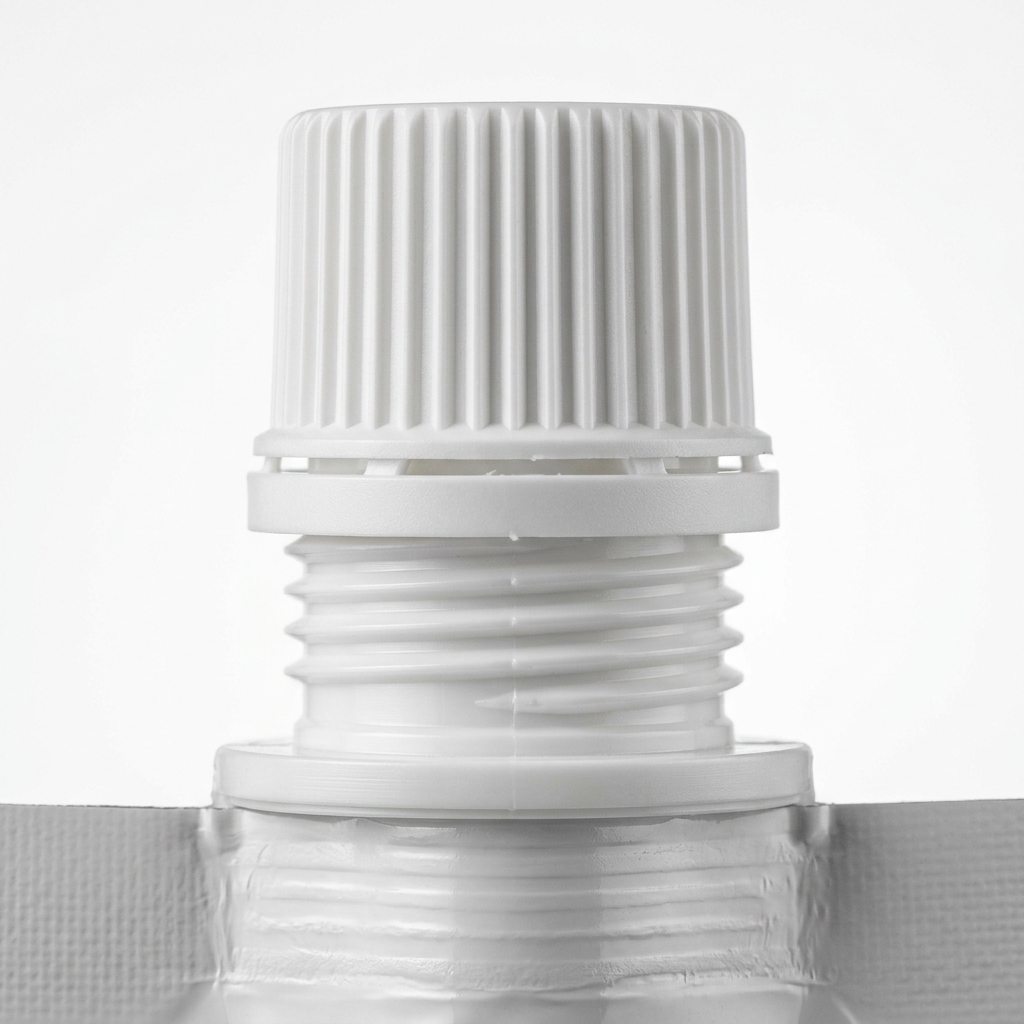
Supplement is popular to add spout and cap if your products are liquid. There is a diverse range of spouts and caps developed by our subsidiary company.
We offer an extensive selection of colors and types, with the ability to customize spouts and caps according to your unique specifications.
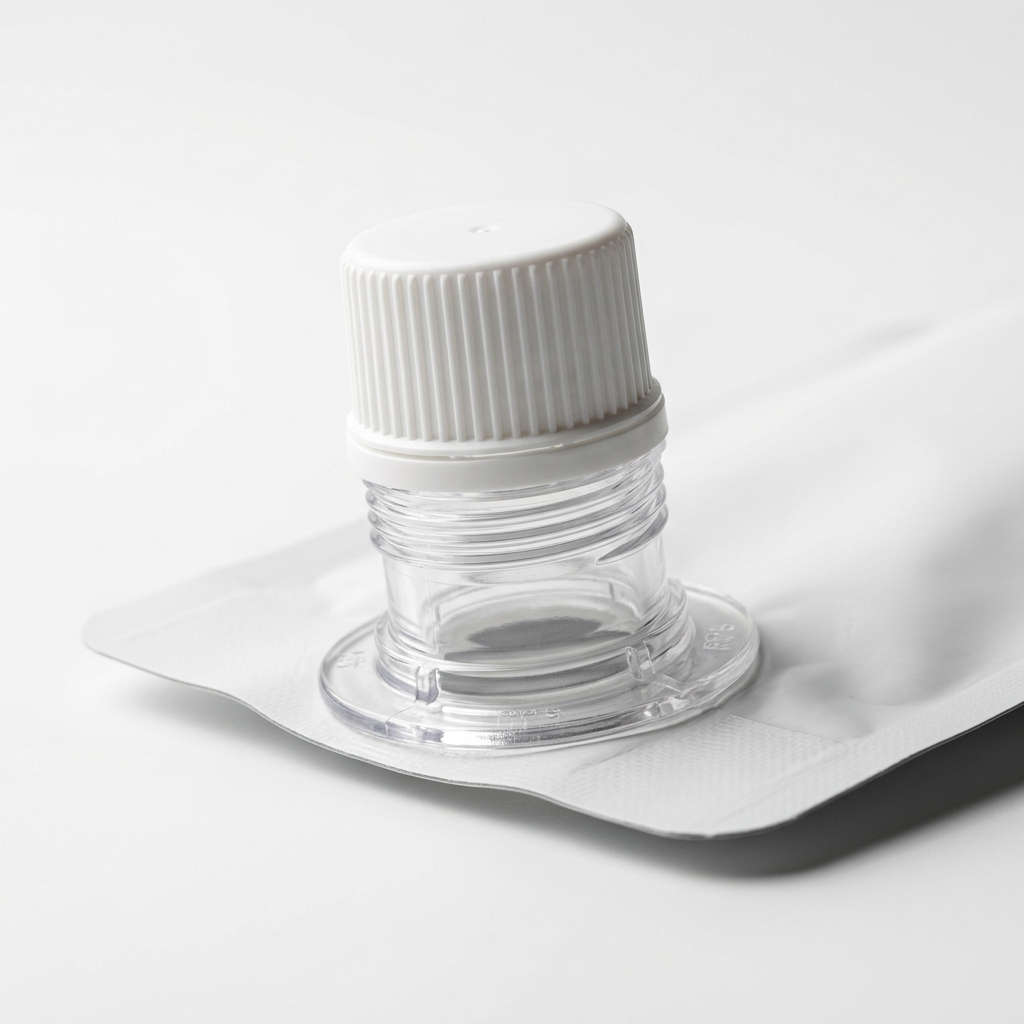
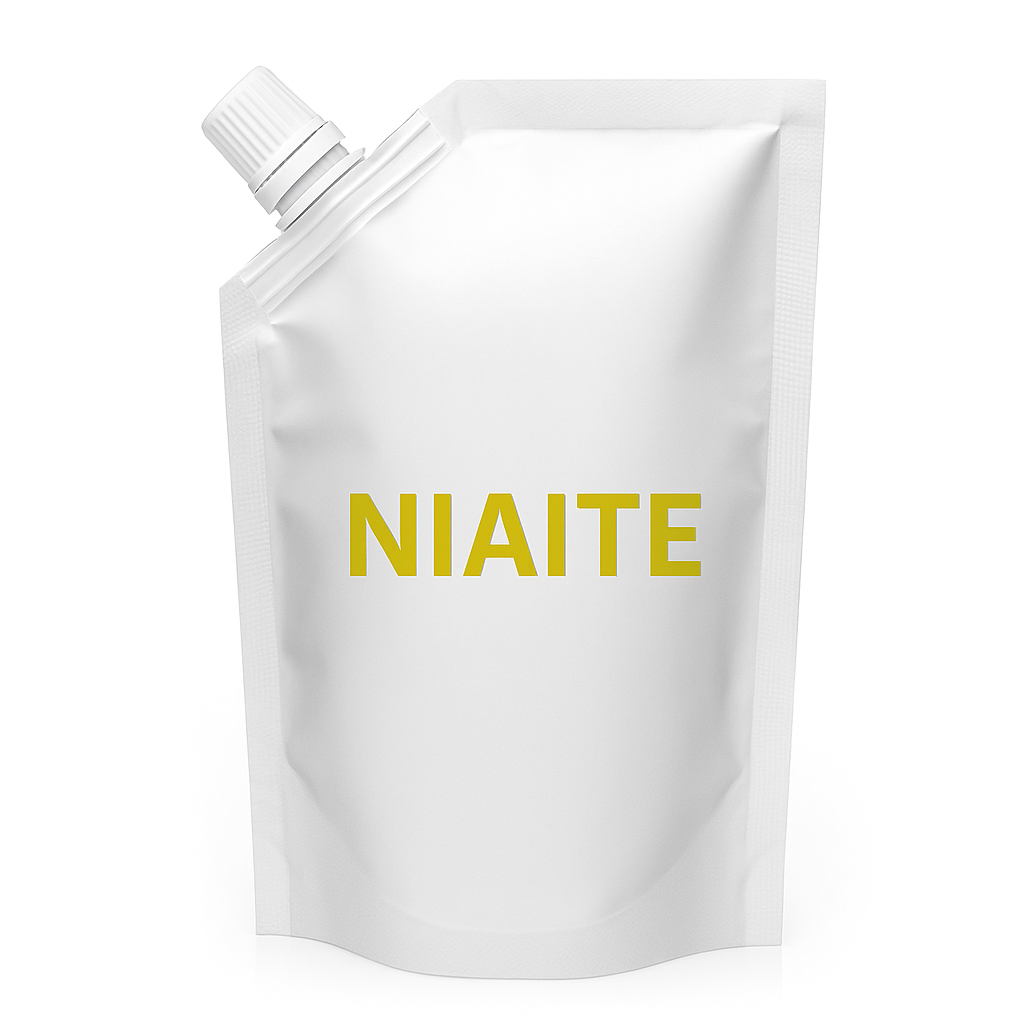
Euro hole, carry handle, round hole for maximum shelf visibility — increases product visibility by up to 40%.
Precision tear notch systems: standard, linear, dot notches, and laser score technology for clean aesthetics.
Strategic window placement drives purchase decisions — windowed packaging increases conversion rates by 25-35%.
Free prototyping (up to 3 iterations), performance testing, and FDA/EU regulatory compliance support.
Representative parameters. Actual values depend on material structure and customization.
Film Thickness
60–120 μm (BOPP or PET based)
Nitrogen Flush
Compatible (MAP for crunch retention)
Oxygen Barrier (OTR)
Low to medium (VMPET standard)
Moisture Barrier (MVTR)
< 1.0 g/m²/day
Window Option
Transparent OPP or PET patch window
Closure Options
PTC zipper, easy-peel top, euro hole
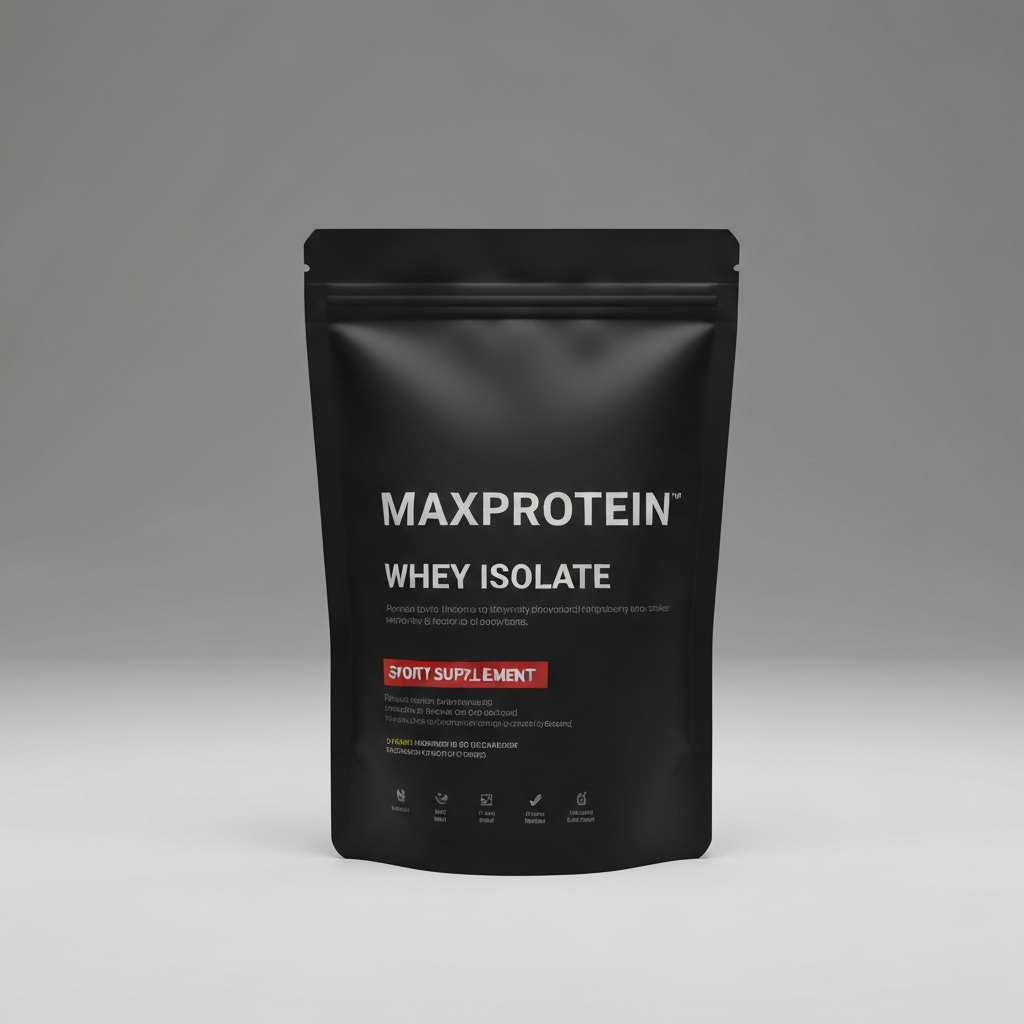
Whey isolate powder sporty matte black stand up supplement pouch
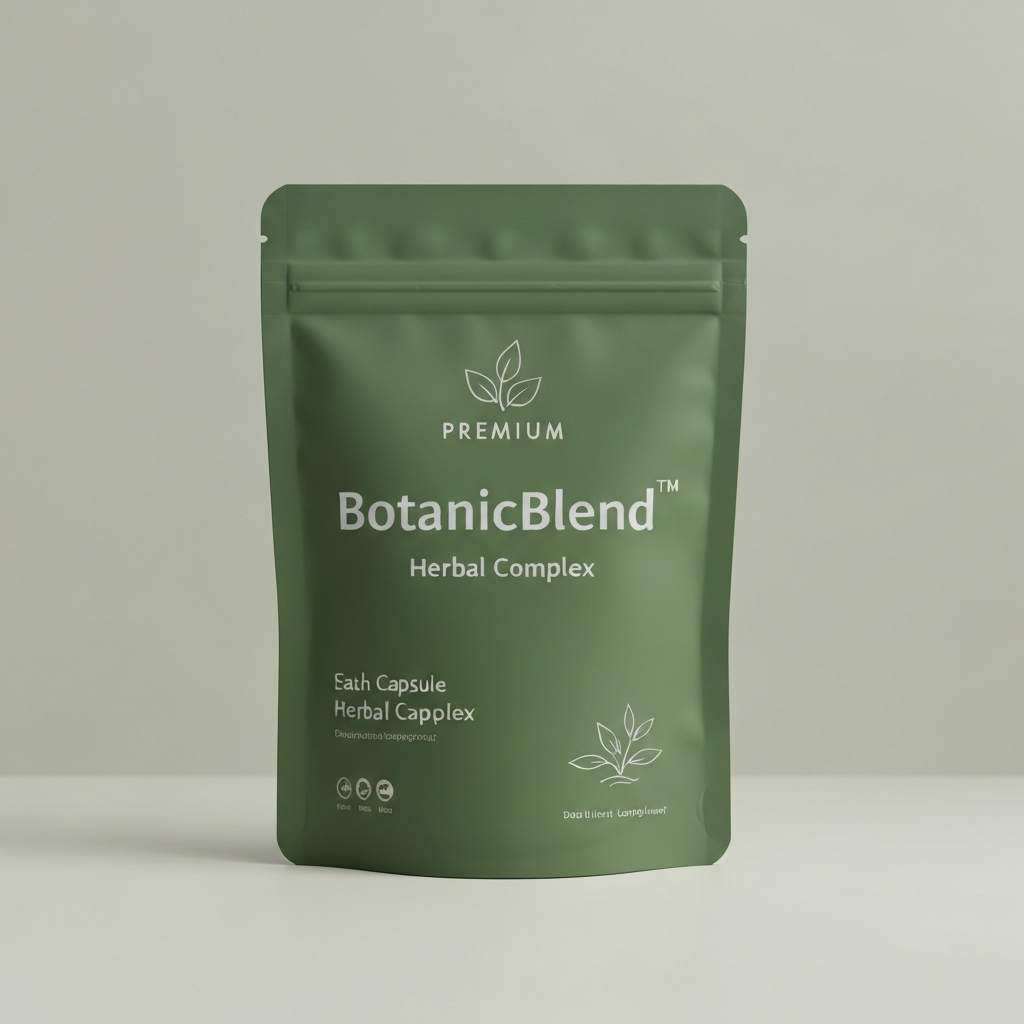
Herbal capsule complex earthy green matte supplement packaging
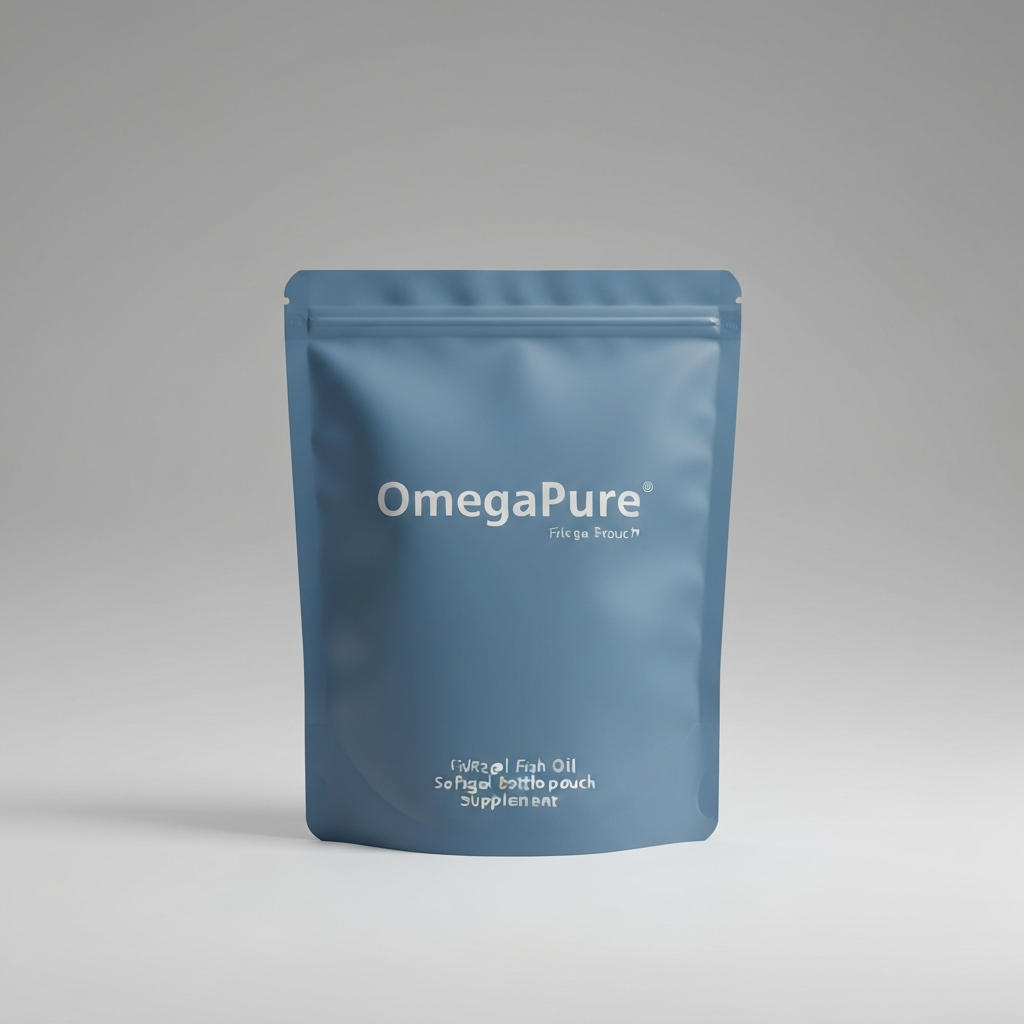
Fish oil softgel bottle-pouch clean matte blue supplement bag
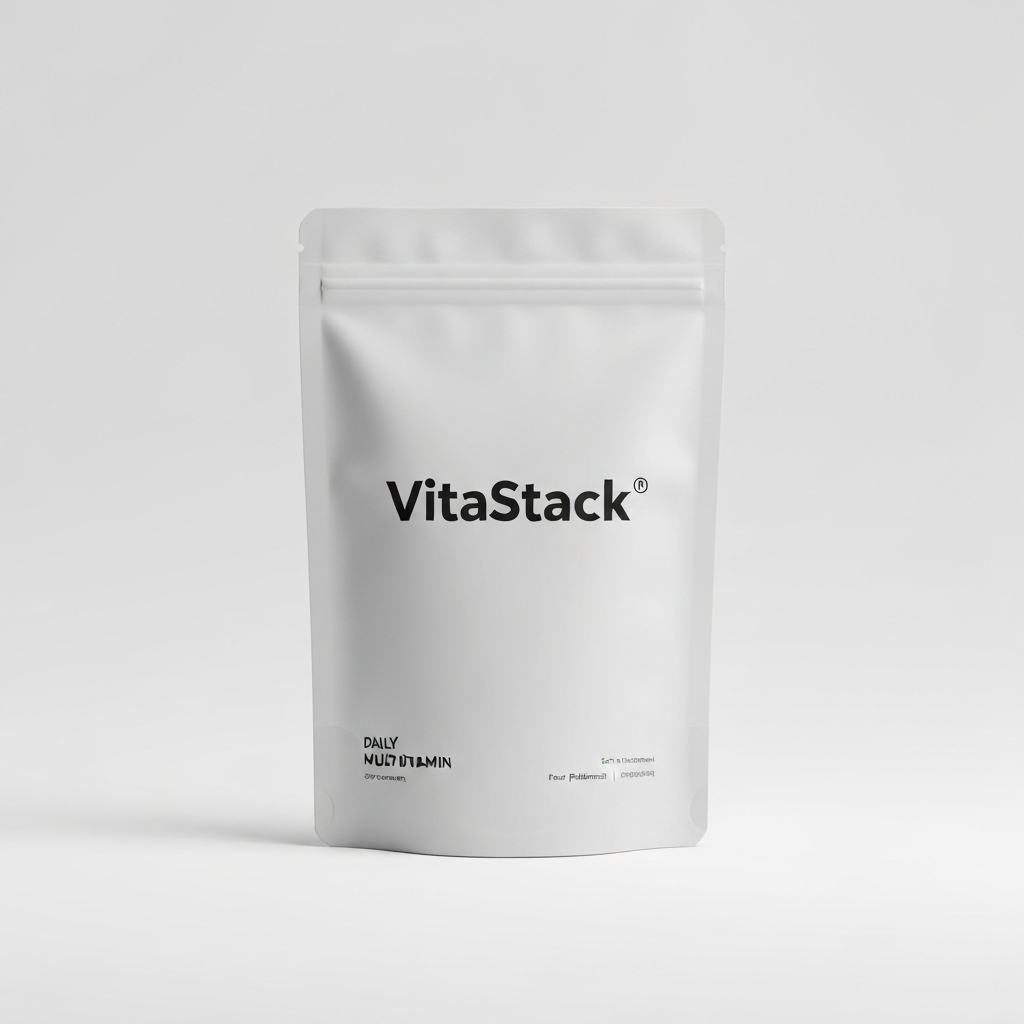
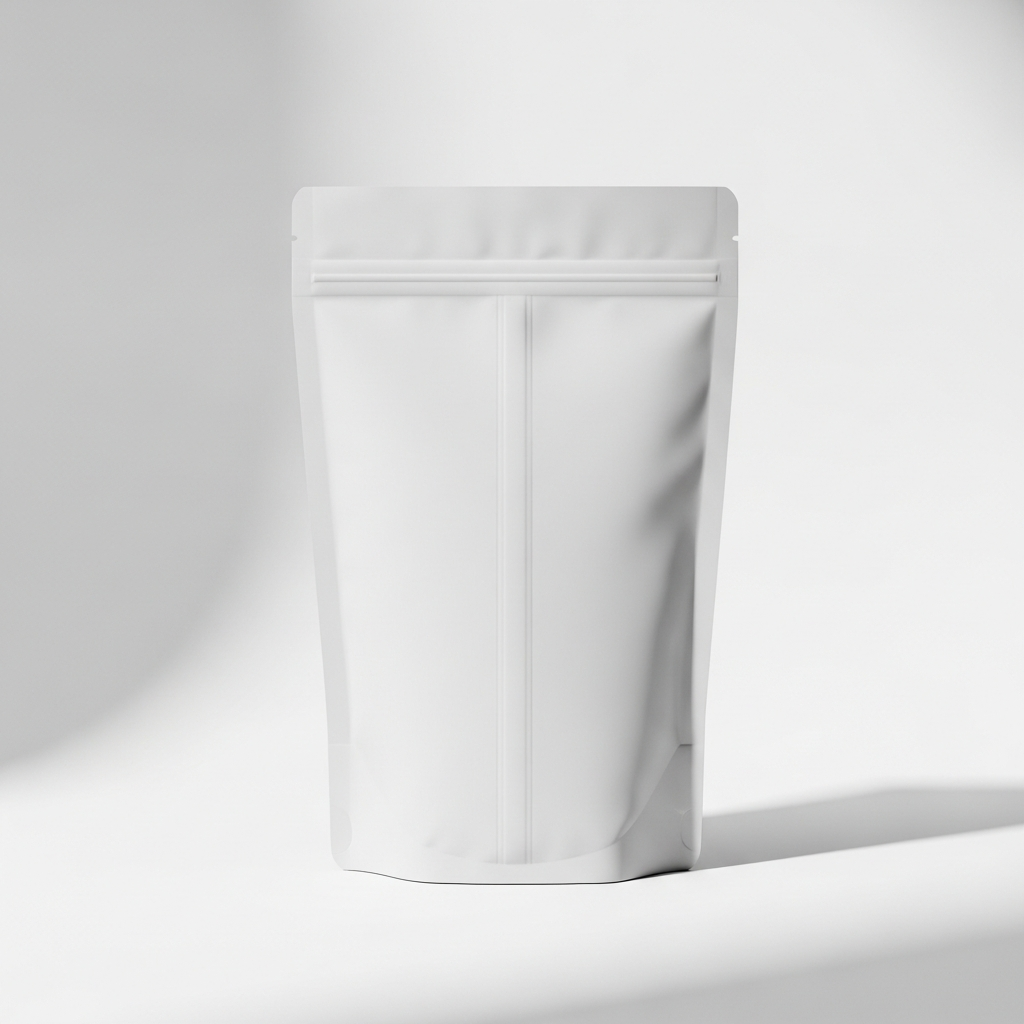
Daily multivitamin premium matte white resealable supplement pouch
We offer recyclable, biodegradable, and compostable packaging options to help your brand meet sustainability goals without compromising performance.
Our Nutritional Supplement Packaging are engineered for diverse applications across food, non-food, liquid, and dry product categories. Contact our engineering team for application-specific recommendations.
Yes, we accept all parts of pouch customization, such as size, shape, design, spout, even specialized materials. Please do not hesitate to contact us to design your own unique pouches.
Our Nutritional Supplement Packaging are manufactured with food-grade materials in facilities certified to FSSC 22000, HACCP, and BRCGS standards. Full compliance documentation is available upon request.
Production facility meets international GMP standards.
Quality system backed by globally recognized certifications.
DDP / FOB / CIF — reliable supply chain to 30+ countries.
NIAITE Eco™ recyclable and biodegradable materials available.
Expert team providing unlimited support for your pouches.
Abundant production capacity ensures on-time delivery.
Tell us your product, target weight, and requirements.
We recommend materials, structure, and provide pricing.
Confirm details, approve artwork, start manufacturing.
Quality inspection and fast global shipping.
Partner with NIAITE for premium quality, innovative materials, and reliable global manufacturing.