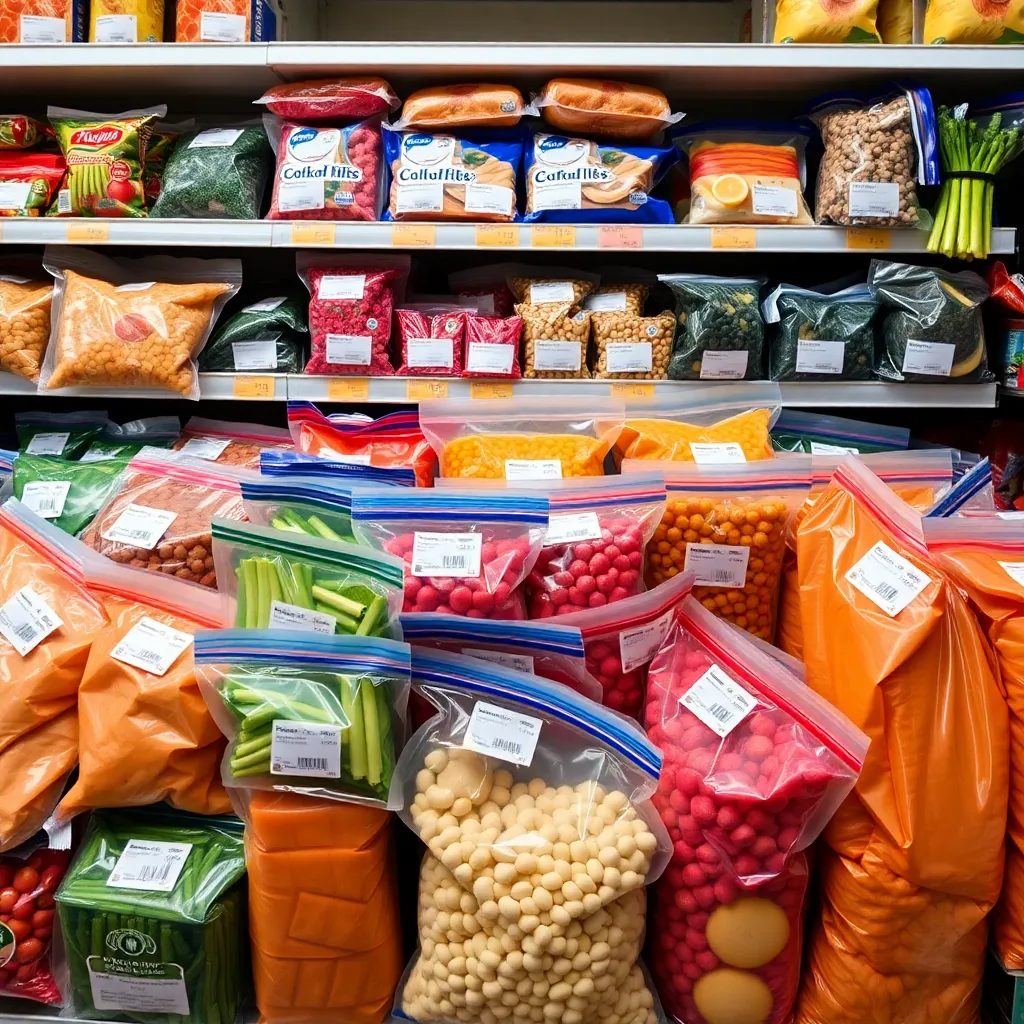
Food waste is a global challenge, with approximately one-third of all food produced worldwide going to waste. Flexible packaging plays a crucial role in addressing this issue by significantly extending product shelf life through advanced barrier technologies and preservation methods.
The Food Waste Challenge
Food waste occurs at every stage of the supply chain, but packaging-related spoilage is a major contributor. Poor packaging can lead to:
- Oxidation and rancidity
- Moisture loss or gain
- Microbial growth
- Flavor and aroma degradation
- Physical damage and contamination
How Flexible Packaging Extends Shelf Life
1. Barrier Protection
High-barrier flexible packaging creates a protective environment by blocking external factors:
- Oxygen Barrier: Prevents oxidation, which causes rancidity, color changes, and nutrient loss. Aluminum foil provides virtually impermeable oxygen barriers.
- Moisture Barrier: Controls water vapor transmission, preventing products from becoming too dry or too moist.
- Light Barrier: Protects light-sensitive products (vitamins, oils, coffee) from UV degradation.
- Aroma Barrier: Prevents flavor loss and cross-contamination between products.
2. Modified Atmosphere Packaging (MAP)
Flexible pouches can be filled with modified atmosphere gases (nitrogen, carbon dioxide) to:
- Replace oxygen with inert gases
- Inhibit microbial growth
- Preserve product freshness
- Extend shelf life by 2-5 times compared to air-packed products
3. Vacuum Packaging
Removing air from flexible pouches eliminates oxygen, the primary cause of spoilage. Vacuum-sealed flexible packaging is ideal for:
- Meat and seafood products
- Cheese and dairy products
- Nuts and dried fruits
- Ready-to-eat meals
4. Retort Processing
Retort pouches combine flexible packaging with high-temperature sterilization, enabling:
- Shelf-stable products without refrigeration
- Extended shelf life of 12-24 months
- Preservation of nutrients and flavors
- Reduced food waste through longer storage
Material Structures for Extended Shelf Life
High-Barrier Structures
NIAITE offers various barrier structures based on product requirements:
- PET/AL/PE: Maximum barrier for oxygen, moisture, and light (coffee, pet food, snacks)
- PET/MPET/PE: Good barrier without aluminum (certain food applications)
- Nylon/PE: High strength with good barrier properties
- BOPP/PE: Excellent clarity and print quality with moderate barriers
Real-World Impact
Studies show that proper flexible packaging can:
- Extend shelf life by 50-200% compared to traditional packaging
- Reduce food waste by 20-40%
- Maintain product quality and nutritional value longer
- Enable longer distribution chains and reduced spoilage
NIAITE's Shelf Life Extension Solutions
Our flexible packaging solutions are designed to maximize shelf life:
- High-barrier material structures (PET/AL/PE, PET/MPET/PE)
- Modified atmosphere packaging capabilities
- Vacuum packaging options
- Retort pouches for shelf-stable products
- Custom barrier solutions for specific product needs
- Quality testing and validation for shelf life claims
Environmental Benefits
Extending shelf life through flexible packaging provides significant environmental benefits:
- Reduced food waste and associated greenhouse gas emissions
- Lower transportation and storage costs
- Reduced need for preservatives
- Less packaging material per unit of preserved food
Frequently Asked Questions
How does flexible packaging extend shelf life?
Flexible packaging extends shelf life through barrier protection (blocking oxygen, moisture, light), modified atmosphere packaging (replacing oxygen with inert gases), vacuum packaging (removing air), and retort processing (sterilization). These methods prevent spoilage and maintain product quality longer.
What is modified atmosphere packaging (MAP)?
Modified atmosphere packaging replaces the air inside a package with a gas mixture (typically nitrogen and carbon dioxide). This removes oxygen, which causes spoilage, and can extend shelf life by 2-5 times compared to air-packed products. NIAITE offers MAP capabilities for various flexible pouch applications.
What barrier materials are best for extending shelf life?
High-barrier materials like PET/AL/PE (polyester/aluminum/polyethylene) provide maximum protection against oxygen, moisture, and light. Aluminum foil offers virtually impermeable barriers, making it ideal for products requiring extended shelf life like coffee, pet food, and sensitive food products.
How much can flexible packaging reduce food waste?
Studies show that proper flexible packaging can reduce food waste by 20-40% and extend shelf life by 50-200% compared to traditional packaging. This translates to significant environmental and economic benefits throughout the supply chain.
What products benefit most from extended shelf life packaging?
Products that benefit most include coffee, pet food, snacks, ready-to-eat meals, meat and seafood, dairy products, and pharmaceuticals. Any product sensitive to oxygen, moisture, or light can significantly benefit from high-barrier flexible packaging solutions from NIAITE.